

How to Care for Locs: The Complete Guide


How to Care for Locs: The Complete Guide
By Carol's Daughter — Updated May 2026
Quick Answer: Caring for locs requires three things: regular cleansing with sulfate-free shampoo, consistent daily moisturizing, and patient retwisting of new growth. Locs progress through five stages — starter (3–6 months), budding (6–12 months), teen (12–18 months), mature (15–18 months), and rooted (years onward). Throughout every stage, use lightweight, residue-free products; protect your locs at night with satin; and shampoo every 2–3 weeks. Done consistently, locs are a long-lasting (often permanent) protective style that becomes easier to manage over time.
Whether you're new to locs or years into your journey, caring for them well makes the difference between locs that thrive and locs that struggle.
Locs aren't like other protective styles. They're not installed and taken down — they're grown and maintained over months and years. The care routine evolves through different stages, and what works for starter locs is different from what works for mature locs. The right approach at each phase keeps your locs healthy, your scalp comfortable, and your hair growing strong.
This guide walks you through what locs are, how they progress, and exactly how to care for them at every stage.
What Are Locs?
Locs are a long-lasting (usually permanent) protective style created by twisting and knotting sections of hair together until they form a rope-like, intertwined structure.
All hair types can be locked — from straight to kinky — but coily hair types (type 4) typically lock fastest because the natural curl pattern intertwines easily. Looser textures (type 2 and 3) can take 18–32 months to fully lock.
The process locks the hair within itself with no flyaways or unraveling strands. Over time and with consistent maintenance, locs become permanent — held together by the natural intertwining of your own hair.
Are Dreadlocks and Locs the Same Thing?
Yes. The terms "locs," "dreadlocks," and "dreads" all describe the same protective style.
Many stylists and locs wearers prefer "locs" because some feel the term "dreadlocks" carries a negative connotation. Either term is technically correct, but you'll see "locs" used more often in modern Black hair communities and brands.
Find Your Personalized Routine
Your curl type, scalp condition, and hair density all affect how your locs form and what care they need. The Curl Quiz helps you understand your hair before starting or continuing your locs journey.
Take the Curl Quiz → A 5-step quiz that identifies your hair type, main concerns, and the products built for your texture.
Are Locs High-Maintenance?
Locs are most high-maintenance in the beginning — and become progressively easier as they mature.
In the first 6–12 months, you'll need to:
- Retwist regularly to maintain new growth
- Be careful about washing techniques that won't unravel starter locs
- Protect your locs nightly with consistent care
Once locs reach the mature and rooted stages, maintenance is far simpler:
- Less frequent retwisting
- Easier washing
- Locs hold their shape without much manipulation
Patience and consistency are what make the difference. Trust the process.
What Are the Stages of Locs?
Locs progress through five distinct stages. Each has its own appearance, care needs, and maintenance frequency.
Note: The timeframes below are estimates for short, naturally coily hair. Looser textures and longer starting lengths can extend each stage significantly.
Stage 1: Starter (Baby Locs) — 3–6 Months
This is the foundation phase. Your hair is sectioned into the pattern you'll wear for the rest of your locs journey, then twisted using one of several techniques:
- Comb coils — using a fine-tooth comb to twist hair into coil shapes
- Two-strand twists — wrapping two sections of hair around each other
- Interlocking — a salon technique that pulls hair through itself
- Freeform locs — letting hair lock naturally without manipulation
Care for starter locs:
- Wear low-tension styles — hair hanging loose or in a large satin scrunchie
- Use a holding product like a styling gel or balm
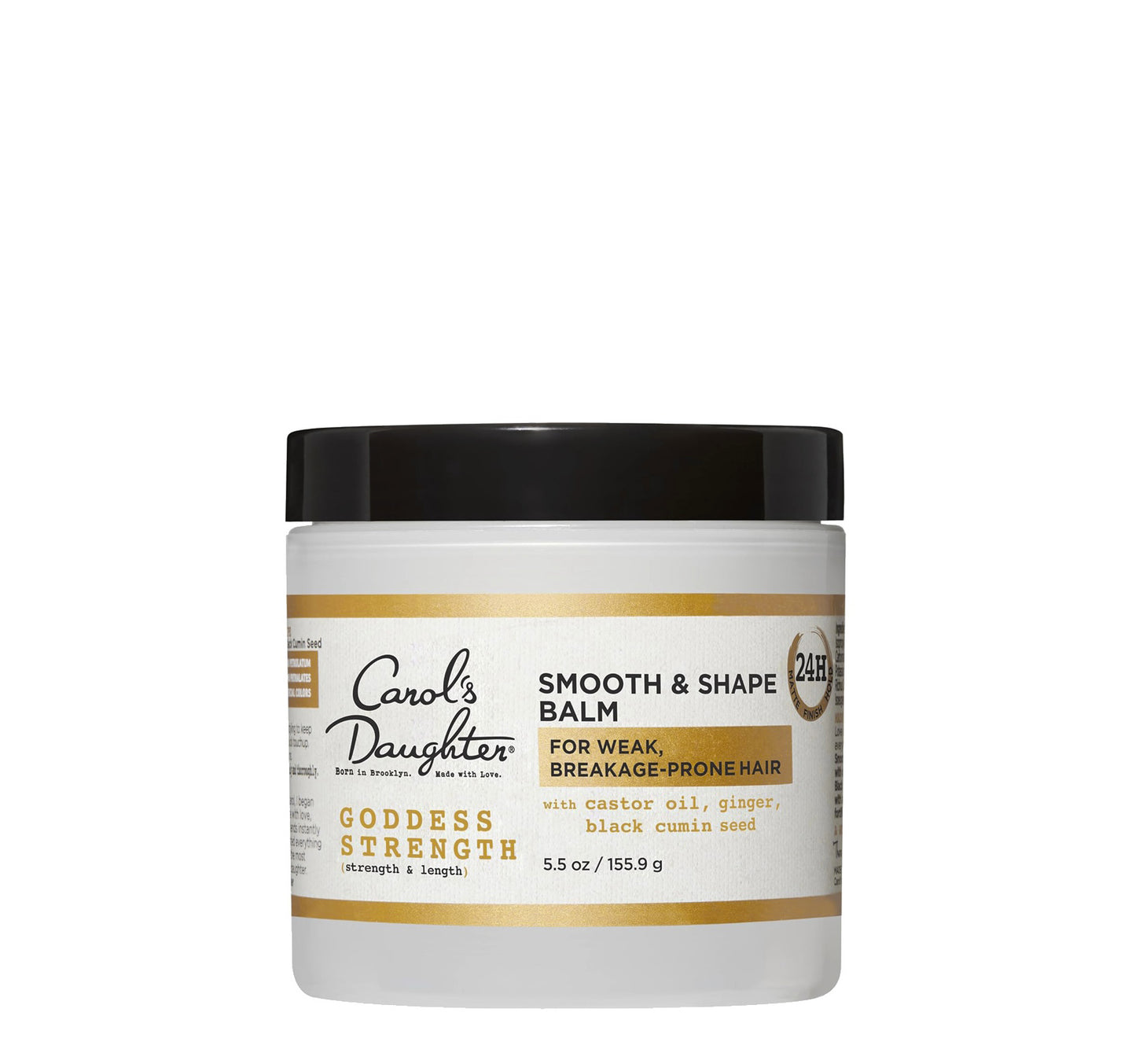
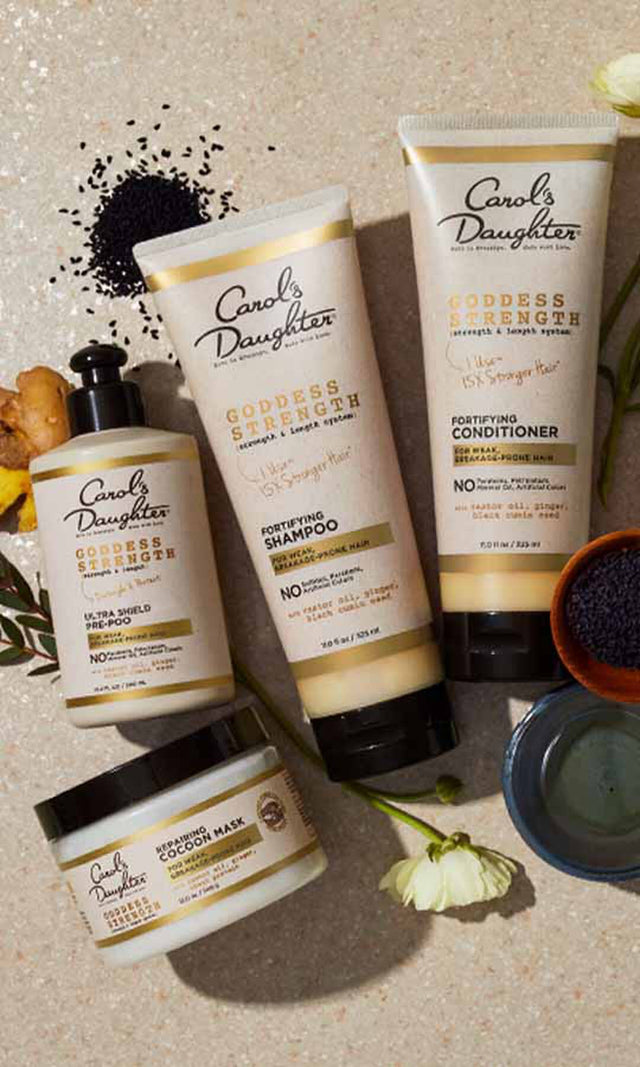
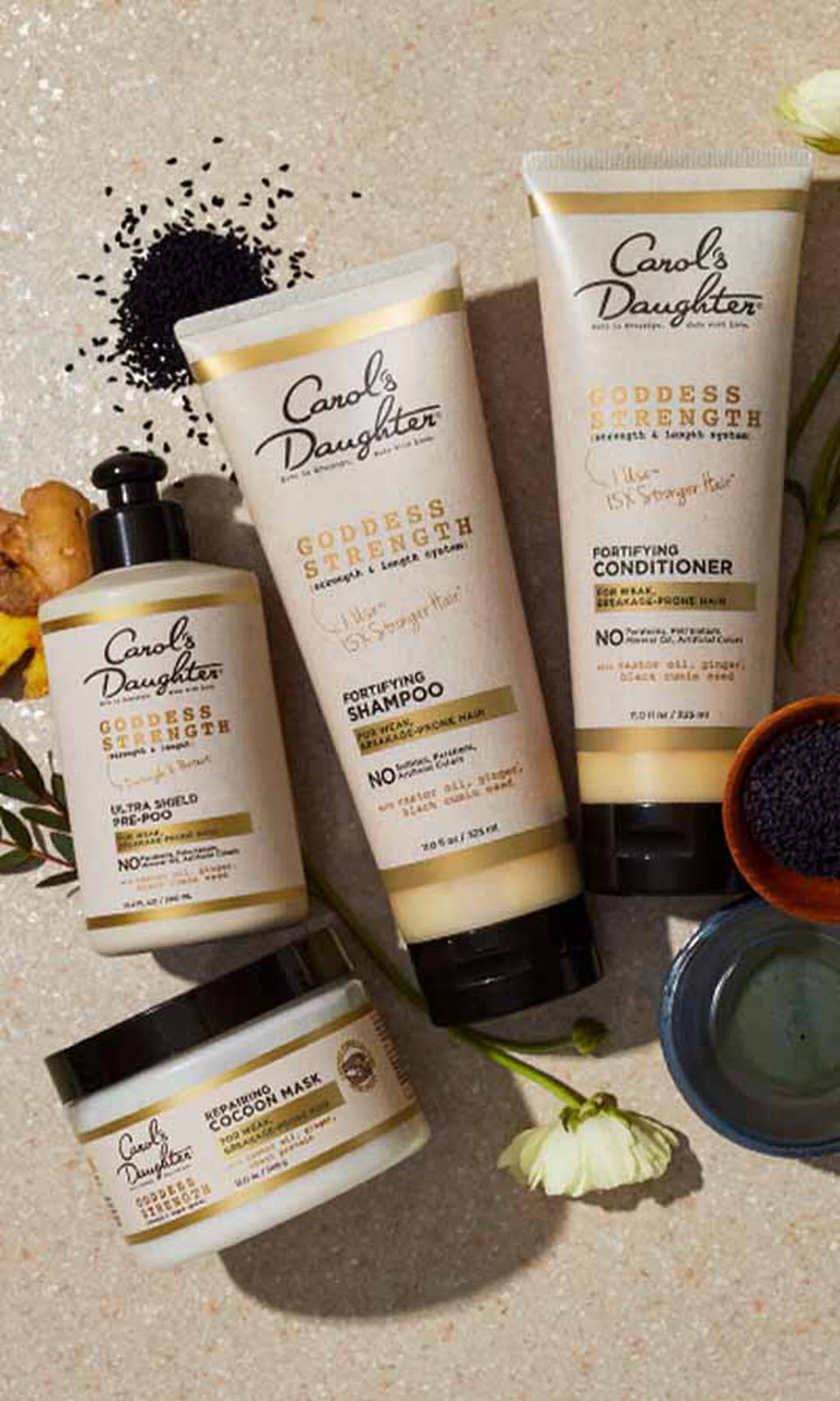
- The Goddess Strength Smooth & Shape Balm keeps starter locs bound and moisturized without heavy buildup
- Use clips to hold the root in place while styling products dry
- Avoid washing for the first 4 weeks — water and conditioner can undo the twists before they begin to lock
If you leave protective styles like box braids or twists in for 3–5 weeks, they will start to lock naturally. For more on protective styling, see our pillar guide to 25 braided hairstyles.
Stage 2: Budding — 6–12 Weeks Into the Process
Budding is when hair starts becoming tightly woven together and the locs begin to take their intertwined form. You'll notice:
- Sectioned hair becoming more conjoined
- New growth at the roots requiring attention
- Some flyaways and frizz (this is normal)
Care for budding locs:
- Don't re-do twists — this can undo the locking process
- Palm-roll new growth instead — apply a holding product to the new hair, then roll the loc between your palms until the new hair intertwines with the existing loc
- Use a clip at the root as the product dries
- Continue avoiding heavy product buildup
Stage 3: Teen — 12–18 Months
Locs are taking their true shape and unraveling significantly less. They may look puffy or grow in different directions — that's expected. Commitment through this stage is what produces beautiful mature locs.
Care for teen locs:
- Continue regular retwisting of new growth
- Begin experimenting with low-manipulation styles
- Resist the urge to cut or dye your locs — wait until they're more mature
- Keep moisturizing daily
Stage 4: Mature — 15–18 Months
Mature locs are longer, firmer, and have minimal flyaways or frizz. They hold their shape without constant manipulation.
Care for mature locs:
- Retwist less frequently (typically every 4–6 weeks for the roots)
- Locs maintain shape without daily intervention
- Continue moisturizing routine
- Begin trying more elaborate styles if you wish
Stage 5: Rooted — Years Onward
Rooted locs are fully formed, sturdy, and show no unraveling. They may feel notably heavier than in earlier stages.
Care for rooted locs:
- You can now style, cut, and dye your locs freely
- Continue retwisting new growth at the scalp
- Watch for the additional weight pulling on your scalp — wear lower styles to relieve tension
- For complete edge care during this phase, see our complete guide to growing your edges back
How Long Do Locs Last?
Locs last as long as you care for them. With proper maintenance, locs can last for years — often decades.
The factors that determine longevity:
- Consistent retwisting of new growth at the roots
- Regular moisturizing to prevent breakage
- Gentle washing to prevent buildup-related damage
- Nighttime protection to prevent friction
Poorly maintained locs become loose, unstructured, and easy to comb out. Well-maintained locs become tighter, smoother, and effectively permanent over time.
How to Care for Locs
Caring for locs comes down to three pillars: cleansing, moisturizing, and maintaining new growth. Each one matters at every stage.
1. Cleanse Your Locs Thoroughly
All hair needs to be washed — locs included. Shampooing restores the pH balance your scalp needs for healthy growth.
The most important consideration when choosing a shampoo for locs: residue. Heavy, conditioning shampoos leave product behind inside the loc, causing itching, buildup, and incomplete drying.
How to wash locs:
- Wet your scalp and saturate your locs until they're sopping wet — water must reach every layer of hair
- Apply a gentle, sulfate-free shampoo directly to your scalp
- Massage gently around your head to lift dirt, sweat, and oil
- Rinse thoroughly until water runs completely clear of suds
For gentle daily-cleanse shampoo: The Wash Day Delight Sulfate Free Shampoo for Curly Hair features a water-to-foam micellar formula that penetrates deeply without leaving residue. The pointed tip applicator targets your scalp directly — essential for getting cleanser to the roots of densely-packed locs.
For a deeper periodic detox: The Wash Day Delight Sulfate Free Shampoo also works as a periodic detox shampoo every 4–6 weeks to target buildup that accumulates inside locs over time. For very heavy buildup, you can apply, let it sit for 2–3 minutes, then rinse thoroughly.
Cleansing frequency:
- Wash and detox every 2–3 weeks
- More frequently in summer or after heavy workouts
- Less frequently if you have very dry hair (every 3–4 weeks max)
Locs absolutely shouldn't smell. If yours do, you're either not washing thoroughly enough or not drying completely after washing.
2. Condition Without Leaving Buildup
After shampooing, follow with a lightweight conditioner that adds moisture without clogging your locs.
The Wash Day Delight Conditioner with Aloe has a jelly-to-cream formula that instantly moisturizes locs without weight or residue. Apply, work through your locs, and rinse thoroughly.
For deeper periodic conditioning, the Born to Repair 60-Second Moisture Treatment is a perfect once-weekly treatment. Apply after cleansing, let sit for 60 seconds, then rinse. It repairs hair, minimizes frizz, and soothes the scalp.
For more on building a complete wash-day routine, see our complete guide to moisturizing natural hair.
3. Dry Your Locs Properly
After washing, direct heat can damage locs — air drying is the safer approach. But locs hold a lot of water, so air drying needs help.
The proper drying technique:
- Squeeze excess water out of each loc with your hands
- Wrap your head in a microfiber towel to absorb additional moisture
- Let your locs air-dry the rest of the way
- Do not go to bed with wet locs — they will mildew and smell
Wet locs are heavy and put unnecessary strain on your scalp. Ringing them out reduces the weight.
If you're in a humid climate or have very dense locs, a hooded dryer on low heat can help complete the drying process safely. Avoid blow-drying directly with high heat.
4. Moisturize Daily
Locs can still get dry and break, even though the hair is tightly bound. Daily moisturizing is what keeps them strong, flexible, and shiny.
Best daily-care products for locs:
The Goddess Strength 7-Oil Blend Hair & Scalp Oil is a lightweight oil that adds moisture to each loc and your scalp without feeling greasy. The castor oil base wraps strands in the right amount of nourishment.
The Hair Milk Refresher Spray is a lightweight leave-in spray that hydrates locs without weighing them down. Spritz before bed or whenever your locs feel dry.
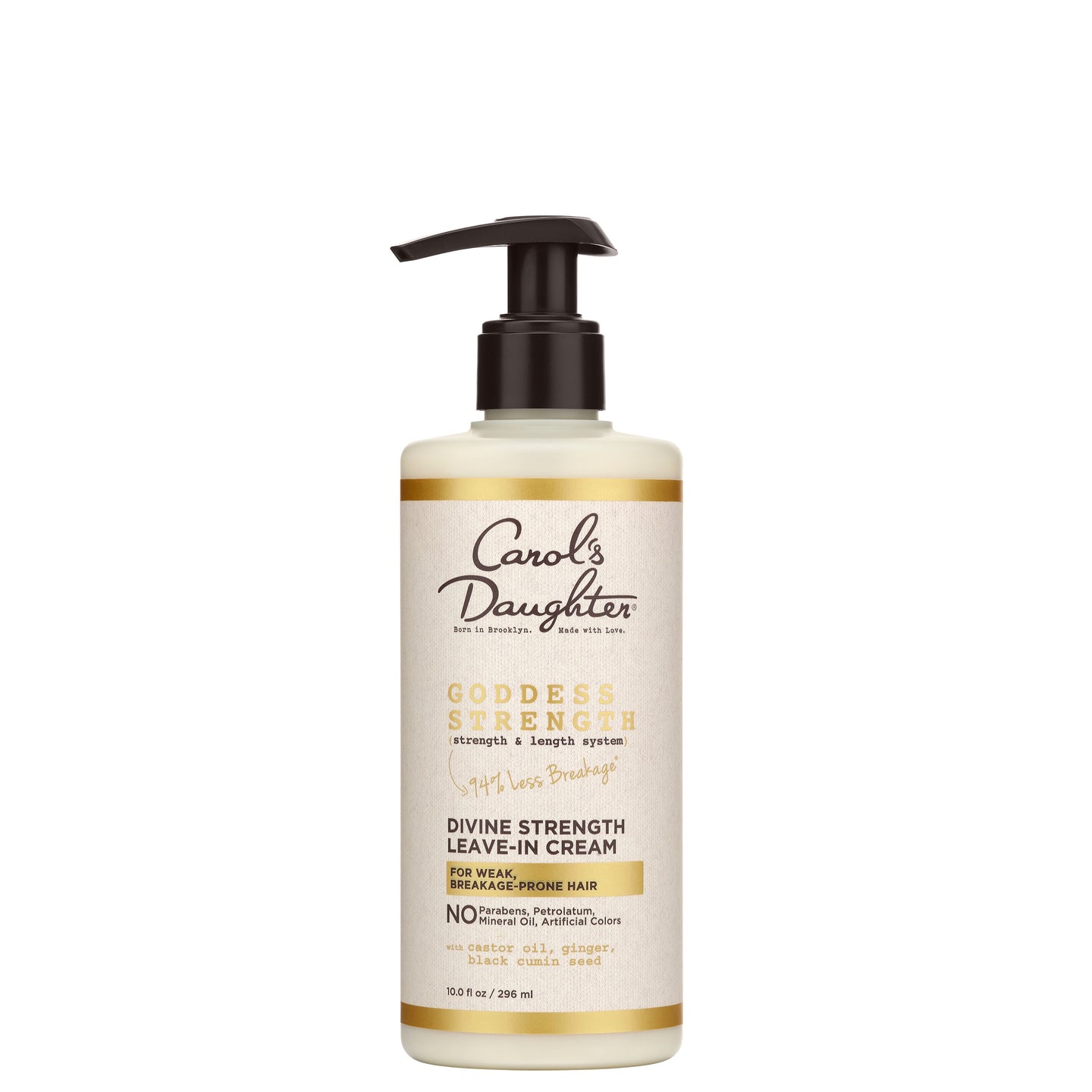
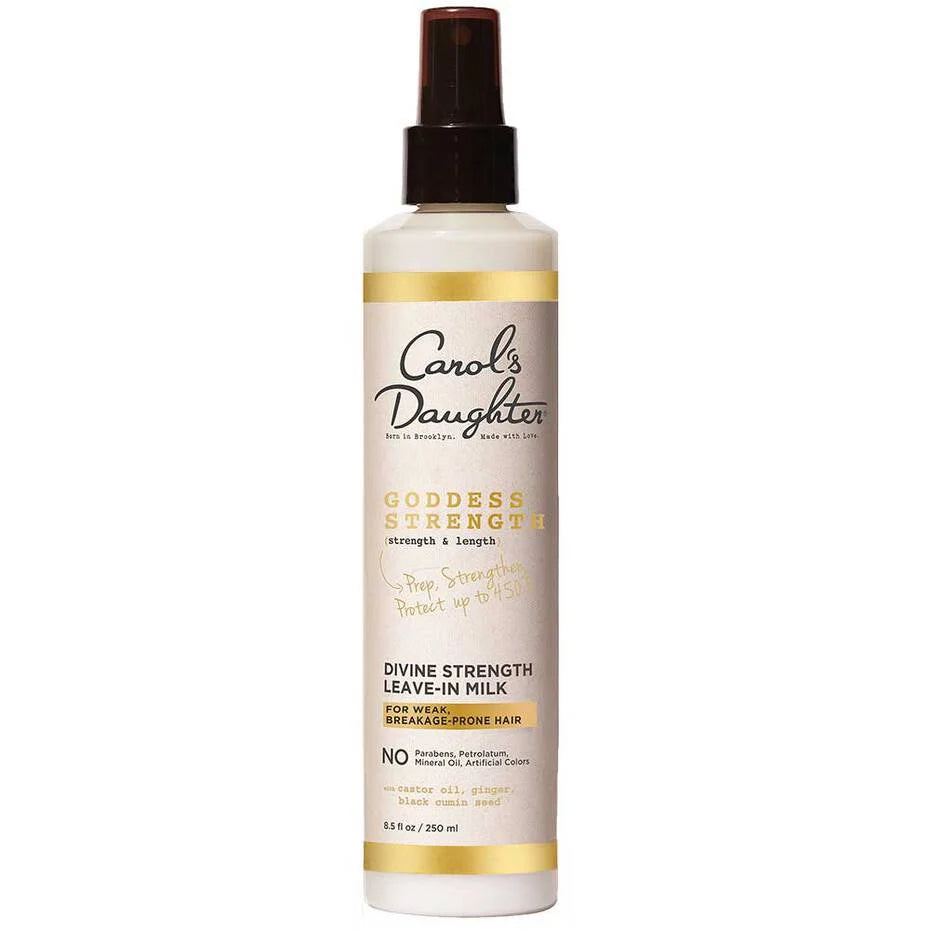
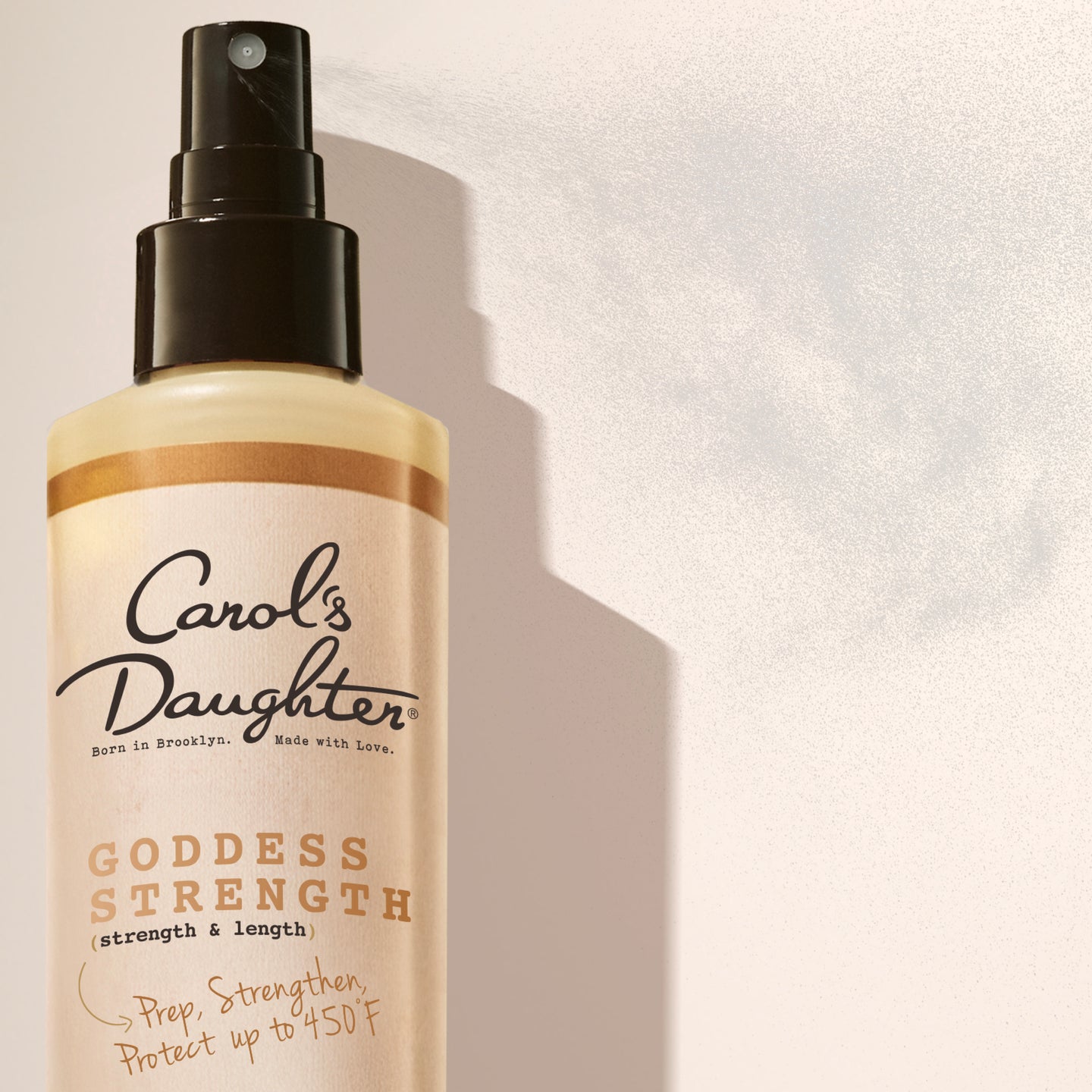
The Goddess Strength Divine Strength Leave-In Milk is another lightweight leave-in option — perfect for daily use without heaviness.
5. Maintain New Growth
As your hair grows from the scalp, you'll need to retwist that new growth into your existing locs. The frequency varies by stage:
- Starter to budding: every 2–3 weeks
- Teen stage: every 3–4 weeks
- Mature stage: every 4–6 weeks
- Rooted stage: every 6–8 weeks or as needed
Apply a small amount of holding product (the Goddess Strength Smooth & Shape Balm works well for this), then palm-roll or twist the new growth into the existing loc.
Use lightweight oils between retwist appointments. The Born to Repair Reviving Hair Oil with Shea Butter strengthens, smooths, and helps repair fragile hair — great for protecting new growth between maintenance sessions.
6. Protect Your Locs at Night
A satin or silk bonnet (or pillowcase) prevents the friction and damage that cotton causes. This matters most in the early stages, when unraveling is a real risk — but it stays important throughout your locs journey to prevent frizz, breakage, and dryness.
For more on hair protection routines, see our hair breakage causes and treatments guide.
The Best Products for Locs
The golden rule for locs products: lightweight and low-residue. Heavy creams, gels with sulfates, and conditioning shampoos all leave buildup inside locs.
When applying any product to locs, start with a small amount on your fingertips. Add more only if needed. Buildup compounds quickly.
Recommended Lineup
For cleansing:
- Wash Day Delight Sulfate Free Shampoo for Curly Hair — water-to-foam micellar formula, ideal for scalp targeting
For conditioning:
- Wash Day Delight Conditioner with Aloe — jelly-to-cream formula, lightweight enough not to clog locs
For weekly deep treatment:
- Born to Repair 60-Second Moisture Treatment — intense nourishment in 60 seconds, perfect for wash day
For daily moisture (spray):
- Hair Milk Refresher Spray — lightweight leave-in mist, ideal for daily refresh
For daily moisture (lotion/milk):
- Goddess Strength Divine Strength Leave-In Milk — lightweight texture, daily-safe formulation
For scalp + loc oil:
- Goddess Strength 7-Oil Blend Hair & Scalp Oil — lightweight castor oil-based blend
For retwisting:
- Goddess Strength Smooth & Shape Balm — holds new growth in place without flaking
For shine + scalp revitalization:
- Mimosa Hair Honey — shea butter, cocoa butter, and rosemary blend that smooths, adds shine, and revitalizes the scalp
How to Remove Locs
Locs are designed to be long-lasting — many people keep them for decades — but removal is possible if you want a change.
If You're in the Early Stages (Starter, Budding, Teen)
You can typically comb your locs out with patience and the right approach:
- Saturate your hair with a heavy conditioner for slip
- Section by section, gently comb each loc out from the tip toward the root
- This process is time-consuming and physically demanding — most people work with a professional
If You're in the Mature or Rooted Stage
By this point, locs are essentially permanent. Combing them out is rarely possible.
To remove without losing all your hair:
- Stop retwisting new growth
- Let your hair grow for several weeks at the roots
- Cut each loc at the point where it's most tightly wound
- Use a rat-tail comb to gently unravel the loc from the cut point back toward your new growth
- Wash and condition your hair thoroughly after
This salvages the hair closest to your new growth rather than requiring a big chop. For more on damage repair after major styling changes, see our complete guide to repairing damaged hair.
Faux Locs as a Less Permanent Alternative
If you want the locs aesthetic without the commitment, faux locs combine your natural hair with braiding extension hair to create temporary locs you can take down at any time.
Common Locs Issues (and How to Fix Them)
"My scalp itches under my locs"
Almost always a sign of buildup. Switch to a deeper-cleansing wash and ensure you're thoroughly rinsing. Apply the Goddess Strength 7-Oil Blend directly to your scalp 2–3 times per week.
"My locs smell"
Either incomplete drying or product buildup. After washing, squeeze out excess water and use a hooded dryer to ensure complete drying. Switch to a clarifying wash routine for 2–3 cycles.
"My new growth is unraveling"
Normal in starter and budding stages. Use the Goddess Strength Smooth & Shape Balm during retwisting to provide hold without buildup. Palm-roll instead of fully re-twisting.
"My edges are thinning"
Tight retwisting at the hairline is one of the most common causes of traction alopecia in loc wearers. Always retwist with gentle tension at the edges. For severe edge concerns, see our complete guide to growing your edges back.
"My locs feel heavy and pull on my scalp"
Mature and rooted locs are heavier than they look. Wear lower styles (down or in a low ponytail) instead of high updos to reduce scalp tension. Consider thinning out particularly thick locs with a stylist.
Frequently Asked Questions About Locs
How often should I retwist my locs?
It varies by stage: every 2–3 weeks for starter and budding locs, 3–4 weeks for teen locs, 4–6 weeks for mature locs, and 6–8 weeks for rooted locs. Over-retwisting at the same spot causes breakage at the root, so don't overdo it.
Can I swim with locs?
Yes, but rinse thoroughly with fresh water after swimming, especially in chlorinated pools or salt water. Both can dry out locs significantly. Wear a swim cap when possible, and follow up with a deep conditioning treatment after.
How long does it take for locs to mature?
For naturally coily (type 4) hair, full maturation typically takes 12–24 months. For type 2 and 3 hair, it can take 24–32 months. Patience is essential — the early stages always feel like they're taking forever, but consistency pays off.
Can I dye my locs?
Yes, but wait until they're in the mature or rooted stage (typically 18+ months in). Dyeing earlier can disrupt the locking process and cause unraveling. When you do dye, use color-safe, sulfate-free products in your wash routine to preserve the color.
Will locs damage my hair?
Done well, no — locs are actually a protective style. Damage happens when locs are installed too tight, retwisted too aggressively, or maintained poorly. Tension at the hairline is the most common damage point.
Can I straighten my locs?
Yes, mature locs can be straightened with low heat and a heat protectant. The Goddess Strength Divine Strength Leave-In Milk offers up to 450°F heat protection. Avoid high-heat tools regularly — they weaken locs over time.
What's the difference between locs and twists?
Twists are a temporary protective style — they can be taken down whenever you want. Locs are a permanent style that intertwines hair within itself over time. For more on twists specifically, see our braids vs. twists comparison guide.
Do locs grow faster than loose natural hair?
Hair growth rate doesn't change with locs — but length retention often improves significantly. Because locs minimize daily manipulation, breakage, and tangling, more of your hair growth is retained over time, making your hair appear to grow faster. For more on hair growth, see our guide on why your hair isn't growing.
Ready to start (or continue) your locs journey?
For locs cleansing → Shop sulfate-free shampoos
For retwist + scalp care → Shop the Goddess Strength collection
For lightweight daily moisture → Shop the Wash Day Delight collection
Not sure where to start? → Take the Curl Quiz