

11 African Hair Braiding Styles to Try: A Complete Guide


11 African Hair Braiding Styles to Try: A Complete Guide
By Carol's Daughter — Updated May 2026
Quick Answer: African hair braiding offers dozens of protective styles for textured hair — from classic box braids and cornrows to goddess braids, Fulani braids, knotless braids, and passion twists. The 11 styles worth knowing: goddess braids, triangle box braids, Fulani braids, lemonade braids, spiraled ends, passion twists, knotless braids, braided pony, halo braid, snake braids, and the braided bob. Most last 4–6 weeks with proper prep, care, and takedown.
African hair braiding is one of the most versatile protective styling traditions in the world.
What started as a cultural and practical art form has evolved into countless variations — each one giving you weeks of low-manipulation styling, length retention, and a striking look. Whether you're a seasoned braid wearer or new to protective styling, there's a braid style here for you.
This guide covers 11 popular African braiding styles, how to prep and care for braids properly, and what to know before you install.
How to Prep Your Hair for African Braids
Before you install any braided style, your hair needs to be ready. A solid prep routine makes the install easier, more comfortable, and longer-lasting.
The 5-step prep:
- Wash thoroughly with a sulfate-free shampoo
- Deep condition or use a moisturizing mask
- Detangle completely
- Moisturize with a leave-in
- Optionally blow-dry for easier sectioning
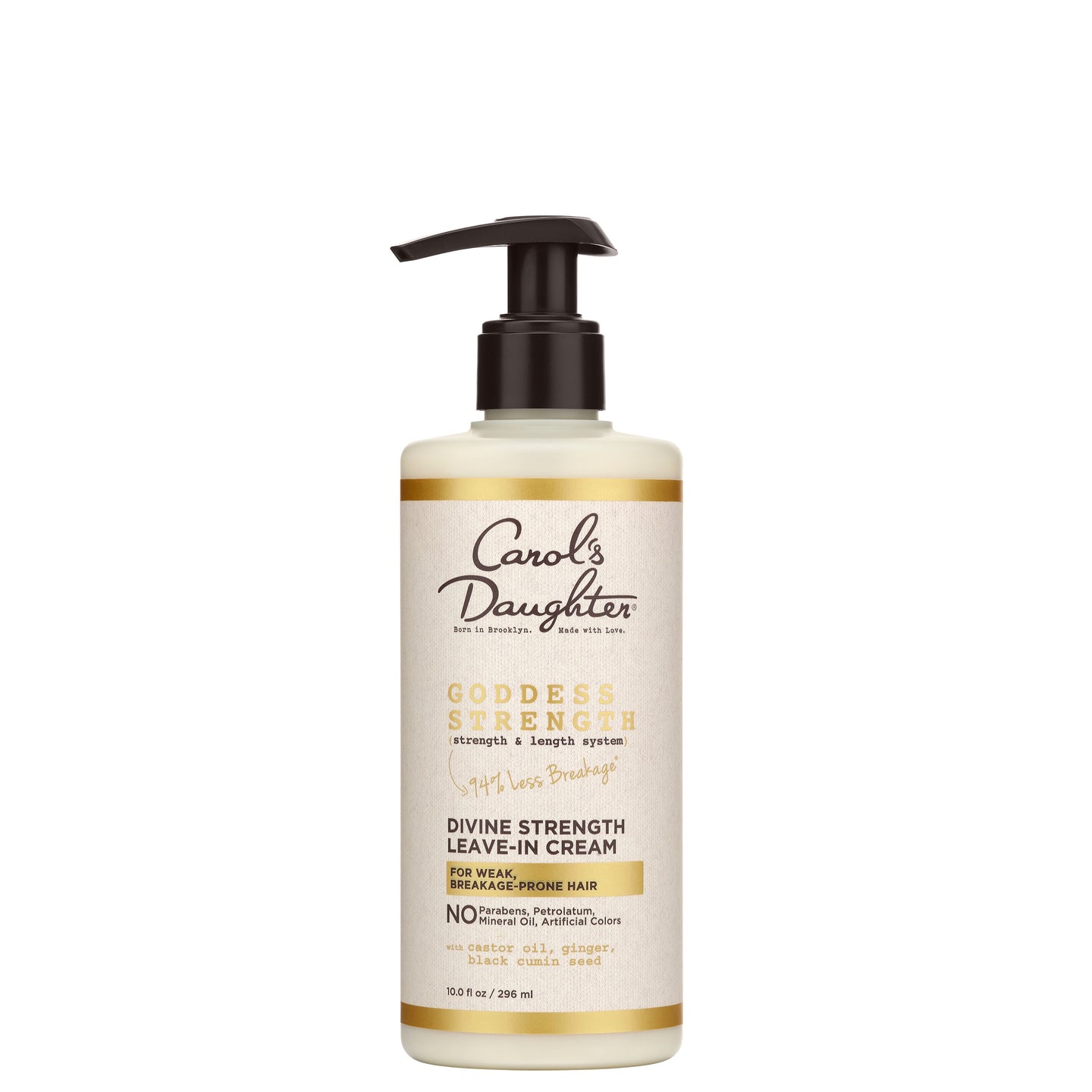
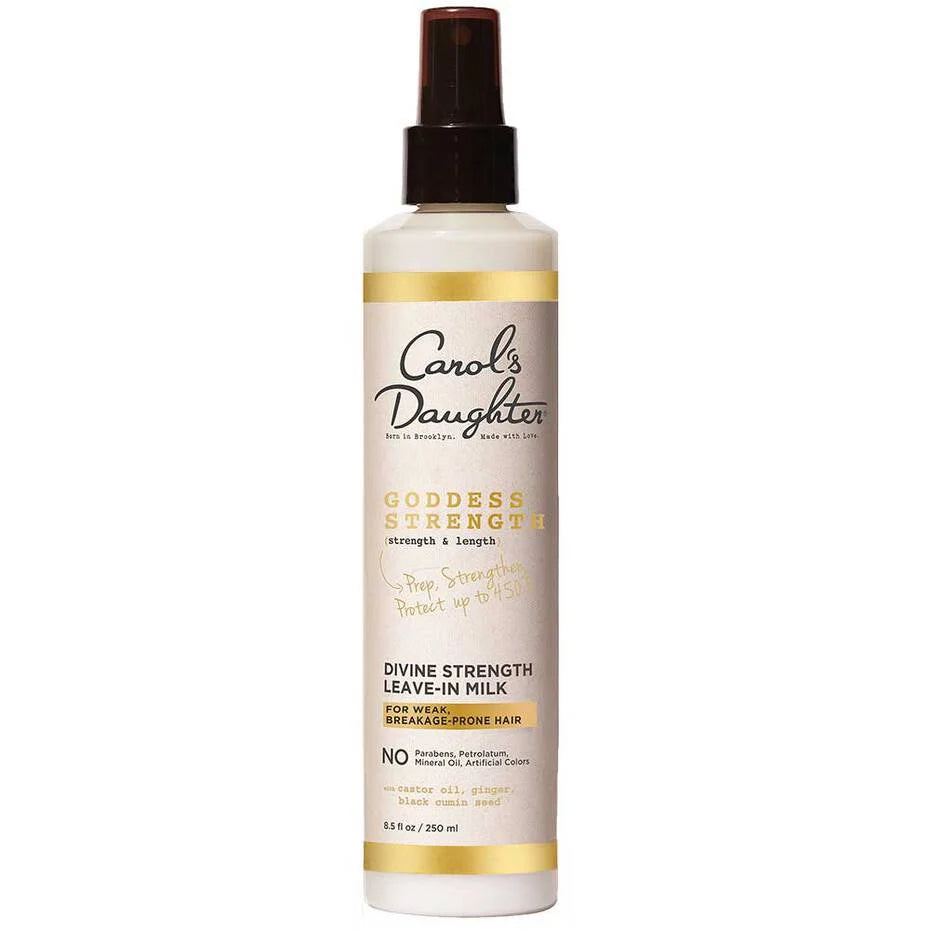
For a smoother install, a light blowout helps. Apply a heat protectant first — the Goddess Strength Divine Strength Leave-In Milk shields hair up to 450°F while adding moisture for easier braiding.
For more on prepping textured hair, see our complete guide to moisturizing natural hair.
Find Your Personalized Routine
Knowing your curl type helps you build a routine that supports both your natural hair and your protective styles.
Take the Curl Quiz → A 5-step quiz that identifies your hair type, main concerns, and the products built for your texture.
11 Popular African Hair Braiding Styles
1. Goddess Braids
One of the most visually striking African braiding styles. Goddess braids combine cornrows of different sizes in an intricate pattern that looks like a work of art. Thin braids take the place of traditional parts and sit next to chunky braids, often forming geometric designs across the scalp.
Goddess braids work for everyday wear, special occasions, and any time you want a statement style that highlights the artistry of cornrowing.
2. Triangle Box Braids
A modern take on the classic box braid. Instead of square parts, triangle box braids use triangular parts that create more visual interest and a sharper, more graphic look.
Try them bold and chunky if you want maximum impact, or smaller for a more subtle architectural detail.
For the foundations of box braid installation, see our easy tutorial for creating box braids.
3. Fulani Braids
A hybrid of cornrows and box braids that's been worn for generations across West Africa. Hair is cornrowed downward on the scalp for the first 1–2 inches, with narrow parts in between. After those initial cornrows, the hair is woven into free-flowing box braids.
Fulani braids are often paired with hair accessories — beads, cuffs, or cowrie shells — to honor the cultural origins of the style.
4. Lemonade Braids
A variation of Fulani braids where all the cornrows fall to one side of the head, creating a dramatic side-swept silhouette. Named for the look popularized in Beyoncé's "Lemonade" visual album, this style accentuates your features and adds elegant asymmetry.
Long lemonade braids look stunning paired with bold accessories or hair jewelry near the front of the face.
5. Spiraled Ends
A texture-mixing style that takes traditional box braids in any diameter and finishes them with undone, curly, or coily ends instead of plain sealed tips.
The best extension hair for spiraled ends has a slightly kinky finish so you can play up the contrast between the smooth braid and the loose, springy curls at the bottom. Bohemian and water-wave extensions both work well.
For ideas on styling box braids with curly or wavy ends, see our 15 bohemian box braid styles.
6. Passion Twists
Passion twists mix the clean structure of box braids with the looser, bubbly texture of two-strand twists. The result: a softer, more flowing look that still maintains structure at the scalp.
To create passion twists:
- Part your natural hair as you would for box braids
- Apply a moisturizing leave-in like the Hair Milk Original Leave-In Moisturizer
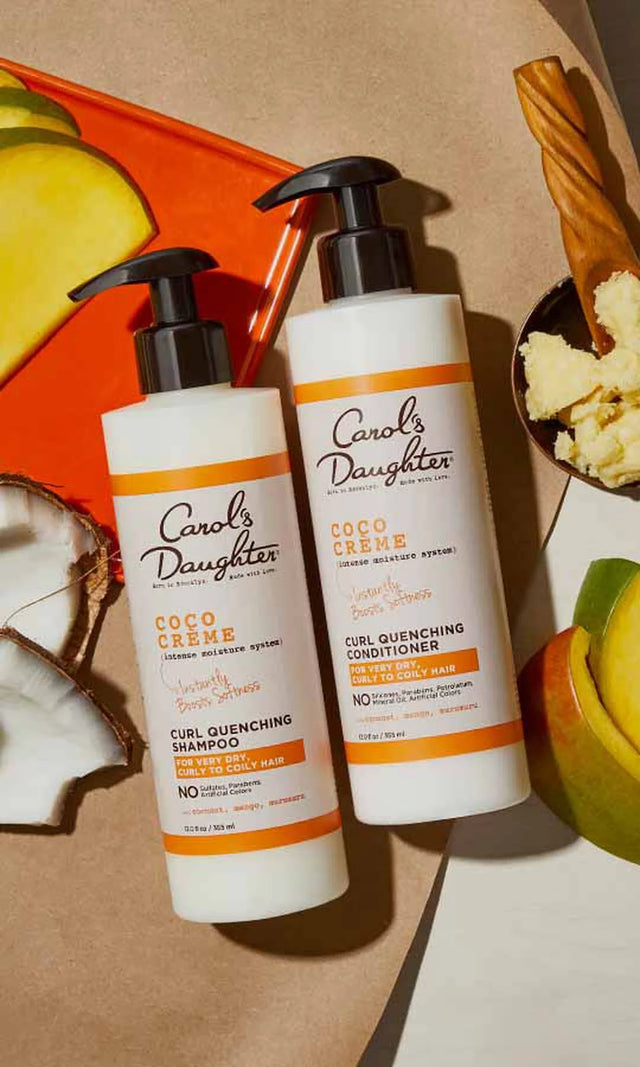
- Add a light-hold styler — the Coco Crème Curl Shaping Cream Gel with Coconut Oil works well — to each section
- Secure with a small rubber band at the root
- Two-strand twist the loose ends of your hair
- Use a crochet needle to add curly textured braid hair to each section
- Twist your natural hair together with the extension hair
- Gently pull sections to loosen and create the signature bubbled, textured effect down the length
7. Knotless Braids
If your scalp is sensitive to tension, or if you prefer a more natural look at the roots, knotless braids are the gentlest option in this list.
Traditional box braids wrap the extension hair around your natural hair at the root, creating a small visible "knot" and putting tension on your follicles from day one. Knotless braids start with just your natural hair, then feed in extension hair gradually as you braid down.
The benefits:
- Significantly less tension on your edges
- Flatter, more natural-looking start
- Lighter overall feel (less pulling weight at the scalp)
- Better for fragile or breakage-prone hairlines
The trade-off: knotless braids take longer to install and are harder to DIY. If you're concerned about edge breakage, this style is worth the extra time or salon cost.
For more on protecting your edges during protective styles, see our complete guide to growing your edges back.
8. Braided Pony
A versatile style where hair is cornrowed up to the crown of your head and then secured into a high or mid-height ponytail. Each braid then hangs down freely from the pony.
This is a great style to mix braid sizes — try alternating thick and thin braids in the ponytail for added texture and dimension.
9. Detailed Halo Braid
The African version of the halo braid takes the classic and adds an intricate twist. Instead of just braiding around the perimeter, the center of your head at the crown is also braided into thin cornrows.
The crown sections are cornrowed outward and then woven into one chunky braid that circles your head like — well, a halo. You can keep the inner cornrows straight or play with detailed patterned parts.
A regal style perfect for weddings, formal events, or anytime you want elevated polish.
10. Snake Braids
Cornrows that follow a curved or zigzag pattern across your head instead of straight lines. The "snake" effect comes from the wavy, undulating path the braids take.
Snake braids can be chunky for a statement look or slim for more subtle dimension. They pair well with hair jewelry placed along the curves.
11. Braided Bob
For those who prefer shorter hair, the braided bob is an iconic option. It's installed the same way as traditional box braids, but each braid ends at chin or jaw length.
The ends are typically smoothed and sealed for a sharper, blunt-cut bob appearance — but you can also opt for curly or wavy ends if you prefer a softer finish.
A great choice if you want the benefits of box braids without the weight or maintenance of waist-length styles.
How Long Do African Hair Braiding Styles Last?
Most African braiding styles last 4–6 weeks with proper prep and care. Past 6–8 weeks, you risk matting at the roots and increased breakage during takedown.
The five-step care routine that gets the most life from your braids:
1. Wash and Condition Before Installing
Start clean. Buildup on your hair or scalp gets sealed in by the braiding process and can cause itching, flaking, and breakage.
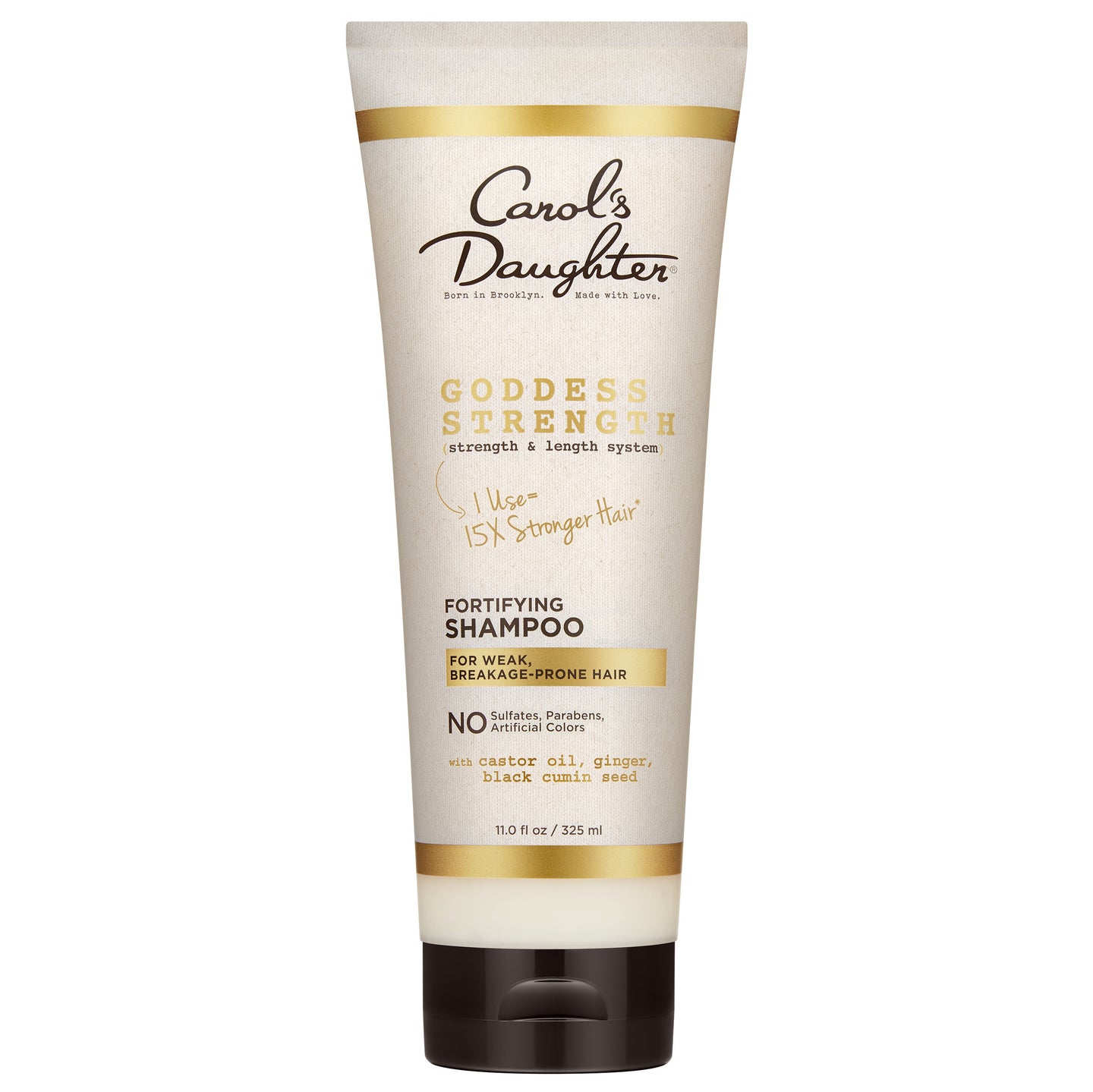
The Wash Day Delight Sulfate Free Shampoo is great for pre-install washing — its water-to-foam formula clears buildup gently without stripping. Follow with a moisturizing or strengthening conditioner.
For especially dry or damaged hair, the Born to Repair Sulfate Free Nourishing Shampoo and Born to Repair Nourishing Conditioner provide repair-focused care before your install.
2. Detangle Thoroughly
Knots and tangles in your hair = knots and tangles in your braids = more breakage during takedown.
Apply the Hair Milk Original Leave-In Moisturizer to coat hair and create slip, then detangle gently from ends to roots with a wide-tooth comb. Don't rush this step — every tangle you miss now becomes a problem in 4–6 weeks.
For more, see our complete guide to detangling natural hair.
3. Add Moisture (But Not Too Much)
You want hair pliable during the install, not soaked. A light leave-in plus a small amount of oil is all you need.
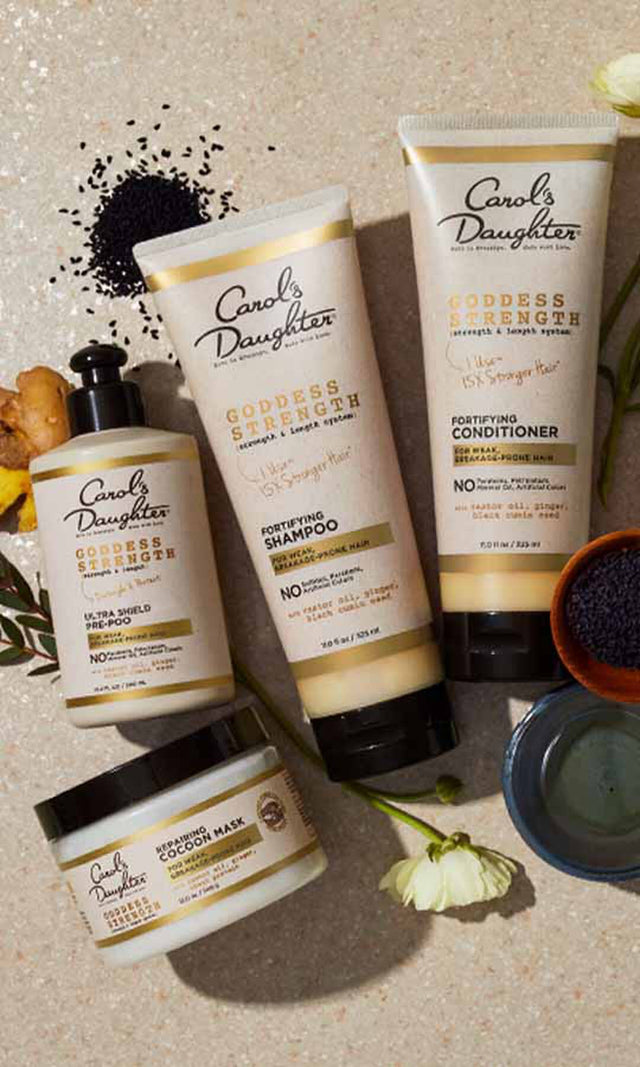
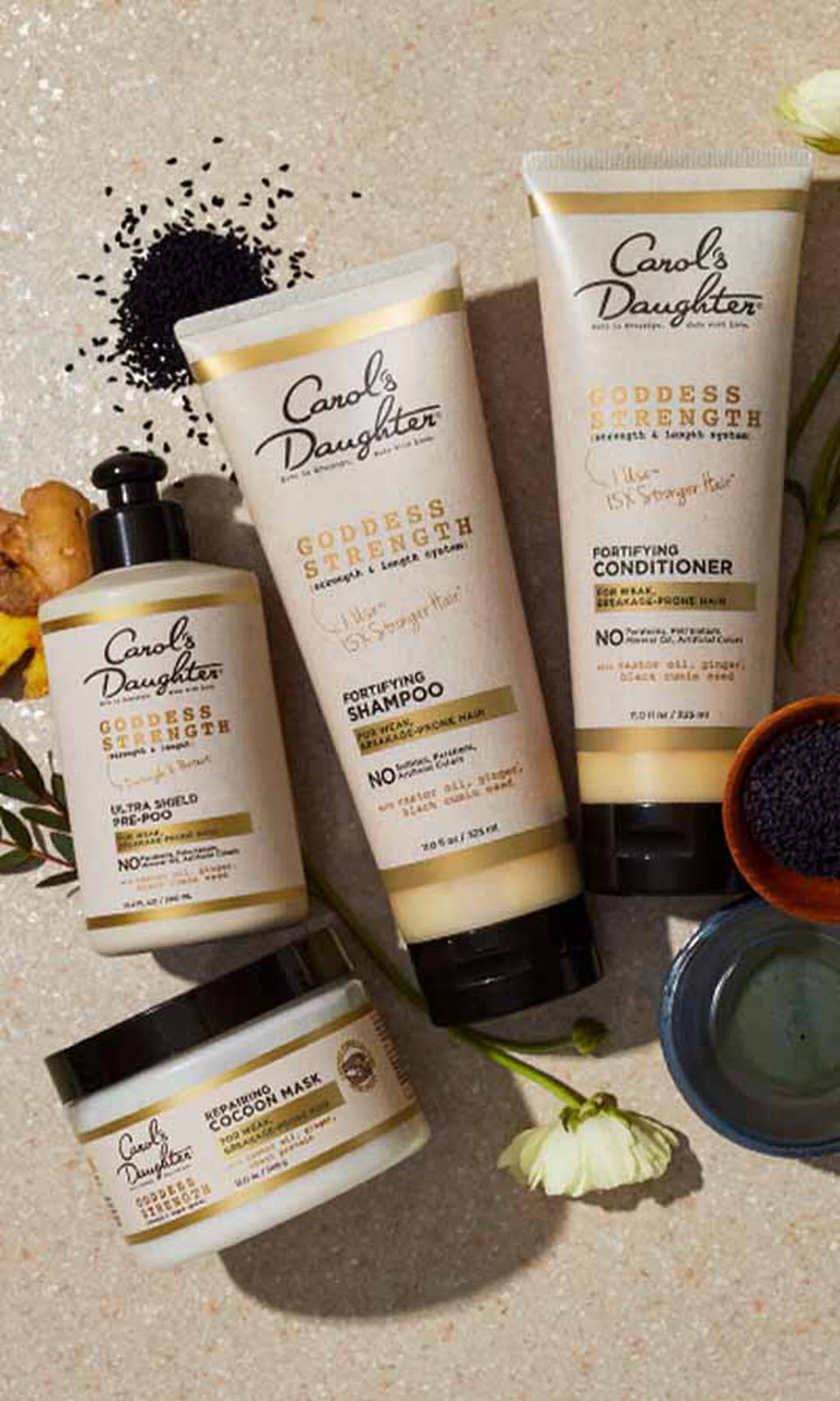
The Goddess Strength Divine Strength Leave-In Milk is lightweight enough not to interfere with the braiding process. Follow with a few drops of the Goddess Strength 7-Oil Blend Hair & Scalp Oil to soften strands.
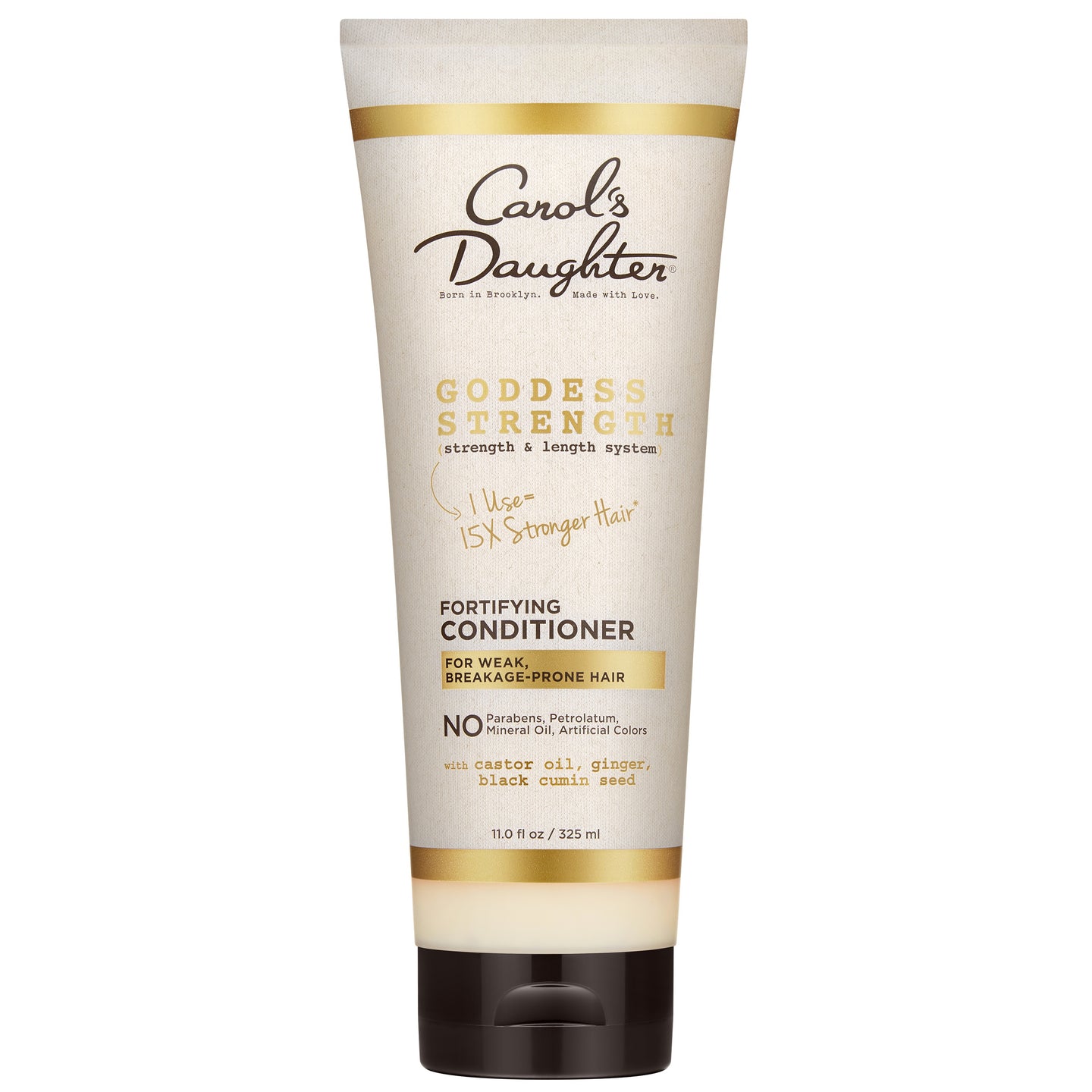
The Goddess Strength line delivers up to 7x stronger hair and 86% breakage reduction with regular use — which protects your strands during the weeks of being braided.
4. Prep Your Scalp
Even the gentlest braiding creates some scalp tension. Pre-treating your scalp helps prevent the tightness, itching, and dryness that come with prolonged styling.
Apply the Mimosa Hair Honey directly to your scalp before your install for soothing moisture. Reapply once or twice a week during the wear of your braids to keep your scalp comfortable.
5. Deep Condition After Takedown
Your hair has been in one position for weeks — it needs serious recovery after takedown.
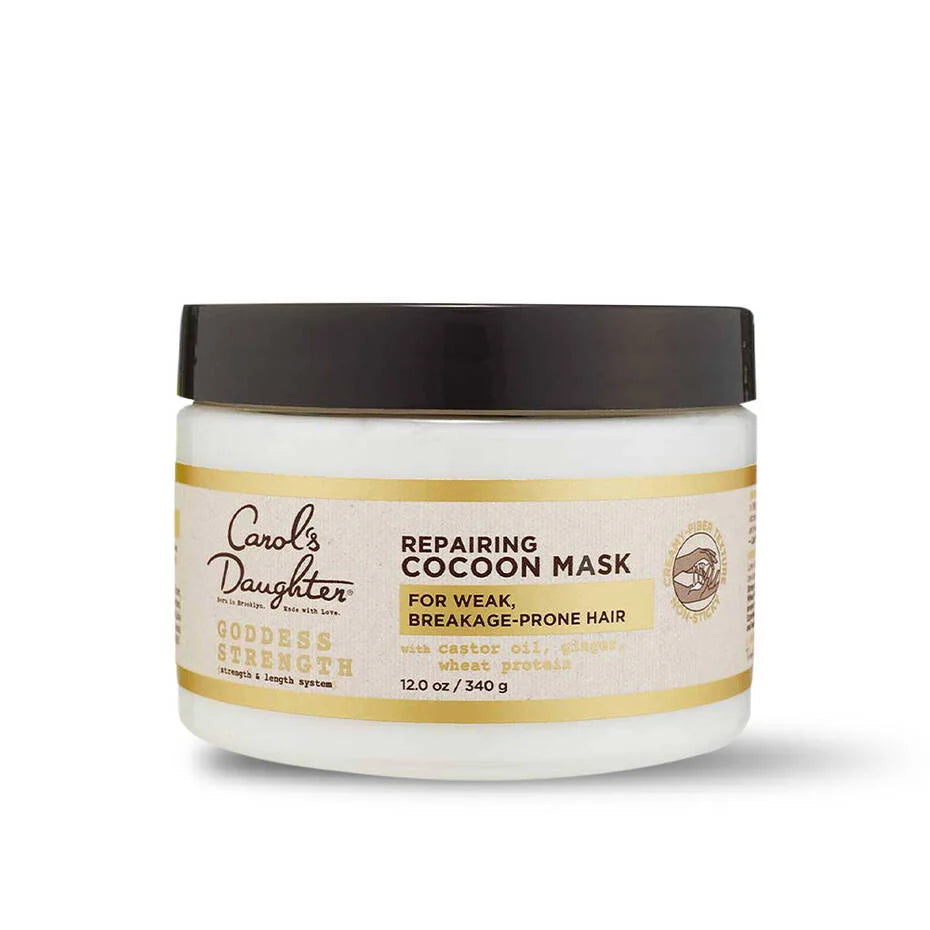
After removing your braids, do a deep conditioning treatment with the Goddess Strength Cocoon Hydrating Hair Mask. Apply, cover with a shower cap, and use heat (a hair steamer or steamy bathroom) for 15–20 minutes to help moisture penetrate.
This step also makes post-takedown detangling significantly easier — and detangling matted post-braid hair is where most people lose length.
Can I Do My Own African Braids?
Yes — though some styles are more DIY-friendly than others.
Easier to DIY:
- Box braids (with or without extensions)
- Crochet braids and twists (you're attaching, not braiding into your scalp)
- Passion twists
Harder to DIY (usually better at a salon):
- Cornrow-based styles (Fulani, lemonade, goddess, halo, snake)
- Feed-in techniques
- Knotless installs (especially on the back)
If you're newer to braiding your own hair, start with crochet styles. You only braid down a few base cornrows (or have someone help with those), then crochet the prepped extension hair in. Much faster than fully cornrowing your own scalp.
Whatever style you DIY, expect to spend 4–10 hours on install depending on size and complexity. Break it into multiple sessions if needed.
African Braiding Styles for Short Hair
You only need a few inches of hair to install African braids — usually 3–4 inches minimum.
Best short-hair braid styles:
- Feed-in styles — work better than knotted bases for short hair because they secure your natural hair tightly with the extension
- Braided bobs — installed at chin length so the visual impact matches your length
- Braided updos with loose ends — let some natural hair show through for movement and dimension
- Crochet styles — work on any length over 3 inches; the extension hair carries the look
A professional braider can also do classic knotted bases on shorter hair, but it's a trickier technique to DIY.
Frequently Asked Questions About African Braided Styles
How long do African hair braiding styles last?
Most styles last 4–6 weeks with proper care. Some, like knotless braids, can stretch to 8 weeks with great maintenance. Past 8 weeks, you risk matting and breakage during takedown — so plan to remove them before then.
Which African braid style is best for hair growth?
Knotless braids are the gentlest option for length retention because they put the least tension on your edges and scalp. Any style that's installed without excessive tightness will support hair growth by reducing daily manipulation.
Are African braids damaging to natural hair?
Done correctly, no — protective styles support length retention by reducing daily manipulation. Damage happens when braids are too tight (causing traction alopecia), worn too long (causing matting and breakage), or installed on dry, fragile hair. Prep, care, and timing matter more than the style itself.
Can I wash my hair while wearing African braids?
Yes — but carefully. Dilute sulfate-free shampoo with water, apply to your scalp with a bottle applicator, massage gently, rinse thoroughly, and dry completely. Limit washes to once every 2 weeks to prevent frizz and loosening at the roots.
What's the difference between knotless braids and box braids?
The technique. Traditional box braids wrap the extension hair around your natural hair at the root, creating a small visible "knot" and immediate tension. Knotless braids start with just your natural hair, then feed in the extension gradually — resulting in less tension, a flatter look at the roots, and easier takedown.
How do I keep my scalp from itching under braids?
Three habits help: keep your scalp moisturized with a lightweight oil or scalp serum 2–3 times per week, dilute and apply sulfate-free shampoo to your scalp every 2 weeks, and avoid sleeping without a satin scarf or bonnet. If itching is severe and persistent, your install may be too tight or you may be reacting to the extension hair — see your stylist.
What's the best extension hair for African braid styles?
Look for pre-stretched synthetic hair that's slightly textured (not silky), holds curl when needed, and doesn't smell strongly out of the package. Kanekalon and X-Pression are reliable brands. For curly or kinky-finish styles (spiraled ends, passion twists), water-wave or bohemian textures work best.
Ready to install your African braid style?
For lightweight scalp care under braids → Shop the Goddess Strength collection
For pre-install repair → Shop the Born to Repair collection
Browse protective styling products → Shop stylers & protective styling
Not sure where to start? → Take the Curl Quiz