

4 Natural Remedies for a Dry, Itchy, Flaky Scalp


4 Natural Remedies for a Dry, Itchy, Flaky Scalp
By Carol's Daughter — Updated May 2026
Quick Answer: A dry, itchy, flaky scalp comes from one of five common causes — dryness, dandruff, diet, weather, or an underlying skin condition. Most cases respond to gentle exfoliation, restored moisture, and balanced scalp care. Four natural remedies that work: apple cider vinegar rinses, vitamin E from food and topical use, coconut oil pre-shampoos, and essential oils like tea tree or peppermint. Pair these with a sulfate-free, scalp-friendly shampoo and your scalp can recover within 2–4 weeks.
An itchy scalp is one of the most distracting hair concerns out there.
The constant urge to scratch, the visible flakes, the tenderness under a protective style — it's irritating in every sense. And maneuvering past layers of curly hair to reach the source makes it harder to treat.
The tricky part: there are several possible causes, from skin conditions to product reactions to seasonal weather. The good news: once you figure out what's behind your itch, it's one of the most fixable hair concerns. This guide breaks down what causes a dry, itchy, flaky scalp, four natural remedies that work, and how to prevent it from coming back.
What Causes an Itchy Scalp?
Your scalp is an extension of your skin. Most of the things that affect your face — dryness, weather sensitivity, product reactions — affect your scalp too.
Cause #1: Dryness
Before reaching for dandruff treatments, check whether you're actually dealing with dry scalp. Dry scalp produces small, fine flakes and a tight, itchy feeling. Common triggers: cold weather, new hair products, eczema flares, over-washing, or dietary changes.
Cause #2: Dandruff
Dandruff is a different condition entirely. It's caused by too much scalp oil, which leads to a buildup that sheds as larger, oilier flakes. It tends to persist regardless of weather, products, or diet — meaning routine changes alone won't fix it.
Both dry scalp and dandruff can come with redness, inflammation, or tenderness in more severe cases.
Cause #3: Diet and Hydration
Dehydration and dietary deficiencies show up on your scalp the same way they show up on your skin. Not drinking enough water, missing essential nutrients, or eating too many processed foods can all dry out the scalp.
A common mistake: applying hair moisturizers (which are formulated for the strand) to a dry scalp. Hair moisturizers don't always address scalp needs. Instead, focus on supporting your scalp's natural oil production through diet, hydration, and gentle, scalp-friendly products.
Cause #4: Weather and Seasonal Changes
Cold, dry winter air pulls moisture from your scalp. Hot, sunny summer days dry it out from the other direction. Climate transitions are some of the hardest itch triggers to combat because you can't change the forecast — but you can adjust your routine seasonally to keep up.
Cause #5: Underlying Skin Conditions
Conditions like dermatitis, psoriasis, and eczema can all cause itching, flaking, and irritation on the scalp. If your itch is persistent, accompanied by visible patches or significant inflammation, or doesn't respond to routine adjustments, see a dermatologist or trichologist for a proper diagnosis.
Find Your Personalized Routine
Knowing your curl type and scalp condition helps you build a routine that works for both.
Take the Curl Quiz → A 5-step quiz that identifies your hair type, main concerns, and the products built for your texture.
4 Natural Remedies for Dry, Itchy Scalp
Some of the most effective scalp soothers are ingredients you may already have in your kitchen.
Remedy #1: Apple Cider Vinegar (ACV) Rinse
Apple cider vinegar's acidity helps balance scalp pH and breaks down product buildup that contributes to flaking and itching. It's also a natural clarifier without the harshness of stripping cleansers.
How to use it:
- After shampooing, mix 2 tablespoons of apple cider vinegar with 1 cup of water
- Pour the mixture onto your scalp
- Massage for 30 seconds to a minute
- Rinse thoroughly with cool water
- Continue with your conditioner and styling routine
Use once a month or any time your scalp feels heavy with buildup. The smell dissipates quickly once your hair dries.
Remedy #2: Vitamin E
Vitamin E supports healthy scalp circulation and helps balance natural oil production. You can get it two ways: through your diet or topically.
Foods rich in vitamin E:
- Almonds and wheat germ
- Asparagus and broccoli
- Sunflower seeds
- Avocados
- Mangoes and papayas
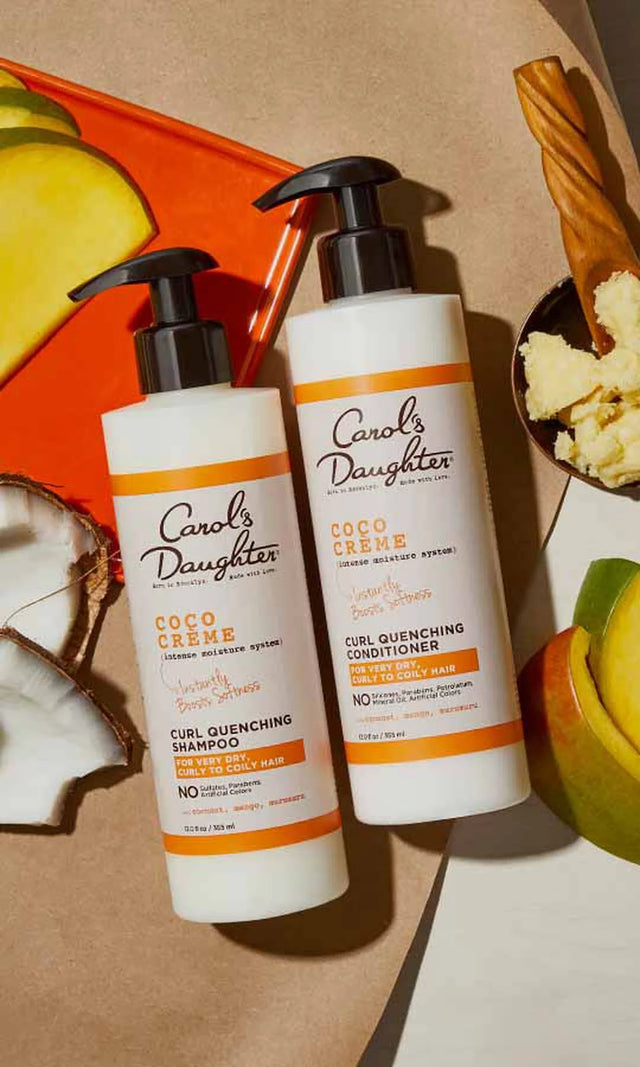
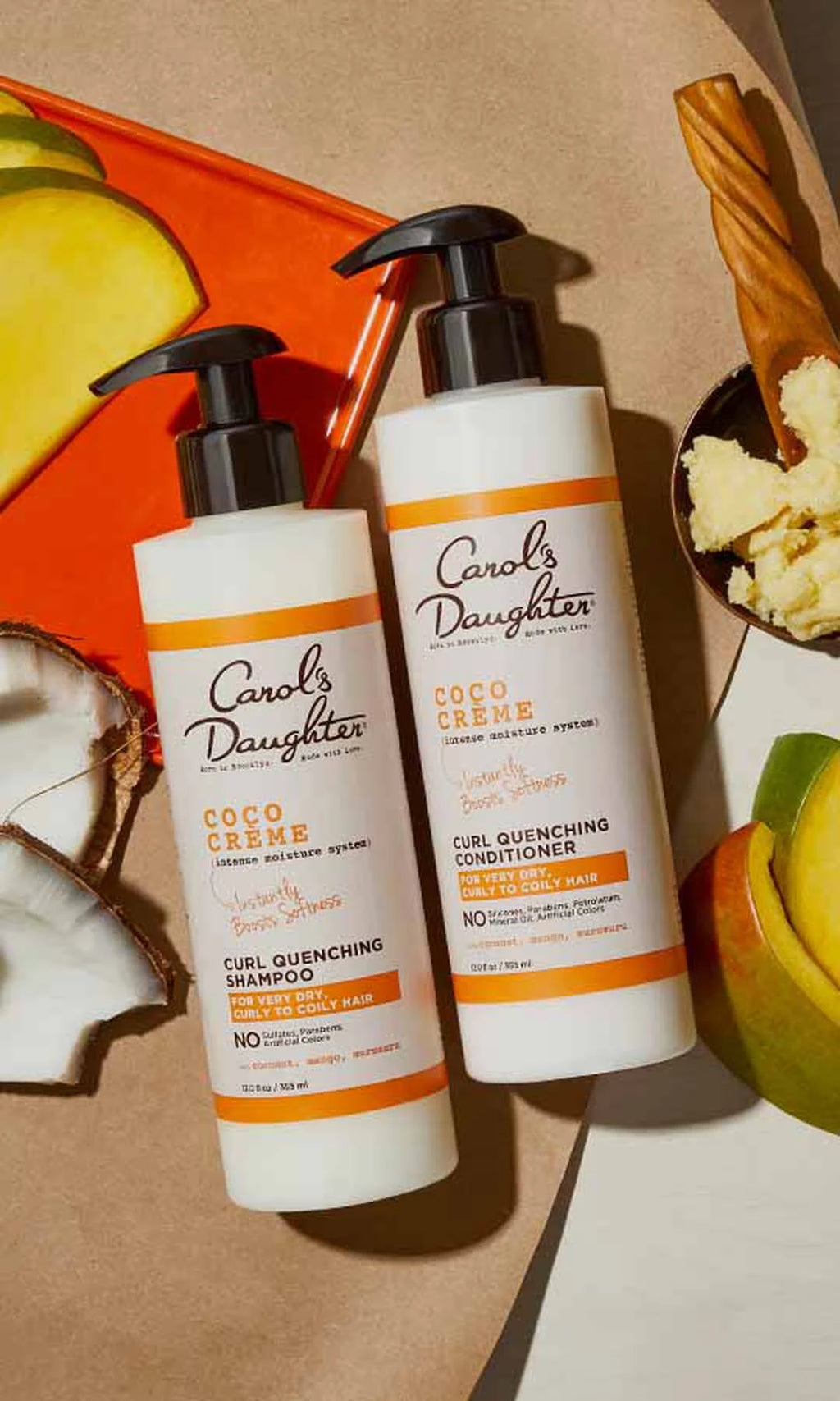
For a topical boost, the Coco Crème Creamy Conditioner contains vitamin E and other moisturizing ingredients that nourish your hair while supporting your scalp.
You can also massage pure vitamin E oil directly onto your scalp for 3–5 minutes once a week to support circulation and reduce dryness.
Remedy #3: Coconut Oil
Coconut oil is one of the most versatile scalp treatments — it adds moisture, helps soothe irritation from scratching, and has lauric acid that helps the skin absorb the oil deeply.
How to use it:
- As a pre-shampoo treatment — massage a tablespoon of warmed, food-grade coconut oil into your scalp 20–30 minutes before washing
- As a quick itch reliever — dab a small amount on dry, itchy spots between washes
- Through products — coconut oil is a key ingredient in many active Carol's Daughter products, including the Coco Crème Sulfate Free Shampoo and the Coco Crème Coil Enhancing Moisture Butter
A little goes a long way. Start with a small amount and add more only if needed.
Remedy #4: Essential Oils
A few drops of the right essential oil can offer real relief. Always dilute essential oils in a carrier oil before applying them to your scalp — they're potent and can irritate if used neat.
Essential oils that help calm itchy scalp:
- Tea tree oil — known for its cleansing properties; especially helpful for buildup-related itching
- Peppermint oil — provides a cooling sensation that soothes irritation; also believed to support circulation
- Lemongrass oil — another cooling option that helps balance scalp moisture
- Lavender oil — calming and gentle; good for sensitive scalps
How to use: Add 2–3 drops of essential oil to a tablespoon of carrier oil (jojoba, coconut, or olive oil work well). Massage into your scalp, leave for 15–30 minutes, then shampoo as usual.
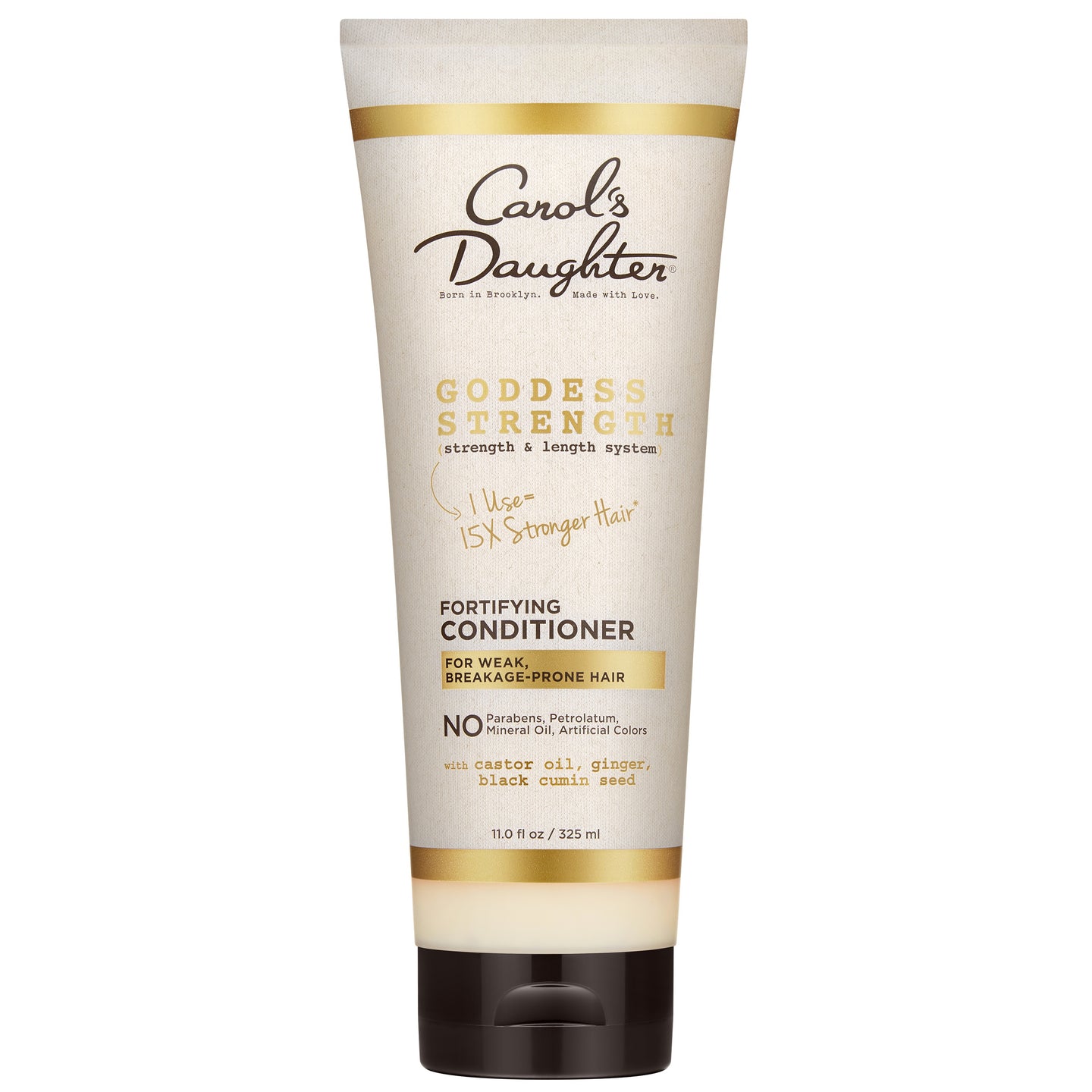
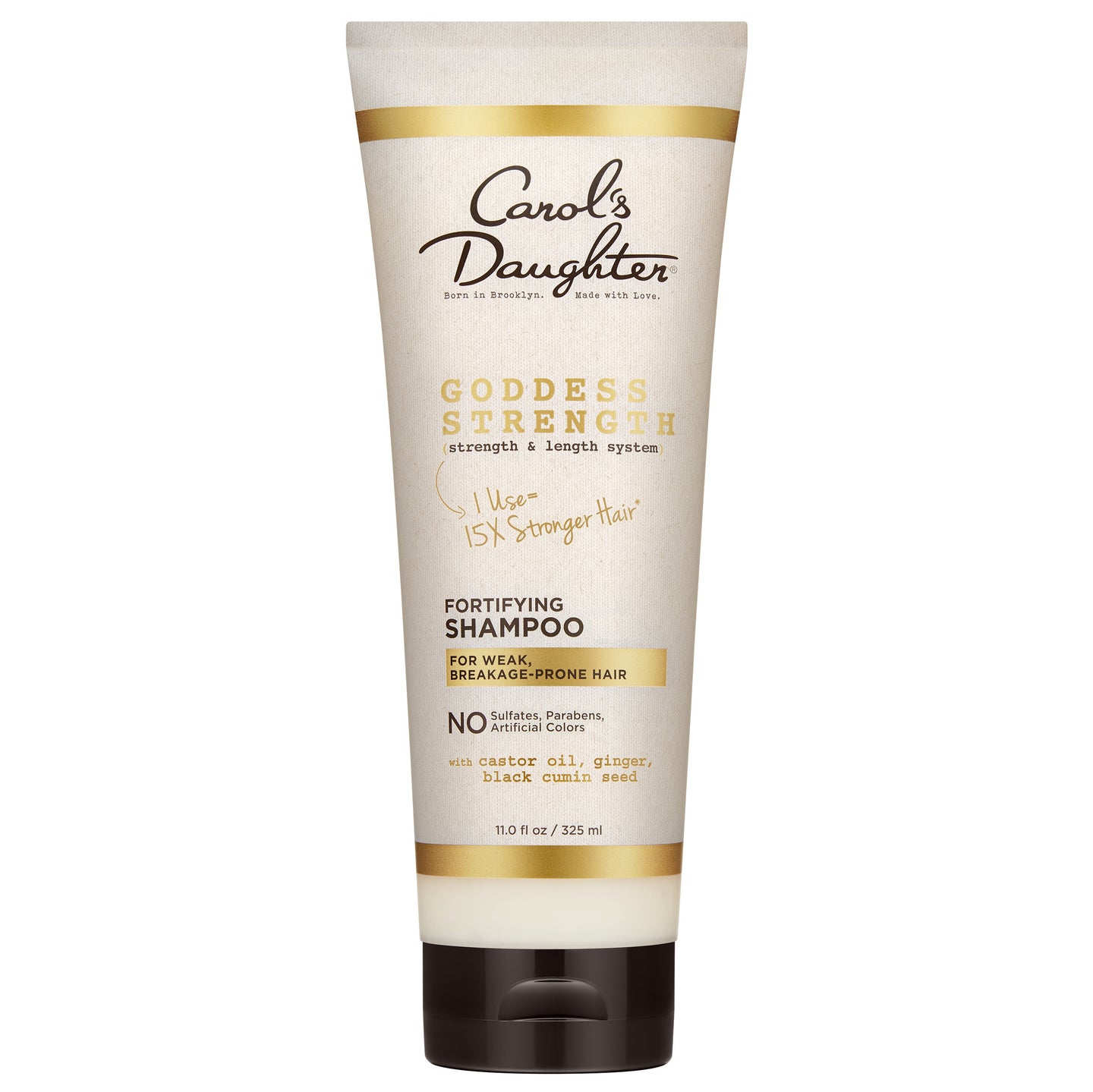
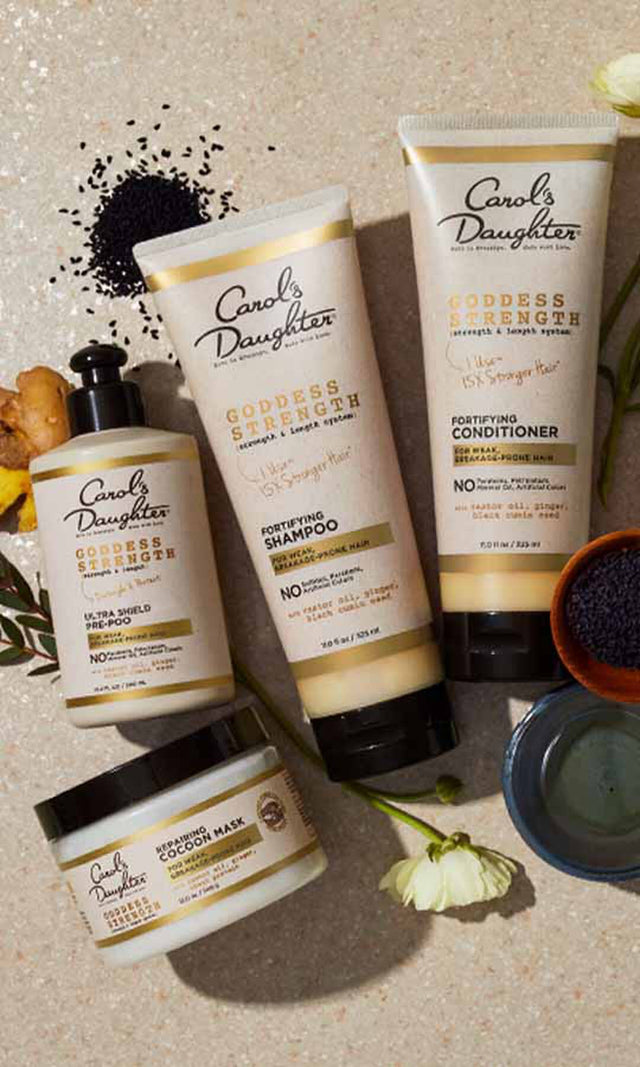
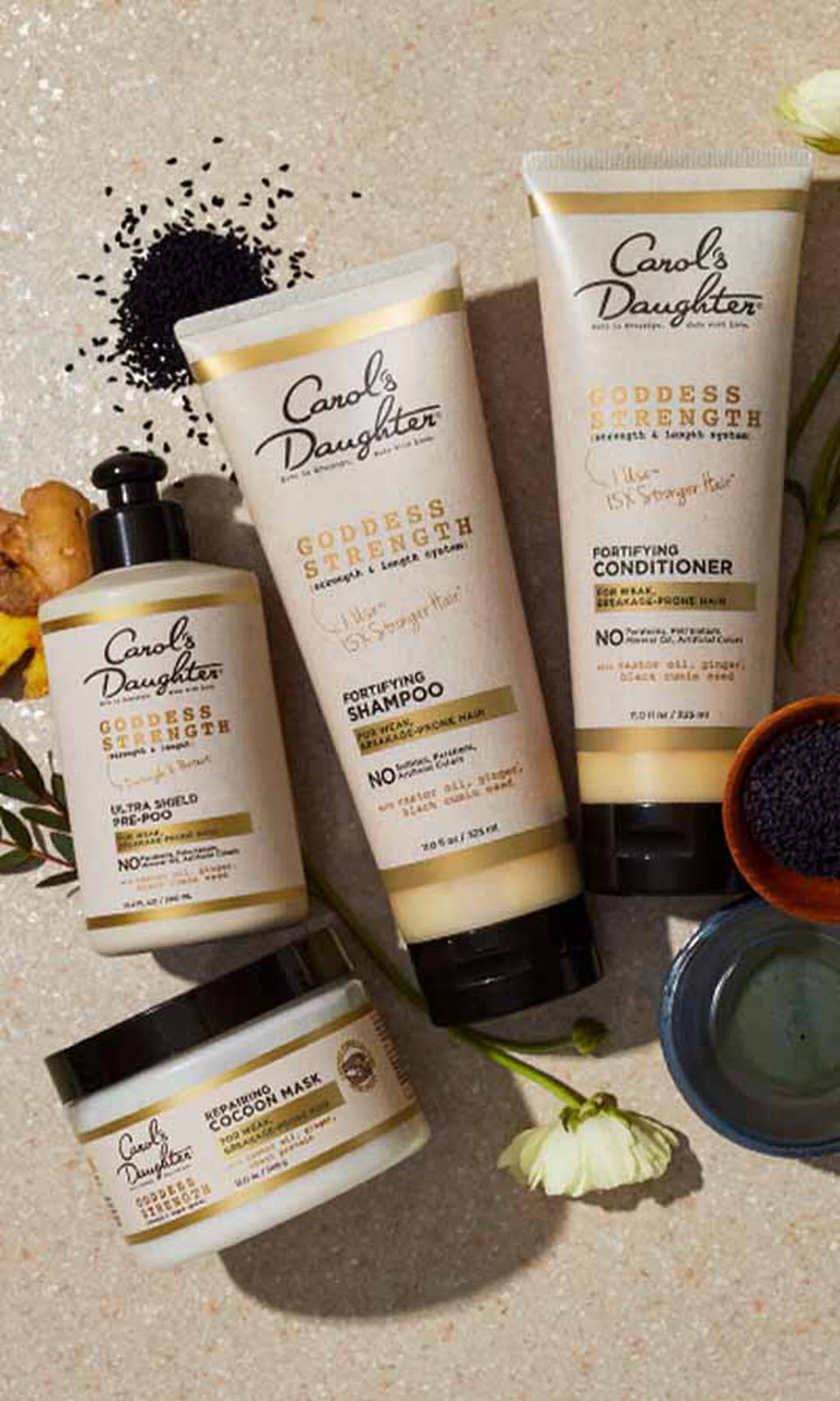
The Goddess Strength 7-Oil Blend Hair & Scalp Oil already combines castor, black cumin seed, jojoba, and four other oils that absorb without leaving your scalp greasy — making it a strong all-in-one option if you don't want to mix your own.
The Right Shampoo for Itchy Scalp
The natural remedies above work best when paired with a scalp-friendly shampoo. Three things to look for:
Look for Gentle Exfoliants
Like the skin on your face, your scalp benefits from regular gentle exfoliation to remove buildup and flakes.
The Wash Day Delight Sulfate Free Shampoo is especially good for scalp care — its water-to-foam micellar formula features aloe and lifts buildup without friction. The result: a thoroughly clean scalp without the stripping that worsens dryness.
Choose Moisturizing Formulas (Not Stripping or Heavy)
You want a middle-ground shampoo that cleanses without stripping. Too-stripping shampoos worsen dryness; too-heavy ones can leave residue that contributes to flaking.
The Coco Crème Sulfate-Free Shampoo is built around coconut oil and milk — moisturizing without being heavy. The Black Vanilla Moisture & Shine Sulfate Free Shampoo is another lightweight option, especially good for those who prefer a less rich formula.
Skip Sulfates Entirely
Sulfates strip natural oils from your scalp, which makes dryness and itching worse over time. All current Carol's Daughter shampoos are sulfate-free, so any of the brand's cleansers work.
How to Prevent an Itchy Scalp From Coming Back
Once your scalp feels better, the goal is to keep it balanced. Three habits that help.
Habit #1: Monthly Clarifying
Build a monthly clarifying step into your routine to remove buildup before it causes itching. ACV rinses work; so do clarifying shampoos used once a month.
Between clarifies, keep your scalp lightly oiled with the Goddess Strength 7-Oil Blend Hair & Scalp Oil — apply a few drops to your scalp once or twice a week to maintain moisture balance.
Habit #2: Eat for Scalp Health
Internal hydration shows up on your scalp.
Foods that support a healthy scalp:
- Water (aim for steady hydration throughout the day)
- Water-rich foods like cucumbers, watermelon, and oranges
- Omega-3 sources like salmon, walnuts, and flaxseed
- Foods rich in vitamins A, C, D, E, and the B-complex
- Zinc-rich foods like pumpkin seeds and lentils
If your skin feels dehydrated, your scalp probably is too.
Habit #3: Skip Heavy Chemical Treatments
Chemical processing — bleach, dye, perms, relaxers — can irritate your scalp on top of damaging your hair. If you're prone to scalp sensitivity, space out your chemical treatments and consider gentler alternatives like hair color waxes or temporary glosses.
For deeper scalp care guidance, see our ultimate scalp care routine.
When to See a Dermatologist
Most dry, itchy scalp issues respond to routine adjustments within 2–4 weeks. See a dermatologist or trichologist if you experience:
- Persistent itching that doesn't improve after a month of routine changes
- Visible patches, scaling, or thickened skin on your scalp
- Significant hair loss alongside the itch
- Painful sores or open lesions
- Spreading redness or signs of infection
Some scalp conditions need medical treatment. Routine fixes won't solve a medical problem, and ignoring it can make it worse over time.
Frequently Asked Questions About Itchy Scalp
How can I tell the difference between dry scalp and dandruff?
Dry scalp produces small, fine flakes and feels tight or itchy without much oil. Dandruff produces larger, oilier flakes and is caused by an overproduction of scalp oil. Dry scalp usually responds to moisture; dandruff often needs medicated shampoos and ongoing management.
Why is my scalp itchier when I wear protective styles?
Protective styles can trap sweat, oil, and product buildup against your scalp, which leads to itching. They also reduce your ability to wash thoroughly. To prevent itch under protective styles: cleanse the scalp regularly with a diluted shampoo or scalp spray, apply lightweight oils to maintain moisture, and don't keep any one style in longer than 6–8 weeks.
Is it bad to scratch an itchy scalp?
Yes — scratching can damage the scalp, irritate hair follicles, and lead to small open wounds that can get infected. If you're tempted to scratch, try a gentle scalp massage with the pads of your fingers instead. It relieves the urge without breaking the skin.
How often should I oil my scalp?
For most people, 1–2 times per week is enough. Over-oiling can lead to buildup, which causes the very flaking and itching you're trying to prevent. Less is more — focus on consistency rather than amount.
Can stress cause an itchy scalp?
Yes. Stress raises cortisol levels, which can disrupt your scalp's oil production and immune response — both of which contribute to itchiness, flaking, and even hair loss. Stress management is a real part of scalp health, even though it's not what most people expect to hear.
Will an ACV rinse damage my hair?
When properly diluted (2 tablespoons in 1 cup of water), apple cider vinegar is gentle enough for most hair types. Don't use it undiluted, don't use it more than once or twice a month, and rinse thoroughly. If you have very dry or color-treated hair, use sparingly and follow with a moisturizing conditioner.
Ready to soothe your scalp?
For scalp-friendly cleansing → Shop the Wash Day Delight collection
For moisture and scalp oils → Shop the Goddess Strength collection
Browse by hair concern → Shop dry hair
Not sure where to start? → Take the Curl Quiz