

5 Tips To Reduce Breakage With a Detangling Brush


Detangling Brushes for Natural Hair: 5 Tips to Reduce Breakage
By Carol's Daughter — Updated May 2026
Quick Answer: A detangling brush is the better tool for natural hair than a wide-tooth comb in most cases — the flexible bristles glide through coils without ripping. To prevent breakage: work in 4–6 sections, fully saturate hair with water and conditioner first, finger-detangle before brushing, always start at the ends and work upward, and never rush. The right brush plus the right technique cuts your wash-day breakage dramatically.
Detangling curly and coily hair can be daunting — and rough detangling is one of the fastest ways to lose length to breakage.
The good news: with the right tool and the right technique, detangling becomes one of the most protective steps in your wash day instead of the most destructive.
This guide breaks down what makes a great detangling brush, how to use it without causing breakage, and the five fundamentals that turn detangling from a chore into a wash-day win.
Why Detangling Brushes Work for Curly Hair
Traditional brushes are built to smooth hair by pulling strands together. Detangling brushes do the opposite — they're designed to separate strands so knots can release without forcing breakage.
Three things make a detangling brush different from a regular brush:
- Flexible bristles — Semi-flexible plastic or sturdy nylon that bends as it meets a knot, instead of ripping through it
- Spaced-out bristles — Wide spacing leaves room for strands to separate, where dense bristles compress them together
- Fan-out or ball-tip designs — Some brushes fan out as they sweep through hair to maximize separation; others have small balls at each bristle tip that work between clustered strands to break up tangles
For tighter curl patterns (3C–4C especially), a detangling brush often outperforms a wide-tooth comb because it covers more surface area while staying gentle on the strand.
What's the Best Detangling Brush for Natural Hair?
The best brush depends on your curl pattern and how thick your hair is.
General rules to follow when picking a detangling brush:
- Look for semi-flexible bristles, not stiff ones — stiff bristles snap strands
- Prioritize wide spacing between bristles for better separation
- Brushes with fanning bristles work well for thick, coily textures
- Ball-tip brushes help break up stubborn clusters in tightly coiled hair
- Always check that the brush is comfortable in your hand — you'll be using it for 15–30 minutes per session
There's no single "best" brush. Many people end up using two or three different tools across different sections of their hair, especially if their curl pattern varies (looser in the front, tighter in the back is common).
Should You Detangle Wet or Dry Hair?
Always detangle on damp, product-saturated hair.
Even though hair is more fragile when wet, the moisture and product give your strands the slip they need to glide past each other instead of catching and breaking. Dry detangling — especially without product — is the fastest way to lose length to breakage.
The exception: when taking down a protective style. If your hair has been in braids, twists, or locs for weeks, detangle with oil before adding water. Wetting matted hair compacts it further and makes detangling harder.
For everyday wash-day detangling, the order is always: water + conditioner + tool, in that sequence.
Find Your Personalized Routine
Knowing your curl type makes choosing the right detangling tool much easier.
Take the Curl Quiz → A 5-step quiz that identifies your hair type, main concerns, and the products built for your texture.
5 Tips to Reduce Breakage With a Detangling Brush
You can have the best brush on the market, but technique is what determines whether you keep length or lose it. These five fundamentals turn detangling from a destructive habit into a protective one.
1. Work in Sections
Trying to tackle your whole head at once leads to rushed strokes and unnecessary breakage.
The right way to section:
- Part hair into at least 4 sections (more if your hair is thick)
- Clip away the sections you're not working on
- Detangle one section completely before moving to the next
- For very thick or very long hair, work in 6 or even 8 sections
This makes the work manageable and forces you to slow down — which is exactly what your hair needs.
2. Saturate the Hair First
A dry brush through dry hair is a recipe for breakage. Your hair needs moisture and slip before any tool touches it.
The wash-day saturation order:
- Wet each section thoroughly before brushing it
- Apply a slippy product — conditioner if you're in the shower, leave-in if you've already rinsed
- Wait 30 seconds for the product to absorb
- Then start detangling
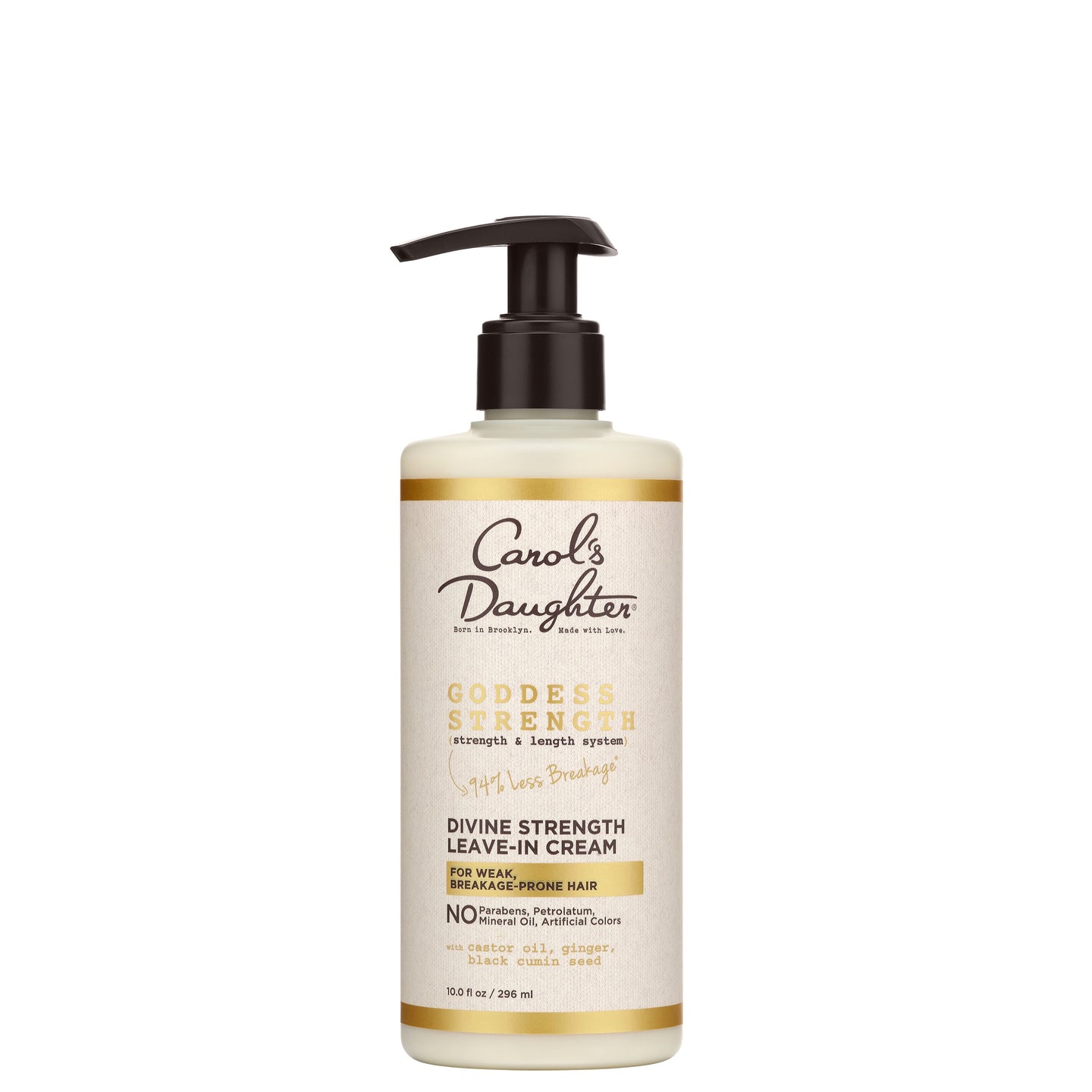
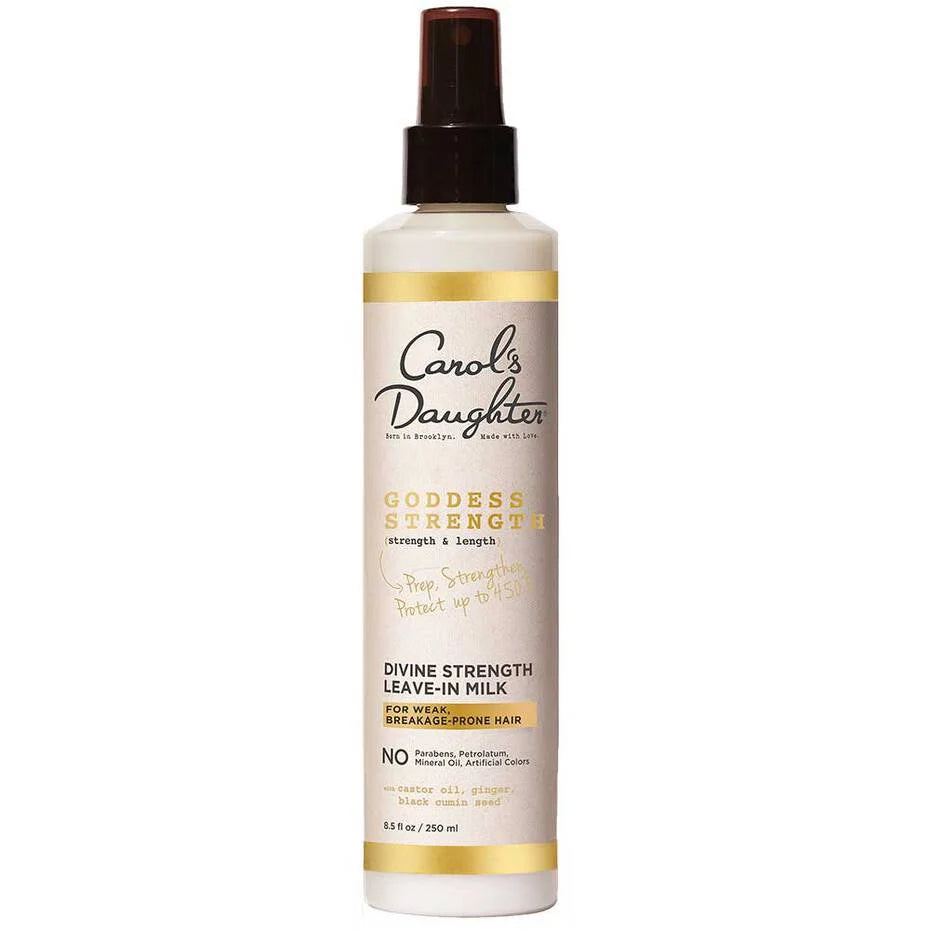
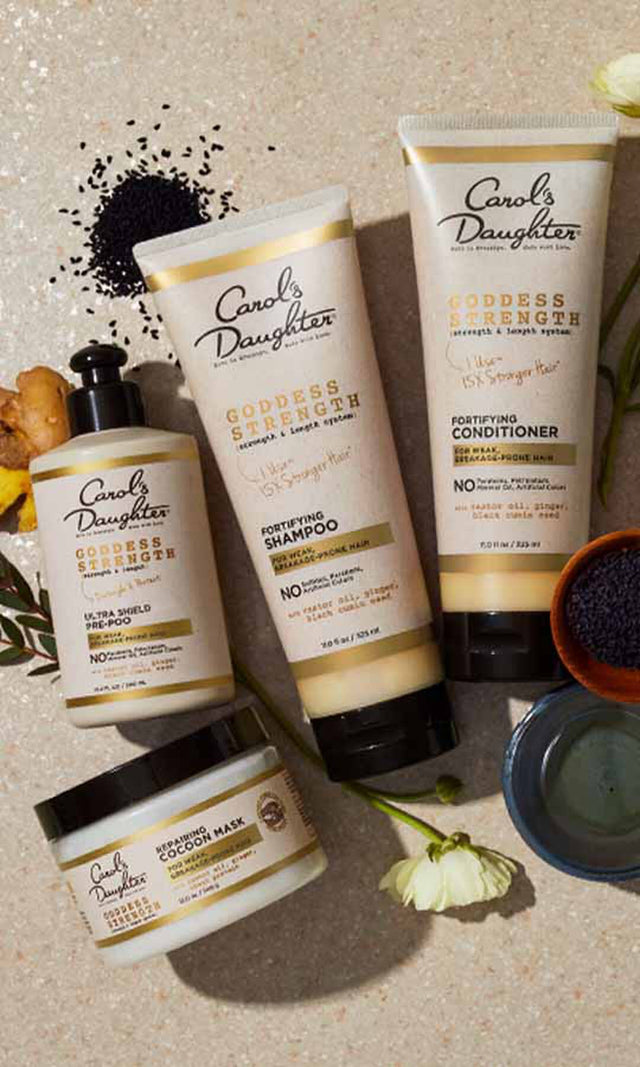
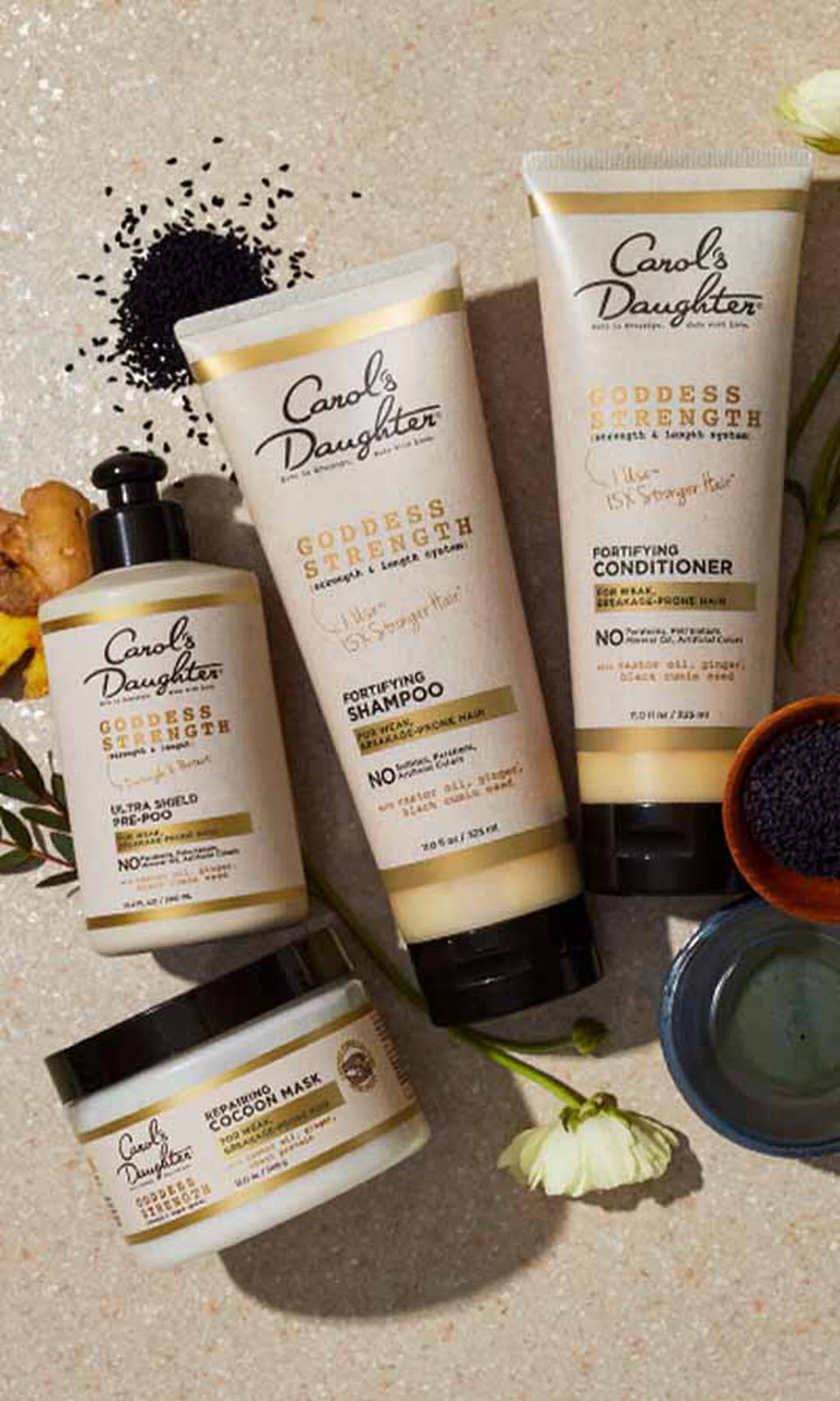
The Hair Milk Original Leave-In Moisturizer is a strong choice here — shea butter and soybean oil deliver the slip your brush needs without weighing curls down. For more strength alongside slip, the Goddess Strength Divine Strength Leave-In Cream reinforces weak strands while you work — so even the strands that bend during brushing hold up.
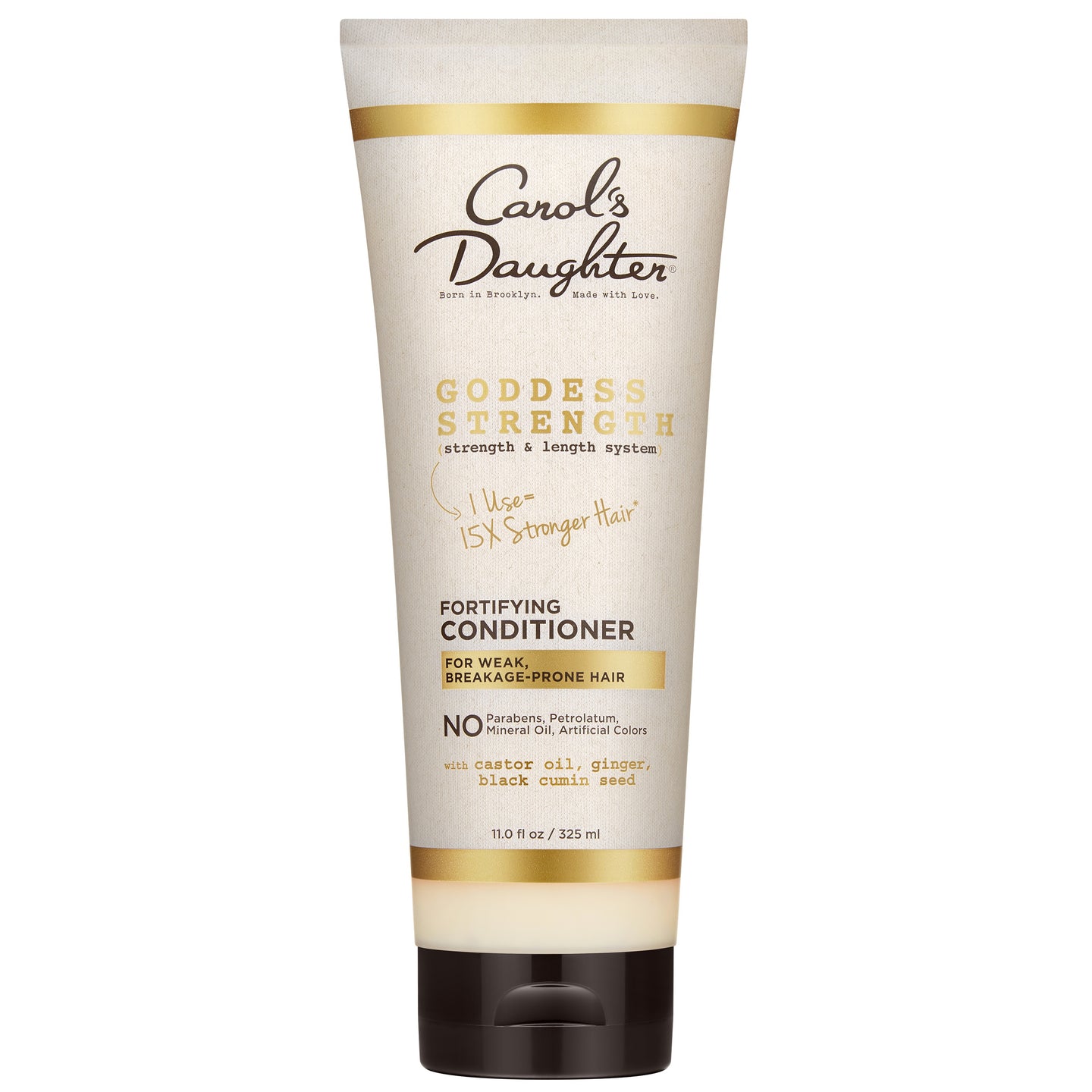
A spray bottle with water and a small amount of Goddess Strength Fortifying Conditioner mixed in keeps your sections damp throughout the session. Re-spritz any time a section starts drying out.
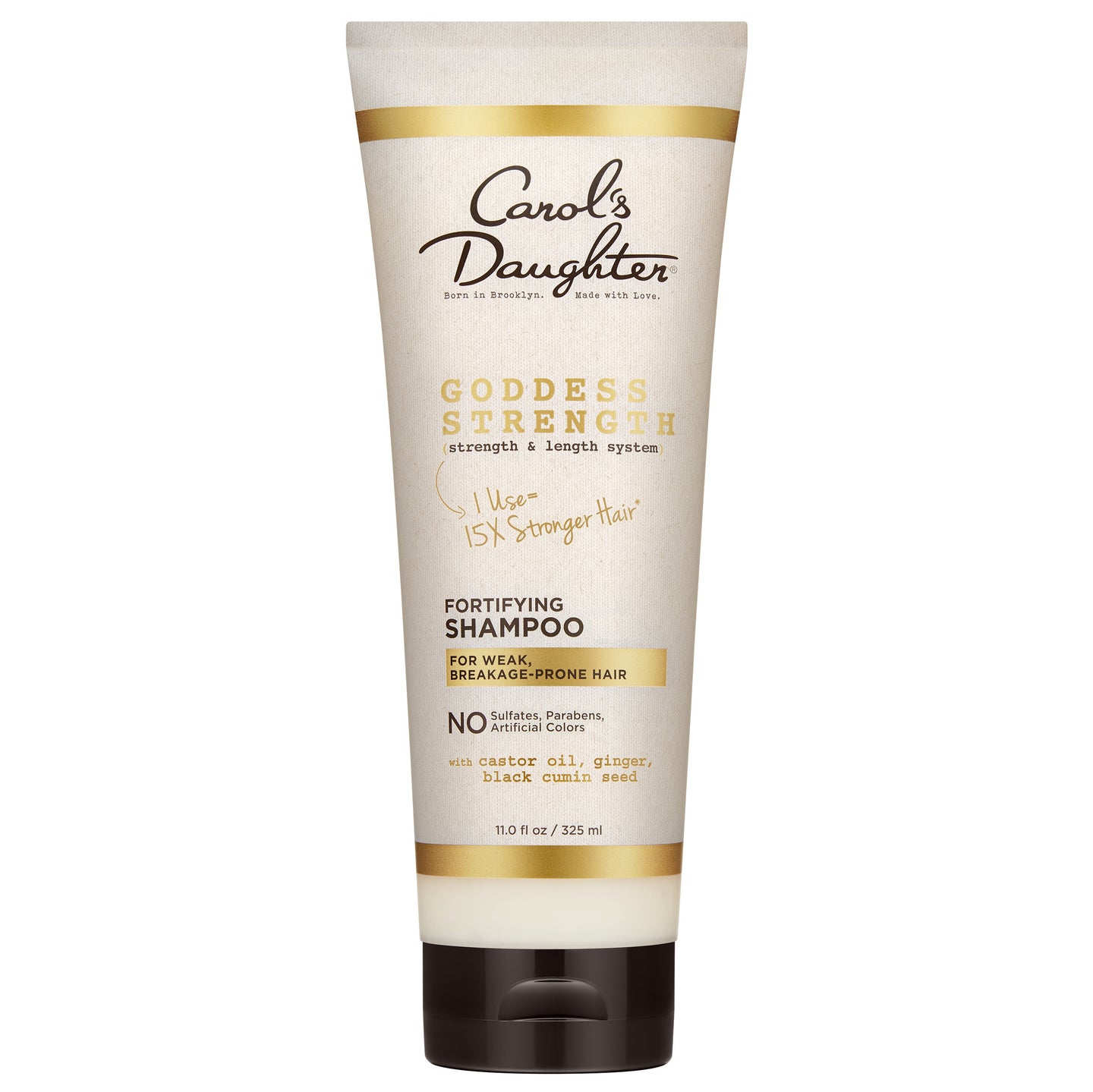
The Goddess Strength line delivers up to 7x stronger hair and 86% breakage reduction with regular use — and stronger strands tangle less in the first place.
3. Finger Detangle First
This step feels counterproductive but it's one of the most important.
Before any brush touches your hair, run your fingers through each section to break up the largest knots and feel for tangles a brush might miss. Your fingers are the most sensitive detangling tool you have — they detect knots before they can cause breakage.
For extra slip during finger-detangling:
- Dab a small amount of conditioner or leave-in on your fingertips
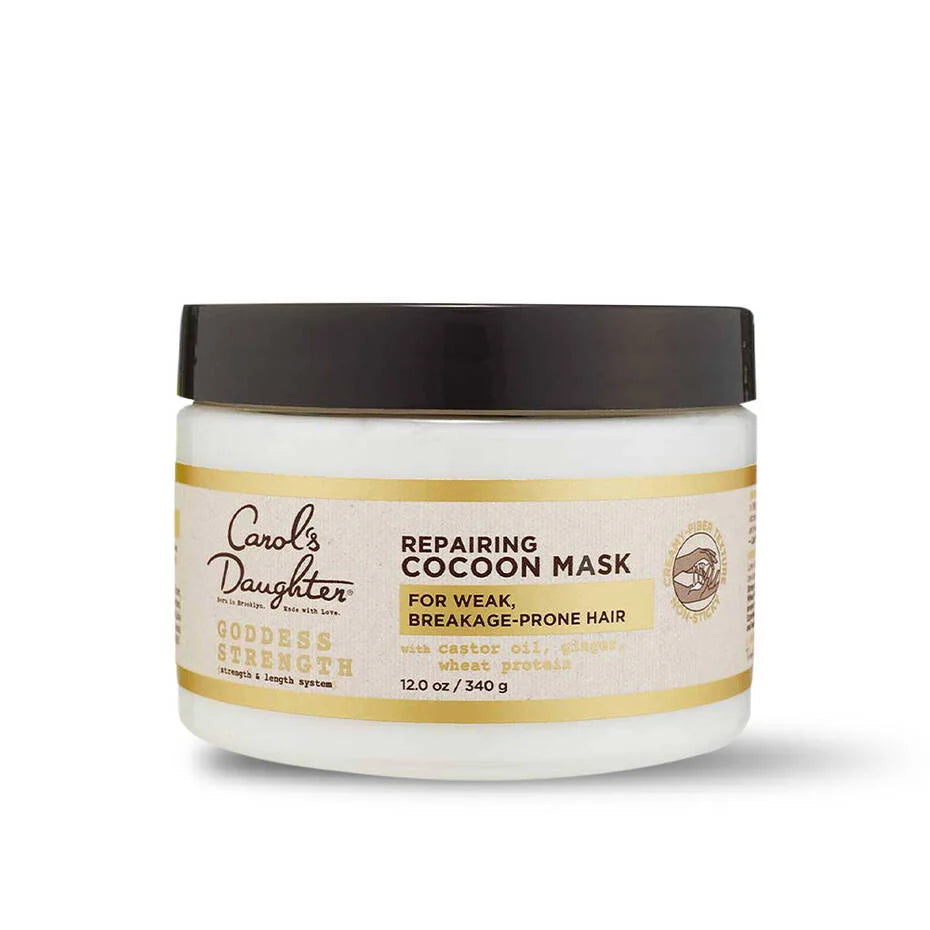
- Apply a hair mask if your hair is severely tangled
- Add a few drops of the Goddess Strength 7-Oil Blend to your hands before starting
Once your fingers have done as much as they can, switch to the brush. This two-step approach prevents the brush from forcing through tangles your fingers could have gently released.
4. Always Start at the Ends
Your instinct says comb from the roots down. Reverse that.
Brushing from roots to ends pushes every existing tangle into a tighter knot at your tips — which then forces breakage when you try to pull through.
The right order:
- Hold the section close to your scalp with one hand to anchor it
- Start brushing at the very tips of your hair
- Work the brush through a small length until it glides freely
- Move up an inch or two
- Repeat, gradually working up toward the roots
This protects your roots (the most fragile part during detangling) and lets each tangle release one at a time instead of compounding.
For more on the broader detangling process, see our complete guide to detangling natural hair.
5. Don't Rush
A proper detangling session for natural hair takes 15 to 30 minutes — sometimes longer for very long or matted hair.
Rushing leads to forcing the brush, and forcing the brush leads to broken strands, split ends, and lost length. Slow detangling once a week protects more hair than fast detangling every other day.
If you don't have 30 minutes for a full session, do a finger detangle now and a full brush-through later. Don't try to speed-run a detangling session — your hair will pay for it.
Frequently Asked Questions About Detangling Brushes
Are detangling brushes better than wide-tooth combs?
For most curly and coily textures, yes. Detangling brushes have flexible, spaced-out bristles that separate strands without ripping, while wide-tooth combs have rigid teeth that can catch on knots and force breakage. Many naturals use both — a wide-tooth comb for the initial detangle and a detangling brush for finishing.
Can I use a detangling brush on dry hair?
Generally no — dry detangling causes significantly more breakage than wet detangling. The exception is refreshing day-2 or day-3 styles with a small amount of leave-in or oil. For full detangling sessions, always work on damp, product-saturated hair.
How often should I use a detangling brush?
Most curly textures do best with a full detangling session once per wash day, plus light finger-detangling between as needed. Daily brushing isn't necessary for natural hair and can actually cause over-manipulation breakage.
Why is my detangling brush ripping out my hair?
Three common reasons: you're brushing dry hair, you're starting at the roots instead of the ends, or your brush has bristles that are too stiff. If you're losing more than a few strands per section, audit your technique against the steps above. The brush should glide — if it's catching, stop and add more product.
What's the best way to clean a detangling brush?
Pull out trapped hair after every use. Once a week, soak the brush in warm water with a few drops of shampoo for 5–10 minutes, then rinse and let air dry. Clean tools work better and prevent product buildup from transferring to your hair.
Ready for easier wash days?
For slip and strength → Shop the Goddess Strength collection
Browse by your hair concern → Shop the tangled hair collection
Not sure where to start? → Take the Curl Quiz