



7 Essential Tips on How To Care for 4c Hair


7 Tips on How to Care for 4C Hair That Actually Work
By Carol's Daughter — Updated May 2026
Quick Answer: Caring for 4C hair comes down to seven habits — consistent moisture, gentle detangling, scalp care, protective styling, low heat, nighttime protection, and regular trims. 4C is the tightest curl pattern in the type 4 family, which makes it the most fragile. A slow, hydration-first routine protects your coils and helps you retain length over time.
If your 4C curls have been giving you a hard time lately — dryness, breakage, shrinkage that takes your bra-length curls up to your shoulders — you're not alone.
Your hair isn't a problem to solve. With the right routine and the right products, your coils can be soft, defined, and thriving.
Here are the 7 tips that actually move the needle for 4C hair.
What Is 4C Hair?
4C hair is the tightest curl pattern within the type 4 family of textured hair, defined by densely packed coils that form a zigzag shape rather than the looser "S" curl of type 3 hair.
Because the coils are so tightly packed, the curl pattern often isn't easy to see — and that's normal.
4C hair is also famous for shrinkage. Your hair can appear up to 75% shorter than its actual length when dry. That's why so many of us with 4C textures are working with way more length than we realize.
How Is 4C Hair Different from 4A and 4B?
All three are tightly curled, but the difference comes down to curl shape and coil density:
- 4A — defined "S" pattern with a looser spring; the most defined of the type 4 family
- 4B — sharper zigzag pattern, less defined than 4A, with cotton-like texture
- 4C — tightest zigzag pattern with the densest coil packing; most prone to shrinkage
4C hair tends to be the most fragile of the three because the tight bends in each strand create natural weak points where breakage happens. That's why 4C asks for the gentlest handling.

Not sure of your curl type? Take the Curl Quiz →
7 Tips for Healthy 4C Hair
1. Keep Moisture at the Center of Your Routine
4C hair runs dry by nature.
The tight curl pattern makes it harder for sebum — your scalp's natural oil — to travel down the strand. Without consistent moisture, your hair can feel brittle and snap easily.
A good moisture routine looks like:
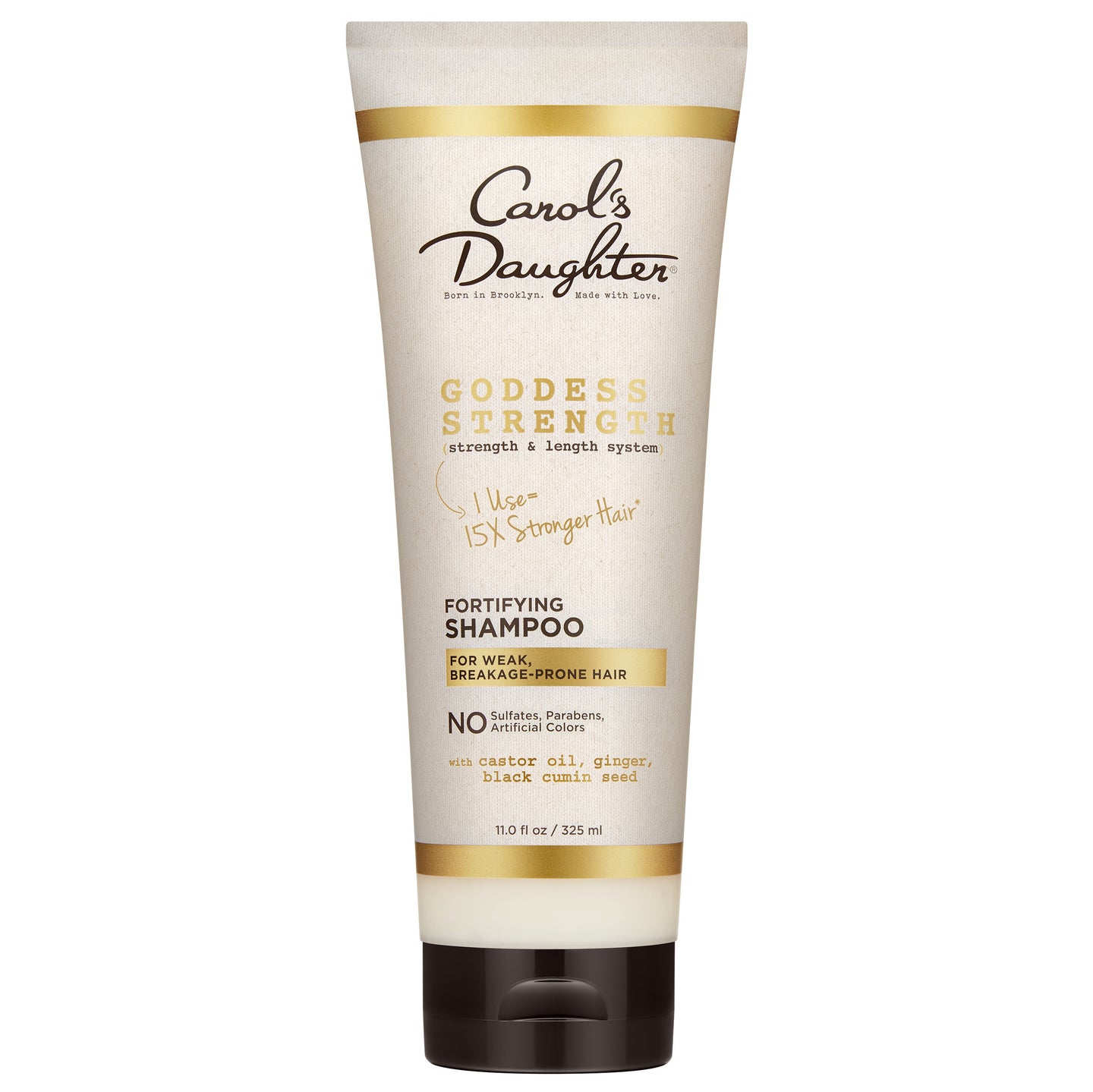
- A hydrating shampoo (sulfate-free is gentler on 4C textures)
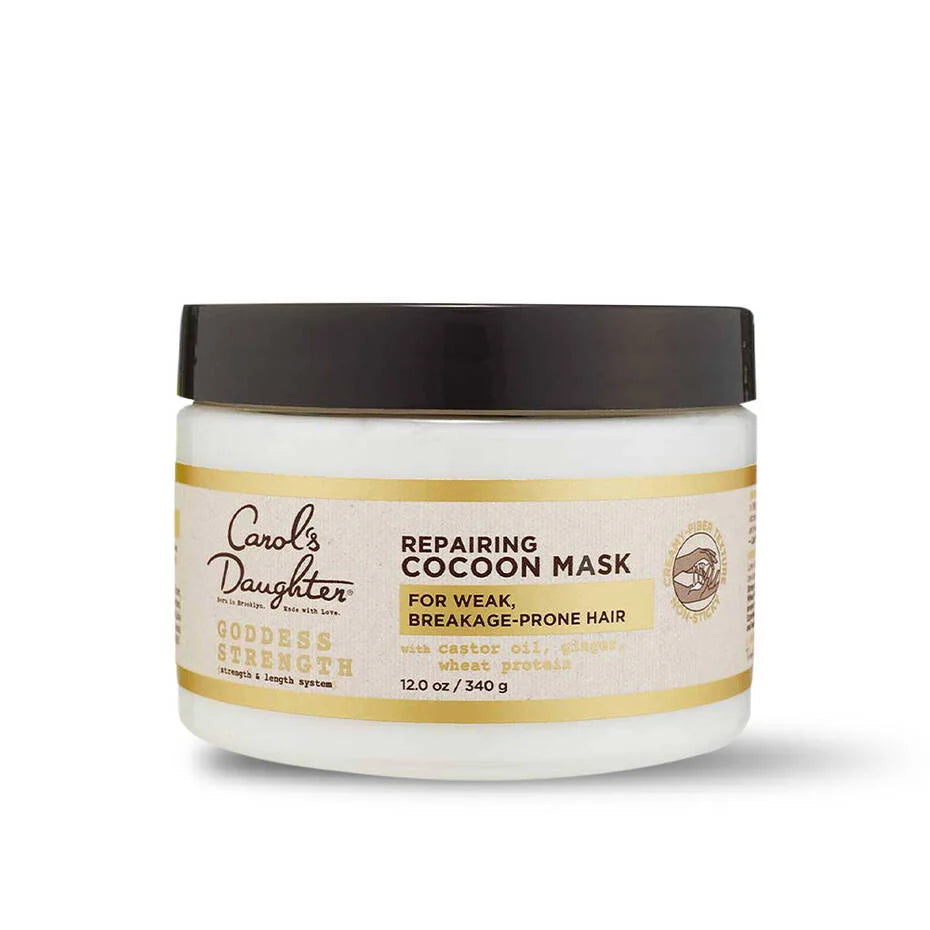
- A deep-conditioning step at least once a week
- A leave-in cream applied to wet or damp hair
- A sealing oil to lock moisture in
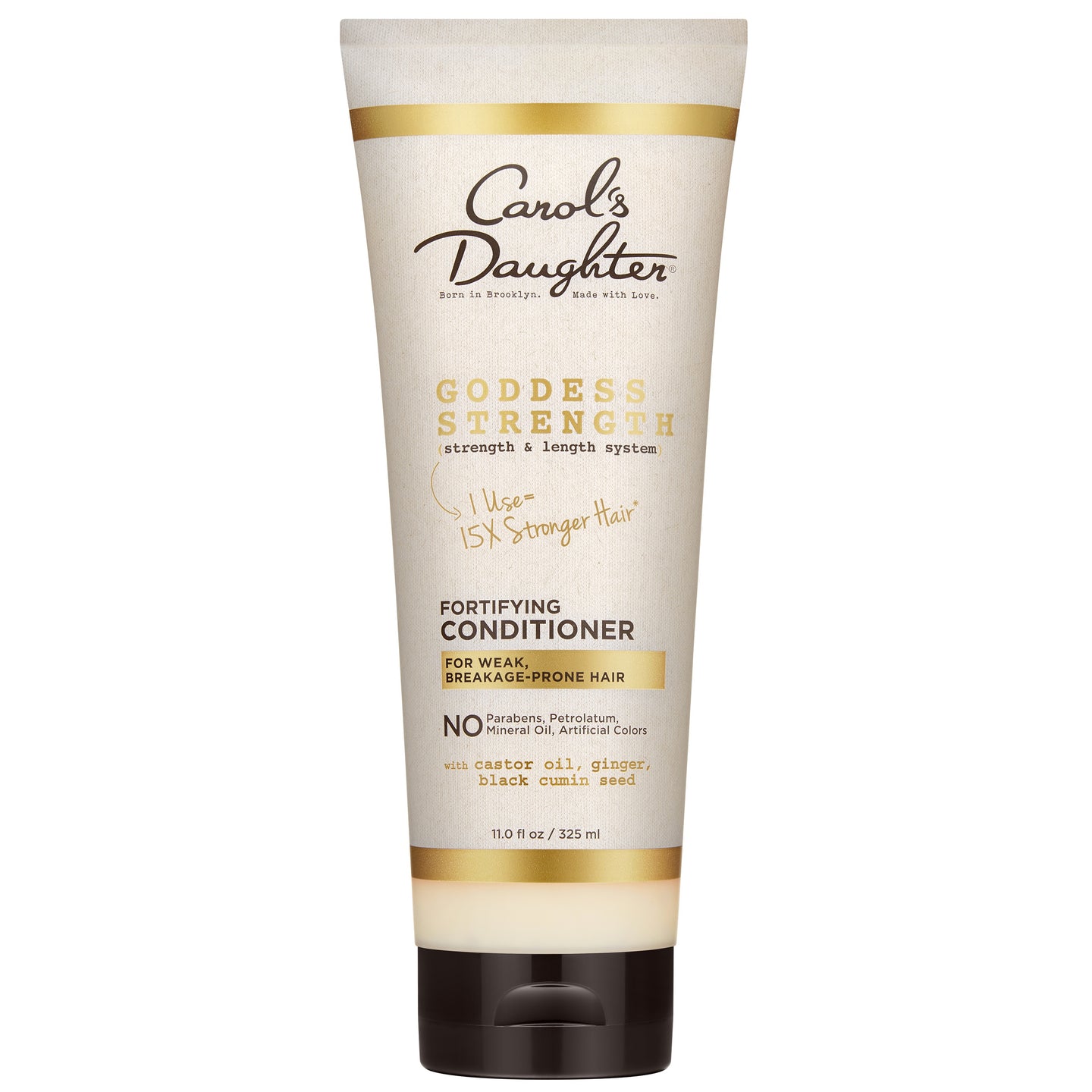
The Goddess Strength collection is built around castor oil and a 7-oil blend that delivers up to 7x stronger hair and 86% breakage reduction with regular use — a routine designed specifically for textures like yours.
2. Detangle Gently (and Always with Slip)
4C hair is the most fragile hair type in the curl spectrum. One rough detangling session can cause significant breakage, and breakage is the #1 reason 4C hair appears not to grow.
The fix: never detangle dry hair.
Saturate your hair with water and a slippy product first, then work in sections from ends to roots — never roots to ends.
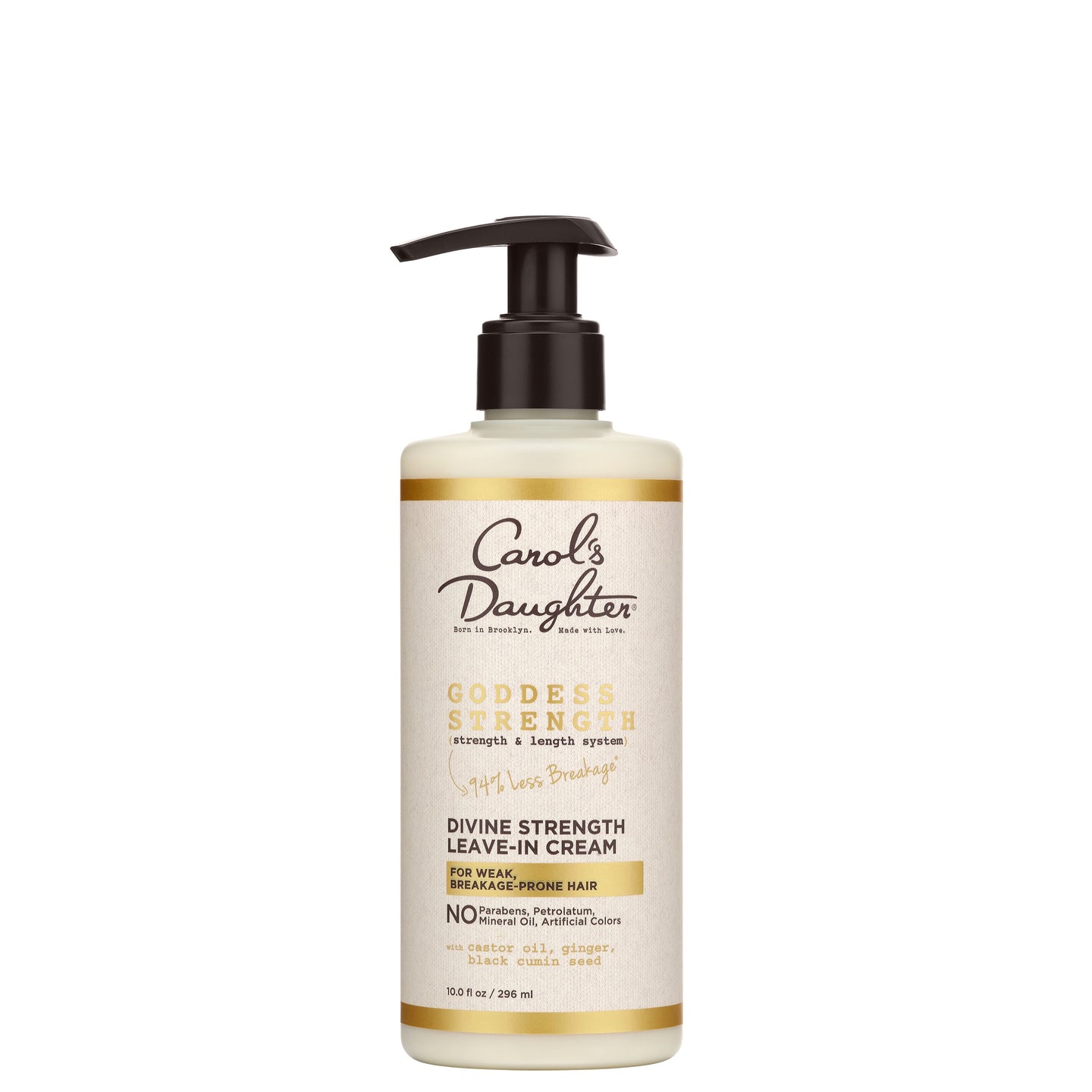
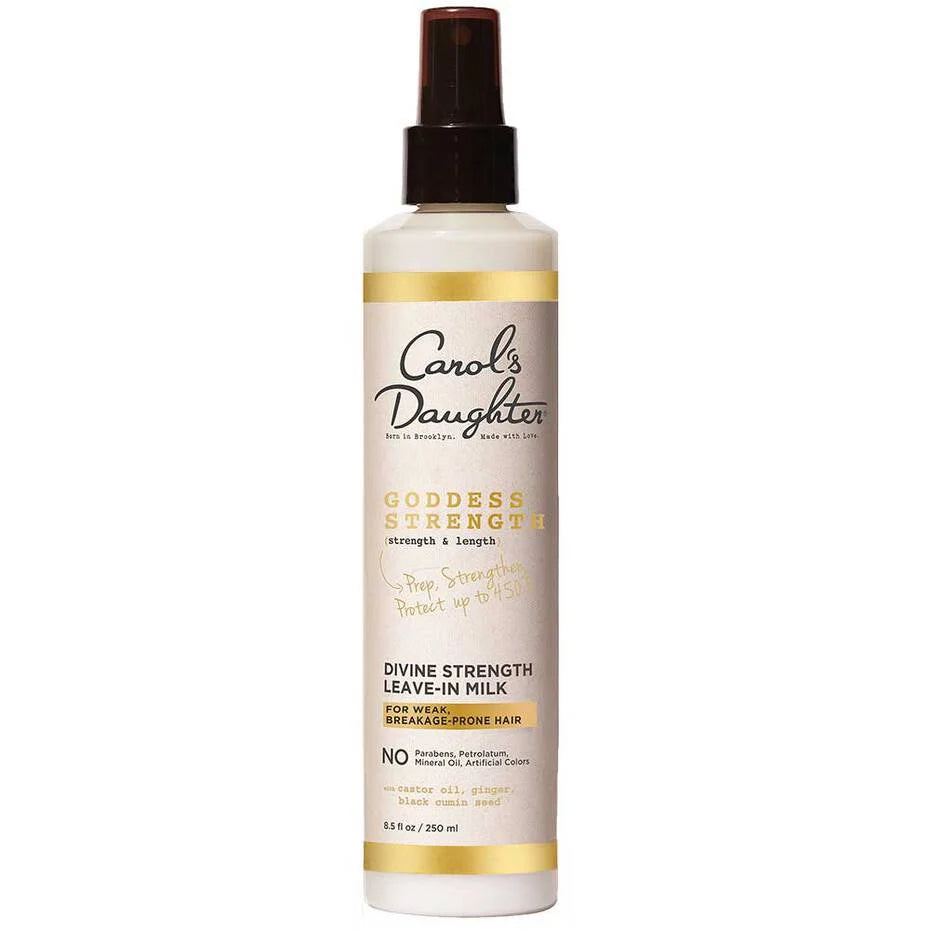
The Goddess Strength Divine Strength Leave-In Cream with Castor Oil gives you the slip you need and reinforces weaker strands while you work.
The detangling order that protects 4C hair:
- Start with damp, product-saturated hair
- Section into 4–6 parts
- Use fingers first to break up large tangles
- Follow with a wide-tooth comb or flexible detangling brush
- Work from the ends upward, never the roots down
Patience here pays off in length retention later.
3. Lean into Protective Styling
A wash-and-go is beautiful — but giving your hair a break from daily manipulation is one of the fastest ways to retain length.
Protective styles tuck your ends away from sun, wind, friction, and your own hands.
4C-friendly options to try:
- Bantu knots
- Two-strand twists or spring twists
- Cornrows or flat twists
- Buns and updos
- Crochet styles
Just don't keep any style in too long. Two to six weeks is the general window before buildup, tension, and matting start working against you.
4. Care for Your Scalp
Healthy hair starts at the scalp. If yours is dry, itchy, or flaky, your strands are going to struggle no matter what you put on them.
A balanced scalp — gently cleansed, consistently moisturized, never starved or smothered — is the foundation of every healthy 4C routine.
Build in a weekly scalp routine:
- A scalp cleanse (pre-poo, clarifying wash, or scalp scrub)
- Oil between washes to keep your scalp balanced
The Goddess Strength 7-Oil Blend Hair & Scalp Oil blends castor, black cumin seed, jojoba, and four other oils that absorb without leaving your scalp greasy.
If you're dealing with thinning edges or shedding alongside scalp concerns, the hair loss collection is worth exploring.
5. Go Easy on Heat
Heat styling is fine in moderation, but daily flat-ironing or blow-drying on high will dry out 4C hair fast and lead to heat damage that doesn't bounce back.
When you do use heat:
- Use the lowest effective temperature (under 350°F for fine 4C hair, under 400°F for thicker)
- Always apply a heat protectant first
- Use a diffuser when blow-drying to preserve curl pattern
- Limit direct heat to once a month if possible
Air-drying or stretching with banding, threading, or braid-outs gives you length without the heat.
6. Protect Your Hair Every Night
Cotton pillowcases pull moisture out of your hair and create friction that frays your coils overnight.
Two simple swaps:
- A satin or silk pillowcase
- A satin bonnet or scarf
Pineappling — gathering your curls loosely on top of your head before bed — helps preserve definition and keeps your ends from rubbing against fabric.
Five minutes of nighttime prep saves you a wash day.
7. Trim When Your Ends Tell You To
Your ends are the oldest part of your hair, which makes them the most vulnerable to dryness and split ends.
Holding onto damaged ends doesn't preserve length. It just lets the splits travel up the strand and forces deeper trims later.
Most 4C textures do well with a trim every 8 to 12 weeks. If you're protective styling regularly, you can stretch that to 12 to 16 weeks.
Watch your ends for these signals it's time:
- Single-strand knots
- Visible splits or feathered ends
- Tangling that wasn't there before
- Thinner ends than the mid-shaft
Your coils will tell you what's working.
Build Your 4C Routine, Step by Step
The truth about 4C hair care is that consistency matters more than any single product.
Moisture, gentle handling, scalp care, and protection — that's the framework.
Start with one or two of these tips, build them into your wash day rhythm, and add more as you go. Your coils will tell you what's working.
Frequently Asked Questions About 4C Hair Care
How often should I wash 4C hair?
Most 4C textures do best with a wash every 7 to 14 days. Washing too often strips natural oils and dries out the hair, while waiting too long allows buildup that blocks moisture. Co-washing (using a conditioner-only cleanse) between full wash days is a good middle option for very dry 4C hair.
Does 4C hair grow slower than other hair types?
No. 4C hair grows at the same average rate as all other hair types — about half an inch per month. It often appears to grow slower because the tight curl pattern causes shrinkage and because 4C is more prone to breakage. Length retention, not growth speed, is the real challenge.
What's the best oil for 4C hair?
Castor oil, jojoba oil, and black cumin seed oil are among the most effective for 4C hair. Castor oil seals in moisture and supports edge growth, jojoba mimics natural sebum, and black cumin seed soothes the scalp. The Goddess Strength 7-Oil Blend combines all three plus four others.
Can 4C hair get long?
Yes — and many 4C naturals reach waist length and beyond. The key is length retention through gentle handling, consistent moisture, regular trims, and protective styling. Because 4C hair shrinks dramatically, your hair is often much longer than it appears when dry.
Is 4C hair the same as kinky hair?
"Kinky" is sometimes used to describe 4C textures, but the term has a complicated history. The more accurate descriptor is the curl-typing system (4A, 4B, 4C), which classifies hair by curl pattern and density rather than subjective texture descriptions. Carol's Daughter uses the curl-typing system in all of our content and product recommendations.
Ready to refresh your routine?
For moisture and strength → Shop the Goddess Strength collection
For products built for 4A–4C textures → Shop coily and tightly curled hair
Not sure where to start? → Take the Curl Quiz