Baby Hairs or Breakage? How to Tell the Difference and Care for Your Edges


Baby Hairs or Breakage? How to Tell the Difference and Care for Your Edges
By Carol's Daughter — Updated May 2026
Quick Answer: Baby hairs are short, fine, fragile strands of new growth around your hairline that often don't grow long. Breakage is damage-related — strands that snapped from heat, tension, or harsh products. Tell them apart by location (baby hairs are at your hairline only; breakage shows up across your scalp), and by the ends (baby hairs are tapered and soft; breakage is jagged and dry). Both need gentle care: hydrating products, satin sleep, no tight styles, and patience.
Hair has a mind of its own — especially when it starts growing in different directions, changing texture, or showing up as short pieces around your hairline.
For Black women, baby hairs are more than a styling moment. They're a deeply rooted part of natural hair culture, from the flapper-era pin curls to the '60s natural hair movement to today's intricate edge styling. But knowing the difference between a healthy baby hair and a strand that's broken off matters — because how you care for each is different.
This guide breaks down what baby hairs actually are, how to tell them apart from breakage, and the routine that protects both.
What Are Baby Hairs?
Baby hairs are short, fine strands of regrowth that sit around your hairline — at the front, sides, and nape of your head.
The name is a cheeky reference to the wispy strands you grow as an infant. As an adult, they're completely normal — just naturally fragile pieces that don't grow past a certain length.
Three things to know about baby hairs:
- They're finer in texture than the rest of your hair, and often lighter in color
- They behave like flyaways — wispy, unruly, and prone to lay in whatever direction they want
- They may never "grow out" — for many women, especially with 4A, 4B, or 4C hair, maintenance is an everyday thing
Black women have been styling baby hairs for decades — from the '20s flapper era to the '90s revival to today's increasingly intricate edge work with waves, swoops, and even hair gems. Beyond style, laying your edges is a practical move that protects these fragile strands from manipulation throughout the day.
Are Edges and Baby Hairs the Same Thing?
The terms are often used interchangeably, but there's a subtle distinction.
Edges is an umbrella term for any short strand around the perimeter of your hairline — including both baby hairs and short pieces of breakage that may be regrowing.
Baby hairs specifically refers to the fine, naturally short pieces of new growth.
When you "lay your edges," you're brushing all of those short strands flat, regardless of whether they're baby hairs or breakage. The technique works for both, but the underlying hair health is different — and that's what we're here to help you sort out.
What's the Difference Between Baby Hairs and Breakage?
Three things tell them apart.
Location
- Baby hairs: found only along your hairline — front, sides, and nape
- Breakage: can appear anywhere on your scalp, including the middle of your length
If you're seeing short pieces above where your hairline ends — anywhere in the body of your hair — those are likely broken strands, not baby hairs.
How the Ends Look
- Baby hairs: tapered and soft at the ends — they grew that way naturally
- Breakage: jagged or feathered at the ends, often with visible split ends
Tie your hair up and out of your face, then look closely at the short pieces at your hairline. Soft, tapered tips? Likely baby hairs. Jagged, dry, brittle tips? That's breakage.
How the Hair Feels
- Baby hairs: fine and soft (though still fragile)
- Breakage: dry, brittle, and sometimes coarse
Breakage along the hairline is most often caused by tight protective styles, heavy tension from elastics or wig bands, harsh products, and excessive heat without protection.
For more on identifying broader breakage patterns, see our hair breakage causes and treatments guide.
Find Your Personalized Routine
Knowing your curl type and current edge condition helps you build the right routine for both your edges and the rest of your hair.
Take the Curl Quiz → A 5-step quiz that identifies your hair type, main concerns, and the products built for your texture.
How to Care for Hairline Breakage
If your edges are showing breakage rather than just baby hairs, the goal is to stop the damage from getting worse and support recovery over time. Five steps to do that.
1. Wash With a Repairing, Sulfate-Free Shampoo
A gentle, repairing shampoo cleans without stripping moisture from your fragile edges.
The Born to Repair Sulfate Free Nourishing Shampoo is built for damaged hair — shea butter, Amazonian nut oil, and babassu oil cleanse while supporting recovery.
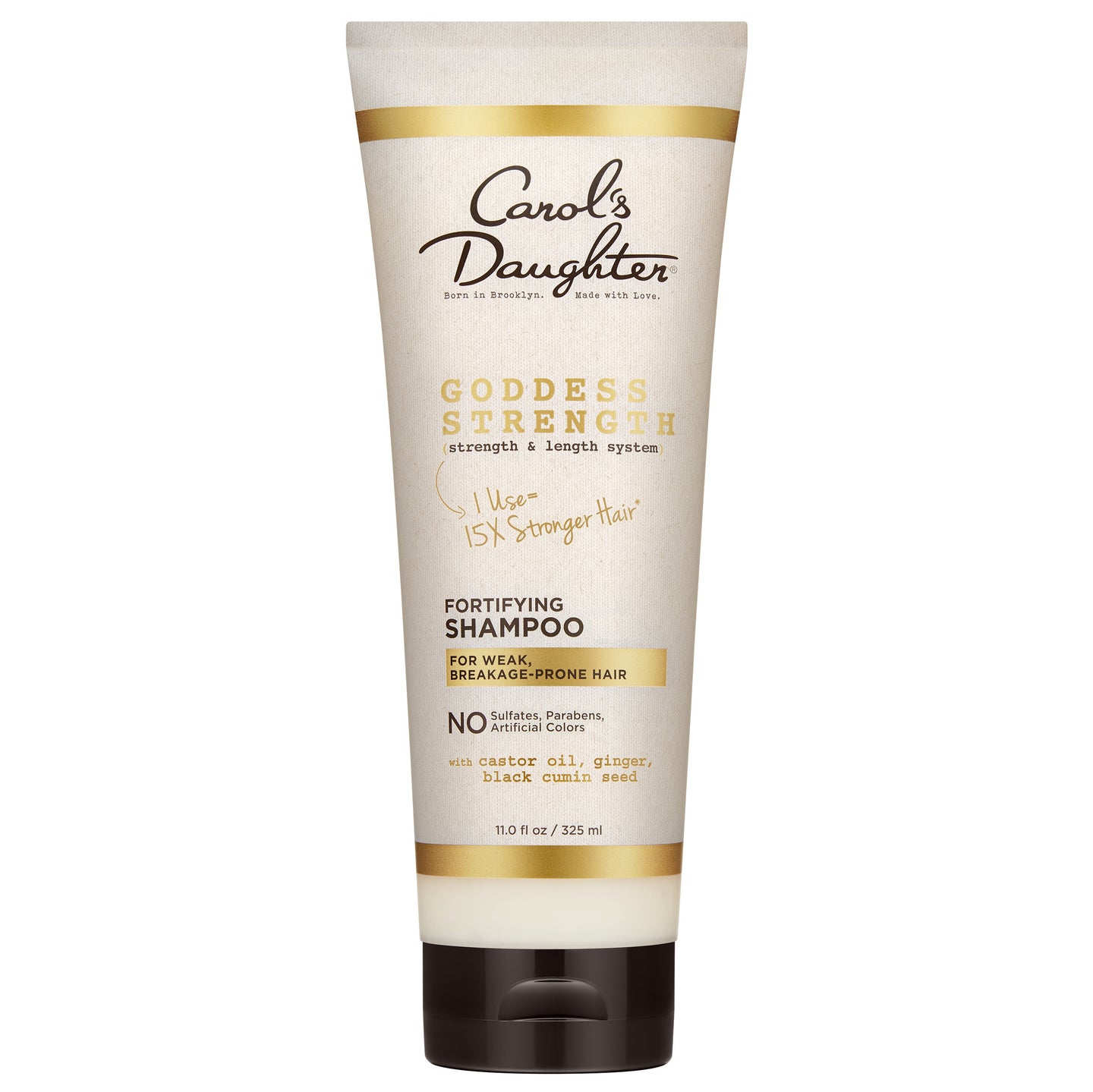
For more strengthening as you cleanse, the Goddess Strength Fortifying Shampoo with Castor Oil reinforces weak strands. The Goddess Strength line delivers up to 7x stronger hair and 86% breakage reduction with regular use.
When your edges feel especially brittle, follow with the Born to Repair 60-Second Moisture Treatment — apply to scalp and hair (including your edges) after shampooing for concentrated repair in just one minute.
2. Deep Condition Weekly
A weekly deep treatment delivers the moisture and repair your edges need most.
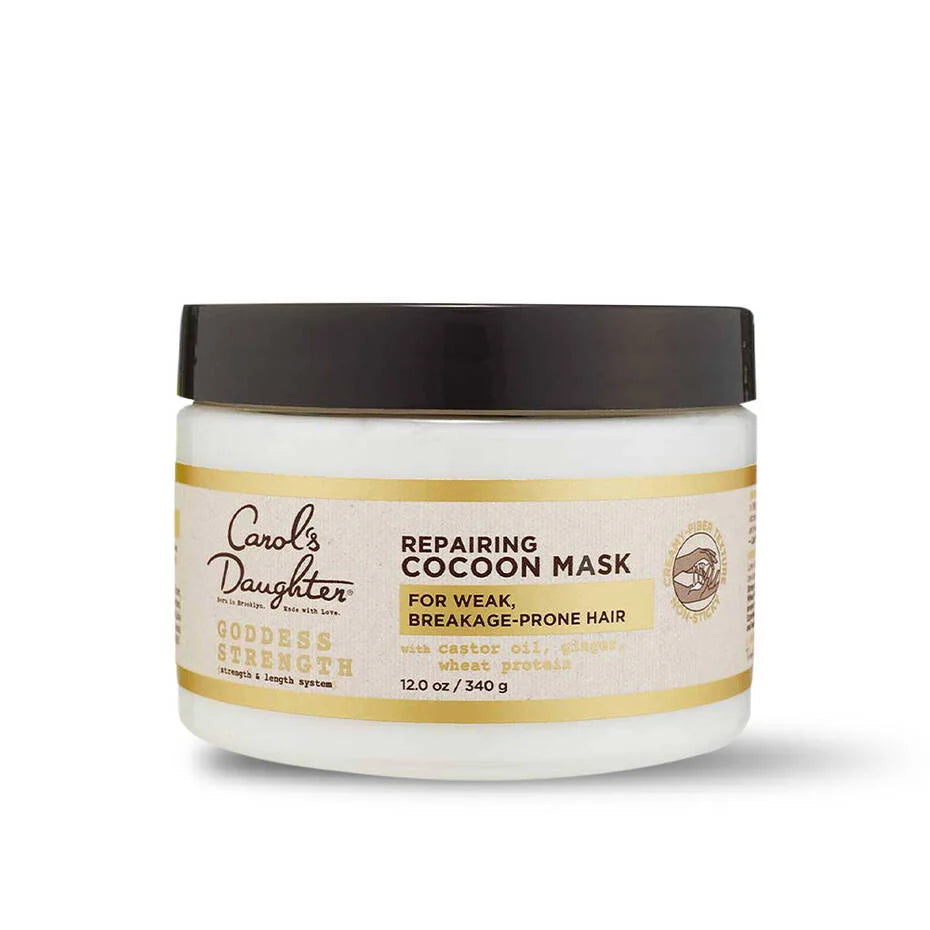
The Goddess Strength Cocoon Hydrating Hair Mask provides an intense moisture treatment that helps restore, strengthen, and protect breakage-prone strands. Apply once or twice a week to wet hair from roots to ends, including your edges.
3. Seal Moisture With an Oil
Edges lose moisture fast because they're more exposed than the rest of your hair. A sealing oil locks hydration in and creates a protective barrier.
The Goddess Strength 7-Oil Blend Hair & Scalp Oil blends castor, jojoba, coconut, and four other oils — castor oil specifically supports stronger edges. A few drops, warmed between your palms, smoothed gently along your hairline.
Less is more with edges. Heavy product weighs them down and can pull at fragile strands. Always start with a small amount.
4. Protect Your Edges at Night
Friction during sleep is one of the biggest hidden causes of edge damage.
Two simple swaps:
- A satin or silk pillowcase
- A satin bonnet or scarf
For added protection, apply a small amount of leave-in or oil to your edges before bed. A silk scarf tied gently (not tightly) around your hairline at night helps preserve any styling and reduces overnight friction.
5. Minimize Heat Styling
Edges are some of the most heat-vulnerable hair on your head — they're fine, exposed, and often closest to the heat source when you're flat-ironing or blow-drying your front sections.
Edge-protecting heat rules:
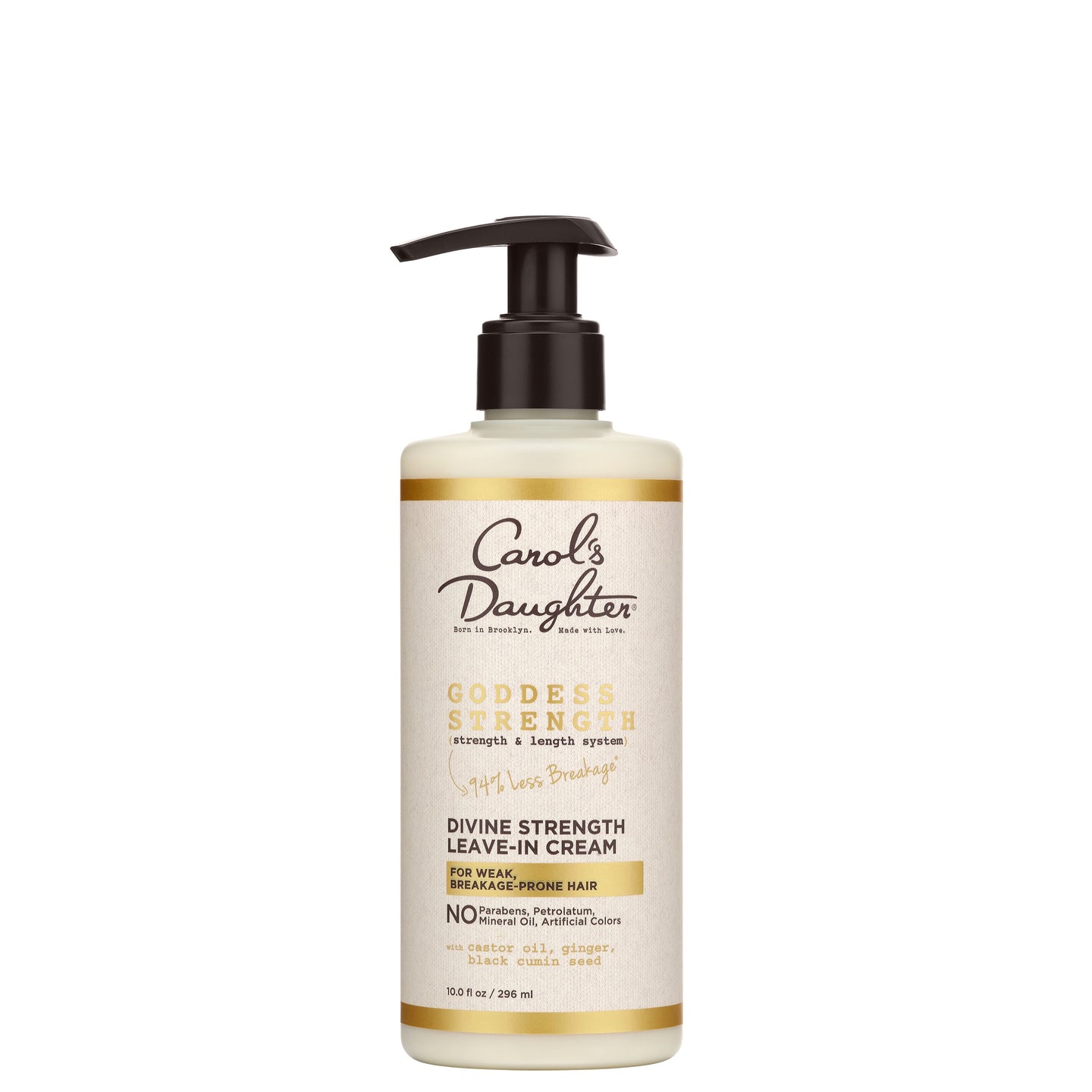
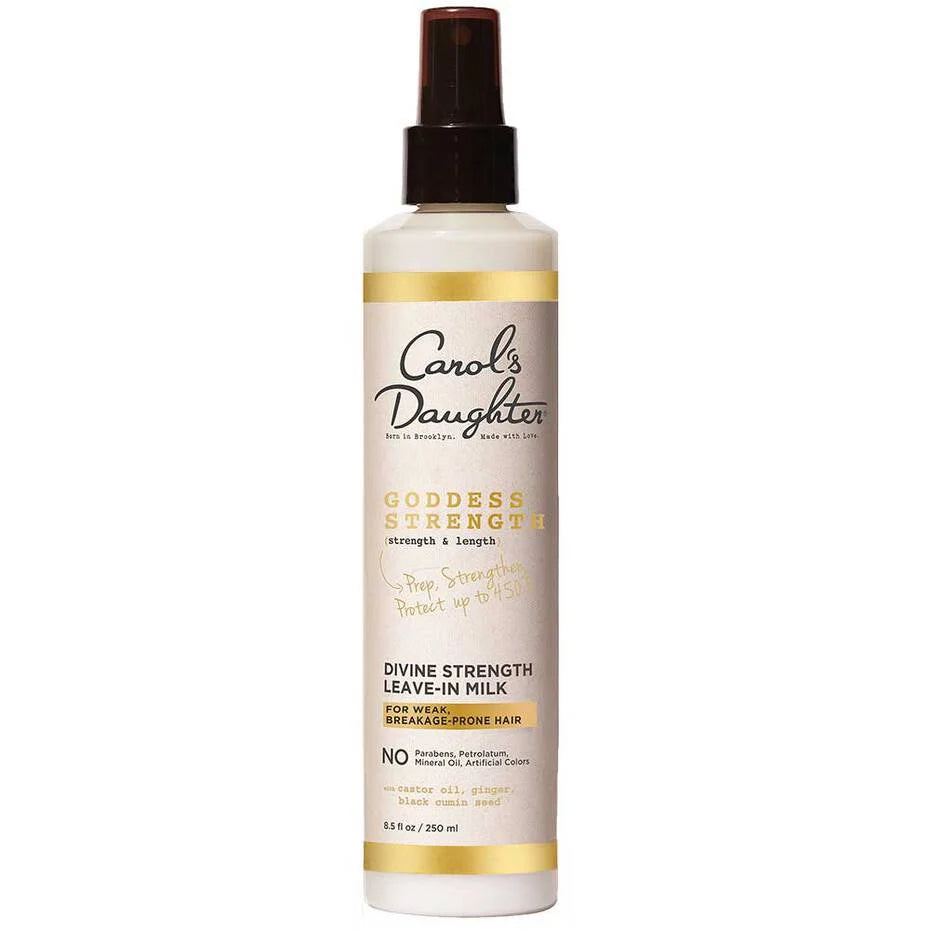
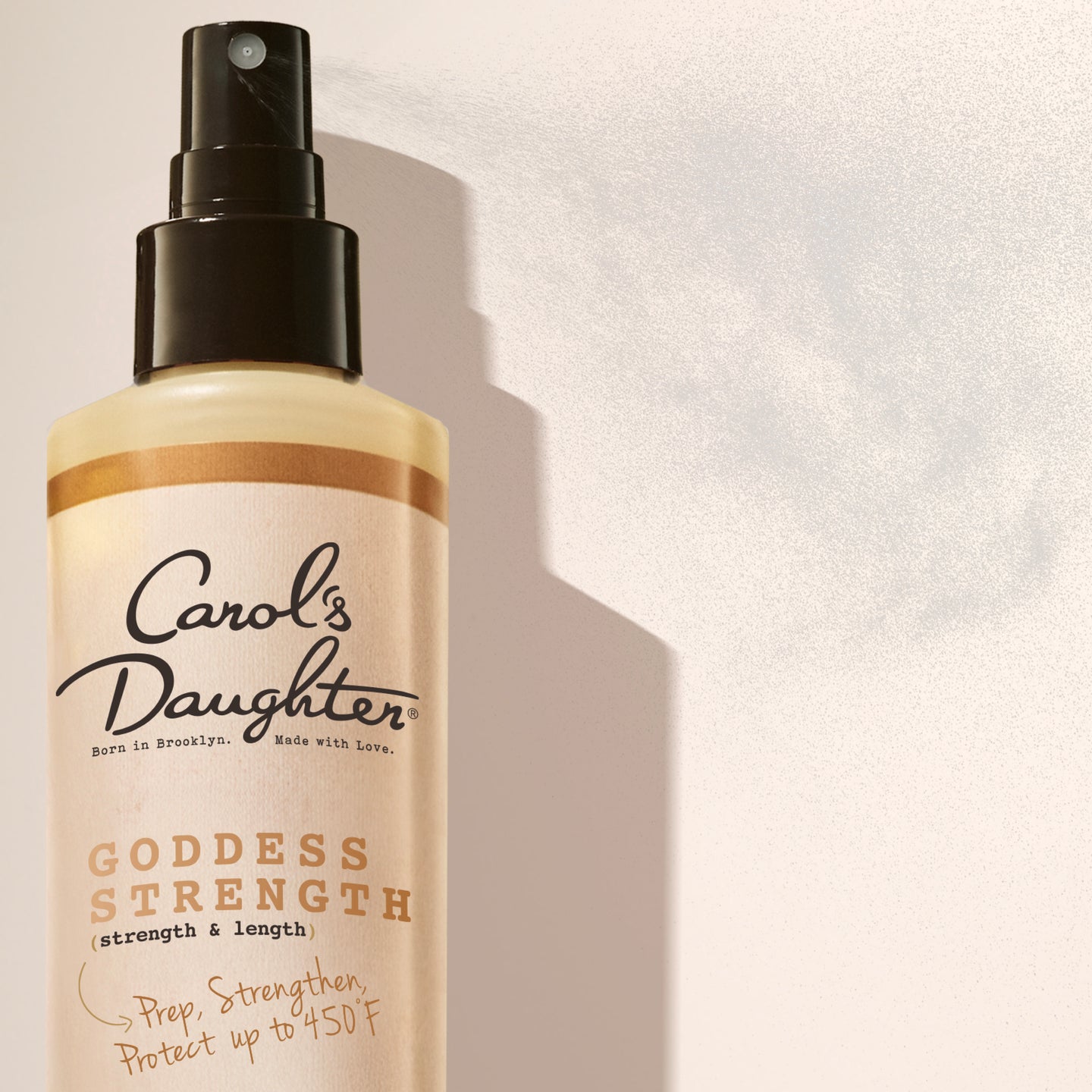
- Always apply a heat protectant first — the Goddess Strength Divine Strength Leave-In Milk protects up to 450°F
- Keep temperatures at 350°F or below for fine edges
- Limit direct heat on your edges to once a month or less
- Try heat-free styling alternatives like flexi-rods or perm rods
For more on recovering from heat damage, see our heat damage recovery guide.
How to Lay and Style Your Edges
Once your edges are healthy (or healing), styling them is part of the protection plan, not just the look.
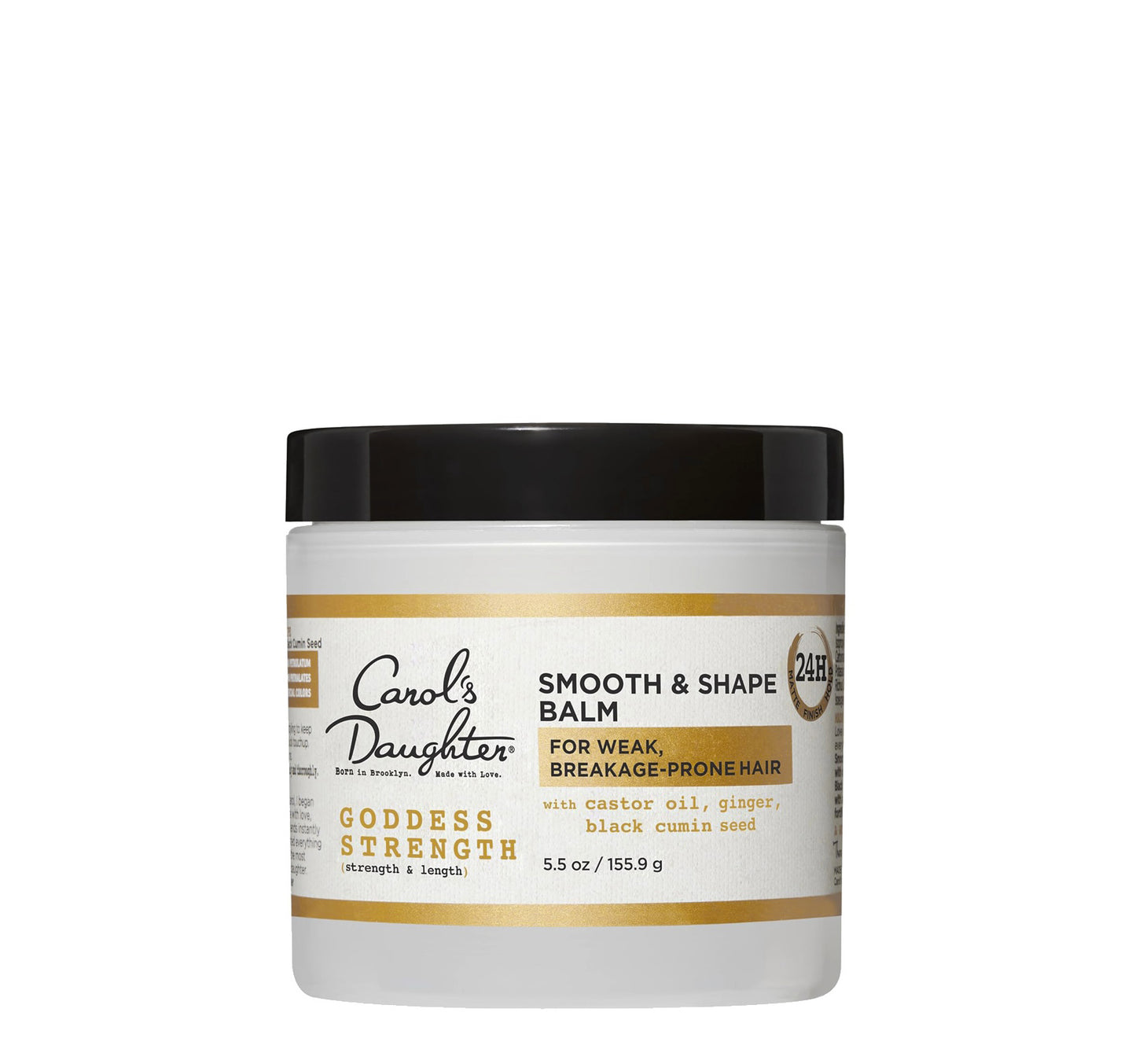
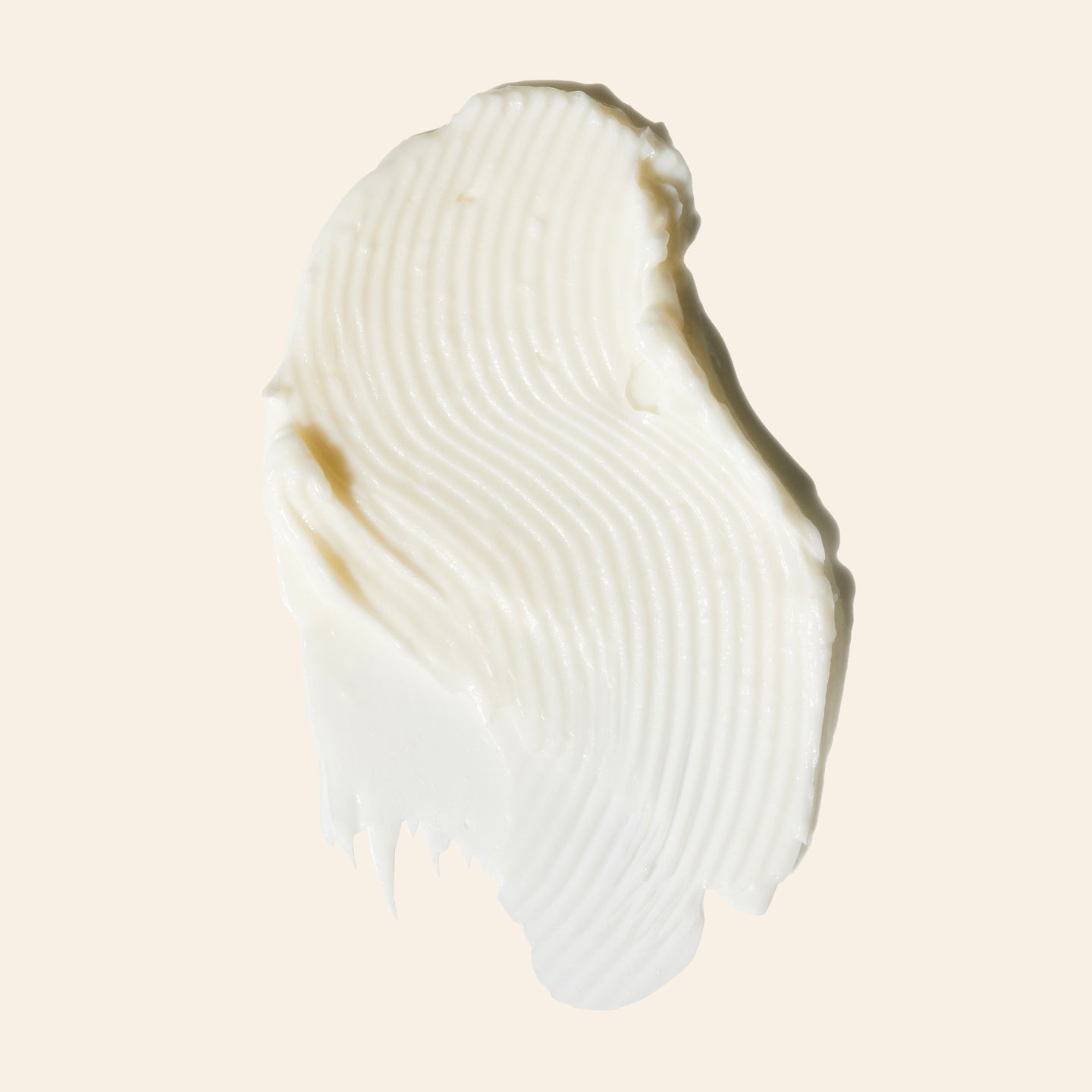
The Goddess Strength Smooth & Shape Balm is built for laying edges — it smooths and shapes without flaking or stiffness, and the formula is gentle enough for fragile baby hairs and recovering breakage.
Edge styling basics:
- Use a small amount of product — a pea-sized amount is plenty
- Apply with the tip of a small brush or toothbrush
- Brush in the direction you want your edges to lay
- Tie a silk scarf around your hairline for 5–10 minutes to set the style
- Don't apply edge product to dry, untreated hair — moisturize first
For more comprehensive edge styling guidance, see our complete guide to laying your edges.
How to Promote New Growth Around Your Edges
If you've lost edges to breakage, regrowth takes patience — and the right approach.
Use Protective Styles Strategically
Protective styles that aren't too tight protect your hair and can promote new growth by minimizing daily manipulation. The key word is "not too tight" — tension on the edges is what damages them in the first place.
Edge-protective style rules:
- Don't keep styles in longer than 6–8 weeks
- Make sure braids and twists at the hairline aren't pulling
- Keep your baby hairs out of tight protective styles — they're too fragile to handle that tension
- Take styles down patiently with detangler
If you're losing significant edges to traction-related damage, our guide on growing your edges back covers a full restoration routine.
Try Scalp Massage
Scalp massage stimulates blood flow to the follicles, which can support hair growth — similar to how Minoxidil works.
A few minutes of gentle massage during your wash routine, or with a few drops of the Goddess Strength 7-Oil Blend any time of day, supports healthy growth at the hairline.
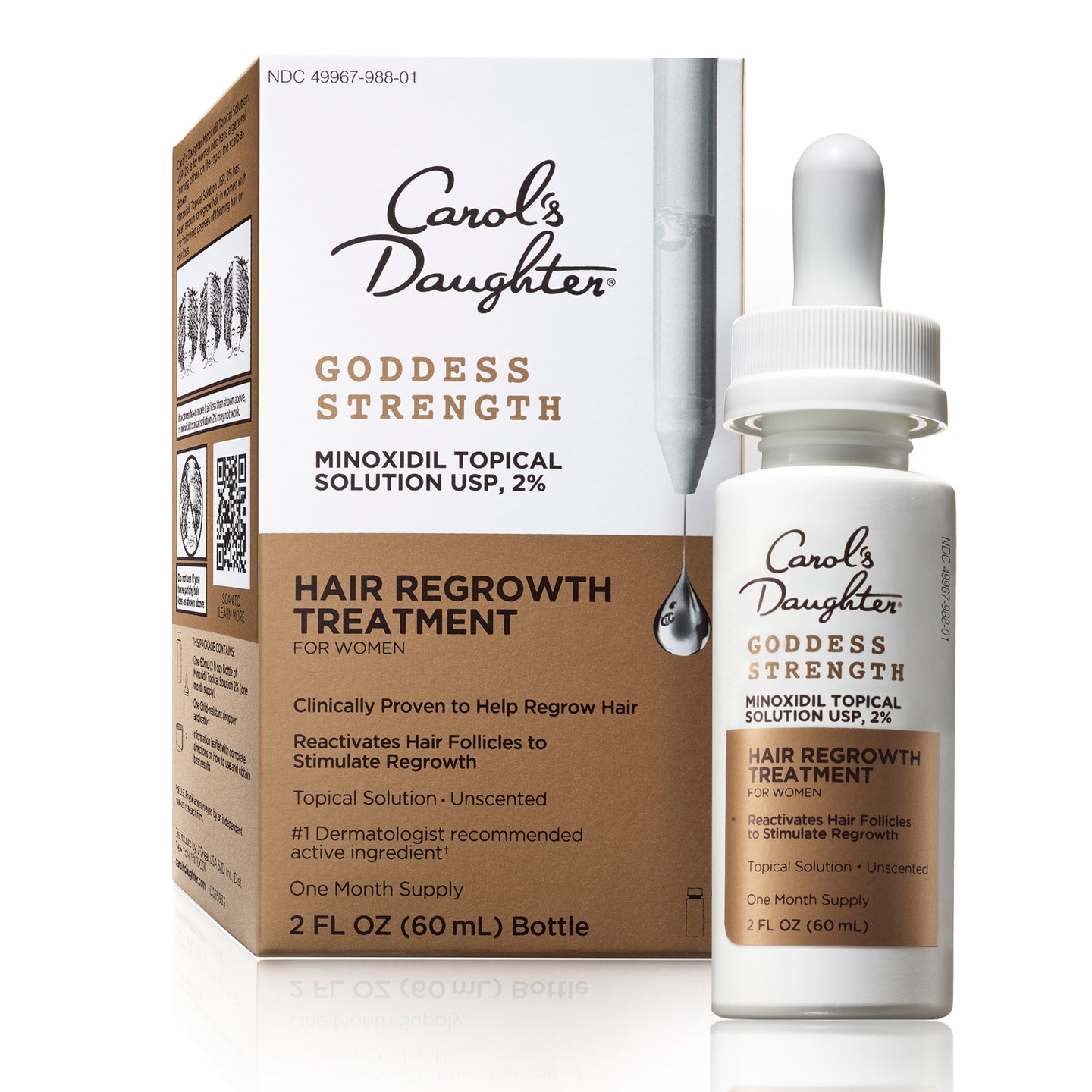
For severe edge loss or female pattern hair loss, the Goddess Strength Hair Regrowth Treatment with FDA-approved 2% Minoxidil is clinically proven to support regrowth in 4 months. See our guide to Minoxidil for women for more details.
Keep Edges Moisturized Daily
Moisture is your best protection against future breakage. Apply a leave-in to your edges daily, and use a detangling cream like the Hair Milk Original Leave-In Moisturizer when brushing or styling — agave and shea butter give you the slip you need to handle edges without breaking them.
Stay Consistent
Edge restoration takes 3–6 months of consistent care, sometimes longer. There's no overnight fix. The wins compound — every week your edges aren't being broken is a week they get to heal and grow.
Frequently Asked Questions About Baby Hairs and Breakage
Will my baby hairs ever grow long?
Sometimes, sometimes not. Baby hairs are technically just short pieces of new growth — and for many women, especially with tightly coiled hair, they may never grow much beyond their current length. That's normal, not a sign of damage. The goal is to keep them healthy, not to make them grow longer.
Why are my edges breaking off?
The most common causes: tight protective styles, daily edge brushing with too much tension, edge control products that contain drying alcohols, heat styling without protection, friction from cotton pillowcases or hats, and chemical processing along the hairline. Audit your routine — usually one or two changes solve it.
Can broken edges grow back?
Yes — as long as your hair follicles haven't been permanently damaged. Most edge breakage is reversible with consistent care, gentle handling, and time (3–6 months for visible regrowth). However, if you've lost edges to long-term tension (traction alopecia), the damage may be partially permanent. See a dermatologist if you're concerned.
What's the best edge control for natural hair?
Look for water-based formulas that don't flake, contain nourishing ingredients (like shea butter, castor oil, or jojoba), and don't require heavy reapplication. Avoid products with high alcohol content that dry out fragile baby hairs. The Goddess Strength Smooth & Shape Balm is built specifically for this.
Can I lay my edges every day?
Yes, but be gentle. Daily edge styling is fine if you're using a small amount of product and a soft brush. The damage usually comes from over-brushing, applying too much product, or using stiff-bristled tools that pull at fragile strands.
How do I protect my edges under a wig or weave?
A few practical tips: don't install with too much tension, avoid daily lace glue if possible (it can cause irritation and damage), give your edges breaks between installs, moisturize your hairline daily even with the style installed, and consider using elastic bands or clips that aren't directly on your edges.
Ready to give your edges the care they deserve?
For laying and shaping → Shop Goddess Strength Smooth & Shape Balm
For damaged hair recovery → Shop the Born to Repair collection
For strength and breakage reduction → Shop the Goddess Strength collection
Not sure where to start? → Take the Curl Quiz