

Female Hair Loss: A Q&A With Dr. Rosemarie Ingleton


Female Hair Loss: A Q&A With Dr. Rosemarie Ingleton
By Carol's Daughter, featuring Dr. Rosemarie Ingleton, MD, FAAD — Updated May 2026
Quick Answer: Female hair loss is far more common than most people realize — affecting a significant portion of women by age 50. The most common causes are genetics, hormonal shifts, stress, medical conditions, and styling habits like tight wigs or extensions. The first step is identifying the cause, since treatment depends on it. For pattern hair loss, FDA-approved Minoxidil (the active ingredient in Goddess Strength Hair Regrowth Treatment) is the most-recommended option. For other causes, a dermatologist can guide you to the right approach.
If you're experiencing hair loss, you're far from alone. Female hair loss affects a substantial portion of women — and yet it's still rarely talked about openly.
To help break that silence and give you real, expert guidance, we sat down with Dr. Rosemarie Ingleton, MD, FAAD — our resident dermatologist and Medical Director of Ingleton Dermatology in New York City. Below, she answers the most common questions about why hair loss happens, how to tell what's actually going on, and the treatments that work.
What Is Hair Loss?
Hair loss occurs when your hair growth cycle is disrupted.
Your hair normally moves through four phases — growing, transitioning, resting, and shedding — over a span of years. When something interrupts that cycle, hair can fall out faster than it grows in, leading to thinning, bald patches, or visible shedding beyond the normal range.
Causes range from genetic conditions to stress, hormonal changes, medications, and physical strain on the follicles from styling habits. The good news: most types of hair loss are treatable, especially when caught early.
Signs of Hair Loss in Women
Women may notice hair loss in several different ways:
- Visible thinning, especially at the crown or part line
- A part that has gradually widened over time
- A receding hairline, especially around the temples or edges
- Bald patches or noticeably sparse areas
- Shedding more than the normal range of 50–100 hairs per day
- More hair in your brush, drain, or pillowcase than usual
If you notice any of these signs, it's worth a closer look — and possibly a conversation with a dermatologist.
Find Your Personalized Routine
Knowing your curl type and current concerns helps you build a routine that supports overall hair and scalp health.
Take the Curl Quiz → A 5-step quiz that identifies your hair type, main concerns, and the products built for your texture.
Q&A With Dr. Ingleton
Real answers from a board-certified dermatologist on the most common questions about female hair loss.
What causes hair loss?
Dr. Ingleton: "Hair loss can be caused by a multitude of factors, but some of the most common causes are genetics, medical conditions, hairstyling habits, and extreme stress. It's important to figure out the underlying cause."
The right treatment depends on the cause — which is why diagnosis matters more than jumping straight to a product.
Can stress cause hair loss?
Dr. Ingleton: "Absolutely. Immense and long-lived stress can trigger a general shedding of your hair. The good news is that it's reversible, but even when the stressor is gone, hair follicles need time, and sometimes help, to switch back to the growing phase."
This type of stress-related shedding is called telogen effluvium. It typically shows up 2–3 months after a major stressor (illness, surgery, emotional event, postpartum) and usually resolves on its own once the body recovers.
Can wearing wigs cause hair loss?
Dr. Ingleton: "Unfortunately, yes. Wigs can cause hair loss from friction, typically around the perimeter and edges of hair. This is largely due to clips, tight elastic bands, and reactions to lace glue."
This is one of the most common forms of preventable hair loss. To protect your edges and hairline:
- Take regular breaks from wigs and weaves
- Avoid tight elastic bands and clips at the edges
- Use lace glue sparingly and remove it gently
- Moisturize your scalp and edges between installs
- Switch up where wig clips sit so the same spot isn't always under tension
Can pregnancy cause hair loss?
Dr. Ingleton: "Yes. During pregnancy, increased blood flow to the scalp can actually make hair thicker, but postpartum, many women experience shedding around 3 months after birth. Rest assured this will usually resolve itself over a few months."
Postpartum hair loss is one of the most common (and most distressing) forms of shedding for new mothers. It's not permanent — but if you're experiencing it, focus on gentle handling, deep moisture, and patience while your body finds its hormonal balance.
Can menopause cause hair loss?
Dr. Ingleton: "Yes. Menopause can lead to hair thinning and hair loss, often at the top of the crown area. Minoxidil can be very helpful in treating this form of hair loss."
Hormonal shifts during perimenopause and menopause affect the hair growth cycle for many women. The thinning often appears at the crown and along the part line. This is a form of hair loss where Minoxidil is especially effective.
Can shampoo and styling cause hair loss?
Dr. Ingleton: "[They] typically [do] not. Whenever there is 'hair loss' from styling, it is due to dryness and breakage of the hair shaft."
This is an important distinction. What looks like hair loss from styling is usually breakage — and breakage is reversible. For more on identifying and stopping breakage, see our hair breakage causes and treatments guide.
Can dandruff cause hair loss?
Dr. Ingleton: "No. Although dandruff is a scalp concern, there isn't any evidence connecting dandruff and hair loss."
Good to know. Treating dandruff is still important for scalp health — but if you're losing hair, it's not because of flakes.
Shedding vs. Hair Loss: The Difference
These two are often confused, but they're different — and the distinction matters.
| Hair Shedding | Hair Loss |
|---|---|
| Part of the normal hair cycle | Disruption of the hair cycle |
| Strands have a white bulb at the tip (came from root) | Strands without bulbs are breakage; with bulbs from root may be hair loss |
| Normal range: 50–100 hairs per day | More than 100 hairs per day, consistently |
| Hair regrows in normal cycle | New growth slowed or stopped |
How can you tell if it's hair loss or breakage?
Dr. Ingleton: "Look at the hair strands that have fallen out. If you see a white bulb at the tip, you're losing hair from the root, and it could be hair loss. If there are no white bulbs, it's likely breakage, due to damage and weakness of the hair shaft."
Simple visual test: pick up a few strands from your sink or comb and check the ends. Bulb = root loss. No bulb = breakage.
Are Hair Loss and Alopecia the Same Thing?
Dr. Ingleton: "Yes — alopecia is the medical term for hair loss. This refers specifically to when hair comes out from the roots, not including breakage."
There are several different types of alopecia:
- Androgenetic alopecia — pattern hair loss; the most common type for both men and women
- Telogen effluvium — temporary shedding triggered by stress, illness, or hormonal changes
- Traction alopecia — caused by tight hairstyles pulling on the hair over time
- Alopecia areata — autoimmune condition that causes patchy hair loss
- Scarring alopecia — caused by inflammation that damages follicles
Each type has different causes and different treatments — which is why a dermatologist can help identify what you're dealing with.
Is Hair Loss Preventable?
Dr. Ingleton: "Hair loss is preventable if the causes are due to lifestyle choices. Wearing looser hairstyles or taking periodic breaks from wigs and weaves can help in certain cases; however, if hair loss is due to genetic factors, it's typically out of your control."
The takeaway: lifestyle-related hair loss can absolutely be prevented. Genetic hair loss can't be prevented but can be treated.
Lifestyle changes that protect against preventable hair loss:
- Wear looser hairstyles
- Take breaks between protective styles
- Avoid daily heat styling
- Manage stress proactively
- Eat a balanced diet rich in protein, iron, and zinc
- Treat scalp conditions early before they affect follicles
How Can You Treat Hair Loss?
Dr. Ingleton: "If we focus on traction hair loss, a more common form, we first must change our hairstyling habits. For more stubborn forms of hair loss, there are other treatments that a dermatologist could recommend, such as nutritional supplements (like biotin or zinc), in-office procedures (like cortisone injections or Platelet Rich Plasma injections/PRP), and Minoxidil products, to help stimulate the hair to grow back."
Treatment depends on the cause:
- Traction alopecia → looser styles, breaks between installs, scalp massage
- Stress-related shedding → stress management, time, gentle care during recovery
- Postpartum shedding → patience and supportive routines
- Pattern hair loss → Minoxidil and ongoing maintenance
- Nutritional causes → bloodwork and targeted supplementation
- Severe or unclear cases → dermatologist evaluation, possible PRP or in-office treatments
What activates the hair follicle?
Dr. Ingleton: "Increased blood flow helps activate hair follicles, and that's partly how medicines like Minoxidil work. They increase blood flow, shorten the shedding phase, and push hair into the growth phase."
This is the core mechanism behind FDA-approved Minoxidil treatments — they work by improving blood flow to follicles, which keeps hair in the growing phase longer.
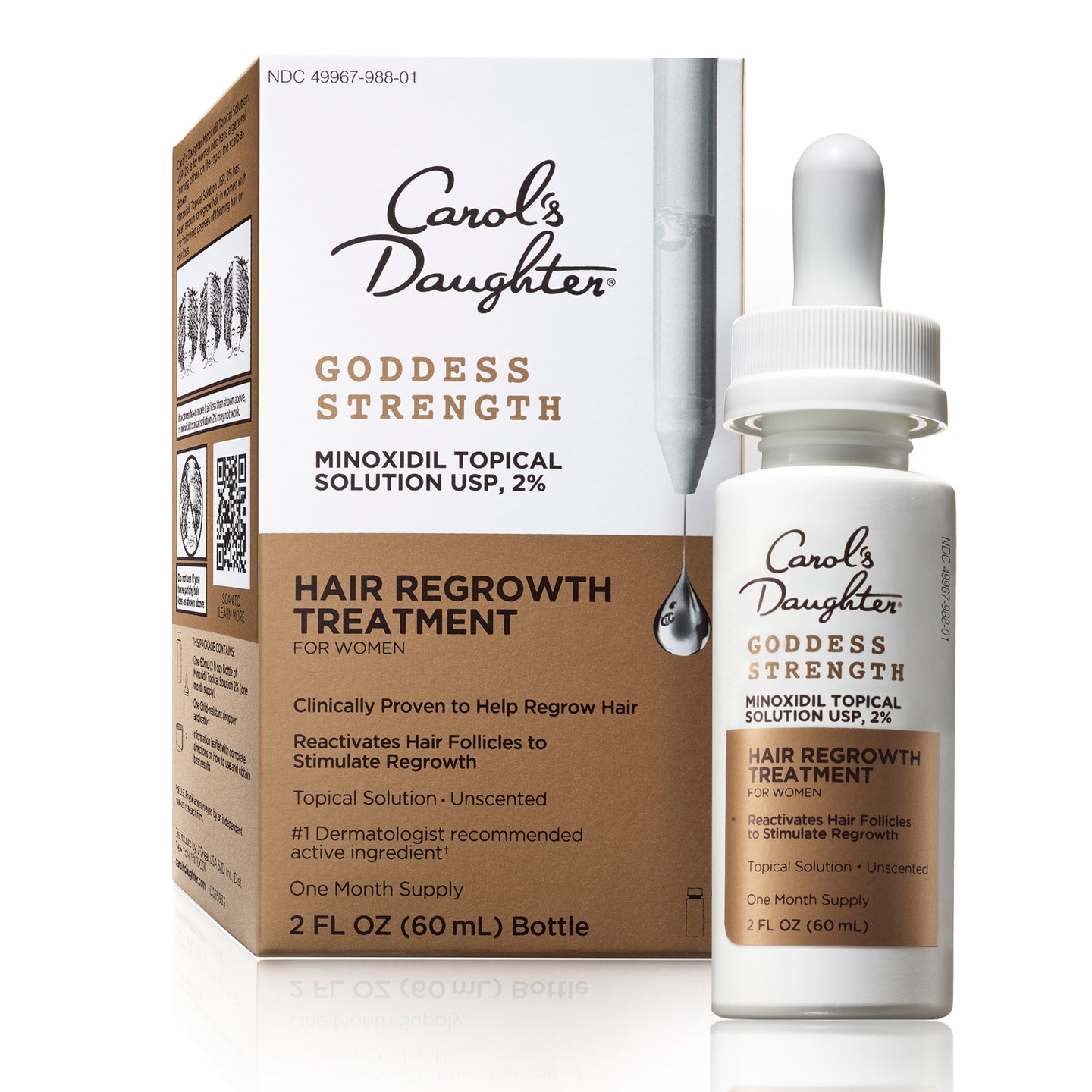
Goddess Strength Hair Regrowth Treatment
The Goddess Strength Hair Regrowth Treatment contains 2% Minoxidil Topical Solution — the #1 dermatologist-recommended treatment for hair regrowth, clinically proven to help regrow hair in 4 months.
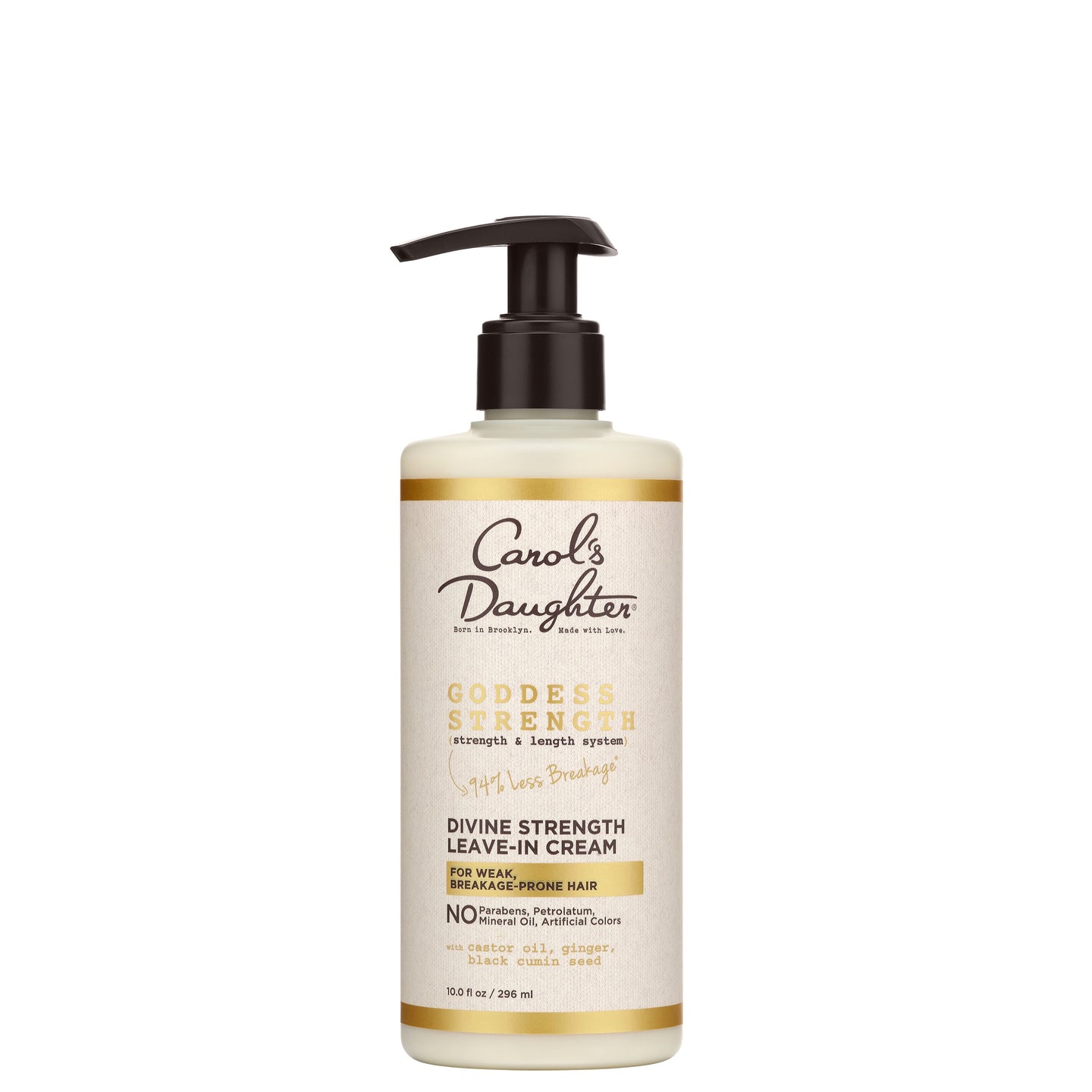
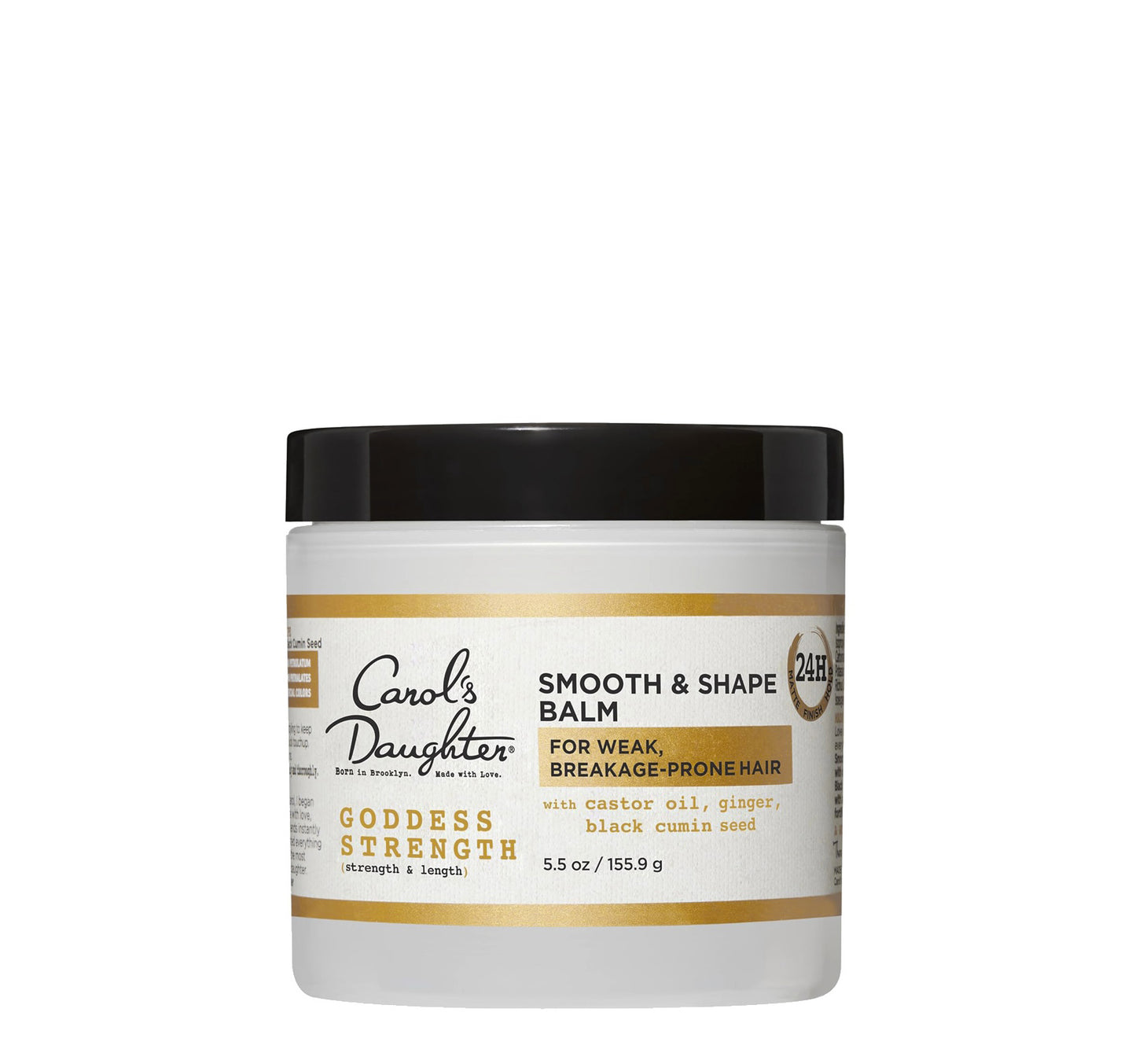
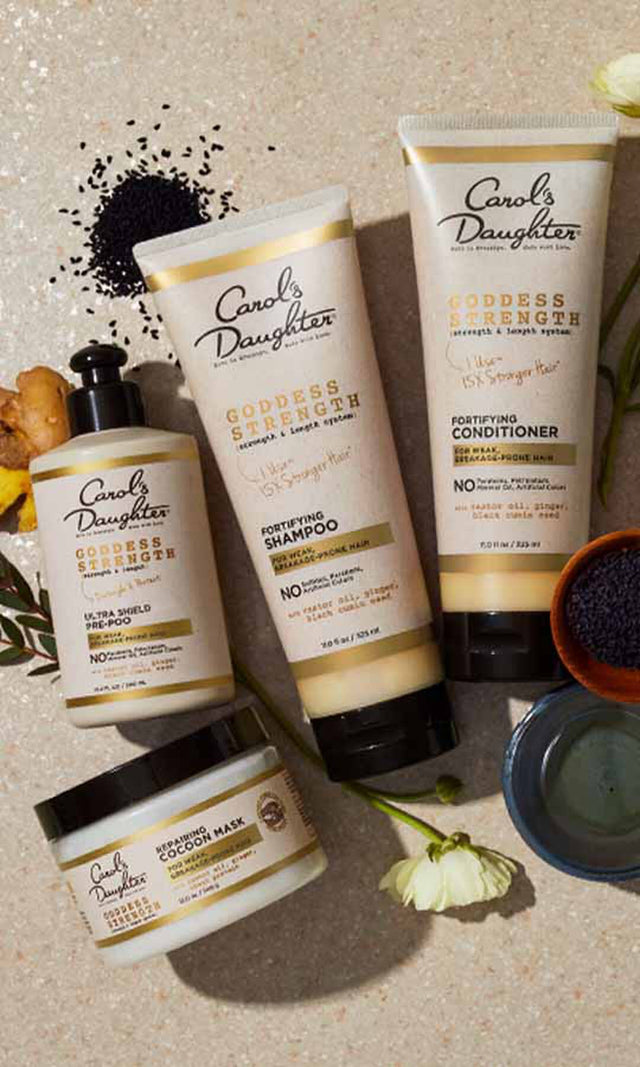
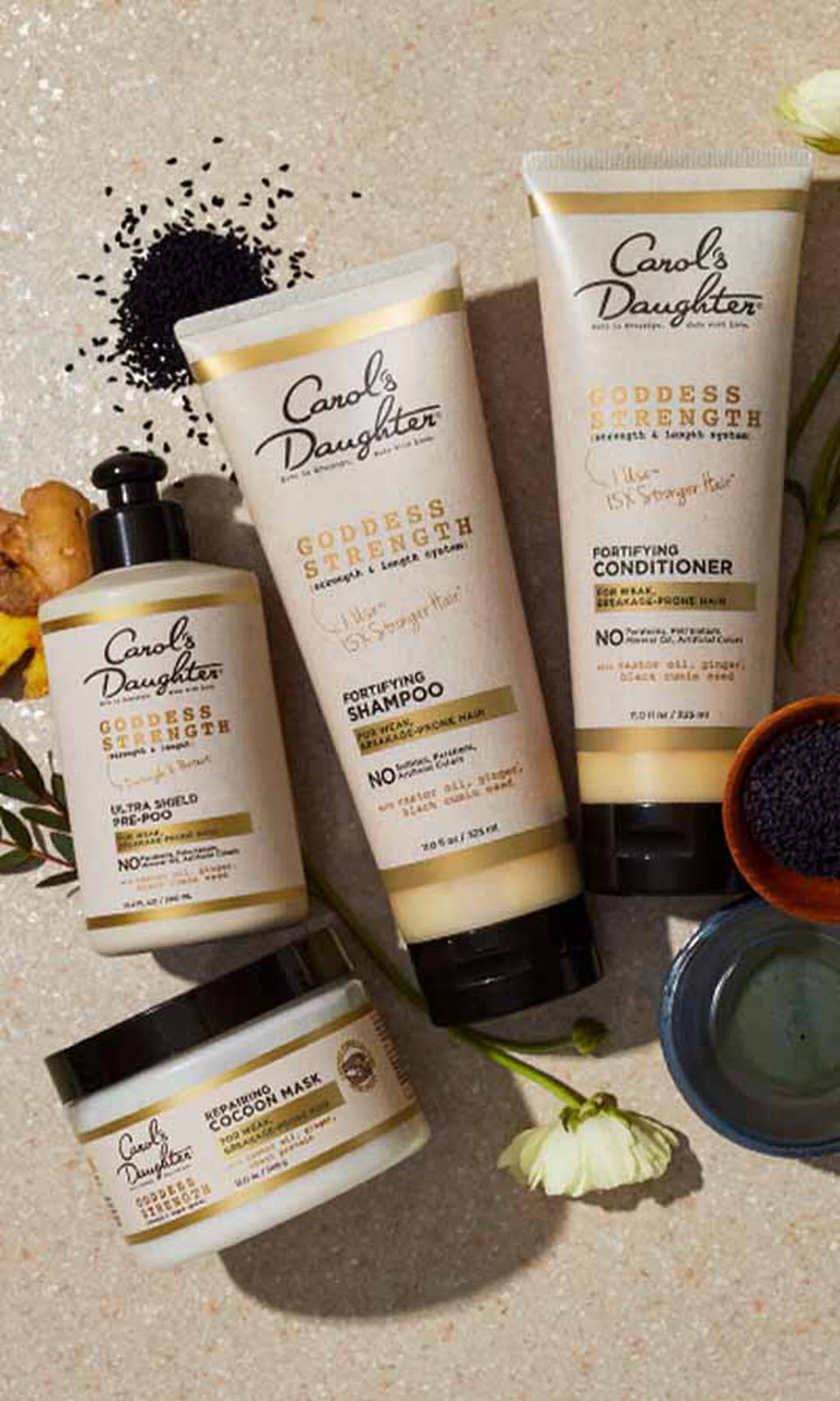
The treatment works by reactivating follicles and stimulating the growth of thicker, fuller strands. It comes with a dropper applicator for precise scalp application, and pairs well with the rest of the Goddess Strength collection — formulated to moisturize and strengthen weak hair.
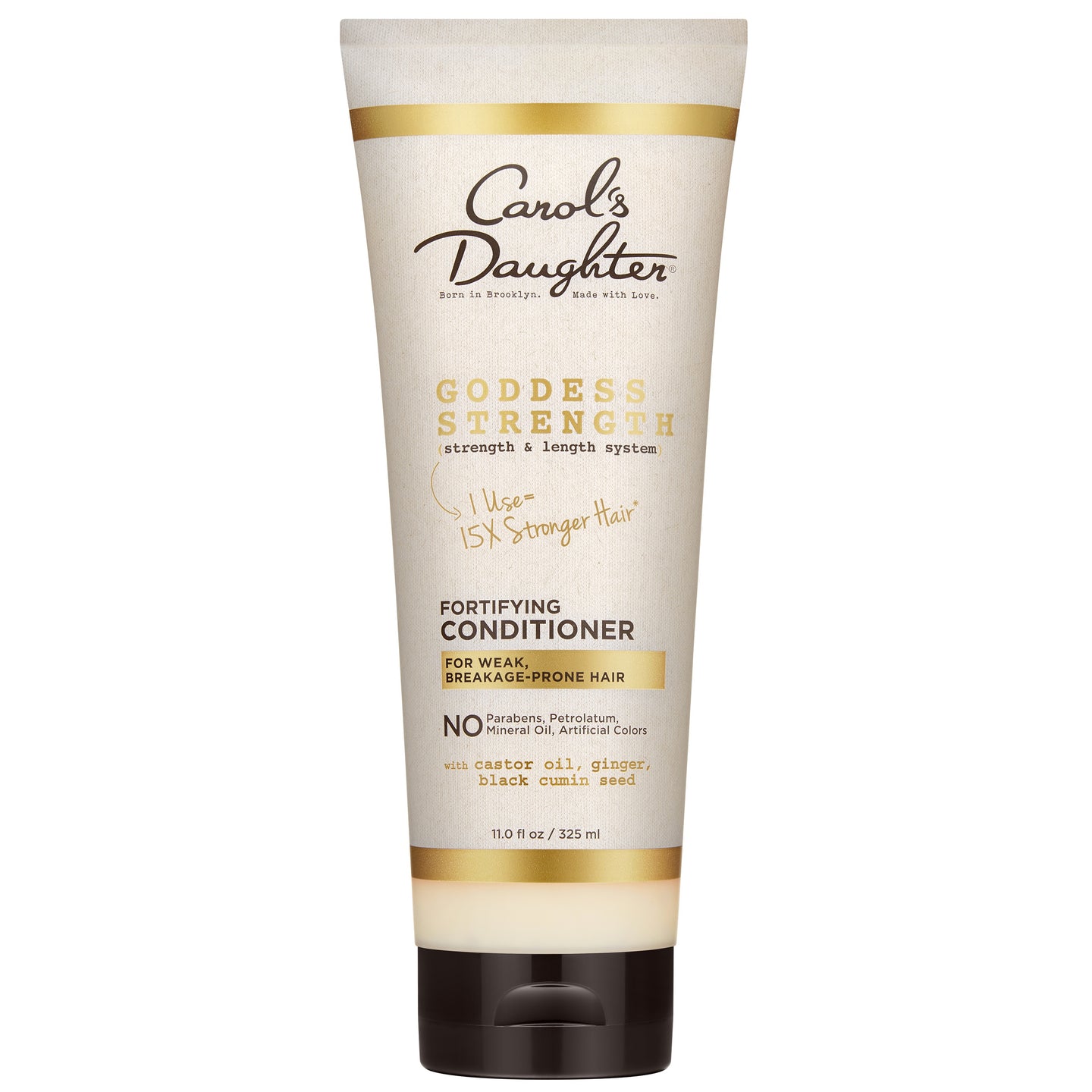
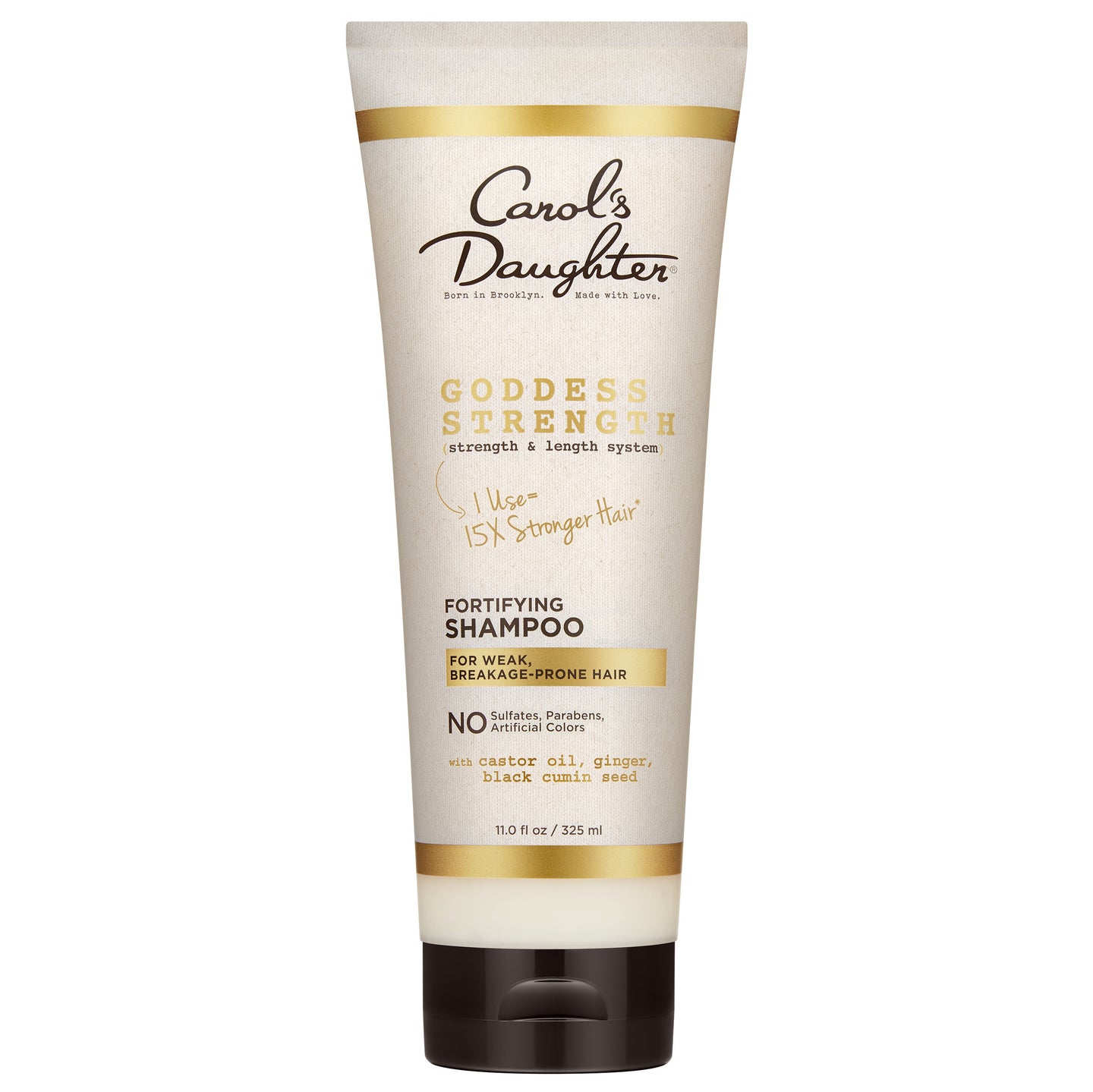
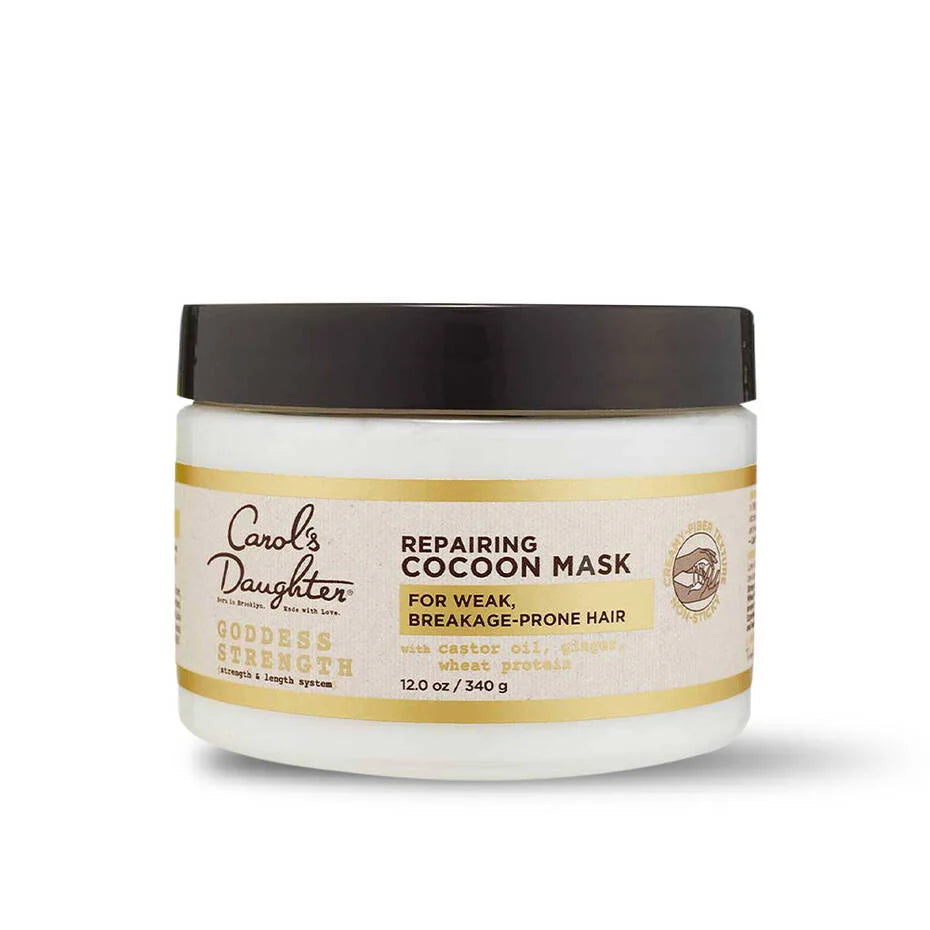
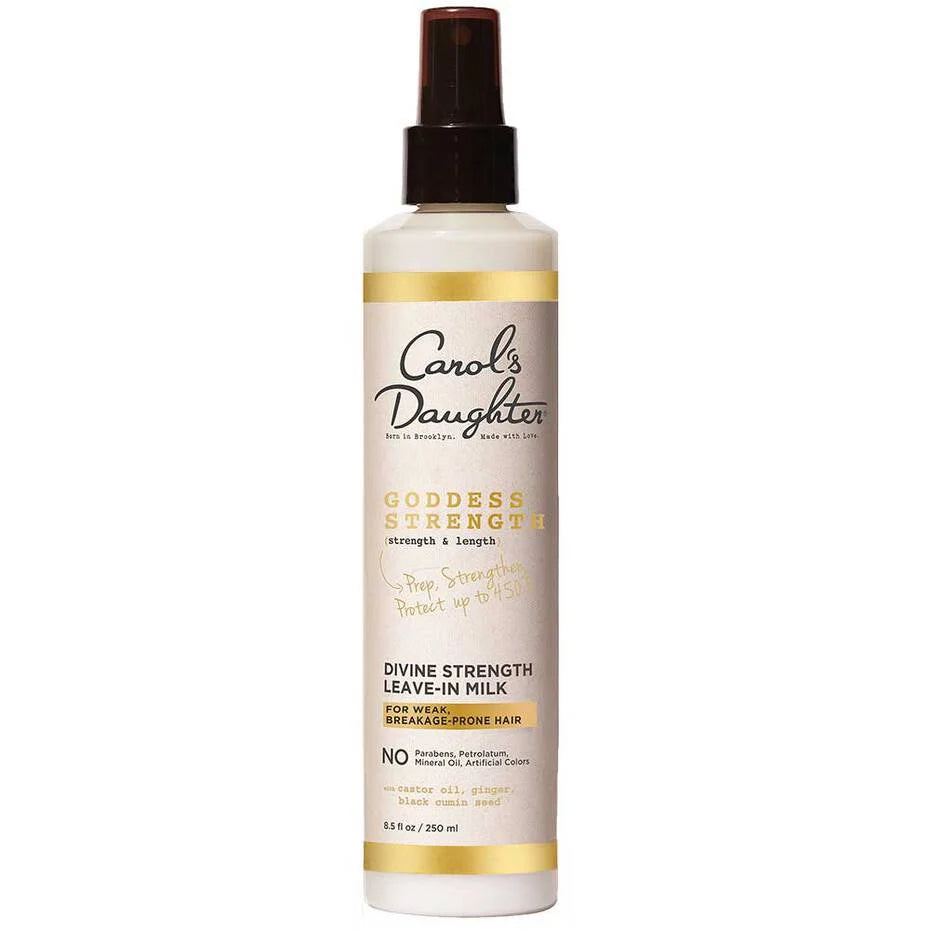
The Goddess Strength line delivers up to 7x stronger hair and 86% breakage reduction with regular use, supporting your overall hair health while the regrowth treatment works on follicle activation.
For a complete guide to using Minoxidil, see our complete guide to Minoxidil for women.
Does Scalp Health Impact Minoxidil's Effectiveness?
Dr. Ingleton: "Yes, good scalp health will improve how effectively Minoxidil will affect hair growth. Cleansing the scalp at least weekly with a shampoo will help reduce buildup and allow better absorption of Minoxidil. Treating any other underlying scalp conditions like eczema or psoriasis will also improve how well your scalp tolerates Minoxidil."
This is critical — a healthy scalp is the foundation for any hair loss treatment to work effectively.
For more on building a healthy scalp routine, see our ultimate scalp care routine and 4 natural remedies for dry, itchy, flaky scalp.
Do Home Remedies Work for Hair Loss?
Dr. Ingleton: "Patients have reported having some success with things like oregano oil, rosemary, or mint, but the jury is still out. There haven't been many scientific studies to prove whether they're effective at treating hair loss."
Home remedies can support overall scalp and hair health, but they shouldn't replace evidence-based treatments for actual hair loss. If you're noticing real thinning or shedding beyond the normal range, professional treatment is more reliable.
When to See a Dermatologist
Some signs warrant a professional evaluation. See a dermatologist if you notice:
- Sudden, significant hair loss (not gradual thinning)
- Bald patches that appear quickly
- Hair loss alongside other symptoms (fatigue, weight changes, irregular periods)
- Hair loss after starting a new medication
- A family history of severe hair loss conditions
- No improvement after 6 months of consistent at-home treatment
- Scalp pain, redness, or signs of infection alongside hair loss
A dermatologist can identify the specific cause of your hair loss, run necessary bloodwork, and recommend the right combination of treatments.
Frequently Asked Questions About Female Hair Loss
Is female hair loss common?
Yes — female hair loss is far more common than most people realize, with a substantial percentage of women experiencing some form of thinning or hair loss by age 50. It's just less openly discussed than male pattern hair loss.
Can female hair loss be reversed?
It depends on the cause. Stress-related shedding, postpartum shedding, and traction alopecia are typically reversible with time and proper care. Pattern hair loss can be managed with ongoing treatment but isn't fully reversible without continued use of products like Minoxidil. Scarring alopecia and follicle damage may be permanent, which is why early treatment matters.
Is hair loss after pregnancy permanent?
No. Postpartum hair loss is almost always temporary. Most women see their hair return to its normal density within 6–12 months after the shedding begins. Gentle handling and good nutrition support the recovery.
Can I treat hair loss without seeing a doctor?
Yes — for many forms of hair loss, over-the-counter treatments like 2% Minoxidil are effective and don't require a prescription. However, if you're not seeing improvement after 6 months, or if your hair loss is sudden or severe, see a dermatologist to identify the underlying cause.
What's the most effective treatment for female hair loss?
For pattern hair loss, FDA-approved Minoxidil (like the 2% solution in Goddess Strength Hair Regrowth Treatment) is the most-recommended over-the-counter treatment. For other causes, treatment depends on the diagnosis — which is why understanding the cause matters before choosing a treatment.
Does scalp massage help with hair loss?
It can support hair health and may help with hair growth by improving blood flow to follicles — similar to how Minoxidil works. While scalp massage alone isn't typically enough to reverse significant hair loss, it pairs well with active treatments and supports overall scalp health.
Ready to take action on your hair loss?
For FDA-approved hair regrowth → Shop Goddess Strength Hair Regrowth Treatment
For complete hair loss support → Shop the hair loss collection
For a strengthening routine alongside regrowth → Shop the Goddess Strength collection
Not sure where to start? → Take the Curl Quiz