

Here’s Your Ultimate Guide to Using Synthetic Hair


Your Ultimate Guide to Using Synthetic Hair
By Carol's Daughter — Updated May 2026
Quick Answer: Synthetic hair is man-made hair fiber (typically acrylic or modified acrylic like Kanekalon) used for braids, twists, wigs, weaves, and protective styles. It's cheaper than human hair, holds its style without re-curling, comes in countless colors and textures, and lasts 3–6 months with proper care. The downsides: most synthetic hair can't be heat-styled, it's less versatile than human hair, and it can cause scalp irritation if not washed before install. The keys to using it well: cleanse it before wearing, keep your natural hair protected underneath, and follow synthetic-specific care techniques (no hot tools, no human-hair products, air-dry only).
Synthetic hair gets a lot of love and a lot of hate.
It's affordable, ready-to-wear, holds style for months, and comes in colors you'd never find in nature. It's also been blamed for breakage, scalp irritation, and damaged edges — sometimes deservedly, sometimes not.
The truth is in the middle: synthetic hair is a powerful protective styling tool when used correctly, and a damage-prone disaster when used carelessly. The difference comes down to quality, prep, install, and care.
This guide breaks down what synthetic hair actually is, how it compares to human hair, and exactly how to care for it so your protective style does its job.
What Is Synthetic Hair?
Synthetic hair is made from man-made fibers — typically acrylic, nylon, or modified acrylic polymers like Kanekalon and Toyokalon.
These fibers go through chemical processes that give them:
- A look and feel similar to human hair
- Pre-set curl patterns, textures, and colors
- Style memory (they bounce back to their original shape)
- Varying degrees of heat resistance, depending on the type
The quality of the fibers determines how closely the hair mimics real human hair — and how comfortably it wears.
What's the Difference Between Synthetic Hair and Human Hair?
The two types of hair have come close enough that they can look identical at first glance. The differences show up in how they behave.
Quick Comparison
| Factor | Synthetic Hair | Human Hair |
|---|---|---|
| Source | Man-made acrylic/polymer fibers | Harvested from human heads (sometimes blended with animal hair) |
| Color options | Vast range available pre-dyed | Often needs custom coloring |
| Style memory | Yes — bounces back to original curl/shape | No — needs restyling after every wash |
| Heat styling | Only heat-resistant varieties (Kanekalon, Toyokalon) | Yes, with heat protection |
| Dyeing | Possible but requires fabric dye + boiling water for heat-resistant types | Easy with standard hair color |
| Versatility | Limited — can't change curl pattern much | High — can be cut, colored, restyled freely |
| Cost | Lower (often significantly) | Higher |
| Lifespan | 3–6 months with daily wear | 1+ year with proper care |
| Maintenance | Lower (style holds itself) | Higher (frequent restyling) |
Synthetic Hair Wins When You Want:
- Set-it-and-forget-it styling — the curl pattern holds through washes and weather
- Budget-friendly protective styles — significantly cheaper than human hair
- Bold colors without commitment — pinks, blues, copper, anything pre-dyed
- Specific textures for specific styles — water wave hair for butterfly locs, spring twist hair for spring twists, etc.
- Travel-friendly low-maintenance styles — box braids, faux locs, knotless braids
Human Hair Wins When You Want:
- Maximum versatility — restyle, recolor, recut as you wish
- Natural movement — behaves like your real hair
- Heat styling freedom — flat iron, curl, blow-dry without damage
- Long-term investment — properly cared for, lasts a year or more
- Custom color matching — highlights, lowlights, dimensional color
For more on protective styling fundamentals, see our complete guide to protective hairstyles for natural hair.
Find Your Personalized Routine
Your scalp type, sensitivities, and the styles you wear all affect how synthetic hair behaves on your head. Knowing your hair before any install sets you up for better results.
Take the Curl Quiz → A 5-step quiz that identifies your hair type, main concerns, and the products built for your texture.
How Can You Tell the Difference Between Synthetic and Human Hair?
Several visual and functional cues distinguish them:
Visual Cues
- Color uniformity — synthetic hair often has more uniform color throughout; human hair tends to have natural variation
- Sheen — synthetic hair can sometimes look unnaturally shiny depending on the chemicals used
- Texture consistency — synthetic hair has highly consistent texture top to bottom; human hair varies more
Functional Cues
- Reaction to water — synthetic hair returns to its original shape; human hair needs restyling
- Tangling — synthetic hair tangles less due to style memory; human hair tangles more like natural hair
- Burning test (used by stylists) — synthetic hair melts and smells like plastic; human hair burns and smells like burning hair
If you're shopping online and can't physically inspect the hair, look at the brand, the price point, and customer reviews. Quality synthetic hair brands clearly label their fibers (Kanekalon, Toyokalon, etc.). Pure human hair is more expensive — if a "100% human hair" wig is priced like synthetic, it's probably synthetic or a blend.
Can You Be Allergic to Synthetic Hair?
Yes. Like synthetic fragrances or preservatives in skincare, the chemicals used to make synthetic hair fibers can trigger reactions in sensitive skin.
Common Reactions
- Itching — most common, can range from mild to severe
- Redness or rash along the hairline or scalp
- Irritation or burning sensation where the hair touches your skin
- Bumps or pimple-like breakouts on the scalp
Your scalp is an extension of the skin on the rest of your body. If you have sensitive skin elsewhere, your scalp is more likely to react to synthetic hair too.
How to Reduce the Risk of a Reaction
-
Wash synthetic hair before install. This is the single most important step. The chemicals used to manufacture synthetic hair can sit on the fiber surface — washing removes most of them.
-
Start with a removable wig. Before committing to a sew-in or braid install, try a wig version. If your skin reacts, you can remove it immediately.
-
Use a barrier. For sew-ins, ensure your natural hair is fully braided underneath so the synthetic hair isn't touching your scalp directly.
-
Apply scalp oil regularly. The Goddess Strength 7-Oil Blend Hair & Scalp Oil creates a moisture barrier and reduces direct contact between fibers and skin.
-
Watch for warning signs. Persistent itching, visible redness, or any bumps mean it's time to remove the style — don't wait it out.
For more on scalp care during protective styles, see our complete scalp care routine guide.
How to Care for Synthetic Hair
Synthetic hair is actually more low-maintenance than human hair — but it has its own rules. Knowing them is the difference between a 3-month wear and a 6-month wear.
The most important principle: what protects the synthetic hair also protects your natural hair underneath. Keeping the install clean prevents bacteria and fungus buildup, which prevents the scalp issues that lead to early removal.
How to Shampoo Synthetic Hair
For installed styles (braids, weaves, sew-ins), aim to shampoo every 2 weeks.
Step 1: Pre-detangle dry
Use a wide-tooth comb to gently work through any large knots before water touches the hair. Wet synthetic hair tangles more easily; dry pre-detangling reduces breakage.
Step 2: Rinse with lukewarm water
Hot water can damage synthetic fibers; cold water won't clean effectively. Lukewarm is the sweet spot. Avoid rubbing the hair as water flows — let gravity do the work.
Step 3: Apply sulfate-free shampoo
The Wash Day Delight Sulfate Free Shampoo for Curly Hair is ideal — the lightweight water-to-foam formula and pointed-tip applicator let you target your scalp directly without flooding the synthetic fibers.
For sewn-in styles: keep shampoo concentrated at your scalp parts, not all over the synthetic hair. Excess shampoo trapped in the fibers is harder to rinse and can sit against your skin.
Step 4: Rinse thoroughly
Rinse until water runs completely clear. Any residual shampoo causes buildup and potential skin irritation.
How to Condition Synthetic Hair
After shampooing, apply a moisturizing conditioner focused on the synthetic hair lengths (not the scalp).
For added shine and softness:
The Black Vanilla Moisture & Shine Leave-In Conditioner smooths and hydrates synthetic hair with a soy protein and vitamin B5 blend. The oils give a natural-looking sheen without buildup.
How to Detangle Synthetic Hair
While the hair is still saturated with water:
- Apply the Hair Milk Original Leave-In Moisturizer generously for slip
- Use a wide-tooth comb starting from the ends, working upward toward the roots
- Hold the section above where you're combing to prevent stress on the scalp
- Once detangled, rinse with lukewarm water to remove excess product
For more detangling techniques, see our complete guide to detangling natural hair.
How to Dry Synthetic Hair
Always air-dry, unless your hair is specifically labeled blow-dryer friendly.
- Squeeze (don't wring) excess water out with your hands
- Wrap in a microfiber towel for 10–15 minutes to absorb extra moisture
- Let the rest air-dry naturally
- Don't go to bed with wet synthetic hair — moisture trapped against your scalp creates the bacteria/fungus conditions you're trying to avoid
Synthetic hair generally doesn't need styling products as it dries — it'll revert to its original style automatically.
What Is the Highest Quality Synthetic Hair?
Two top-tier synthetic fibers stand out:
Kanekalon
- Heat-friendly — works with curling irons, blow dryers, and hot rollers
- Industry standard — most quality braiding hair is Kanekalon or a Kanekalon blend
- Can be sealed by burning — useful for finishing box braids and knotless braids
- Widely available in nearly every color and texture
Toyokalon
- Silkiest synthetic available — closest in feel to human hair
- Holds curls longer than most other synthetic types
- Higher price point than basic synthetic, but still cheaper than human hair
- Great for styles where movement matters — wigs, weaves, faux ponies
When shopping for protective styling hair, look for these labels specifically. Generic "synthetic hair" without a named fiber type is usually a lower-quality acrylic blend.
How Do You Keep Synthetic Hair From Frizzing?
Frizz is one of the most common synthetic hair complaints. Here's how to manage it.
Daily Maintenance
- Spritz a lightweight detangler or leave-in spray — the Hair Milk Original Leave-In Moisturizer works well
- Use a synthetic-hair-friendly brush or comb — wide-tooth or paddle brushes, never fine-tooth combs on synthetic
- Use your fingers when in doubt — fingers cause less stress than any tool
For Heat-Friendly Synthetic Hair
If your synthetic hair is labeled heat-resistant (Kanekalon or Toyokalon):
- Use a flat iron on low heat (250°F or lower) to smooth frizz and flyaways
- Hold the iron one section at a time, glide gently
- Don't repeat passes — synthetic hair gets damaged by repeated heat exposure even when heat-resistant
For Non-Heat-Friendly Synthetic Hair
Skip the heat tools entirely. Manage frizz with:
- Light spritzes of leave-in conditioner
- Smoothing oil (like the Goddess Strength 7-Oil Blend) applied sparingly to fingertips
- Satin or silk bonnet every night to prevent friction-related frizz
For more on humidity and frizz management, see our complete guide to taming frizzy hair.
Can You Dye Synthetic Hair?
Yes, but it requires a specific process — and you can't use drugstore hair dye.
What Works
- Fabric dye + boiling water (for heat-resistant synthetic hair only)
- Synthetic-specific dyes (sold at beauty supply stores)
- Sharpie marker + alcohol (for spot color or highlights — DIY method)
What Doesn't Work
- Standard salon or drugstore hair color (designed for human hair only)
- Bleach (doesn't lighten synthetic fibers and may melt them)
- Box dye kits
Important Rules
- Always start with lighter-colored hair — dark synthetic hair is nearly impossible to lighten
- Test a small section first before dyeing the full piece
- Color may not hold the way you expect — synthetic hair often takes color unevenly
If you want significant color change, buying pre-dyed synthetic hair in your desired color is almost always easier and produces better results than DIY dyeing.
The Do's and Don'ts of Caring for Synthetic Hair
✅ DO
- Use a brush made for synthetic hair — paddle brushes and wide-tooth combs only
- Air-dry whenever possible — extends fiber life dramatically
- Use lightweight products sparingly — avoid heavy creams and oils that cause buildup
- Use a shine serum for luster — a dime-sized amount of the Goddess Strength 7-Oil Blend smoothed through the lengths adds natural-looking sheen
- Wear satin or silk at night — protects against friction and frizz
- Wash synthetic hair before install — removes manufacturing chemicals
❌ DON'T
- Use hot tools on non-heat-friendly hair — damages fibers, ruins the style
- Stand near ovens, stoves, or open grills — even ambient heat can damage synthetic hair
- Brush synthetic hair while wet — increases frizz dramatically
- Use heavy human-hair products — causes buildup that's hard to remove
- Skip the pre-install wash — increases the risk of scalp irritation
- Sleep on it dry without protection — friction destroys the curl pattern overnight
How to Care for Your Natural Hair Under Synthetic Hair Styles
The synthetic hair gets the spotlight, but your natural hair underneath is what really matters for long-term hair health.
Before Install
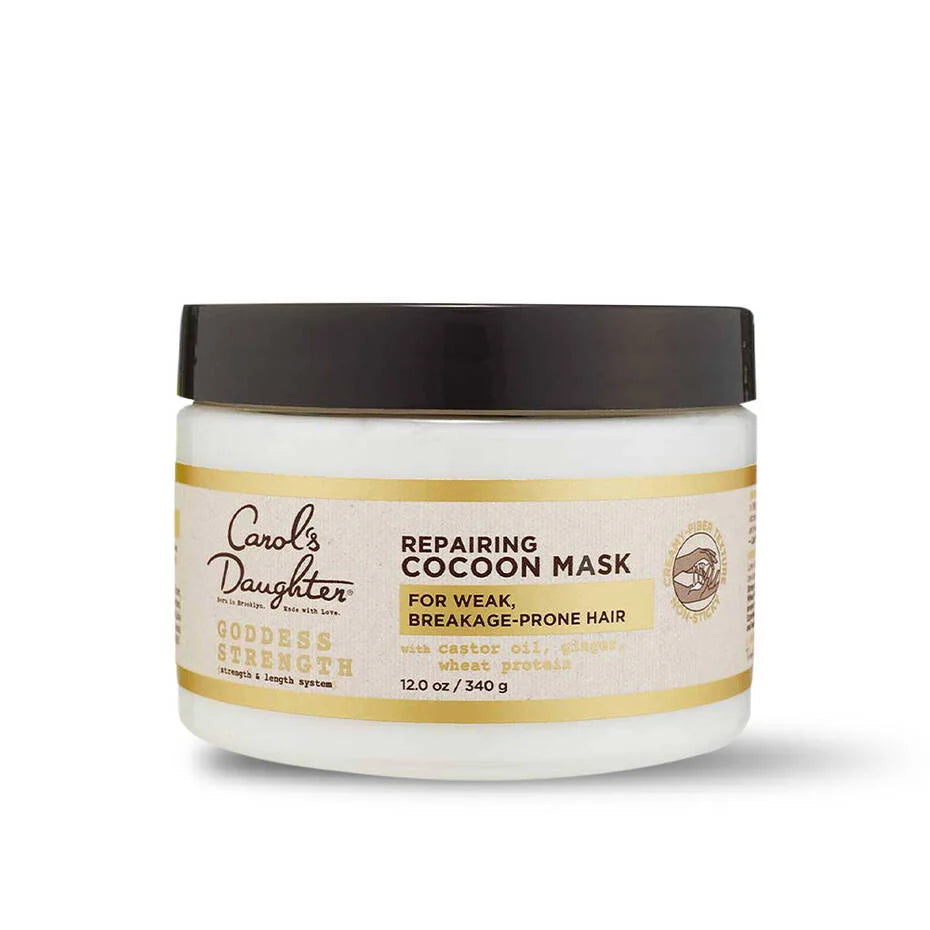
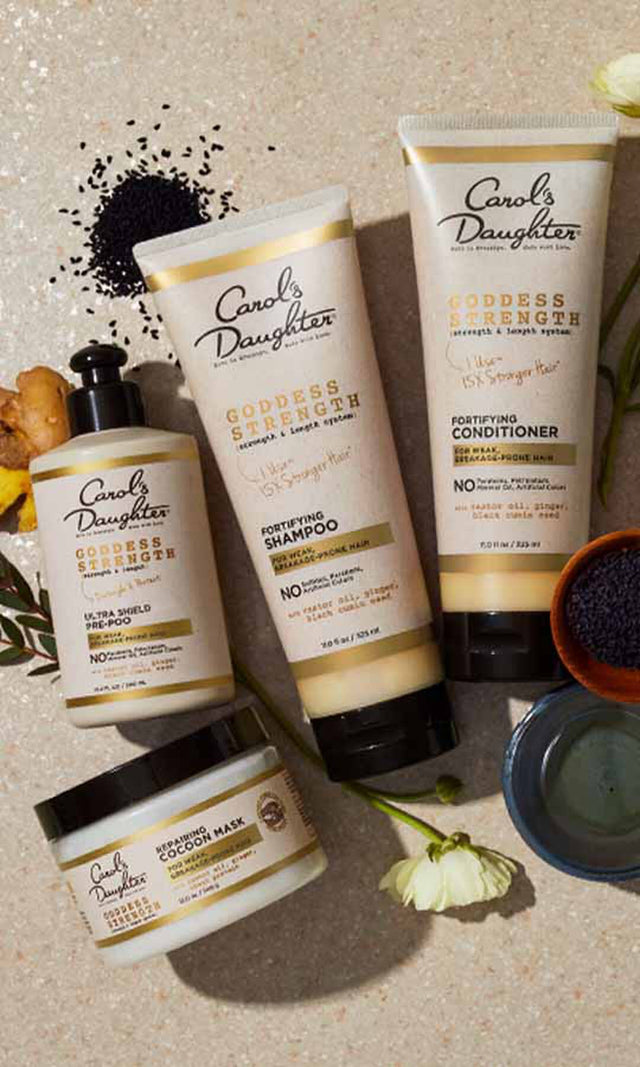
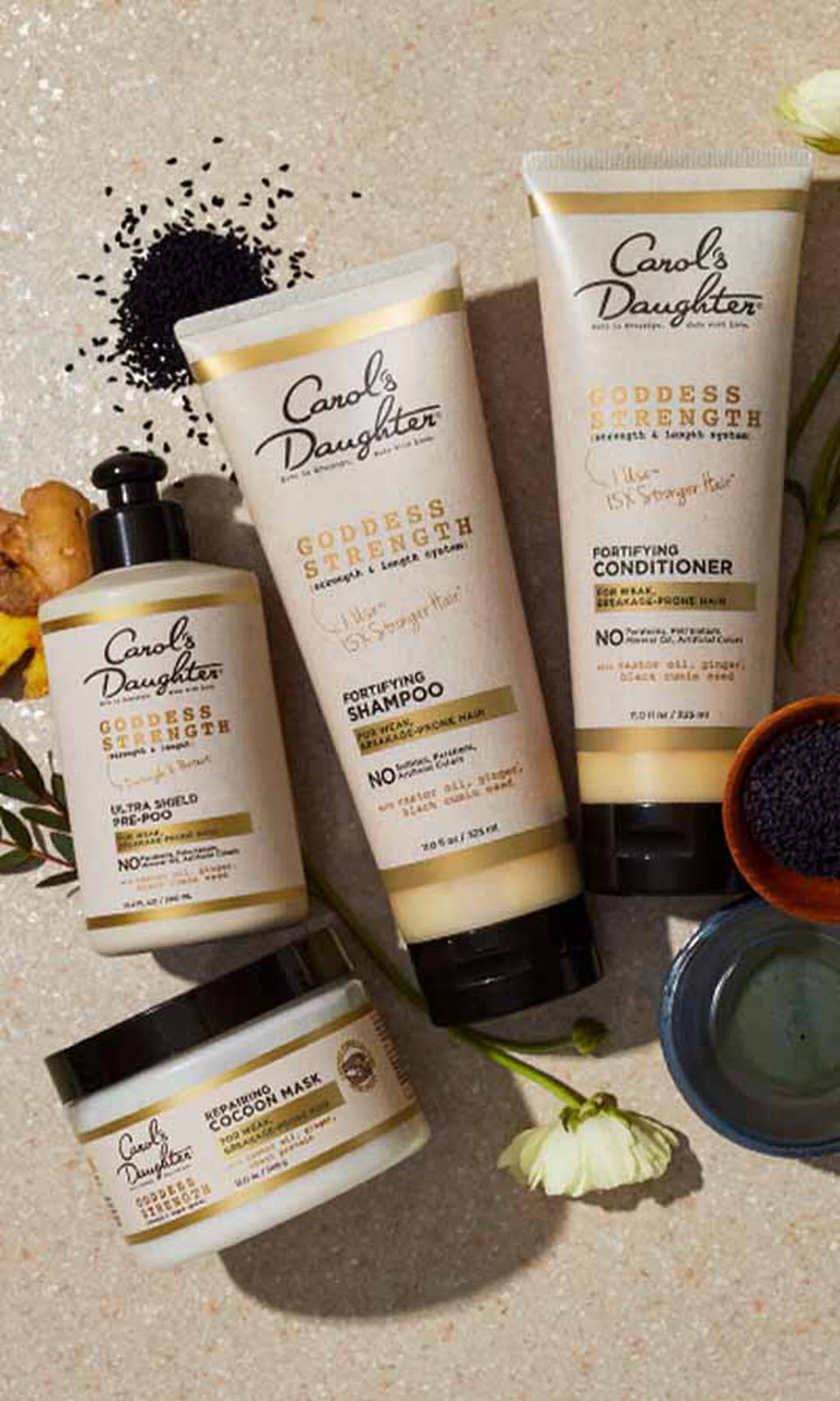
- Wash and deep condition with the Goddess Strength Cocoon Hydrating Hair Mask
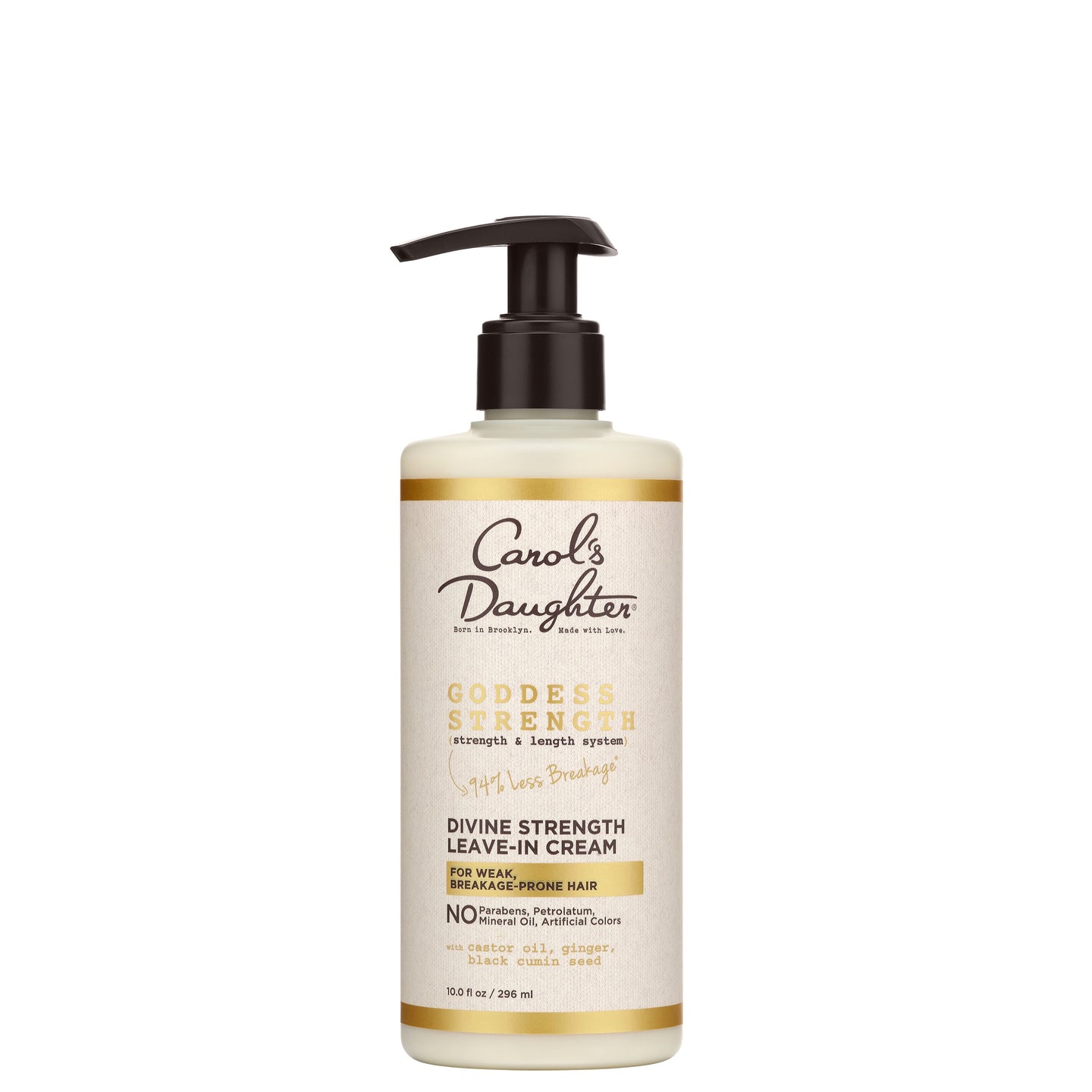
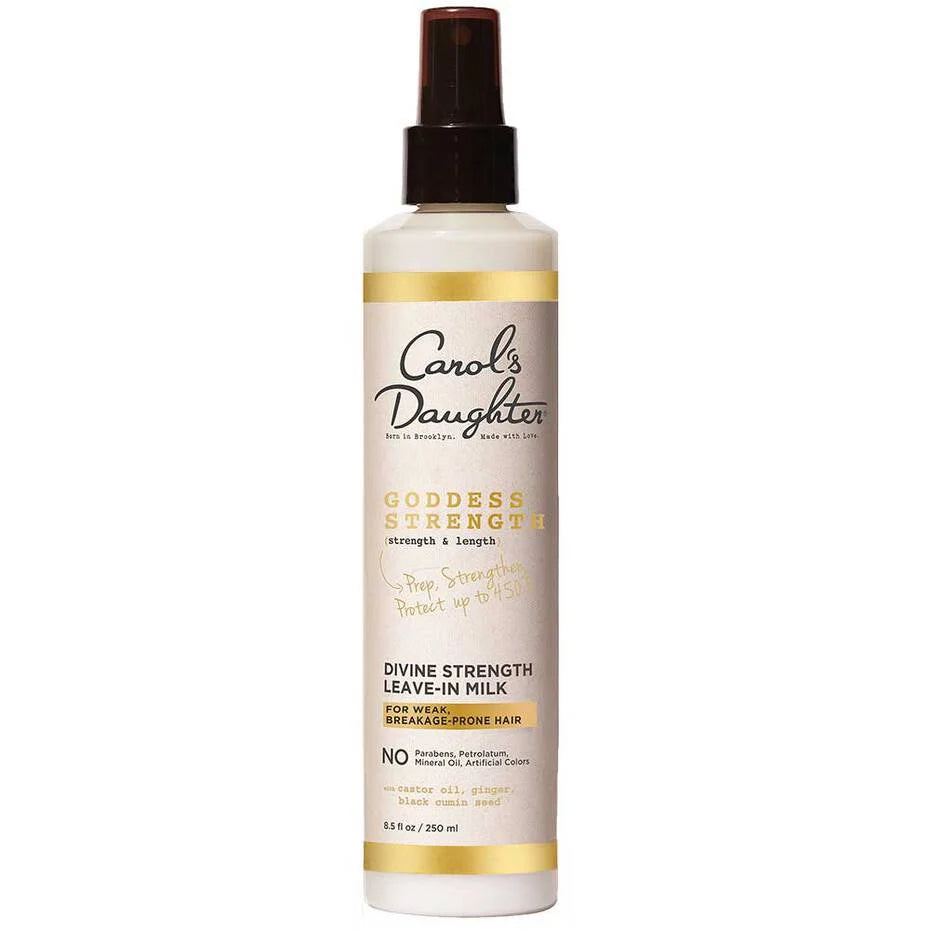
- Apply a leave-in like the Goddess Strength Divine Strength Leave-In Cream
- Seal with oil — a few drops of the 7-Oil Blend
- Braid your natural hair carefully — clean parts, gentle tension
During Wear
- Cleanse your scalp every 2 weeks with diluted Wash Day Delight Shampoo
- Oil your scalp 2–3 times a week with the 7-Oil Blend
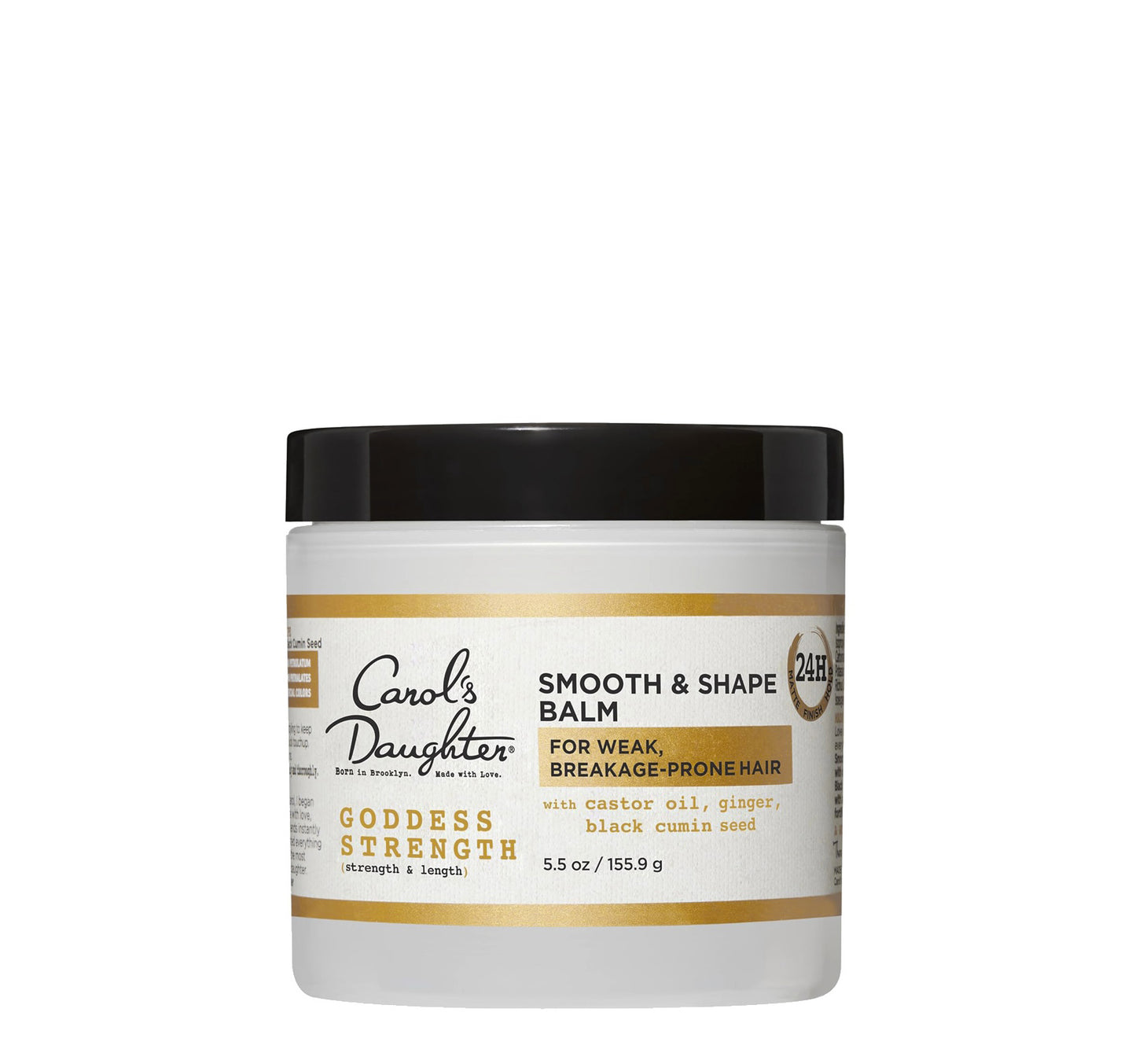
- Tend to your edges with the Goddess Strength Smooth & Shape Balm
- Don't wear continuously beyond 2–3 months for sew-ins; 4–8 weeks for braids
After Takedown
- Clarify with the Wash Day Delight Shampoo to remove buildup
- Deep condition with the Goddess Strength Cocoon Hydrating Hair Mask
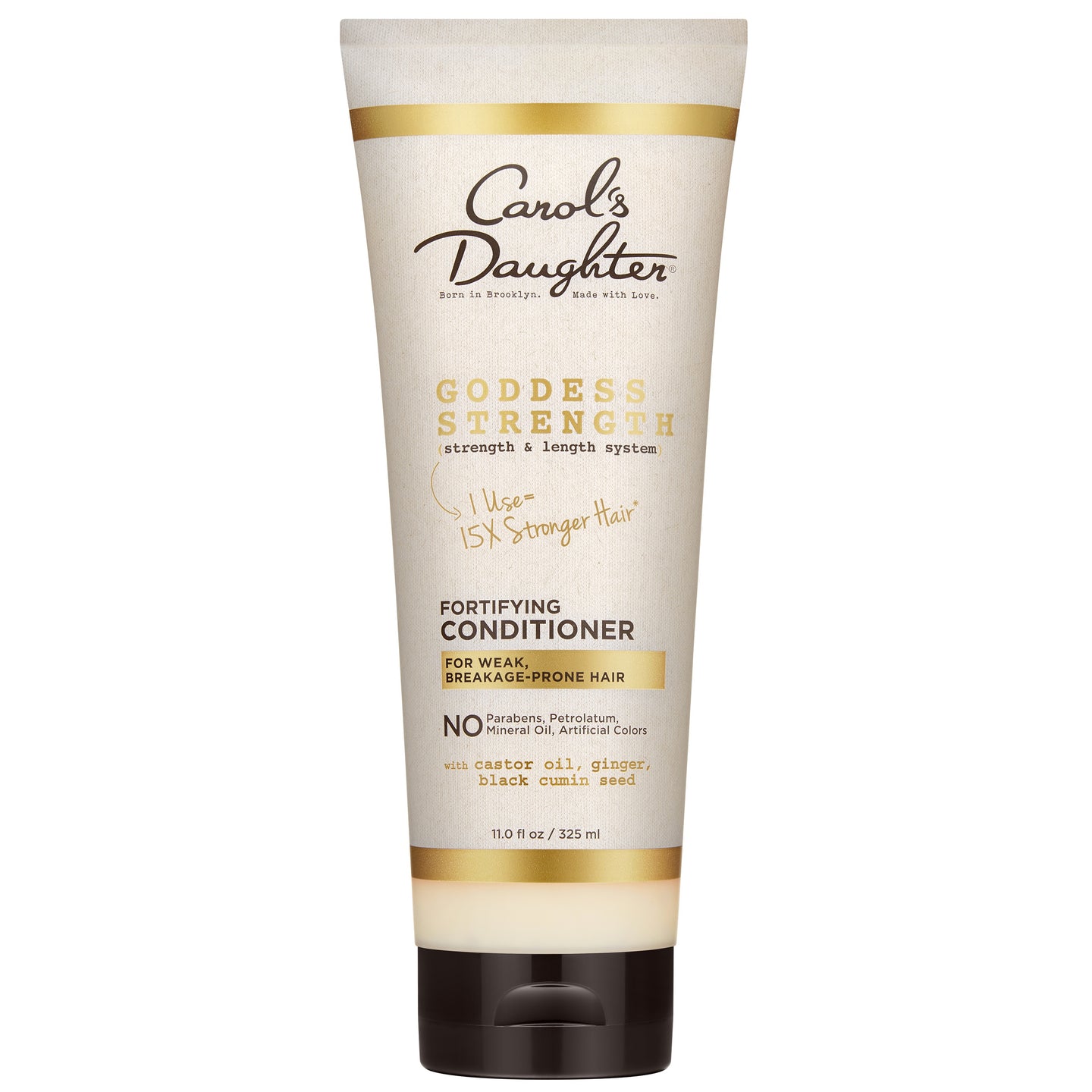
- Detangle carefully with the Goddess Strength Fortifying Conditioner for slip
- Give your hair a break — 1–2 weeks before the next protective style
For more on the takedown and restoration process, see our complete guide to growing your edges back.
Frequently Asked Questions About Synthetic Hair
How long does synthetic hair last?
With daily wear, expect 3–6 months for installed styles (sew-ins, braids). Wigs that are taken off at night last longer — sometimes 1+ years with proper care. The lifespan depends heavily on fiber quality (Kanekalon and Toyokalon last longer than generic synthetic), how often you wash it, and how well you store and maintain it.
Is synthetic hair worse for my edges than human hair?
Not inherently. What damages your edges is install tension — how tight the style is — not whether the hair is synthetic or human. A loose synthetic style is gentler on your edges than a tight human-hair install. For more on edge protection, see our complete guide to growing your edges back.
Can I use my regular natural hair products on synthetic hair?
Use sparingly. Heavy creams, butters, and oils made for natural hair cause buildup on synthetic fibers that's hard to remove. Lightweight leave-ins (like Hair Milk Original) and small amounts of oil (like the 7-Oil Blend) are fine. Avoid thick stylers and butters.
What's the best synthetic hair for sensitive scalps?
Look for Kanekalon hair labeled "ITCH-FREE" or "PRE-STRETCHED" — these tend to have lighter chemical treatments. Higher-quality Toyokalon is also gentler on sensitive skin. Always wash synthetic hair thoroughly before install to remove manufacturing residue.
How often should I wash synthetic hair while wearing it?
Every 2 weeks is the sweet spot. More frequent washing wears down the fibers faster; less frequent washing risks scalp buildup and irritation. Adjust slightly based on your activity level (workouts, sweat) and how oily your scalp gets.
Can I exercise in synthetic hair styles?
Yes. Tie a satin or moisture-wicking scarf around your hairline during workouts to absorb sweat and protect your edges. Rinse with cool water after heavy sweating to prevent buildup. Always dry thoroughly afterward.
What's the difference between Kanekalon and Toyokalon?
Kanekalon is more affordable, widely available, heat-friendly (low heat only), and used in most braiding hair. Toyokalon is silkier, more expensive, holds curls longer, and feels closer to human hair. For braids: Kanekalon. For wigs where movement matters: Toyokalon is often worth the upgrade.
Can I dye synthetic hair at home?
For heat-resistant synthetic hair only — and the process uses fabric dye and boiling water, not regular hair color. Start with lighter-colored hair (going darker is much easier than going lighter). Test a small section first. The results are unpredictable, so if you want a specific color, buying pre-dyed hair is usually the better choice.
Ready to install a synthetic hair style?
For pre-install prep → Shop the Goddess Strength collection
For under-style scalp care → Shop Goddess Strength 7-Oil Blend
For more protective style inspiration → Read our complete guide to protective hairstyles
Not sure where to start? → Take the Curl Quiz