

How to Care for Fine Curly Hair: Your 4-Step Routine


How to Care for Fine Curly Hair: Your 4-Step Routine
By Carol's Daughter — Updated May 2026
Quick Answer: Fine curly hair needs a different approach than coarse curly hair — lightweight products, more frequent washing, and strategic conditioning that preserves volume at the roots. The fundamentals: wash 2x weekly with a sulfate-free shampoo, condition only mid-shaft to ends, skip heavy creams and butters, and lean on volumizing sprays and lightweight leave-ins to keep curls bouncy without weighing them down.
Every curly girl's hair is different, and that means your routine should be too.
Most curly hair advice tells you to layer on heavy creams, butters, and oils — and for thicker textures, that works. But for fine curly hair, those same products can flatten your curls, leave you with limp definition, and create buildup that dulls your bounce.
Fine hair has its own rules. Once you know them, your curls get easier to manage and a whole lot more voluminous.
What Is Fine Curly Hair?
Fine curly hair refers to the thickness of each individual strand — not the amount of hair you have on your head.
Each strand is thinner and more delicate than coarse hair, which means your hair feels soft and silky to the touch, but also gets weighed down faster. Two people can both have full heads of curly hair, but if one has fine strands and the other has coarse strands, their routines should look completely different.
How to tell if your hair is fine:
- Hold a single strand between your fingers — if you barely feel it, it's fine
- Compare it to a sewing thread — fine hair is thinner than the thread, coarse hair is thicker
- Notice how your hair behaves with products — if creams and butters flatten your curls, you likely have fine hair
Fine curly hair often has high porosity too, meaning it absorbs moisture quickly but loses it just as fast. That makes hydration tricky: you need to keep moisture in without weighing the strands down.
How Is Fine Curly Hair Different from Coarse Curly Hair?
The biggest difference is what your hair can handle.
| Fine curly hair | Coarse curly hair |
|---|---|
| Thinner strands | Thicker strands |
| Easily weighed down | Can handle heavy products |
| Often high porosity | Often low to medium porosity |
| Needs more frequent washing | Can stretch washes longer |
| Volumizes well | Defines well with butters and creams |
| Lightweight stylers only | Rich creams and oils work great |
Both hair types are fragile and need gentle handling — fine hair just shows the impact of heavy products faster.
What Are the Best Products for Fine Curly Hair?
The rule for fine curly hair: lightweight everything.
Carol's Daughter Black Vanilla collection is built around lightweight moisture, which makes it a strong fit for fine textures. The shampoo cleanses gently, the conditioner adds shine without weight, and the styling products won't flatten your curls.
You can also browse the full thin and fine hair collection for everything formulated specifically for your texture.
The 4-Step Fine Curly Hair Routine
When your hair is fine, your routine has to do two things at once: keep curls moisturized and keep them voluminous. Here's how to do both.
Step 1: Wash More Frequently
Most curly hair routines tell you to wash once a week. Fine hair is the exception.
Product, dirt, and oil buildup weighs fine hair down faster than coarse hair, which means longer washes equal flatter curls. Aim for two washes per week to keep your hair clean, light, and bouncy.
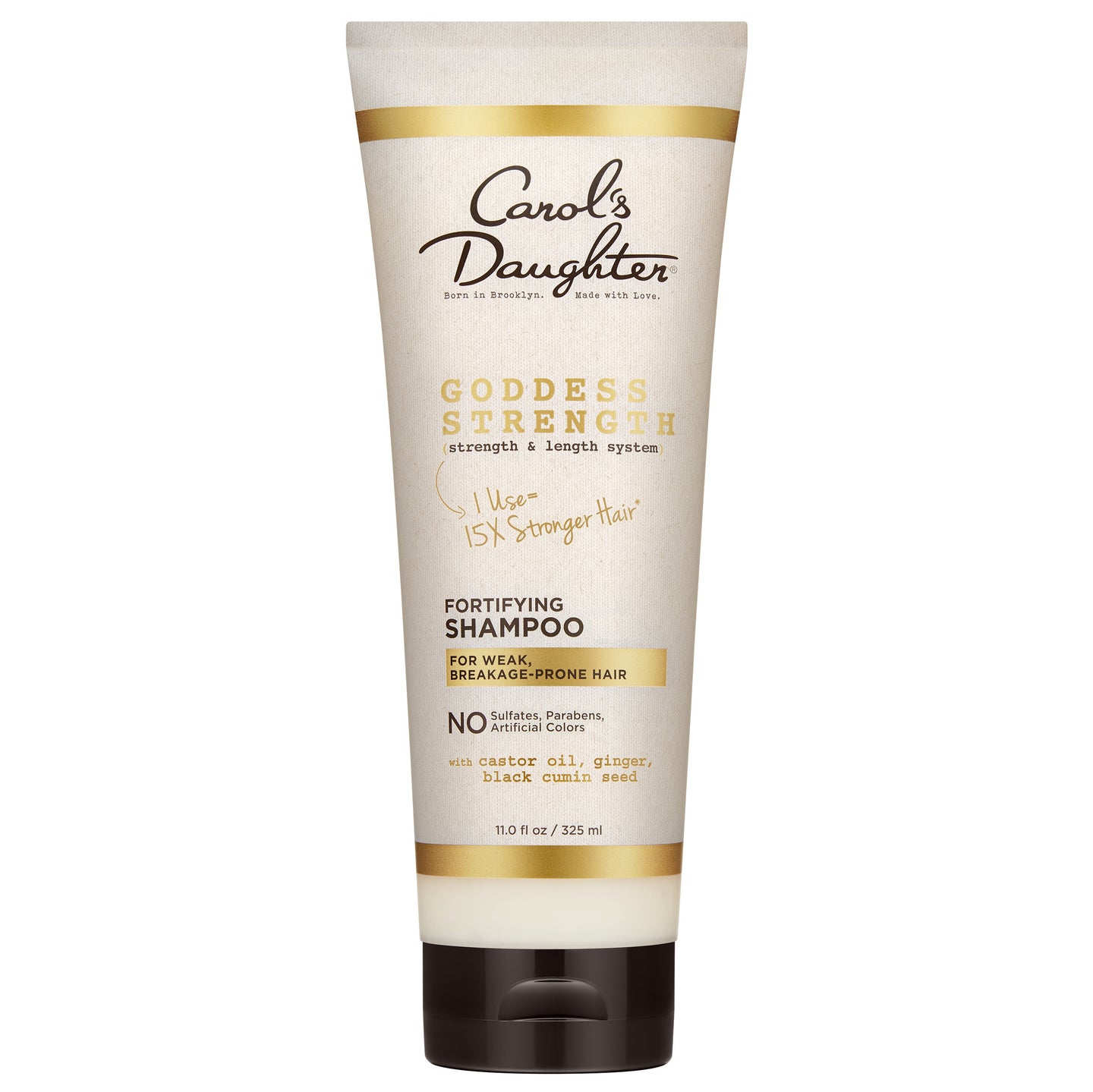
Choose a sulfate-free shampoo that cleanses without stripping. Two strong options for fine curls:
- Black Vanilla Moisture & Shine Sulfate Free Shampoo — gentle, lightweight, color-safe
- Wash Day Delight Sulfate Free Shampoo — a water-to-foam formula with micellar water that lifts buildup without friction
If your scalp gets oily faster than your ends, focus the shampoo at your roots and let the suds wash through to your ends as you rinse.
Step 2: Condition Strategically
This is where most fine curly hair routines go wrong. The instinct is to slather on conditioner from root to tip — but on fine hair, that flattens your curls before you even start styling.
The fix: condition mid-shaft to ends only.
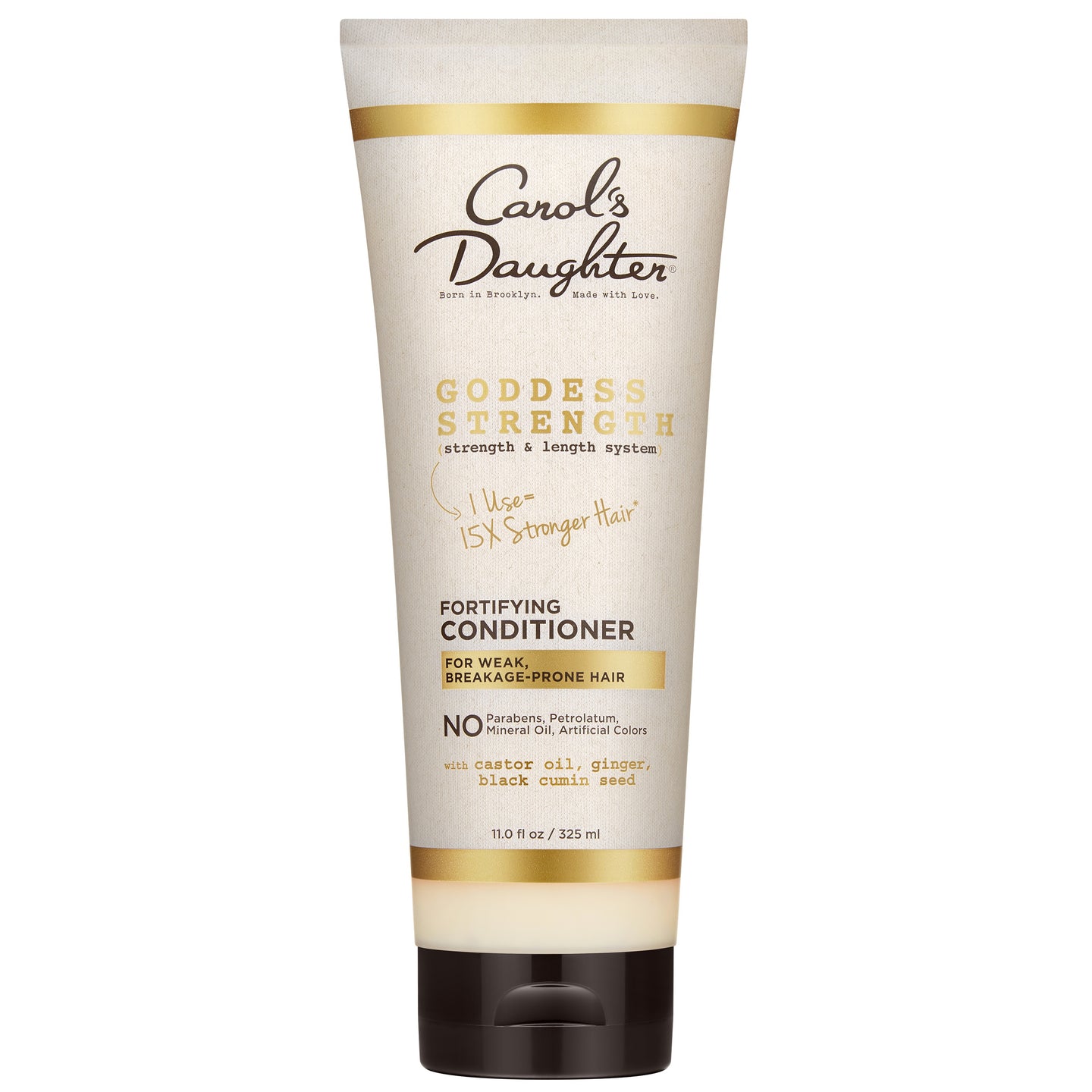
Skip your roots entirely. Apply the Black Vanilla Moisture & Shine Hydrating Conditioner (or any lightweight conditioner) from the middle of your hair down to the ends. Your roots get their moisture from your scalp's natural oils — they don't need the help.
Detangle while the conditioner is still in your hair, then rinse with cool water to seal the cuticle and lock in moisture.
Step 3: Less Is More with Stylers
Fine hair gets weighed down by exactly the products that work magic on thicker textures. The key: smaller amounts, lighter formulas, applied strategically.
Build your fine-hair styling lineup with:
- Black Vanilla Moisture & Shine Leave-In Conditioner — lightweight hydration that won't flatten curls
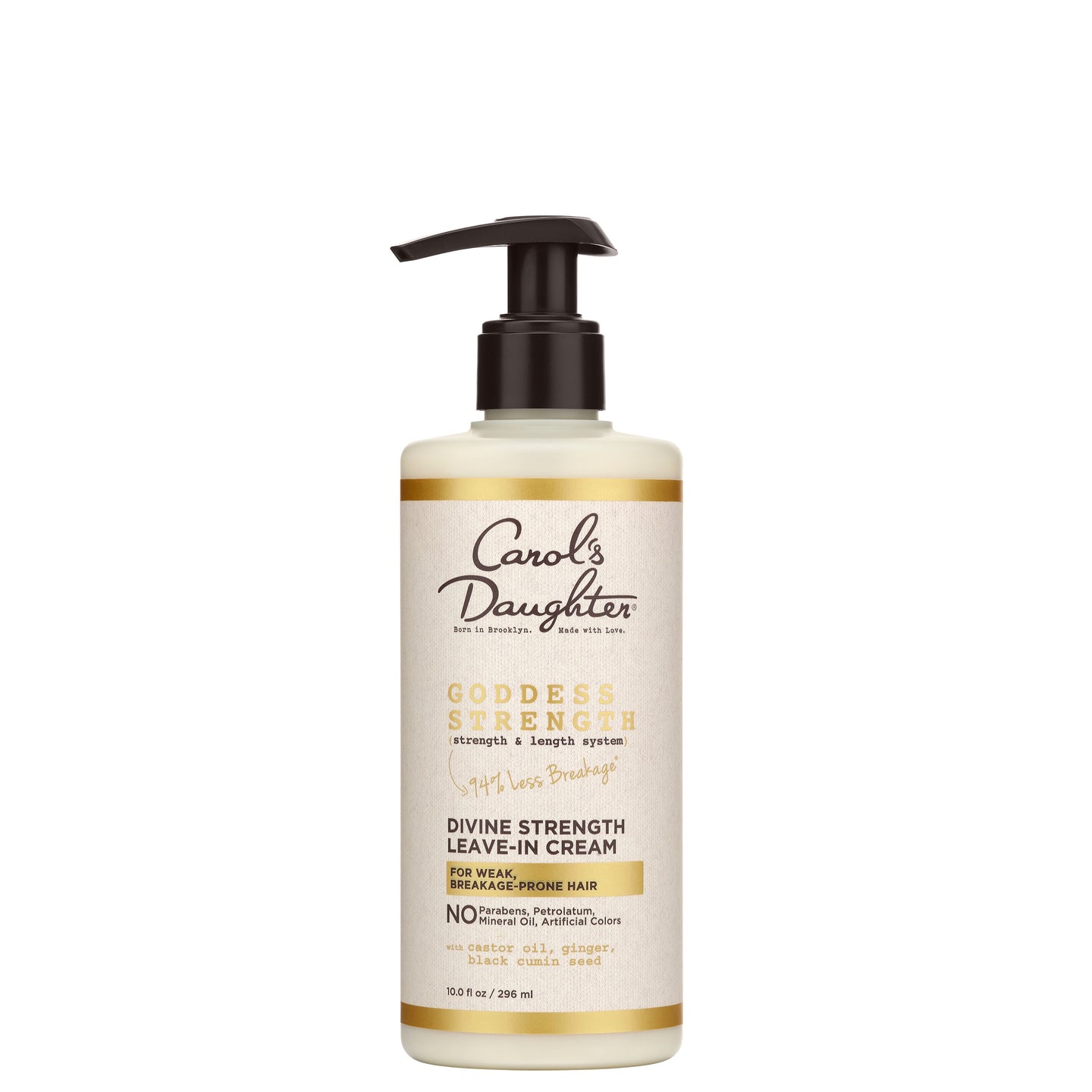
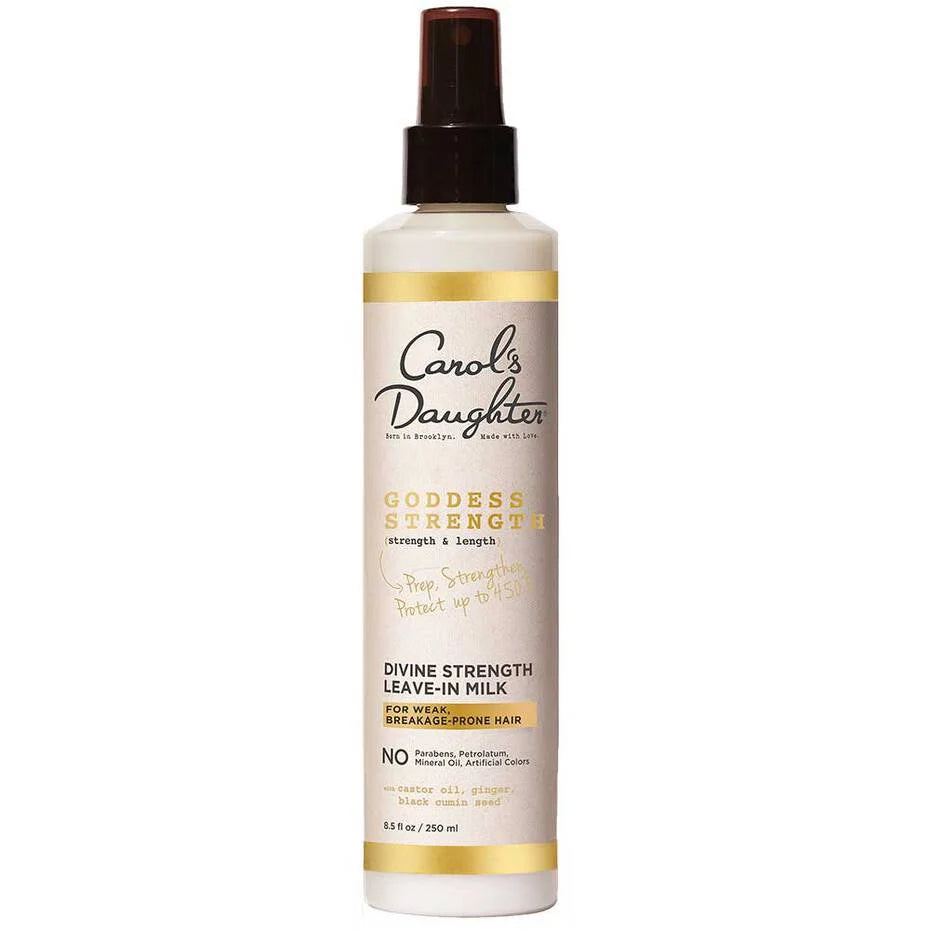
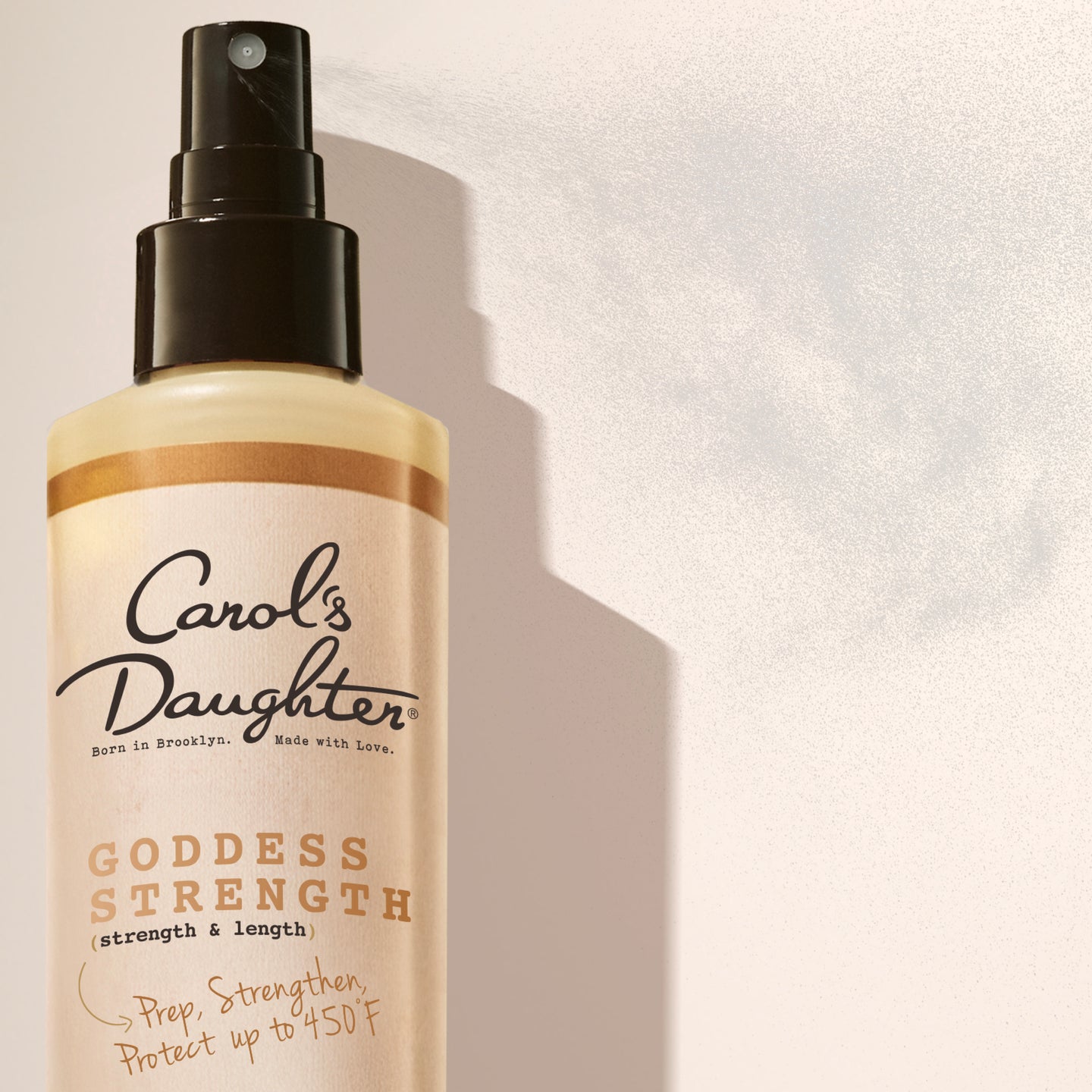
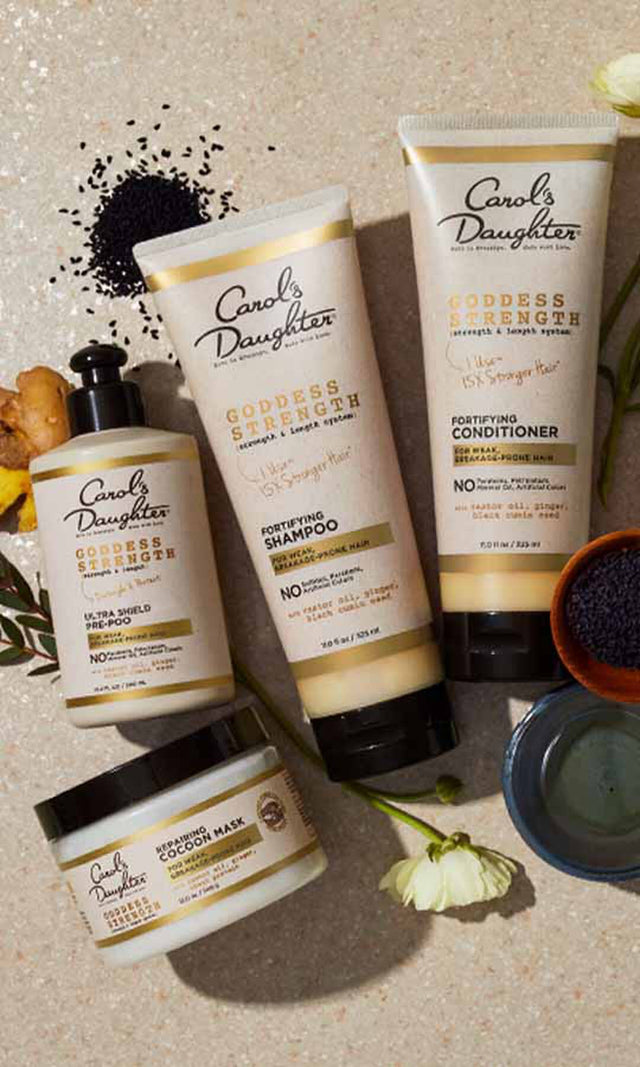
- Goddess Strength Divine Strength Leave-In Milk — a spray formula that adds moisture and heat protection without weight
- Black Vanilla Moisture & Hold Jelly — up to 72 hours of moisturized hold without crunch or flakes
Apply leave-ins to damp hair from mid-shaft to ends. For styling products, start with a quarter-sized amount — you can always add more, but you can't take it back once it's flattened your curls.
If you want to add a little oil for shine, use the Goddess Strength 7-Oil Blend Hair & Scalp Oil on the ends only. A few drops, not a handful.
Step 4: Add Volume When Drying
How you dry your hair matters as much as the products you use.
For maximum volume:
- Diffuse upside down — flip your head over and let your curls fall away from your scalp as they dry
- Use the lowest heat setting on your dryer
- Stop diffusing at about 75% dry to keep curls bouncy and prevent over-drying
- Apply a heat protectant (the Goddess Strength Divine Strength Leave-In Milk protects up to 450°F) before any heat styling
If you prefer to air-dry, scrunch your curls upward toward your roots while wet to encourage volume from below. Avoid touching your hair while it dries — every finger pass disturbs your curl pattern.
How Can I Make Fine Curly Hair Look Thicker?
You can't change the thickness of each strand, but you can absolutely make your hair look fuller. The trick is creating volume and avoiding anything that flattens.
5 ways to make fine curly hair look thicker:
- Diffuse upside down to lift your roots
- Skip heavy oils and butters — they coat strands and flatten the appearance of density
- Try a layered haircut — strategic layers add visible volume to fine curls
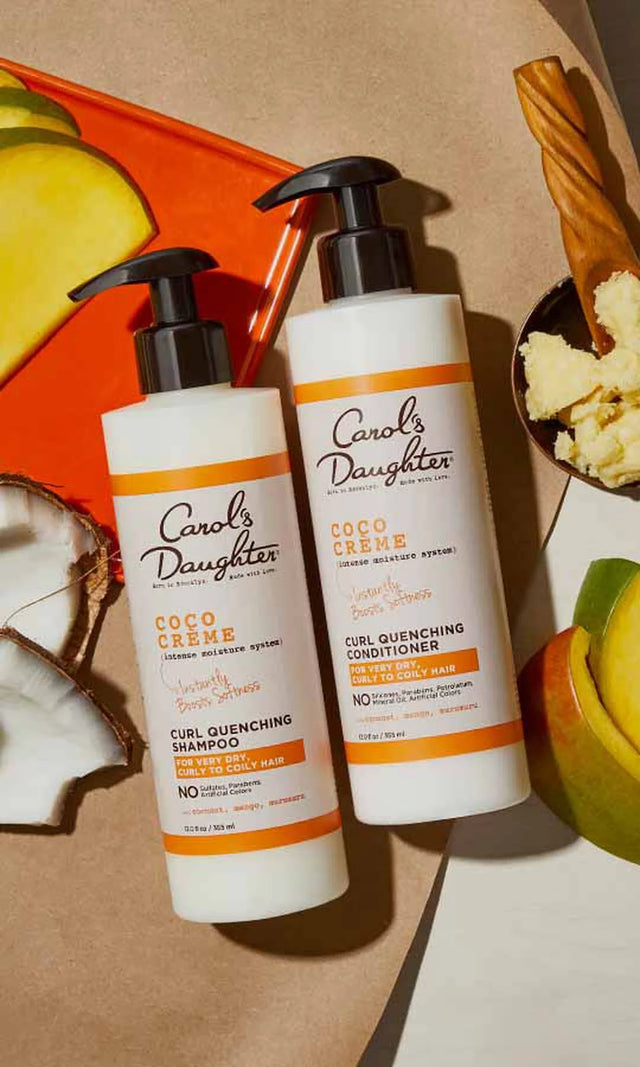
- Use a volumizing styling product like the Coco Crème Curl Shaping Cream Gel, which is lightweight but defines well
- Consider color highlights — dimensional color creates the visual illusion of fuller hair (work with a stylist for this one)
Light teasing at the root with a fine-tooth comb can also boost volume on styled days, but use it sparingly — fine hair is fragile.
Find Your Personalized Routine
Knowing your curl type and density together makes building a routine much easier.
Take the Curl Quiz → A 5-step quiz that identifies your hair type, main concerns, and the products built for your texture.
Frequently Asked Questions About Fine Curly Hair
How often should I wash fine curly hair?
Most fine curly hair does best with two washes per week. Fine hair builds up oil, dirt, and product faster than coarse hair, which weighs curls down and reduces volume. If your hair feels limp or greasy by day 3, that's a sign you need to wash more often.
Why does my fine curly hair fall flat after I style it?
The most common reason is product weight. Heavy creams, oils, and butters flatten fine hair quickly — even when they're recommended for curly hair generally. Switch to lightweight formulas, apply less, and focus products on mid-shaft to ends rather than at the roots.
Can fine curly hair use the LOC method?
Yes, but adjust it. Standard LOC (Leave-in, Oil, Cream) can be too heavy for fine hair. Try LCO instead (Leave-in, Cream, Oil) so the oil sits on top and doesn't soak into the strand and weigh it down. Or skip the oil entirely and just do leave-in plus a lightweight gel or cream.
Is fine hair the same as thin hair?
No. Fine refers to the thickness of each individual strand. Thin refers to the density — how many strands you have per square inch on your scalp. You can have fine and thick hair, fine and thin hair, coarse and thick hair, or coarse and thin hair. Each combination needs a slightly different routine.
What ingredients should I avoid for fine curly hair?
Steer clear of heavy butters (especially shea butter and mango butter in large concentrations), thick oils used at the root, and silicones that can build up over time. Also avoid sulfates in shampoo — they strip moisture, and your already-fragile fine strands need all the moisture they can keep.
Ready to give your fine curls the right routine?
For lightweight moisture → Shop the Black Vanilla collection
Browse products built for fine textures → Shop thin & fine hair
Not sure where to start? → Take the Curl Quiz