

How To Get The Best Curly Haircut


How to Get the Best Curly Haircut
By Carol's Daughter — Updated May 2026
Quick Answer: The best curly haircut starts with a stylist who specializes in your specific curl type. Wet vs. dry cutting both work — what matters is your stylist's experience with curls. Bring inspiration photos to your consultation, ask to see their previous curly work, and account for shrinkage when discussing length. Cut curly hair every 6–8 weeks to maintain shape and prevent split ends. For best results, start with clean, conditioned, and detangled hair.
Regular haircuts aren't just about style — they're essential for healthy, frizz-free curls.
But here's the thing: curls grow differently on every head. The best curly haircut for someone else may look completely different on you. And what you imagine vs. what's realistic for your hair may be on opposite ends of the style spectrum.
Here's everything you need to know to get the best curly haircut for your specific texture, length, and lifestyle.
Is There a Special Way to Cut Curly Hair?
Yes — and it's why you should leave curly cuts to professionals.
There's a science to cutting curly hair. Depending on how dense your curls are, the smallest changes can throw off the symmetry of the entire cut. A trained professional will spot the subtle differences that DIY can't catch.
Wet Cut vs. Dry Cut: Both Can Work
Stylists are split on this — and both methods can produce great results. What really matters is the stylist's comfort and skill with cutting curls.
Wet cutting:
- More predictable in terms of structure
- Better for symmetric, blunt cuts
- Requires detailed knowledge of how your curls shrink
Dry cutting:
- Shows the curl pattern as it actually falls
- Better for irregular curl patterns
- Best for cutting around heat damage or shrinkage
If you regularly heat-style: ask the stylist to focus on removing heat-damaged pieces. You can identify damaged strands once your hair is wet — the areas that struggle to curl back are usually where damage occurred. Curl-by-curl cutting addresses these specifically.
Pro tip — "Hot Scissors" Cutting: Some stylists use heated scissors (blades reaching up to 310°F) that seal the hair cuticle at the point of cutting. This technique simultaneously trims and treats split ends. Worth seeking out if you have damaged ends.
Find Your Personalized Routine
The right care before and after your haircut depends on your specific curl type and concerns.
Take the Curl Quiz → A 5-step quiz that identifies your hair type, main concerns, and the products built for your texture.
Account for Shrinkage
Shrinkage is the #1 source of "haircut regret" for curly women.
Your hair may look one way right after washing and styling, then look completely different a few hours later — especially if humidity or dry air sets in.
The fix:
- Discuss shrinkage during your consultation
- Show photos of your hair at different stages (just-washed, mid-day, dry)
- Ask the stylist to leave more length if you're prone to shrinkage
- Consider dry cutting for an accurate length preview
For more, see our complete guide to hair shrinkage.
How to Prep Your Hair Before a Haircut
The best curly haircuts happen on clean, conditioned, primed hair.
Pre-Cut Prep Routine
-
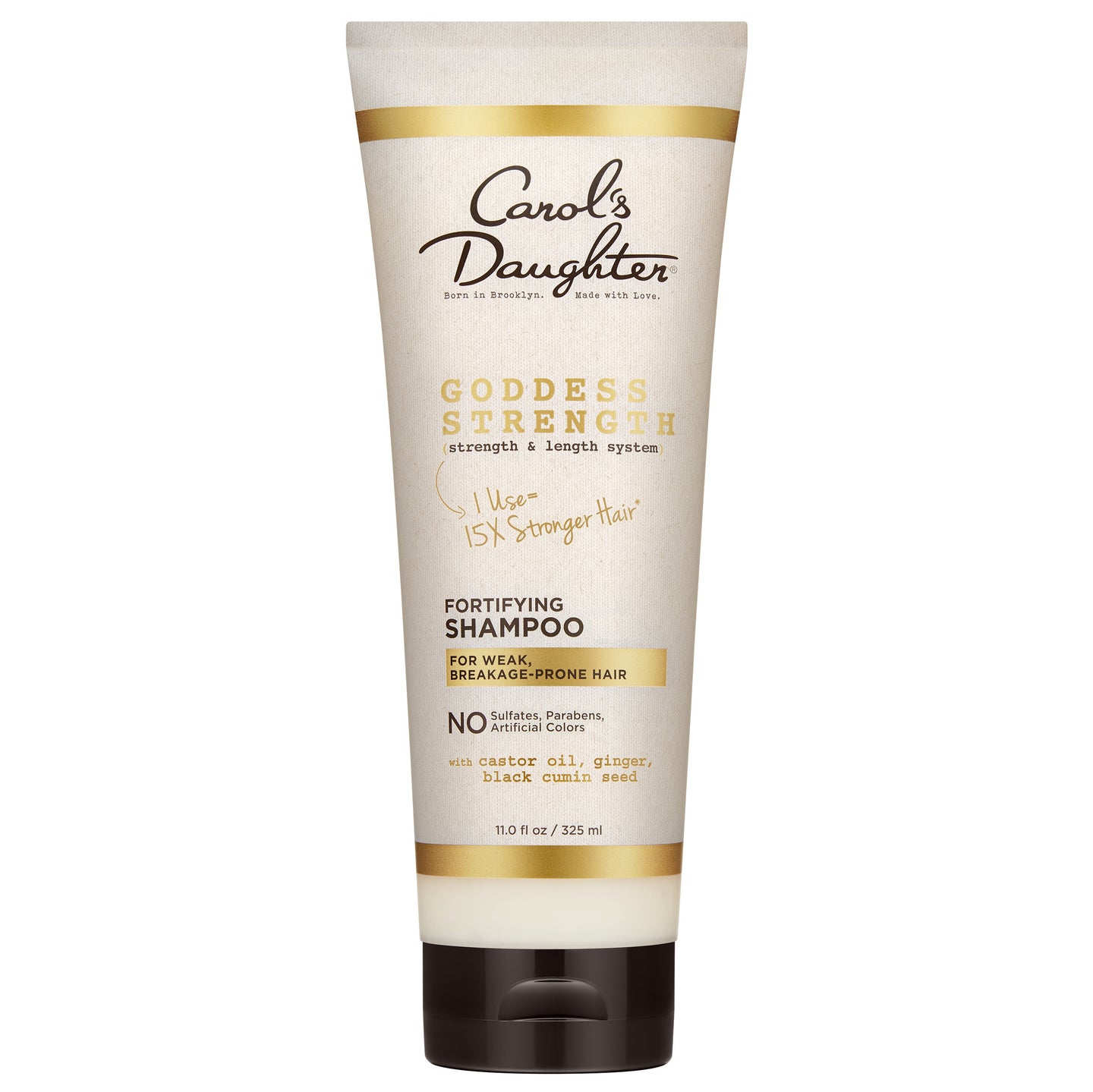
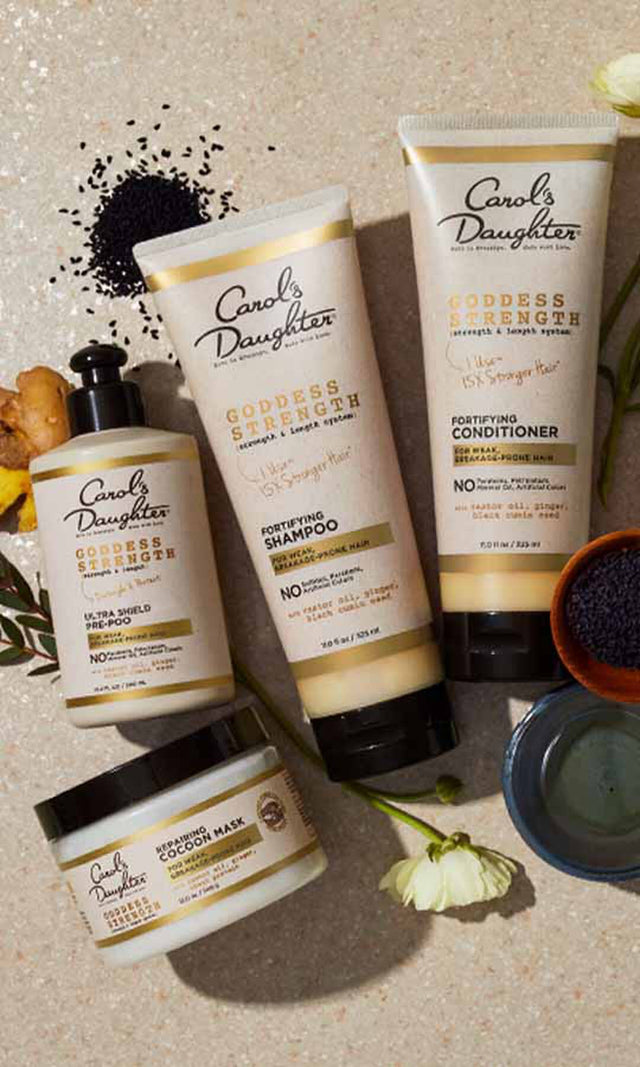
Cleanse with a hydrating sulfate-free shampoo — the Wash Day Delight Sulfate Free Shampoo for Curly Hair deep-cleans without stripping
-
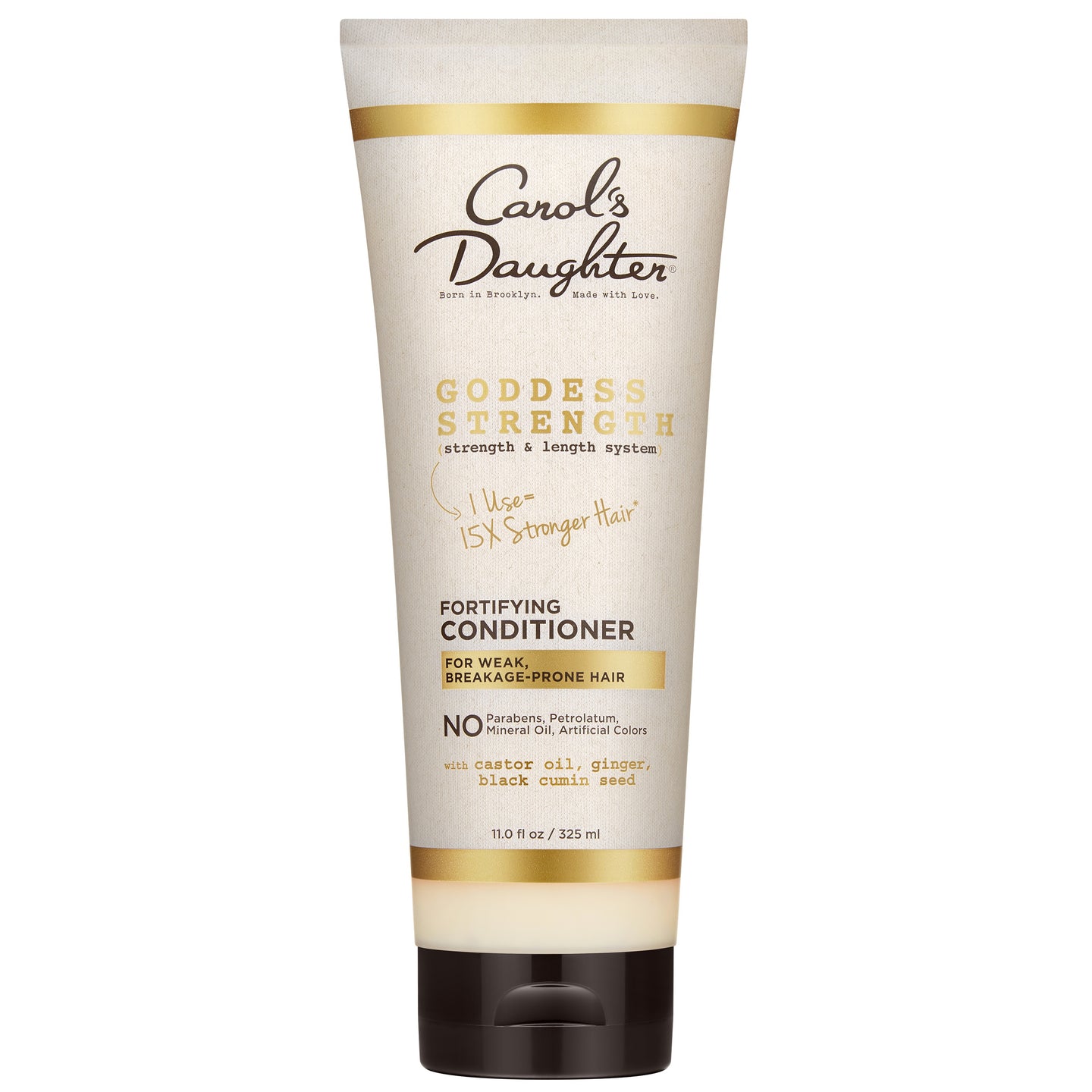
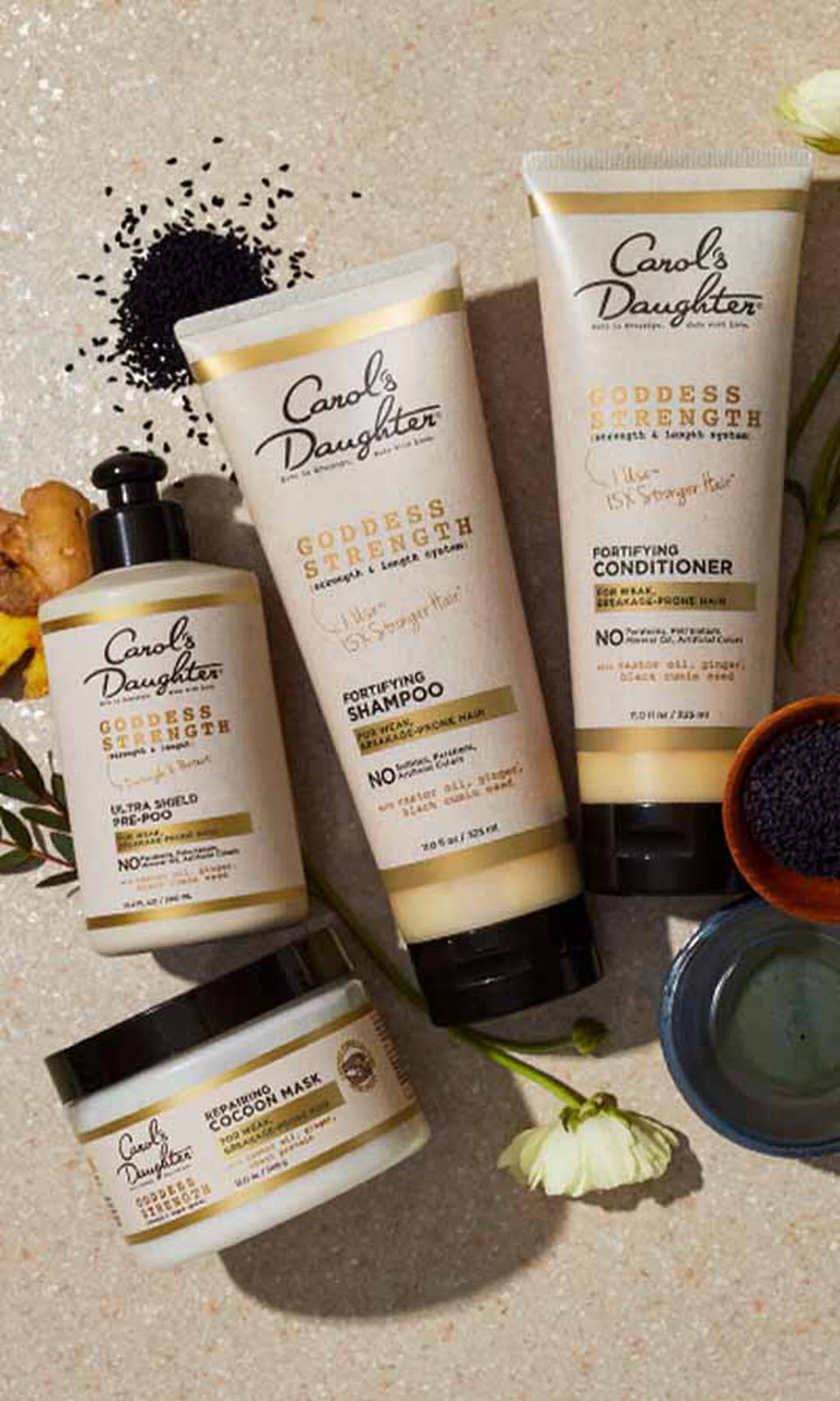
Condition deeply with a moisturizing conditioner — the Goddess Strength Fortifying Conditioner with Castor Oil strengthens while it conditions
-
Detangle thoroughly with a moisturizing leave-in like the Hair Milk Original Leave-In Moisturizer — tangles can cause uneven cuts
-
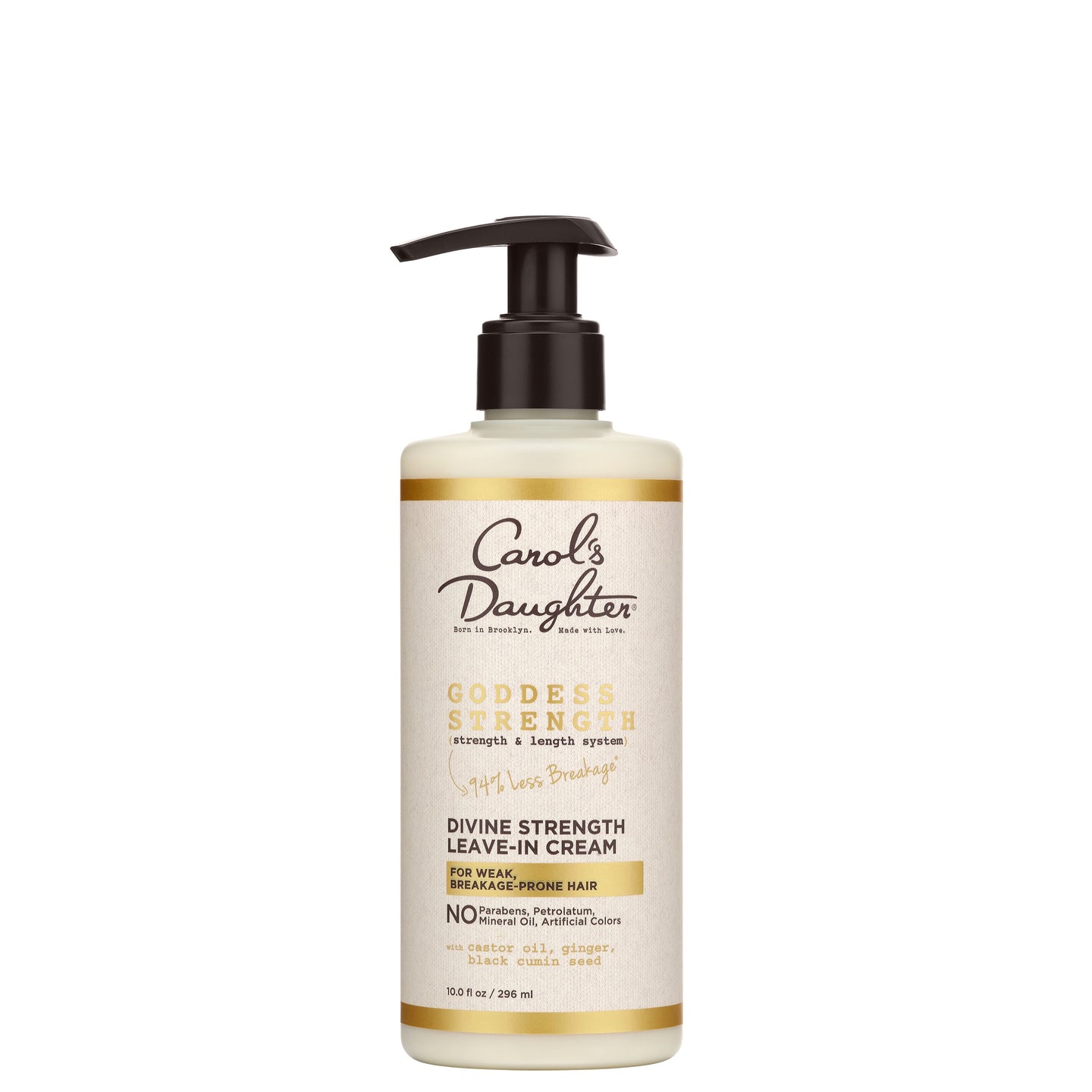
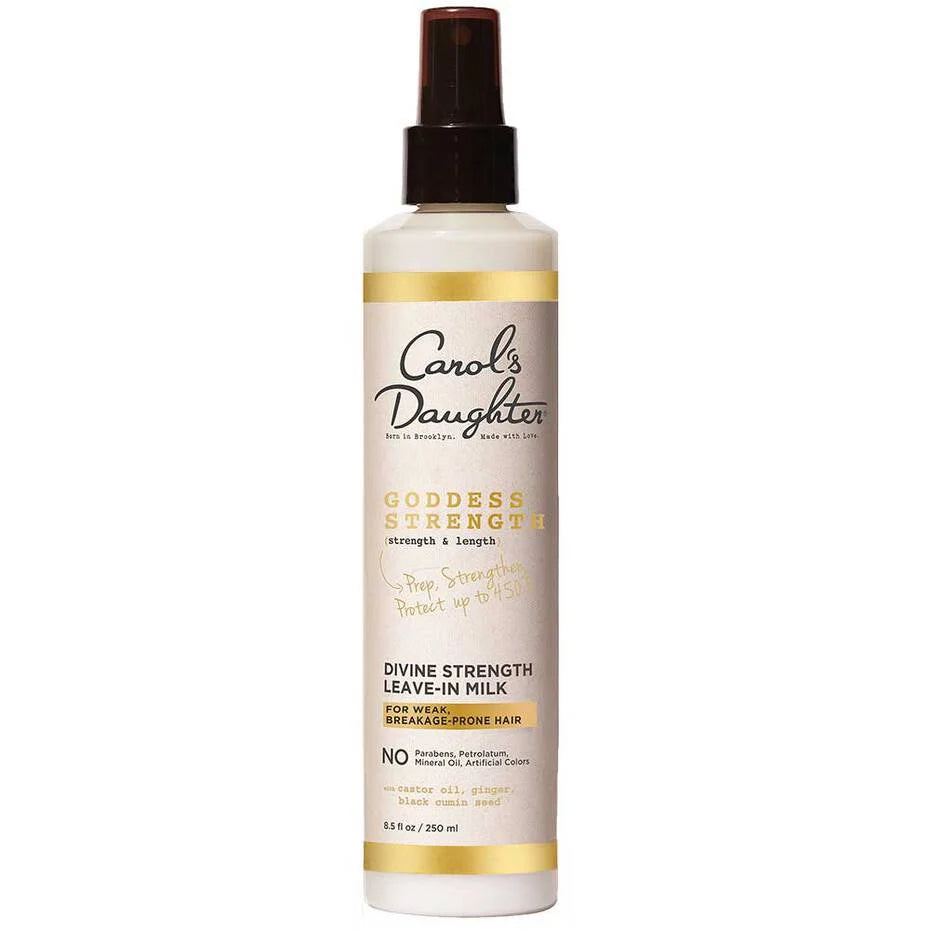
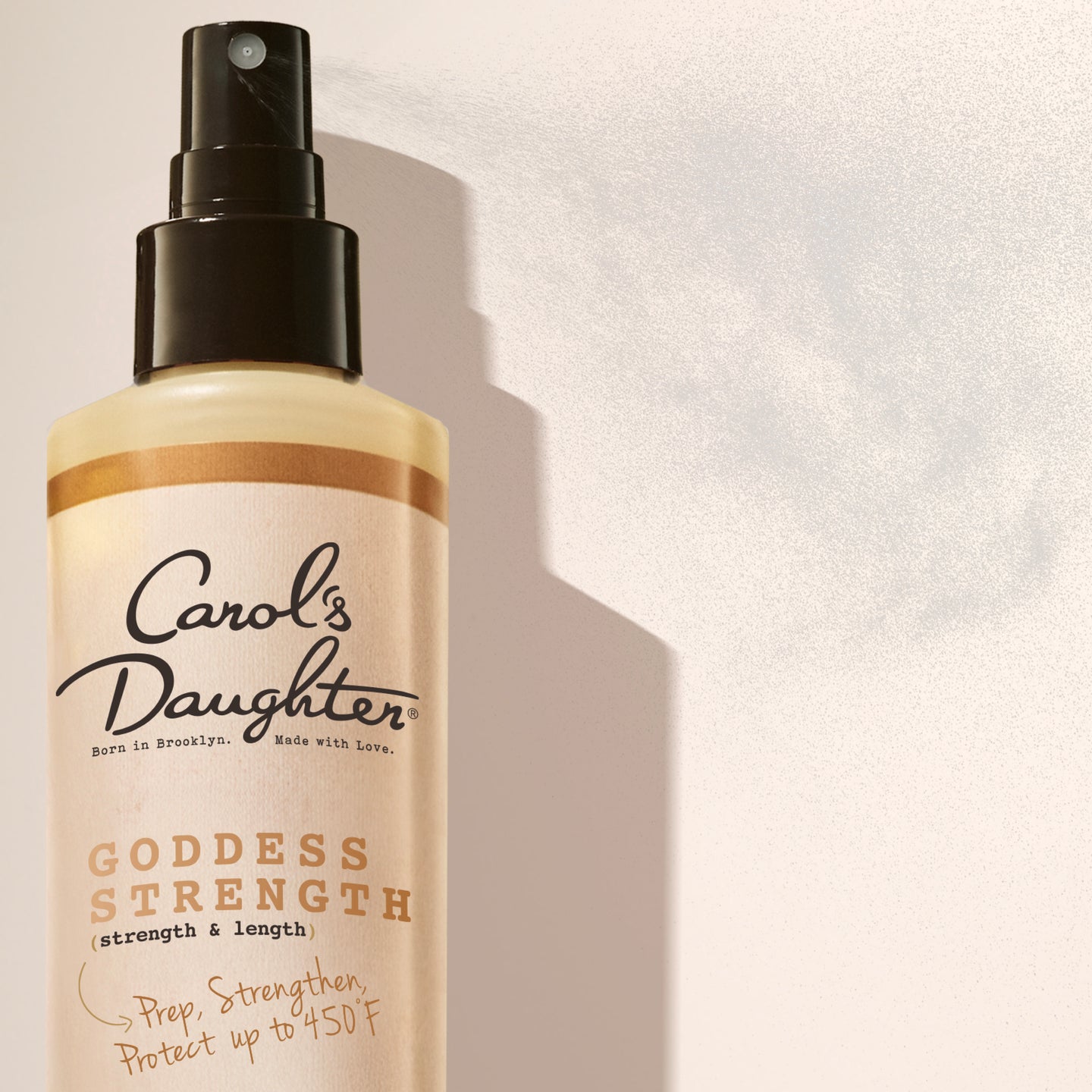
For wet cuts, bring the Goddess Strength Divine Strength Leave-In Milk — ask your stylist to use it to keep hair hydrated as they cut (better than the typical water spray bottle)
For more on detangling, see our complete guide to detangling natural hair.
If Your Ends Are Damaged: Pre-Cut Treatment
If you're noticing significant split ends or damaged ends, do a deep conditioning treatment before your appointment.
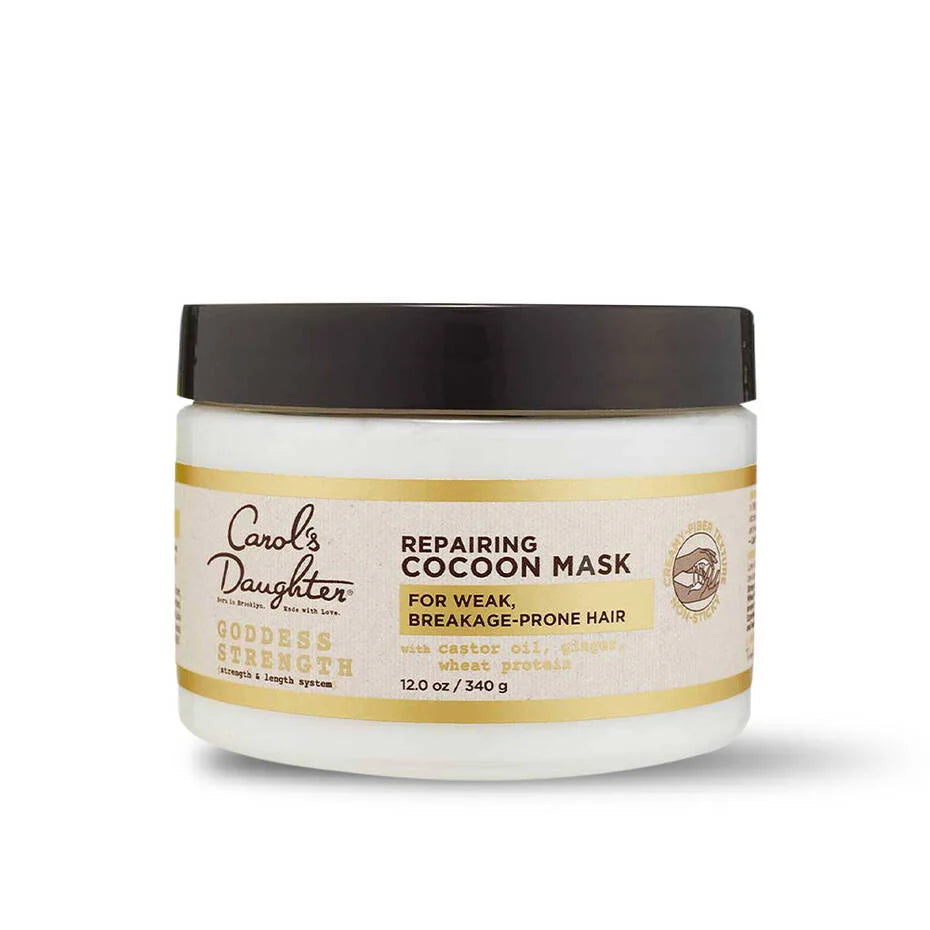
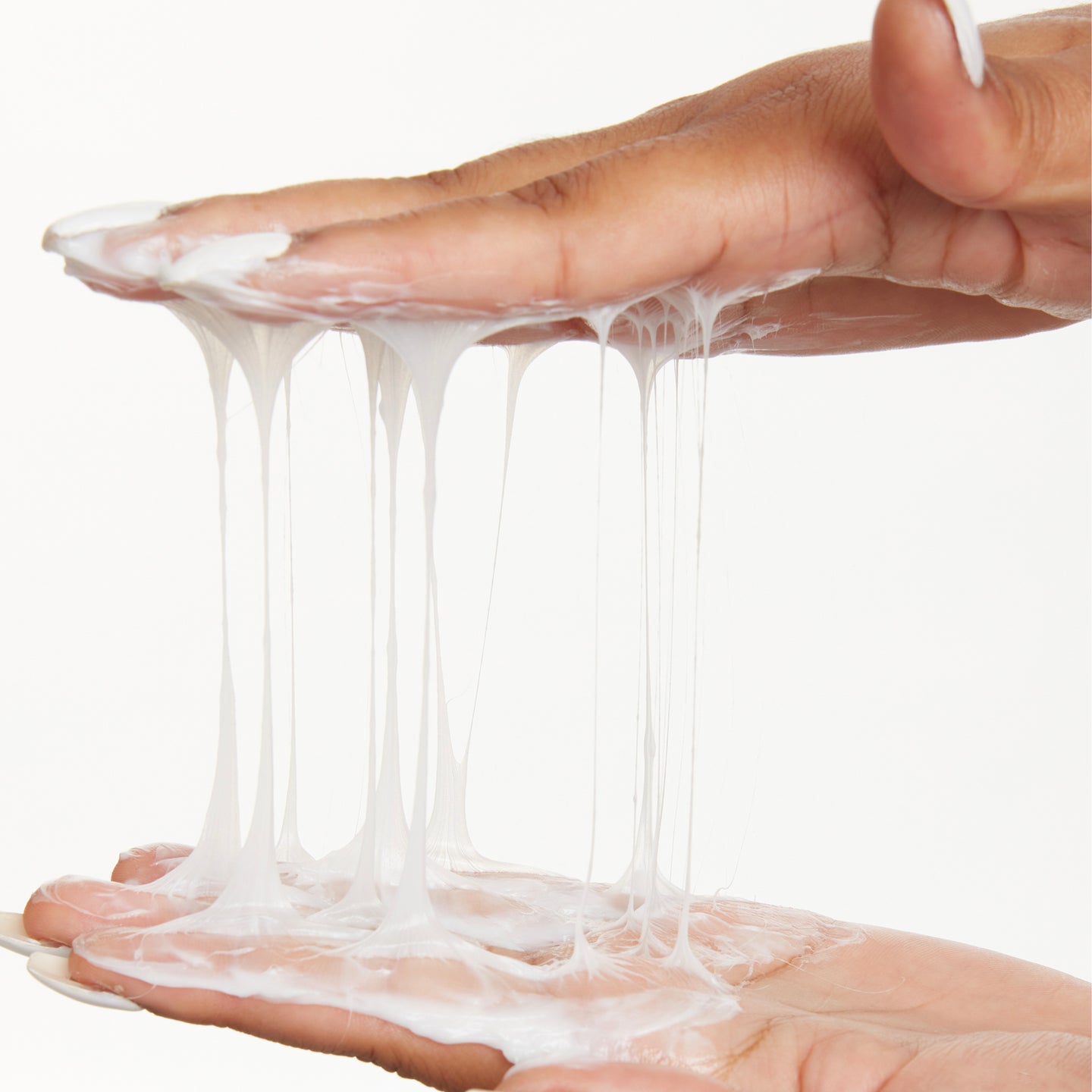
The Goddess Strength Cocoon Hydrating Hair Mask — 5 minutes — restores moisture and improves elasticity, making the cut go more smoothly.
For more, see our complete guide to split ends and our complete guide to hair masks for curly hair.
How to Ask for a Curly Haircut
The consultation makes or breaks your cut. Here's how to nail it.
Step 1: Find a Curly-Specialty Stylist
Not all stylists are equal when it comes to curls. The last thing you want is someone who only cuts wavy and looser textures handling your tight 4C coils.
Where to find specialists:
- Social media — check stylists' feeds for cuts that match your texture
- Word of mouth — ask curly-haired friends with similar patterns
- Curly hair salon directories
- Consultations before booking
Step 2: Book a Consultation Before Cutting
Before committing, have a conversation. Use it to:
- Confirm the stylist has cut hair like yours
- Ask to see photos of their curly work
- Show inspiration photos and ask if they're realistic for your texture
- Discuss your lifestyle (workouts, low-maintenance needs, etc.)
- Get a sense of the stylist's communication style
Step 3: Bring Reference Photos — But Be Realistic
Bring 3–5 reference photos. But understand:
- A cut that looks amazing on one curly head may not work on yours
- Curl pattern, density, and face shape all impact how a cut falls
- Trust your stylist's expertise — they know what will actually work
Step 4: Have an Honest Length Conversation
Be specific:
- "I want it to land at my collarbone when dry, accounting for shrinkage"
- "I want to be able to put it in a high ponytail"
- "I want layers but not too short — I don't want a triangle shape"
Vague requests = unpredictable results.
What Haircut Is Best for Curly Hair?
There's no one-size-fits-all curly haircut. Factors that determine the best cut for you:
- Curl pattern (2A through 4C — for more, see our complete guide to determining your natural hair curl pattern)
- Hair length (shoulder, mid-back, long, etc.)
- Hair density (fine, medium, thick)
- Face shape
- Growth rate
- Lifestyle (active vs. low-maintenance)
General Rules for Great Curly Haircuts
- Symmetrical overall shape
- Complementary to your face shape
- Clean, healthy ends
How long or short you go is up to you. Layers? Bangs? All possible — just discuss with your stylist during the consultation. For curly bangs specifically, see our complete guide to cutting and styling curly bangs and our complete guide to curtain bangs for curly hair.
Keep an open mind. Trust your stylist to help you decide what works.
How Often Should You Cut Curly Hair?
The good news: curls naturally camouflage split ends better than straight hair.
The not-so-good news: that camouflage means split ends can spread further before you notice them.
Trim Schedule
- Maintenance trims: Every 6–8 weeks
- Light dusting: When ends look clean — keeps the shape sharp without losing length
- Full reshape: When you want a new cut, every 6–12 months
Hair grows at different rates seasonally — most people grow faster in warm weather. Expect to see your stylist closer to the 6-week mark during these periods.
For more on maintaining length, see our complete guide to growing natural hair.
After the Cut: Care and Style
A great cut deserves great aftercare:
- Don't wash for 24–48 hours — let your hair adjust to its new shape
- Use lightweight products initially — see how the cut falls naturally
- Photograph your style — for your next appointment, you'll know what worked
- Trim regularly — don't wait until ends look ragged
Frequently Asked Questions About Curly Haircuts
Should I cut my curly hair when it's wet or dry?
Both work — depending on your stylist's skill. Dry cutting is generally more predictable for curly hair because what you see is what you get. Wet cutting is fine for blunt cuts on uniform textures.
Can I cut my own curly hair?
Strongly discouraged. Even small trims at home can disrupt the symmetry of your shape and create awkward growth patterns. Save DIY for emergencies only.
How do I find a curly-hair specialist?
Search social media using hashtags like #curlyhairstylist + your city. Look for stylists who post their curly clients' before/after photos. Read reviews specifically for curly cuts.
Do I need a specific salon for curly cuts?
Not necessarily — what matters is the stylist, not the salon. Some general salons have curl specialists; some "curly salons" still vary in quality.
How much should I expect to pay for a curly cut?
Curly-specific cuts often cost more ($60–$200+) than standard cuts because they require more time and specialized skill. The investment pays off in better results.
How long does a curly haircut take?
Typically 60–90 minutes. Dry cutting, curl-by-curl cutting, and hot scissors techniques add time but produce better results.
Should I use heat between haircuts?
Minimize heat to keep your cut healthy. If you must heat style, use the Goddess Strength Divine Strength Leave-In Milk for protection up to 450°F.
Can I get layers in my curly hair?
Absolutely — and well-cut layers can enhance your curl pattern. Just make sure your stylist understands curly layering (which is different from straight-hair layering).
Will a haircut help with shrinkage?
A good cut accounts for shrinkage but won't eliminate it. Shrinkage is part of having curly hair — managed through styling more than cutting.
When should I get a "big chop"?
A big chop is right when: heat damage is severe, you're transitioning from chemical straightening, or you want a major style change. It's a personal decision — and a fresh start for many.
Ready to prep for your next cut?
For deep moisture prep → Shop the Goddess Strength collection
For lightweight daily care → Shop the Hair Milk collection
For more on healthy curls → Read our complete guide to detangling natural hair
Not sure where to start? → Take the Curl Quiz