

How to Grow Natural Hair: 8 Tips for Healthier, Longer Curls


How to Grow Natural Hair: 8 Tips for Healthier, Longer Curls
By Carol's Daughter — Updated May 2026
Quick Answer: Growing natural hair comes down to length retention more than growth speed. Hair grows about half an inch per month for most people, and the real work is keeping that growth on your head. The 8 essentials: a nutrient-rich diet, hydration, the right products, regular trims, scalp massages, nighttime protection, stress management, and consistent vitamins.
There's no shortage of advice on how to grow natural hair. Rice water rinses, oil mixes, miracle vitamins — the list goes on, and most of it isn't backed by much.
Here's the truth: natural hair growth comes down to your hair's overall health, your routine, and the small things you do every day. Patience is part of it. So is letting go of the idea that one product or trick is going to triple your length overnight.
This guide breaks down 8 hair growth essentials that actually work, plus answers to the questions you're probably searching for.
How to Grow Natural Hair: 8 Tips That Work
1. Eat for Your Hair
What's on your plate is the foundation of healthy hair. Your hair follicles are fed by blood vessels at the root, which means everything you eat shows up — eventually — in your strands.
Foods that support healthy hair:
- Leafy greens (spinach, kale, collards)
- Eggs and lean proteins
- Fatty fish like salmon
- Sweet potatoes, carrots, and squash
- Nuts and seeds (especially walnuts and pumpkin seeds)
- Berries, kiwi, and citrus
Look for foods rich in vitamins A, C, K, biotin, iron, and zinc. Your mama was right about eating your vegetables.
2. Drink Plenty of Water
Hydration is foundational. When you're dehydrated, every system in your body — including the ones that nourish your hair — runs at a deficit.
Natural hair is also moisture-thirsty by nature. Drinking water doesn't replace topical moisture, but it works alongside it. The two together are stronger than either one alone.
Aim for steady hydration throughout the day. If you're rarely thirsty and your urine is pale, you're probably good.
3. Use the Right Products for Your Hair
Whether you're working with low or high porosity, every curl type needs moisture and gentle handling. The right products support length retention by keeping your hair strong enough to hold onto every inch you grow.
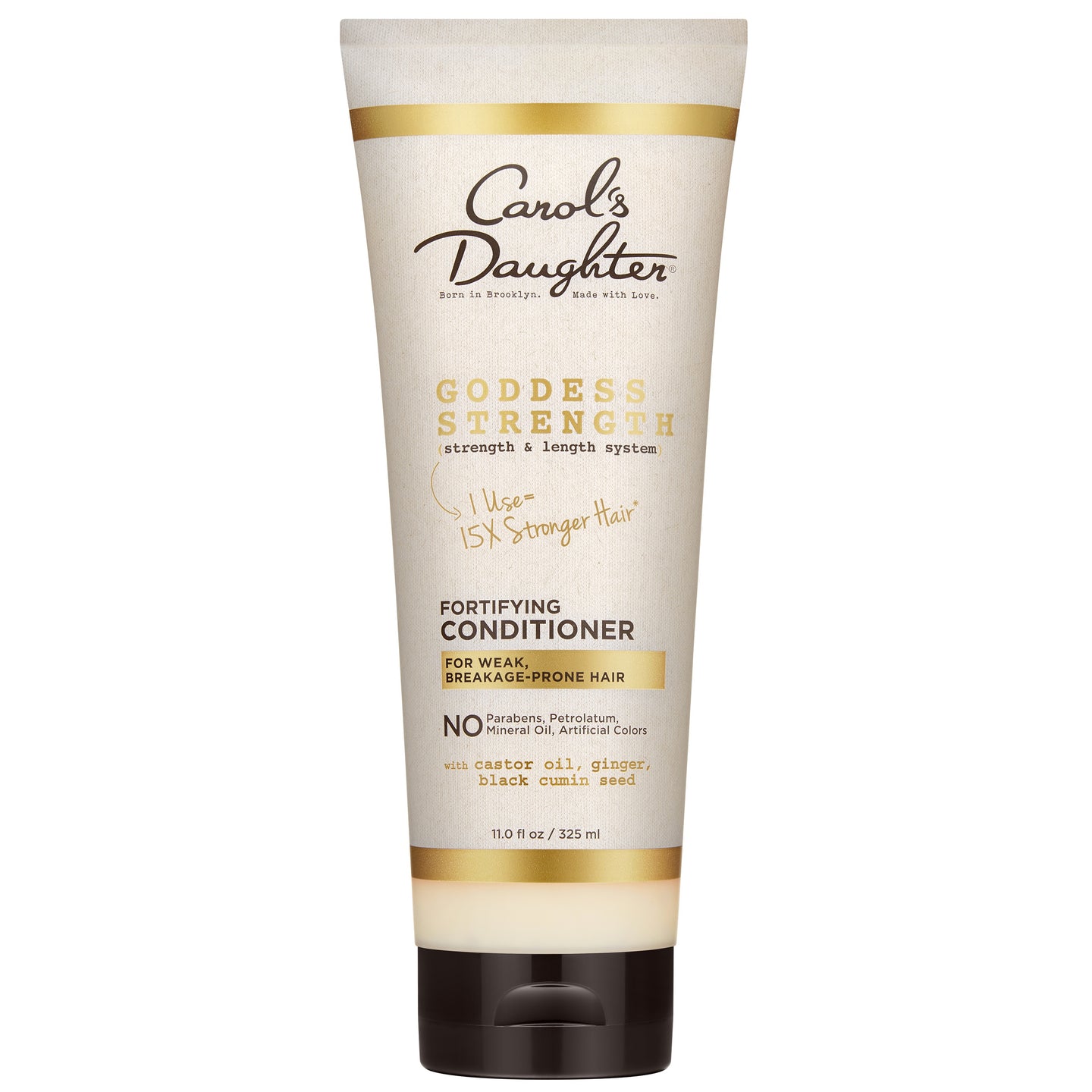
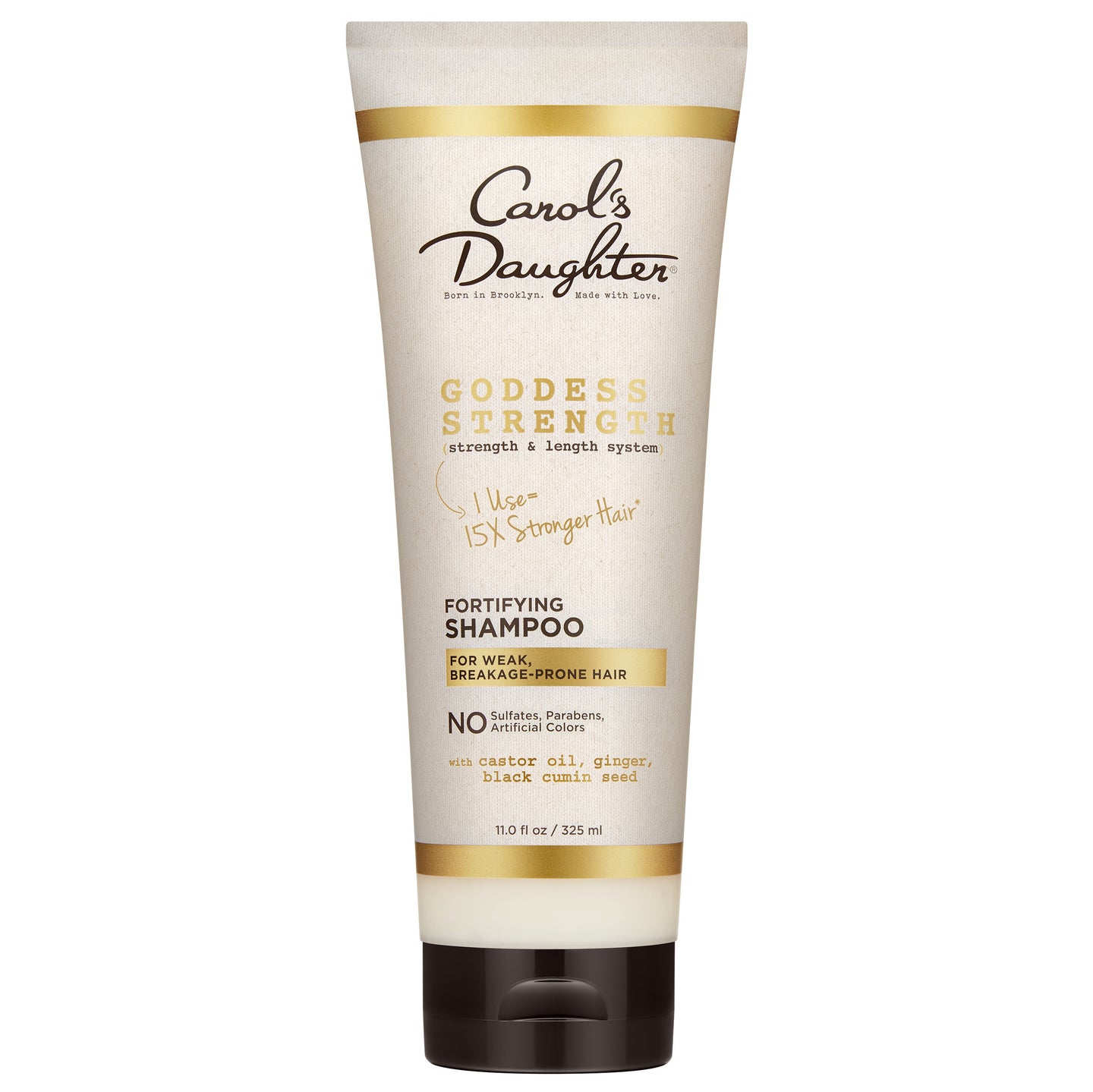
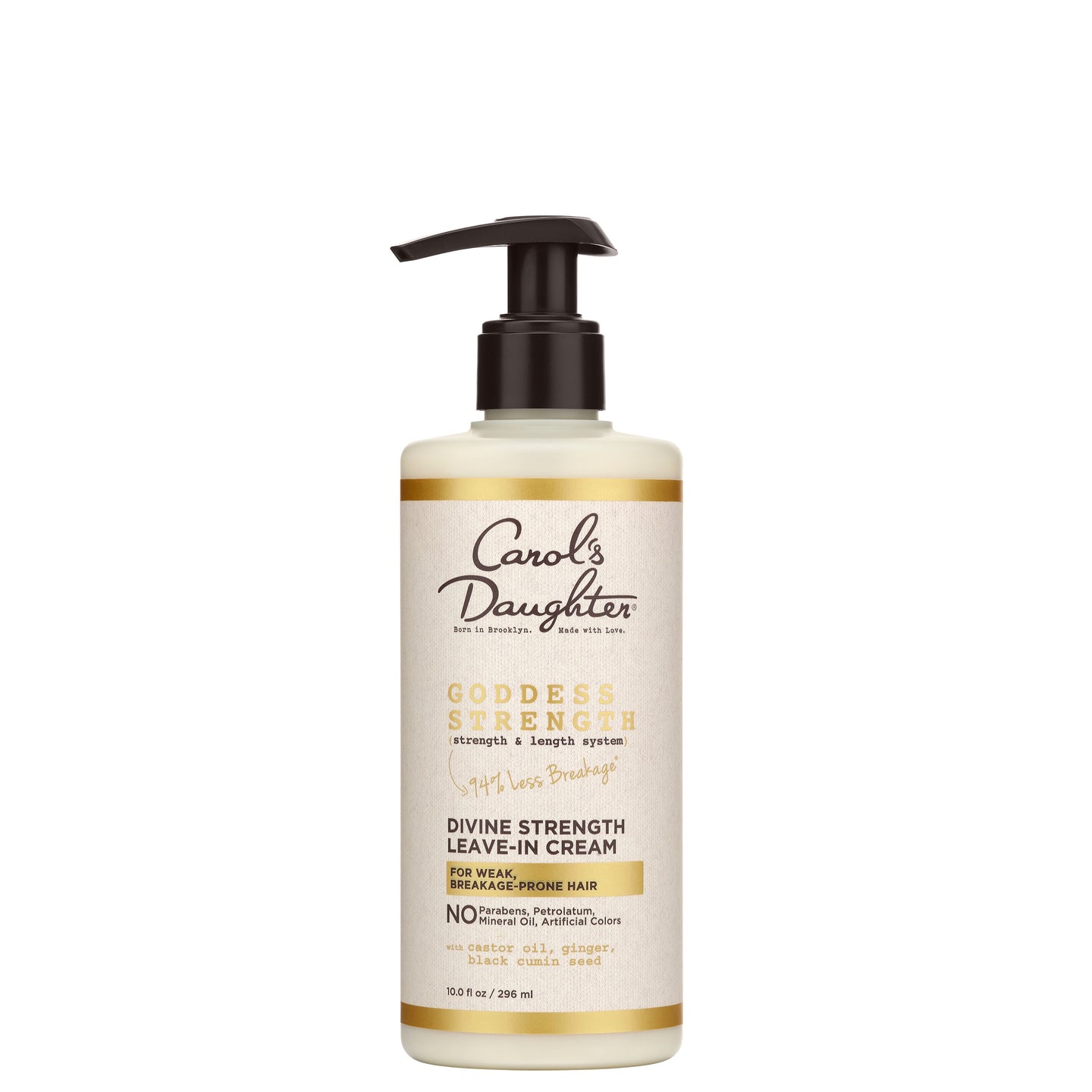
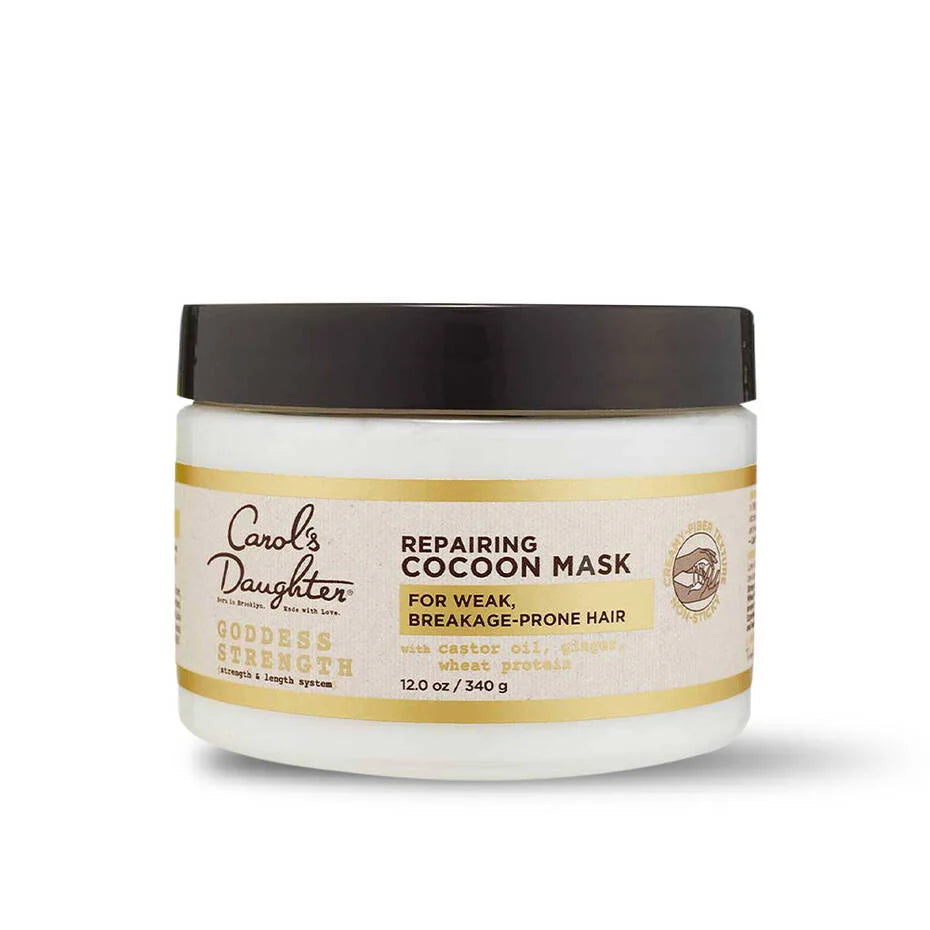
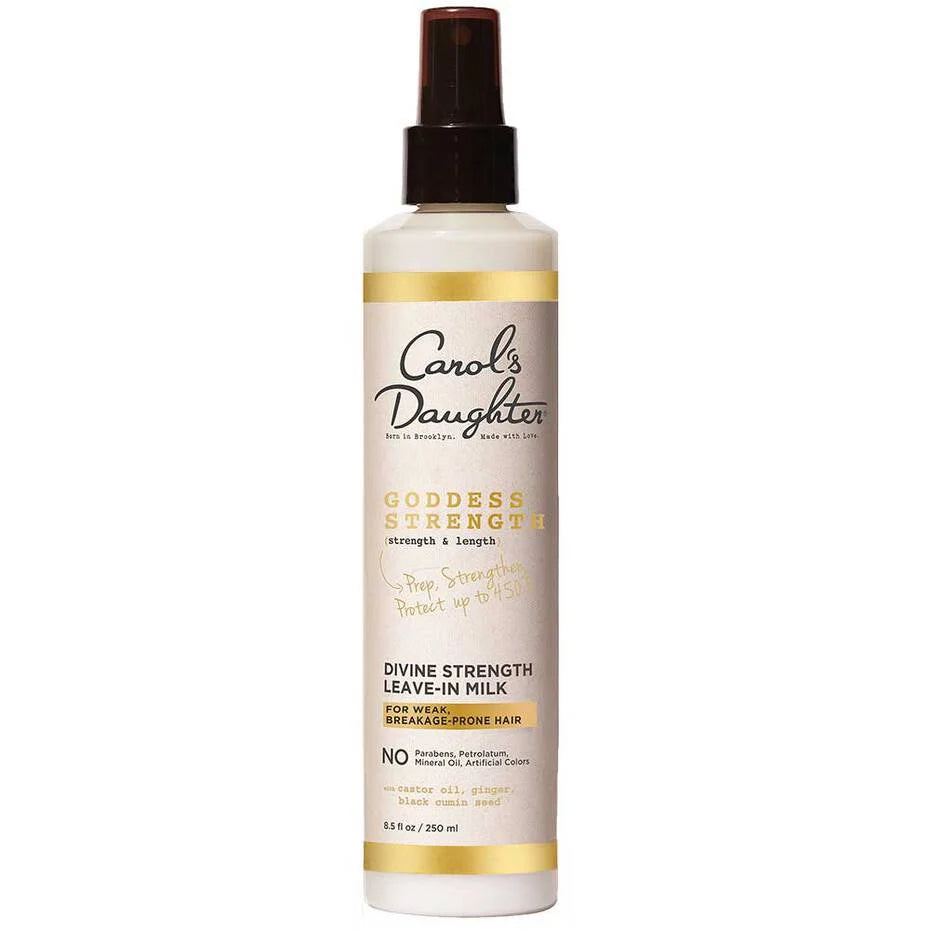
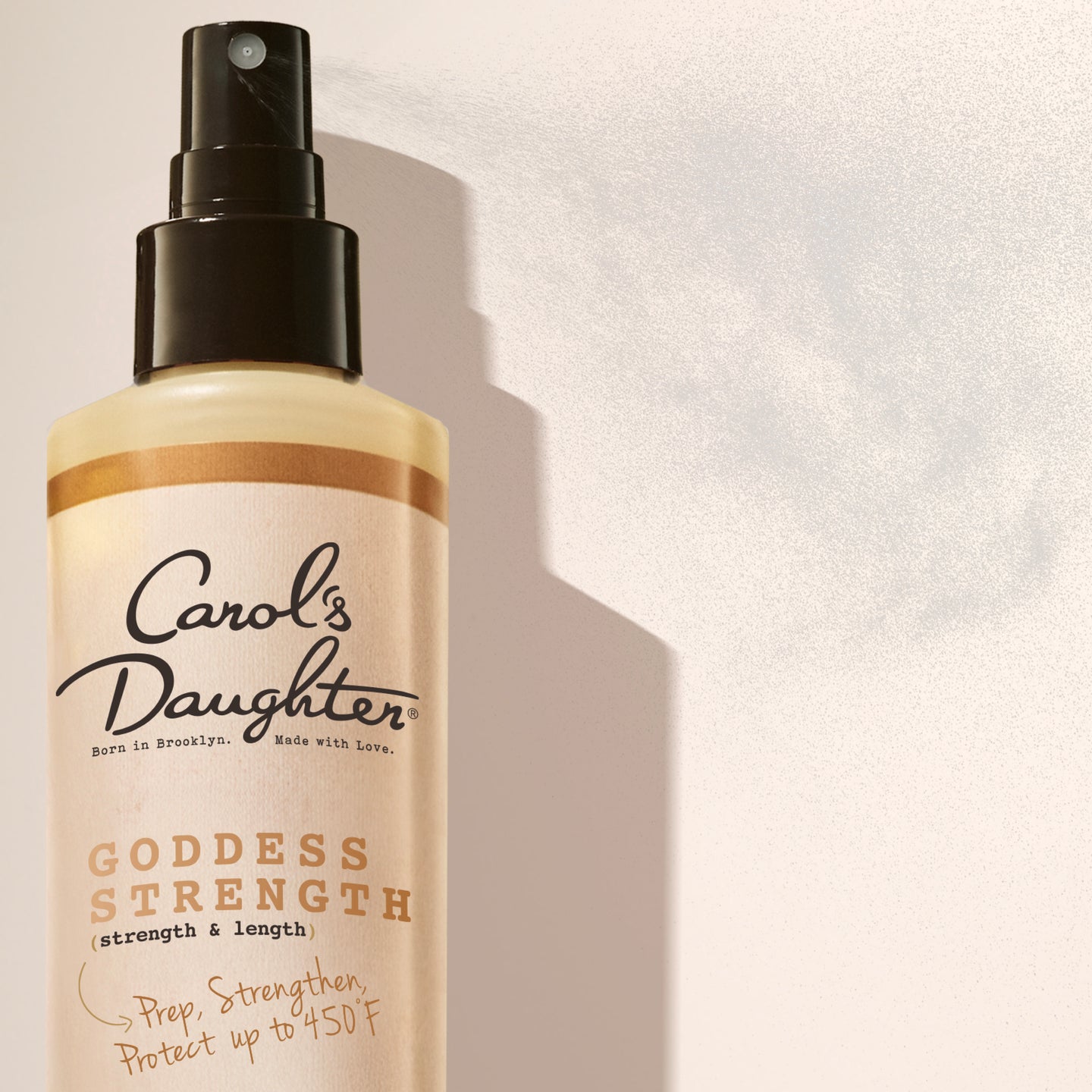
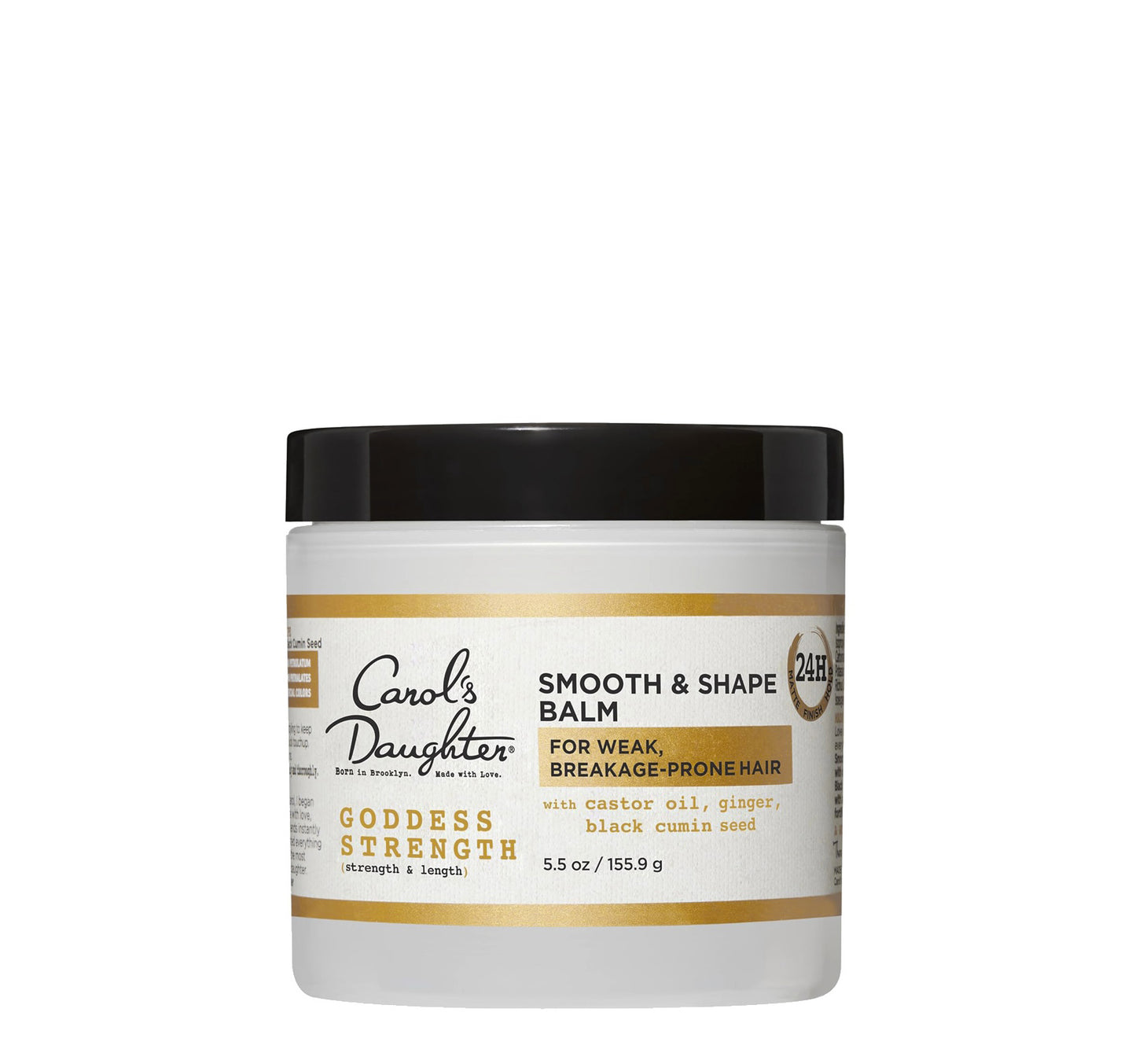
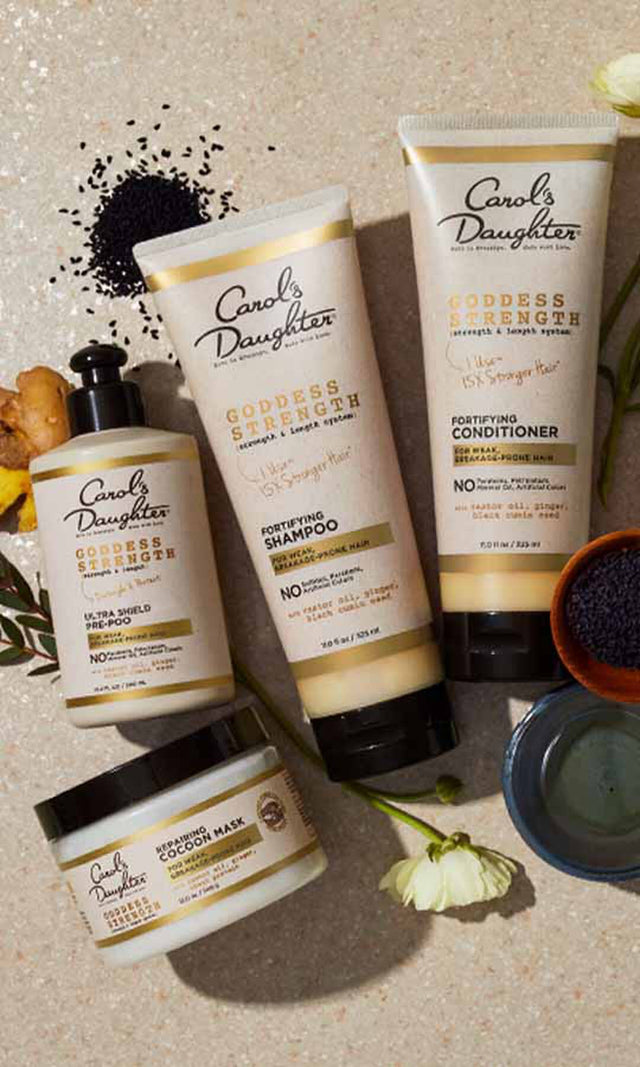
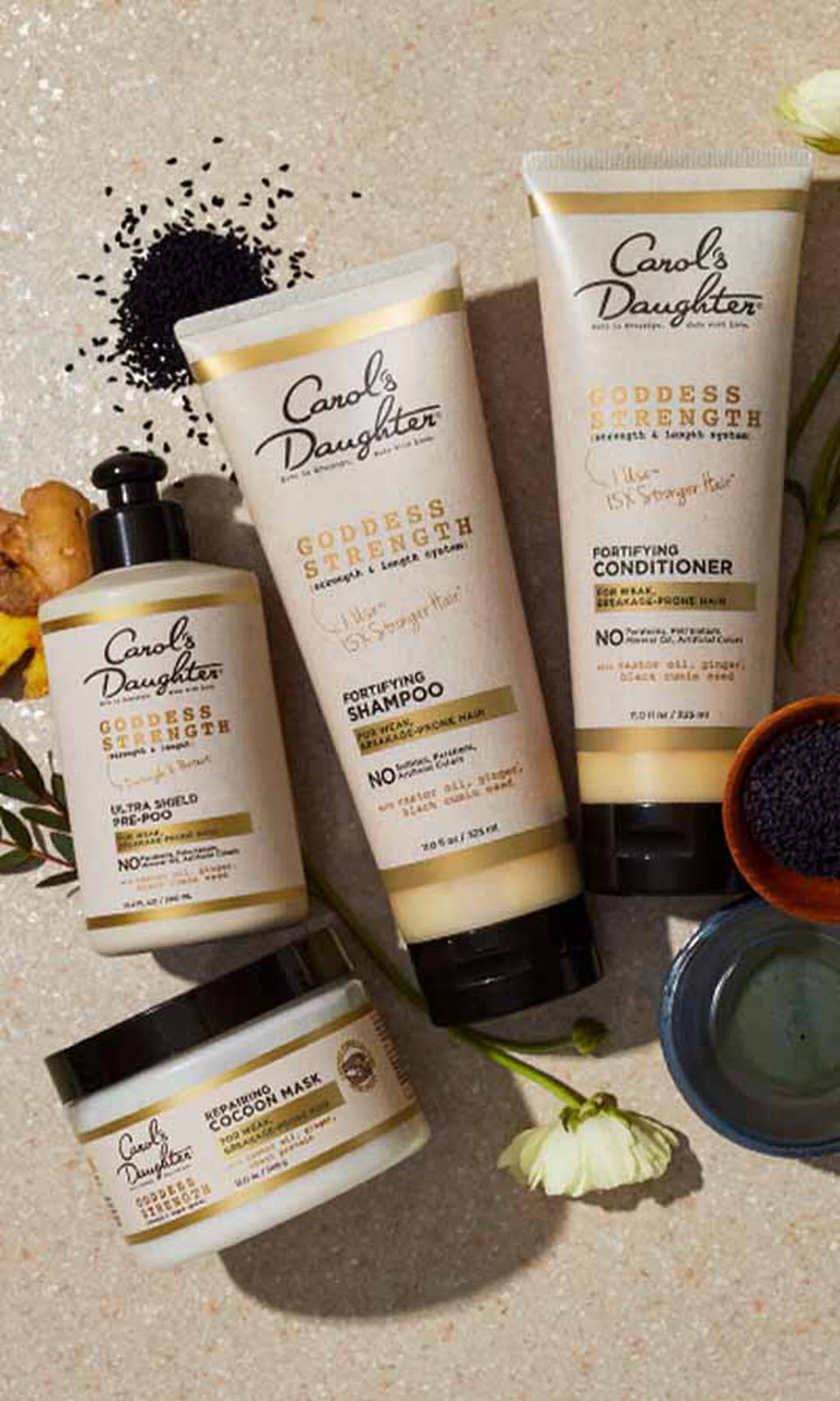
If breakage is your main barrier to length, the Goddess Strength collection is built for exactly that. The line delivers up to 7x stronger hair and 86% breakage reduction with regular use, anchored by castor oil and a 7-oil blend.
Build a complete strengthening routine:
- Goddess Strength Fortifying Shampoo — gentle, sulfate-free cleanse
- Goddess Strength Fortifying Conditioner — softens and detangles
- Goddess Strength Cocoon Hydrating Hair Mask — weekly deep treatment
- Goddess Strength Divine Strength Leave-In Cream — daily reinforcement
The right products won't grow hair for you, but they make sure your hair stays on your head long enough to show length.
4. Get Regular Trims
You knew this was coming.
Cutting your hair doesn't make it grow faster — that's a myth. But skipping trims is one of the fastest ways to lose length you've already grown.
Damaged, split ends travel up the strand if you let them. What starts as a tiny split at the tip becomes a deeper crack a few weeks later, until the whole strand snaps off. You're left with the same length you started with — or shorter.
Trim every 8 to 12 weeks to stay ahead of split ends. If you protective style consistently, you can stretch that to 12 to 16 weeks.
5. Massage Your Scalp
Scalp massages increase blood flow to the follicles, which supports the conditions hair needs to thrive.
You don't need a special tool. Use the pads of your fingertips (never your nails) and work in slow circles across your scalp for 3 to 5 minutes. Best time to do it: while shampooing or while applying scalp oil.
Pair it with the Goddess Strength 7-Oil Blend Hair & Scalp Oil for a routine that supports a healthier scalp environment. The blend includes castor, black cumin seed, and jojoba — three of the most respected oils in textured hair care.
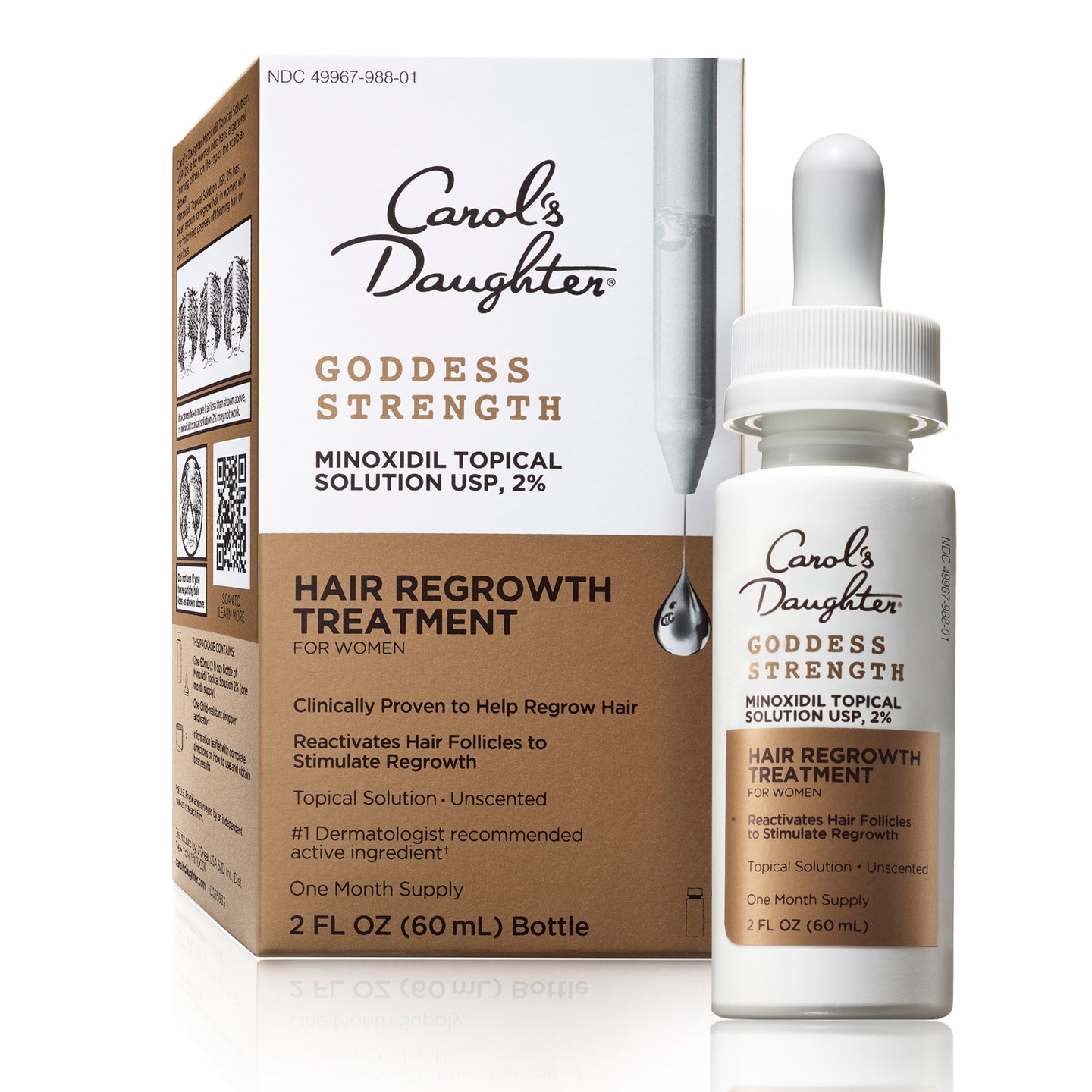
If you're dealing with thinning edges or shedding, the hair loss collection is worth exploring.
6. Protect Your Hair at Night
Eight hours of friction against a cotton pillowcase will undo a lot of what you did during the day. Cotton pulls moisture from your hair and roughs up the cuticle every time you turn your head.
Two simple swaps that protect length:
- A satin or silk pillowcase
- A satin bonnet or scarf
For longer hair, try pineappling — gather your curls loosely on top of your head before bed to keep your ends from rubbing against fabric. Five minutes of nighttime prep saves your hair days of damage.
7. Manage Your Stress
Stress and hair don't mix. Chronic stress can disrupt your hair's natural growth cycle and contribute to shedding (a condition called telogen effluvium, which is more common than people realize, especially after major life events or postpartum).
You don't have to overhaul your life. Build small, consistent stress-relief habits:
- A weekly self-care wash day
- 10 minutes of stretching or movement most days
- Sleep — actually sleep, not just lying in bed
- Time outside, even short walks
Your hair will reflect what your nervous system is doing. Take care of both.
8. Take Your Vitamins
A balanced diet should be your first source of nutrients. But many people benefit from filling gaps with a multivitamin or hair-skin-nails formula.
Biotin is the most-marketed hair vitamin, but it's not necessarily the most effective. Your body doesn't store biotin, and most people aren't deficient in it. A broader hair-skin-and-nails vitamin that includes vitamins A, C, D, E, biotin, zinc, and iron tends to be a better all-around option.
If you suspect a specific deficiency (especially iron or vitamin D, which both affect hair health), get bloodwork done before guessing with supplements.
Find Your Personalized Routine
Knowing your curl type is the first step to building a routine that supports healthy growth.
Take the Curl Quiz → A 5-step quiz that identifies your hair type, main concerns, and the products built for your texture.
Frequently Asked Questions About Natural Hair Growth
How long does it take to grow natural hair?
Hair grows about half an inch per month on average, or roughly 6 inches per year for healthy hair. Because natural hair shrinks, the visible length changes more slowly than the actual growth — your hair may be growing on schedule even when it doesn't look like it. Length retention, more than growth rate, determines how long your hair gets over time.
Can I make my hair grow faster?
You can support healthier growth, but you can't speed up your follicle's natural cycle. A nutrient-rich diet, regular exercise, scalp massages, and stress management all create better conditions for growth. Beware of any product or method that promises inches in a week — that's not how hair works.
Do home remedies actually help hair grow?
Home remedies can support healthy hair (rice water rinses, scalp oils, herbal infusions), but the foundation is always the same: a clean and balanced scalp, consistent moisture, and gentle handling. DIY treatments are a complement to a real routine, not a replacement for one.
Why isn't my hair growing?
If your hair seems stuck at the same length, growth is usually happening — you're just losing length to breakage at the same rate. Common culprits: dryness, rough detangling, heat damage, tight protective styles, or skipped trims. Address those, and the length you grow will start showing.
Does cutting hair make it grow faster?
No. Hair grows from the root, not the ends. Trimming doesn't change growth speed, but it removes damaged ends that would otherwise break and shorten your length. That's why trims are essential for length retention, even though they don't accelerate growth.
Ready to support your hair growth journey?
For strength and breakage reduction → Shop the Goddess Strength collection
Dealing with thinning or shedding? → Shop the hair loss collection
Not sure where to start? → Take the Curl Quiz