How to Repair Bleach-Damaged Curly Hair: A Complete Recovery Guide


How to Repair Bleach-Damaged Curly Hair: A Complete Recovery Guide
By Carol's Daughter — Updated May 2026
Quick Answer: Bleach damages curly hair by stripping its natural oils, weakening the protein structure, and lifting the cuticle — leaving you with dryness, breakage, frizz, and sometimes a looser curl pattern. Repair takes 2–3 months of consistent care: weekly deep conditioning, sulfate-free cleansing, protein treatments to rebuild structure, regular trims to remove split ends, and zero new heat or chemical processing. The damage is fixable, but only with patience.
Bleaching curly hair can be a fun way to change your look — but it comes with a cost. Bleach is one of the harshest chemical processes you can put on your hair, and curly textures are especially vulnerable to its effects.
If you're dealing with dry, brittle, breaking strands after a bleaching session, you're not alone. The good news: bleach-damaged curls can absolutely be brought back. It just takes the right routine and a real commitment to consistency.
This guide breaks down what bleach actually does to your hair, how to spot the damage, and the recovery routine that restores your curls over time.
What Is Bleach-Damaged Curly Hair?
Bleach-damaged curly hair is hair that's been chemically weakened by the lightening process — usually through hydrogen peroxide, ammonia, or both.
Bleaching works by lifting the hair cuticle and removing pigment from inside the strand. When done occasionally and with proper aftercare, healthy hair can recover. When done frequently, left on too long, or used on already-damaged hair, the structural damage compounds — and curly hair shows it faster than straight hair.
Why curly hair is more vulnerable to bleach damage:
- Curly strands are naturally drier, so they have less natural moisture to protect them from chemical processing
- The bends in each curl create natural weak points where bleach concentrates
- Curly hair often has higher porosity, which means bleach penetrates faster and more aggressively
- Curls require more flexibility in the cuticle — bleached hair loses that elasticity
How Does Bleach Damage Hair?
Bleach damages hair in three layers, all at once.
It Removes Natural Oils
Your hair's natural oils protect the strand from external stressors and keep it pliable. Bleach strips those oils away, leaving your hair dry, brittle, and unable to hold moisture properly.
It Weakens the Protein Structure
Hair is mostly made of a protein called keratin. Bleach breaks down those protein bonds, which weakens the internal structure of every strand. The result: hair that snaps under tension that healthy hair would handle easily.
It Lifts and Damages the Cuticle
The cuticle is the outermost protective layer of your hair — those overlapping shingle-like scales that lie flat on healthy strands. Bleach forces the cuticle open to deposit color-removing chemicals, and on damaged hair, the cuticle never fully closes again. That means moisture flows out as fast as it goes in.
When all three things happen at once, you get the classic signs of bleach damage: dryness, breakage, frizz, and a curl pattern that looks limp or stretched.
How to Identify Bleach-Damaged Hair
Bleach damage shows up in six common ways. If you're seeing more than two of these, your hair needs a recovery routine.
Dryness and Brittle Texture
Bleach-damaged hair feels rough, straw-like, and stiff to the touch. It doesn't bounce back when you stretch a strand, and it tangles easily even with conditioner.
Breakage and Split Ends
Strands snap during detangling, brushing, or even gentle handling. Split ends appear faster than usual, and they travel up the strand if not trimmed regularly.
Dullness and Lack of Shine
Healthy hair reflects light. Bleach-damaged hair absorbs it. The cuticle is too rough to bounce light back, which makes your hair look matte and lifeless even when it's clean.
Scalp Sensitivity
Some people experience scalp irritation after bleaching — redness, itchiness, or a tender feeling for days afterward. This usually fades with gentle aftercare, but it's a sign your scalp took a hit too.
Increased Porosity
Damaged hair drinks up products fast and loses moisture just as quickly. If your leave-in is gone within hours and your hair feels dry by lunchtime, your porosity has spiked.
A Loosened Curl Pattern
This is the one most curly girls dread. Bleach can chemically alter your curl pattern by breaking the protein bonds that hold your curl shape — your curls may look stretched, limp, or completely straight in some sections. With proper repair, the pattern can come back over time, but severe damage may be permanent.
How to Repair Bleach-Damaged Curly Hair
Recovery takes 2 to 3 months of consistent care. There's no shortcut, but the routine below is the most effective path back.
Step 1: Deep Condition Weekly
Deep conditioning is the most important step in any bleach recovery routine. A weekly mask penetrates beyond the surface to restore moisture from the inside.
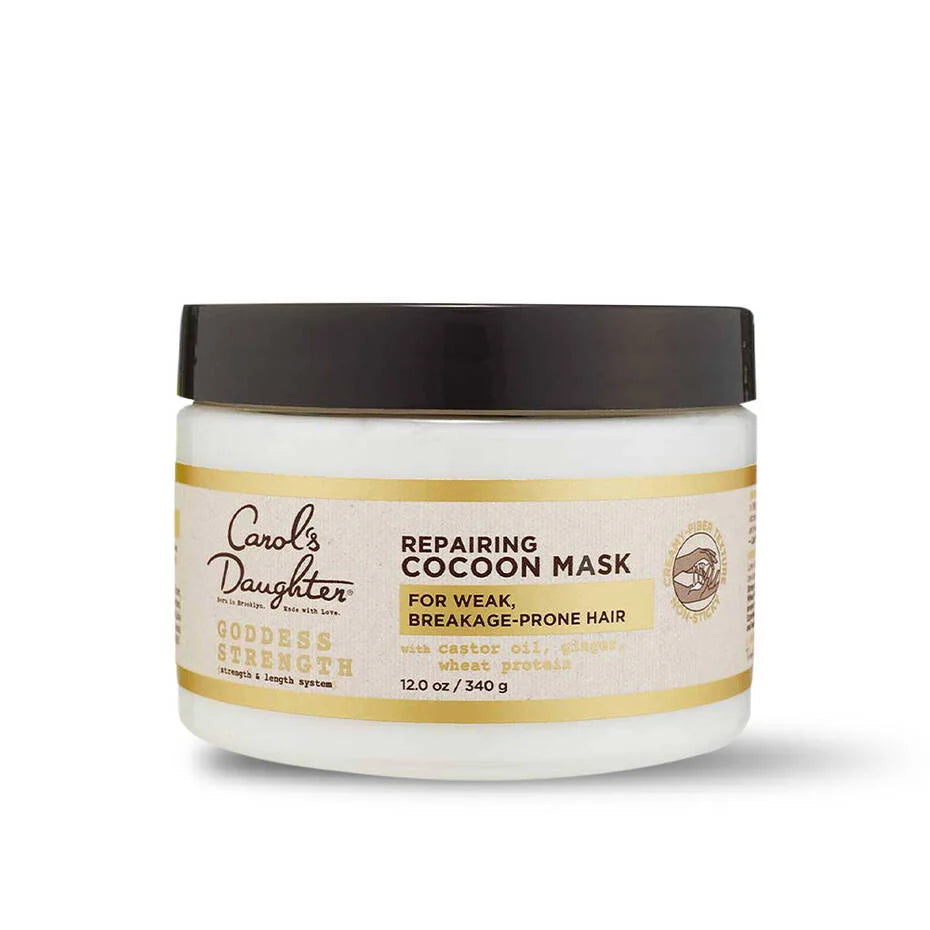
The Goddess Strength Cocoon Hydrating Hair Mask delivers an intense moisture treatment that helps restore, strengthen, and protect dry, damaged strands.
For bleach-specific repair, the Born to Repair 60-Second Moisture Treatment is built for hair that's been chemically processed — shea butter and a fast-absorbing formula give you deep conditioning even on busy wash days.
How to use:
- Apply to clean, damp hair from mid-shaft to ends
- Cover with a shower cap and leave for 10–20 minutes
- For deeper penetration, use a hair steamer or sit in a steamy bathroom
- Rinse with cool water to seal the cuticle
Step 2: Switch to Sulfate-Free, Strengthening Shampoo
Sulfates strip your already-fragile cuticle and worsen bleach damage. A gentle, strengthening shampoo cleanses without stripping.
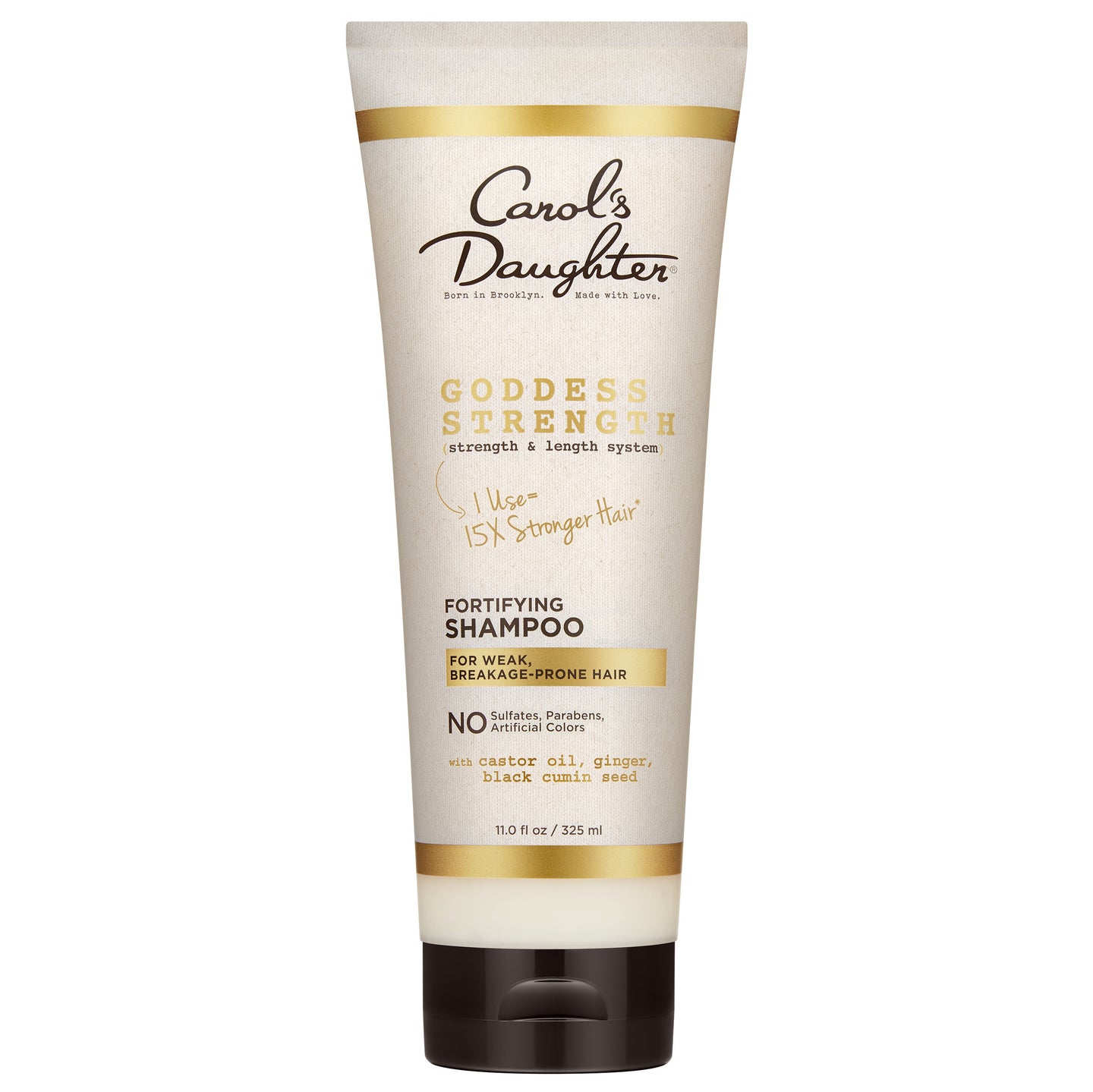
The Goddess Strength Fortifying Shampoo with Castor Oil is one of the strongest options for bleach-damaged hair — it cleanses gently while reinforcing weak strands with castor oil, black cumin seed oil, and ginger.
The Born to Repair Sulfate Free Nourishing Shampoo is another strong choice, formulated specifically for damaged and chemically processed hair.
The Goddess Strength line delivers up to 7x stronger hair and 86% breakage reduction with regular use.
Step 3: Pair It With a Repairing Conditioner
Follow your shampoo with a moisturizing, repairing conditioner that gives your hair the slip and softness it needs to detangle without breaking.
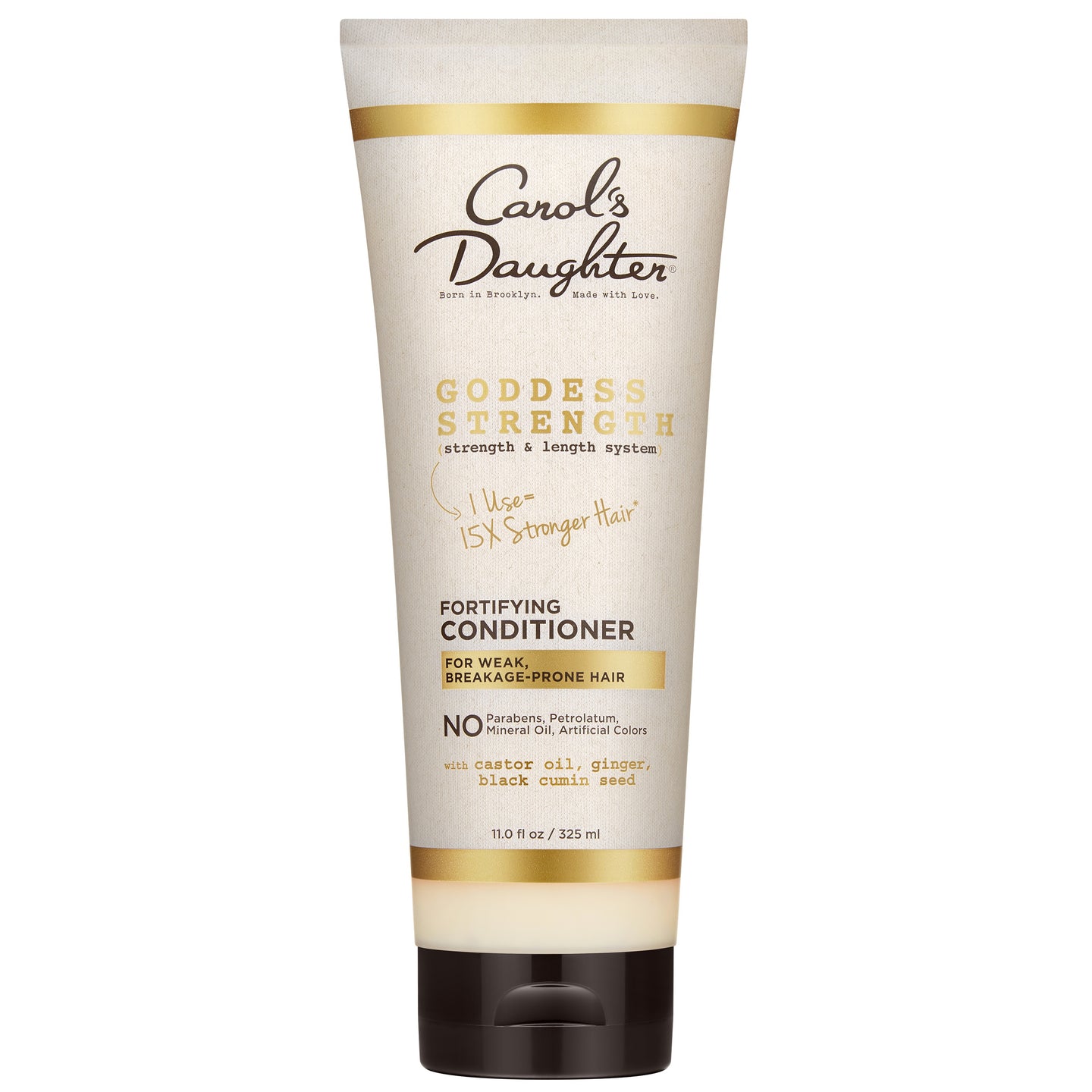
- Goddess Strength Fortifying Conditioner — for moisture plus structural strengthening
- Born to Repair Nourishing Conditioner with Shea Butter — for damage-specific recovery
Apply from mid-shaft to ends, detangle with the conditioner still in your hair, and rinse with cool water.
Step 4: Add Daily Strengthening Leave-Ins
Between washes, your damaged hair needs daily reinforcement. A strengthening leave-in adds moisture and helps rebuild structure with every application.
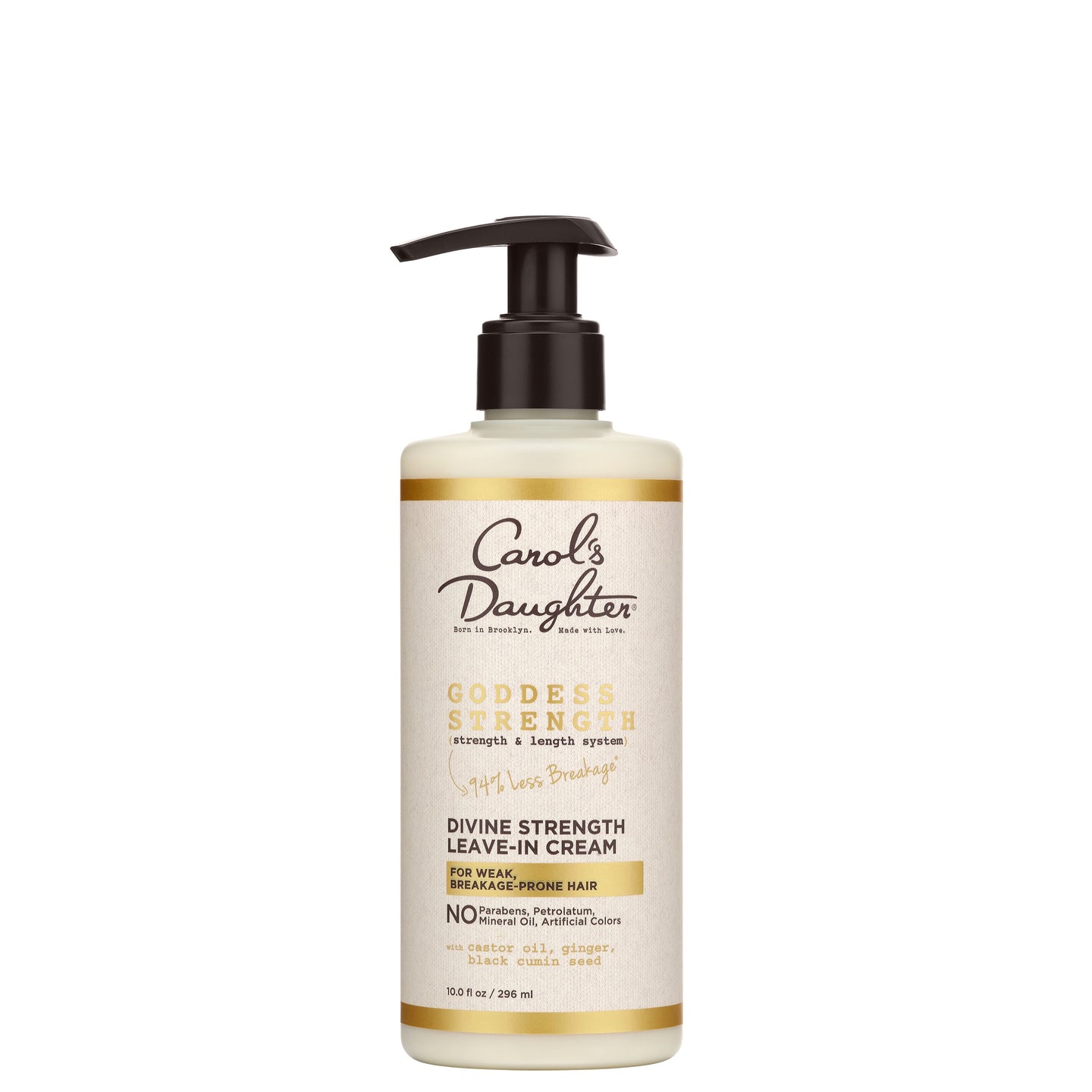
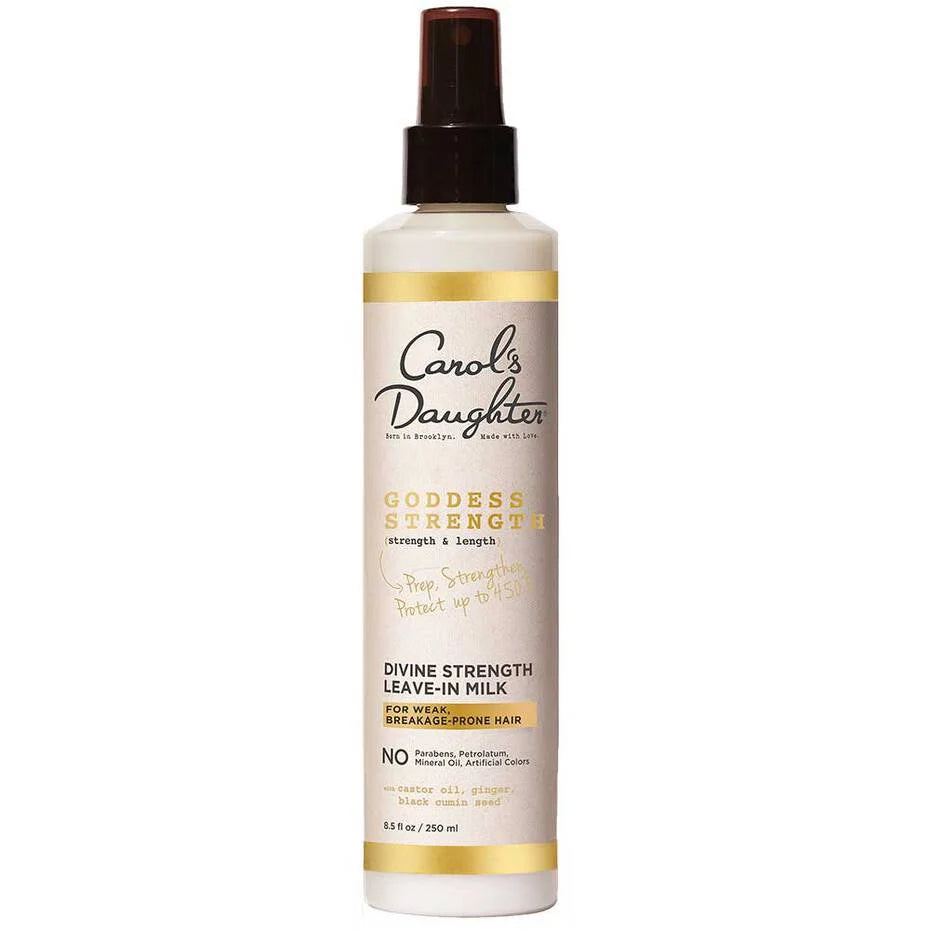
The Goddess Strength Divine Strength Leave-In Cream with Castor Oil is a strong daily-use option — it reinforces weak strands while delivering deep moisture.
For lighter daily wear, the Born to Repair Defining Leave-In Cream with Shea Butter gives you definition and damage protection in one step.
Step 5: Seal Every Step With an Oil
Bleach-damaged hair has high porosity, which means moisture escapes quickly. Sealing your routine with a heavy oil traps hydration where it belongs.
The Goddess Strength 7-Oil Blend Hair & Scalp Oil combines castor, black cumin seed, and jojoba — three of the most effective oils for damage repair. Castor oil specifically is heavier and helps seal the cuticle on damaged hair where lighter oils can't.
For heat protection (since you'll want to keep heat to a minimum during recovery), the Born to Repair Reviving Hair Oil with Shea Butter softens hair and minimizes flyaways while supporting damaged ends.
Step 6: Trim Regularly
Damaged ends don't heal — they keep splitting up the strand until you trim them off.
During active bleach recovery, get a trim every 6 to 8 weeks (instead of the usual 8–12). It feels counterproductive when you're trying to grow your hair back, but holding onto damaged ends actually costs you more length over time.
What to Avoid During Bleach Recovery
What you don't do matters as much as what you do.
- No new chemical processing — no relaxers, no additional bleaching, no permanent color for at least 3 months
- No heat styling — flat irons and curling wands compound damage; if you must use heat, keep it under 300°F and always apply a heat protectant
- No tight protective styles — tight braids and weaves add tension to already-fragile strands
- No daily washing — wash 1–2 times per week, max
- No aggressive towel drying — use a microfiber towel or T-shirt instead of terry cloth
- No skipping leave-in — bleach-damaged hair cannot maintain moisture without daily reinforcement
Find Your Personalized Routine
Knowing your curl type and current damage level helps you build a recovery routine that actually works.
Take the Curl Quiz → A 5-step quiz that identifies your hair type, main concerns, and the products built for your texture.
Frequently Asked Questions About Bleach-Damaged Hair
Can bleach-damaged hair be fully repaired?
It depends on the severity. Mild to moderate bleach damage can be largely reversed with 2–3 months of consistent moisturizing, strengthening, and trimming. Severe damage — especially if your curl pattern has been chemically altered — may not fully bounce back, and the only complete fix is letting that hair grow out and trimming over time. Healthy new growth at the roots will always come in the way your hair was meant to grow.
How long does it take to repair bleach-damaged hair?
Most people see meaningful improvement in 2 to 3 months of consistent care. Severely damaged hair can take 6 months or longer to fully recover, and may require multiple trims along the way. The key is patience — there's no overnight fix for chemical damage.
Will my curl pattern come back after bleaching?
Sometimes, yes — but not always. If the bleach damage is mild, your curl pattern can recover as moisture and protein are restored to your strands. If the protein bonds that create your curl shape have been chemically broken, the affected hair won't curl the same way again. The new growth at your scalp will always be your natural pattern.
Should I use protein treatments on bleach-damaged hair?
Yes — but in moderation. Protein treatments rebuild the structural bonds bleach broke, which is essential for recovery. However, too much protein can make damaged hair feel stiff and brittle. Aim for a protein treatment every 4–6 weeks during active recovery, and always follow up with a moisturizing treatment to balance.
Can I dye my hair after bleaching it?
You can, but wait at least 4–6 weeks after bleaching before adding semi-permanent or permanent color, and ideally longer if your hair is severely damaged. Adding more chemical processing to already-damaged hair will compound the damage, even with gentler dyes.
Should I cut all my bleached hair off?
Not necessarily. A "big chop" is one option, especially if the damage is severe and you want a fresh start. But many people repair their hair successfully through consistent treatment plus regular trims to gradually remove the most damaged ends. The choice depends on how severe the damage is and how patient you're willing to be.
Ready to bring your curls back to life?
For strength and damage repair → Shop the Goddess Strength collection
For damaged hair recovery → Shop the Born to Repair collection
Browse by hair concern → Shop damaged hair
Not sure where to start? → Take the Curl Quiz