

How to Sleep on Naturally Curly Hair


How to Sleep on Naturally Curly Hair
By Carol's Daughter — Updated May 2026
Quick Answer: Sleeping on curly hair without ruining it comes down to four things: (1) prep your hair with a leave-in or smoothing product before bed, (2) gather it into a loose protective style like a pineapple, twists, or bantu knots, (3) cover with a satin bonnet or scarf (or sleep on a satin pillowcase), and (4) never sleep on soaking-wet hair. The right setup either preserves your existing curls overnight or sets new curls by morning — depending on which style you choose for sleeping.
A lot happens while you sleep. Your body replenishes energy. Your skin rejuvenates. And your hair — well, depending on how you prepped before laying down — can either thrive or get completely crushed by morning.
Whether you're masking, setting a twist-out, or just trying to keep your curls intact under a satin bonnet, there's a real science to sleeping with curly hair. Here's how to make sure you wake up to your best curls instead of a frizzy, flattened mess.
Find Your Personalized Routine
Different curl types need different night routines. Find yours.
Take the Curl Quiz → A 5-step quiz that identifies your hair type, main concerns, and the products built for your texture.
How Can You Sleep Without Ruining Your Curls?
If your spirals look worse for wear every morning, you probably aren't prepping your hair for bedtime.
Just like you brush your teeth and do skin care before bed, your hair needs attention too.
The Two Goals
You're trying to do one of two things:
- Preserve existing curls — protect the pattern you already have
- Set new curls — create a styled look that develops while you sleep
Both require the same fundamentals: corral the hair to prevent flattening, reduce friction, and protect against frizz.
The Essentials
- A loose protective style — twists, bantu knots, a pineapple, or a high bun
- A satin or silk bonnet, scarf, or pillowcase — never cotton
- A bit of product to smooth and seal the cuticle
- Dry (or near-dry) hair for most night routines
If you've upgraded to a satin pillowcase and you don't roll off it constantly, you can sometimes skip the bonnet — the bun or pineapple plus the smooth pillowcase together prevent friction.
What Hairstyles Should You Sleep In?
Choose based on the look you want for tomorrow.
For Voluminous Curls: Pineapple or High Top Bun
Gather your hair at the very top of your head with a satin scrunchie. The stretch at the roots adds volume without flattening your curls.
Tips:
- Don't double-twist the scrunchie (avoids dents)
- Tuck the tips in lightly so they don't get crinkled
- Use a silk or satin scrunchie only
For the full breakdown, see our complete guide to hair pineappling.
For Loose Waves: Braids or Two-Strand Twists
For looser, curling-wand-like waves by morning:
- 1 to 3 chunky French braids
- Or part hair into 4 sections and loosely two-strand twist each
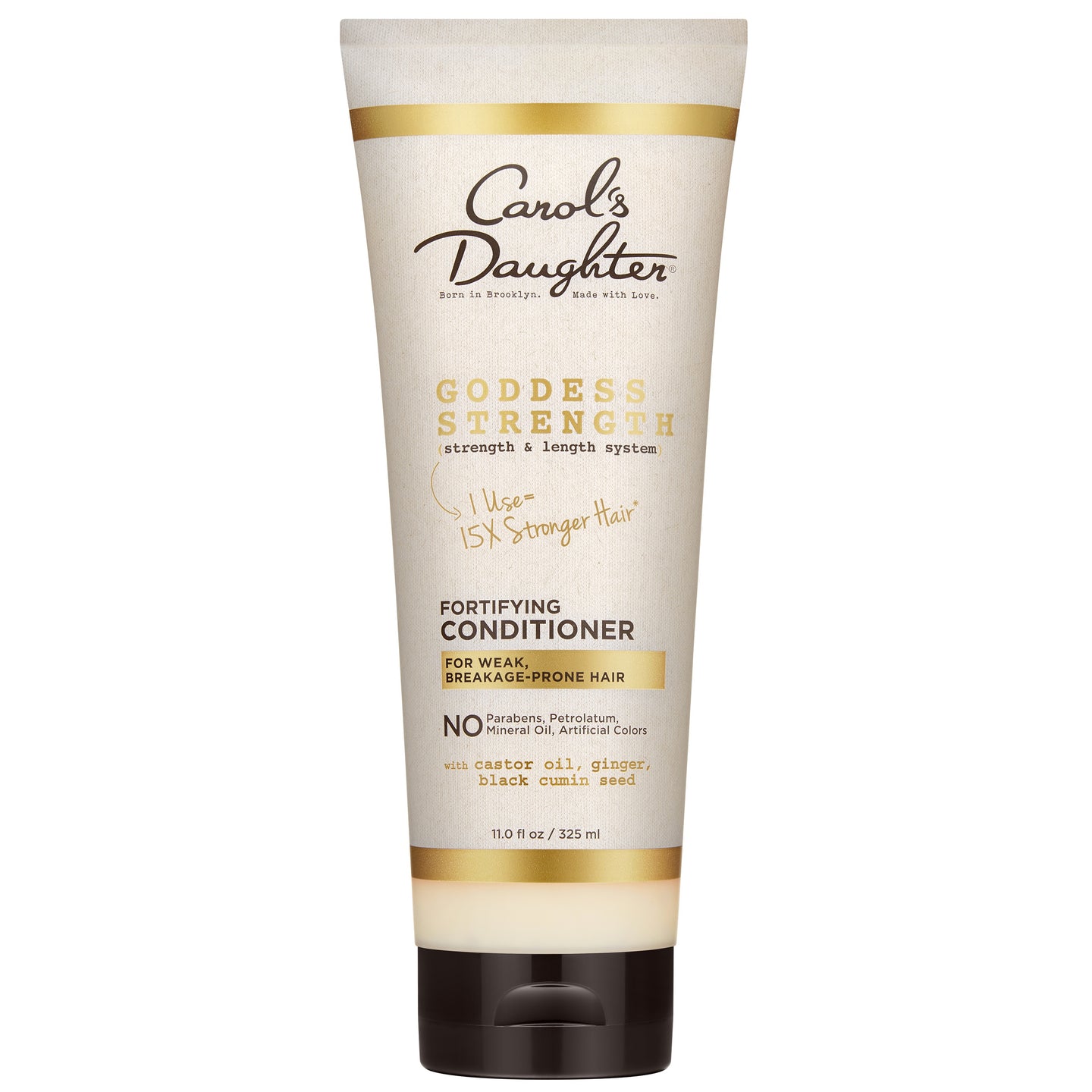
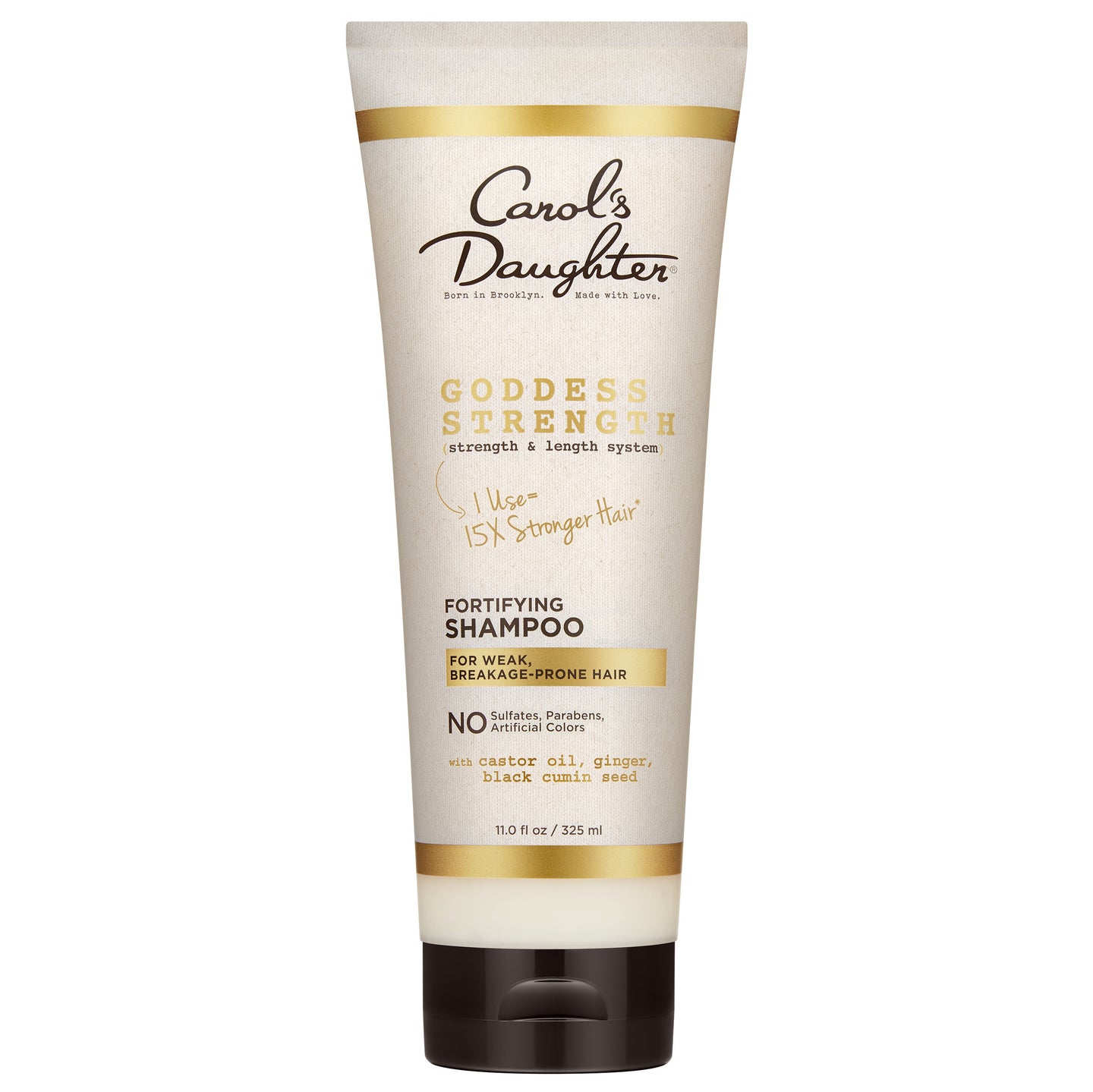
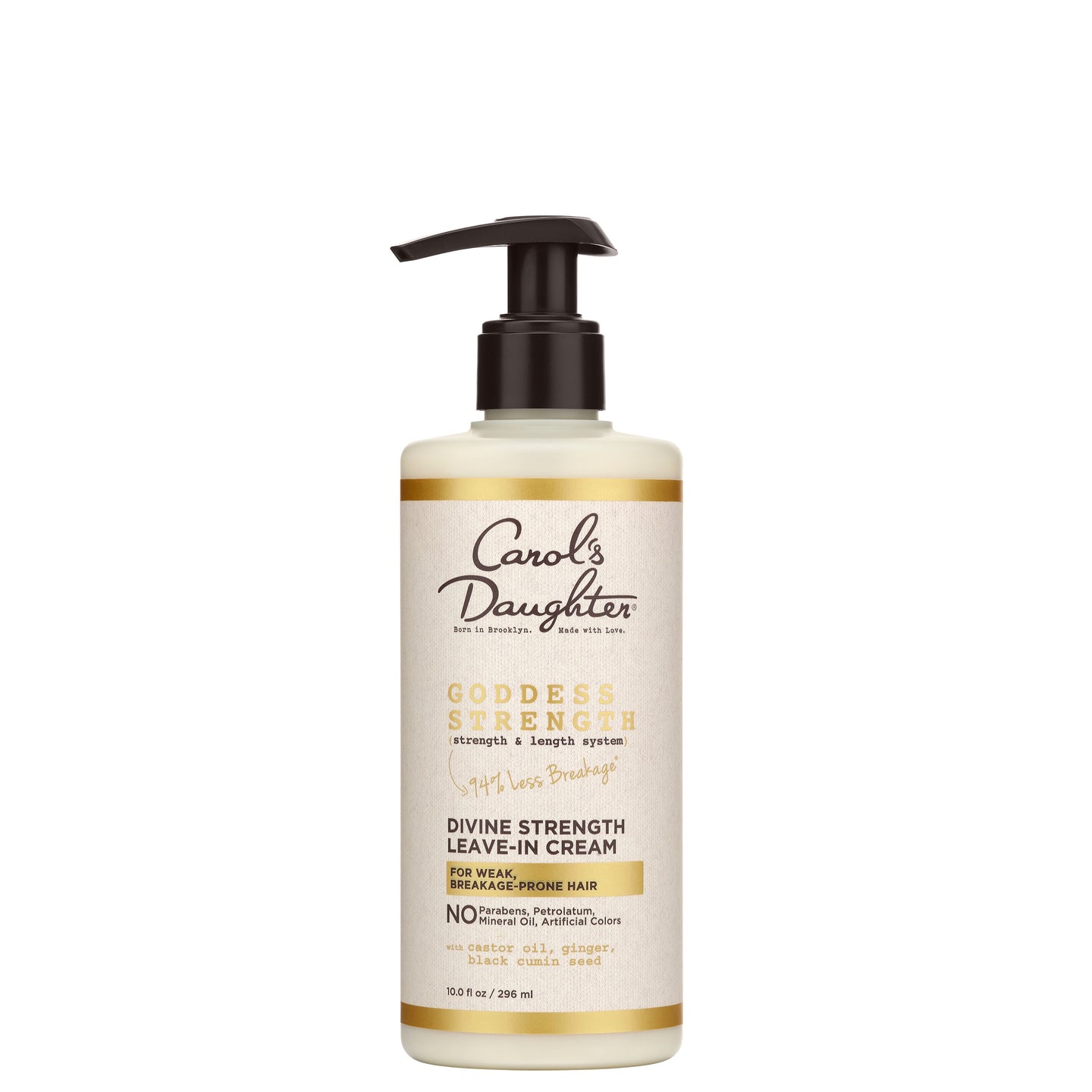
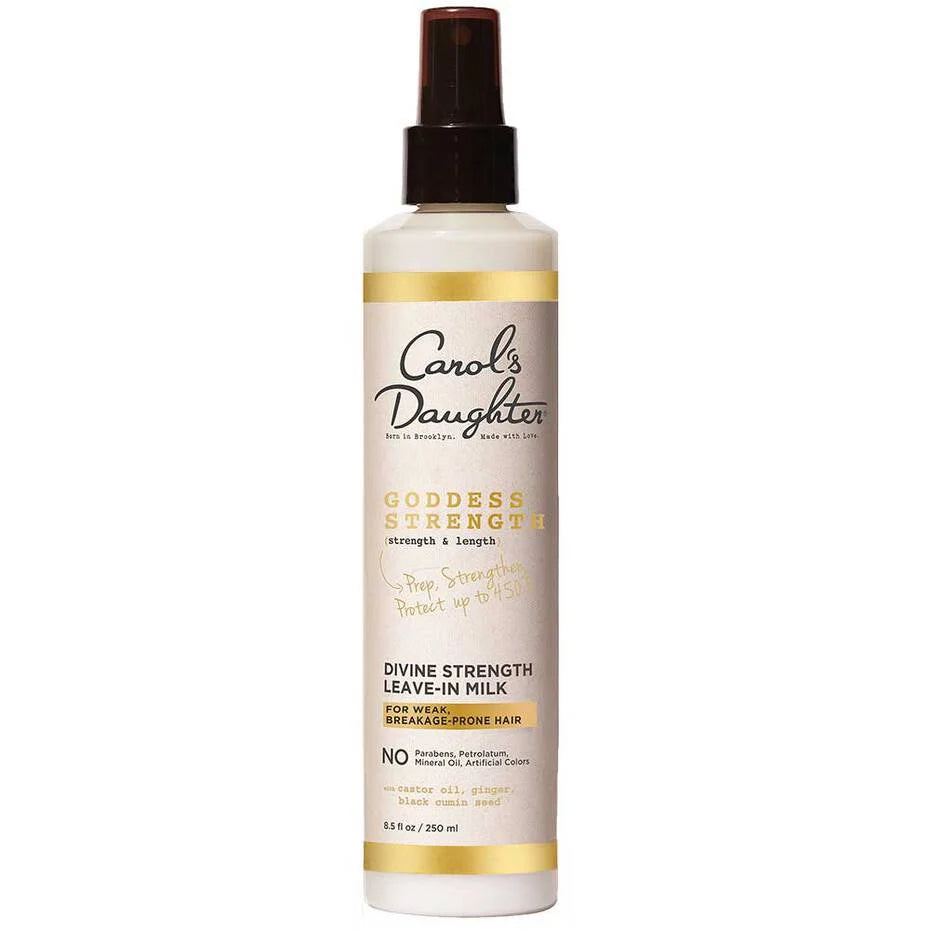
Apply a smoothing leave-in like the Goddess Strength Divine Strength Leave-In Milk before twisting to help the style set.
For Tight, Defined Curls: Bantu Knots
Bantu knots create the tightest overnight curls. Can be done on wet or dry hair.
On wet hair:
- Section into squares (smaller sections = tighter curls)
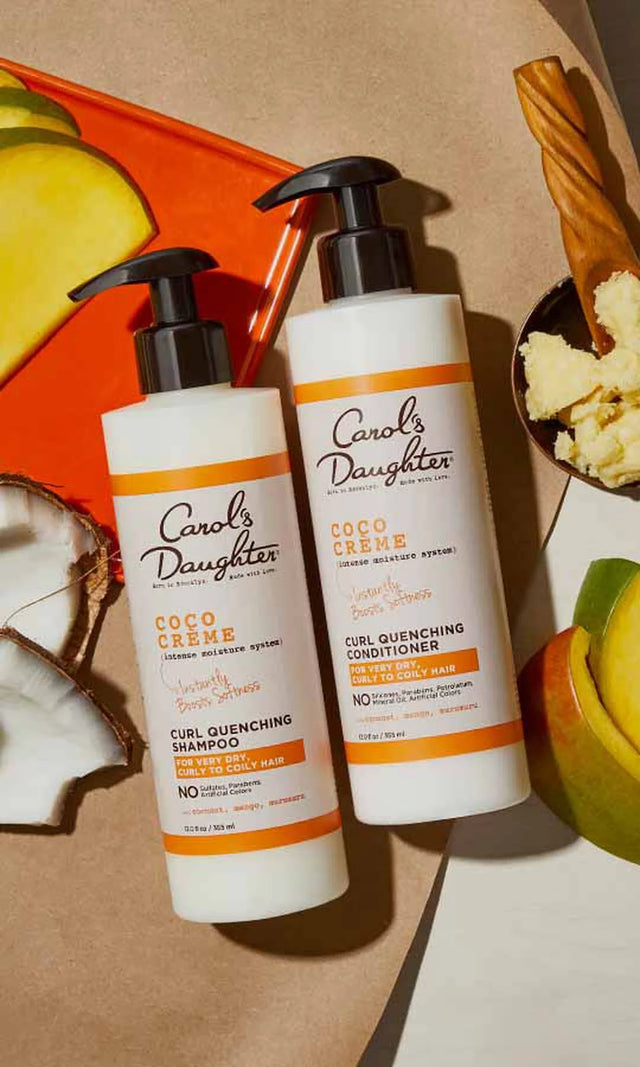
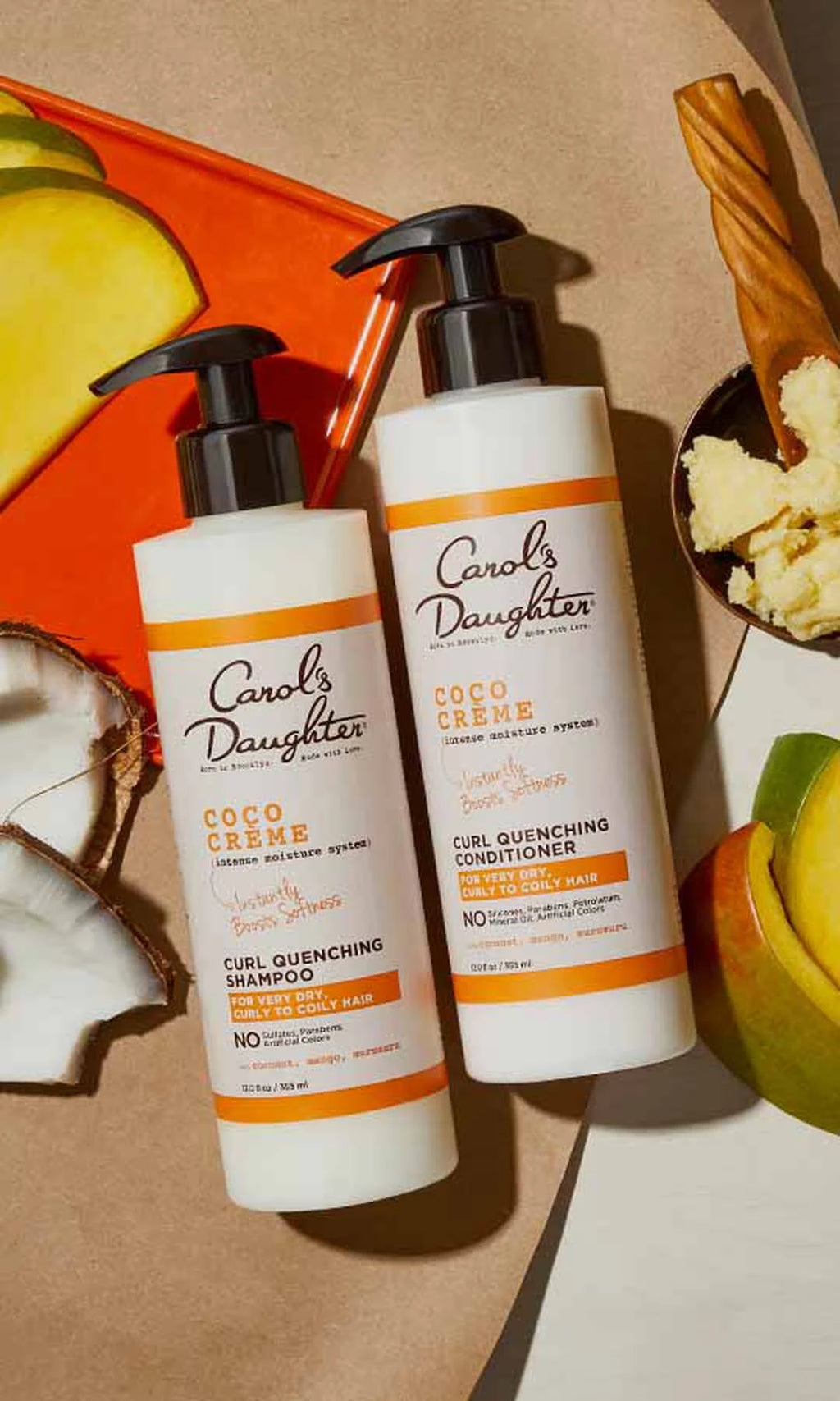
- Apply a leave-in plus the Coco Crème Curl Shaping Cream Gel with Coconut Oil
- Spiral each section down toward the scalp into a cone shape
- Secure with a hair tie
On dry hair: A light application of leave-in or a sealing oil like the Goddess Strength 7-Oil Blend holds hair in place until morning. Unravel each knot and fluff to finish.
For more setting styles, see our complete guide to stretching natural hair without heat and our complete guide to flexi rods on natural hair.
Should You Sleep With Wet Curly Hair?
Generally, no. Hair is most fragile when wet — most susceptible to damage, breakage, and stretching.
Why Wet Hair at Night Is Risky
- Breakage: Wet strands are weak; rubbing against pillows or being twisted causes more damage
- Stretched curl pattern: Excess water weighs down strands, stretching them out of their natural pattern over time
- Improper drying: Twists or braids in wet hair under a bonnet may not get the airflow needed to dry properly
- The "wet hair" smell: Hair that stays damp too long can develop a musty odor (similar to a poorly dried towel)
NEVER Sleep With Hair Wrapped in a Towel
Especially terry cloth — it:
- Snags at the cuticle, causing breakage
- Creates friction, causing frizz
- Blocks airflow, causing the damp smell
If you must sleep with damp hair, use a satin or silk wrap.
The One Exception: Overnight Treatments
Sleeping with wet hair makes sense ONLY when doing an overnight treatment:
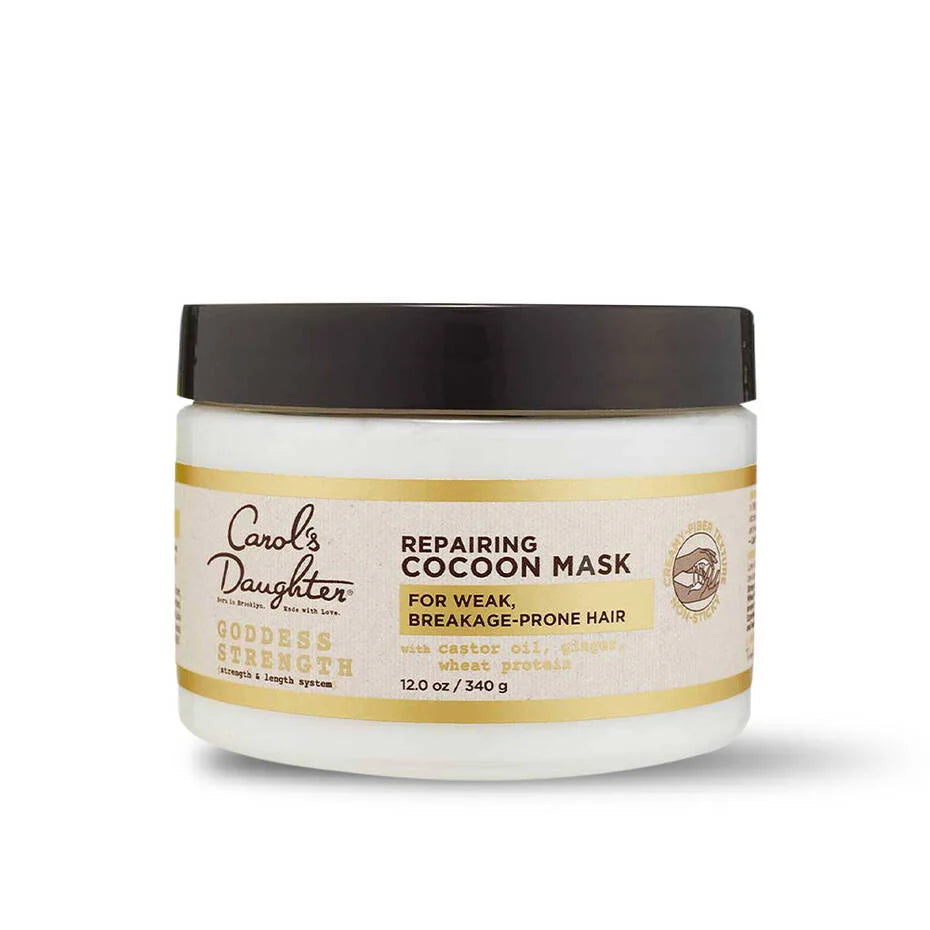
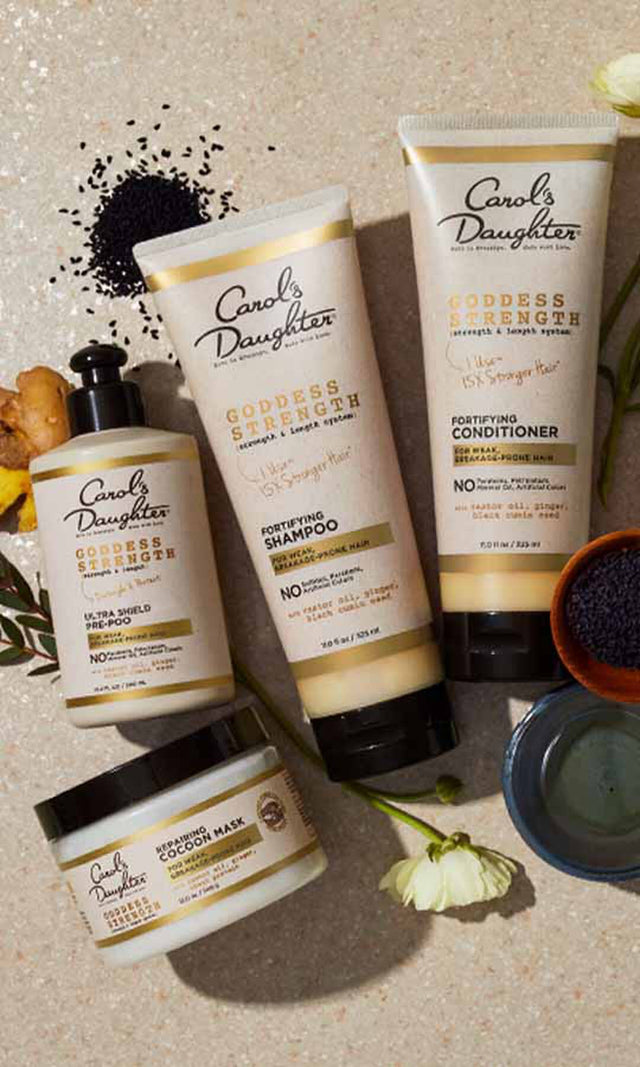
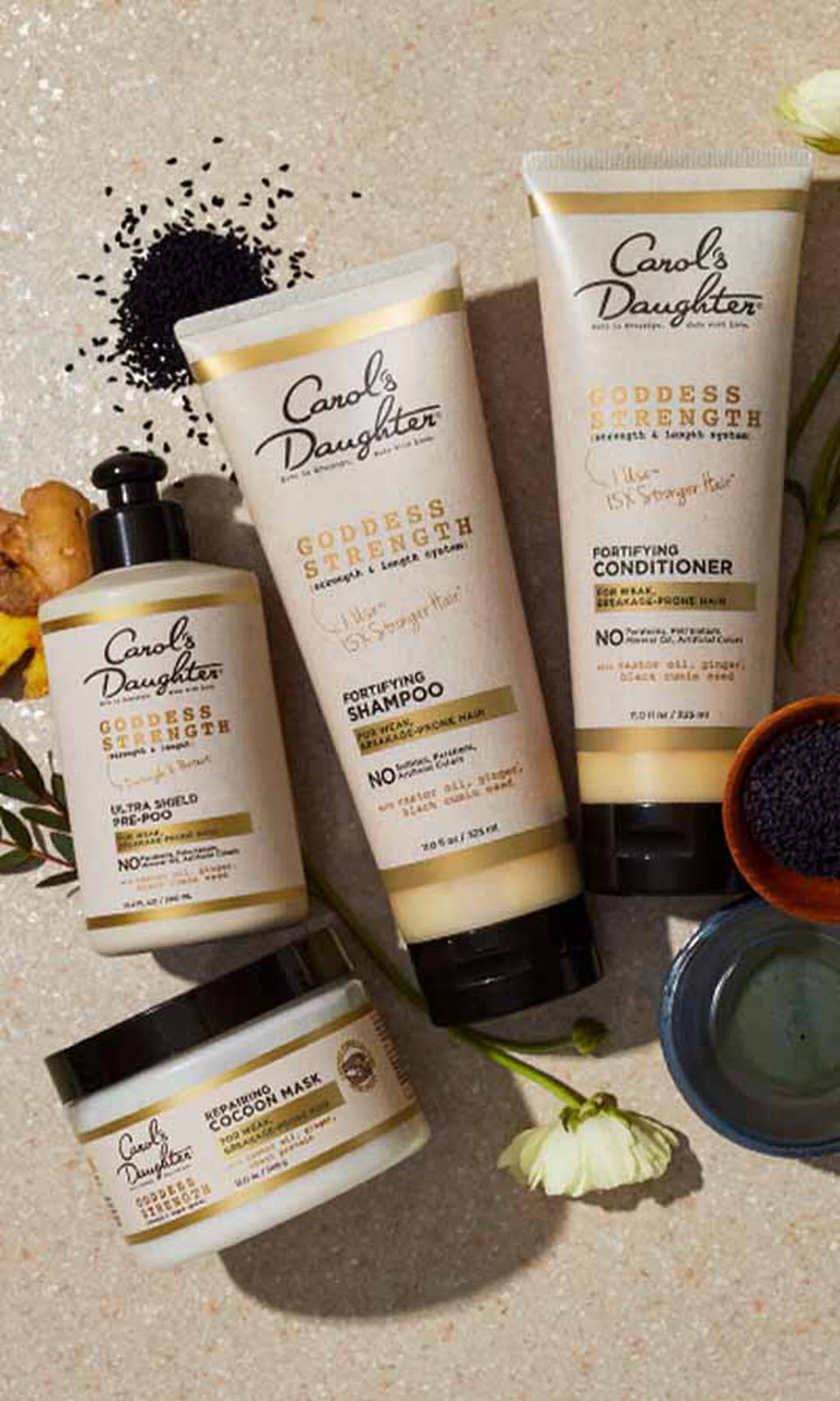
- A deep conditioning mask like the Goddess Strength Cocoon Hydrating Hair Mask
- A scalp oil treatment with the Goddess Strength 7-Oil Blend (an excellent scalp-stimulating treatment)
- A leave-in saturation for low porosity hair
Even then, hair should be damp, not soaking wet — and covered with a plastic cap before your bonnet.
For drying without heat damage before bed, see our complete guide to drying natural hair.
How Do You Keep Curly Hair From Frizzing Overnight?
Friction is your enemy. The more you toss and turn, the more friction — and the more frizz.
Three Frizz-Fighting Essentials
1. Satin or silk pillowcase
A non-negotiable upgrade if you don't already have one. Cotton pillowcases absorb moisture from your hair and create friction every time you turn.
2. Satin or silk bonnet or scarf
A bonnet stays on better than a scarf if you move a lot. A scarf works well if you tie it tightly.
3. Pre-bed product application
Apply a frizz-reducing smoother like the Hair Milk Refresher Spray and separate hair into braids or twists before tying up. Even if you move around, your hair stays contained — no cuticle rubbing, no frizz.
For more on frizz, see our complete guide to taming frizzy hair.
How Do You Revive Curls After Sleeping?
Even with a perfect night routine, your curls may need a morning refresh.
Step 1: Take Down the Style Carefully
For protective styles: make sure hair is completely dry before untwisting. Smooth a lightweight oil like the Goddess Strength 7-Oil Blend on top before unraveling — seals the cuticle, cuts down on frizz.
For pineapples or top knots: take out the hair tie and gently apply your morning product mix.
Step 2: Apply Morning Product
A small amount of the Coco Crème Coil Enhancing Moisture Butter plus a tiny bit of styling gel works well for most curl types. Smooth over hair before shaking out to fluff.
Avoid: too much touching and finger manipulation — that creates frizz.
Step 3: Let It Settle
Once product is applied, leave it alone. Smooth, then let it settle on its own.
Step 4: Add Volume
Use a pick to lift roots that flattened overnight.
Step 5: Finger-Twist Smooshed Spirals
For individual coils that got crushed, add a tiny bit of the Mimosa Hair Honey Shine Pomade to your fingers and twist the coil around to reshape it.
Step 6: Smooth Your Edges
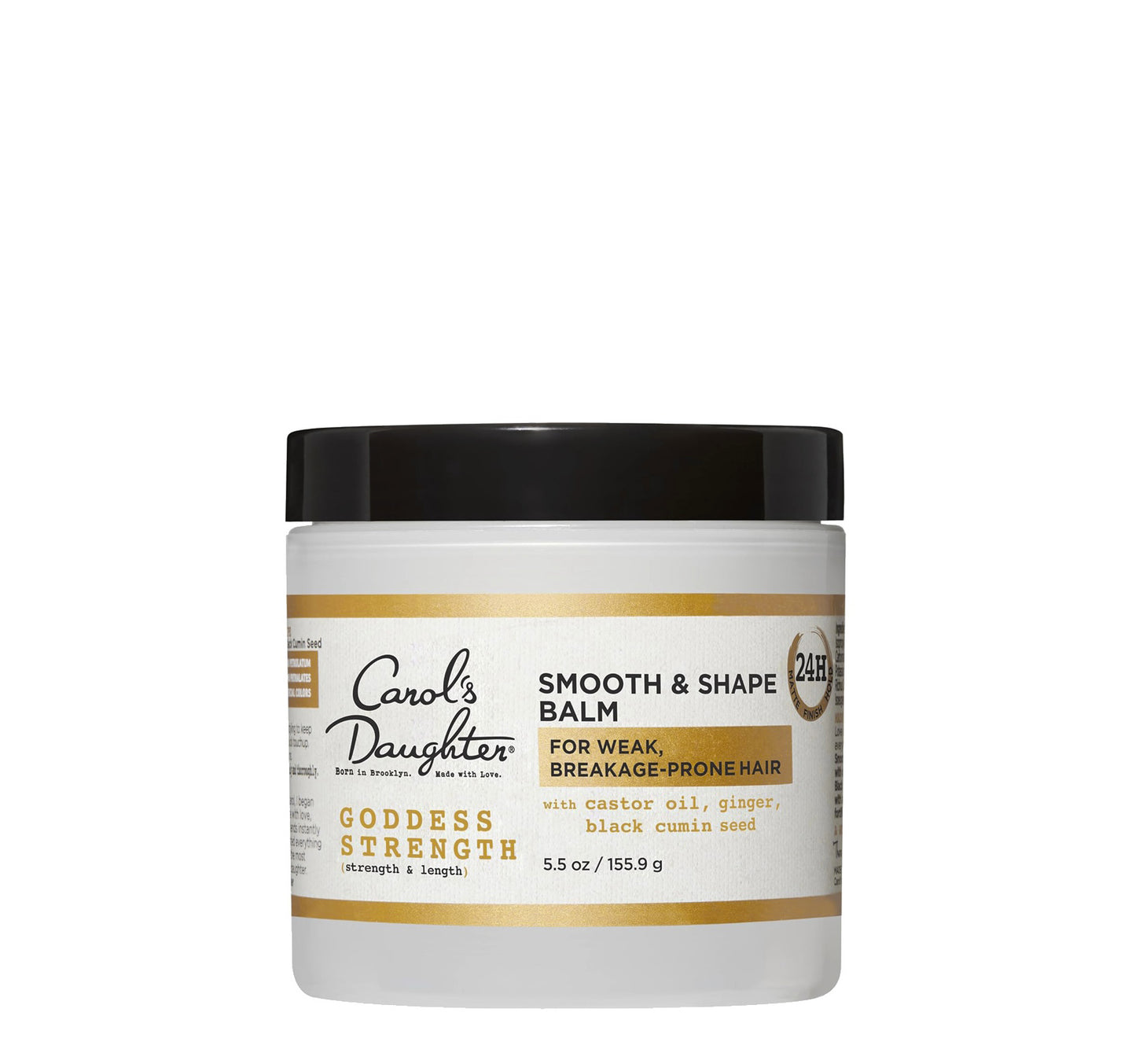
Slick down your edges with the Goddess Strength Smooth & Shape Balm and wrap the perimeter of your head with a satin scarf while you get dressed. Edges set while you get ready.
For more, see our complete guide to laying edges for beginners.
Frequently Asked Questions About Sleeping With Curly Hair
How often should I wash my satin pillowcase?
Once a week minimum — more often if you apply oils or treatments before bed. Buildup on the pillowcase transfers back to your hair.
Bonnet or pillowcase — which is better?
Both, ideally. The bonnet protects directly; the pillowcase is backup for when the bonnet slips off (which happens to most people during sleep). If you have to choose: bonnet if you sleep wild, pillowcase if you sleep still.
Can I sleep with a deep conditioner in my hair?
Yes — this is one of the best uses of overnight time. Apply a mask like the Goddess Strength Cocoon Hydrating Hair Mask, cover with a plastic cap, then add your bonnet. Rinse in the morning.
What's the best night routine for 4C hair?
4C hair benefits most from a moisturized, sectioned night routine. Apply leave-in cream, oil, then either twist into 6–8 sections or use a pineapple for shorter hair. Bonnet on. For more, see our complete guide to 4C hair.
Should I sleep with my hair down?
Almost never. Loose hair against any surface (even satin) creates more friction than contained hair. Always gather into a pineapple, bun, twists, or braids.
What if I'm bald or have very short curls?
A satin bonnet still helps — protects your scalp's natural oils and reduces friction. A satin pillowcase is enough if you don't have enough length to gather up.
Can sleeping with curly hair cause hair loss?
Not directly. But certain bad practices can: tight hair ties that pull at edges, sleeping with wet hair, or rough cotton fabrics. Switch to satin and use loose-hold scrunchies and you're protecting your hair.
How long do styles set in overnight last?
Twist-outs typically last 5–7 days with proper night protection. Bantu knot-outs last 3–5 days. Pineapples preserve existing curls for 2–3 days before they need refreshing.
Ready to upgrade your night routine?
For overnight moisture → Shop the Goddess Strength collection
For frizz-control essentials → Shop stylers & protective styling
For more curly hair routines → Read our complete guide to drying natural hair
Not sure where to start? → Take the Curl Quiz