

How to Tame Frizzy Hair: 16 Tips for Smoother, Defined Curls


How to Tame Frizzy Hair: 16 Tips for Smoother, Defined Curls
By Carol's Daughter — Updated May 2026
Quick Answer: Frizzy hair happens when the cuticle lifts and lets moisture escape — usually because of dryness, friction, humidity, or damage. The fastest way to tame frizz is to lock in moisture with a layered routine (sulfate-free shampoo, conditioner, leave-in, oil, and a styling cream), protect your hair while you sleep with satin or silk, and avoid the rough handling that raises the cuticle in the first place.
Managing frizzy curly hair is frustrating — there's no way around that.
Humidity, friction, damage, the wrong shampoo, sleeping uncovered — frizz has a long list of causes, which is why most "miracle" frizz fixes don't work. Real frizz control is about understanding what's happening at the cuticle and building a routine around it.
This guide breaks down what frizz actually is, why it happens, and 16 techniques that genuinely calm fuzz and restore definition.
What Is Frizzy Hair?
Frizzy hair looks rough, fuzzy, and unruly instead of smooth and defined. It's not a hair type — it's a condition that happens when the outer layer of your hair (the cuticle) is raised instead of lying flat.
Smooth, defined hair has a closed cuticle. Frizz is the visible sign that something is keeping that cuticle open.
What Causes Frizzy Hair?
Each strand of hair has a cuticle made of overlapping layers, like shingles on a roof. When those shingles lie flat, your hair looks smooth. When they lift, moisture escapes and your hair looks frizzy.
Common causes of a raised cuticle:
- Dryness — the most common culprit; thirsty hair pulls moisture from the air, which puffs up the cuticle
- Friction — from cotton pillowcases, terry cloth towels, rough brushing, or aggressive detangling
- Hot water — strips natural oils and lifts the cuticle
- Hair damage — from heat, color, or chemical processing
- Humidity — extra moisture in the air swells the strand
- Low porosity hair — soaks up moisture quickly but struggles to keep it sealed
When damage is the cause, frizz takes longer to reverse — but with consistent care and the right products, smoother curls are absolutely possible.
The 3 Types of Frizz
Not all frizz is the same. Identifying your frizz type helps you fix it faster.
- Surface frizz — flyaways and fuzz on the outer layer of your hair, usually from dryness, overwashing, or harsh products
- Halo frizz — fluffy texture concentrated at the crown, often from rough brushing or pillowcase friction
- In-the-curl frizz — fuzziness within your curl pattern itself, almost always caused by lack of moisture
Which Hair Types Are Most Prone to Frizz?
Curly and coily hair (3A through 4C) frizz the most — and it's not because the hair is unhealthy.
The tight bends in textured hair make it harder for sebum (your scalp's natural oil) to travel down each strand, which means the ends are almost always thirstier than the roots. That natural dryness is what makes frizz a constant battle for textured hair.
Wavy hair (2A–2C) experiences less frizz, and straight hair almost none — though significant frizz on type 1 or 2 hair can be a sign of damage.
How to Tame Frizzy Hair: 16 Tips That Work
The fundamentals: deeply moisturize, protect from friction, and seal the cuticle. Everything below is a variation on those three things.
1. Build Your Routine Around Moisture
Frizz is moisture loss made visible. Reverse it by making moisture the center of your routine.
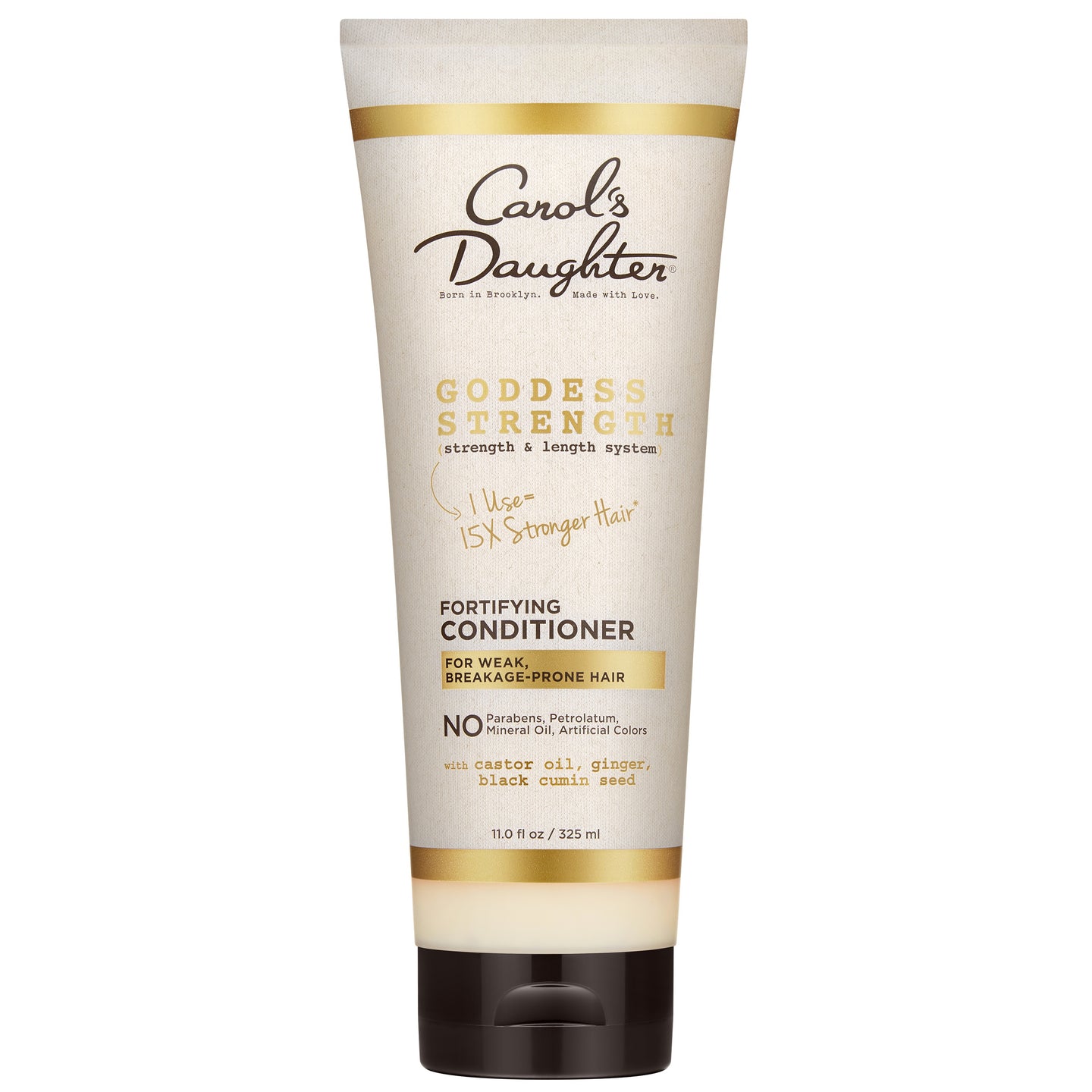
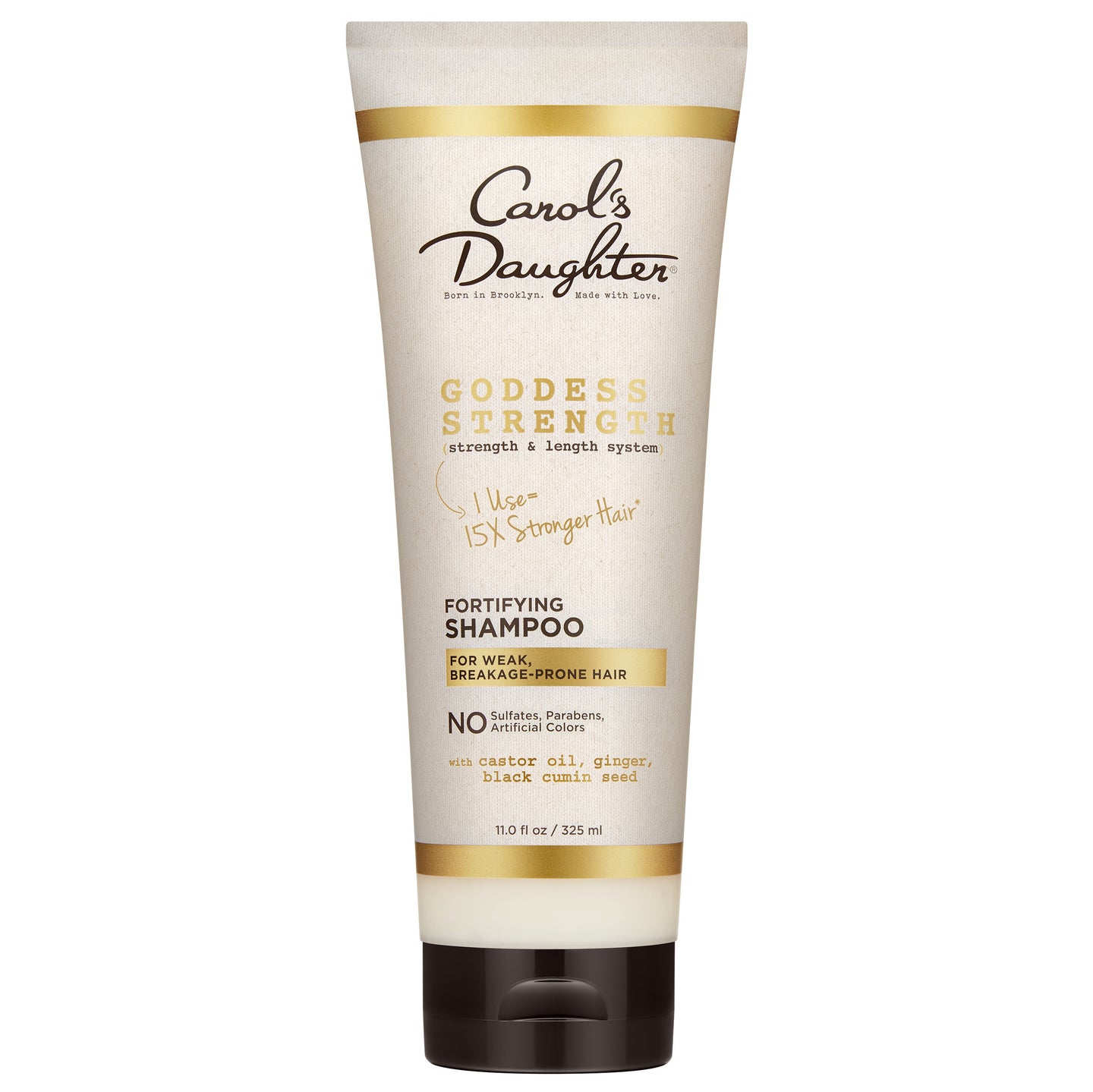
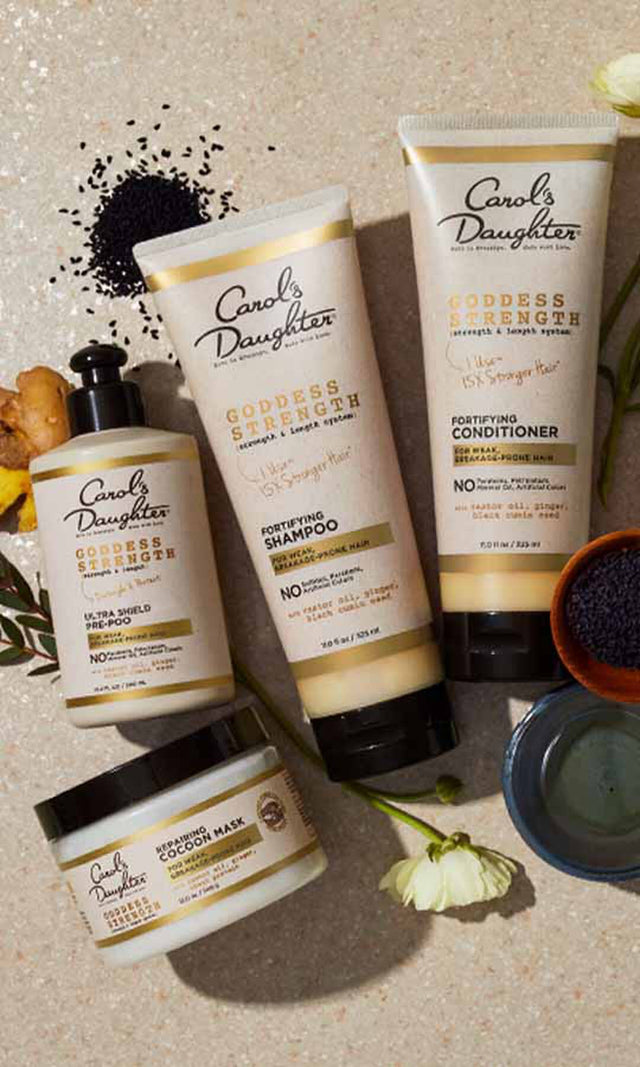
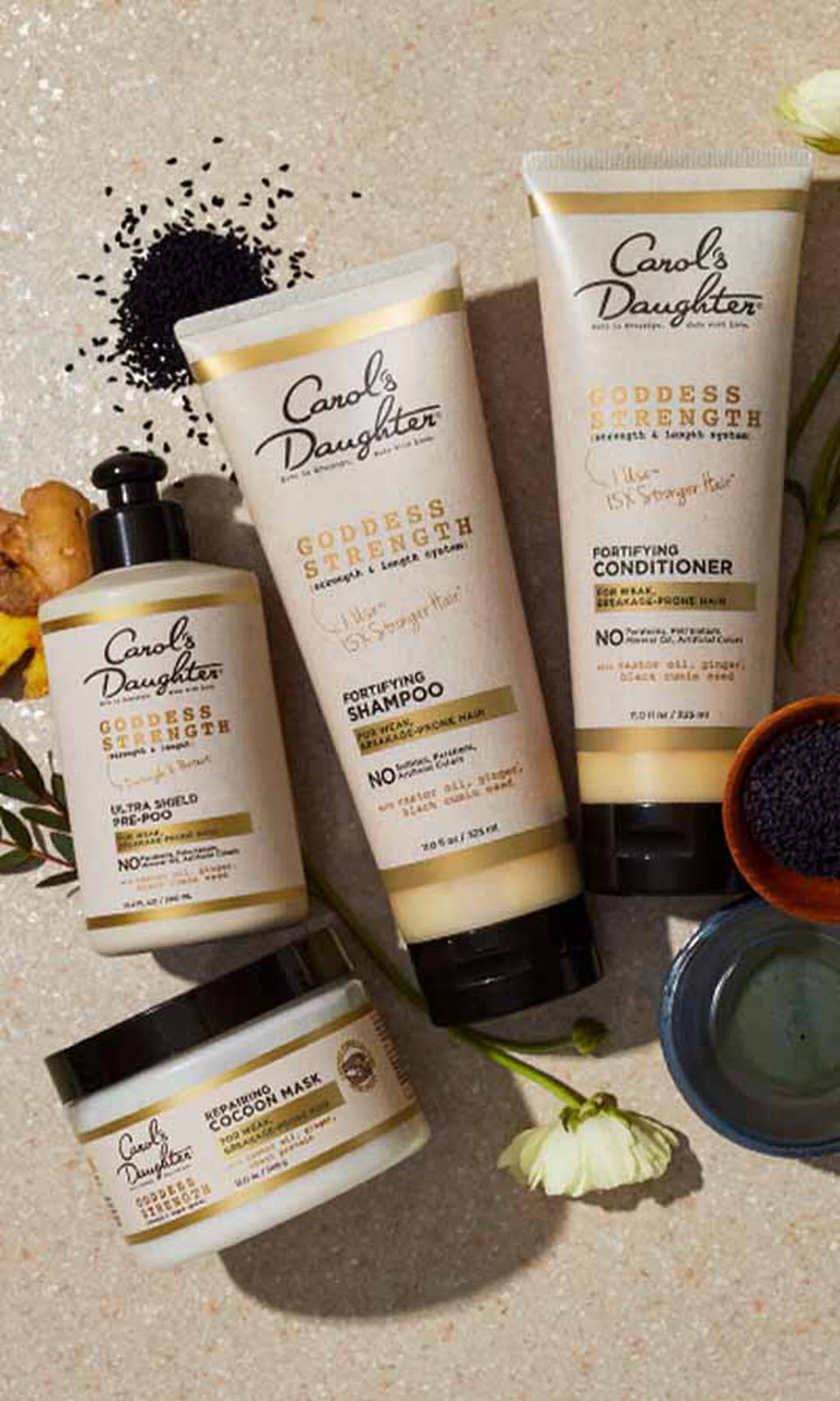
Start in the shower with a sulfate-free shampoo that cleanses without stripping. The Goddess Strength Fortifying Shampoo with Castor Oil gently cleanses while reinforcing weak strands, and the Goddess Strength Fortifying Conditioner layers in the hydration your hair needs.
The Goddess Strength line delivers up to 7x stronger hair and 86% breakage reduction with regular use.
2. Use the LOC Method
LOC = Leave-in, Oil, Cream. Apply in that order to layer moisture and seal it in.
- L — Hair Milk Original Leave-In Moisturizer for the moisture base
- O — Goddess Strength 7-Oil Blend Hair & Scalp Oil to seal the cuticle
- C — a styling cream or butter to lock everything in
Adjust the order if you have fine hair (cream first, oil second) so your strands don't get weighed down.
3. Skip the Brush (Most of the Time)
Brushing isn't always bad, but it's a frizz multiplier when done wrong. The wrong brush or rough technique creates friction that raises the cuticle.
If you're going to brush, use a flexible detangling brush on damp, conditioner-coated hair. Skip brushing on dry hair entirely unless you're refreshing curls with product.
4. Detangle Gently
Tangled hair frizzes more than smooth hair, and rough detangling damages the cuticle in the process.
The right way:
- Always detangle on damp, product-saturated hair
- Use a wide-tooth comb or fingers
- Work from the ends up to the roots, never the other way
For more, see our complete guide to detangling natural hair.
5. Cover Your Hair at Night
This one swap delivers more frizz reduction than any product.
Cotton pillowcases pull moisture from your hair and create friction with every toss and turn. Switch to:
- A satin or silk pillowcase, or
- A satin bonnet or scarf
For longer hair, pineappling — gathering your curls loosely on top of your head — protects definition and reduces overnight friction.
6. Add Oils Strategically
Oils help in two ways: they add moisture to the strand, and they seal moisture in to keep it there.
The Goddess Strength 7-Oil Blend combines castor, black cumin seed, jojoba, and four others — castor oil seals fraying ends, while jojoba mimics your scalp's natural sebum and absorbs without buildup.
7. Use a Silk or Satin Pillowcase
If a bonnet feels like too much commitment, the pillowcase swap alone makes a real difference.
Silk and satin have smoother surfaces than cotton, which means less friction and less moisture absorption from your hair. You wake up with curls that look closer to how they did when you went to bed.
8. Switch to a Microfiber Towel
Terry cloth towels are too rough for textured hair. Their loops catch on your cuticle and lift it as you dry.
Microfiber towels — or even a soft cotton T-shirt — absorb water without the friction. Press, don't rub.
The right drying technique:
- Squeeze excess water out of your hair with your hands first
- Wrap with a microfiber towel or T-shirt
- Press gently to absorb more water
- Let your hair air-dry the rest of the way, or use a diffuser on low
9. Reach for Anti-Frizz Stylers
Sometimes frizz happens despite your best routine — that's where styling products with hold come in.
For sleek styles and smoothing flyaways:
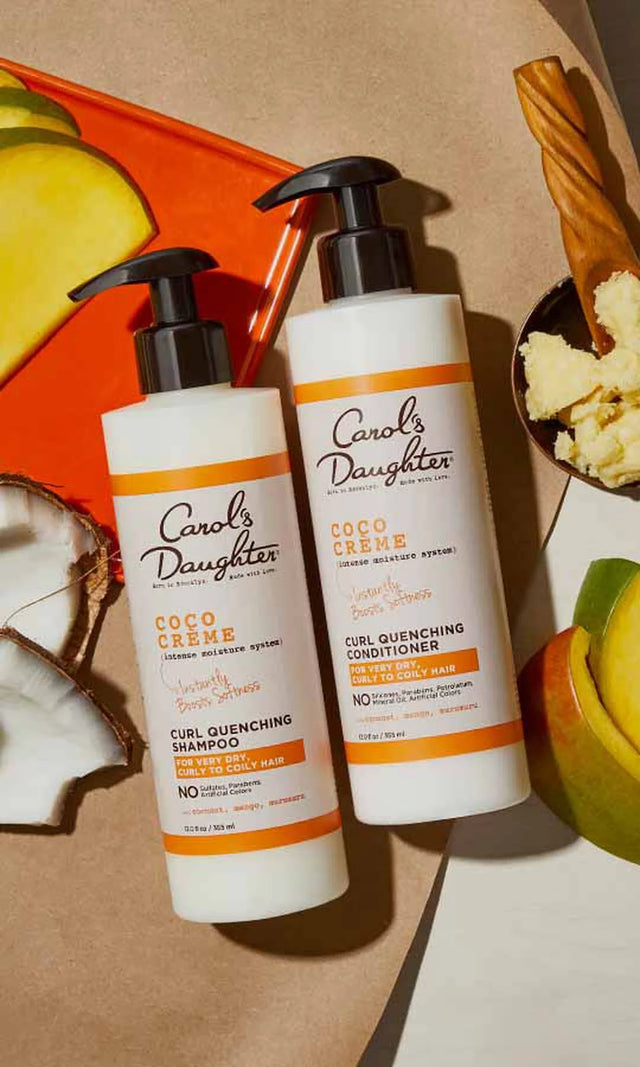
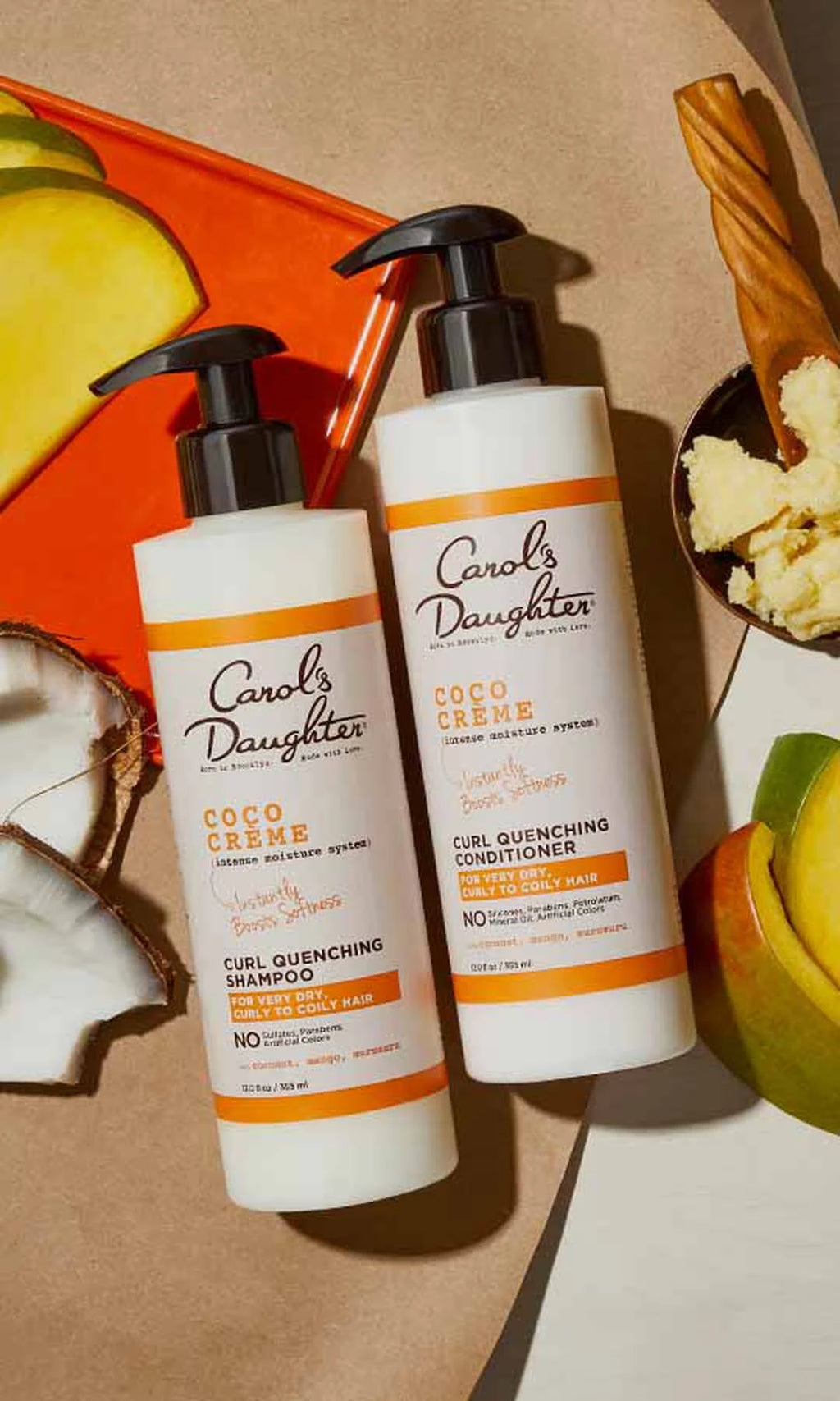
- Coco Crème Curl Shaping Cream Gel with Coconut Oil — keeps even fine, wispy hairs in place without crunch or grease, and doubles as an edge product
- Black Vanilla Moisture & Hold Jelly — up to 72 hours of moisturized hold without flakes
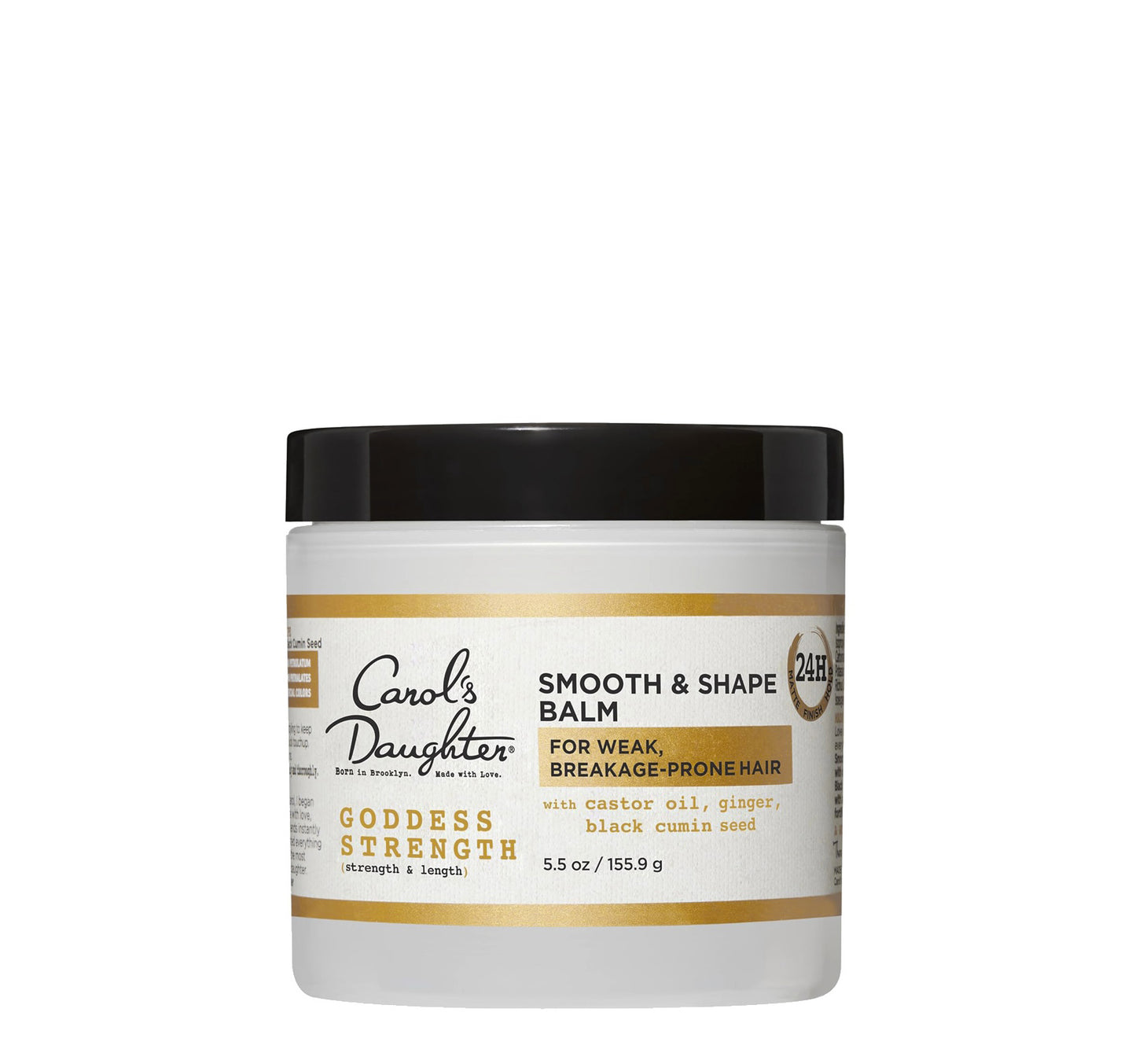
- Goddess Strength Smooth & Shape Balm — controls frizz for up to 48 hours, perfect for sleek ponytails and buns
10. Wear It Up
Frizz is more obvious when hair is down. Buns, ponytails, top knots, and updos hide a lot.
A styling balm or gel works double duty here — it sleeks the look and locks down flyaways while you're at it.
11. Embrace Your Natural Texture (Especially in Humidity)
Trying to fight your texture on a humid day is a losing battle. Your hair will pull moisture from the air and revert no matter what.
Save heat styling and stretched looks for low-humidity days. On muggy days, lean into your natural curl pattern with a defining cream and a styling product with hold.
12. Trim Split Ends Regularly
Split ends are frayed strands — and frayed strands look frizzy no matter how much product you use.
A trim every 8–12 weeks (or 12–16 weeks if you protective-style consistently) keeps your ends fresh and your overall hair looking smoother.
13. Protect Hair from the Sun
UV exposure dries and damages the cuticle, just like it damages your skin.
On long sunny days, throw on a hat or wrap your hair in a scarf. UV-protective hair sprays exist too, but physical barriers work better.
14. Adapt Your Routine to the Season
Hair behaves differently as the weather changes.
- Summer & humidity — use anti-humidity stylers, lean into your natural curl pattern
- Fall & winter — drier air pulls moisture from your hair; deep condition more often, layer heavier products
- Transitional months — pay attention to what your hair is asking for and adjust before frizz takes over
15. Use the Right Tools for Heat Styling
If you're going to heat style, the right tools reduce frizz instead of creating it.
- Ionic dryer — generates negative ions that smooth the cuticle as you dry
- Ceramic flat iron or curling barrel — distributes heat evenly without creating hot spots
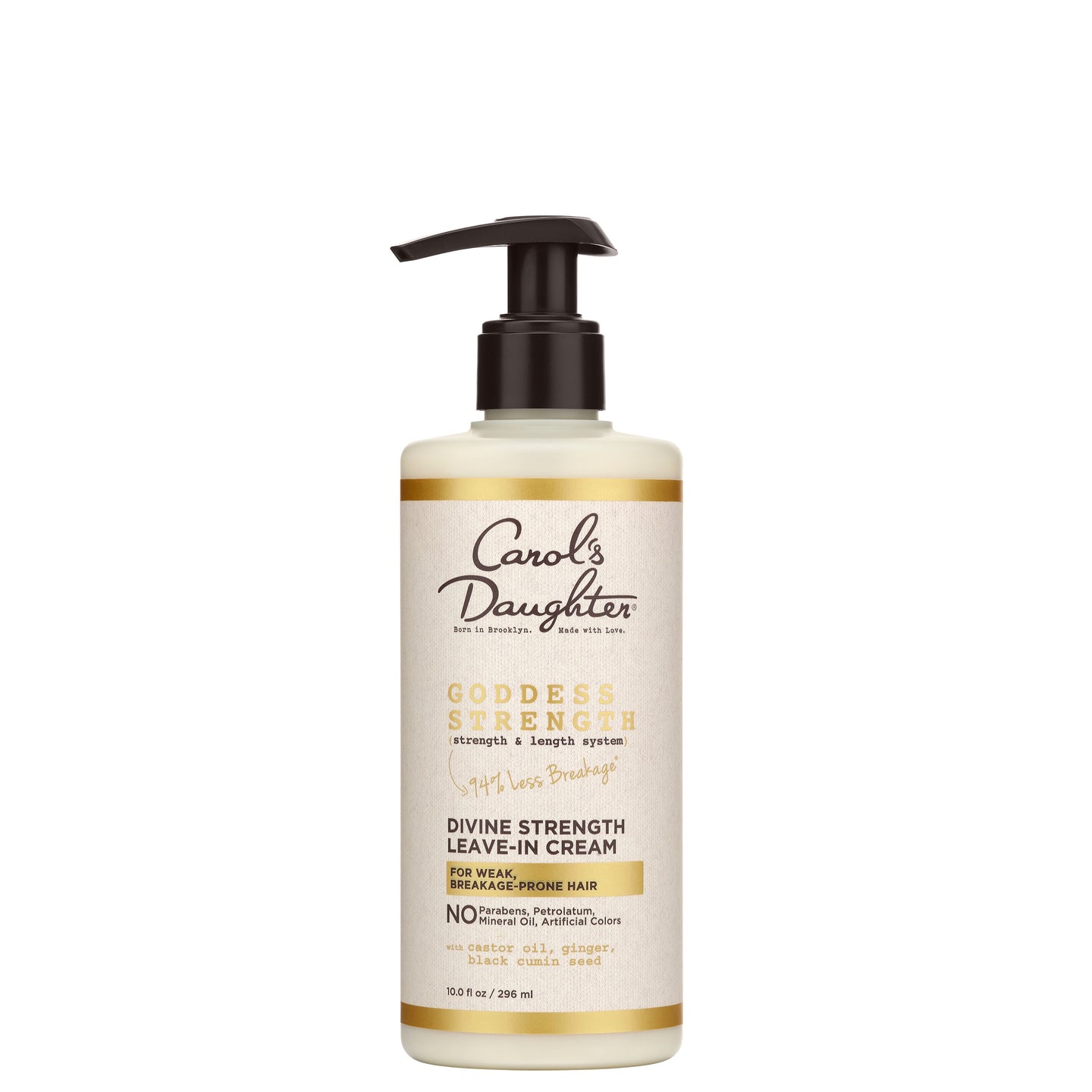
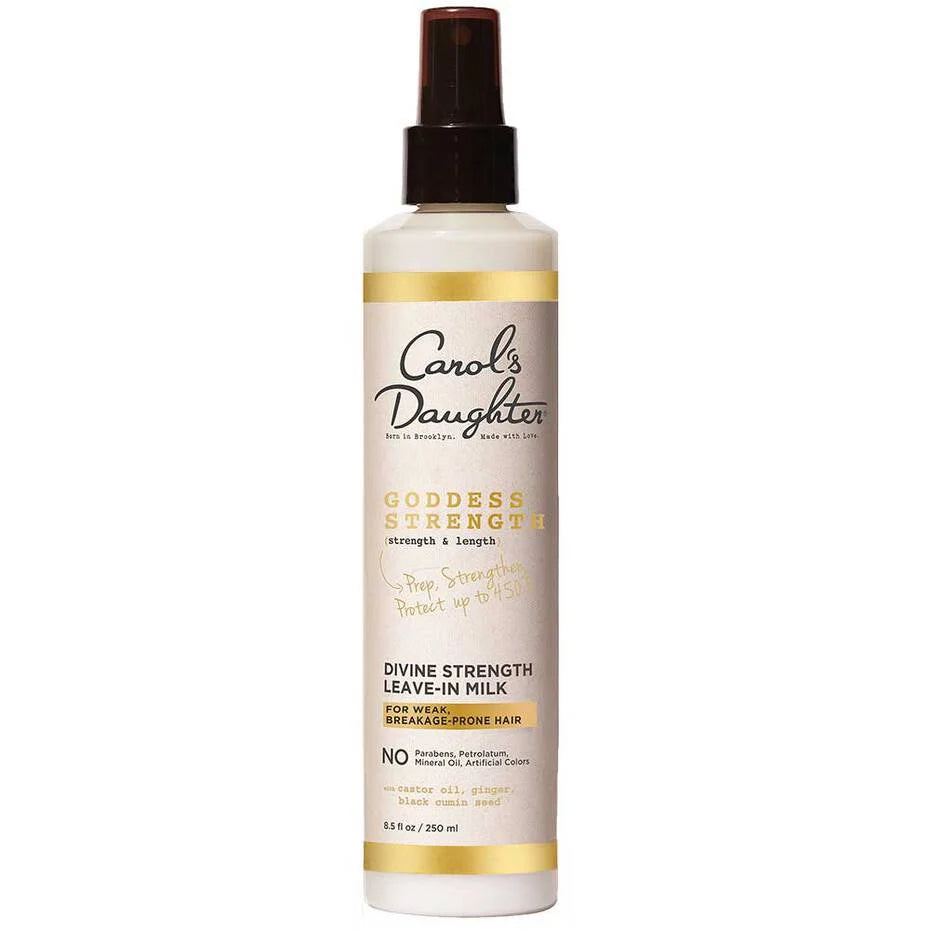
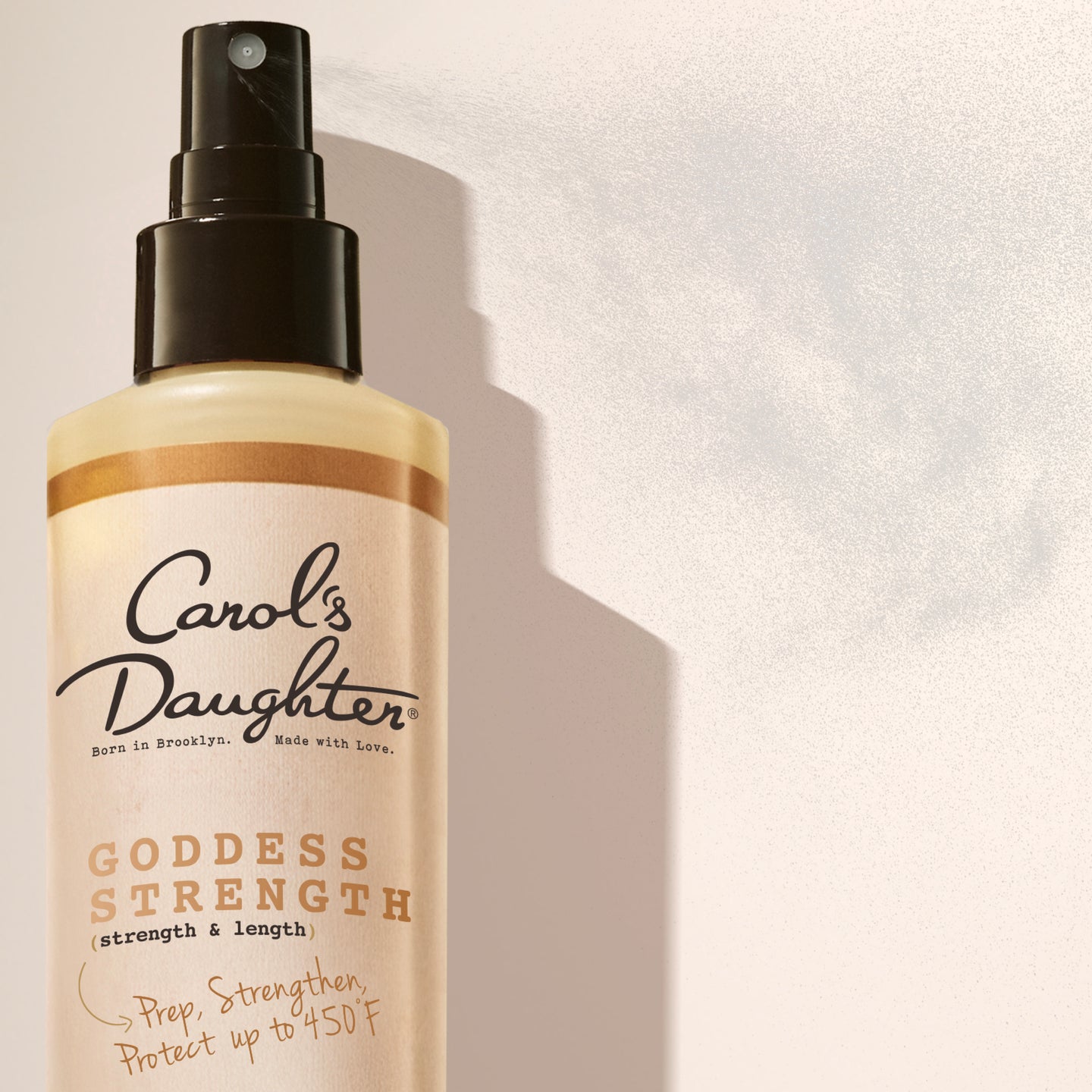
- Heat protectant — non-negotiable; the Goddess Strength Divine Strength Leave-In Milk protects up to 450°F
16. Refresh Mid-Week with Stylers
Day-three or day-four hair doesn't have to be frizzy hair. A quick refresh with a styling product on damp hair can resurrect your wash day.
Choose your refresh product based on the hold you need:
- Light hold — leave-in conditioner or curl refresher spray
- Medium hold — defining cream
- Strong hold — gel or jelly
How to Tame Frizzy Hair Overnight
Some of the best frizz control happens while you sleep.
The overnight reset:
- Section damp or dry hair into 4–6 large chunks
- Apply a moisturizing styler to each section to smooth humidity-induced frizz
- Twist or pin each section, or create Bantu knots
- Wrap with a silk scarf or pull on a satin bonnet
- Take down in the morning for refreshed, smoothed curls
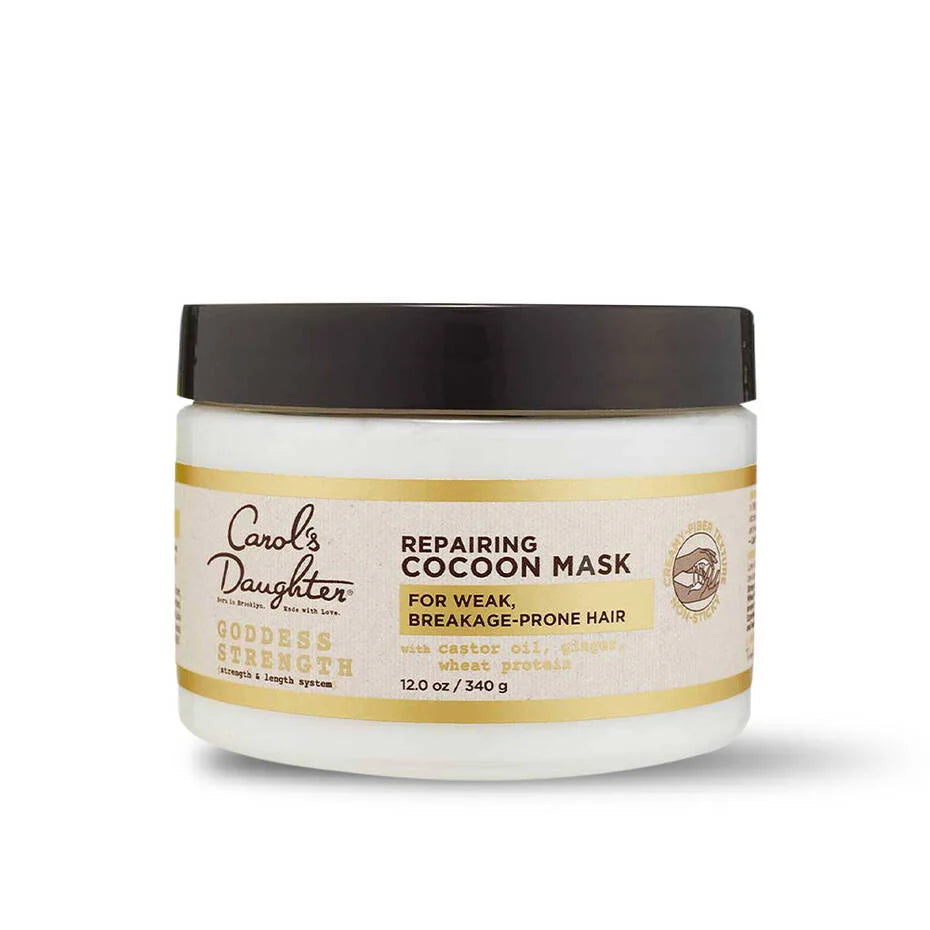
If you're closer to wash day, swap the styler for a deep conditioning treatment like the Goddess Strength Cocoon Hydrating Hair Mask and use a conditioning cap if it's comfortable. Rinse out in the morning, then style.
What Are the Best Products for Frizzy Hair?
The best frizz fighters do two things: deeply moisturize and seal in that moisture.
A frizz-fighting wash day lineup:
- A creamy, sulfate-free shampoo
- A moisturizing conditioner (not too heavy)
- A leave-in conditioner
- A nourishing oil
- A styling cream or butter
The Goddess Strength collection covers all five steps with products built around castor oil — a heavier oil that's especially effective at sealing the cuticle and locking moisture in.
What Are the Best Hairstyles for Frizzy Hair?
Twist outs, flexi-rod sets, and box braids all enhance curl definition while limiting the kind of handling that causes frizz.
The trick: apply a sealing oil as your last step before the style sets. This closes the cuticle and helps the style hold up to humidity.
If a wash-and-go is your default, the rule is don't touch your hair after applying products. Every finger pass disturbs the curl clumps you just formed, which means frizz once it dries.
Common Mistakes That Cause Frizz
| Mistake | Why it causes frizz | What to do instead |
|---|---|---|
| Drying with a terry cloth towel | Creates friction on wet, fragile hair | Use a microfiber towel or T-shirt |
| Using water that's too hot | Strips natural oils and lifts the cuticle | Wash with lukewarm water |
| Skipping sun protection | UV rays damage the cuticle | Wear a hat or scarf on sunny days |
| Brushing aggressively | Friction raises the cuticle | Detangle gently with a wide-tooth comb |
| Overshampooing with sulfates | Strips moisture | Use sulfate-free, wash 1–2x weekly |
| Using the wrong products | Heavy products can over-saturate; light ones can under-deliver | Match product weight to your texture |
Find Your Personalized Routine
Knowing your curl type makes choosing the right anti-frizz products much easier.
Take the Curl Quiz → A 5-step quiz that identifies your hair type, main concerns, and the products built for your texture.
Frequently Asked Questions About Frizzy Hair
Why is my hair so frizzy even after I use products?
The most common reason is that your hair isn't getting enough moisture, or the products you're using aren't sealing it in. Frizz needs both moisture and sealing — a leave-in conditioner without an oil or cream over it often leaves your strands open to humidity. Layer your products in the LOC order (leave-in, oil, cream) for the best results.
How do I get rid of frizz without cutting my hair?
You don't need to cut your hair to fix frizz unless your ends are severely split. Most frizz is fixable with consistent moisture, gentler handling, and the right styling products. Trims every 8–12 weeks help maintain smoothness, but big chops aren't usually necessary.
Can frizzy hair be healthy?
Yes. Frizz is often a sign of dryness or friction, not damage. Healthy hair can frizz in humidity or after a rough night's sleep. The way to tell the difference: damaged frizz is usually paired with breakage, split ends, and rough texture, while everyday frizz responds quickly to moisture and protective styling.
Does humidity make frizzy hair worse?
Yes. In humidity, your hair pulls moisture from the air, which swells the strand and lifts the cuticle. Anti-humidity stylers create a barrier that helps your hair hold its shape. On extra-humid days, lean into your natural curl pattern instead of fighting it.
What ingredients should I look for in anti-frizz products?
Look for moisturizing ingredients (shea butter, glycerin, coconut oil, aloe), sealing oils (castor oil, jojoba oil, black cumin seed oil), and humectants in moderation. Avoid sulfates in shampoo, drying alcohols (denatured alcohol, isopropyl alcohol) in stylers, and heavy silicones that build up over time.
Ready to put frizz behind you?
For moisture and strength → Shop the Goddess Strength collection
Browse by your hair concern → Shop the frizzy hair collection
Not sure where to start? → Take the Curl Quiz