How to Wash 4B Hair Properly


How to Wash 4B Hair Properly
By Carol's Daughter — Updated May 2026
Quick Answer: 4B hair should be washed every 1–2 weeks — washing too often strips the natural oils 4B coils need to stay moisturized. The proper wash routine: pre-poo with a moisturizing treatment for 10 minutes, cleanse with a sulfate-free shampoo focused on the scalp, condition the lengths, follow with a deep conditioner once a week, finger-detangle in the shower, then dry with a microfiber towel and apply a lightweight leave-in. The keys to healthy 4B wash days: prioritize moisture at every step, work in sections, and don't overwash.
Washing 4B hair takes a different approach than washing straight or even looser curly hair.
4B coils are densely packed, naturally dry, and prone to shrinkage. The wrong wash routine — too much shampoo, too-hot water, harsh products, daily washing — strips moisture faster than 4B hair can recover from it. The right routine, done every 1–2 weeks, gives your coils the cleansing they need while protecting the moisture they're constantly working to retain.
Here's exactly how to wash 4B hair the right way.
What Is 4B Hair?
4B hair is the second-tightest curl pattern on the hair type scale (1A to 4C).
Defining features:
- Zig-zag curl pattern — bent or crimped rather than the S-shape of looser curls
- Micro coils making up each strand
- High shrinkage — hair appears much shorter dry than when wet or stretched
- Densely packed — high strand count per square inch
- Naturally dry — coily textures struggle to distribute natural scalp oils down the strand
Because 4B hair is so densely packed and zigzag-shaped, the natural oils your scalp produces can't easily travel down each strand. That's why 4B hair feels persistently dry no matter how much oil your scalp produces — and why your wash-day routine needs to focus on adding and locking in moisture at every step.
For broader 4B hair education, see our complete guide to 4C hair care — many of the principles apply to 4B equally.
How Often Should 4B Hair Be Washed?
Every 1–2 weeks is the sweet spot for most 4B hair.
Factors that may affect your frequency:
Wash More Often (Every 7–10 Days) If You:
- Live in a humid, polluted, or smoky environment
- Sweat heavily from workouts
- Use heavy styling products that build up quickly
- Have a scalp that feels itchy or scratchy between washes
- Notice flaking or buildup on your scalp
Wash Less Often (Every 2 Weeks) If You:
- Wear protective styles like box braids or locs
- Use minimal styling products
- Have a dry scalp that doesn't produce excess oil
Universal signal: When you find yourself scratching incessantly at your scalp, that's usually buildup talking. Time for a wash.
For more on scalp care, see our complete scalp care routine guide.
Find Your Personalized Routine
Within 4B, individual hair varies — porosity, density, and condition all affect your specific wash needs.
Take the Curl Quiz → A 5-step quiz that identifies your hair type, main concerns, and the products built for your texture.
How to Wash 4B Hair: 5-Step Routine
Step 1: Pre-Poo to Add Moisture
This is the step most people skip — and it's the one that makes the biggest difference for 4B hair.
A pre-poo (pre-shampoo treatment) creates a protective moisture layer on your hair before you shampoo, preventing the shampoo from stripping your natural oils.
How to do it:
- Section your dry, unwashed hair into 4–6 parts
- Apply the Born to Repair 60-Second Moisture Treatment with Shea Butter from root to tip
- Cover with a shower cap to lock in the heat
- Let sit for 10 minutes minimum
- Rinse before shampooing
The shea butter and moisture-rich formula softens your hair, makes detangling easier, and creates a buffer between your hair and the shampoo.
Step 2: Shampoo (the Right Way)
4B hair needs sulfate-free shampoo. Always.
Pre-shampoo prep:
- Saturate your hair completely with lukewarm water for 45 seconds to 1 minute
- Low-porosity 4B hair takes longer to soak through — make sure your hair is dripping wet before applying shampoo
- Section your hair into 4 parts (or more for longer hair)
Application:
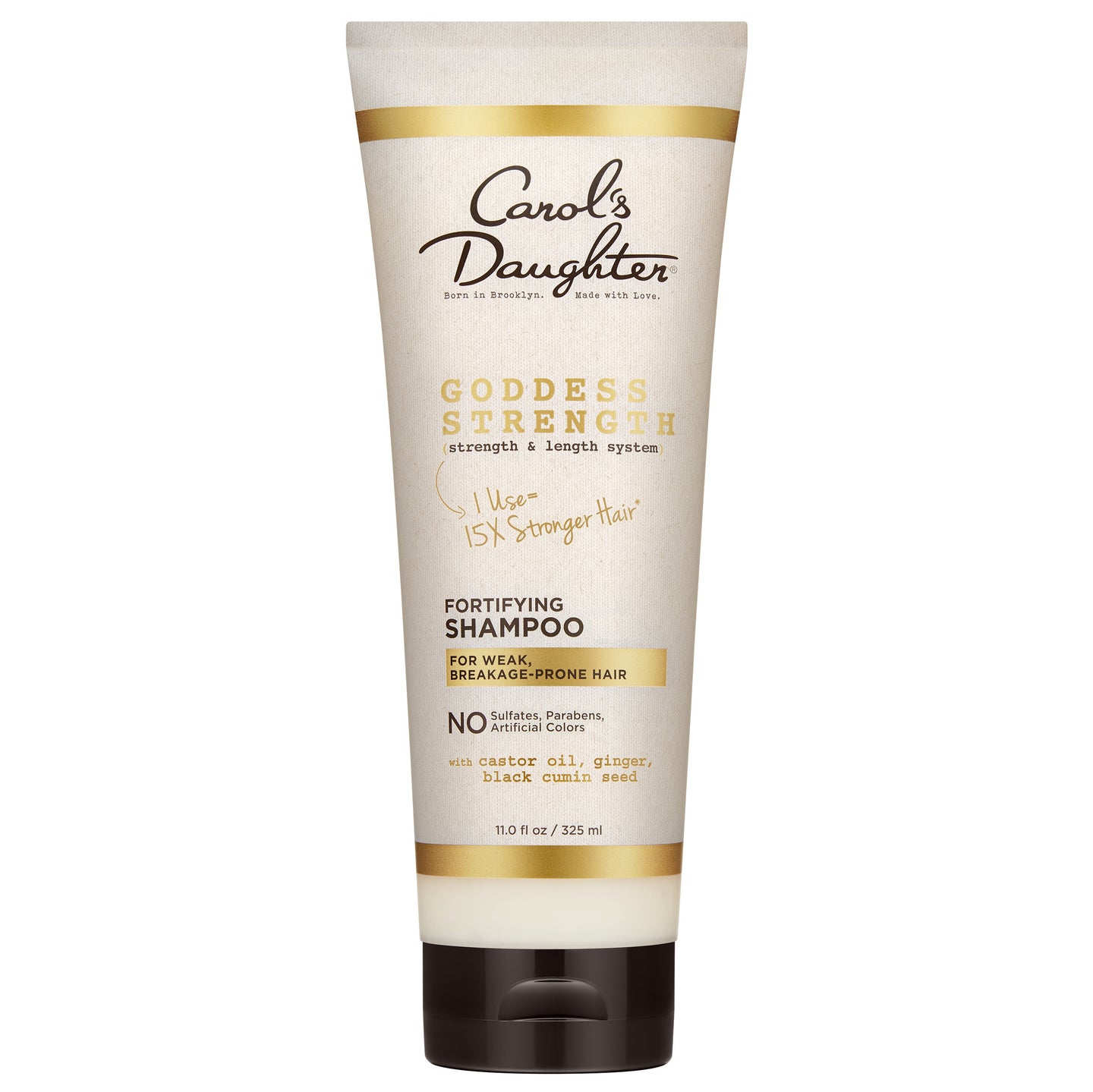
For everyday cleansing, use the Goddess Strength Fortifying Shampoo with Castor Oil — castor oil, black cumin seed oil, and ginger cleanse without stripping, while strengthening hair.
For deeper cleansing (after a protective style or several weeks between washes), use the Wash Day Delight Sulfate Free Shampoo for Curly Hair — the pointed-tip applicator targets your scalp precisely with minimal parting.
Technique:
- Apply shampoo to your scalp only — your scalp can handle direct application; your lengths cannot
- Lather at the scalp first, then let the suds glide down through the lengths as you rinse
- Use your fingers (not nails) in a back-and-forth motion (not circular)
Step 3: Condition (and Deep Condition)
Conditioning is where 4B hair gets the moisture back that washing removes.
Regular conditioning:
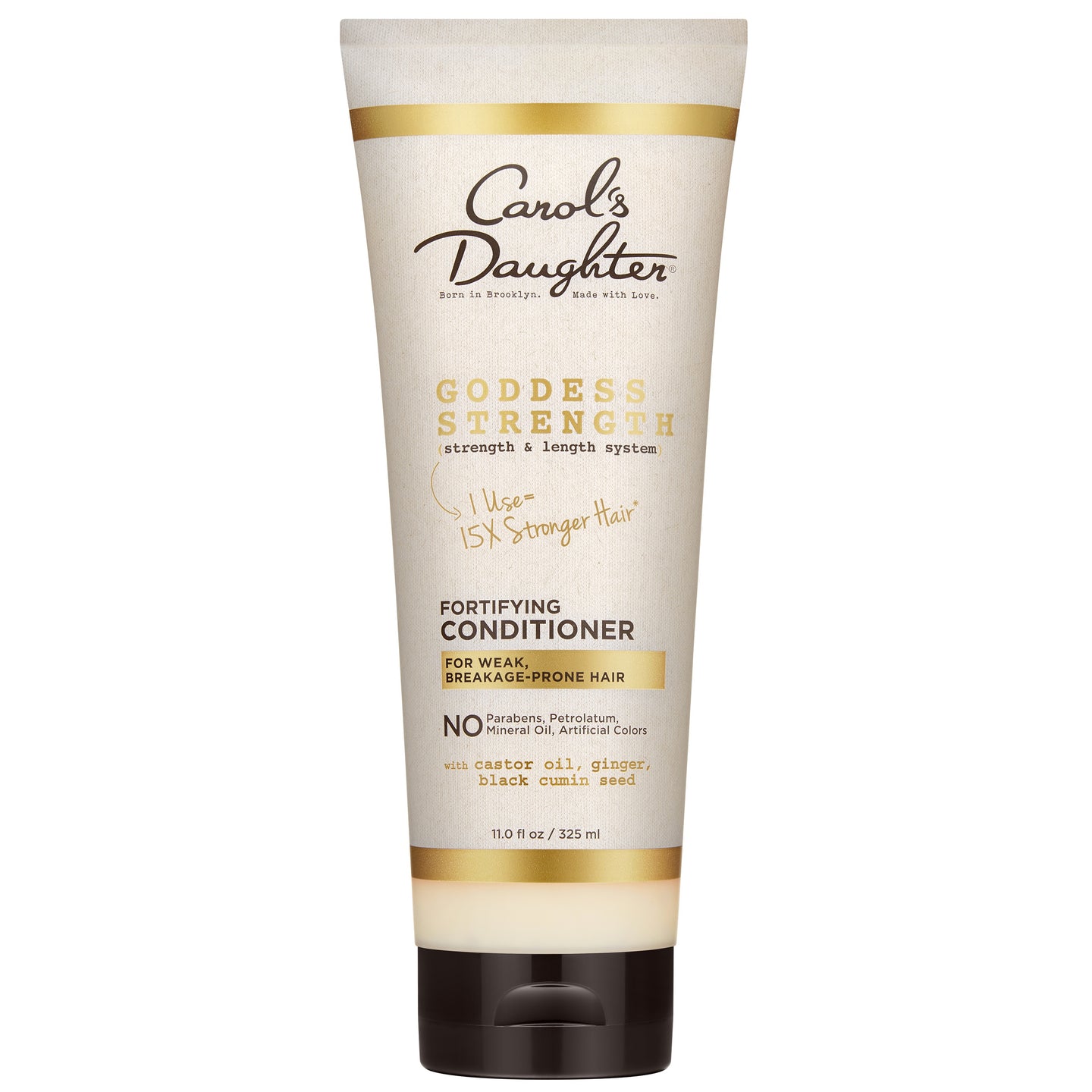
Apply the Goddess Strength Fortifying Conditioner with Castor Oil — softens, strengthens, and adds slip for detangling.
- Apply from mid-lengths to ends — never the scalp
- Let it sit 3–5 minutes
- Rinse with cool water to seal the cuticle
Deep conditioning (weekly or every other wash):
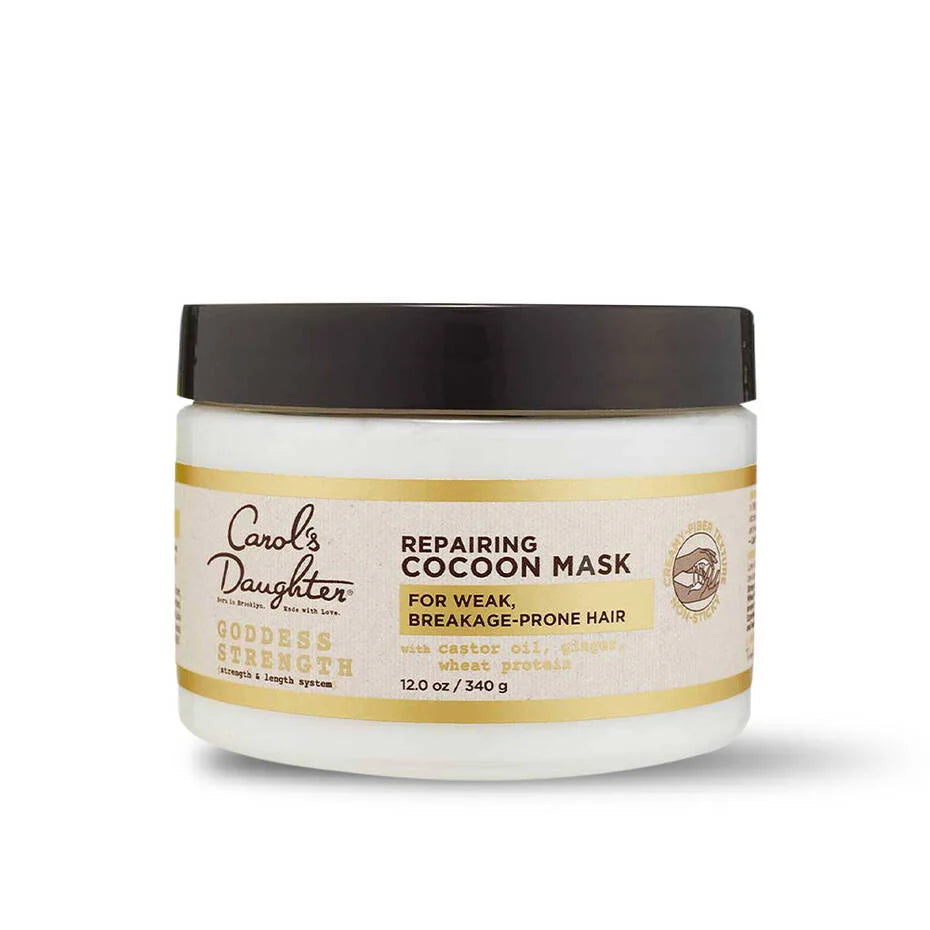
Add the Goddess Strength Cocoon Hydrating Hair Mask — intense moisture treatment that restores, rebuilds, and protects.
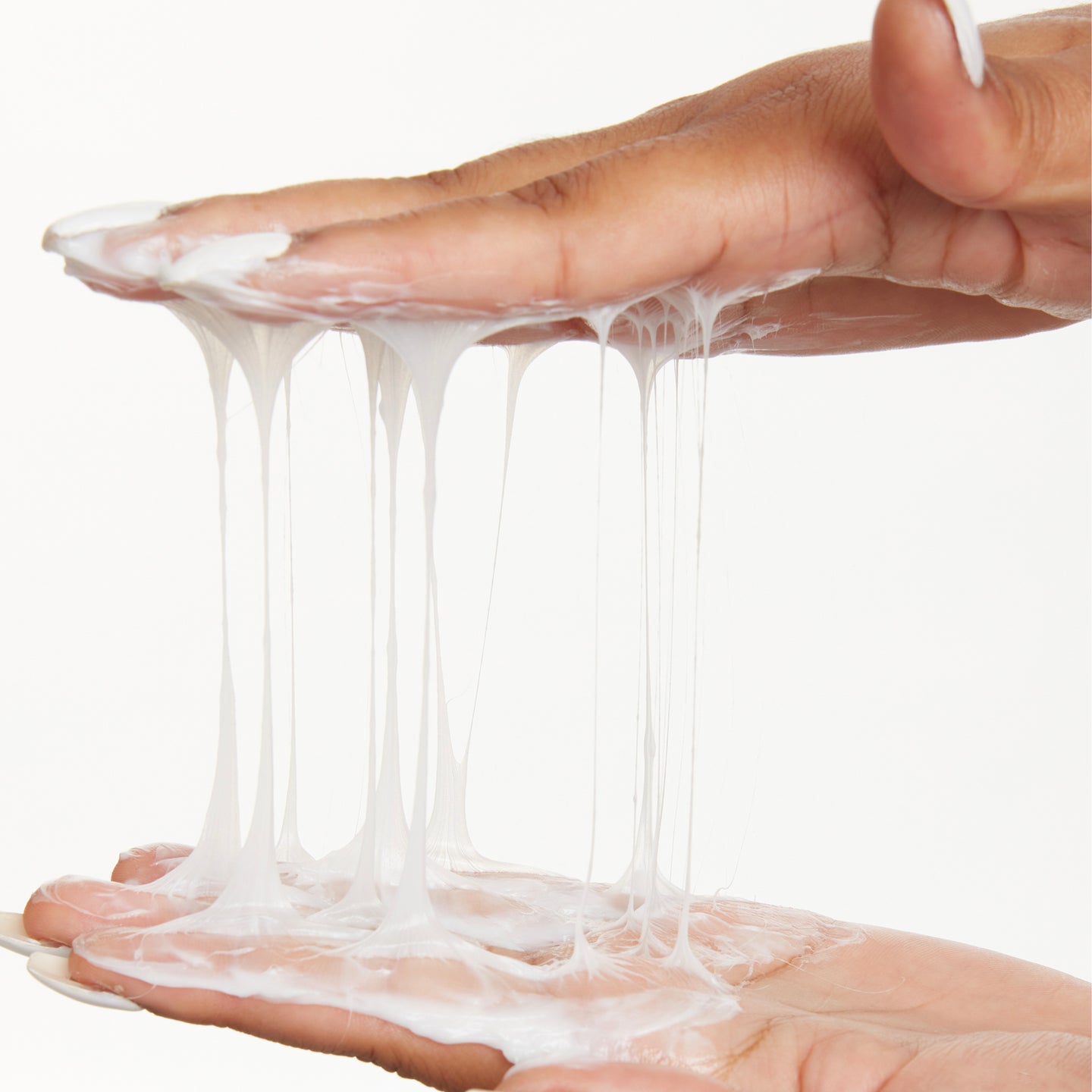
- Rub the formula between your palms to activate
- Work through wet hair
- Let sit for 5 minutes (longer if you have time)
- Rinse thoroughly
Step 4: Detangle With Your Fingers
If you've properly pre-pooed, shampooed, and conditioned, most tangles will slide out with finger-combing.
Technique:
- Detangle while conditioner is still in your hair (slip + moisture = easier detangling)
- Use your fingers first — they identify and work through knots without breaking strands
- For stubborn tangles, follow up with a wide-tooth comb working from ends upward
- Never detangle dry 4B hair — too much breakage risk
For more on detangling techniques, see our complete guide to detangling natural hair.
Step 5: Dry and Style
How you dry sets up everything that follows.
Drying options:
- Air-dry overnight — wrap in a satin or silk scarf/bonnet first to reduce friction
- Blow-dry with a diffuser attachment — low heat only
- Microfiber towel — squeeze excess water; never rub
Post-wash moisture:
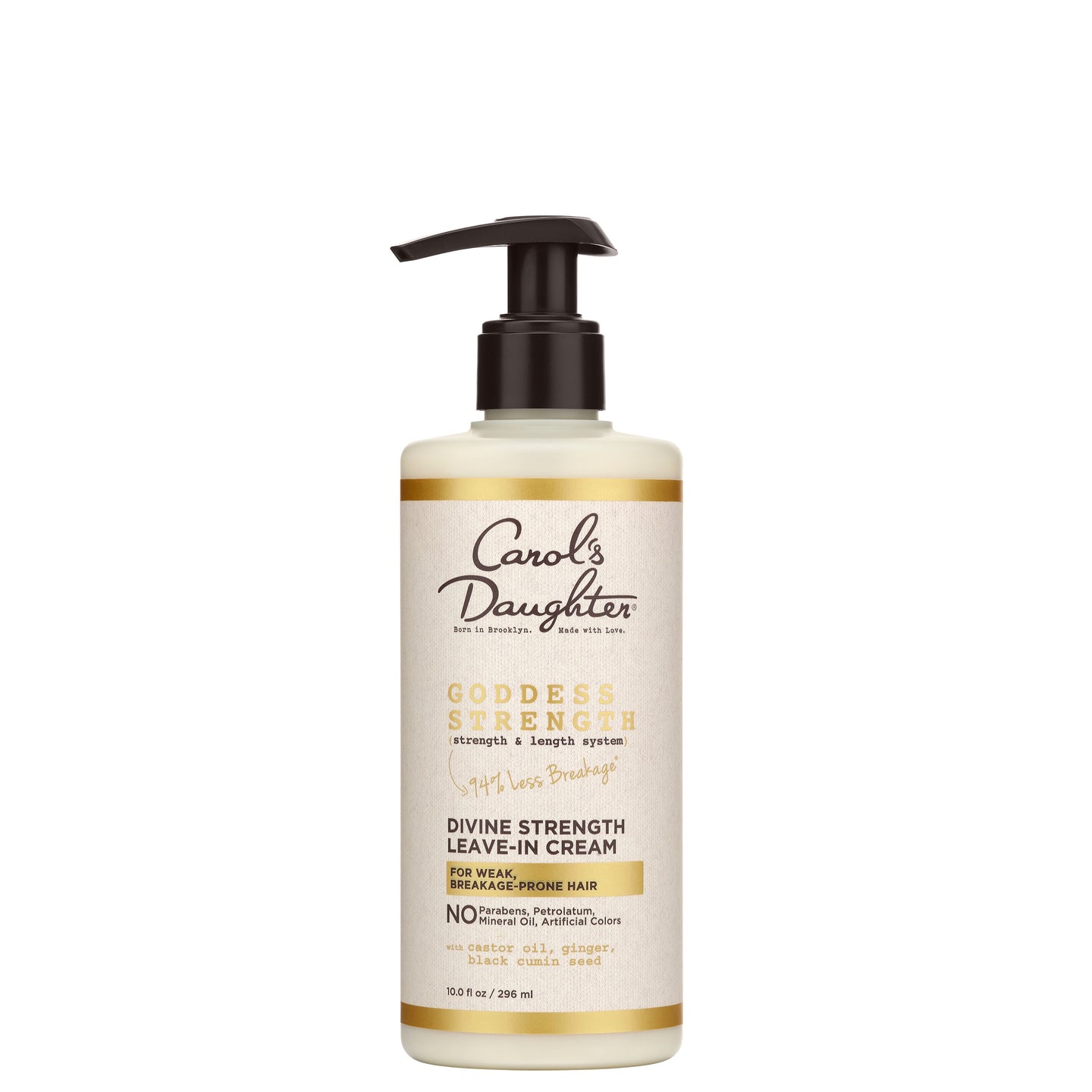
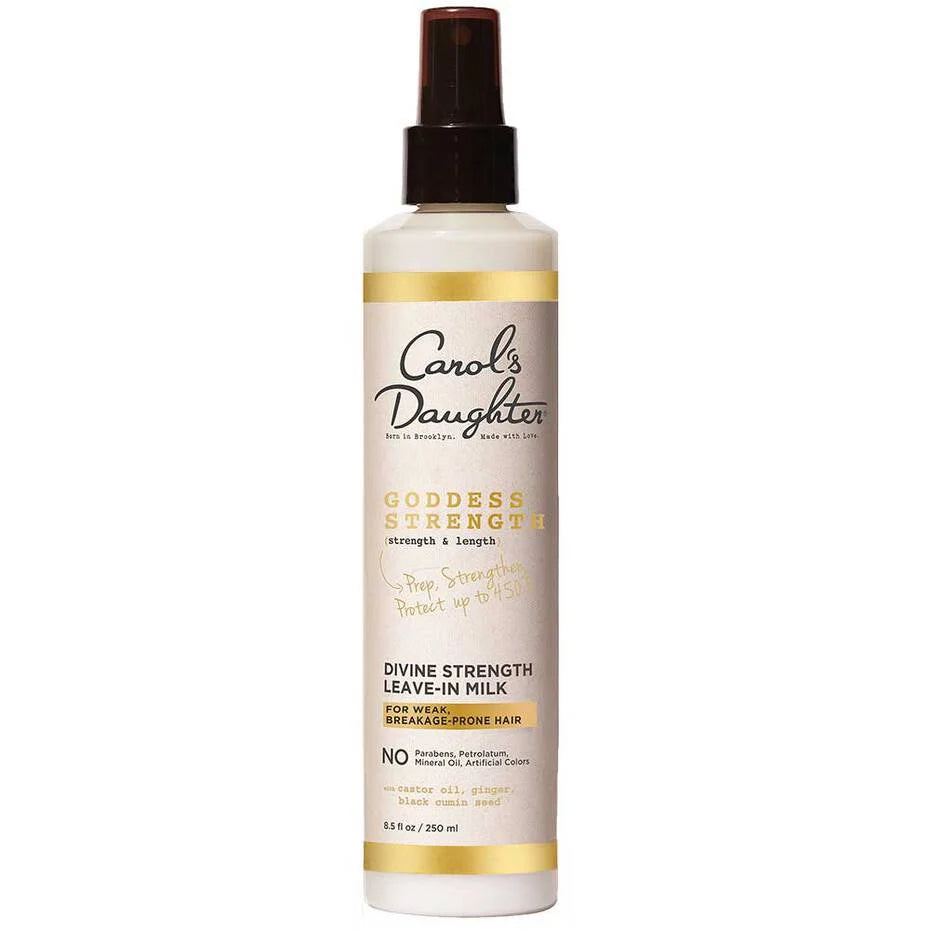
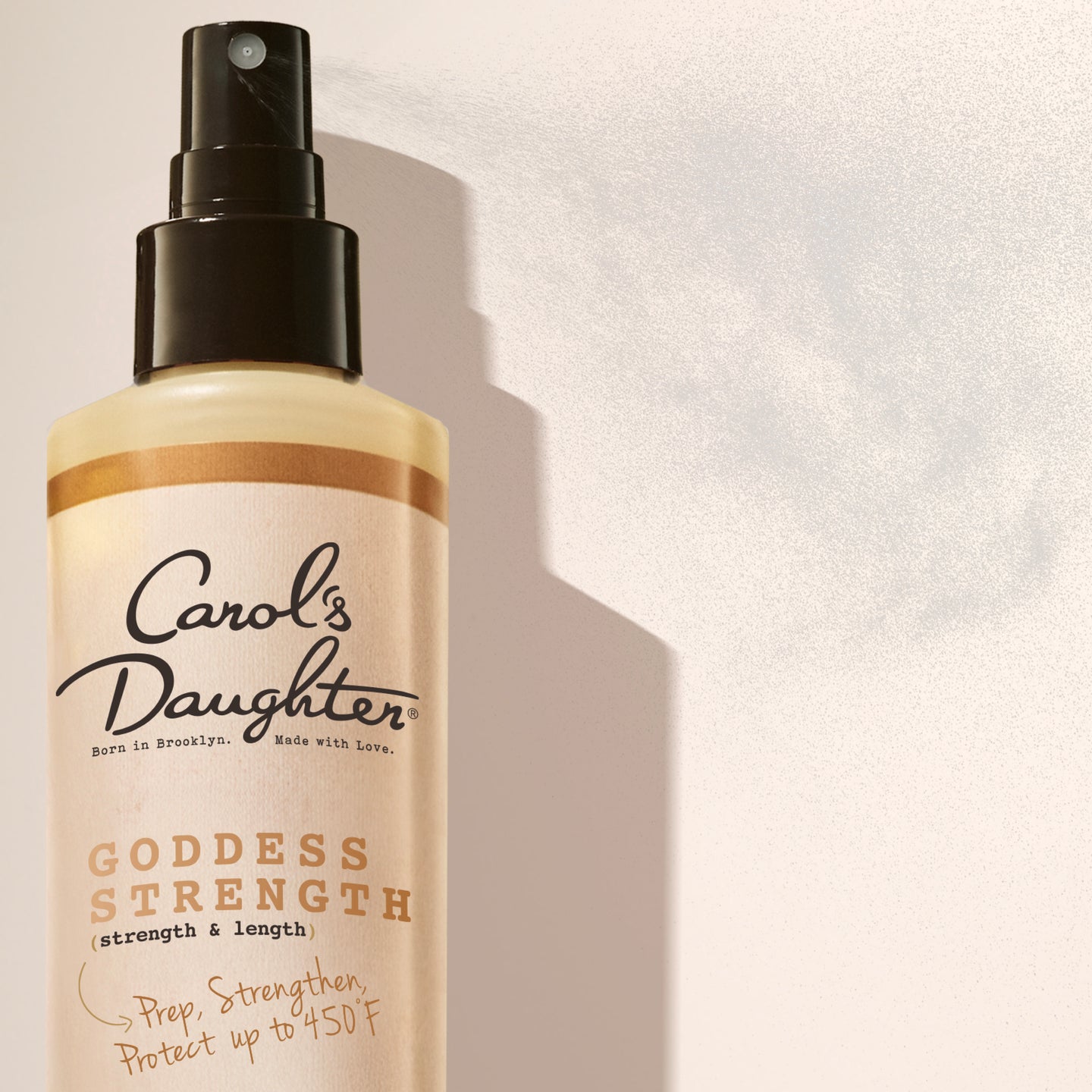
Apply the Goddess Strength Divine Strength Leave-In Milk — adds moisture without weighing down 4B coils, and protects against heat up to 450°F if you blow-dry.
For style ideas, see our 15 timeless 4C hairstyles guide — most styles transfer beautifully to 4B hair.
3 Tips When Washing 4B Hair
1. Apply Shampoo Intentionally
Section your hair before reaching for the shampoo. Clip 4–6 sections out of the way. Apply shampoo only to the scalp area you're working on. Move methodically through each section.
This prevents the "shampoo blob applied to the lengths" problem — which is how most people accidentally strip their 4B hair.
2. Don't Wash Daily
4B hair doesn't need daily — or even every-other-day — washing. Unless your scalp is producing significant oil or your hair is heavily soiled, weekly to bi-weekly washing is correct.
Daily washing strips 4B hair faster than it can rehydrate, leading to brittle, dry, breakage-prone strands.
3. Allow Yourself Grace
Washing 4B hair well takes time, patience, and experimentation. Some routines work for some people; others need adjustments.
Try a routine for 2–3 wash cycles before deciding it's not working. Pay attention to how your hair feels the day after, the week after, and over time. Adjust based on what you observe.
Frequently Asked Questions About Washing 4B Hair
Can I co-wash 4B hair instead of using shampoo?
Co-washing works for some wash days, but not all. Co-wash removes light dirt and refreshes hair, but it can't fully remove product buildup or sebum the way sulfate-free shampoo can. Use co-wash between full wash days; use real shampoo every 1–2 weeks for the full cleanse.
How long should I wait between washes for 4B hair?
7–14 days for most 4B hair. Adjust based on lifestyle, climate, and how your scalp feels. If you're going past 2 weeks regularly without itching or buildup, you've found your rhythm. If you're scratching daily, wash sooner.
Should I shampoo twice in one wash?
For 4B hair, usually not. One thorough shampoo session focused on the scalp is enough. Double-shampooing is for hair with extreme buildup (like after long-term protective styles) — and even then, only as needed.
Why does my 4B hair still feel dry after washing?
Three usual causes: (1) you skipped the pre-poo step, (2) you didn't apply a leave-in while hair was still wet, or (3) the shampoo was too harsh. All three are fixable. For more on persistent dryness, see our complete guide to moisturizing natural hair.
Can I wash 4B hair while wearing protective styles?
Yes — with adjustments. For braids, dilute your shampoo with water and apply directly to your scalp parts using a pointed-tip applicator. Rinse from the scalp outward. Dry completely. For more, see our complete guide to protective hairstyles for natural hair.
Is hot water bad for 4B hair?
Yes. Hot water strips natural oils and dries 4B hair faster than any other water temperature. Use lukewarm water throughout your wash, and finish with a cool rinse to seal the cuticle.
How do I know if I'm overwashing my 4B hair?
Signs of overwashing: hair feels brittle right after washing, breaks easily when handling, scalp becomes flaky or irritated, curls lose definition, hair feels persistently dry no matter how much moisturizer you add. If you notice these, reduce your wash frequency.
What if my 4B hair won't dry between washes?
Low-porosity 4B hair takes longer to dry than other textures. Use a microfiber towel to remove maximum water before letting hair air-dry. A diffuser on low heat is your friend on cold days. Don't go to bed with wet 4B hair — moisture trapped against your scalp causes mildew and dandruff issues.
Ready to upgrade your 4B wash day?
For wash-day essentials → Shop the Goddess Strength collection
For sulfate-free shampoos → Shop sulfate-free shampoos
For more 4B-specific styling → Read our 15 timeless 4C hairstyles guide
Not sure where to start? → Take the Curl Quiz