How to Wash Curly Hair (and How Often to Do It)


How to Wash Curly Hair (and How Often to Do It)
By Carol's Daughter — Updated May 2026
Quick Answer: How often you should wash curly hair depends on your hair density, product use, scalp type, and lifestyle. As a general guide: wash weekly if you use heavy products, gels, or have an oily scalp; every two weeks if you heat-style regularly; once a month if your hair and scalp are on the drier side. The key technique: use a sulfate-free shampoo, apply it to your palms first (not your scalp), focus the lather on your roots, work through the lengths gently with your fingers, and always condition afterward. Lukewarm water — never hot — protects natural oils.
There's no universal answer to "how often should I wash my curly hair?" — and that's exactly why so many people get it wrong.
Wash too often, and you strip the natural oils your curls need to stay defined and moisturized. Wash too rarely, and product buildup flattens your curls, clogs your follicles, and triggers scalp issues.
The right wash frequency depends on your hair, your routine, and your lifestyle. Here's how to figure out what works — plus the technique that makes every wash day count.
How Often Should You Wash Curly Hair?
Use this rough guide based on what you put on your hair and what your scalp is doing.
Wash Weekly If…
- You use heavier oils, butters, or styling products
- You wear gels that flake after a few days
- You use hairsprays or stiffening products
- Your scalp produces oil quickly (oily-type scalp)
- You sweat heavily from workouts
When product piles up on top of natural oils, it can clog follicles, cause irritation, and in severe cases contribute to scalp issues or hair loss. Weekly washing prevents that buildup.
Wash Every Two Weeks If…
- You heat-style with a diffuser or curling wand regularly
- You blow-dry your hair straight occasionally
- Your hair is moderately dry but not extremely so
- You use medium-weight styling products
Even with heat protectants, frequent heat styling causes some moisture loss. Every-other-week washing gives your hair recovery time.
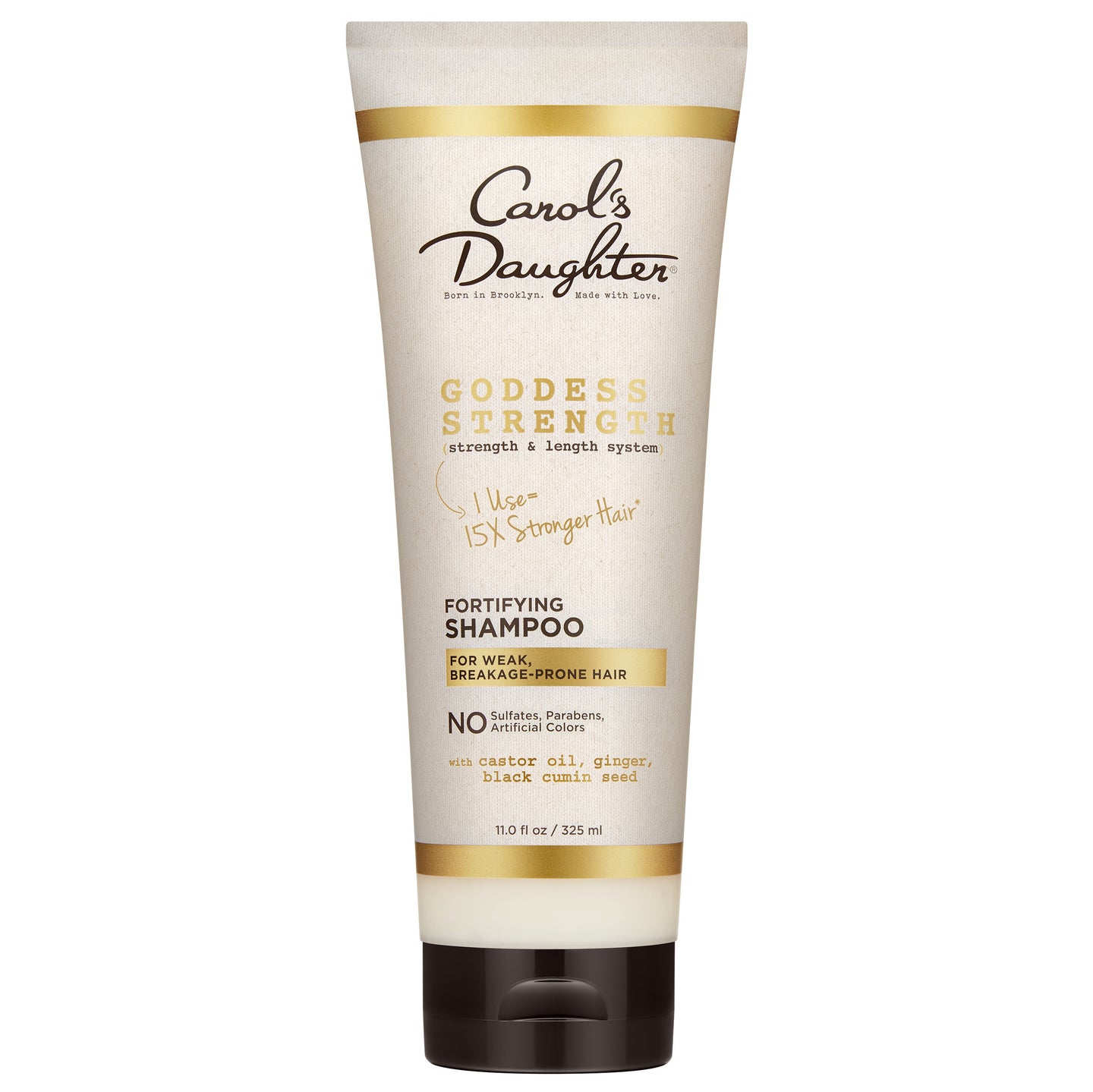
When you do shampoo, choose a moisture-boosting formula like the Goddess Strength Fortifying Shampoo with Castor Oil to restore lost hydration.
Wash Once a Month If…
- Your hair is naturally very dry (type 4 textures especially)
- Your scalp is on the dry or normal side
- You use minimal styling products
- You wear long-wear protective styles
Monthly washing works for most coily hair types. You can always tweak this — if your scalp gets itchy between washes, or you work out heavily, increase frequency as needed.
Universal Rules (Whatever Your Schedule)
Wash when:
- Your hair feels dirty or weighed down
- You have visible product buildup
- Your scalp is itchy or flaky
- You've been swimming
- Your scalp is overly oily
You can also co-wash (with a cleansing conditioner) between full wash days as a middle-ground option.
For more on signs of buildup specifically, see our complete scalp care routine guide.
Find Your Personalized Routine
Different curl types respond to different wash schedules. The Curl Quiz helps you figure out the right cadence for your hair.
Take the Curl Quiz → A 5-step quiz that identifies your hair type, main concerns, and the products built for your texture.
Should You Shampoo Curly Hair?
Yes — even die-hard co-wash fans need real shampoo periodically.
Co-washing (cleansing with a conditioner) is great for between-wash refreshes, but it can't fully remove product buildup, excess oil, and environmental residue. A traditional sulfate-free shampoo is built to do that without stripping your hair.
The two work together — shampoo for deeper cleanses, co-wash for in-between freshening.
What Should You Use to Wash Curly Hair?
The shampoo you choose matters more than almost any other product decision.
Always Choose Sulfate-Free
Sulfates are aggressive cleansers — they strip natural oils along with dirt. For curly hair (which is naturally drier than straight hair), they create a frizz-and-dryness spiral that's hard to recover from.
Match the Shampoo to Your Hair's Needs
| Hair type/condition | Best shampoo |
|---|---|
| Thick, dry, type 4 hair | Born to Repair Sulfate Free Nourishing Shampoo — deeply moisturizing |
| Strengthening focus, breakage-prone | Goddess Strength Fortifying Shampoo with Castor Oil — castor oil-infused for strength |
| Lighter weight, well-hydrated curls | Coco Crème Sulfate Free Shampoo — coconut oil-rich, balanced cleansing |
| Buildup-heavy hair, deep clean | Wash Day Delight Sulfate Free Shampoo for Curly Hair — micellar technology, targets scalp |
| Frizz-prone, moderately oily | Black Vanilla Moisture & Shine Sulfate Free Shampoo — middle-ground formula |
How to Wash Curly Hair Properly: Step-by-Step
There's an actual technique that prevents damage, reduces frizz, and gets your hair properly clean.
Step 1: Check Your Water Temperature
Hot water dries hair the same way it dries skin — by stripping natural oils.
- Wash with lukewarm or room-temperature water
- Finish with a cool rinse to seal the cuticle for shine
Step 2: Portion the Shampoo Into Your Palms First
Don't squeeze shampoo directly onto your hair.
- Pour about a golf-ball-sized amount into your palms
- Rub your palms together to emulsify the product
- Start with less; add more if needed
You'll almost certainly use less shampoo this way than dumping it directly on your hair. That's the point — most people use way too much.
Forget "lather, rinse, repeat." Once is enough.
Step 3: Focus the Shampoo on Your Scalp
Buildup, dirt, and oil accumulate on your scalp — not the lengths of your hair.
- Apply the shampoo directly to your scalp
- Massage in a back-and-forth motion (not circular — circles tangle your curls)
- Work the lather through your roots first
Step 4: Use Your Fingers Through the Lengths
Don't use brushes or combs in the shower.
- Gently work the shampoo through the lengths of your hair with your fingers
- Detangle as you go — this is the easiest detangling moment in your wash day
- Don't grind the shampoo into the lengths; let the suds from your scalp glide down
Step 5: Massage as You Rinse
Rinsing matters as much as application.
- Run your hands from root to tip as water flows
- Make sure every trace of shampoo is gone
- Residual shampoo blocks your conditioner from working properly
Step 6: Follow With Conditioner
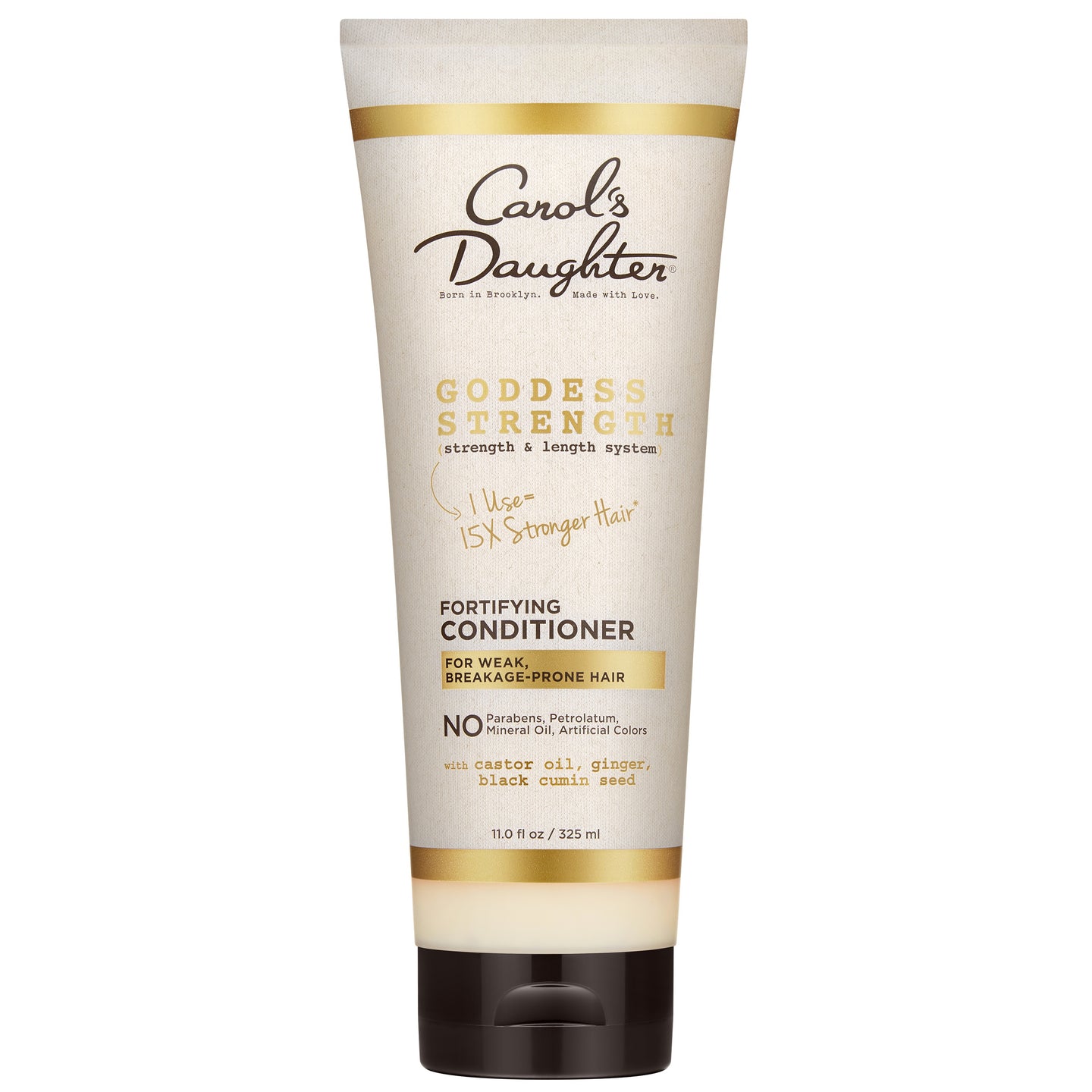
Apply your conditioner to the mid-lengths and ends — never the scalp.
- Coordinate your conditioner with your shampoo (same product line works best)
- Let it sit 2–5 minutes
- Rinse thoroughly
For deeper conditioning, see our complete guide to moisturizing natural hair.
Step 7: Apply a Leave-In Conditioner
Wring excess water out of your hair, then apply a leave-in tailored to your needs:
- For definition + moisture: the Hair Milk Original Leave-In Moisturizer
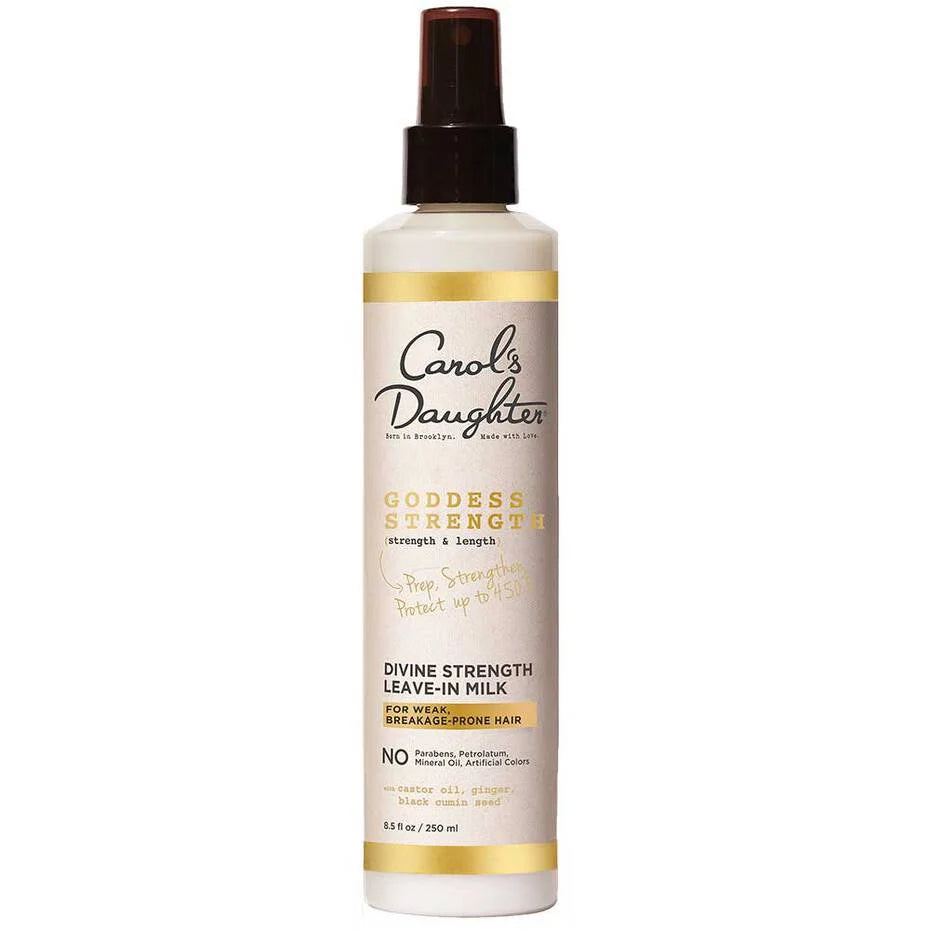
- For strength + moisture: the Goddess Strength Divine Strength Leave-In Milk
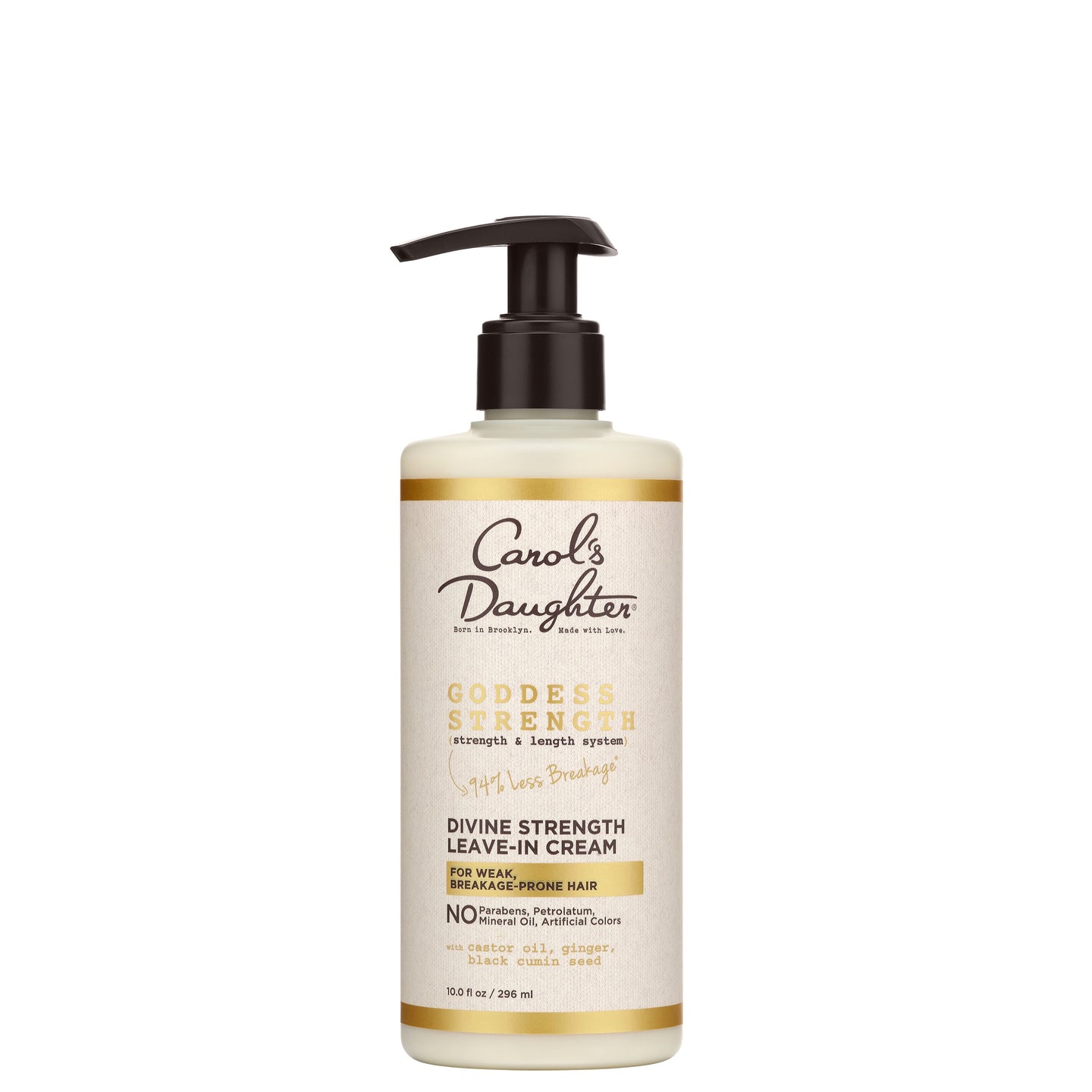
- For tighter curl definition: the Goddess Strength Divine Strength Leave-In Cream with Castor Oil
Step 8: Dry Carefully
- Skip the terry-cloth towel — it's rough, causes frizz, and roughs up the cuticle
- Use a soft cotton T-shirt or microfiber towel to squeeze (don't rub) water out
- If you blow-dry, always use a heat protectant and the lowest effective heat
For more on heat damage and drying, see our complete guide to repairing heat-damaged curly hair.
When Should You Wash Curly Hair? (Time of Day)
Wash in the morning if you don't use heat to dry.
Why morning works better:
- Hair is most fragile when wet
- Going to bed with wet hair causes friction-related damage
- Even a satin pillowcase can't fully prevent damage when hair moves around on wet strands
If you're an evening washer, give yourself at least 4–6 hours before bed for hair to dry. Or use a diffuser to speed up the drying process.
How Often Should You Condition Curly Hair?
Yes, you can over-condition.
Signs of over-conditioning:
- Limp, lifeless curls
- Difficulty holding any style
- Curls falling flat by mid-day
- Hair feeling overly soft and weak
If this happens, you need a protein treatment to balance things out.
Conditioning Schedule by Hair Type
| Hair type | Regular conditioner | Deep conditioner |
|---|---|---|
| Drier hair (type 4) | Every wash | Every other wash |
| Medium hair (type 3) | Every wash | Every 2–3 washes |
| Finer/looser hair (type 2) | Every wash | Once a month |
Conditioner Application Rules
- Never apply to your scalp — conditioner is for the hair shaft, not the roots
- Focus on mid-shaft to ends — where moisture is most needed
- Let it sit the full recommended time (usually 2–5 minutes)
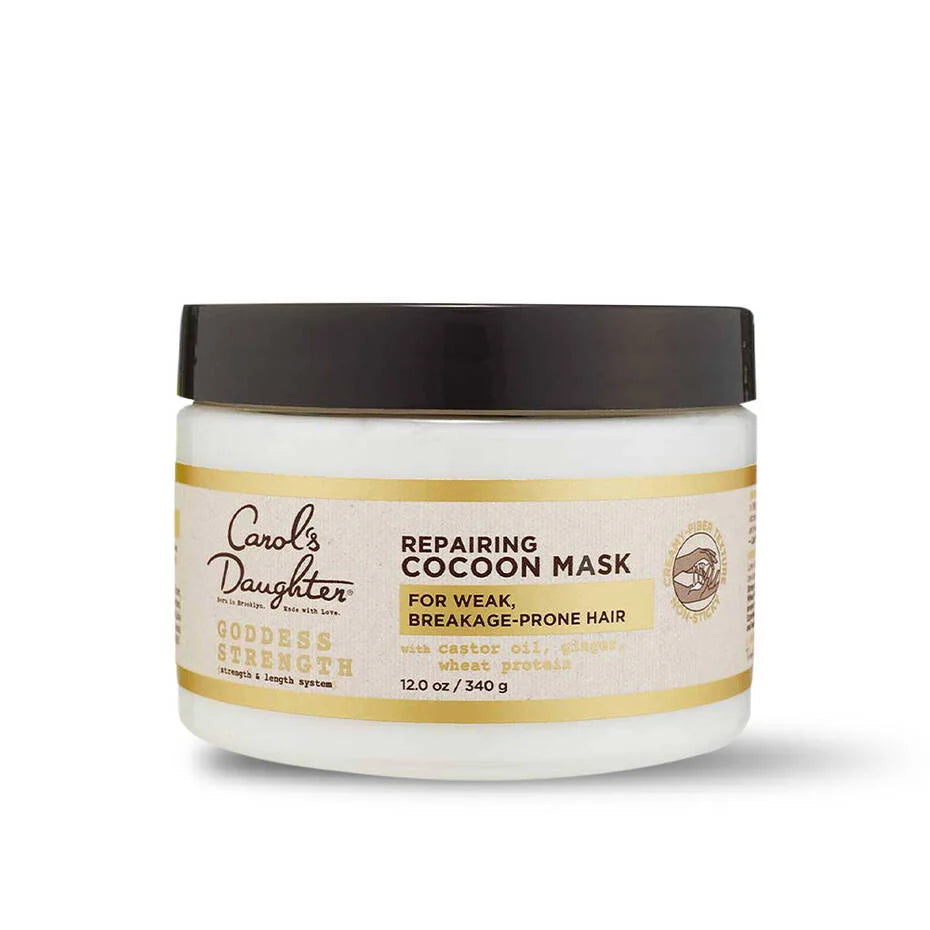
- Use a deep conditioner once a week if your hair is on the drier side — the Goddess Strength Cocoon Hydrating Hair Mask is a good weekly option
Frequently Asked Questions About Washing Curly Hair
Can I wash curly hair every day?
For most curl types, no. Daily washing strips natural oils faster than your scalp can replenish them, leading to dryness, frizz, and breakage. Even the most oil-prone scalps benefit from spacing washes 3–4 days apart.
What if I work out daily?
Co-wash between full wash days. A cleansing conditioner removes sweat without stripping moisture. Save the full shampoo for once a week or every two weeks.
Is co-washing enough?
No — co-washing alone leaves product buildup that real shampoo needs to remove. Use co-wash for refreshes between full wash days; use sulfate-free shampoo for the actual cleansing routine.
Why is my hair frizzier after washing?
Three usual causes: (1) water was too hot, (2) you used a terry-cloth towel, or (3) you didn't apply a leave-in while hair was still damp. Fix all three for noticeably less frizz. For more on frizz, see our complete guide to taming frizzy hair.
Can I skip conditioner sometimes?
Not on a true wash day. Shampoo opens the cuticle to clean; conditioner closes it. Skipping leaves your cuticles raised, causing frizz and roughness. The only "skip" is between full wash days when you co-wash instead.
What temperature should I rinse my conditioner with?
Cool water. Cool water seals the cuticle, locking in moisture and adding shine. Hot water reopens the cuticle and lets moisture escape.
How can I tell if my shampoo is right for my hair?
After washing, your hair should feel clean but not stripped or squeaky. If your hair feels dry, brittle, or tangled immediately after shampooing, the shampoo is too harsh. If it still feels oily or weighed down, it's not cleansing enough.
Does washing in sections help?
Yes — especially for thick or long curly hair. Sectioning hair into 4–6 parts before washing ensures every section gets properly cleansed and detangled without missing spots.
Ready to upgrade your wash day?
For wash-day essentials → Shop the Goddess Strength collection
For shampoo options → Shop sulfate-free shampoos
For more wash-day guidance → Read our complete guide to moisturizing natural hair
Not sure where to start? → Take the Curl Quiz