

How to Detangle Natural Hair Without Breakage: The Ultimate Guide
How to Detangle Natural Hair Without Breakage: The Ultimate Guide
By Carol's Daughter — Updated May 2026
Quick Answer: The best way to detangle natural hair is to work on damp, product-saturated hair in 4–6 sections, using your fingers first and then a wide-tooth comb. Always work from the ends to the roots, never the other way. Detangle every wash day at minimum, with extra care after taking down a protective style. The right combination of moisture and gentle technique prevents the breakage that's robbing your length.
Of all hair textures, curly and coily hair has the highest tendency to tangle.
The spiral shape of every curl makes it easy to wrap around the curls next to it. One night of sleeping without a bonnet, one rough comb-through on dry hair, one too-fine-toothed brush — and suddenly you're untangling a knot that takes 30 minutes and pulls out half a wash day's worth of length.
Here's the truth: detangling done right doesn't have to be painful, time-consuming, or destructive. With the right technique and products, it becomes one of the most protective steps in your routine.
Why Detangling Matters
Detangling isn't optional maintenance — it's where length retention is won or lost.
Three reasons gentle detangling protects your hair:
- It prevents breakage. Tangled strands snap when forced through a comb. Smooth strands don't.
- It helps moisture distribute evenly. Knots block your products from reaching every strand, creating dry patches and uneven definition.
- It sets the stage for definition. A smooth, knot-free wash day means cleaner curl definition and less frizz once your styling products go in.
The goal isn't to detangle as fast as possible. It's to detangle without losing strands.
What's the Best Way to Detangle Natural Hair?
The detangling process can vary based on curl pattern, length, and how matted your hair is — but the fundamentals are the same for every texture.
Two non-negotiables: moisture and the right tools. Get those two things right and the rest of the technique falls into place.
1. Work in Small Sections
Yanking a comb through your whole head at once is a recipe for breakage. Section first, always.
- Part hair into 4–6 sections before you start
- Clip away the sections you're not working on
- Detangle one section completely before moving to the next
This makes the work manageable and keeps you from rushing.
2. Saturate with Moisture First
Detangling dry hair is the fastest way to lose length. Always work on damp, product-saturated hair.
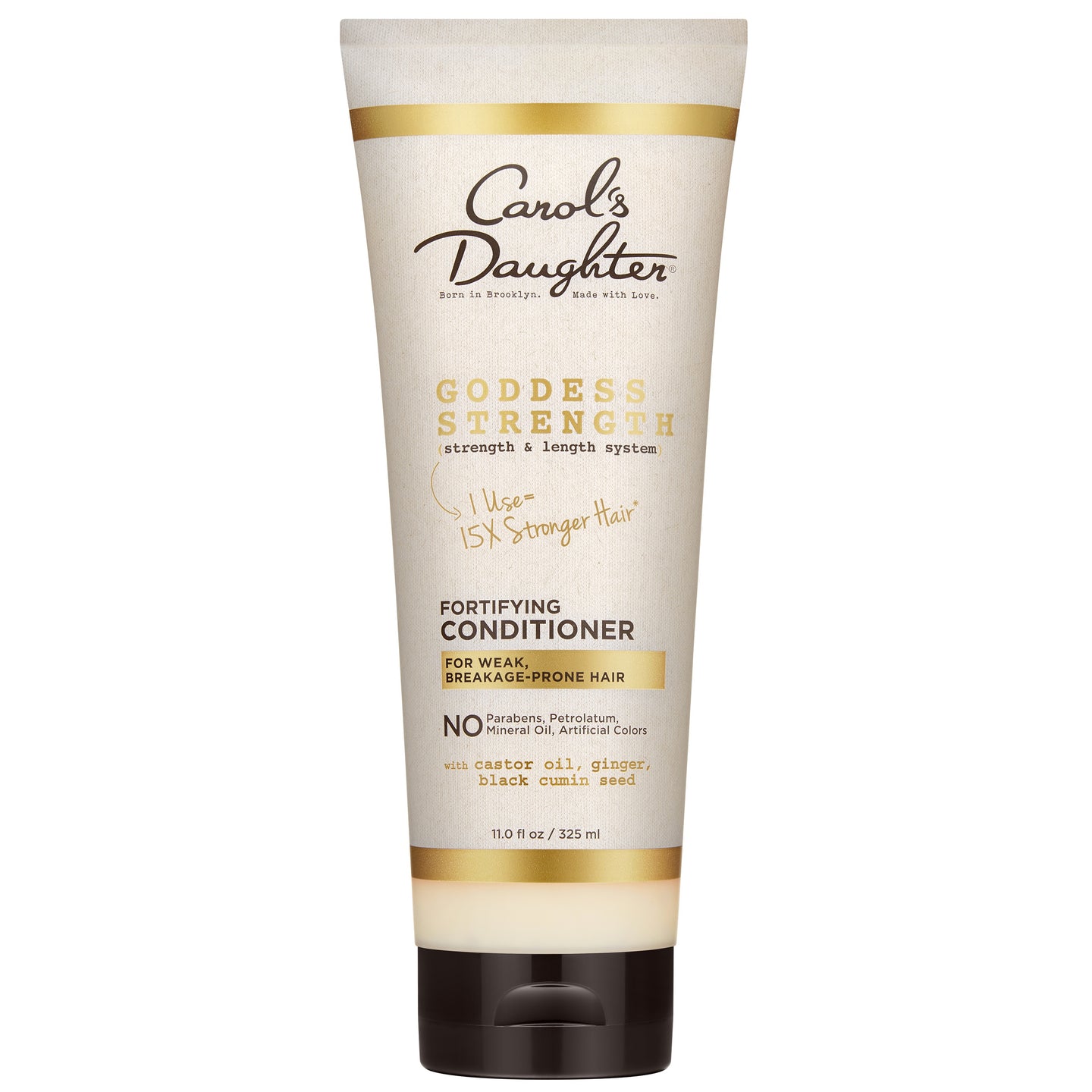
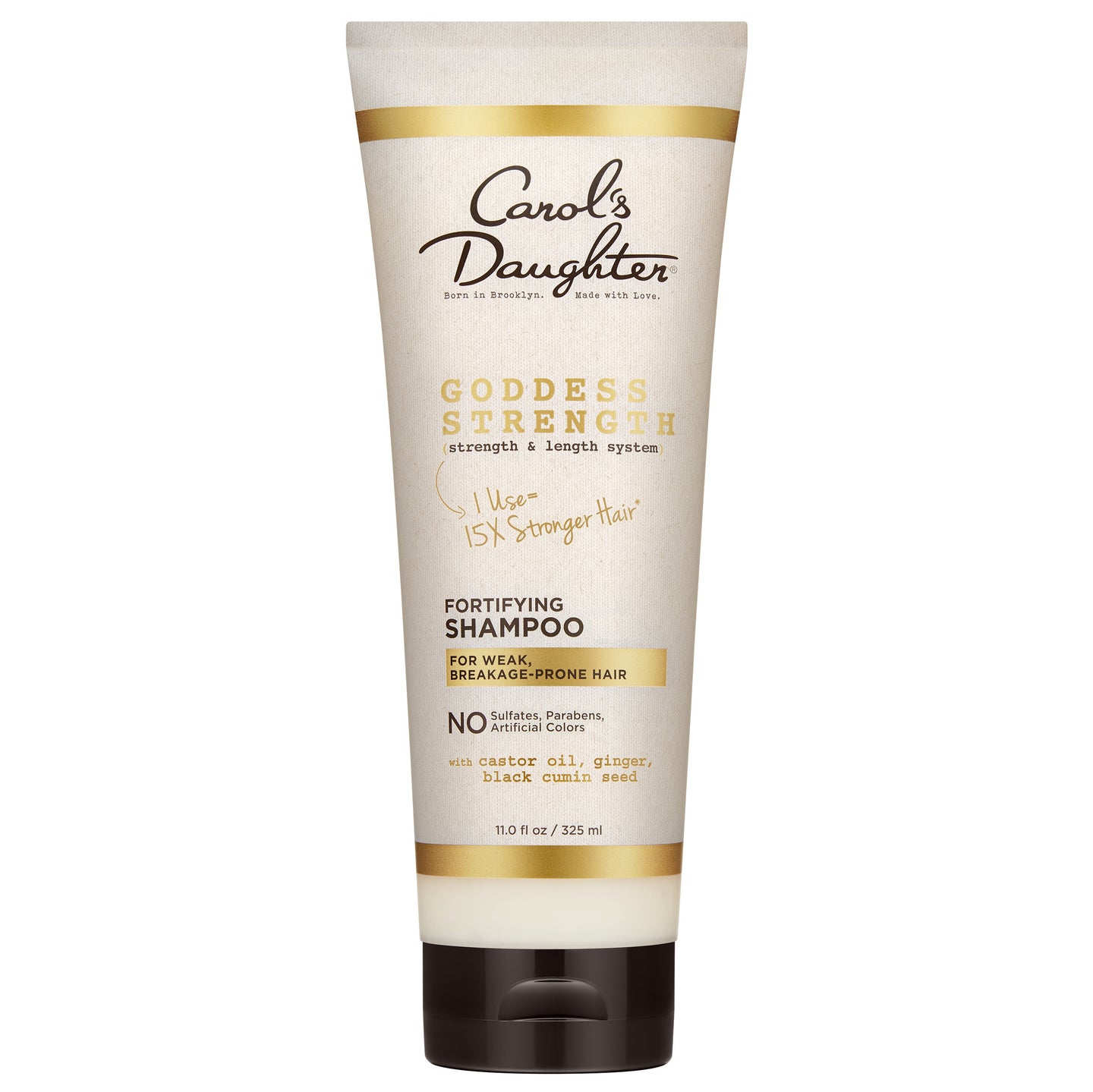
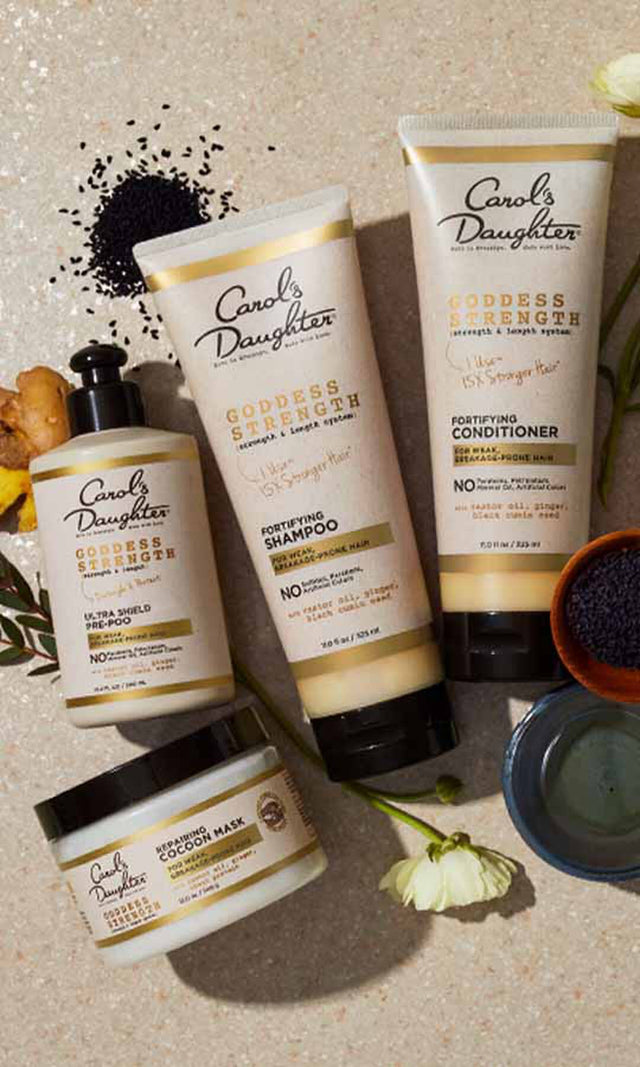
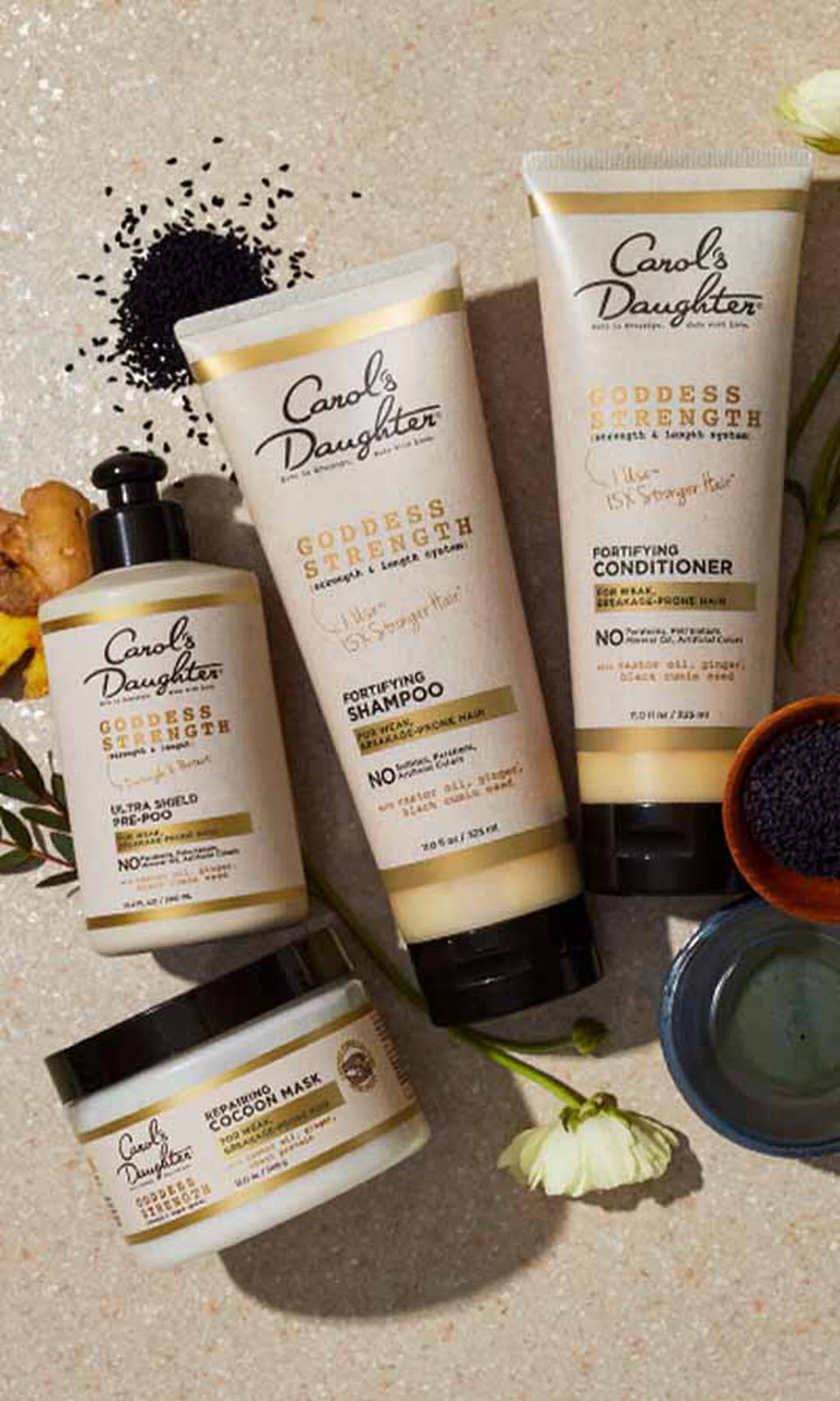
Start with a sulfate-free wash that doesn't strip your moisture. The Goddess Strength Fortifying Shampoo with Castor Oil cleanses gently while reinforcing weak strands — and stronger strands tangle less in the first place.
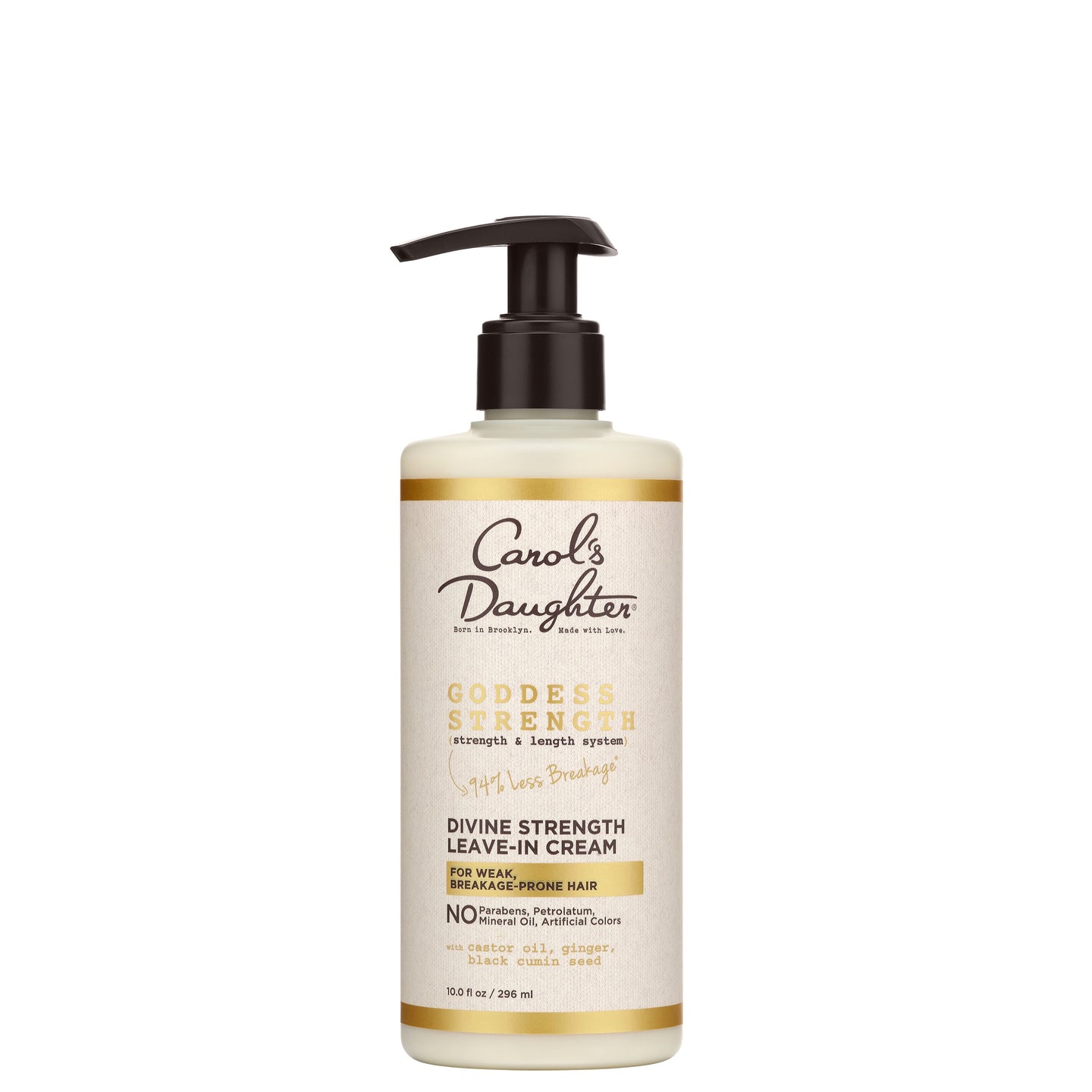
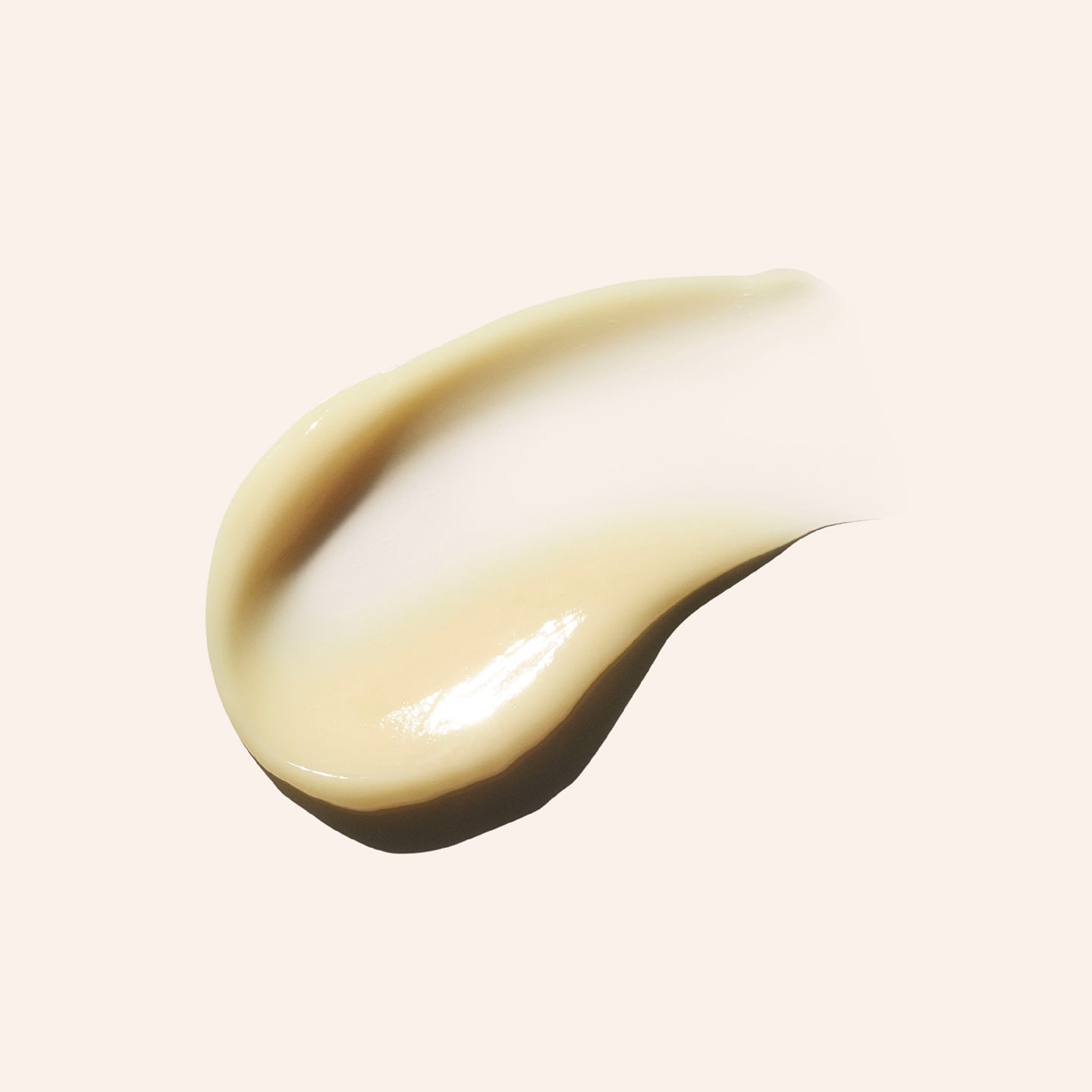
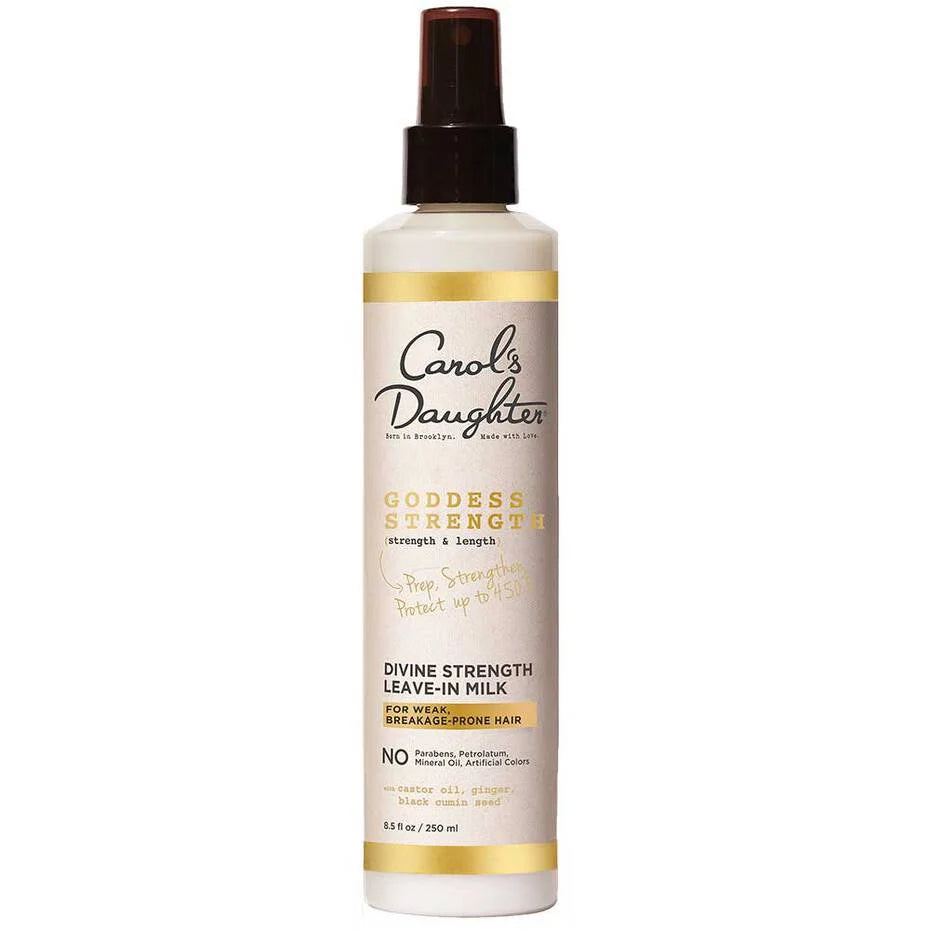
Before combing, coat your hair with a slippy product. The Goddess Strength Divine Strength Leave-In Cream with Castor Oil gives you the slip you need to glide through tangles, plus it strengthens strands as you work — so even if a few break, the rest hold up.
The Goddess Strength line delivers up to 7x stronger hair and 86% breakage reduction with regular use.
3. Use a Wide-Tooth Comb
Fine-toothed combs are the enemy of textured hair. They catch on every knot and force breakage.
The detangling tools that actually work:
- A wide-tooth comb (your primary tool)
- A flexible detangling brush (good for thicker textures)
- Your own fingers (always start here)
Skip the rat-tail comb, the boar bristle brush, and anything labeled "fine-toothed" unless you're styling already-smooth hair.
4. Always Start at the Ends
Your instinct says comb from root to tip. Reverse that.
Combing from the roots down pushes every existing tangle into a tighter knot at your ends, which then forces you to break the knot to free your comb.
The right order:
- Start at the very tips of your hair
- Work the comb through a small length until smooth
- Move up an inch or two
- Repeat, gradually working up toward the roots
This is especially critical when you're detangling after taking down a protective style — your roots are already stressed from weeks of tension, and yanking through tangles up there will cost you length.
5. Never Detangle Bone-Dry Hair
If your hair is dry, add water and product before you touch it with a comb.
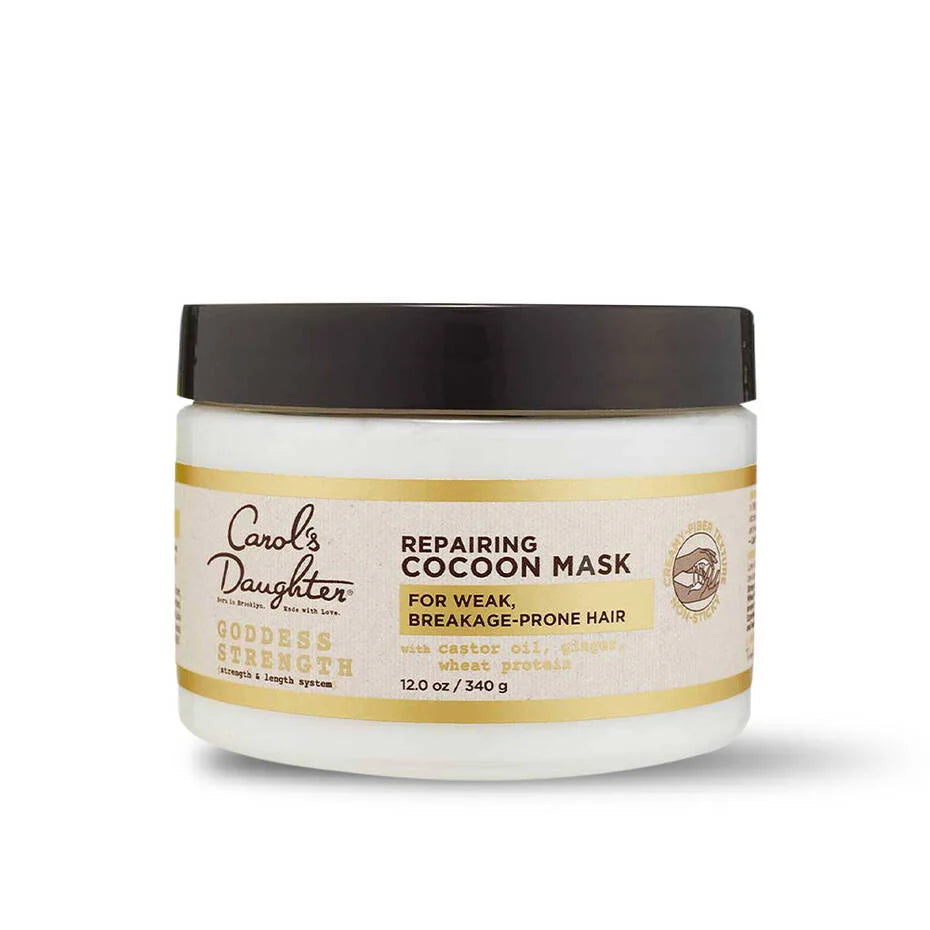
A weekly deep conditioning mask softens stubborn tangles and gives your hair the slip it needs to detangle painlessly. The Goddess Strength Cocoon Hydrating Hair Mask delivers an intense moisture treatment that makes the next wash day's detangling session significantly easier.
Apply, let it sit for 10–15 minutes, then detangle while the mask is still in your hair. Rinse and continue your routine.
6. Keep a Spray Bottle Within Reach
If your hair starts drying mid-detangle, your knots get tighter and your breakage risk goes up.
A simple spray bottle of water — or water mixed with a little leave-in conditioner — solves this. Re-spritz each section before you comb through it.
This trick alone has saved countless wash days.
7. Give Yourself Time
A proper detangle session for natural hair takes about 15–30 minutes depending on length, density, and how matted your hair is.
Rushing leads to forcing the comb, which leads to breakage, which leads to a longer detangling session next time. Slow down once and you save time over the long run.
If you only have 5 minutes, do a finger detangle now and a full comb-through later. Don't try to speed-run it with a comb.
How Often Should You Detangle Natural Hair?
You don't need to detangle daily — and most curly textures shouldn't.
Minimum frequency: Every wash day. Twice if possible — once before shampooing, once during conditioning.
Why twice:
- A pre-shampoo detangle removes large tangles before water and shampoo can compress them tighter
- A condition-stage detangle (with conditioner still on your hair) gives you the slip to clear smaller knots and prep for styling
If you're rocking a wash-and-go between full wash days, finger-detangle gently as needed to keep small tangles from becoming big ones.
After taking down a protective style (braids, twists, locs), do your detangling immediately — not after wetting your hair. Hair becomes harder to detangle once it's wet because matted strands compact further. Apply oil or a cream-based detangler first, then comb through, then shampoo.
How Do You Detangle Matted Hair Without Pain?
Matted hair is what happens when small tangles get neglected and compound. The good news: you can almost always work matting out without scissors. The key is patience and continuous moisture.
The painless matted-hair process:
- Saturate your hair with a heavy oil or rich conditioner. The Goddess Strength 7-Oil Blend Hair & Scalp Oil works well for this — castor and black cumin seed oils give significant slip
- Wait 15–30 minutes to let the oil penetrate the matted area
- Section the matted area into the smallest sections you can
- Finger-detangle first, working from the very ends inward in tiny raking motions
- Add more oil or water any time the section gets dry
- Switch to a wide-tooth comb only after fingers have done as much as they can
- Don't pull — if the comb catches, back out and add more product
If you have severely matted hair (think: weeks of neglect or a take-down gone wrong), this process can take an hour or more. That's normal. The alternative is cutting, which most people regret.
Find Your Personalized Routine
Knowing your curl type makes detangling easier — different patterns need different tools and techniques.
Take the Curl Quiz → A 5-step quiz that identifies your hair type, main concerns, and the products built for your texture.
Frequently Asked Questions About Detangling Natural Hair
Should I detangle wet or dry hair?
Always detangle on damp, product-saturated hair. Dry detangling — even with oil applied — causes significantly more breakage because your strands aren't pliable. The exception is when taking down a protective style: detangle with oil before adding water, since wetting matted hair makes it worse.
Is it better to detangle with fingers or a comb?
Both, in that order. Finger-detangle first to break up large tangles and feel for knots a comb might miss. Then follow with a wide-tooth comb to smooth everything fully. Skipping the finger step is the most common detangling mistake people make.
Why does my hair always break when I detangle?
The most common causes: detangling on dry hair, using too-fine a comb, working roots-to-ends instead of ends-to-roots, rushing, or skipping moisture. If you're losing more than a few strands per session, audit your technique against the steps above. Breakage is rarely a hair problem — it's almost always a technique problem.
Can I detangle every day?
You can, but most natural textures don't need to. Daily detangling can over-manipulate your strands and cause breakage. Aim for full detangling sessions on wash days only, with light finger-detangling between as needed.
What's the fastest way to detangle natural hair?
There isn't a truly fast way — but you can streamline by detangling in the shower with conditioner still in your hair (maximum slip), pre-treating with oil 30 minutes before washing, and getting consistent enough that your wash days don't have weeks of compounded tangles to work through.
Ready to make detangling easier?
For slip and strength → Shop the Goddess Strength collection
Browse by your hair concern → Shop the tangled hair collection
Not sure where to start? → Take the Curl Quiz