What Is Hair Density and How Can You Measure It?


What Is Hair Density and How Can You Measure It?
By Carol's Daughter — Updated May 2026
Quick Answer: Hair density is the number of individual hairs per square inch on your head — not the thickness of individual strands (that's hair texture). There are three levels: low density (fewer strands per square inch), medium density (in between), and high density (lots of strands). Test yours at home: gather your hair into a ponytail and measure the circumference (under 2 inches = low, 2–3 inches = medium, 4+ inches = high). Or examine your scalp — clearly visible scalp = low density, barely visible = high. Density determines what product weight your hair can handle.
When learning about your natural curly hair, you've probably tracked curl type, porosity, protective styling, and length retention. But there's another piece most people overlook: hair density.
Before you skip ahead assuming you know what density means — thick hair isn't always dense hair, and thin hair isn't always low-density. They're related but different.
Here's everything you need to know about hair density, including how to measure yours and which products work for each type.
What Is Hair Density?
Hair density refers to the number of individual hairs per square inch on your head.
It's not about strand thickness — that's hair texture (fine vs. coarse). Density is purely about quantity: how many strands you have on your head as a whole.
Density vs. Thickness
- Thickness = the width of one strand (covered in our fine vs. coarse hair guide)
- Density = how many strands you have per square inch
You can have:
- Thick (coarse) strands with low density — fewer hairs, each one thick
- Thin (fine) strands with high density — lots of hairs, each one thin
- Any other combination
Both characteristics matter when choosing products.
The Three Hair Density Types
| Type | Strands Per Square Inch | What It Looks Like |
|---|---|---|
| Low density | Fewer strands | Scalp visible easily when hair is parted; ponytail under 2 inches in circumference |
| Medium density | Moderate strands | Scalp visible only with a tight part; ponytail 2–3 inches |
| High density | Lots of strands | Scalp barely visible even when parted; ponytail 4+ inches |
No density is "better" than another — but knowing yours helps you choose products and styles that work with your hair instead of against it.
Find Your Personalized Routine
Your density combined with your curl type and porosity determines what products work best.
Take the Curl Quiz → A 5-step quiz that identifies your hair type, main concerns, and the products built for your texture.
Why Does Hair Density Matter?
Density determines:
- Product weight tolerance — high density handles heavy creams; low density gets weighed down
- Volume and shape — affects how your hair sits and styles
- Styling time — denser hair takes longer to wash, condition, detangle, and style
- Heat exposure — denser hair needs longer drying times
- Product quantity needed — more density = more product per application
If you've been using products that don't quite work, density is often the missing piece — even when you've nailed the curl type and porosity.
How to Measure Hair Density at Home
Two simple tests.
Test 1: The Ponytail Test
- Gather all your hair into a single ponytail at the crown
- Pull it tight
- Measure the circumference (around the base) with a soft measuring tape
| Ponytail Circumference | Density |
|---|---|
| Under 2 inches | Low density |
| 2–3 inches | Medium density |
| 4 inches or more | High density |
Test 2: The Scalp Test
- Pull your hair to one side as if making a side part
- Look at how much scalp you see
| What You See | Density |
|---|---|
| Scalp is very visible | Low density |
| Some scalp visible | Medium density |
| Scalp barely visible | High density |
Note: Density Can Vary Across Your Scalp
Some areas (often the crown) may have higher density than others (often the nape or front). This is completely normal. Base your products on the majority pattern you see.
Can I Change My Hair Density?
Naturally, no — density is genetic. You can't fundamentally increase the number of follicles on your scalp.
But you can:
- Make hair appear denser with volumizing techniques (picking out, fluffing, lifting roots)
- Maximize the density you have with scalp health practices (massages, scalp care, nutrition)
- Prevent loss of density by addressing breakage, thinning edges, or hair loss
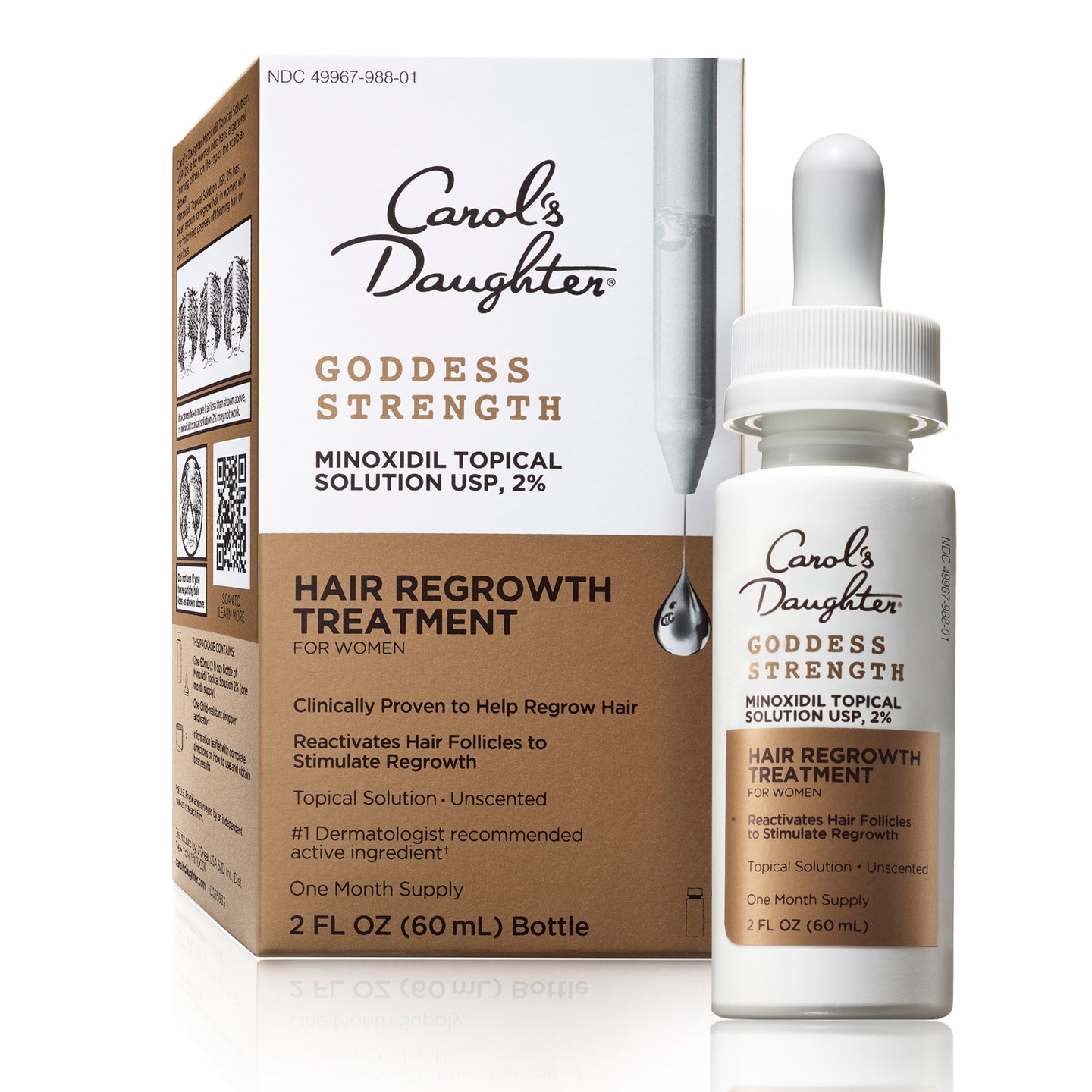
If you're concerned about losing density (thinning hair), the Goddess Strength Hair Regrowth Treatment features 2% Minoxidil — the #1 dermatologist-endorsed active ingredient for hair loss, clinically proven to help regrow hair in 4 months. For more, see our complete guide to Minoxidil for women.
For overall scalp health (a foundation for retained density), see our complete scalp care routine guide.
How to Care for Hair Based on Its Density
How to Care for Low-Density Hair
The goal: don't weigh down what you have.
Avoid:
- Heavy oils, butters, and creams
- Thick conditioners
- Layering multiple heavy products
Use lightweight products that won't add weight:
- Wash Day Delight Sulfate Free Shampoo for Curly Hair — micellar, lightweight cleansing
- Wash Day Delight Conditioner with Aloe — light hydration without weight
- Hair Milk Refresher Spray — water-based refresh
Volume tip: Pick or fluff hair out gently after styling to enlarge the appearance of density. Lift at the roots for visual fullness.
How to Care for Medium-Density Hair
The most versatile density — you have flexibility to add or reduce volume.
To add volume:
- Mousses and light gels
- Pineappling at night to maintain root lift
- The Hair Milk Refresher Spray for body between washes
To reduce volume / increase definition:
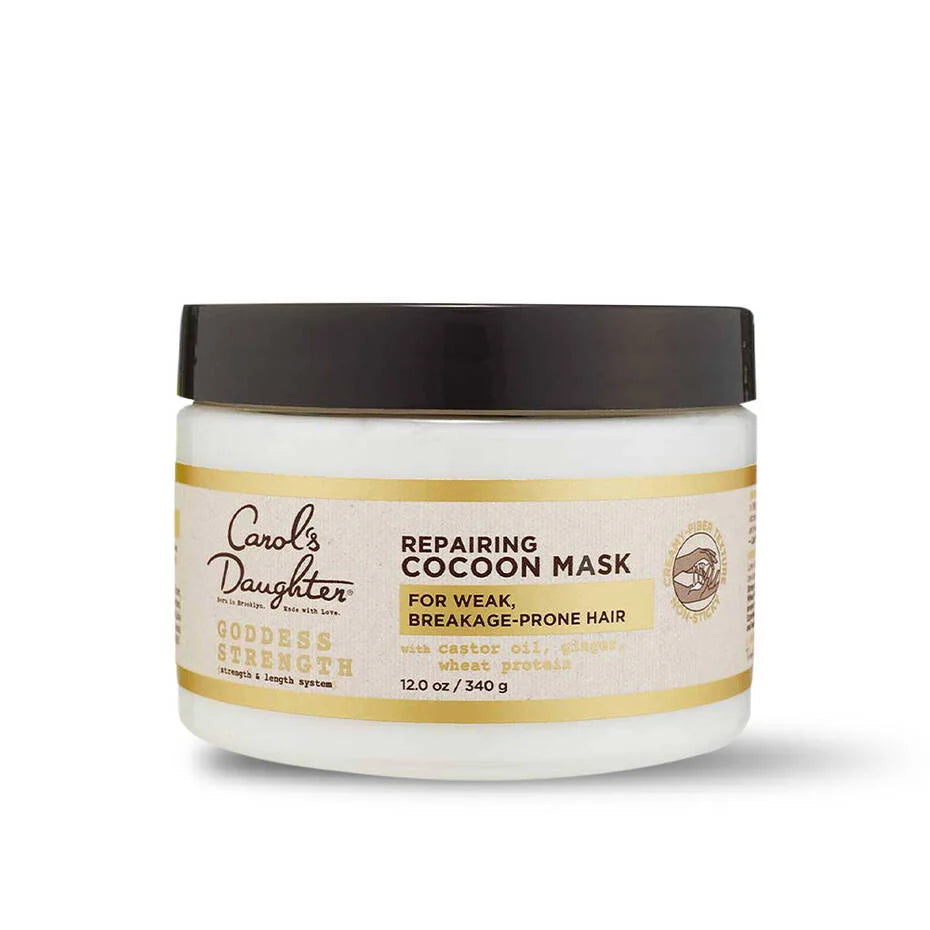
- The Goddess Strength Cocoon Hydrating Hair Mask weekly
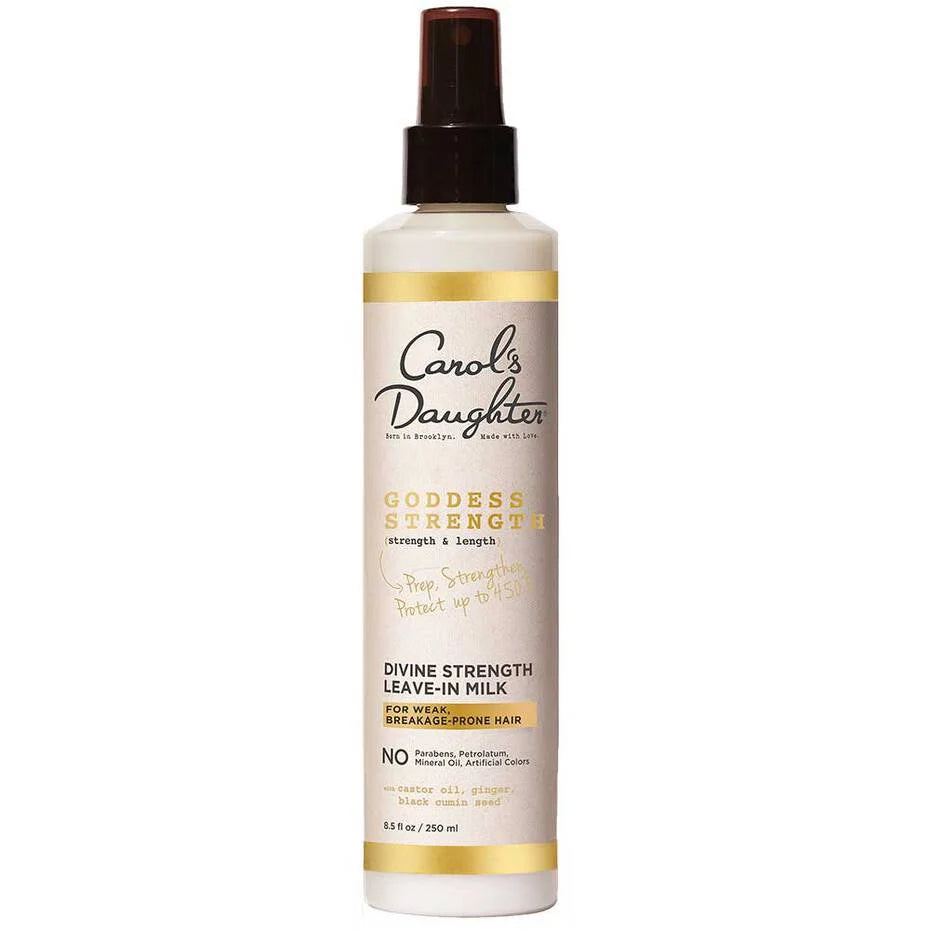
- Medium-weight leave-ins like the Goddess Strength Divine Strength Leave-In Milk
- Defining gels like the Black Vanilla Moisture & Hold Jelly
How to Care for High-Density Hair
The goal: manage volume and prevent breakage in densely packed strands.
For reducing volume / fighting frizz:
- Heavier holds work great — gels, creams, and styling butters
- The Coco Crème Coil Enhancing Moisture Butter defines and weighs down volume just enough
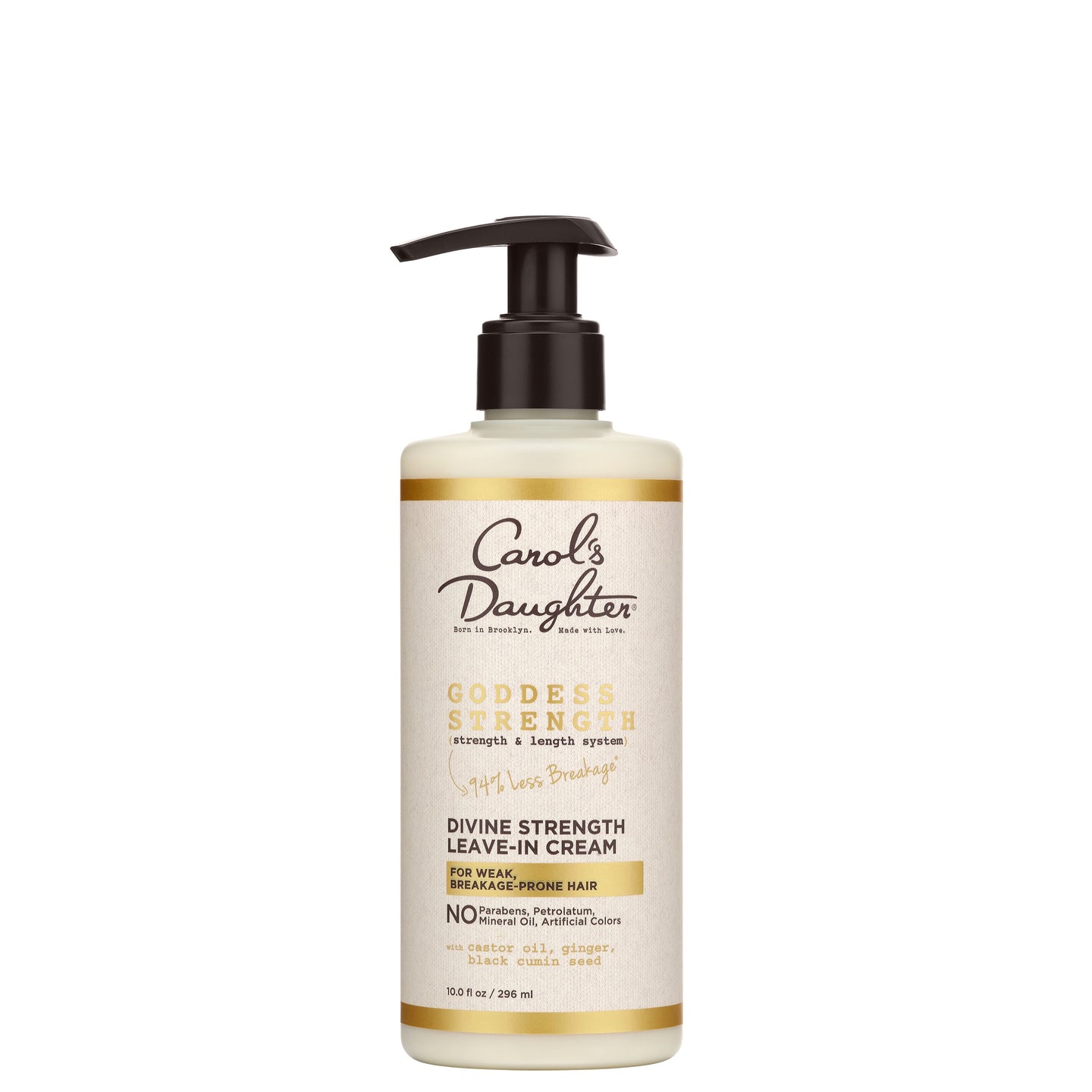
- The Goddess Strength Divine Strength Leave-In Cream with Castor Oil — ideal for thick, dense strands
For embracing volume:
- Picking out at the roots
- Sleeping on a satin pillowcase to maintain volume
For detangling densely packed strands:
- The Coco Crème Curl Shaping Cream Gel with Coconut Oil provides slip for working through tangles
- Section hair into 4–6 parts before detangling
- Always work on conditioner-saturated hair
For more, see our complete guide to detangling natural hair.
Protect dense hair from breakage with a good leave-in conditioner — breakage matters more for high-density hair because you have more strands to protect.
Density, Porosity, and Curl Type Work Together
Three characteristics influence what products work for you:
| Characteristic | What It Measures | Why It Matters |
|---|---|---|
| Curl pattern | The shape of your strands (2A–4C) | Determines styling techniques |
| Porosity | How well your hair absorbs and retains moisture | Determines product type (weight, ingredients) |
| Density | How many strands per square inch | Determines product quantity and weight |
All three matter. None is more important than the others.
For deep dives on the other two:
Frequently Asked Questions About Hair Density
Can my density change over time?
Yes — significantly. Aging, hormonal changes (especially postpartum), stress, illness, certain medications, and damage can all reduce density. Healthy practices can preserve the density you have but generally won't add new follicles.
Why does my density vary across my scalp?
Genetics. Different parts of your scalp produce different growth patterns. Some people have denser hair at the crown, others at the back. Density variation is normal.
Does high density mean my hair is healthier?
Not necessarily. Density is just about strand count. Hair health is determined by breakage, moisture levels, scalp health, and overall condition — not density.
Why does low-density hair look thin even when I use products?
Heavy products can be the culprit. They coat the strands you have, making them lie closer to the scalp and look even sparser. Switch to lightweight formulas and lift at the roots.
Can I have high-density fine hair?
Yes — common, actually. Lots of fine strands packed together. Looks visually full but each individual strand is delicate. Special considerations: use gentle products, lots of moisture, and minimal heat.
Does scalp health affect density?
Yes — long term. A healthy scalp supports healthy follicles, which support density preservation. Inflammation, buildup, or chronic dryness can lead to follicle issues over time. See our complete scalp care routine guide.
Will trimming change my density?
No — trimming removes length, not follicles. Your density stays the same after a trim. (You may visually see less hair when shorter, but the number of strands per square inch is unchanged.)
How do I keep high-density hair manageable?
Section, section, section. Wash, condition, detangle, and style in 4–6 sections. Always work on conditioner-saturated hair. Use products designed for thick hair. Build extra time into your routine — high density hair just takes longer.
Ready to upgrade your routine for your density?
For low-density / fine hair → Shop the Wash Day Delight collection
For high-density / thick hair → Shop the Goddess Strength collection
For more education → Read our complete guide to hair porosity
Not sure where to start? → Take the Curl Quiz