

Braids vs. Twists: What’s The Difference?


Braids vs. Twists: What's the Difference?
By Carol's Daughter — Updated May 2026
Quick Answer: Braids and twists are both protective styling techniques for natural hair, but they're not the same. Braids use three sections of hair woven over and under each other — they last longer (days on natural hair, weeks with extensions), work on every hair type, and can be styled into countless variations. Twists use two sections wrapped around each other — they're faster to install, gentler on edges, and ideal for coily (type 4) hair, but typically don't last as long. Choose braids for longevity and durability; choose twists for ease and lower tension.
Braids and twists are both staples of natural hair styling — but they're not interchangeable, despite what social media sometimes suggests.
Both are protective styles. Both can be done on every hair type. Both have countless variations. But the techniques are different, the results are different, and the right choice depends on your hair, your time, and what you want from the style.
This guide settles the debate: braids versus twists, head to head.
What Are Twists?
Twists are created by taking two sections of hair and wrapping them around each other. This is also called the two-strand twist technique.
Twists work on short, medium, and long hair, and can range from tiny to chunky in width. The tighter you wrap, the less likely they are to unravel. For looser twists, use more product and wrap with lighter tension.
Types of Twists
- Two-strand twists — the basic technique on your natural hair
- Senegalese twists — long, sleek twists installed with synthetic braiding hair
- Marley twists — fuller, more textured twists installed with Marley extension hair
- Havana twists — chunky, light twists with Havana-style hair (similar to Marley but bouncier)
- Spring twists — bouncy, curly twists with pre-curled extension hair
- Passion twists — wavy, romantic twists popular in summer styling
What Are Braids?
Braids are created by taking three sections of hair and weaving them over and under each other — one additional section compared to twists.
You probably remember braiding from childhood. The three-strand technique is the foundation of every braided style, from a simple French braid to the most elaborate Fulani pattern.
Types of Braids
- Plaits — single braids from root to tip
- Cornrows — braided close to the scalp in patterns
- French braids — overhand technique that twists hair inward
- Dutch braids — underhand technique that twists hair outward (raised look)
- Box braids — sectioned braids with or without extensions
- Goddess braids — large, chunky braids close to the scalp
- Heart braids, lemonade braids, Fulani braids — pattern-based variations
For the complete braided style index, see our 25 stunning braided hairstyles pillar guide.
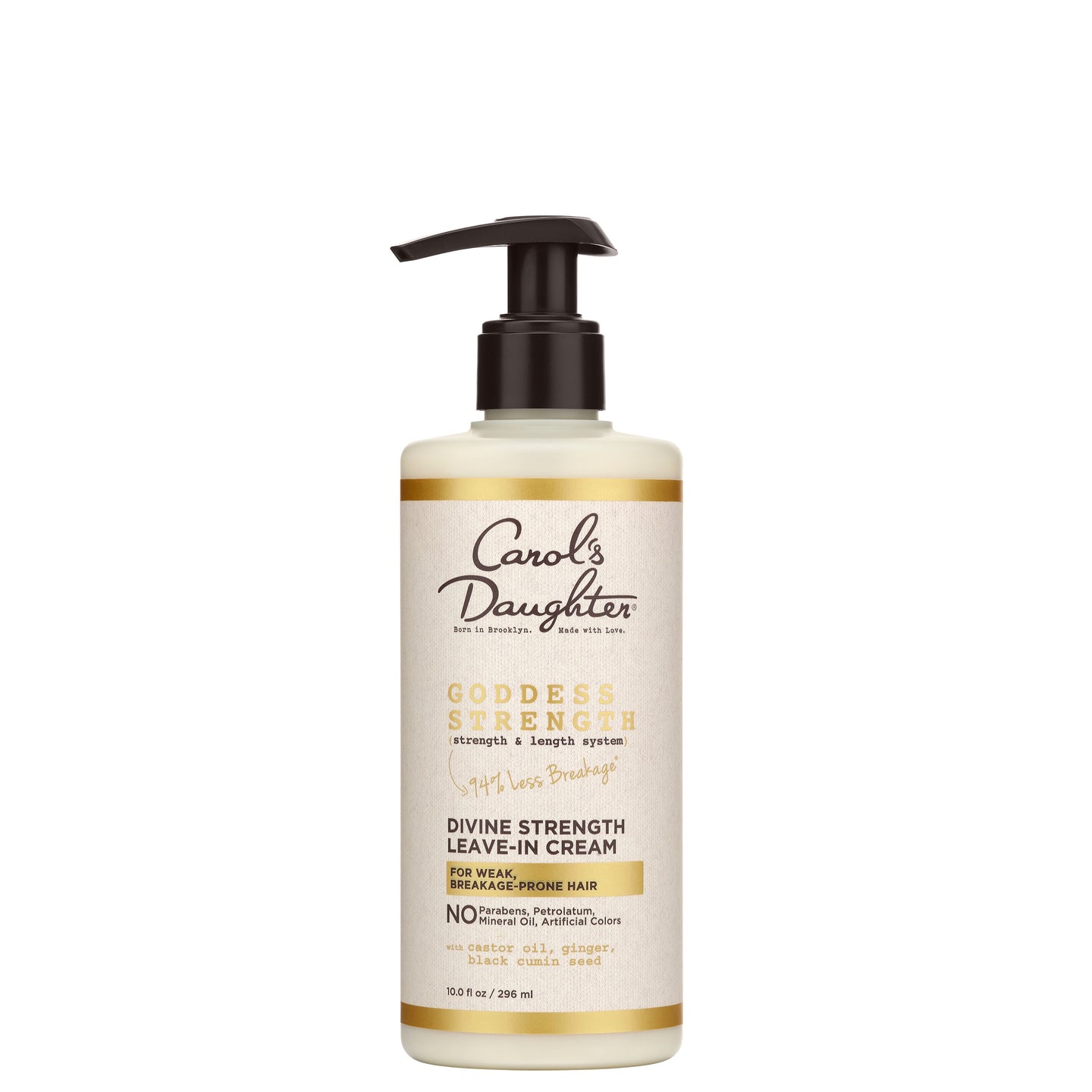
If you find that your braids feel too tight, apply Mimosa Hair Honey along your hairline for moisture and relief — but if pain persists more than 24 hours, the install is too tight and should be redone.
The Core Difference (Quick Reference)
| Factor | Braids | Twists |
|---|---|---|
| Sections | 3 strands | 2 strands |
| Install time | Longer for intricate styles | Generally faster |
| Lasting power | Days on natural hair, weeks with extensions | Shorter — typically 1–3 weeks |
| Best for hair type | All hair types | Especially type 4 (coily) hair |
| Edge tension risk | Higher if installed tightly | Lower — gentler on edges |
| Versatility | Can transform into many other styles | Doubles as a twist-out for waves |
| Maintenance | Lower day-to-day | Higher — requires re-twisting |
| Style variety | Endless variations | Several major variations |
Find Your Personalized Routine
Your curl type affects which style — braids or twists — will hold longer, look better, and need less maintenance. The Curl Quiz helps you understand both.
Take the Curl Quiz → A 5-step quiz that identifies your hair type, main concerns, and the products built for your texture.
Benefits of Wearing Braids
Braids are versatile, durable, and work on every hair type. Three reasons to choose braids for your next style.
1. Braids Are Easy to Transform
Once installed, braids can be tucked, flipped, pinned, and morphed into endless secondary styles:
- Braided ponytails
- Braided buns and updos
- Braided faux-hawks
- Half-up half-down styles
- Crown braids and braided headbands
You install once, and you have weeks of variations.
2. Braids Last Longer
With proper care, braids last:
- Days on natural hair without extensions
- 4–6 weeks for traditional box braids with extensions
- 6–8 weeks for knotless braids with extensions
This makes them a strong choice when you want to give your hair a break from daily styling.
3. Braids Work on All Hair Types
Type 1 (straight), type 2 (wavy), type 3 (curly), type 4 (coily) — braids work on all of them. They also work on short, medium, and long hair, with or without extensions.
Drawbacks of Wearing Braids
Braids aren't for everyone or every moment. Two things to consider.
1. Time Investment
Simple styles like jumbo plaits or a pair of Dutch braids take 15–30 minutes. But more intricate installs — box braids, knotless braids, Marley braids, micro braids — can take 2 to 7 hours and often require professional installation. They also come with a price tag if you're paying a stylist.
For quicker braided looks, see our 10 easy braid hairstyles guide.
2. Tension at the Roots
Long-wear braided styles can pull on the hairline if they're installed too tight. Over time, that tension causes traction alopecia — gradual edge loss. Signs to watch for:
- Scalp pain during or after install
- Visible white bumps along the hairline
- Headaches that follow a braid appointment
- Edges noticeably thinner after takedown
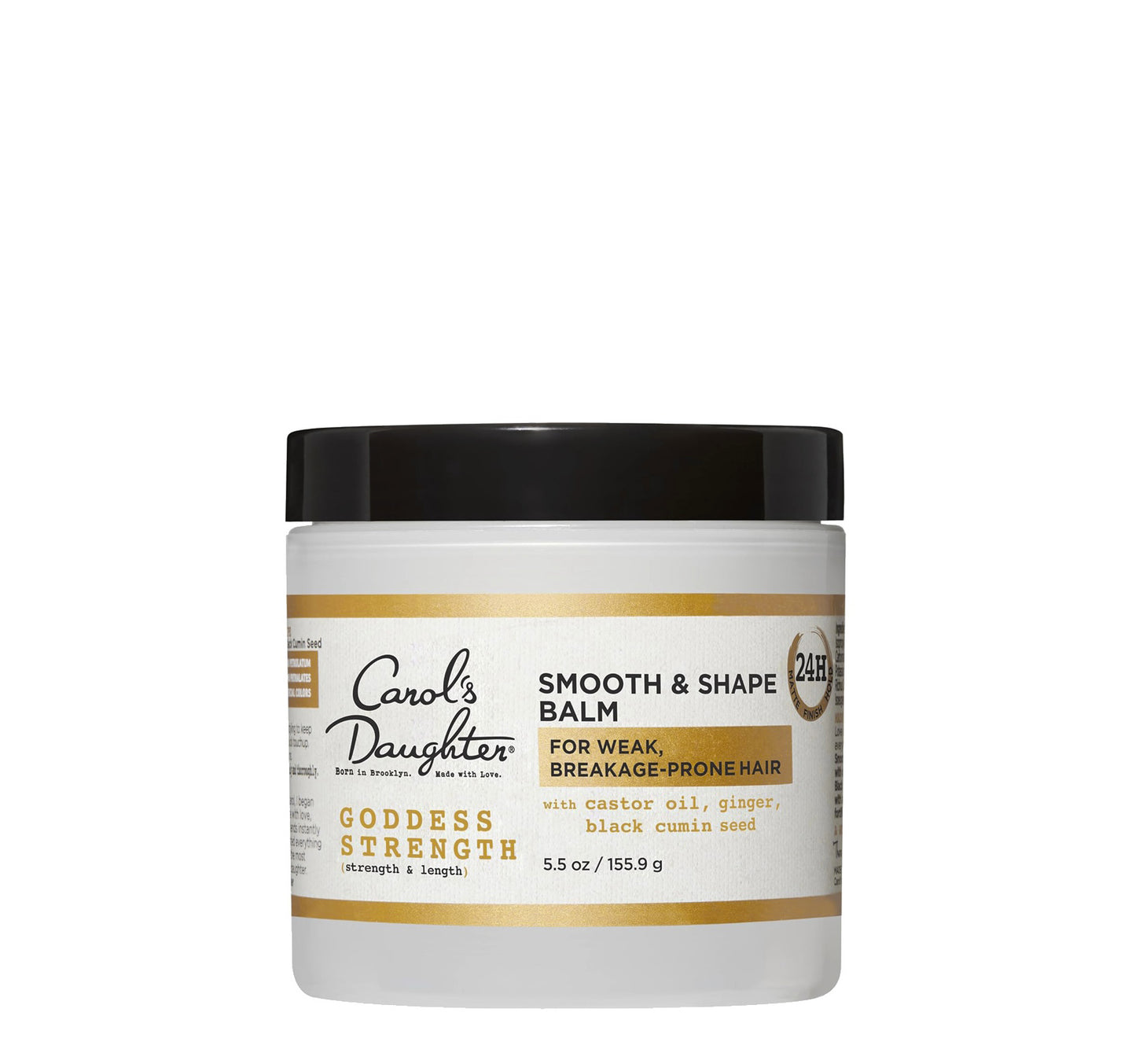
When getting long-wear braids, work with a professional who knows how to install with appropriate tension. To smooth edges without pulling too tight, use the Goddess Strength Smooth & Shape Balm with a soft toothbrush.
For more on protecting your hairline, see our complete guide to growing your edges back.
Benefits of Wearing Twists
Twists offer their own set of advantages — many of them complementary to braids.
1. Twists Are Ideal for Coily Hair
The most common complaint about two-strand twists is that they can unravel or puff up. This is mostly an issue on looser curl patterns. On type 4 coily hair, the natural texture holds the twist in place — often without any product or end-securing at all.
2. No Pulling at the Root
Twists are gentler than braids when it comes to scalp tension. They're lightweight, and even when twisted tightly, they don't tug at the hairline the way some braided styles can. This makes them an excellent choice if you're recovering from edge stress or want to give your hairline a break.
For more on protecting fragile edges, see our guide to baby hairs versus breakage.
3. Twists Are a 2-in-1 Style (The Twist-Out)
Here's the trick that makes twists especially efficient: when you unravel a twist after it's set, you get a twist-out — gorgeous defined waves and curls.
How to get a great twist-out:
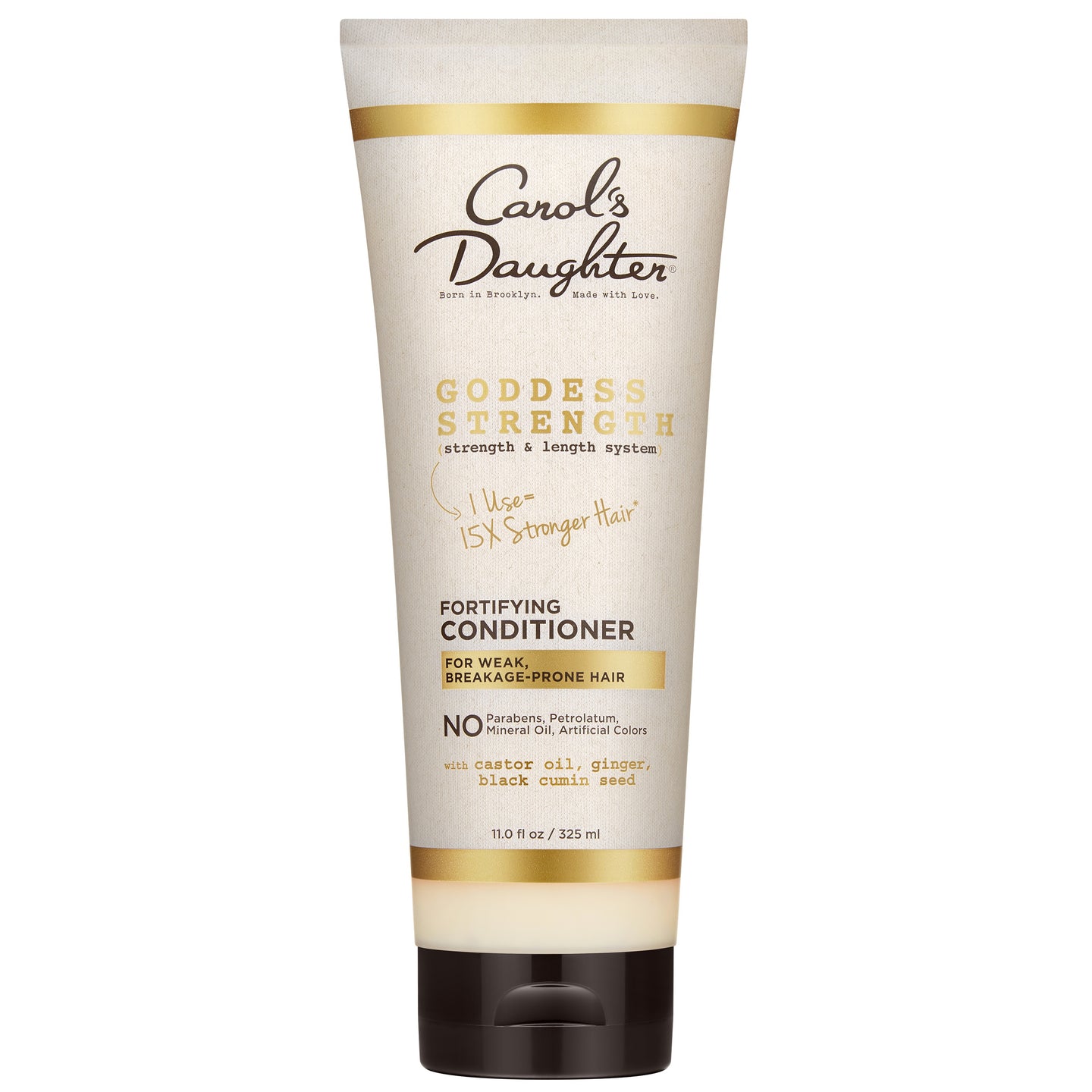
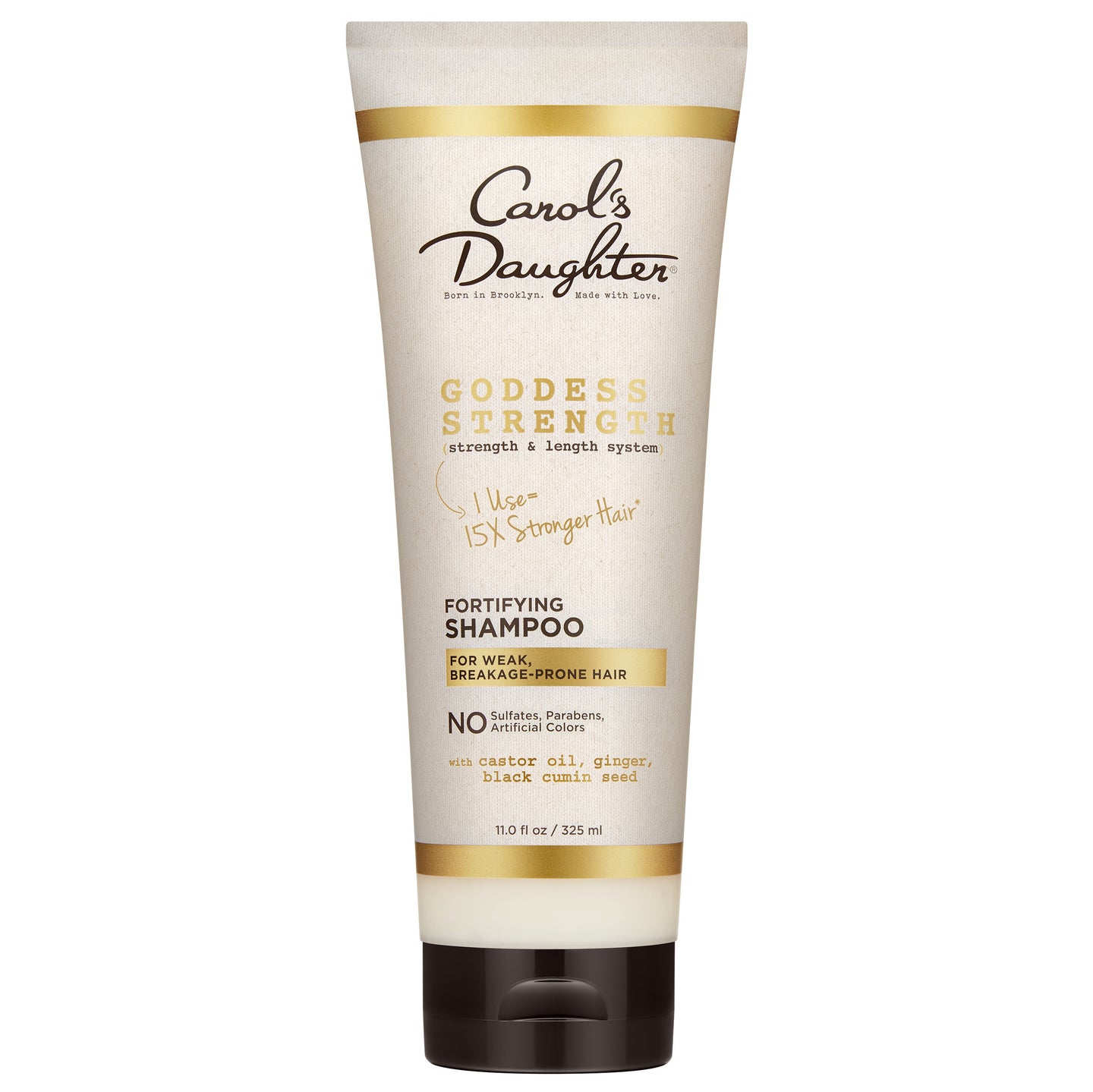
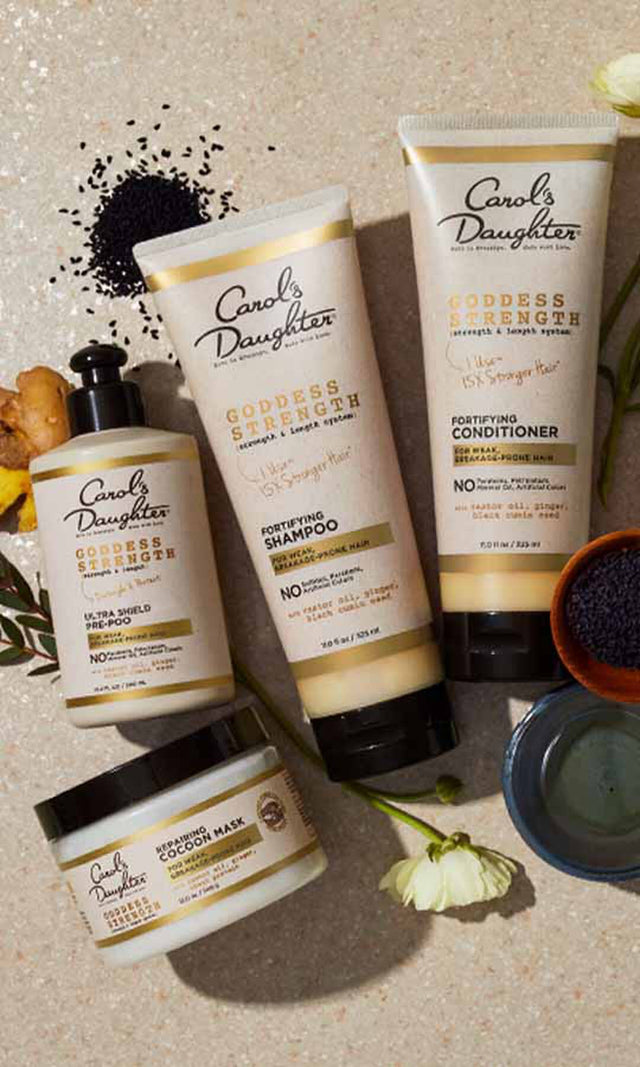
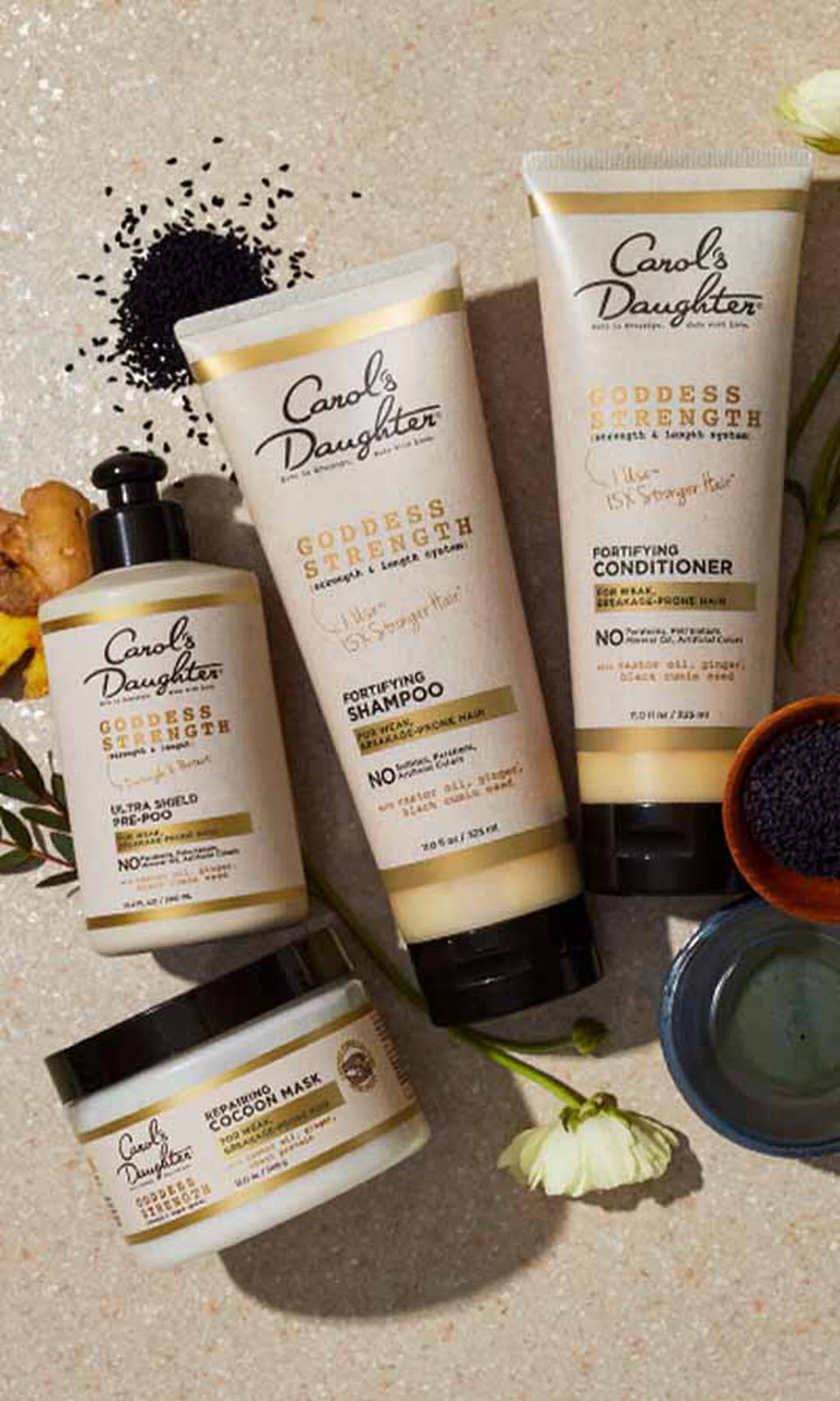
- Wash and condition your hair (the Goddess Strength Fortifying Shampoo is great for prep)
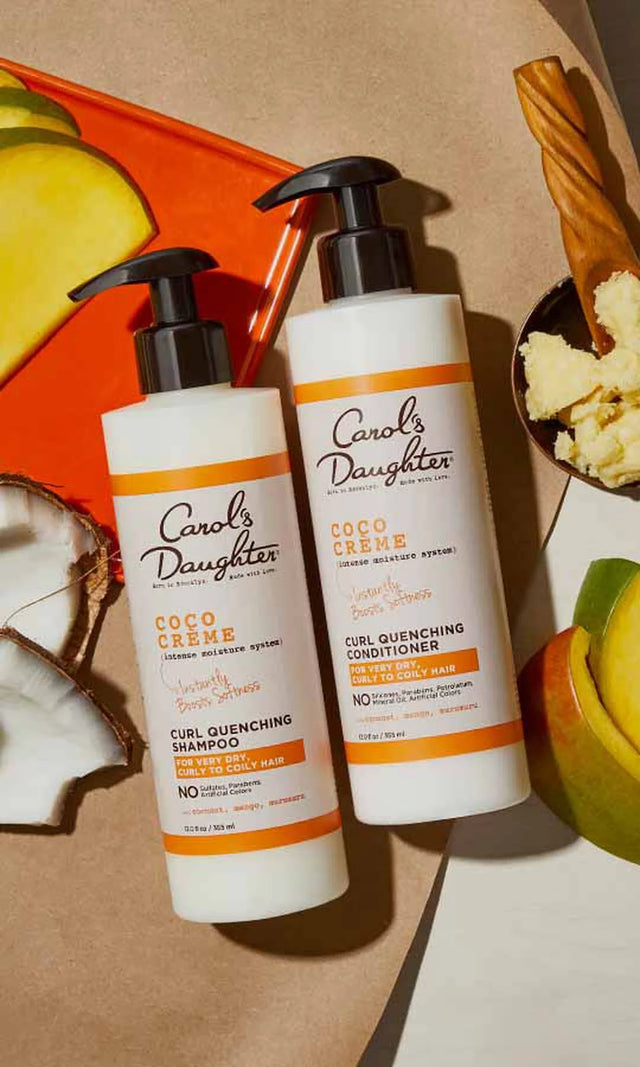
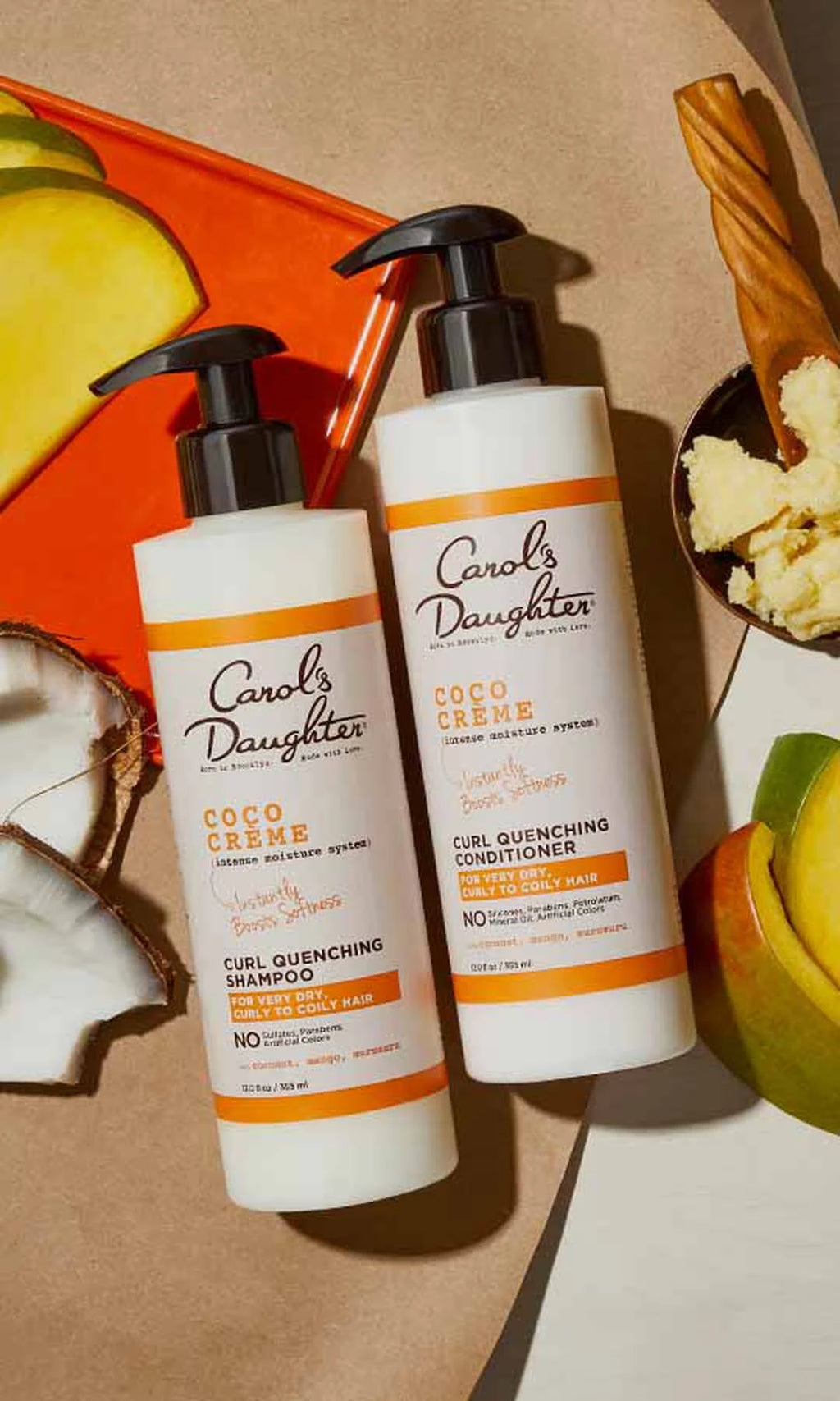
- While damp, apply a defining cream — the Coco Crème Curl Shaping Cream Gel with Coconut Oil adds hold without crunch
- Twist your hair into sections
- Let dry completely (overnight is ideal)
- Unravel each twist gently with oiled fingers
- Wear the twists for a few days, then enjoy the twist-out for the rest of the week
You get two styles out of one install — without any salon time.
Drawbacks of Wearing Twists
Twists have tradeoffs of their own.
1. Twists Don't Last as Long as Braids
Even on coily hair, twists tend to:
- Puff up and lose definition after several days
- Get frizzy at the roots and along the lengths
- Loosen at the ends, requiring re-twisting
For most natural hair, twists last 1–3 weeks at most. Marley and Havana twists with extensions can last longer (4–6 weeks), but pure natural-hair twists are usually shorter-wear.
2. Twists Require More Daily Upkeep
Because twists loosen and frizz more quickly than braids, you'll spend more time maintaining them:
- Re-twisting your ends nightly or every few days
- Touching up frizz with light product
- Sometimes undoing and redoing entire sections to keep them looking fresh
If you're using extension hair (Marley, Senegalese, Havana, etc.), apply a few drops of the Goddess Strength 7-Oil Blend Hair & Scalp Oil daily to keep strands frizz-free and your scalp moisturized.
For deeper hydration, the Coco Crème Coil Enhancing Moisture Butter works as a hair butter for natural hair under and between protective styles.
How Do You Know If Braids or Twists Are Better for You?
Most of this comes down to personal preference — but a few questions can help you decide.
Choose Braids If:
- You want a style that lasts weeks, not days
- You want a more durable, lower-maintenance install
- You're going to a wedding, vacation, or event and need the style to hold
- You're comfortable investing time (or money) into the install
- You want maximum versatility for restyling
Choose Twists If:
- You want a faster, easier install
- You're trying to give your edges a break from tension
- You have type 4 hair and want a style that holds naturally
- You're planning a twist-out and want to get two styles from one install
- You're newer to protective styling and want to start simple
Choose Both (At Different Times) If:
- You rotate protective styles to give your hair variety
- You want to alternate between long-wear (braids) and short-wear (twists) styles
- You're transitioning, growing out edges, or experimenting with what your hair likes best
For full protective style guidance, see our pillar guide to 25 braided hairstyles for natural hair.
How to Care for Your Hair Under Braids or Twists
Whichever style you choose, the maintenance basics are the same.
Cleanse Without Disturbing the Style
Dilute a sulfate-free shampoo like the Wash Day Delight Sulfate Free Shampoo with water and apply directly to your scalp every 1–2 weeks. Massage gently, rinse, and dry completely to prevent mildew.
Moisturize Your Scalp
Apply the Goddess Strength 7-Oil Blend 2–3 times per week to your scalp parts. This keeps your scalp comfortable, your visible parts moisturized, and your hair shafts protected at the roots.
Protect Your Edges
Whatever style you wear, your edges need extra care. The Goddess Strength Smooth & Shape Balm cushions and smooths fragile edges without flaking or stiffness.
Sleep on Silk or Satin
Cotton friction breaks down both braids and twists overnight. A satin pillowcase or bonnet preserves the install and reduces frizz.
For more on caring for your hair through protective styles, see our complete guide to growing your edges back and our hair breakage causes and treatments guide.
Frequently Asked Questions About Braids and Twists
Which is better for thin or fragile hair: braids or twists?
Twists are generally gentler on thin or fragile hair because they create less tension at the root. If you have thinning edges, fine hair, or recent breakage, twists (especially two-strand twists or large, loosely-installed Senegalese twists) put less stress on the follicles than tight braided styles.
Can I sleep in braids and twists overnight?
Yes. Both braids and twists are excellent overnight protection styles — they keep your hair contained and protected from friction. Wrap your style in a satin scarf or wear a satin bonnet over it for the best overnight protection.
Which lasts longer: braids or twists?
Braids. Traditional box braids and knotless braids last 4–8 weeks with proper care. Most twist styles (especially two-strand twists on natural hair) last 1–3 weeks before needing significant maintenance. Twists with synthetic extensions (Marley, Senegalese, Havana) can last 4–6 weeks.
Do twists damage hair the way braids can?
Less often. Because twists don't pull on the roots the way tight braided styles do, they're less likely to cause traction alopecia. However, twists installed too tightly, worn too long without takedown, or paired with synthetic hair that's too heavy can still cause breakage and edge stress.
Can I do braids or twists on type 2 (wavy) or type 3 (loose curly) hair?
Yes — but with adjustments. Braids hold well on every hair type. Twists tend to unravel on looser textures, so on type 2 and type 3 hair, you'll want to use more defining product (like the Coco Crème Curl Shaping Cream Gel) and consider securing the ends with clear elastics.
What's the difference between a twist-out and a braid-out?
Both create defined waves or curls when you unravel them after the hair has dried. The difference: a twist-out (from a two-strand twist) produces a softer, more spiral wave. A braid-out (from a three-strand braid) produces a sharper, more crimped zigzag pattern. Different aesthetics for different vibes.
Are box braids the same as twists?
No. Box braids use three sections (the braid technique), even if they're installed in box-shaped parts. Box twists or Senegalese twists use two sections (the twist technique) in similar parted sections. The parting is similar; the weaving technique is what makes them different.
Can I switch from twists to braids in the same install?
Not really — once you've started a section as twists, you'd need to undo it to re-do it as a braid. But you can wear twists for 2 weeks, take them down, and install braids for your next style. Many people alternate between the two seasonally.
Ready to choose your style?
For braid styling → Shop stylers & protective styling
For protective style scalp care → Shop the Goddess Strength collection
For edge care under any style → Shop Goddess Strength Smooth & Shape Balm
Not sure where to start? → Take the Curl Quiz