

How to Determine Your Natural Hair Curl Pattern


How to Determine Your Natural Hair Curl Pattern
By Carol's Daughter — Updated May 2026
Quick Answer: Your natural hair curl pattern falls into four main categories: straight (Type 1), wavy (Type 2), curly (Type 3), and coily (Type 4). Each is further divided into subtypes (A, B, C) based on curl tightness — making 9 total textured hair types (2A through 4C). To find your pattern, wash your hair, let it air-dry completely without product or manipulation, and observe the natural shape. Most people have one dominant pattern with secondary patterns mixed in. Knowing your curl type helps you choose the right products, techniques, and styles.
Discovering your natural curl pattern is the foundation of every great hair routine.
It determines which products work, which techniques help, and which styles suit your hair best. The wrong assumption (thinking you're 3B when you're actually 2C, for example) leads to wrong products and frustrating results.
Here's how to identify your curl pattern with confidence — plus a complete breakdown of all 9 textured hair types from 2A to 4C.
What Are the Different Curl Patterns?
Curly hair comes in all shapes and sizes — and you can absolutely have more than one curl type on the same head.
It's common to have looser curls in some areas (often the crown or face-framing pieces) and tighter curls in others. Most people have one dominant curl type with secondary patterns mixed in.
If you're unsure, go with the texture you see most. Then build your routine around the dominant type, with adjustments for the others.
The curl type system uses numbers (1–4) for the broad category and letters (A–C) for the subtype within each category:
- 1A–1C — straight hair (1A is the straightest)
- 2A–2C — wavy hair (2A is the loosest wave, 2C is the tightest)
- 3A–3C — curly hair (3A is loosest, 3C is tightest)
- 4A–4C — coily hair (4A is loosest coil, 4C is tightest)
All 9 Textured Hair Types: A Complete Breakdown
4C Hair
The most tightly coiled of all hair types. Densely packed coils that are naturally susceptible to major shrinkage, giving them a spongier afro texture. The strands appear in zig-zag patterns; the curl pattern itself can be hard to follow without products.
Biggest concerns: Dryness, curl definition, avoiding tangles.
For everything you need to know, see our complete guide to 4C hair and our 15 timeless 4C hairstyles guide.
4B Hair
Tight zig-zag curls similar to 4C, with a little more curl elongation (think of a pen's spring). Springy texture with visible curl pattern. Requires product to really let the curls shine.
Biggest concerns: Dryness and avoiding tangles.
For more, see our complete guide to 4B hair.
4A Hair
Tight, springy "S"-shaped coils. The first of the coily category. Moderate shrinkage compared to 4B/4C. Curls can be elongated and defined relatively easily with the right products.
Biggest concerns: Dryness, frizz, avoiding tangles.
For more, see our complete guide to 4A hair.
3C Hair
Voluminous, defined corkscrew curls. Pencil-sized ringlets that are densely packed. Less shrinkage than type 4 patterns.
Biggest concerns: Frizz, tangles, single-strand knots (fairy knots).
For more, see our complete guide to 3C hair.
3B Hair
Large, springy loose curls about the width of a marker. Curls are clearly defined and bouncy. Needs plenty of moisture to maintain definition.
Biggest concerns: Frizz, lack of moisture retention.
For more, see our complete guide to 3B hair.
3A Hair
The loosest of the curly types. Very defined "S"-shape curls about the width of sidewalk chalk. Hair often needs to be scrunched to emphasize the natural curl pattern.
Biggest concerns: Frizz and curl definition.
2C Hair
The most defined of the wavy types. "S"-shaped wave pattern that begins at the root. Almost looks like loose curls.
Biggest concerns: Unwanted frizz, dryness.
For more, see our complete guide to 2C hair.
2B Hair
Loose S-shaped wave pattern that starts at the mid-shaft. Less defined than 2C but with a clear wavy structure.
Biggest concerns: Frizz, less definition than tighter wave types.
For more, see our complete guide to 2B hair.
2A Hair
Flatter at the roots with the wave starting to peek through at the mid-lengths and ends. The loosest of the wavy types — often looks almost straight.
Biggest concerns: Volume, lack of body, frizz.
For more, see our complete guide to 2A hair.
Find Your Personalized Routine
The Curl Quiz uses your specific hair characteristics to identify your curl type, porosity, and the products built for your hair.
Take the Curl Quiz → A 5-step quiz that identifies your hair type, main concerns, and the products built for your texture.
How Do I Find My Natural Curl Pattern?
To accurately identify your natural curl pattern, you need to see your hair in its truest state — no product, no styling, no manipulation.
The Step-by-Step Method
Step 1: Wash your hair with a sulfate-free shampoo.
Step 2: Rinse thoroughly and gently squeeze out excess water.
Step 3: Don't apply any styling products.
Step 4: Let your hair air-dry completely without touching it.
Step 5: Once dry, observe the pattern that has formed naturally.
Step 6: Compare against the descriptions above. Identify your dominant pattern.
What to Look For
- The shape: Is it a soft wave (S-curve), a spring (corkscrew), or a zig-zag?
- The width: Sidewalk chalk? Marker? Pencil? Drinking straw? Smaller?
- The density: How packed together are the strands?
- Where the pattern starts: At the root? Mid-shaft? Only at the ends?
You may have more than one pattern — that's normal. Pick the dominant one as your baseline.
Important Note: Heat and Color Can Affect Your Pattern
Color-treating or heat-styling can disguise (or even permanently change) your natural curl pattern.
Heat damage doesn't always revert. If you've been wearing your hair straight regularly, your new growth at the scalp reveals your true texture — but the older length may behave differently.
To recover your natural pattern after damage:
- Stop using heat
- Deep condition weekly
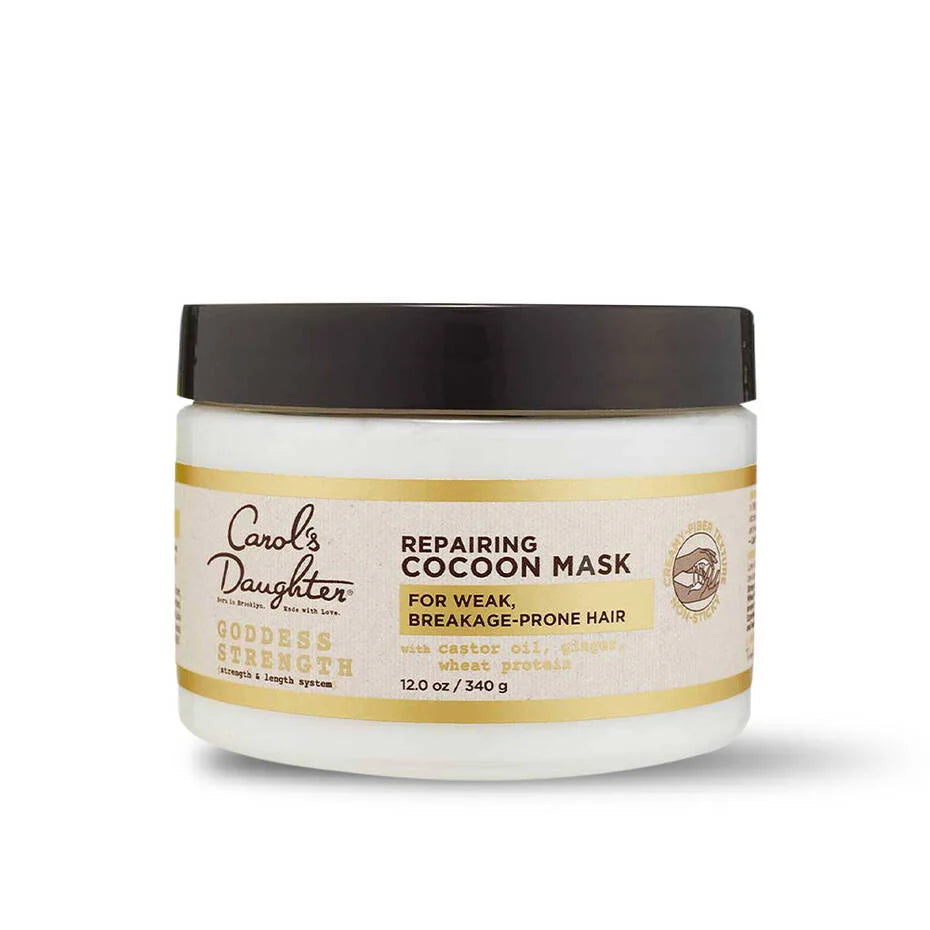
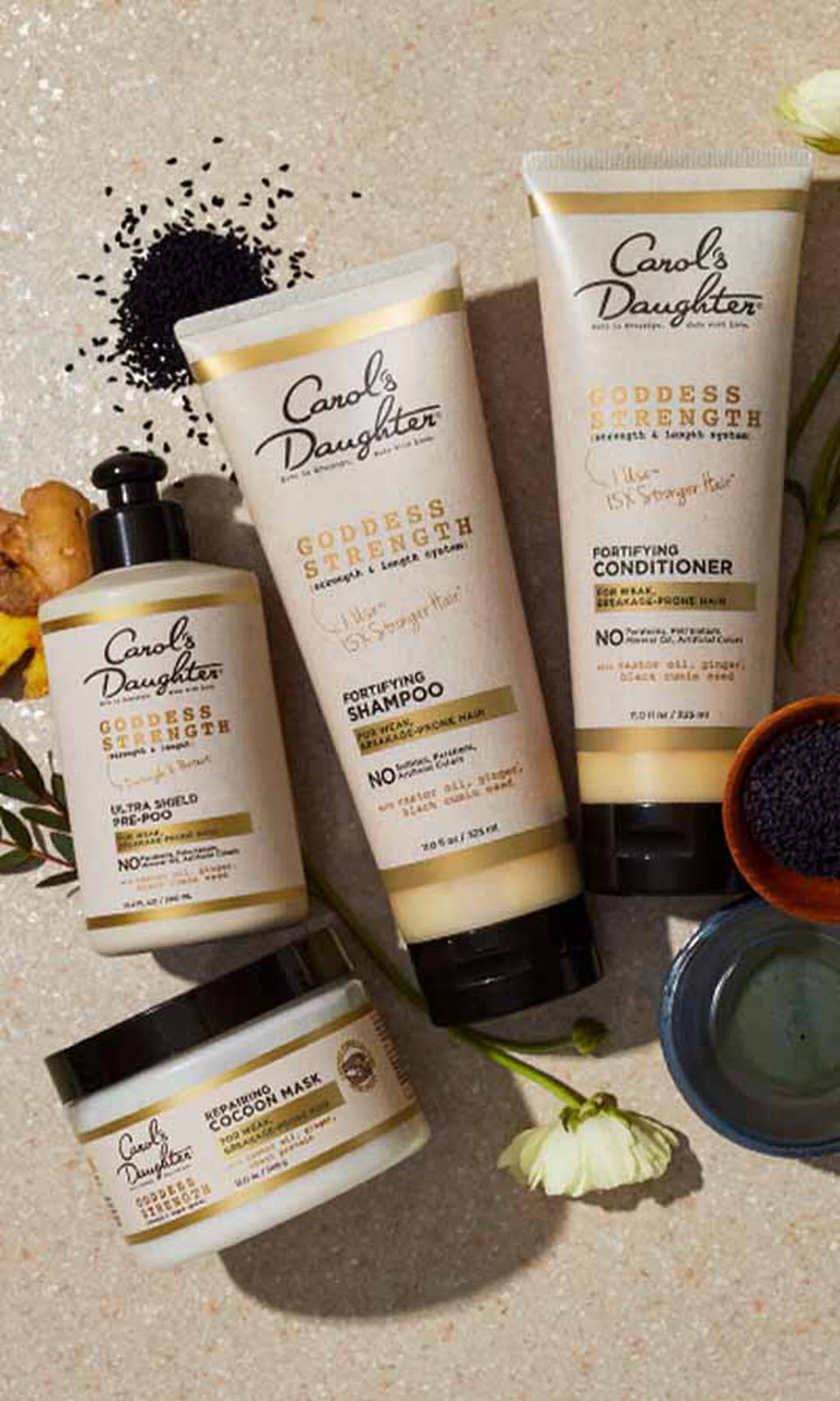
- Use repair-focused products like the Goddess Strength Cocoon Hydrating Hair Mask
- Trim damaged ends regularly
- Be patient — recovery takes 3–6 months at minimum
For more, see our complete guide to repairing heat-damaged curly hair.
Is My Curl Pattern Different From My Hair Type?
These terms are often used interchangeably, but they're actually different:
- Curl pattern = the overall shape and size of your curls (2A, 3B, 4C, etc.)
- Hair type = the state of your strands — specifically their fineness or thickness
You can have tightly coiled 4C hair with fine strands. Or 2B waves with thick strands. Both characteristics matter when choosing products.
Other hair characteristics that affect what products work for you:
- Porosity (how well your hair absorbs and retains moisture)
- Density (how many strands per square inch)
- Elasticity (how much your hair stretches without breaking)
- Scalp type (oily, dry, balanced)
For broader guidance, see our complete guide to taking care of curly hair.
Does Everyone Have a Curl Pattern?
No.
People with 1A (straight) hair don't have a natural curl pattern — their hair doesn't hold a curl. Type 1 hair includes 1A (straightest), 1B (slight body), and 1C (some body and volume).
If your hair doesn't hold any wave or curl pattern after washing and air-drying, you likely have type 1 hair.
What Are the Best Products for My Curl Type?
Different curl types have different needs. Here's a quick guide to the right products for each.
For 4C Hair: Moisture-First Products
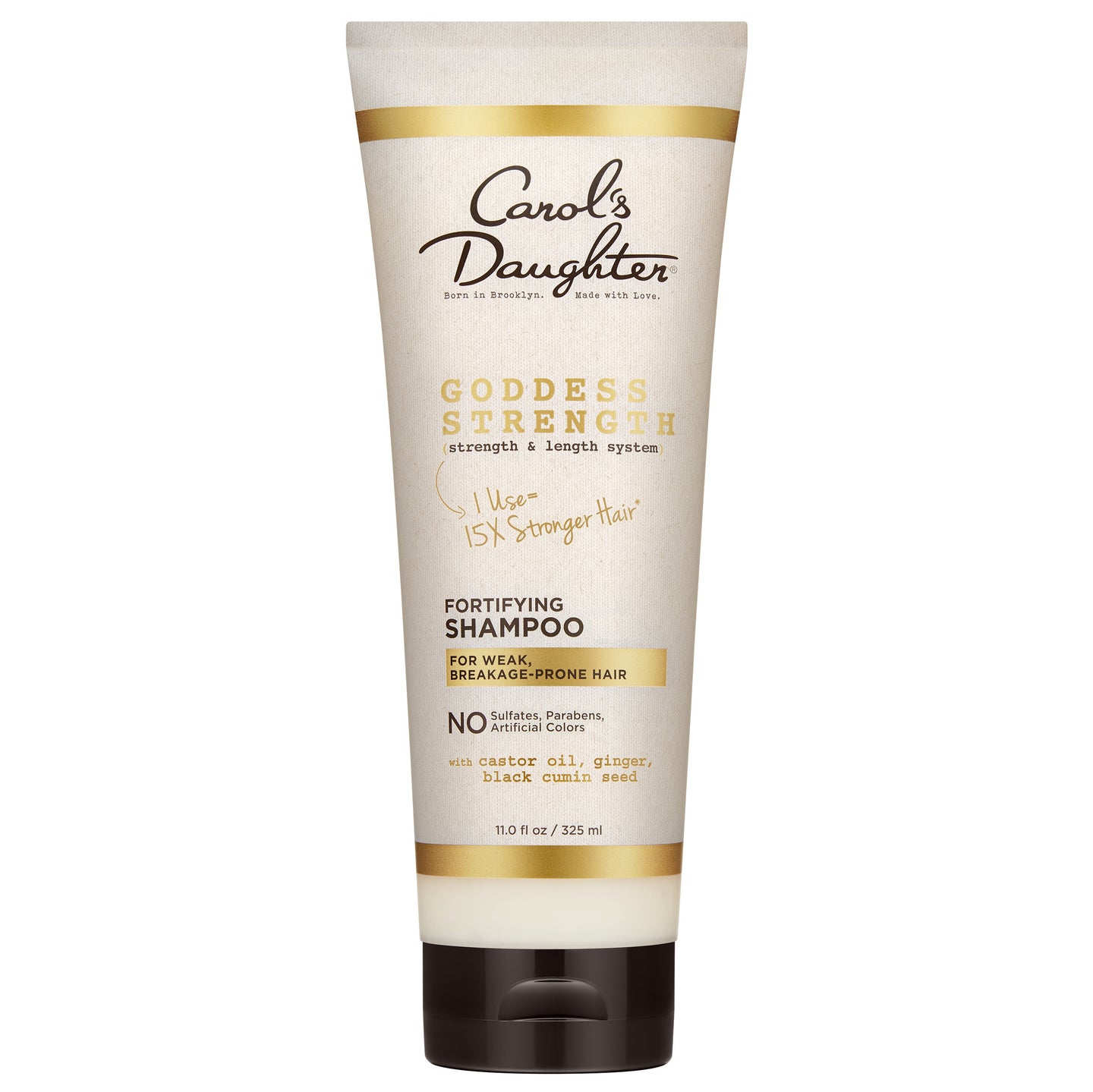
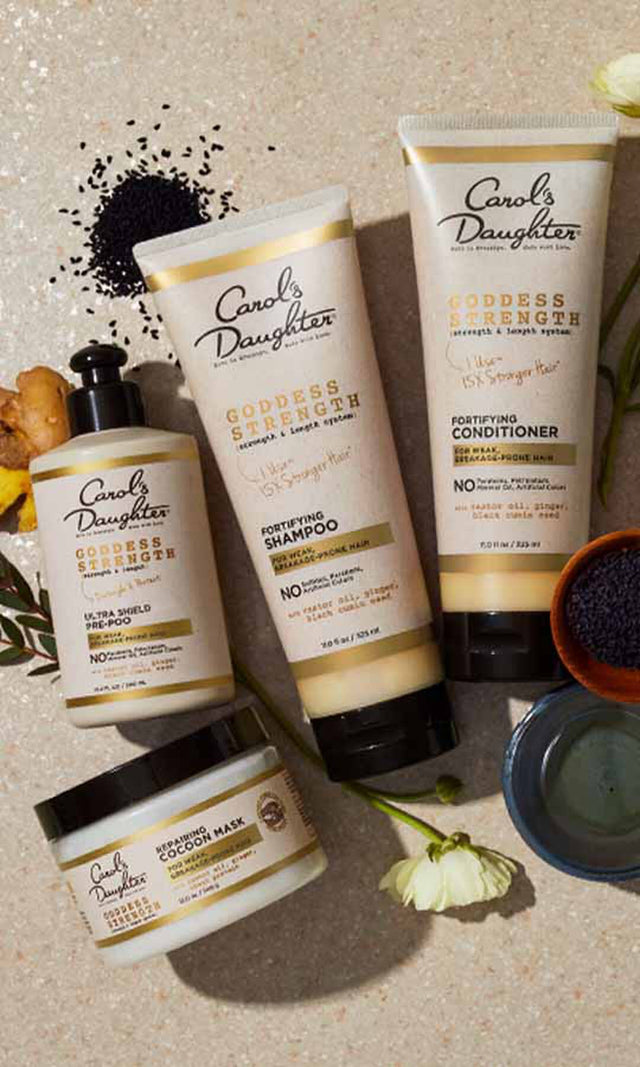
The Goddess Strength Fortifying Shampoo with Castor Oil cleanses while strengthening — formulated with castor oil, black cumin seed oil, and ginger.
For finishing shine and frizz control: Mimosa Hair Honey Shine Pomade — moisturizes while smoothing.
For 4B/4A Hair: Easy Detangling and Strength
The Black Vanilla Moisture & Shine Leave-In Conditioner makes dry, brittle hair more manageable and can be used daily without buildup.
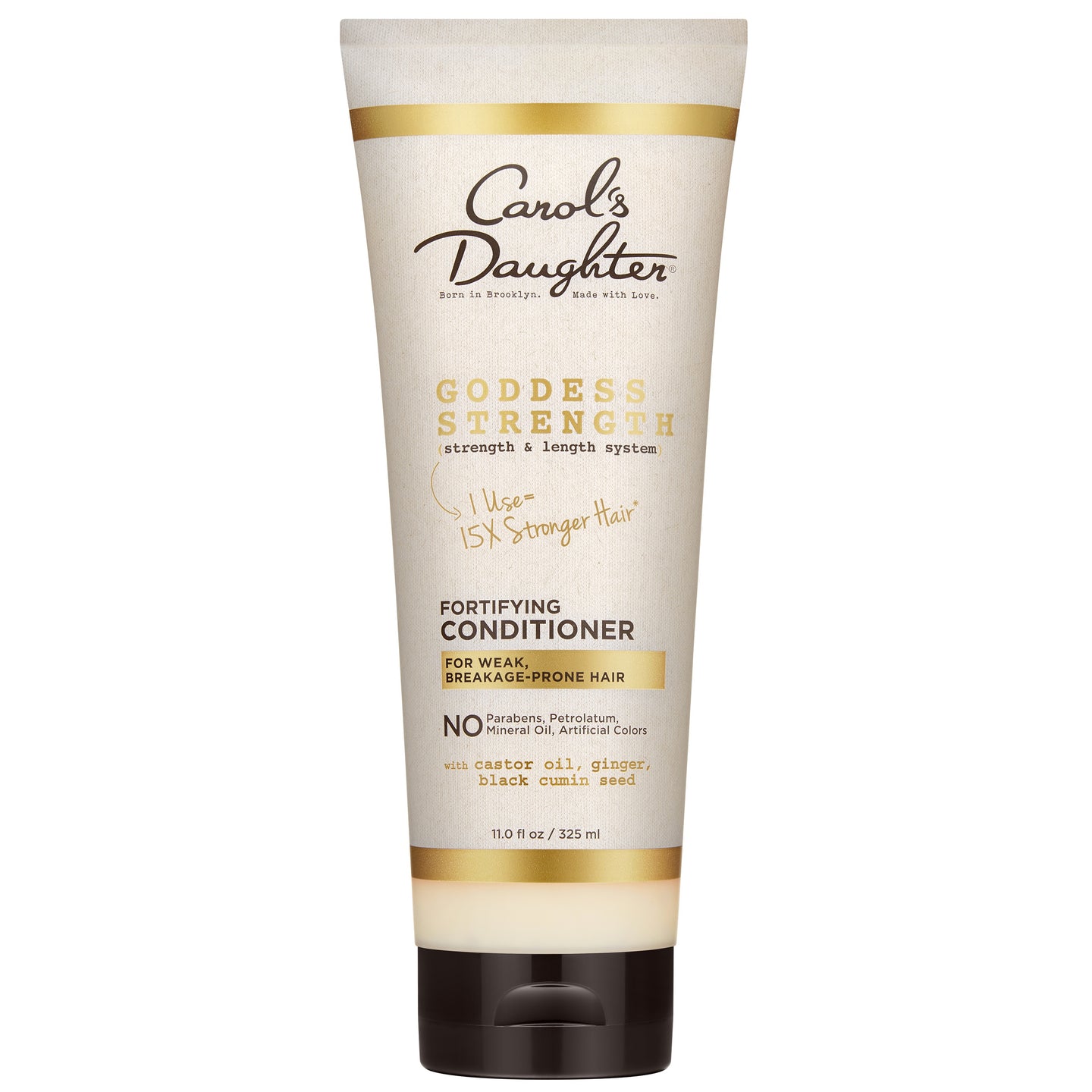
For strength: pair the Goddess Strength Fortifying Shampoo with the Goddess Strength Fortifying Conditioner — keeps hair strong despite styling and manipulation.
For 3C/3B Hair: Moisture + Detangling
The Wash Day Delight Sulfate Free Shampoo for Curly Hair and Wash Day Delight Conditioner with Aloe make a great pair. Gentle lather, detangling slip — built for the demands of denser curls.
For 3A Hair: Hydration + Hold
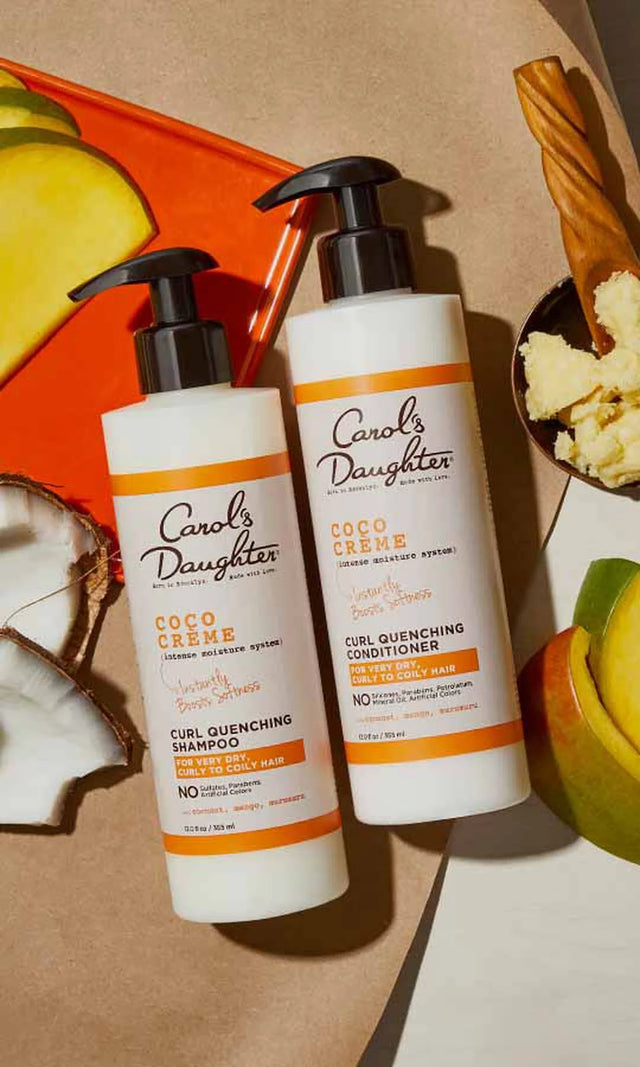
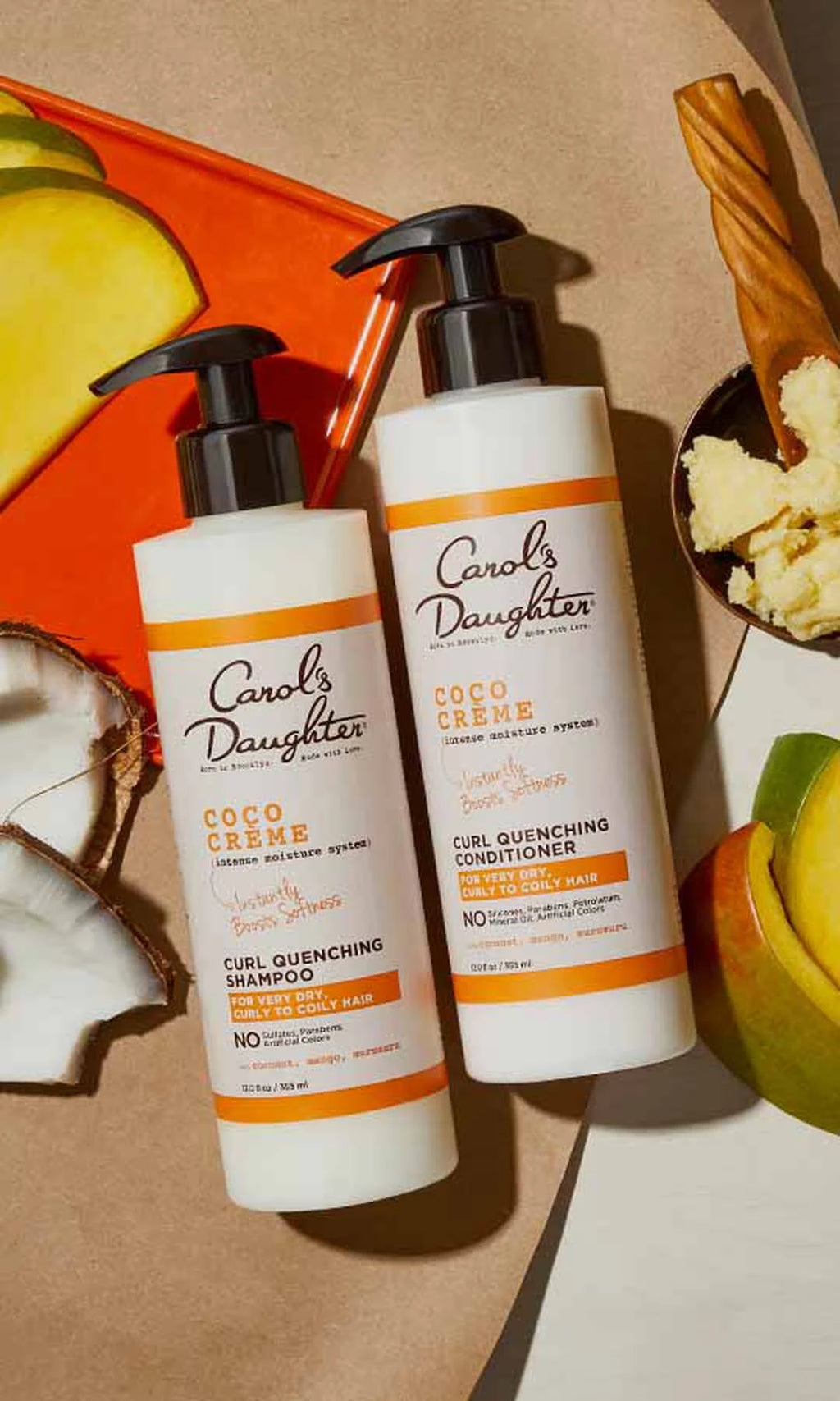
The Coco Crème Curl Shaping Cream Gel with Coconut Oil provides natural hold — perfect for wash-and-go styles.
For daily refresh: the Hair Milk Original Leave-In Moisturizer shields and protects without weighing curls down.
For Type 2 Waves: Lightweight Moisture and Shine
For wavy hair, the Goddess Strength 7-Oil Blend Hair & Scalp Oil is ideal — lightweight enough not to flatten waves, moisturizing enough to combat dryness and add shine. Use as a pre-wash treatment for waves that are soft and shiny.
Frequently Asked Questions About Curl Patterns
Can my curl pattern change over time?
Yes — hormones (especially during pregnancy), age, medications, and damage can all affect your curl pattern temporarily or permanently.
Why does my hair have multiple curl patterns?
Multiple patterns on one head is normal — almost everyone has it to some degree. Different sections of your scalp produce slightly different curl patterns. The crown often has tighter curls than the nape, for example.
How accurate is the A/B/C scale?
It's a general framework, not a perfect classification. Many people fall between two categories (like "2C/3A"). Use it as a guide, not a strict rule.
Does porosity matter more than curl pattern?
Both matter, for different reasons. Curl pattern determines styling and definition needs. Porosity determines product weight and absorption. You need to know both to build a complete routine.
How do I find products specifically for my curl type?
Take the Curl Quiz for personalized recommendations. Or use the curl-type sub-pillar guides above to see products matched to each specific type.
Will heat damage permanently change my curl pattern?
Sometimes, yes. Severe heat damage can weaken the protein bonds in your hair that hold its shape — and those changes don't always reverse. The only "fix" is growing out the damaged section and trimming it off over time.
Is my hair texture genetic?
Largely yes — your curl pattern is determined by your hair follicle shape, which is genetic. The shape of the follicle determines the shape of the strand.
Can I switch from one curl type to another using products?
Not really. Products can enhance or stretch what's already there, but you can't fundamentally change a 4C hair into a 3A hair. The good news: every curl type is beautiful when properly cared for.
Ready to start caring for your curl type?
For sulfate-free wash days → Shop sulfate-free shampoos
For all curl-type product lineups → Shop the Goddess Strength collection
For more curly hair guidance → Read our complete guide to detangling natural hair
Not sure where to start? → Take the Curl Quiz