The Best Way to Take Care of Curly Hair


The Best Way to Take Care of Curly Hair
By Carol's Daughter — Updated May 2026
Quick Answer: The best curly hair care routine focuses on moisture retention, breakage prevention, and protective styling. The 5 foundational steps: (1) cleanse with a sulfate-free shampoo, (2) condition with a moisture-rich formula, (3) deep condition weekly to monthly, (4) dry gently with a cotton T-shirt or microfiber towel, and (5) protect at night with a satin bonnet or pillowcase. Product choices vary by curl type — tighter coils (4A–4C) need richer, heavier moisturizers; looser waves (3A–3C) need lighter formulas to avoid weighing curls down.
Curly hair care isn't one-size-fits-all.
The right routine depends on your curl pattern, porosity, styling habits, and lifestyle. But across every variation, the same five principles hold: moisture in, breakage out, gentle handling, the right products, and consistent protection.
Here's everything you need to know about taking care of curly hair — from the right routine to product choices to common concerns.
How to Care for Curly Hair
Curly hair generally falls between type 3 (wavy to springy curls) and type 4 (tight coils). Most people have a mix of curl patterns on their head — looser around the face, tighter at the crown, or some other combination.
The tighter the curl, the more prone it is to:
- Dryness (natural oils can't travel down zig-zag strands)
- Breakage (more bend points in each strand)
- Frizz (the curl pattern has more surface area to lift)
- Shrinkage (curls compress when drying)
This means: the tighter your curl, the more moisture-focused your routine needs to be.
For more on identifying your curl type, see our complete guide to 4C hair or take the Curl Quiz.
Find Your Personalized Routine
Your specific curl type, density, and porosity determine which products work best for you.
Take the Curl Quiz → A 5-step quiz that identifies your hair type, main concerns, and the products built for your texture.
Caring for 4A to 4C Hair
The tightest curl patterns are the most fragile and the driest.
What Type 4 Hair Needs Most
- Maximum moisture retention at every step
- Gentle cleansing that doesn't strip natural oils
- Rich conditioners with penetrating oils
- Frequent deep conditioning (weekly or every other wash)
- Heavier sealants like shea butter and castor oil
Best Products for Type 4 Hair
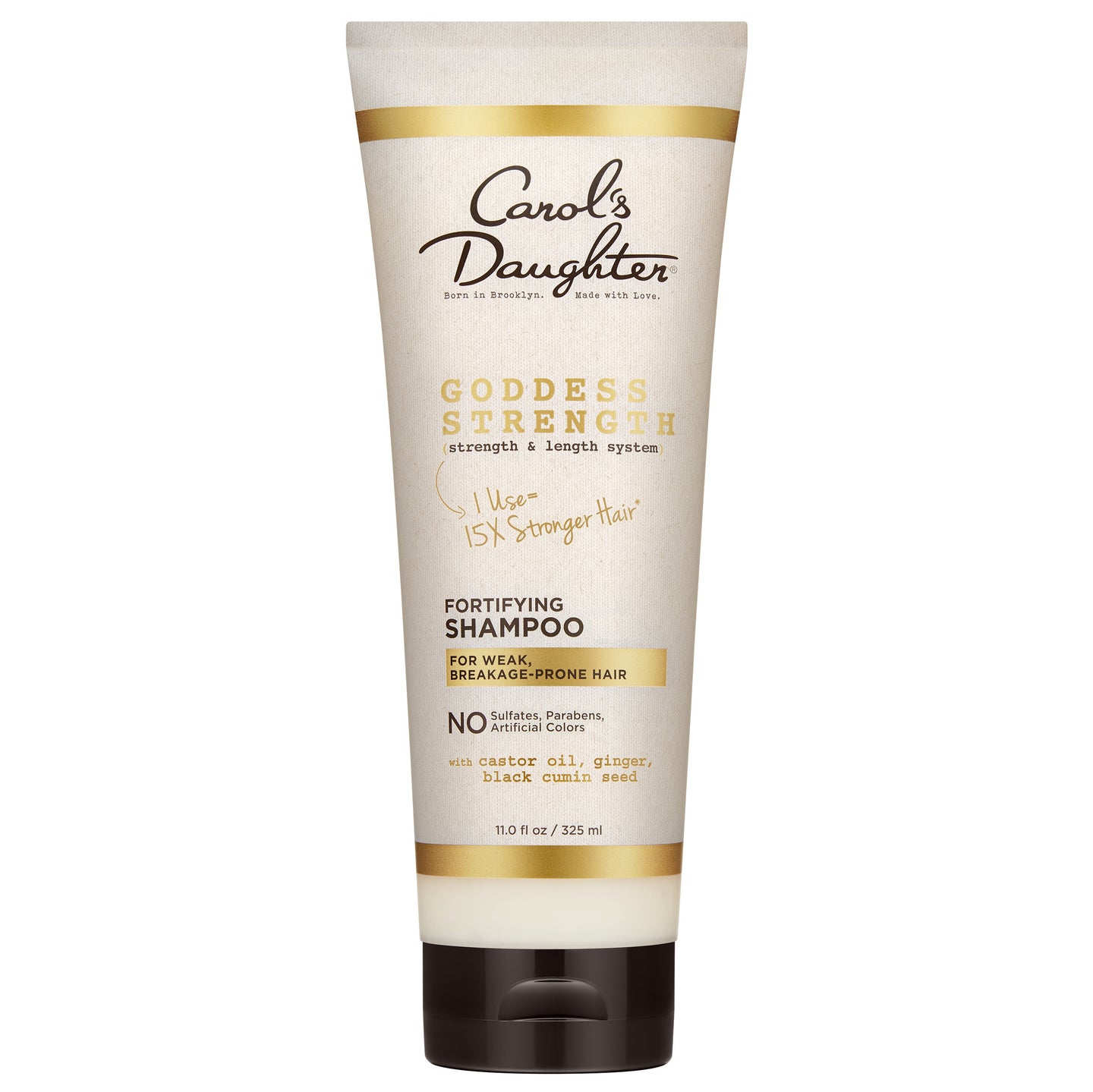
For cleansing: The Coco Crème Sulfate Free Shampoo — coconut oil-rich, cleanses while adding moisture, balanced for thick coily textures.
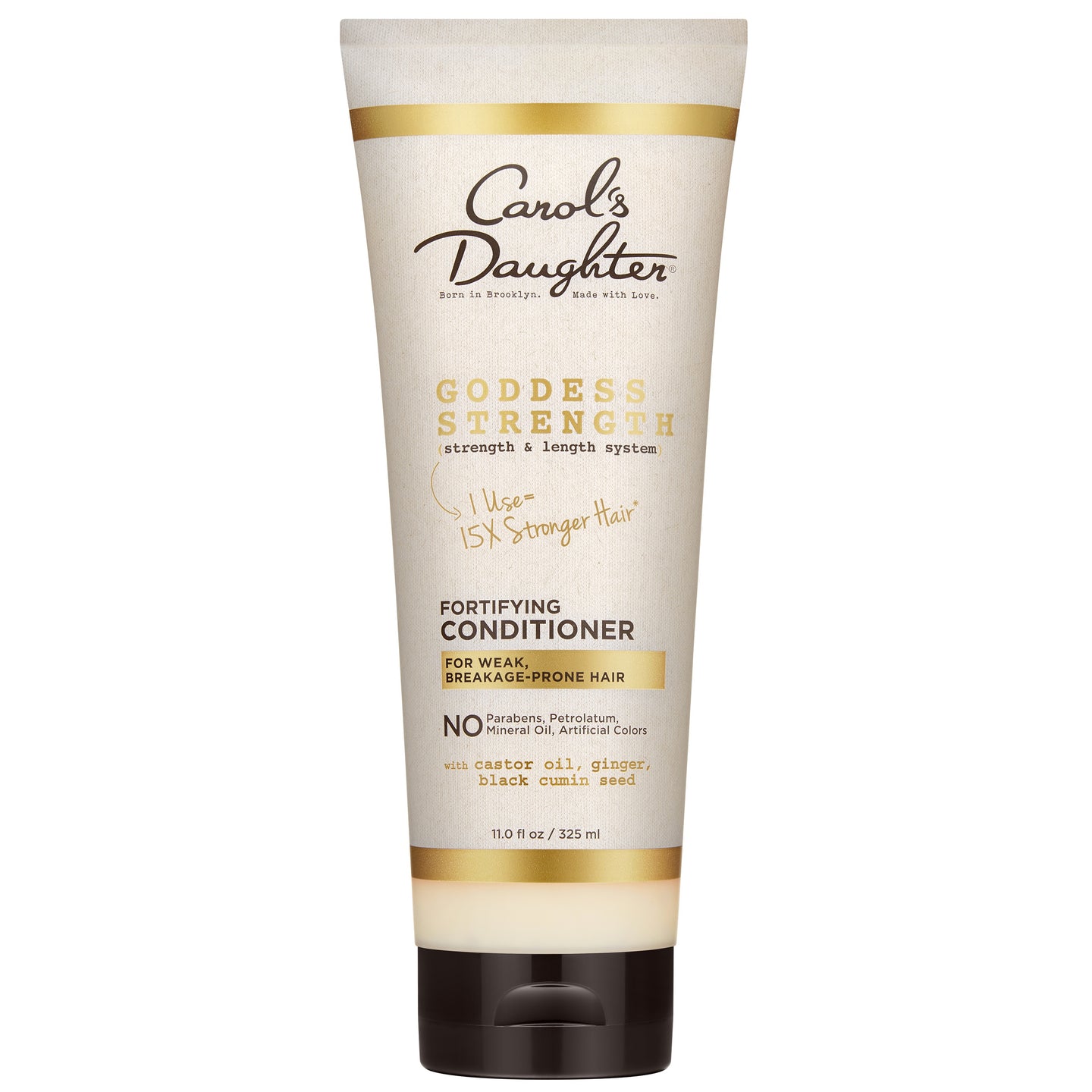
For conditioning: The Goddess Strength Fortifying Conditioner with Castor Oil — castor oil, black cumin seed oil, and ginger soften, strengthen, and detangle simultaneously.
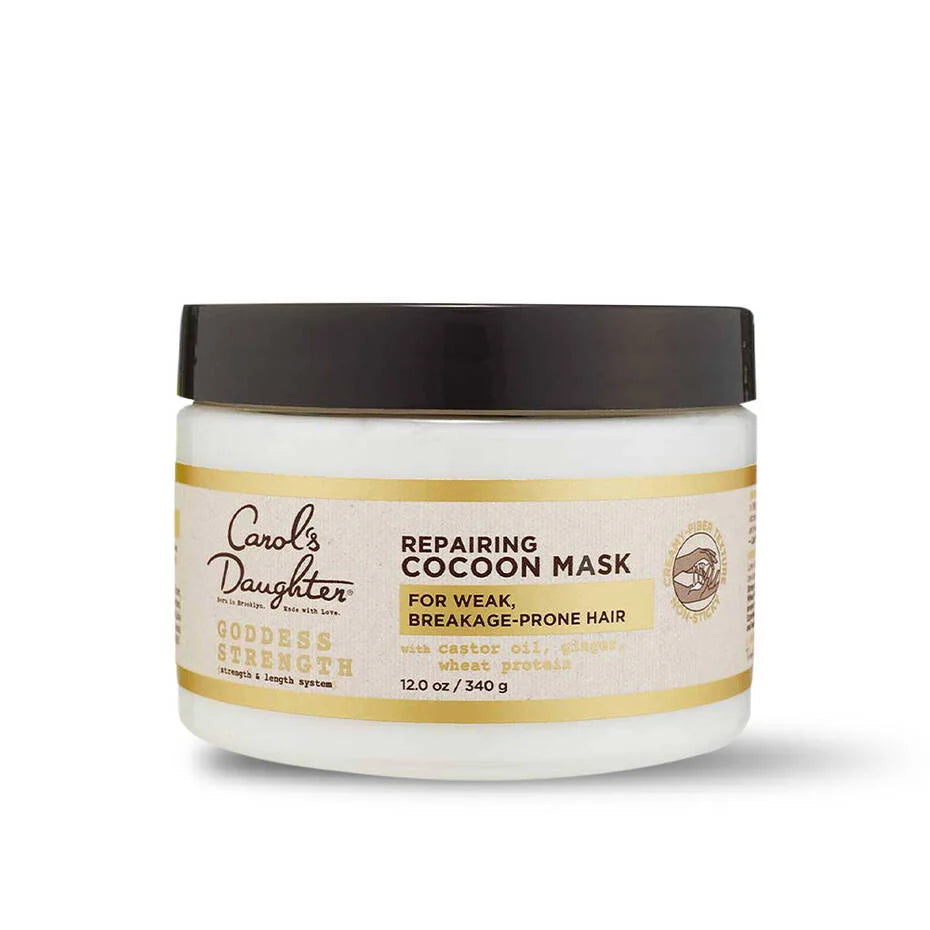
For deep conditioning: The Goddess Strength Cocoon Hydrating Hair Mask — penetrates the cuticle for intense moisture and breakage prevention.
For more on type 4 specifically, see our complete guide to caring for 4C hair.
Caring for 3A to 3C Hair
Looser curls and waves face a different set of challenges — primarily porosity-related rather than dryness-related.
What Type 3 Hair Needs Most
- Moisture balance — enough hydration without weighing curls down
- Lightweight products that don't sit on the hair
- Definition support — curls in this range can lose shape faster than type 4
- Light hold products like gels for curl memory
Best Products for Type 3 Hair
For cleansing: The Wash Day Delight Sulfate Free Shampoo for Curly Hair — micellar formula, lightweight, deeply cleansing without stripping.
For conditioning: The Black Vanilla Moisture & Shine Hydrating Conditioner — lightweight enough not to weigh curls down, hydrating enough to maintain moisture.
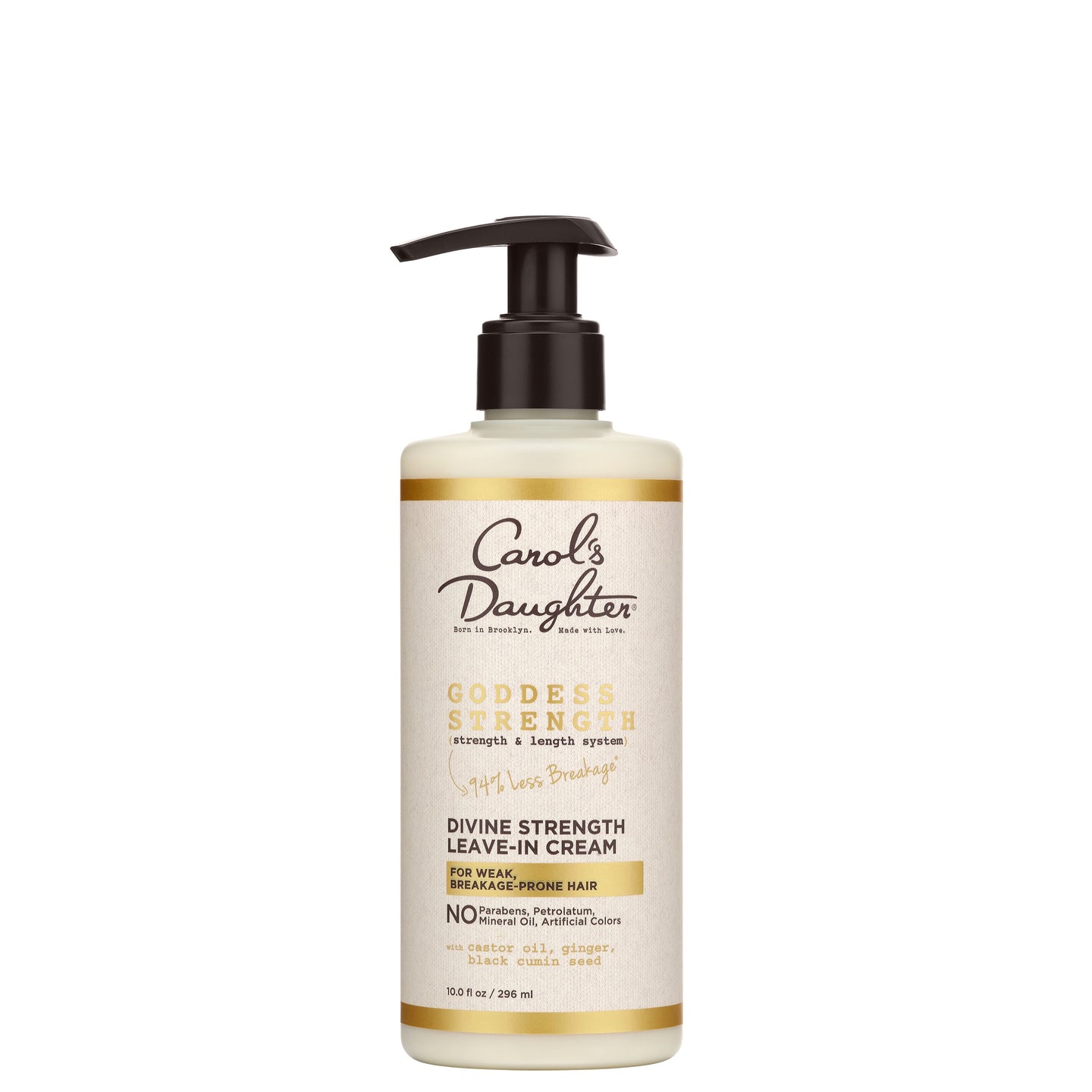
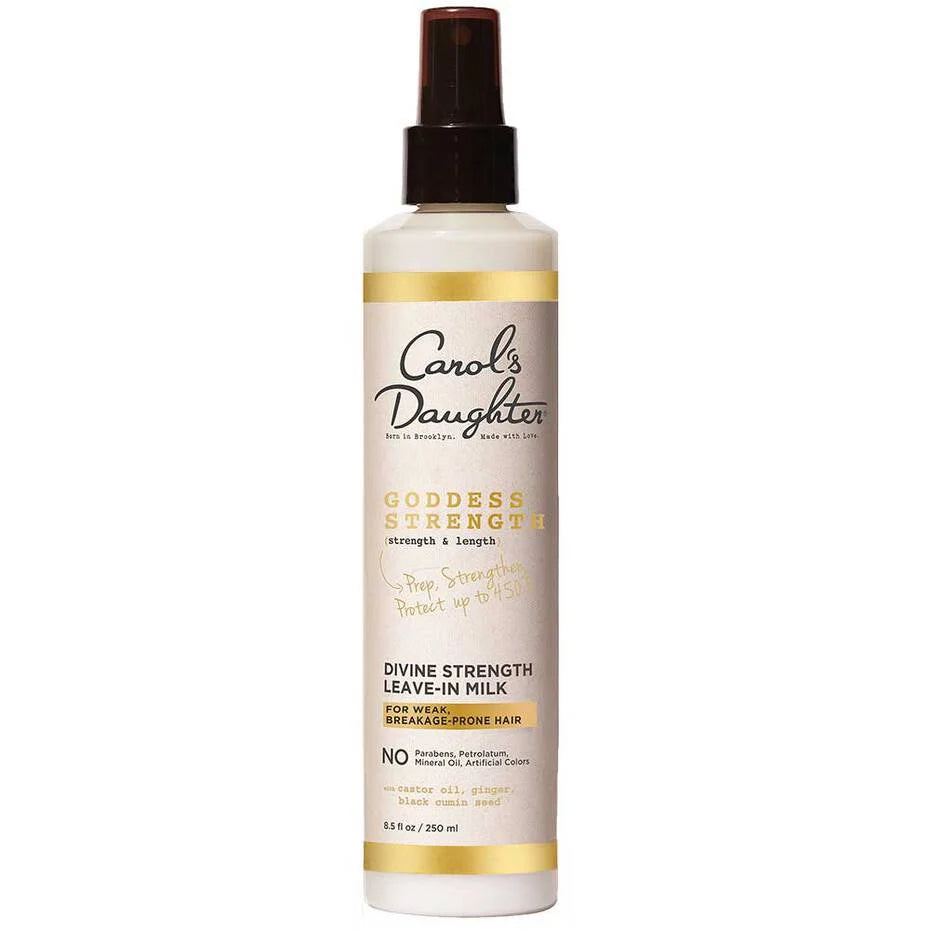
For leave-in moisture: The Hair Milk Original Leave-In Moisturizer — light, anti-frizz, prep curls for styling.
For hold and definition: The Coco Crème Curl Shaping Cream Gel with Coconut Oil — medium hold without flake or stiffness.
How to Build a Curly Hair Routine
The basics translate across curl types. The products change; the steps don't.
Step 1: Cleansing
Start with a thorough wash to remove dirt, buildup, and excess oil. Focus on your roots — that's where the most buildup settles.
The Wash Day Delight Sulfate Free Shampoo has a pointed-tip applicator designed specifically for targeting your scalp without flooding your lengths with shampoo.
For more on wash technique, see our complete guide to washing curly hair.
Step 2: Conditioning
Follow your cleanse with a conditioner suited to your curl type:
- Type 3 hair: Black Vanilla Moisture & Shine Hydrating Conditioner
- Type 4 hair: Goddess Strength Fortifying Conditioner with Castor Oil
You can also alternate shampoo with a co-wash to maintain moisture balance. For more, see our complete co-washing guide.
Use the time conditioner is on your hair to gently detangle with your fingers or a wide-tooth comb.
Step 3: Deep Conditioning
Bi-monthly to monthly, treat your hair to an intensive moisture session.
The Goddess Strength Cocoon Hydrating Hair Mask provides a deep-penetration treatment that restores what your daily conditioner can't.
For maximum penetration, use a hair steamer or sit under a hooded dryer with a shower cap — the heat opens the cuticle so the mask works more effectively.
Step 4: Proper Drying
Wet hair is at its most fragile. Drying technique matters more than most people realize.
- Use a soft cotton T-shirt or microfiber towel — never traditional terry cloth (causes friction and frizz)
- Scrunch and squeeze — don't rub
- Apply leave-ins while hair is still damp — sets you up for the rest of your routine
For more on drying techniques, see our complete guide to repairing heat-damaged curly hair.
Step 5: Protecting
Nighttime protection is non-negotiable for curly hair.
- Sleep on a satin or silk pillowcase
- Wear a satin or silk bonnet
- Pineapple your curls (gathered loosely at the crown)
For the full breakdown, see our complete guide to hair pineappling.
3 Curly Hair Tips That Make a Difference
1. Moisturize Frequently
Curly hair drinks moisture constantly. Daily light-moisture refreshes between washes:
- A few drops of the Goddess Strength 7-Oil Blend Hair & Scalp Oil smoothed through the lengths
- A spritz of the Hair Milk Refresher Spray to revive curls
- A small amount of leave-in on the ends if they feel dry
2. Prevent Split Ends With Regular Trims
Trim every 6–8 weeks. Yes, even when you're trying to grow your hair longer.
Split ends travel up the hair shaft, creating more damage over time. Cutting them off keeps your hair healthier and helps it grow stronger.
For more on split ends, see our complete guide to split ends.
3. Choose Better Ingredients
What goes on your hair matters as much as how you handle it. Look for:
- Moisturizing oils: coconut, avocado, olive, castor, jojoba
- Humectants: glycerin, hyaluronic acid, honey
- Sealants: shea butter, cocoa butter
Avoid:
- Sulfates (SLS, SLES) — strip natural oils
- Drying alcohols (ethanol, propanol)
- Heavy silicones that block moisture absorption
For more on sulfates specifically, see our complete guide to sulfate-free shampoo.
How to Care for Color-Treated Curly Hair
Color adds a layer of vulnerability — especially when curls were bleached or lightened first.
Key Principles for Color-Treated Curls
- Deep condition more frequently (weekly minimum)
- Use the most moisturizing products available — the Goddess Strength Fortifying Conditioner is a strong choice
- Apply the Goddess Strength Cocoon Hydrating Hair Mask as a heavy-duty moisture treatment when needed
- Protect from sun damage — sun fades color and dries strands further
- Use sulfate-free shampoo always — sulfates strip color faster than they strip oil
For more on color-treated hair recovery, see our complete guide to repairing bleach-damaged curls.
What Are the Best Products for Curly Hair?
The best curly hair products combine three categories of ingredients:
| Category | What They Do | Examples |
|---|---|---|
| Penetrating moisturizers | Absorb into the hair shaft | Coconut oil, avocado oil, olive oil |
| Humectants | Attract moisture from the air | Glycerin, hyaluronic acid, honey |
| Sealants | Lock in moisture, smooth cuticle | Shea butter, castor oil, cocoa butter |
A well-built routine uses all three — typically through the LOC method (Leave-in, Oil, Cream). For more, see our complete LOC method guide.
Common Curly Hair Concerns and Home Remedies
If You Have Knotty, Matted Hair: Detangle Carefully
- Coat hair generously with a conditioner that has slip
- Use a wide-tooth comb or your fingers
- Work from the ends upward toward the roots, never the other way
- Detangle every wash day to prevent buildup
For more, see our complete guide to detangling natural hair.
If You Have Dandruff: Take Care of Your Scalp
- Apply the Goddess Strength 7-Oil Blend to soothe dryness and reduce flaking
- Exfoliate your scalp with a gentle scrub once a month
- Don't over-wash — strips moisture, makes flaking worse
For more, see our complete scalp care routine guide.
If You Have an Oily Scalp: Use Clarifying Shampoo
- A non-stripping clarifying shampoo balances excess oil without removing necessary moisture
- The Wash Day Delight Sulfate Free Shampoo targets the scalp precisely
- Use once every 1–2 weeks for an oily scalp
3 Quick Curly Hairstyles
1. Pineapple
Gather your curls at the crown with a satin scrunchie. Preserves curls overnight, adds volume in the morning.
2. Wash-and-Go
The lowest-maintenance natural style. Cleanse, condition, detangle, apply a leave-in plus styler, and let dry.
For the complete walkthrough, see our ultimate wash-and-go guide.
3. Twist-Out
Two-strand twists set on damp hair, dried completely, then unraveled for defined texture. Works on every length.
For the complete tutorial, see our defined twist-out guide.
Frequently Asked Questions About Curly Hair Care
How often should I wash curly hair?
Varies by hair type and lifestyle, but most curly hair benefits from washing every 7–14 days. For the full breakdown, see our complete guide to washing curly hair.
How can I tell what my curl type is?
The Curl Quiz is the easiest way to identify your curl type, porosity, and specific care needs.
Can I brush curly hair?
Yes, but carefully. Brush only when hair is wet and coated with conditioner, using a wide-tooth comb or detangling brush. Brushing dry curly hair causes breakage and frizz.
What's the difference between dry hair and damaged hair?
Dry hair is missing moisture but otherwise healthy — fixable with proper hydration. Damaged hair has structural problems (split ends, broken bonds, lifted cuticle) — needs protein, trims, and time to repair.
Why is my curly hair frizzy after washing?
Three usual causes: water was too hot, you used a terry-cloth towel, or you didn't apply a leave-in to damp hair. For more, see our complete guide to taming frizzy hair.
Do I need different products for different curl types?
Yes — what works for 4C may weigh down 3A, and what works for 3A may not have enough moisture for 4C. Use formulas matched to your specific hair type for the best results.
Can I straighten curly hair without damaging it?
Yes, occasionally, with proper heat protection. For more, see our complete guide to repairing heat-damaged curly hair.
How long does it take to see results from a new curly hair routine?
Most curly hair shows visible improvement within 4–6 weeks of consistent care. Bigger improvements (length retention, color, texture) take 3–6 months.
Ready to upgrade your curly hair routine?
For wash-day essentials → Shop the Goddess Strength collection
For styling products → Shop stylers & protective styling
For more guidance → Read our complete guide to washing curly hair
Not sure where to start? → Take the Curl Quiz