Why Sulfate-Free Shampoo For Natural Hair Is a Must
Why Sulfate-Free Shampoo for Natural Hair Is a Must
By Carol's Daughter — Updated May 2026
Quick Answer: Sulfate-free shampoo is shampoo that doesn't contain harsh detergents like sodium lauryl sulfate (SLS), sodium laureth sulfate (SLES), or ammonium laureth sulfate. These cleansers strip natural oils from curly hair, leading to dryness, frizz, and breakage. Sulfate-free formulas use gentler alternatives — coconut-derived cleansers, mild surfactants — that clean effectively without stripping. For natural and curly hair, sulfate-free is the gold standard because curly hair is naturally drier and can't afford to lose its natural moisture barrier.
Sulfate-free shampoo isn't just a buzzword. It's the difference between curls that thrive and curls that fight against constant dryness.
If you have natural, curly, or coily hair, switching to sulfate-free is one of the highest-impact changes you can make. Here's everything you need to know about sulfates — what they do, why they matter, and the best sulfate-free options for your hair.
What Are Sulfates?
Sulfates are a class of detergent (surfactant) found in many everyday products — face cleansers, body wash, toothpaste, dish soap, laundry detergent, and traditional shampoo.
What sulfates do in cleansing products:
- Attract both oil and water — letting them lift away dirt and oil when rinsed
- Create lather — the foamy bubbles that feel like "real cleaning"
That second part is psychological more than practical. Lather doesn't actually clean better — it just feels like it does. But for decades, we've been trained to associate lots of suds with effective washing.
The problem isn't that sulfates don't work. They work too well — and that's exactly why they're bad for curly hair.
Are All Sulfates Bad?
Not exactly. There are different sulfates, and they vary widely in harshness.
The Harshest (the ones you actually want to avoid)
- Sodium Lauryl Sulfate (SLS)
- Sodium Laureth Sulfate (SLES)
- Ammonium Laureth Sulfate
These are also commonly found in household cleaners and industrial detergents. That should tell you something about how aggressive they are.
Less Harsh Sulfates (Often Used in Gentler Formulas)
- Sodium Cocyl Isethionate (coconut-derived)
- Sodium Lauryl Sulfoacetate
- Sodium Cocoyl Sarcosinate
- Sodium Lauryl Glucose Carboxylate
These cleanse without the heavy-stripping effect of the first group. They're often used in "sulfate-free" formulas (technically not pure sulfates) and don't carry the same risks.
Why the Harsh Ones Are a Problem for Curly Hair
The aggressive sulfates strip everything — including the natural oils your hair needs to stay moisturized.
For straight hair, this is usually tolerable. For curly hair, which is already prone to dryness, it's a serious problem.
For more on curly hair moisture fundamentals, see our complete guide to moisturizing natural hair.
Find Your Personalized Routine
Which sulfate-free shampoo works for your hair depends on your curl type, porosity, and condition.
Take the Curl Quiz → A 5-step quiz that identifies your hair type, main concerns, and the products built for your texture.
What Is Sulfate-Free Shampoo?
Sulfate-free shampoo is exactly what it sounds like — shampoo formulated without the harsh sulfates listed above.
The trade-offs:
- Less lather. Sulfate-free shampoos either don't lather or lather significantly less. (This isn't bad — it just feels different.)
- Same cleansing. They still cleanse your hair effectively, just through different chemistry.
- More moisture retention. Natural oils stay in your hair where they belong.
The cleansing happens through alternative surfactants — usually coconut-derived (like cocamidopropyl hydroxysultaine or sodium cocoyl isethionate) — which break down oil and dirt without stripping.
Is Sulfate-Free Shampoo Good for Natural Hair?
Yes — emphatically.
The case for sulfate-free shampoo on natural hair comes down to one fact: curly hair is naturally drier than other hair types.
Each curl's spiral structure traps natural scalp oils at the roots, making it difficult for them to travel down the hair shaft to moisturize the ends. Your hair fights for moisture daily.
Strip those already-limited oils with harsh sulfates, and you create:
- Dryness throughout the lengths
- Brittleness and breakage
- Frizz that's harder to manage
- Loss of curl definition
- Persistent dehydration that conditioner alone can't fix
Sulfate-free shampoo prevents that cycle. Your curls keep their natural oils, your moisture barrier stays intact, and your hair stays healthy.
For more on curly hair dryness specifically, see our complete guide to dry curly hair.
What Are the Alternatives to Sulfates?
Modern sulfate-free shampoos use different chemistry to clean hair effectively without stripping. The most common alternatives:
- Coconut-derived cleansers like sodium cocoyl isethionate
- Mild surfactants like cocamidopropyl hydroxysultaine
- Plant-based foaming agents that provide lather without harshness
- Micellar technology — uses tiny "micelles" to attract oil and dirt without traditional detergents
Many of these alternatives also include nourishing ingredients (oils, butters, vitamins) so you're moisturizing while you cleanse. Best of both worlds.
How Does Sulfate-Free Shampoo Clean Hair?
If you've never used sulfate-free shampoo, you might worry that without aggressive cleansers, your hair won't actually get clean.
It does. The cleansing chemistry is just different.
A well-formulated sulfate-free shampoo:
- Emulsifies oil and dirt through gentle surfactants
- Breaks down product buildup without stripping natural oils
- Cleanses the scalp without irritating it
- Rinses cleanly with no residue
The lather might be lighter (or absent), but the cleansing is real.
The 5 Best Sulfate-Free Shampoos for Natural Hair
Here are five sulfate-free options from Carol's Daughter, each formulated for different hair needs.
1. Wash Day Delight Sulfate Free Shampoo for Curly Hair
Best for: All curl types, especially during deep cleanses
Wash Day Delight Sulfate Free Shampoo for Curly Hair uses micellar technology — transforms from a water-like consistency into foam when applied. The pointed-tip applicator targets your scalp precisely, especially helpful for protective styles or post-styling deep cleanses.
Why it works: Deeply cleanses without stripping.
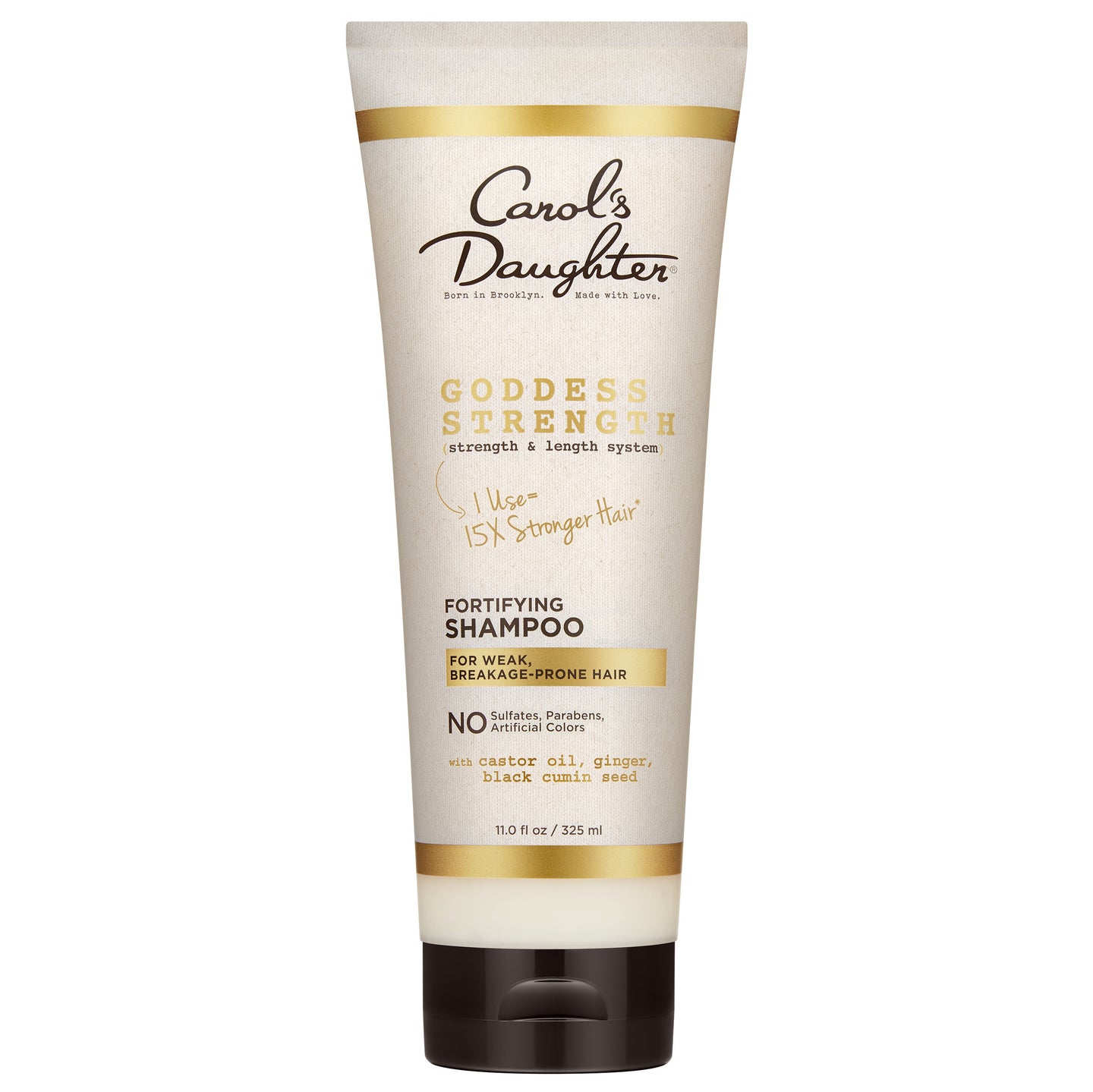
2. Goddess Strength Fortifying Shampoo with Castor Oil
Best for: Breakage-prone hair, strengthening focus
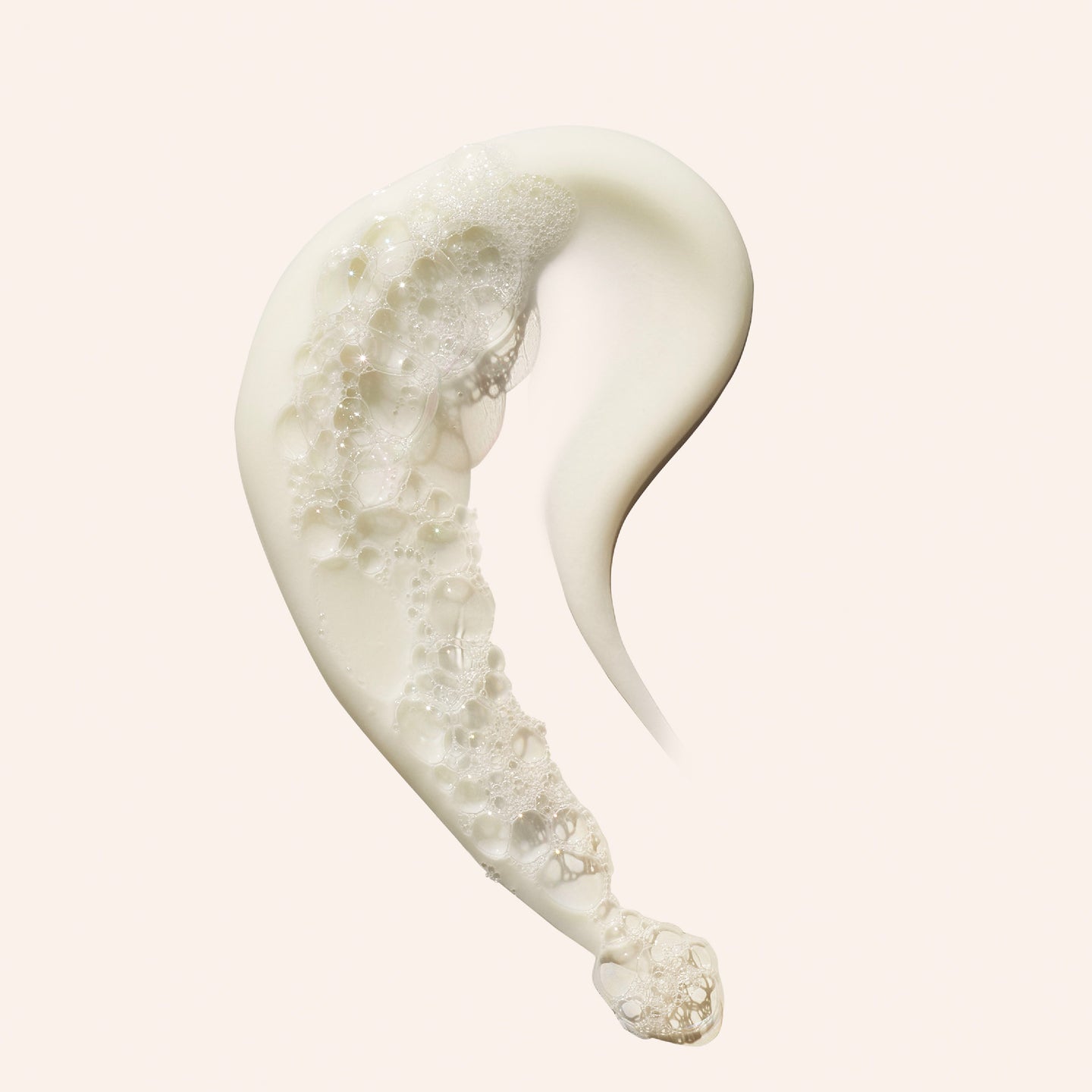
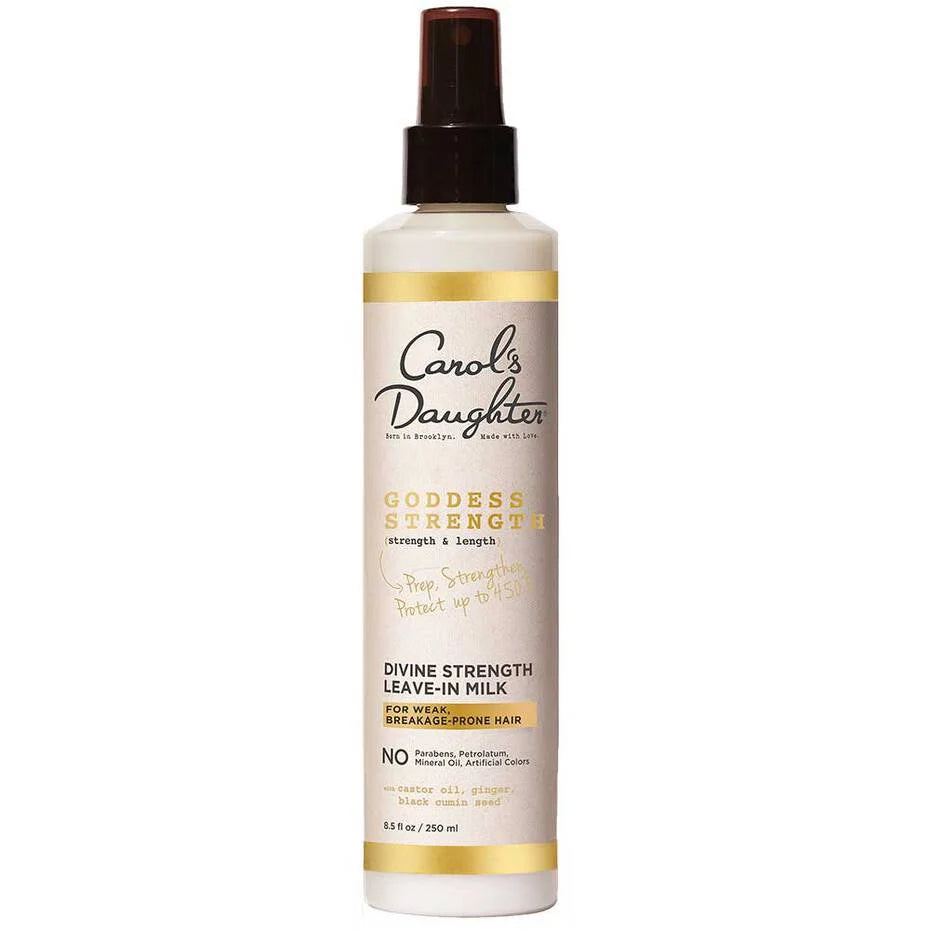
Goddess Strength Fortifying Shampoo with Castor Oil is infused with castor oil, black cumin seed oil, and ginger. Cleanses gently while reinforcing weak strands for stronger, breakage-resistant hair between washes.
Why it works: Cleansing meets strengthening — ideal for hair recovering from damage.
3. Coco Crème Sulfate Free Shampoo
Best for: Type 4 hair, deep moisture needs
Coco Crème Sulfate Free Shampoo is built around coconut oil — both as a cleanser and a moisturizer. Cleanses thoroughly while replenishing the moisture coily hair needs most.
Why it works: Coconut oil-rich formula adds moisture as it cleanses.
4. Born to Repair Sulfate Free Nourishing Shampoo
Best for: Damaged hair, intensive moisture rebuilding
Born to Repair Sulfate Free Nourishing Shampoo features shea butter as the headline moisturizing ingredient. Designed specifically for hair that needs reparative care — over-processed, heat-damaged, or just thirsty curls.
Why it works: Shea butter-rich for deep moisture rebuilding while cleansing gently.
5. Black Vanilla Moisture & Shine Sulfate Free Shampoo
Best for: Frizz-prone, moderately oily hair
Black Vanilla Moisture & Shine Sulfate Free Shampoo is a middle-ground formula — moisturizing without being too heavy, cleansing without being too aggressive. Great for users who aren't sure where to start.
Why it works: Balanced formula that works across most curl types and conditions.
What About Sulfate-Free Conditioner?
Most conditioners are already sulfate-free by default — they're not designed to cleanse, so they don't typically use cleansing-strength sulfates.
That said, some conditioners include lower-grade sulfates as emulsifiers. If you've gone sulfate-free with shampoo, look for a coordinating conditioner from the same product system. They're almost always sulfate-free as a pair.
For example:
- Pair the Wash Day Delight Shampoo with the Wash Day Delight Conditioner with Aloe
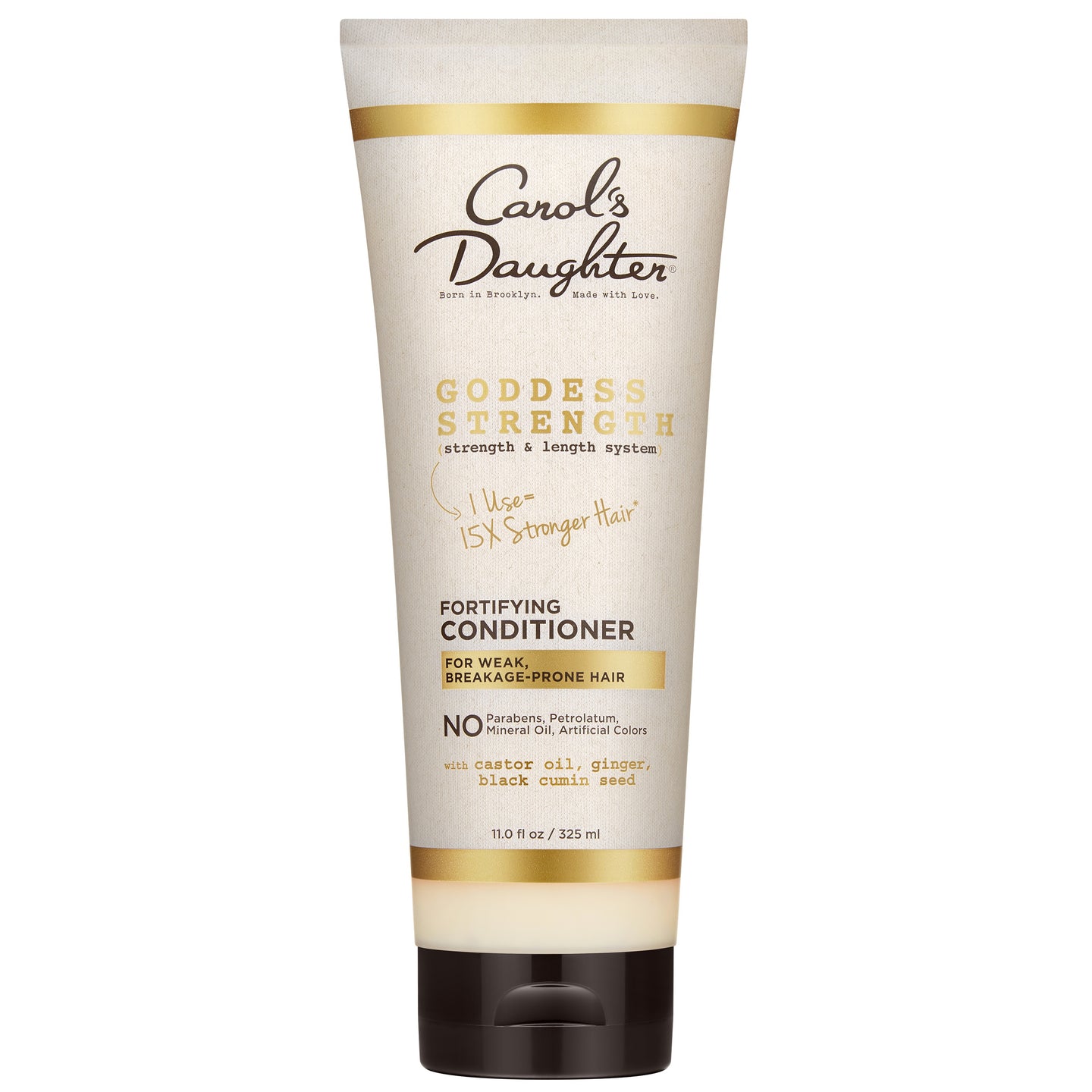
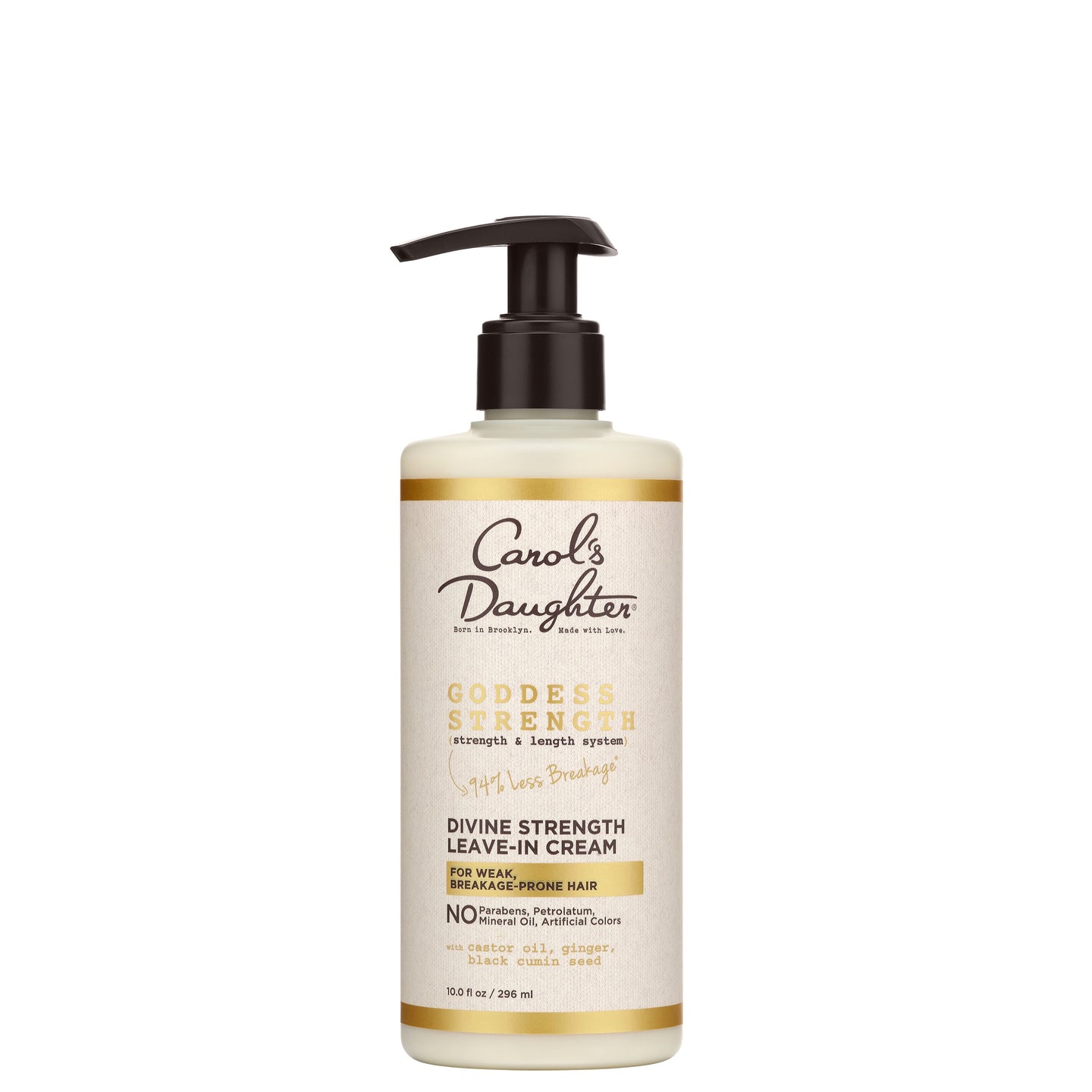
- Pair the Goddess Strength Shampoo with the Goddess Strength Fortifying Conditioner
- Pair the Coco Crème Shampoo with the Coco Crème Creamy Conditioner
What Happens When You Switch to Sulfate-Free Shampoo?
Most people see real changes within 4–6 weeks.
Common improvements:
- More hydrated curls — they hold moisture better between washes
- Reduced frizz — less stripping = smoother cuticles
- Better curl definition — moisture supports natural curl pattern
- Softer feel — your hair stops fighting back
- Less product needed — you don't have to over-moisturize to compensate
One thing to expect: the first few sulfate-free washes can feel underwhelming. Without the heavy lather, it doesn't feel like a deep clean. Trust the results — your hair will tell you the truth over time.
You may also find you can wash less frequently. Without sulfates stripping moisture, your hair won't need as much restoration between washes.
For wash frequency guidance, see our complete guide to washing curly hair.
How to Use Sulfate-Free Shampoo
The technique is the same as regular shampoo.
- Saturate hair with lukewarm water (never hot)
- Pour sulfate-free shampoo into your palms first
- Apply to your scalp, working in a back-and-forth motion (not circles)
- Massage gently — you may need more contact time than with sulfate shampoo
- Rinse thoroughly with cool water at the end
- Follow with conditioner
For the full step-by-step technique, see our complete guide to washing curly hair.
Should You Avoid All Shampoos With Sulfates?
For curly and natural hair: yes, in almost all cases.
For straight hair or specific situations (heavy product buildup from one-off events), occasional use of a sulfate shampoo can be okay. But for daily, weekly, or monthly curly hair care, sulfate-free is the right choice.
The exception worth noting: if your scalp is producing a lot of oil or you've used very heavy products (waxy butters, thick gels) that aren't fully removing with sulfate-free shampoo, an occasional clarifying wash with a milder sulfate shampoo can reset your hair. But this should be rare — once every few months at most.
Frequently Asked Questions About Sulfate-Free Shampoo
Does sulfate-free shampoo really clean hair?
Yes. The cleansing chemistry is different, but the results are the same — clean scalp, clean hair, removed buildup. The lack of heavy lather doesn't mean lack of cleansing.
How long does it take to see results from switching?
Most people notice improvements within 4–6 weeks. Some see softer, more defined curls after the first wash. Cumulative benefits build over months.
Is sulfate-free shampoo more expensive?
Often slightly, yes — alternative cleansers tend to cost more than mass-produced sulfates. But you'll typically use less per wash, and you can wash less frequently, which evens out the cost over time.
Can I use sulfate-free shampoo with color-treated hair?
Yes, and you should. Sulfates fade color faster by stripping pigment along with natural oils. Sulfate-free shampoos are gentler on color-treated hair. For more on caring for colored curls, see our complete guide to repairing bleach-damaged curls.
Will sulfate-free shampoo work for oily scalps?
Yes — though it may take a few washes for your scalp to adjust. Sulfate shampoos can over-strip the scalp, which actually causes more oil production as a rebound. Sulfate-free cleansing balances scalp oil over time.
How do I read shampoo labels to spot sulfates?
Look for ingredients ending in "sulfate" — particularly "sodium lauryl sulfate," "sodium laureth sulfate," and "ammonium laureth sulfate." If any of these appear in the first 5–7 ingredients, the shampoo is sulfate-based.
Do "natural" shampoos automatically mean sulfate-free?
No. "Natural" is a marketing term without strict regulation. Always check the ingredient list. Some products labeled natural still contain sulfates; others labeled simply "shampoo" are completely sulfate-free.
Can I use sulfate-free shampoo every day?
For most curl types, daily washing isn't recommended even with sulfate-free shampoo. Most natural hair needs cleansing every 7–14 days; type 2 hair might wash more often. For more, see our complete guide to washing curly hair.
What's the difference between sulfate-free shampoo and co-wash?
Sulfate-free shampoo still cleanses with surfactants — just gentler ones. Co-wash is a cleansing conditioner that cleanses through mechanical action and mild moisturizing cleansers. They're both gentler than traditional shampoo. For more, see our complete co-washing guide.
Ready to switch to sulfate-free?
Browse the full sulfate-free collection → Shop sulfate-free shampoos
For wash-day essentials → Shop the Goddess Strength collection
For more wash-day guidance → Read our complete guide to washing curly hair
Not sure where to start? → Take the Curl Quiz