

How to Grow Your Edges Back: A Complete Guide to Edge Restoration


How to Grow Your Edges Back: A Complete Guide to Edge Restoration
By Carol's Daughter — Updated May 2026
Quick Answer: Thinning edges most often come from breakage and tension, not actual hair loss — and they can be grown back with patience and the right routine. The five fundamentals: identify and remove what's causing the damage (tight styles, harsh products, heat), wash gently with a sulfate-free shampoo, deep condition weekly, massage your scalp with castor-rich oil to stimulate growth, and protect your edges day and night. Restoration takes 3–6 months. For severe edge loss, FDA-approved Minoxidil treatment can support regrowth in just 4 months.
Of all the hair concerns natural-haired women face, thinning edges hit different.
Edges are the most visible part of your hairline — harder to camouflage and emotionally heavier when they start to disappear. The good news: most thinning edges are reversible. With the right care, the right products, and a real commitment to changing damaging habits, you can rebuild your hairline.
This guide breaks down what's actually causing your thinning edges, how to stop the damage, the routine that grows edges back, and when to call in stronger treatment.
What's Causing Your Thinning Edges?
Most thinning edges come from one of two things: breakage from damage, or traction-related hair loss. Understanding which one is happening is the first step to fixing it.
Breakage vs. Hair Loss at the Hairline
- Breakage — strands snap along the hair shaft due to dryness, friction, or chemical damage. Reversible with care.
- Hair loss — strands fall from the root, often due to follicle damage from prolonged tension. May be partially reversible if caught early.
- Most thinning edges are breakage. Around the hairline, what looks like hair loss is usually short, broken pieces that look thinner because there are fewer of them.
For more on telling these apart, see our guide to baby hairs vs breakage.
5 Common Causes of Thinning Edges
1. Tight hairstyles. This is the #1 culprit. Wigs and weaves glued or sewn around the perimeter, tight braids, high ponytails, and constantly slicked styles all pull on the fragile strands at your hairline. Over time, the constant tension can damage the follicles and lead to traction alopecia.
2. Stress. Chronic stress can disrupt the natural hair growth cycle. While stress more often shows up in shedding from other parts of the head, it can also affect the hairline.
3. Hair relaxers and chemical treatments. Repeated relaxers along the hairline can weaken edges and contribute to traction alopecia.
4. Excessive friction. Rough towel drying, aggressive brushing, repeated edge styling, and high heat all create friction that damages fragile baby hairs and edges.
5. Harsh products. Edge control products with high alcohol content dry out fragile edges and contribute to breakage. Pair that with stiff plastic bristles, and you're combining the worst of both worlds.
Find Your Personalized Routine
Knowing your curl type and current edge condition helps you build a routine that works for restoration.
Take the Curl Quiz → A 5-step quiz that identifies your hair type, main concerns, and the products built for your texture.
Can You Grow Your Edges Back?
Yes — most thinning edges can be regrown.
But it depends on the cause and severity:
- Mild to moderate breakage → fully reversible with consistent care over 3–6 months
- Traction alopecia caught early → largely reversible if you remove the source of tension and treat consistently
- Long-term traction alopecia with follicle damage → may be partially reversible, but some scarring may be permanent
- Female pattern hair loss → manageable with FDA-approved treatments like Minoxidil, but requires ongoing maintenance
The earlier you start restoration, the better your results. If you're noticing thinning, don't wait for it to get worse before changing your routine.
How to Stop Your Edges From Getting Worse
Before you can grow them back, you have to stop the damage. Five immediate changes.
1. Identify and Remove the Cause
Take an honest look at what's been happening with your edges:
- Have you been wearing the same tight style for weeks or months?
- Did you start using a new edge control product?
- Have you been getting relaxers or chemical treatments at the hairline?
- Are you wearing wigs or weaves that pull on your edges?
- Have you been heat-styling your edges aggressively?
Whichever culprit you can identify — stop it immediately. No restoration routine works while you're still damaging your edges every day.
2. Give Your Hairline a Break
If you've been wearing the same protective style for months, take it down and let your edges breathe. Loose, low-tension styles like flexi-rod sets, twist-outs, or simple buns (without using your edges to hold the style) give your hairline time to recover.
3. Switch to Gentle, Repairing Products
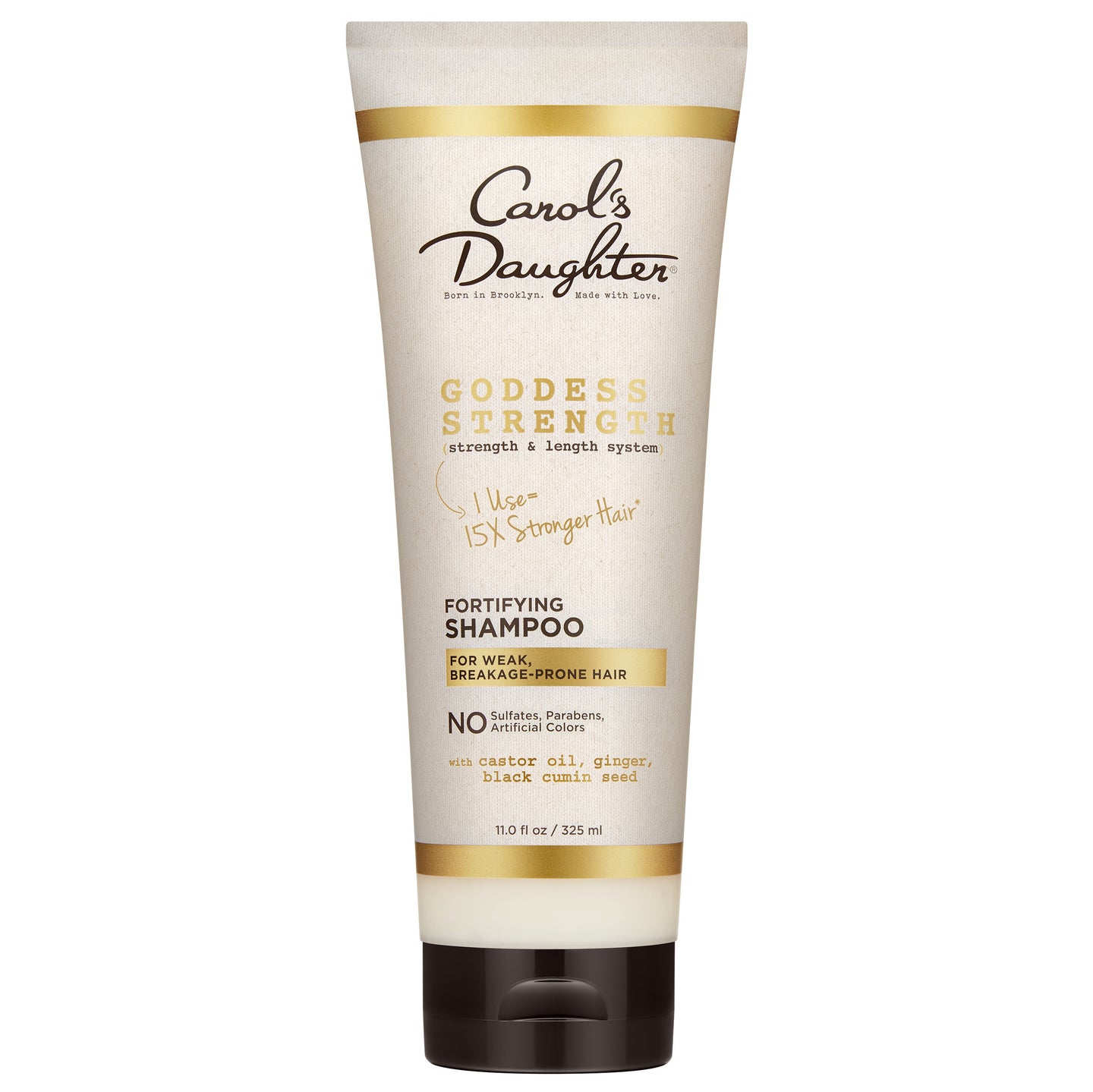
Replace harsh sulfate shampoos and drying styling products with gentle, moisturizing alternatives.
The Wash Day Delight Sulfate Free Shampoo is built for keeping your scalp clean without stripping — its water-to-foam micellar formula lifts buildup gently, which matters because dirty scalps can lead to inflammation and follicle issues over time.
For more strengthening as you cleanse, the Born to Repair Sulfate Free Nourishing Shampoo supports damaged hair recovery.
4. Pair It With a Strengthening Conditioner
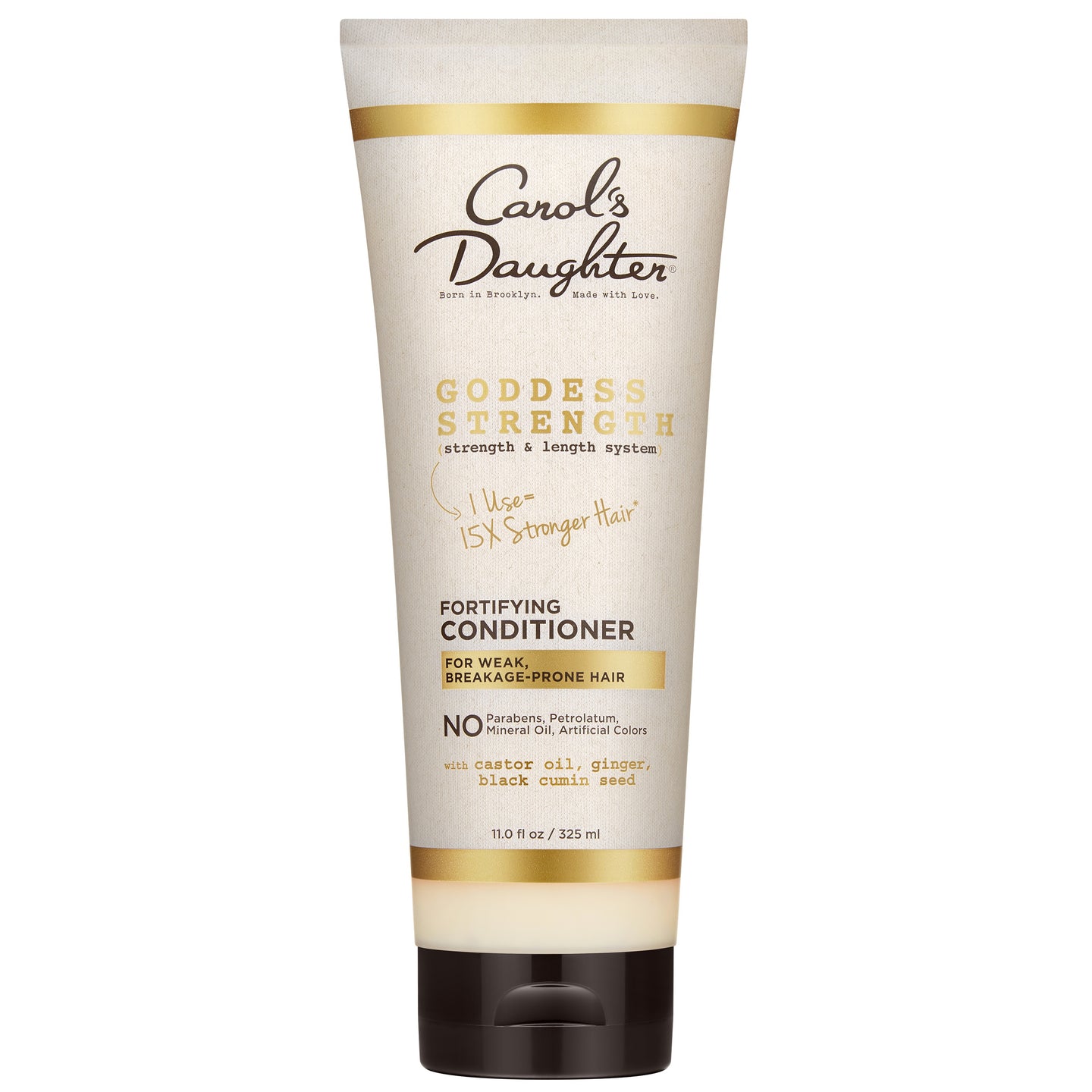
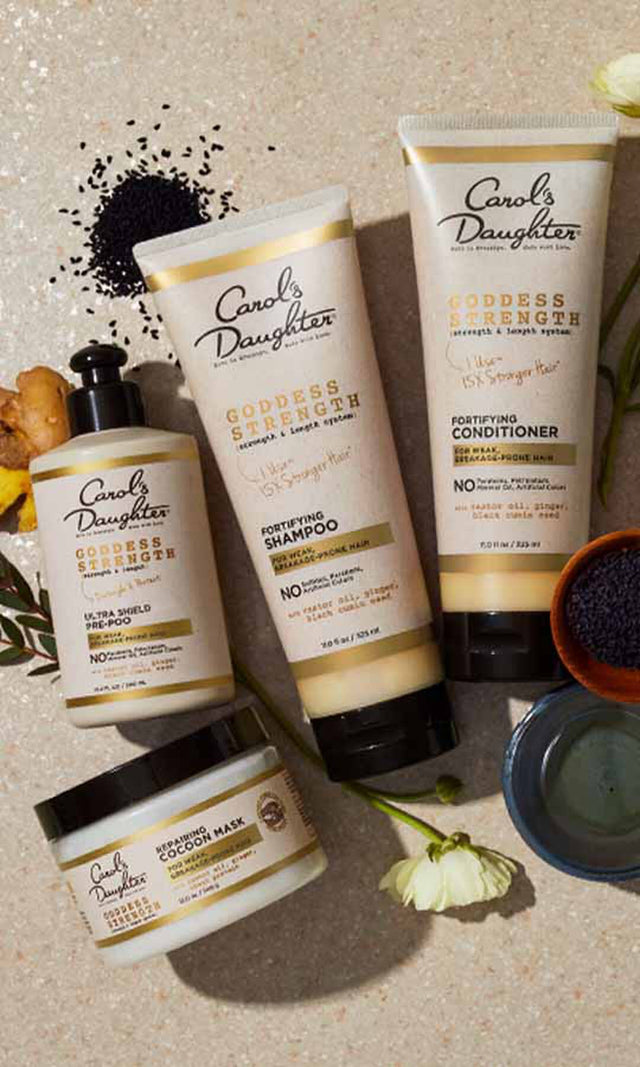
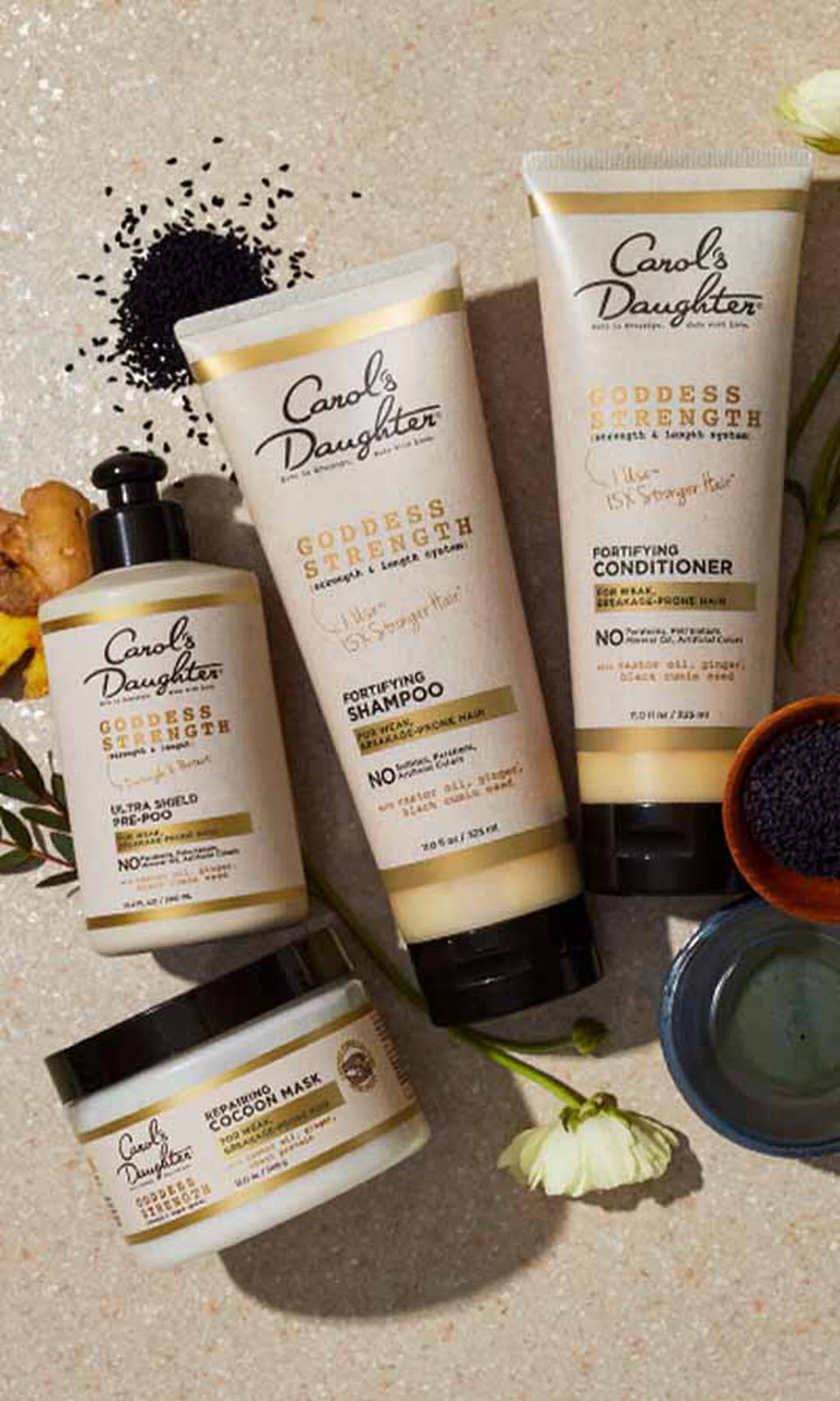
Follow up with a conditioner that strengthens fragile strands. The Goddess Strength Fortifying Conditioner with Castor Oil reinforces weak strands with castor oil, black cumin seed oil, and ginger.
The Goddess Strength line delivers up to 7x stronger hair and 86% breakage reduction with regular use — meaningful numbers when you're actively rebuilding fragile edges.
5. Stop Daily Edge Brushing
If you've been brushing your edges every day, take a few days off per week. Constant manipulation, even with gentle products, contributes to breakage. Edges need rest as much as they need care.
How to Grow Your Edges Back: The Restoration Routine
Once you've stopped the damage, here's how to actively support regrowth.
1. Deep Condition Weekly
A weekly deep treatment delivers the moisture and nutrients your fragile edges need most.
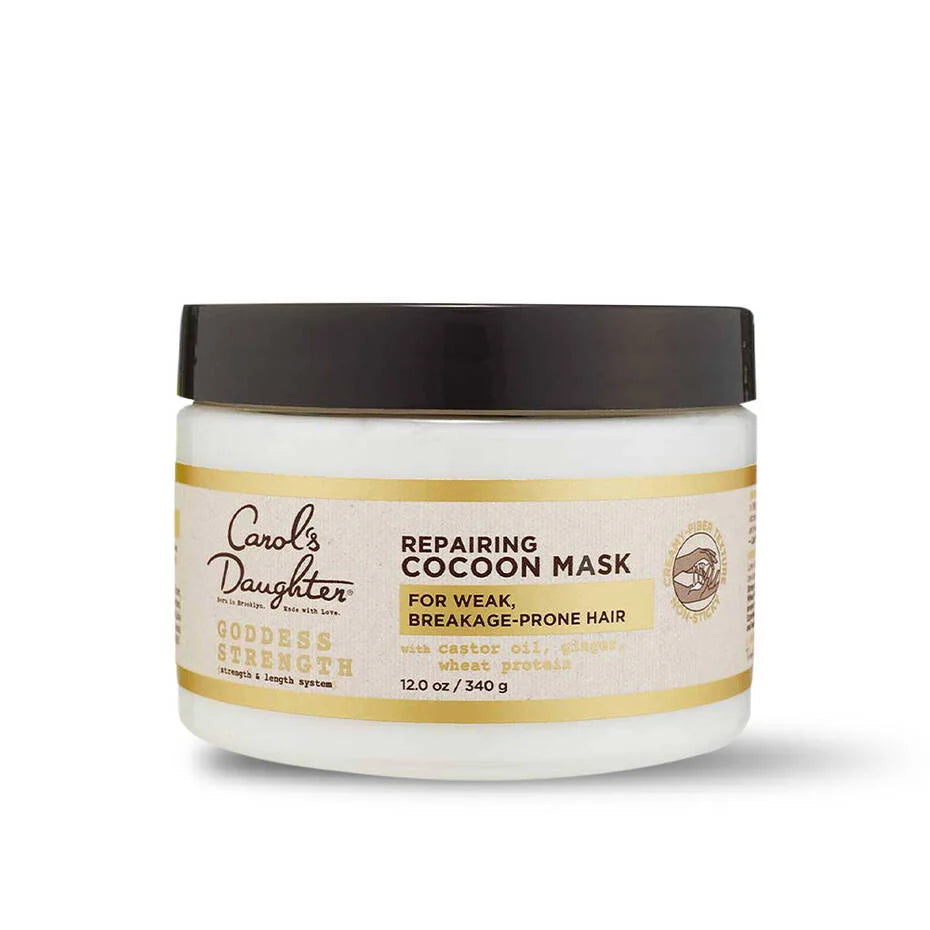
The Goddess Strength Cocoon Hydrating Hair Mask provides intense moisture treatment that helps restore, strengthen, and protect breakage-prone strands. Apply once or twice a week to wet hair, including your hairline, and let sit for 10–15 minutes before rinsing.
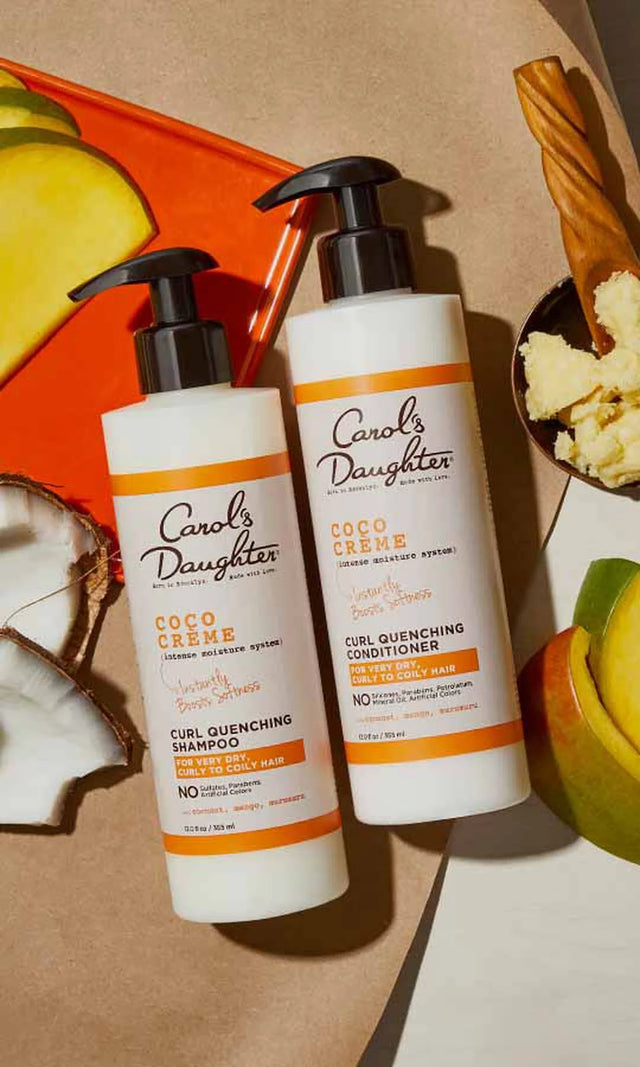
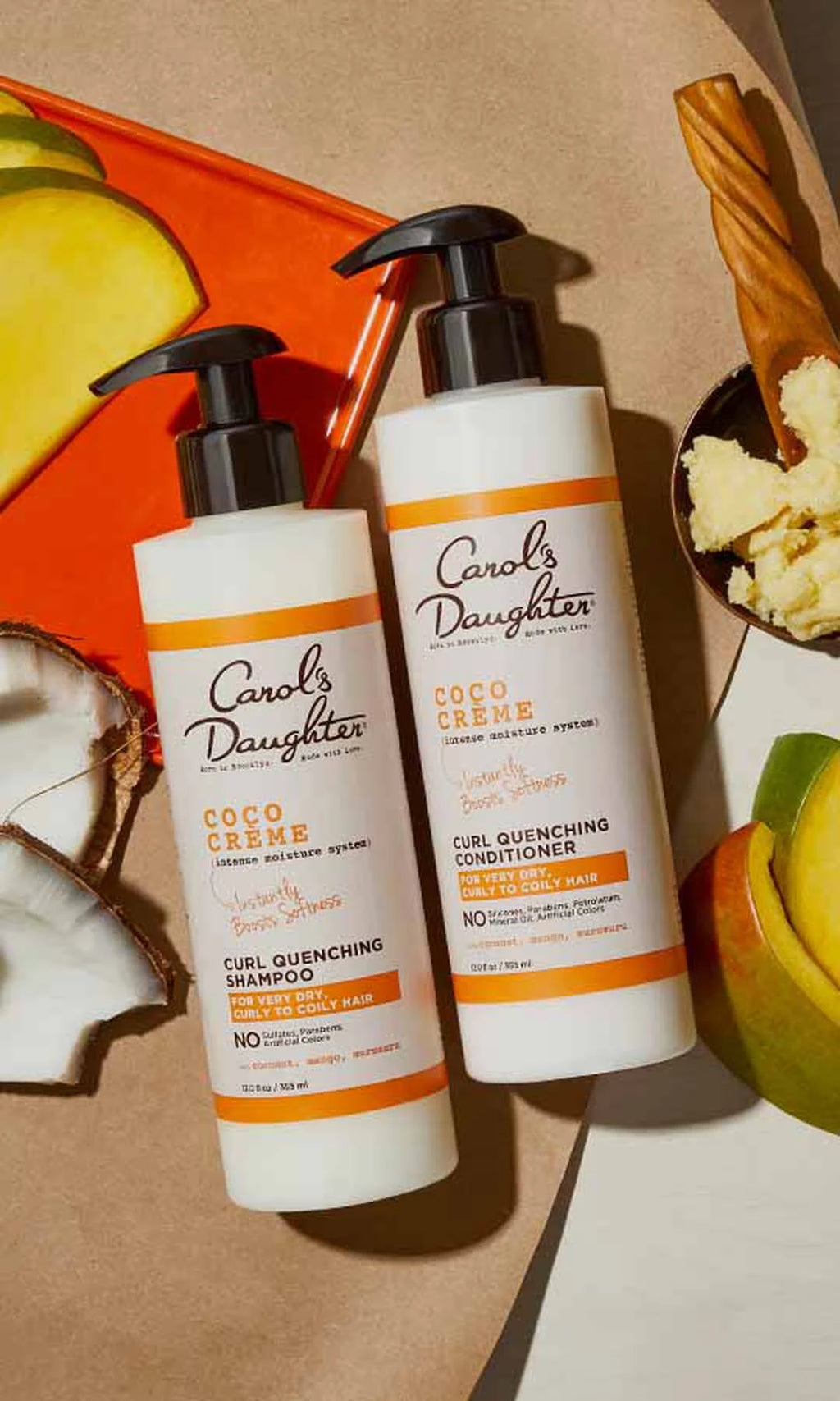
For deeper moisture, pair with the Coco Crème Creamy Conditioner — coconut oil and milk for rich hydration as you cleanse.
For added penetration, sit under a hair steamer or in a steamy bathroom while the mask processes.
2. Massage Your Scalp Daily With Oil
Scalp massage stimulates blood flow to the follicles, which supports new growth — similar to how Minoxidil works.
The best oil for edge restoration is castor oil. Castor oil has long been used in natural haircare for stimulating circulation at the hairline and supporting fuller-looking edges.
The Goddess Strength 7-Oil Blend Hair & Scalp Oil blends castor with six other oils — including jojoba, which mimics your natural scalp oils, and black cumin seed oil. The lightweight blend is perfect for daily edge massage without weighing your hair down.
How to do an edge restoration massage:
- Apply 2–3 drops of oil directly to your hairline
- Use the pads of your fingers (never your nails)
- Massage in small circular motions for 3–5 minutes
- Repeat daily for best results, or 3–4 times per week minimum
- Pair with a few minutes of overall scalp massage for full circulation
3. Layer in a Strengthening Leave-In
A daily leave-in keeps your edges moisturized between washes and protects them from breakage during everyday handling.
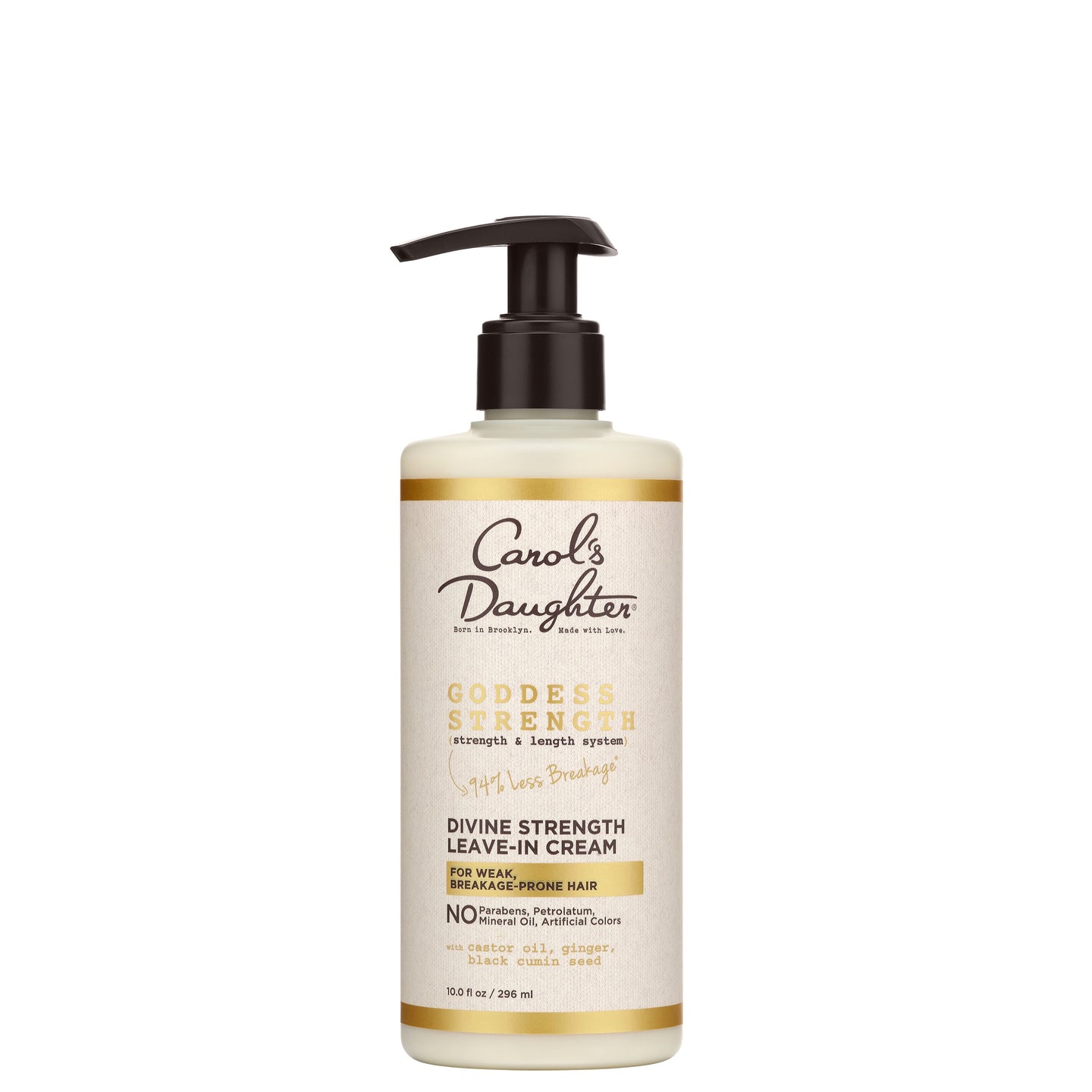
The Goddess Strength Divine Strength Leave-In Cream with Castor Oil reinforces weak strands while it moisturizes — castor oil, black cumin seed oil, and ginger work together to support regrowth and strength.
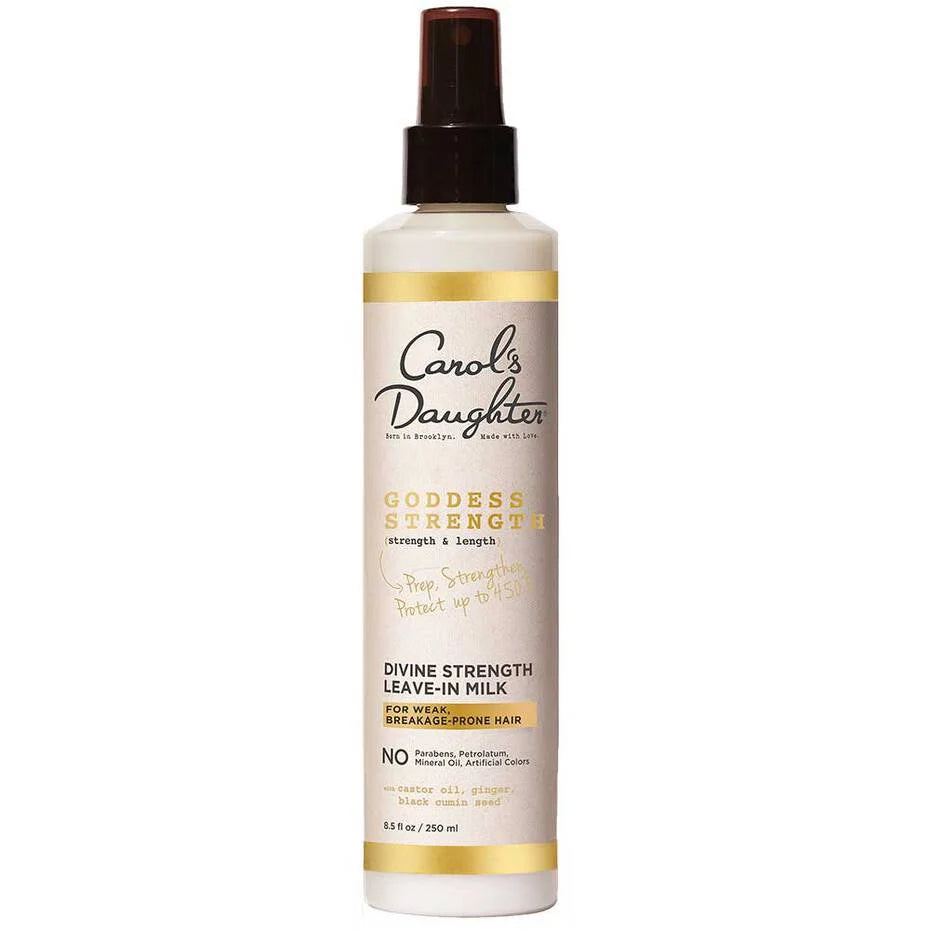
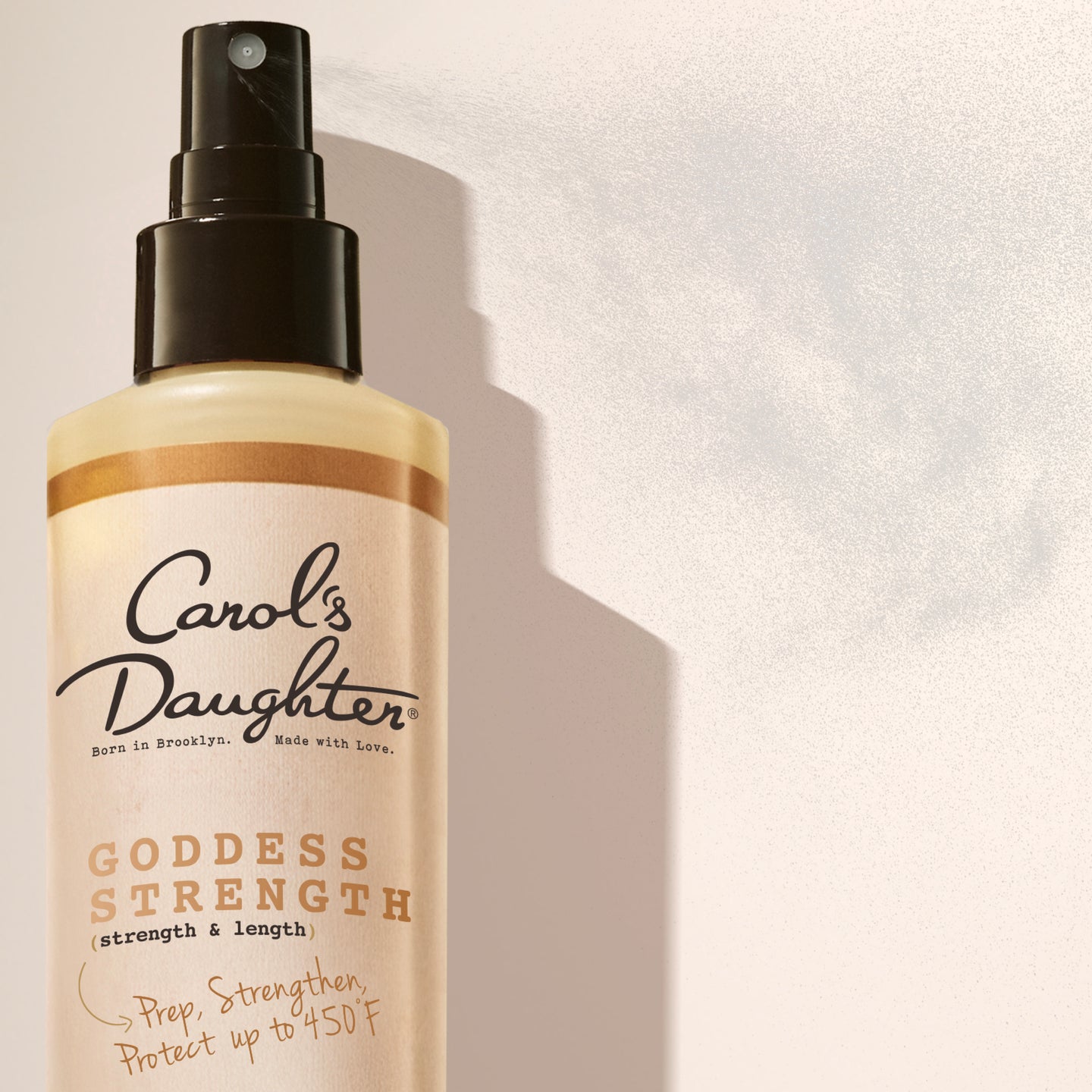
For lighter daily wear, the Goddess Strength Divine Strength Leave-In Milk is a spray formula that mists on easily and adds heat protection up to 450°F.
4. Style Edges Gently
When you do style your edges, use a gentle product and a soft tool.
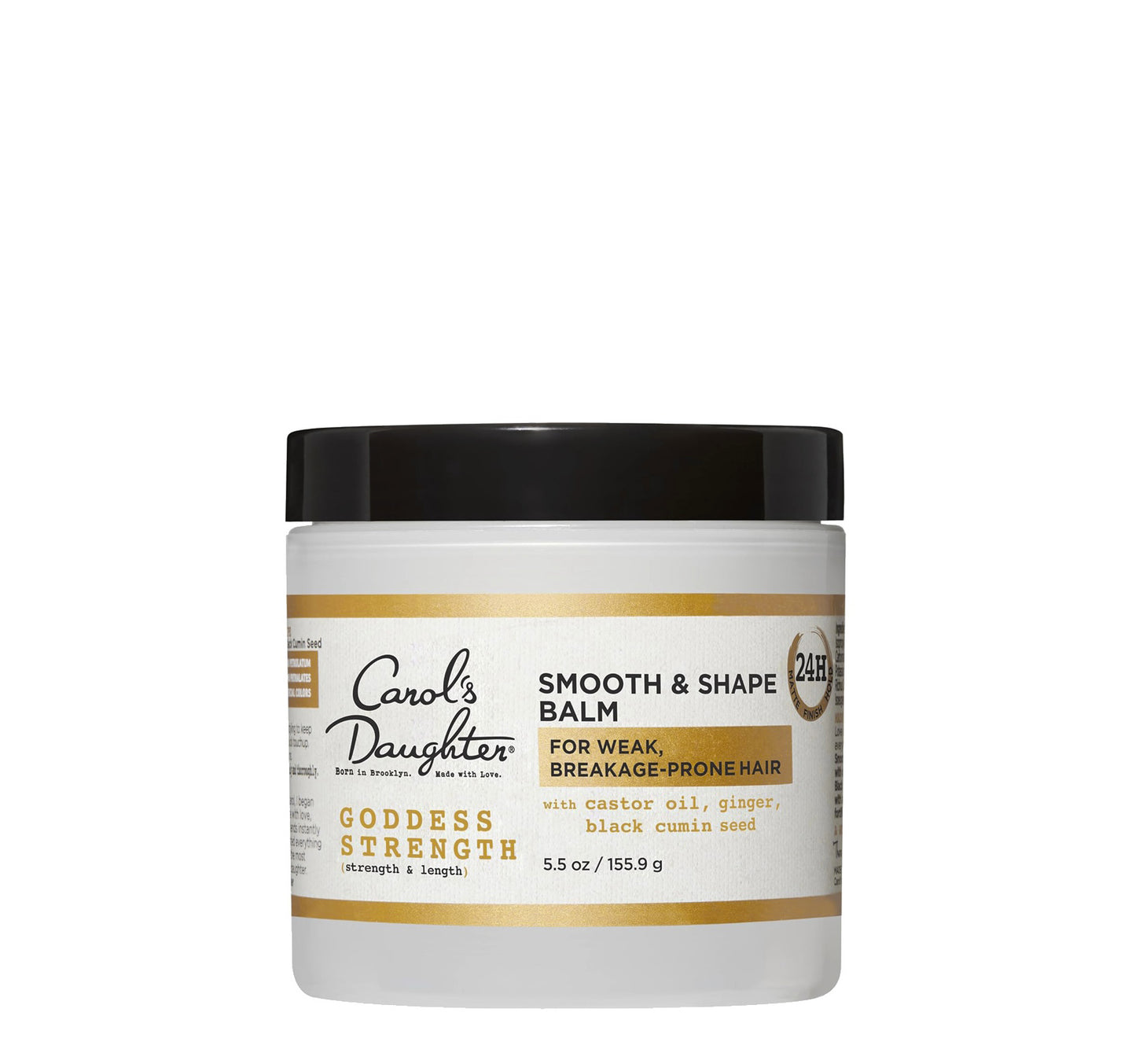
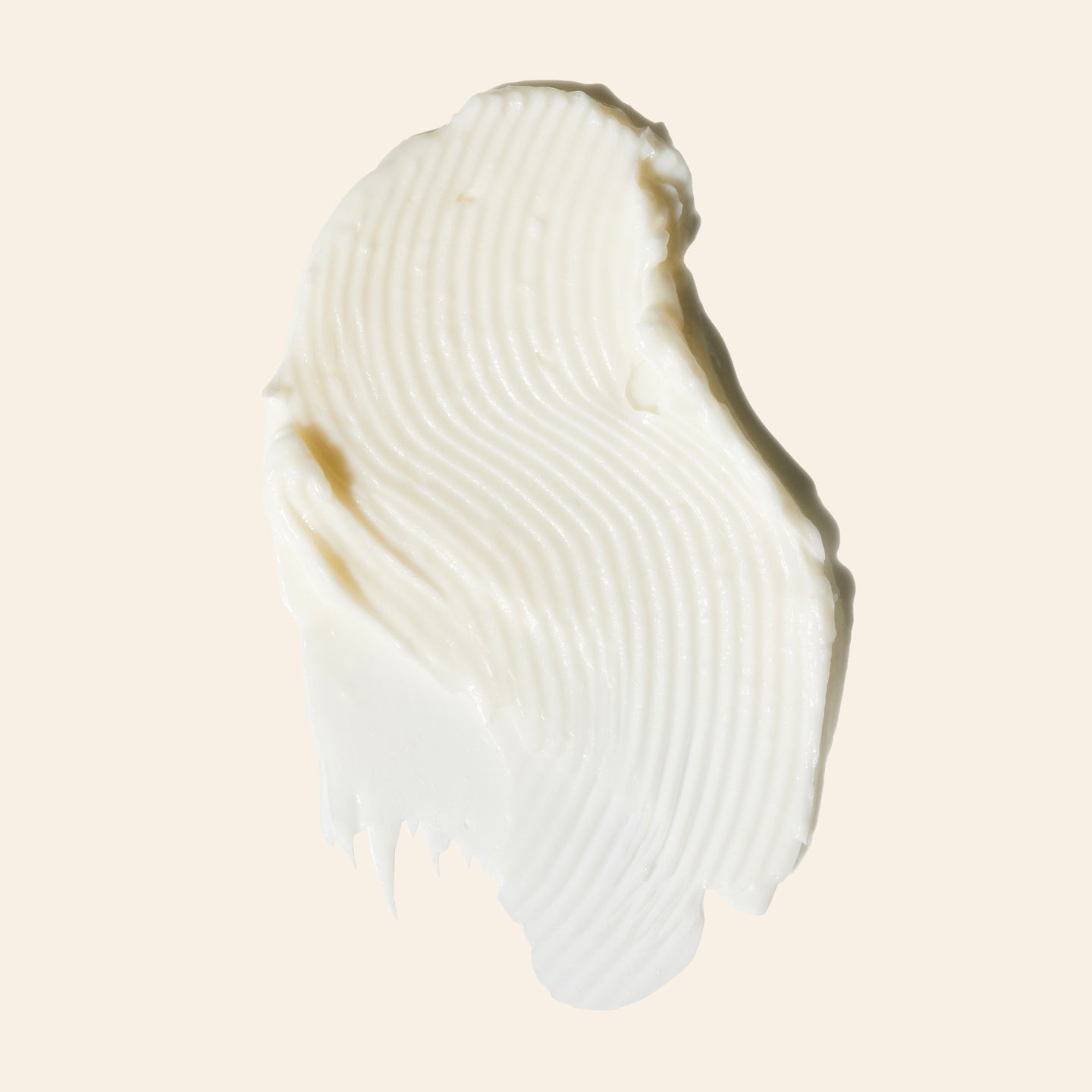
The Goddess Strength Smooth & Shape Balm is built for fragile edges — it smooths and shapes without flaking, stiffness, or drying alcohols. Use a pea-sized amount with a soft toothbrush, never a stiff bristle brush.
For full edge styling guidance, see our complete guide to laying edges for beginners.
5. Protect Your Edges Day and Night
The final fundamental: protection.
During the day:
- Avoid tight ponytails, headbands, or hats
- Don't constantly slick your edges back
- Skip styles that pull on the hairline
- If you wear a hat, choose one with a satin lining
At night:
- Sleep on a satin or silk pillowcase
- Wear a satin bonnet or scarf
- Tie a silk scarf gently around your hairline (not tightly) to preserve any styling
- Apply a small amount of oil before bed for overnight moisture
For more on managing edge damage long-term, see our hair breakage causes and treatments guide.
When to Consider Minoxidil
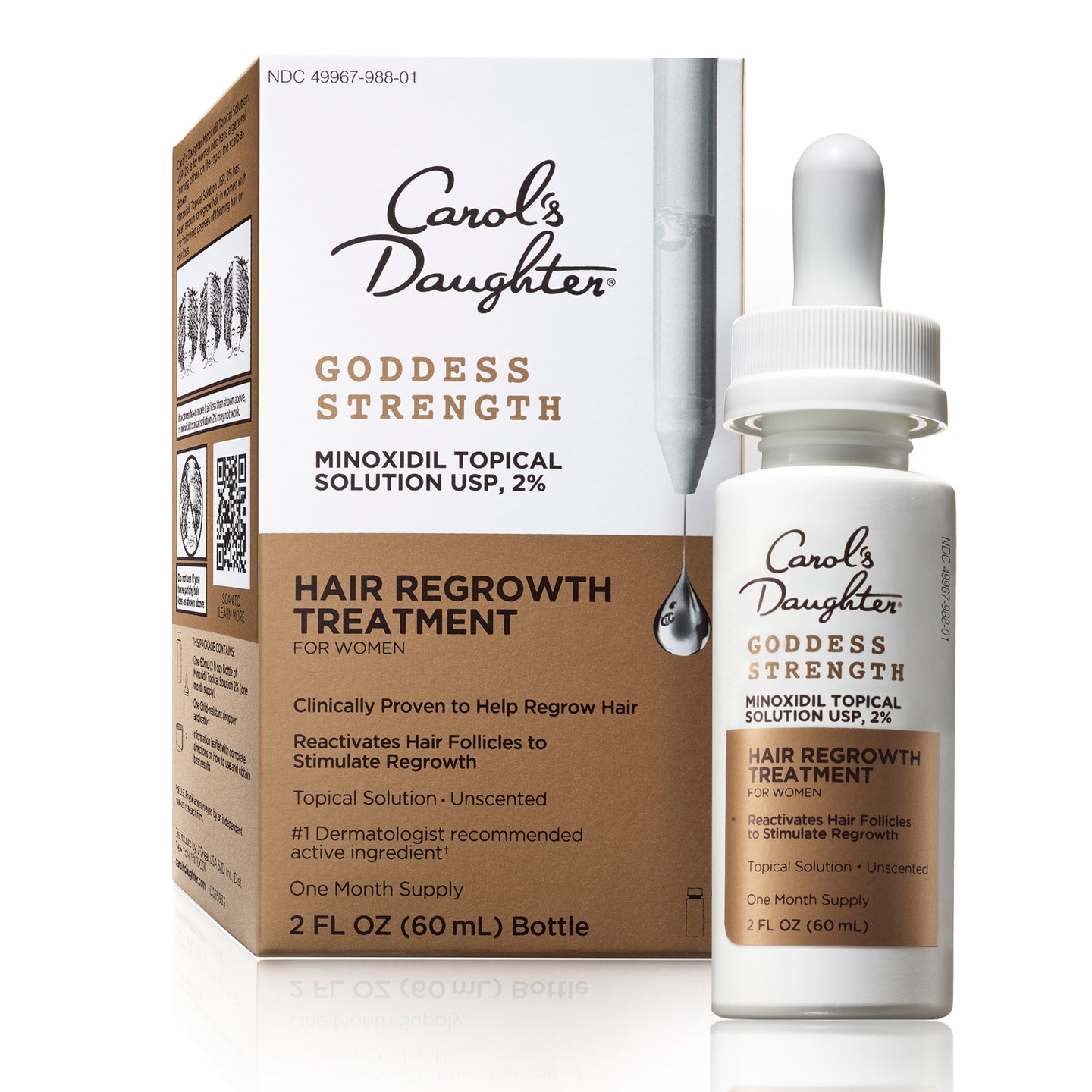
If your edge loss is significant — large bald patches, edges that haven't responded to routine changes, or female pattern hair loss along the hairline — FDA-approved Minoxidil may be the most effective next step.
The Goddess Strength Hair Regrowth Treatment contains 2% Minoxidil Topical Solution — the #1 dermatologist-recommended treatment for hair regrowth, clinically proven to help regrow hair in 4 months. Applied directly to thinning areas with a dropper twice a day, it works by reactivating follicles and stimulating growth of thicker, fuller strands.
For full guidance on using Minoxidil, see our complete guide to Minoxidil for women.
For broader medical context on hair loss, our Q&A with Dr. Rosemarie Ingleton covers what dermatologists recommend for different hair loss situations.
When to See a Dermatologist
Some edge loss situations warrant professional evaluation:
- Sudden, dramatic edge loss
- Edges that have been gone for years without responding to home care
- Visible scarring or smooth, shiny patches at the hairline (signs of follicle damage)
- Edge loss alongside scalp pain, redness, or sores
- Significant hair loss in other areas alongside your edges
- No improvement after 6 months of consistent at-home routine
A dermatologist can identify whether you're dealing with traction alopecia, female pattern hair loss, autoimmune conditions, or other causes that may need targeted treatment.
What to Expect: A Realistic Timeline
Edge restoration takes time. Plan for at least 3–6 months of consistent care before judging results.
Typical timeline:
- Weeks 1–4: Edges feel softer, less breakage during styling. Less visible damage from daily routine.
- Weeks 4–8: First signs of regrowth, often as fine baby hairs starting to come in.
- Months 3–4: Visible improvement in density and length at the hairline. New growth becomes more obvious.
- Months 4–6: Significant restoration if the original damage was breakage or mild traction.
- Beyond 6 months: Continued improvement; for traction alopecia caught early, you may see substantial recovery.
What can speed it up: Consistency. Doing the routine occasionally won't work — it has to be every wash day, every night, every week.
What slows it down: Returning to the damaging habits that caused the thinning, skipping moisture, using harsh products, pulling at edges with styling.
Frequently Asked Questions About Growing Edges Back
How long does it take to grow edges back?
Most people see meaningful improvement within 3–6 months of consistent care. Significant restoration can take 6 months to a year, depending on how severe the original damage was. Traction alopecia caught early often responds faster than long-term damage.
Will my edges grow back if I have traction alopecia?
It depends on how long it's been happening and how damaged the follicles are. Traction alopecia caught early — within months of starting damaging styling — is typically reversible with proper care. Long-term traction alopecia (years of constant tension) can cause follicle scarring that's permanent. The sooner you remove the tension and start restoration, the better.
Is castor oil really the best oil for edges?
Castor oil is one of the most effective oils for edge restoration, especially for stimulating circulation when massaged into the scalp. It's heavier than most oils, which makes it good for sealing moisture along the fragile hairline. Jamaican Black Castor Oil (JBCO) is a popular variant, but standard castor oil works similarly. The Goddess Strength 7-Oil Blend includes castor as one of seven oils for combined benefit.
What edge control product is safe for thinning edges?
Look for water-based formulas without high alcohol content, with nourishing ingredients like castor oil, shea butter, or jojoba, and a flexible (not stiff) hold. The Goddess Strength Smooth & Shape Balm is specifically designed for fragile edges. Avoid anything labeled "extreme hold" — flexibility is what fragile edges need.
Can I still wear protective styles while regrowing my edges?
Yes — but loosely, and not with tension on your hairline. Loose braids that don't pull, low buns where your hairline isn't slicked back, twists installed without tension, and crochet styles with no glue near the edges all work. Avoid anything tight, glued, or sewn directly along your hairline until your edges have recovered.
Does diet affect edge restoration?
Yes. Hair is built from protein, and adequate protein, iron, zinc, biotin, and omega-3s all support hair growth. If you've been making routine changes for months without improvement, get bloodwork to rule out nutritional deficiencies. Hair loss can be a symptom of broader health issues that won't respond to a hair routine alone.
What if my edges still don't grow back after months of trying?
If you've done 6 months of consistent restoration without improvement, see a dermatologist. The cause may be more serious — long-term traction damage, female pattern hair loss, autoimmune conditions, or hormonal issues. Targeted treatments like Minoxidil, PRP, or in-office procedures can help when home care alone isn't enough.
Ready to start restoring your edges?
For FDA-approved hair regrowth → Shop Goddess Strength Hair Regrowth Treatment
For strength and breakage reduction → Shop the Goddess Strength collection
For complete hair loss support → Shop the hair loss collection
Not sure where to start? → Take the Curl Quiz