

How to Manage Split Ends on Curly Hair: Causes, Prevention, and Repair


How to Manage Split Ends on Curly Hair: Causes, Prevention, and Repair
By Carol's Daughter — Updated May 2026
Quick Answer: Split ends on curly hair come from dryness and friction — both of which curly hair is naturally more prone to. The only true fix for an existing split end is a trim; everything else is prevention or temporary smoothing. To prevent splits: switch to sulfate-free shampoo, deep condition weekly, sleep on satin or silk, detangle with slip on damp hair, and trim every 6–8 weeks. Sealing oils can temporarily smooth split ends between trims, but won't repair them.
Of all the curly hair concerns that demand consistent attention, split ends rank near the top.
Frayed tips aren't just cosmetic — they affect your curl pattern, accelerate breakage, and rob you of the length you're working so hard to retain. The good news: split ends are largely preventable, and managing them well comes down to a few specific routine swaps.
This guide covers what causes split ends, why curly hair is more vulnerable to them, how to prevent them, and what's actually possible when it comes to repair.
What Causes Split Ends on Curly Hair?
Split ends take many shapes — Y-shaped tips, branch-like fraying, single strands split down the middle, or hairs that look thinner than their neighbors. The causes all trace back to two things: dryness or friction.
Common dryness causes:
- Excessive blow-drying or flat-ironing
- Color treatments, bleach, or chemical processing
- Sulfate-based shampoos that strip natural oils
- Drying alcohols in styling products
- Skipping leave-in or sealing products
- High or low porosity that disrupts moisture retention
Common friction causes:
- Sleeping on cotton pillowcases without a bonnet or scarf
- Drying hair with terry cloth towels
- Brushing dry hair without slip
- Improper detangling (yanking, working roots-to-ends)
- Tight hairstyles that pull at the ends
Most cases of split ends involve a combination — dry hair plus friction is a fast track to fraying tips.
Is Curly Hair More Prone to Split Ends?
Yes. The structure of curly hair makes it more vulnerable to splitting at every level.
Why curly hair splits more easily:
- Tight bends in each strand create natural weak points where breakage happens
- Sebum struggles to travel down a coiled strand, leaving the ends drier than the roots
- Higher porosity in many curl types means moisture is gained and lost faster
- More handling required for styling introduces more friction over time
- Older ends (which everyone has) are especially fragile on tightly coiled hair
The tighter your curl pattern, the more vulnerable your ends are. That's why protective habits matter more for type 4 hair than for type 2.
Find Your Personalized Routine
Knowing your curl type and porosity helps you protect your ends with the right products.
Take the Curl Quiz → A 5-step quiz that identifies your hair type, main concerns, and the products built for your texture.
How to Prevent Split Ends: 7 Habit Swaps
The best way to manage split ends is to stop them before they start. Seven changes to make.
1. Upgrade Your Shampoo
If your current shampoo contains sodium lauryl sulfate (SLS) or sodium laureth sulfate (SLES), it's stripping moisture every wash day.
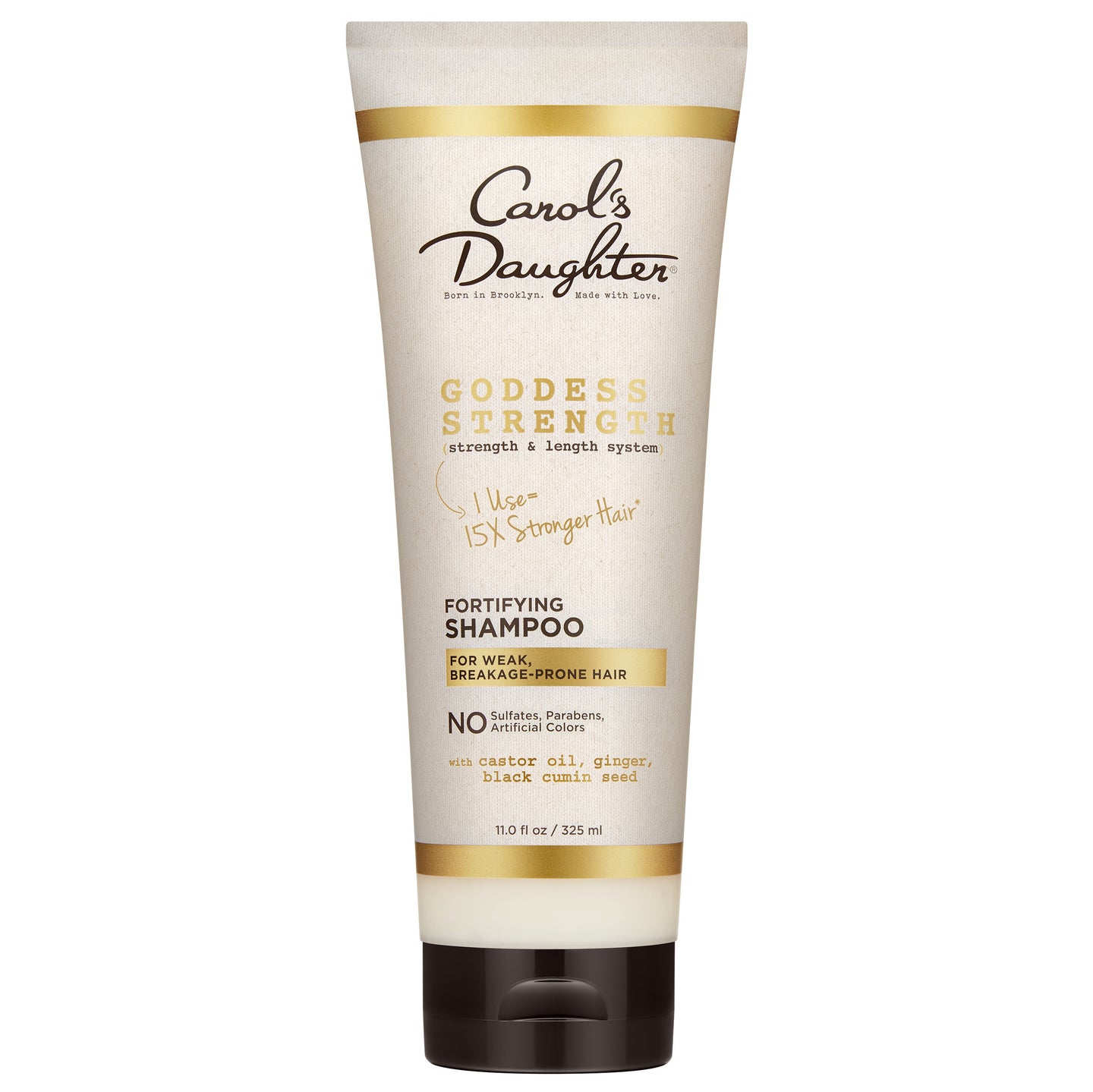
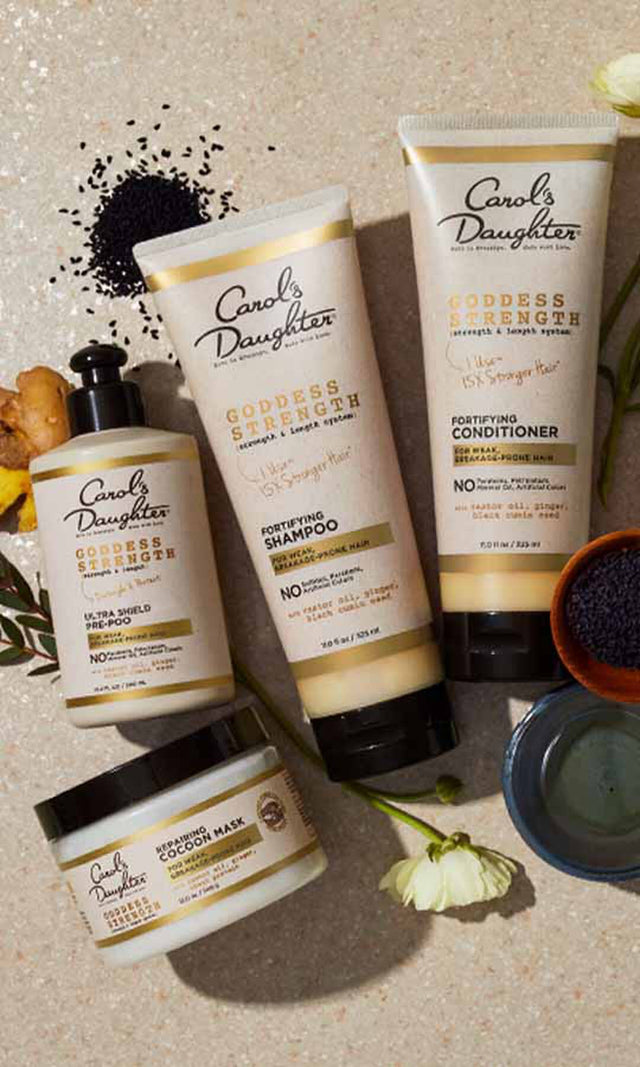
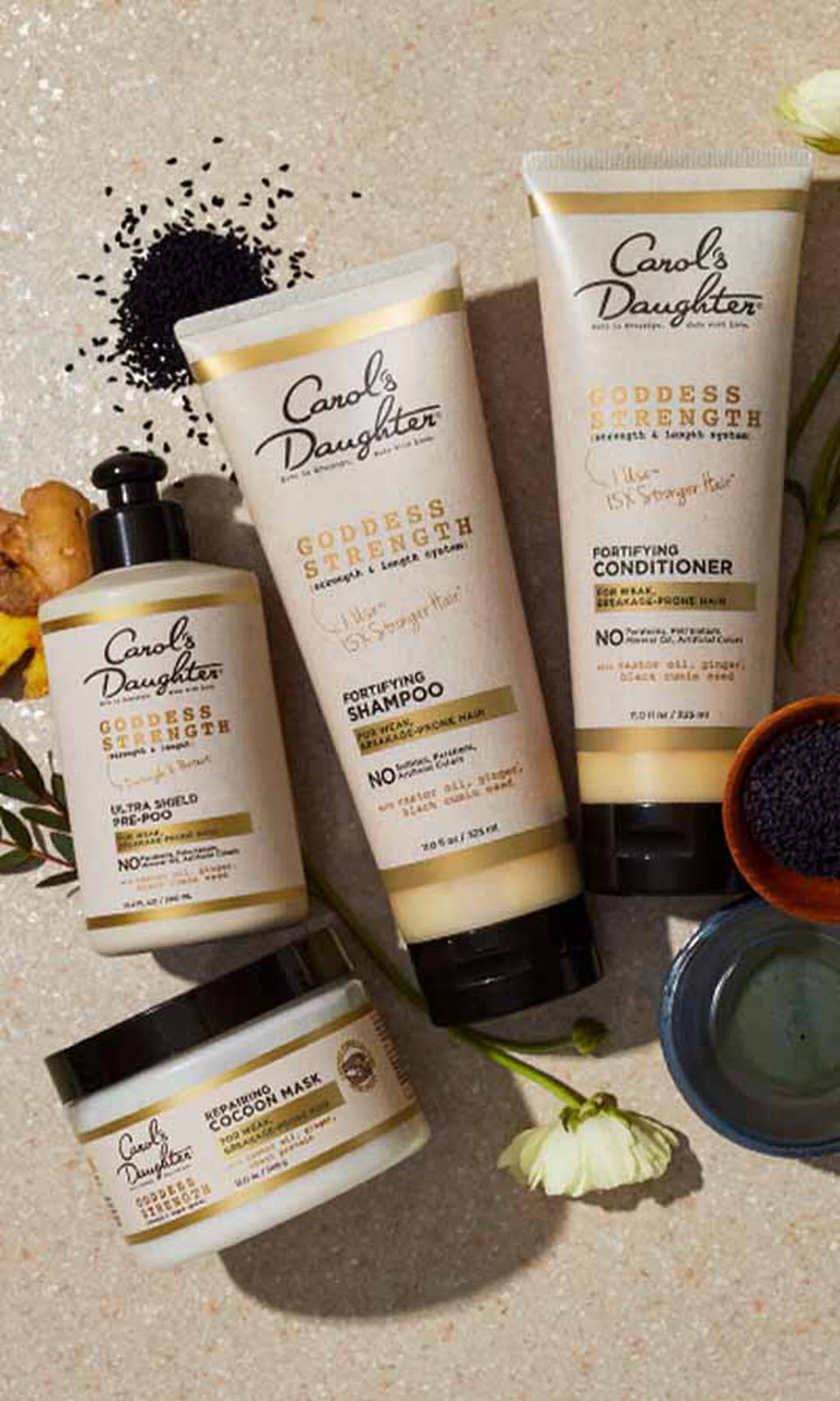
The Born to Repair Sulfate Free Nourishing Shampoo is built for fragile, damaged hair — it cleanses gently while supporting recovery. For more strengthening as you cleanse, the Goddess Strength Fortifying Shampoo with Castor Oil reinforces weak strands with castor oil, black cumin seed oil, and ginger.
The Goddess Strength line delivers up to 7x stronger hair and 86% breakage reduction with regular use.
2. Adjust How Often You Wash
Seasonal changes affect your wash schedule. More sun exposure in summer or dry indoor heating in winter means your hair loses moisture faster.
When your hair is feeling parched:
- Reduce shampooing to once every 7–14 days
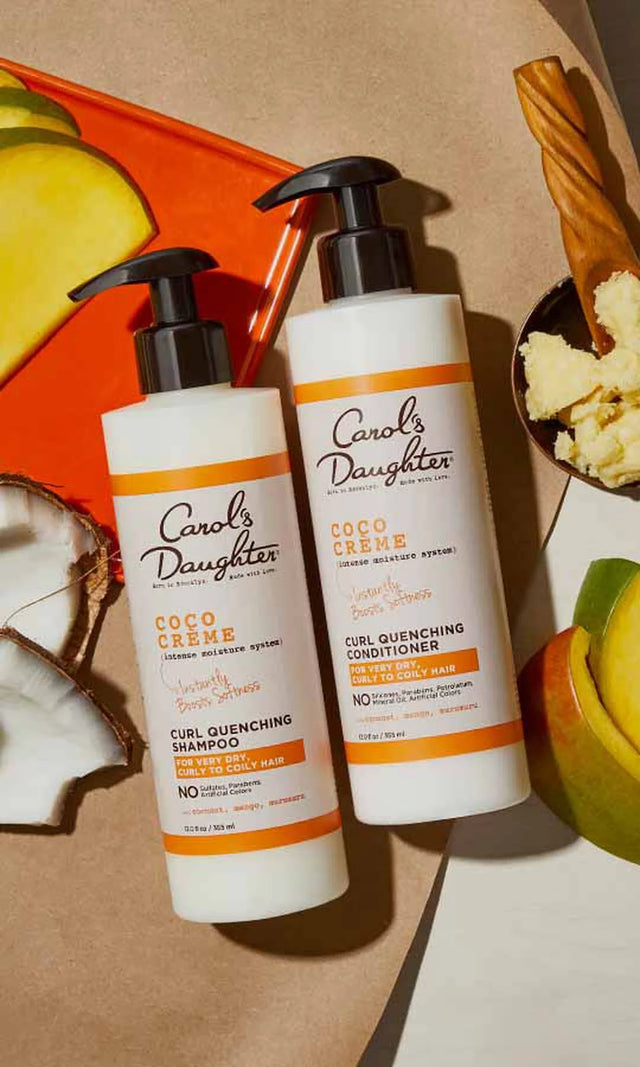
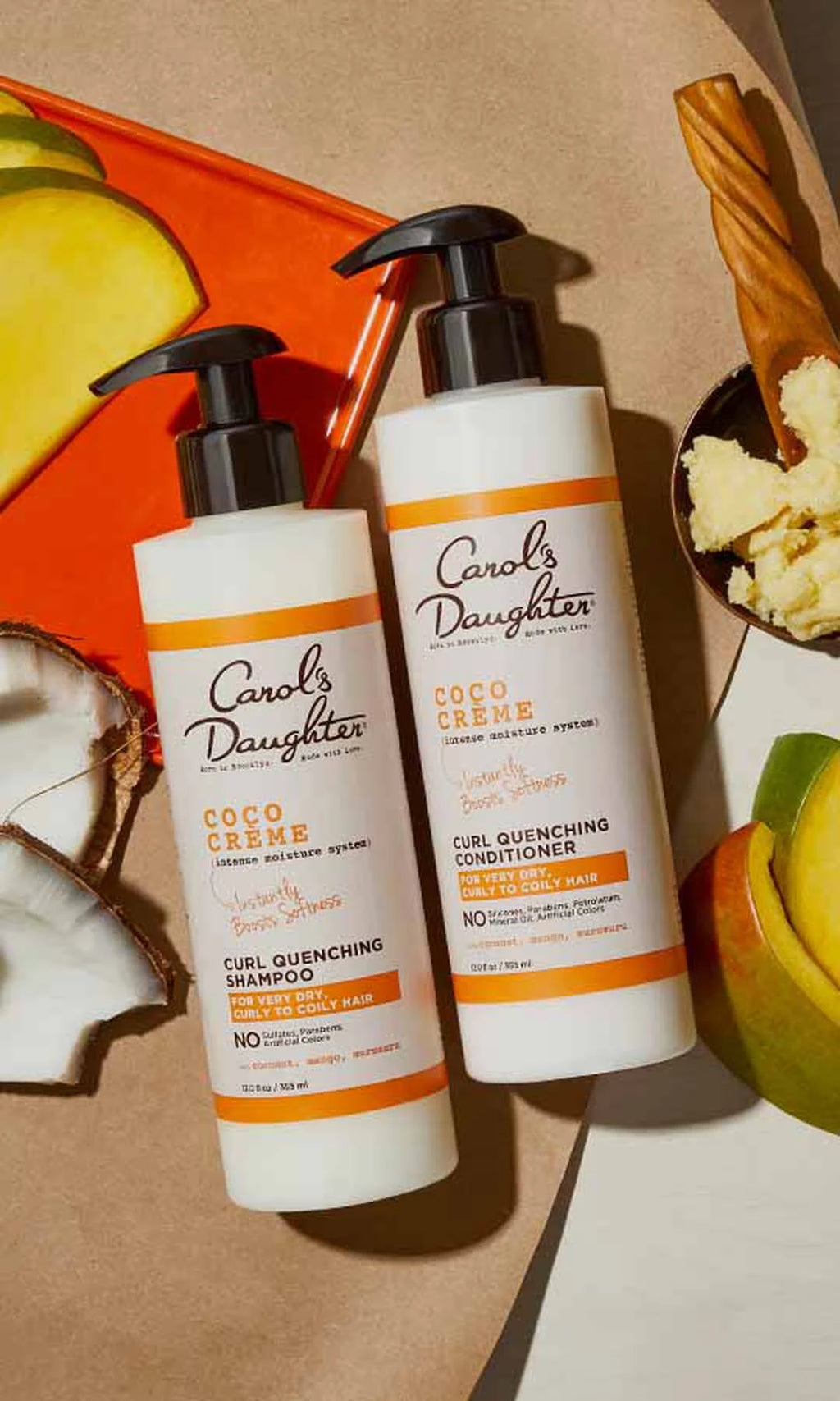
- Co-wash on alternate wash days using the Coco Crème Creamy Conditioner or another moisturizing conditioner
- Refresh between washes with a light spray instead of fully shampooing
Less stripping, more sealing — your ends will thank you.
3. Condition Like You Mean It
A rinse-out conditioner replaces moisture lost during shampooing and gives you slip for safer detangling.
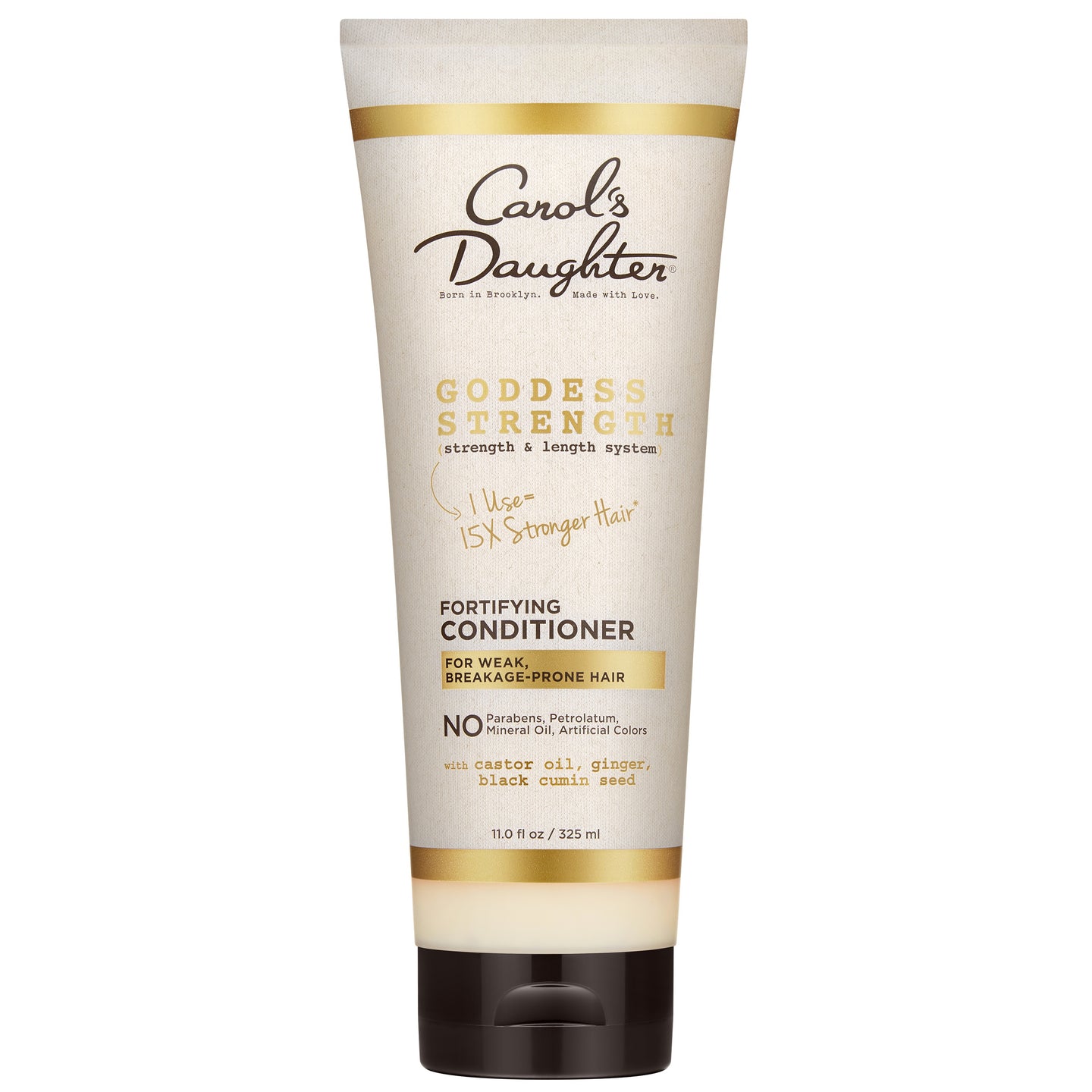
The Goddess Strength Fortifying Conditioner with Castor Oil features castor oil, which seals moisture and supports stronger strands. Apply from mid-shaft to ends, detangle with the conditioner still in your hair, and rinse with cool water to seal the cuticle.
For more on the right way to detangle without breakage, see our complete guide to detangling natural hair.
4. Deep Treat Weekly
A weekly deep conditioning treatment is the difference between maintaining what you have and actively repairing damage.
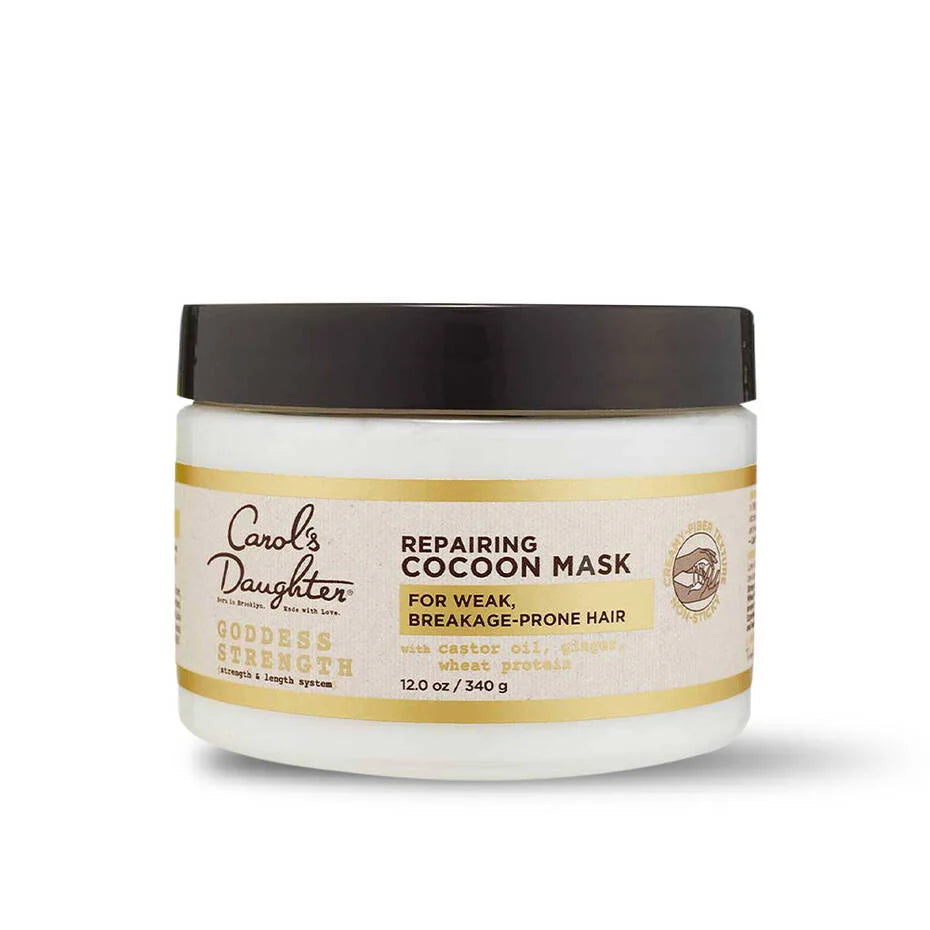
The Goddess Strength Cocoon Hydrating Hair Mask delivers an intense moisture treatment that helps restore, strengthen, and protect strands prone to splitting. For a faster option, the Born to Repair 60-Second Moisture Treatment gives you concentrated repair in just one minute.
For deeper penetration: apply your treatment, cover with a shower cap, and use a hair steamer or sit in a steamy bathroom for 10–15 minutes. Heat helps the cuticle open so the treatment can absorb deeper.
5. Get Regular Trims
Like a run in stockings, a split end keeps splitting until you stop it.
The right trim cadence for split-prone curls:
- Every 6–8 weeks if you're actively trying to prevent splits
- Every 8–12 weeks for general maintenance
- Every 12–16 weeks if you protective-style consistently
A trim doesn't have to take much length — even a quarter-inch dusting prevents existing splits from traveling further up the shaft. If your stylist isn't confident with curly hair, find one who specializes in textured hair (a "curly cut" stylist).
6. Sleep on Satin or Silk
Friction from cotton pillowcases is one of the biggest hidden causes of split ends. Cotton absorbs your hair's natural oils overnight and creates rough surface contact every time you turn your head.
Two simple swaps:
- A satin or silk pillowcase
- A satin bonnet or scarf
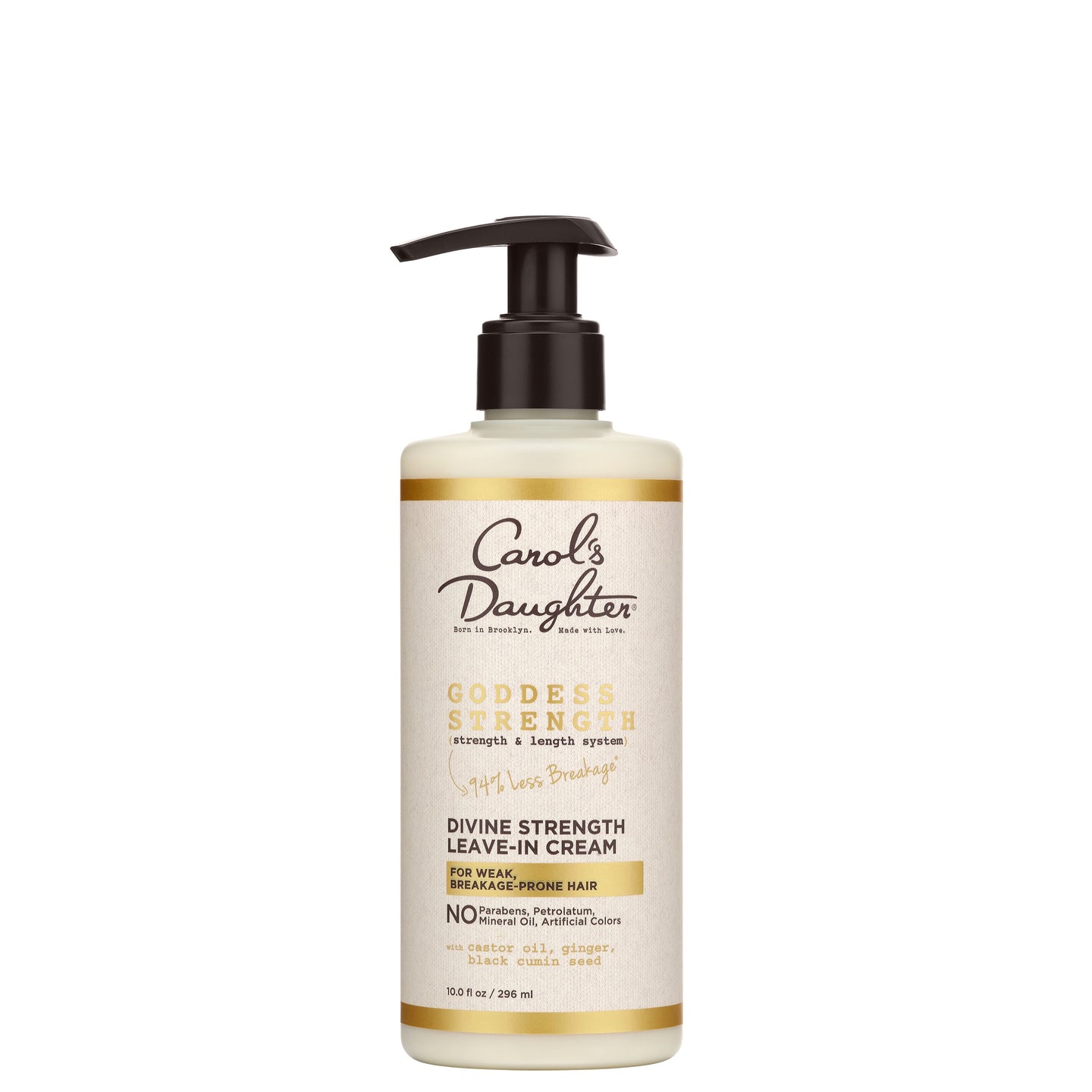
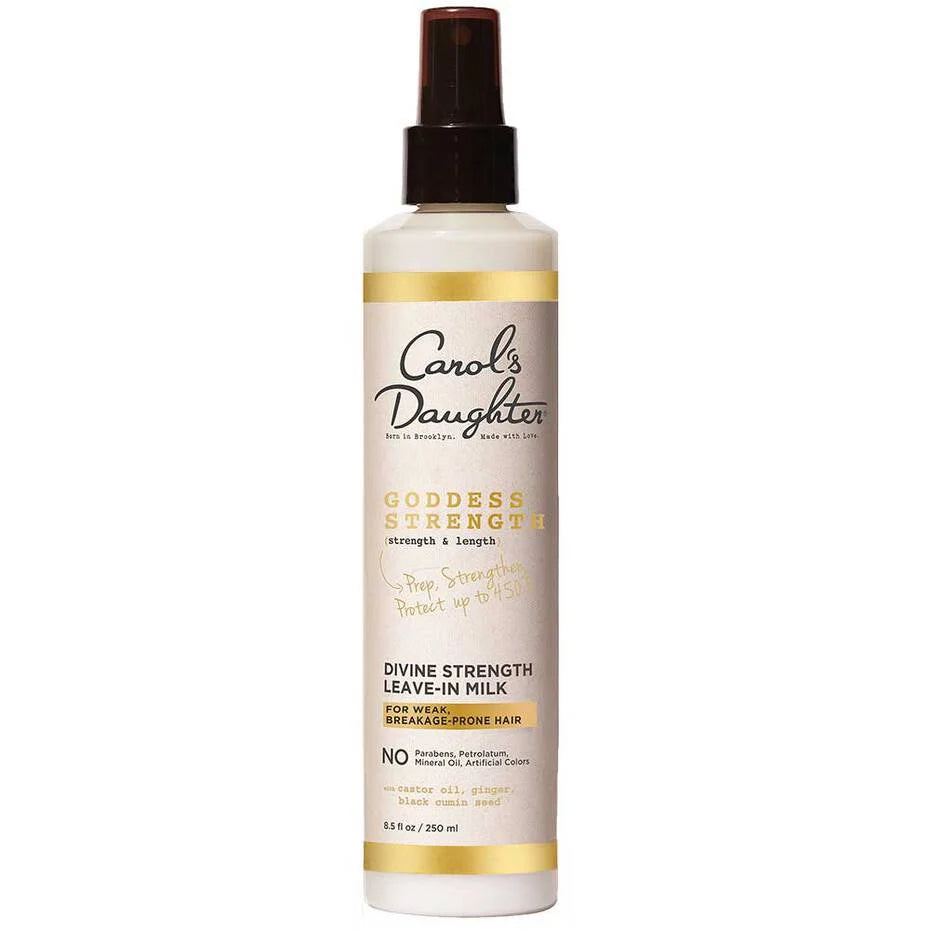
Before bed, apply a moisturizing treatment to seal in hydration overnight. The Goddess Strength Divine Strength Leave-In Cream reinforces weak strands while you sleep.
For longer hair, pineapple your curls (gather them loosely on top of your head with a satin scrunchie) to keep your ends from rubbing against fabric.
7. Protect Your Ends With Styling
The ends of your hair are the oldest, driest, most fragile part. Styles that tuck your ends away protect them from daily stress.
Protective styles that shield ends:
- Two-strand twists and twist-outs
- Bantu knots
- Cornrows or flat twists
- Buns and updos that tuck your ends
- Wigs and crochet styles
Apply a moisturizing styler before installing your protective style. The Coco Crème Coil Enhancing Moisture Butter adds both moisture and hold — perfect for setting twists, braids, or buns that need to last.
When taking the style down, work patiently from the ends upward to prevent breakage during the takedown.
Can You Repair Split Ends?
The honest answer: not really. Once a strand splits, the only true fix is to cut it off.
Some products on the market claim to "repair" split ends. What they actually do is temporarily seal and smooth the split so it looks better — but the strand is still split underneath, and the splitting will continue traveling up if not trimmed.
That said, sealing products do have real value:
- They make split ends less visible until your next trim
- They reduce friction that worsens existing splits
- They help prevent new splits by sealing the cuticle
Two strong sealing options for temporary smoothing:
The Born to Repair Reviving Hair Oil with Shea Butter was designed specifically for this — it visibly seals up to 84% of split ends. Smooth a few drops between your palms and apply to your ends.
The Coco Crème Curl Shaping Cream Gel with Coconut Oil is a styling product that doubles as a smoother — coconut oil and mango butter define curls while sealing the cuticle.
These are stopgaps until your next trim, not replacements for one.
When to See a Stylist Instead
Sometimes splits are too widespread to manage with prevention and small trims. See a stylist if:
- Your splits are more than an inch up the shaft
- Multiple sections of your hair are affected
- You've been ignoring trims for 6+ months
- Your hair is also showing signs of broader damage (breakage, thinning, dullness)
For broader damage repair guidance, see our complete guide to repairing damaged hair.
Frequently Asked Questions About Split Ends
Can split ends actually be repaired?
No — once a hair strand splits, the only way to fully fix it is to trim it off. Sealing products can temporarily smooth the appearance of split ends and prevent further damage, but they don't bond the split back together. Anyone marketing "split end repair" is selling temporary cosmetic smoothing.
How often should I trim split ends?
Every 6–8 weeks if you're actively trying to prevent splits, or every 8–12 weeks for general maintenance. If you protective-style regularly, you can stretch to every 12–16 weeks. Watch for signs your hair is asking for a trim: more single-strand knots, increased tangling, or visible fraying at the tips.
Why do my hair ends keep splitting?
The most common reasons: too much heat styling, sulfate-based shampoos, skipping leave-in or sealing products, sleeping on cotton, rough detangling, or just naturally drier ends that don't get enough moisture. Audit your routine against the 7 prevention habits above — usually one or two changes solve it.
Can I trim split ends myself at home?
You can, but it's risky if you're not experienced. The "search and destroy" method (going through your hair strand by strand and snipping individual splits) works for minor maintenance, but a stylist can shape and even your ends in ways DIY trims usually can't. If splits are widespread, see a professional.
Do products that "repair" split ends actually work?
They temporarily smooth the appearance and prevent further damage, but they don't permanently bond a split strand back together. That said, sealing oils and conditioning treatments are still worth using — they extend the time between trims and reduce new splits from forming.
Will my hair grow longer if I trim split ends?
Yes — counterintuitively, regular trims often help your hair grow longer over time. Holding onto split ends lets them travel further up the shaft, eventually causing the strand to break entirely. A small trim every 6–8 weeks preserves the length you've already grown.
Ready to protect your ends?
For damaged hair recovery → Shop the Born to Repair collection
For strength and breakage prevention → Shop the Goddess Strength collection
Browse by hair concern → Shop hair breakage
Not sure where to start? → Take the Curl Quiz