How to Plop Your Natural Hair: A Complete Guide


How to Plop Your Natural Hair: A Complete Guide
By Carol's Daughter — Updated May 2026
Quick Answer: Hair plopping is a heatless drying technique that boosts curl definition and volume. After applying your styling products to damp hair, flip your hair upside down onto a T-shirt or microfiber towel, wrap and tie the corners around your head, and let your hair dry inside the wrap. The plop preserves your curl pattern, reduces frizz, and adds bounce without heat. Best for natural curls (3A through 4C), works on most hair lengths, and takes 1–3 hours to fully dry depending on hair density.
If you've tried every drying method and your curls still don't feel quite right — plopping might be the missing step.
The technique sounds silly, but the results aren't: better definition, more volume, less frizz, and dramatically reduced manipulation during the drying process.
Here's everything you need to know about hair plopping — what it is, how to do it, and how to make it work for your specific hair type.
What Is Hair Plopping?
Hair plopping is a heatless drying technique for curly hair.
The basic concept: after washing and applying your styling products, you "plop" your damp hair upside down onto a T-shirt or microfiber towel, wrap the fabric around your head, and let your hair dry inside the wrap.
While your hair dries, the wrap:
- Absorbs excess water gently
- Cradles your curls so they keep their natural shape
- Lifts curls at the roots for added volume
- Reduces friction that causes frizz
It's similar to pineappling — but pineappling is for preserving dry curls overnight. Plopping is for drying curls in a way that maximizes definition.
For more on pineappling, see our complete guide to hair pineappling.
Find Your Personalized Routine
Different curl types respond to plopping differently. Some need to plop longer; some need lighter products underneath.
Take the Curl Quiz → A 5-step quiz that identifies your hair type, main concerns, and the products built for your texture.
How to Plop Your Hair: Step-by-Step
The technique is simple once you've done it once or twice.
Step 1: Cleanse and Condition
Start with thoroughly washed and detangled hair.
- Cleanse with the Born to Repair Sulfate Free Nourishing Shampoo
- Condition with the Born to Repair Nourishing Conditioner with Shea Butter
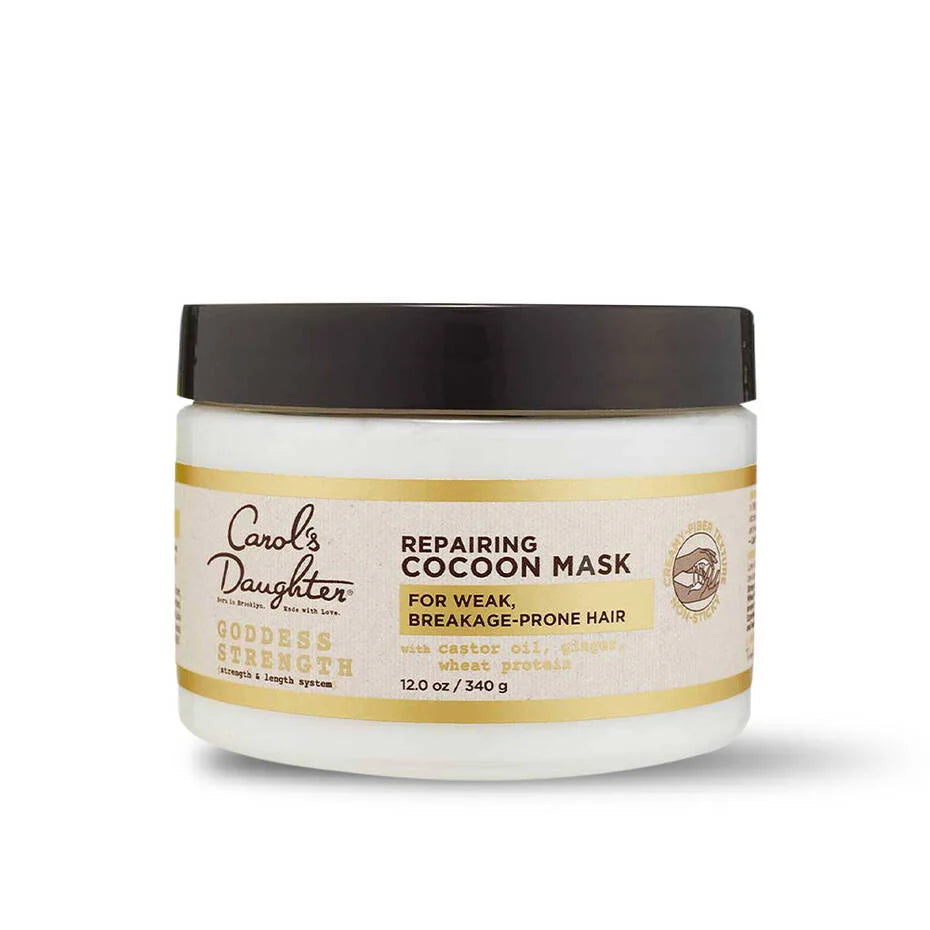
- For extra moisture, deep condition with the Goddess Strength Cocoon Hydrating Hair Mask
Squeeze excess water out — hair should be damp, not soaking wet.
For the full wash-day routine, see our complete guide to washing curly hair.
Step 2: Set Up Your Plop Station
Get your supplies ready before you start styling — you'll want to plop immediately after applying products.
What you need:
- A cotton T-shirt or microfiber hair towel (no terry cloth)
- A flat surface at a comfortable height (bed or chair works well)
Spread the T-shirt or towel flat on the surface, ready for you to flip your head onto.
Step 3: Apply Your Stylers
Whether you use the LOC method or LCO method, this is the time to layer your products.
For wavier or looser textures (type 3):
- Black Vanilla Moisture & Shine Leave-In Conditioner — lightweight moisture
- Hair Milk Original Leave-In Moisturizer — adds definition without weight
- Born to Repair Reviving Hair Oil with Shea Butter — final seal
For thicker, coarser textures (type 4):
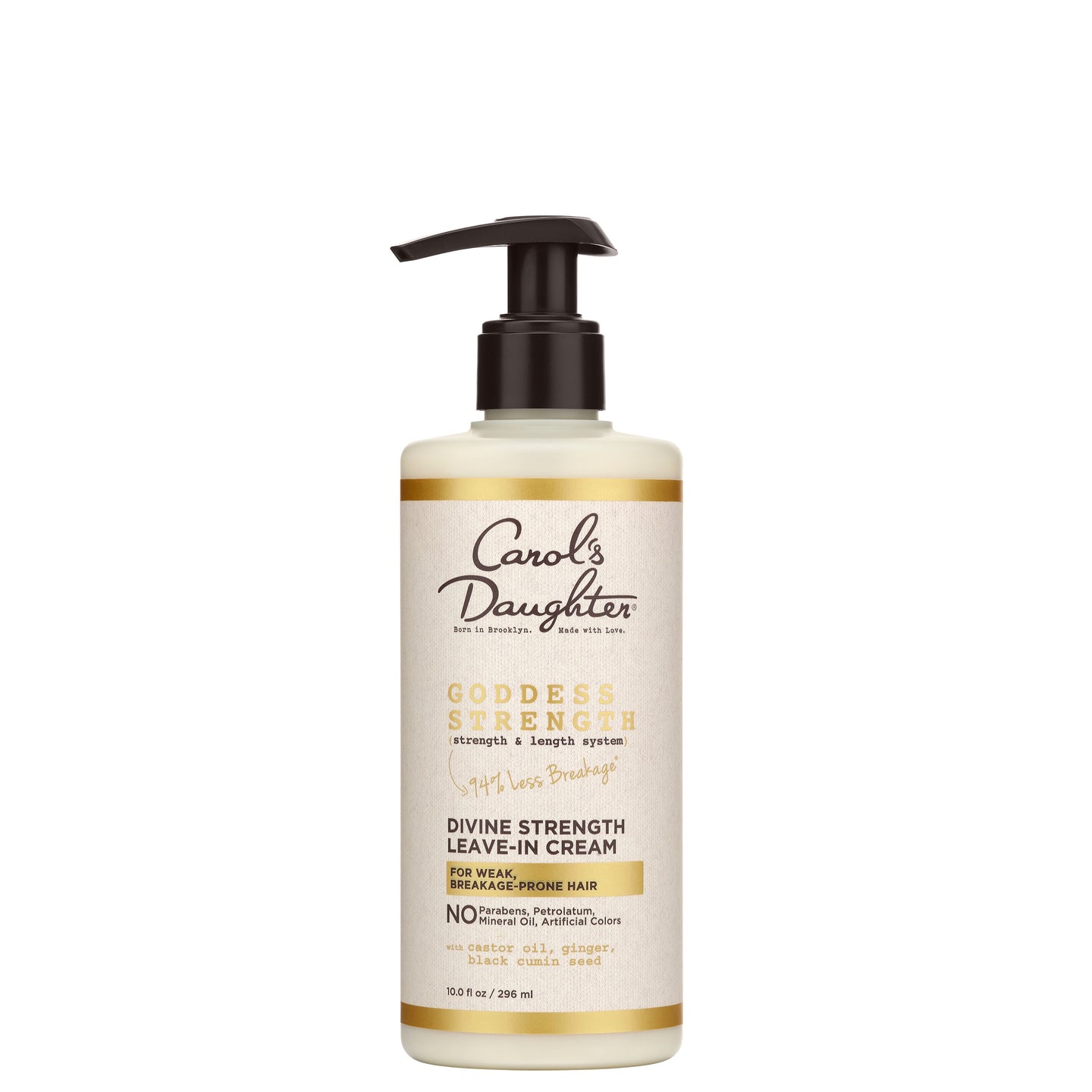
- Goddess Strength Divine Strength Leave-In Cream with Castor Oil — heavy moisture base
- Coco Crème Coil Enhancing Moisture Butter — sealing butter for dense coils
- Goddess Strength 7-Oil Blend Hair & Scalp Oil — final seal and shine
Application technique:
- Work each product through your hair in sections
- Use your fingers, not a comb (preserves curl pattern)
- Smooth from root to tip, then scrunch upward to encourage curl formation
- You should see some curl separation and definition before you plop
Step 4: Plop
Now the actual plop.
- Flip your head forward so your hair hangs down toward the floor
- Position your hair in the center of the T-shirt or towel
- Lower your head so the crown of your head rests on the fabric
- Grab the bottom corners of the cloth and fold them up toward the nape of your neck
- Grab the upper corners and fold them down to meet the bottom half
- Tie the corners together — either at the back of your head (if bent over) or in the front (if standing up)
- Tuck in any loose ends
The result: your curls are gently held in their natural shape against your head, with the fabric absorbing excess water as they dry.
Step 5: Let It Dry
Keep your hair plopped until it's mostly dry.
Timing varies by hair type:
- Type 3 hair: 20 minutes to 1 hour
- Type 4 hair: 1–3 hours
- Very dense or low-porosity hair: longer
Don't over-plop. Once hair is mostly dry (slightly damp at most), unwrap it.
Step 6: Finish and Fluff
Once you unwrap, your curls should already look defined and shaped.
- Air-dry the rest of the way (usually 15–30 minutes more)
- Add a final shine layer with a few drops of the Born to Repair Reviving Hair Oil with Shea Butter
- Fluff at the roots with your fingers to add volume
How Long Should You Plop Your Hair?
Plopping time depends on your hair's porosity and density.
| Porosity / Density | Recommended Plop Time |
|---|---|
| High porosity (dries fast) | 20–40 minutes |
| Medium porosity | 30–60 minutes |
| Low porosity (dries slow) | 1–3 hours |
The T-shirt or microfiber absorbs water much faster than the air, so plopping is faster than air-drying alone.
You don't want hair to be completely dry inside the plop — that often results in flat curls. Take it out when hair feels mostly dry but still has a slight cool-damp feel at the roots.
Can You Plop Hair Overnight?
Yes — overnight plopping is possible.
Best for:
- Hair that takes a long time to dry naturally
- People who want to wake up to mostly-finished curls
- Schedules that don't allow 1–3 hours of plopping time in the morning
To plop overnight:
- Use a longer T-shirt or microfiber turban that stays secure during sleep
- Sleep on a satin pillowcase to reduce friction on the plop itself
- Expect slight flattening at the crown from sleeping on it — you'll need to fluff in the morning
Skip overnight plopping if: your hair dries quickly (you'll end up with over-dry, flat curls by morning).
Is Plopping Good for Your Hair?
Yes — plopping is one of the gentlest ways to dry curly hair.
Why plopping benefits curls:
- Zero heat — no risk of heat damage
- Minimal manipulation — preserves natural curl pattern
- Lifts roots — adds volume that towel-drying flattens
- Absorbs water gently — no friction or rubbing
- Boosts curl definition — the curls dry in their natural shape, supported by the fabric
The technique was practically built for curly hair. If you have type 3 or type 4 hair and you've never tried it, you're likely missing one of the easiest ways to upgrade your wash-day results.
For more on wash-day fundamentals, see our complete guide to washing curly hair.
Can You Only Plop Curly Hair?
Plopping works best on curly and wavy hair, but straight hair can benefit too for added volume.
For straight hair, plopping creates the body and bounce that diffusing tries to achieve — without the heat. But the technique was designed for curls, and that's where the results are most dramatic.
How to Plop Short Hair
Short hair plops the same way as long hair — the key is positioning.
Adjustments for short hair:
- Bend forward more deeply before placing your head on the fabric
- Position curls at the very crown of your head (closer to your hairline than usual)
- Use a smaller towel if the standard T-shirt is too bulky
- Plop for less time — short hair dries faster
If your hair is too short for the curls to gather at all, the headband-pineapple method or simple diffusing may work better. For more on short curly hair styling, see our complete guide to 32 short curly hairstyles.
Frequently Asked Questions About Plopping
How is plopping different from regular towel drying?
Regular towel drying rubs water out of hair (causing friction and frizz). Plopping cradles your hair in the towel, absorbing water passively while your curls dry in their natural shape. No rubbing, no friction, much less damage.
Can I plop without styling products?
Technically yes — but you'll miss most of the benefit. Plopping works best when your styling products have been applied and just need time to set. Without products, plopping just dries hair (still gentler than rubbing, but less defining).
What if I don't have a microfiber towel?
A 100% cotton T-shirt works just as well. Soft, absorbent, low-friction. Most people use what they have.
Should I sleep with my hair plopped?
You can, but most experienced ploppers don't. The optimal plop time is 20 minutes to 3 hours — far less than overnight. If you need overnight drying, consider pineappling your set curls instead.
Can I plop with very thick or long hair?
Yes — but you may need a larger towel or T-shirt to accommodate all your hair. Plopping works on all hair densities; you just need to scale up the materials.
Why are my curls flat after plopping?
Two common causes: (1) you plopped too long and over-dried, or (2) you tied the plop too tight, smashing your curls against your head. Loosen the wrap and check more often as you dry.
Should I plop wet hair or damp hair?
Damp hair — already squeezed out of excess water. Plopping soaking-wet hair just creates a soggy plop that takes forever to dry.
Can I plop with hot oil treatment in my hair?
Better to rinse out the hot oil treatment first. Plopping works best when the hair is wet with stylers, not coated with rinse-out treatments.
Ready to try plopping?
For your styling products → Shop the Goddess Strength collection
For finishing oils → Shop oils & treatments
For more drying guidance → Read our complete guide to drying natural hair without damage
Not sure where to start? → Take the Curl Quiz