

How to Repair Heat-Damaged Curly Hair: A Complete Recovery Guide


How to Repair Heat-Damaged Curly Hair: A Complete Recovery Guide
By Carol's Daughter — Updated May 2026
Quick Answer: Heat-damaged curly hair shows up as looser curl patterns, dryness, breakage, and frizz that don't bounce back after washing. The repair routine: stop using heat tools, switch to sulfate-free cleansing, deep condition weekly, layer moisture with a leave-in and oil, and trim split ends regularly. Recovery takes 2–3 months of consistent care. Severe damage may not fully reverse, but new growth will always come in healthy.
Loving your natural curls doesn't mean you can't change it up sometimes. Straightening or blow-drying your hair is fine in moderation — but heat damage is real, and it shows up faster on curly hair than on any other texture.
If your curls aren't bouncing back the way they used to, your hair feels dry no matter how much product you use, or your once-defined coils are now stretched and limp, you're likely dealing with heat damage.
Here's the good news: heat-damaged curly hair can be repaired. It takes patience and consistency, but the routine below brings most damage back to manageable in 2 to 3 months.
What Is Heat-Damaged Curly Hair?
Heat-damaged curly hair is hair that's been weakened by hot styling tools — usually flat irons, curling irons, blow dryers, or hot combs.
Heat works by breaking the hydrogen bonds inside your hair shaft to reshape it temporarily. When the heat is gentle and used with protection, those bonds reform during your next wash and your curl pattern returns. When the heat is too high, applied too often, or used on unprotected hair, the protein structure that creates your curl shape breaks down — and that damage doesn't fully reverse.
For curly hair, heat damage shows up faster than for straight hair because:
- Curly hair is naturally drier, so it has less moisture to protect itself from heat
- The bends in each curl create natural weak points where heat concentrates
- Higher porosity in many curly textures means heat penetrates deeper and faster
- Curl elasticity depends on intact protein bonds — and heat breaks those first
What Causes Heat Damage in Curly Hair?
The tools aren't the enemy. How you use them is.
The most common causes of heat damage:
- Skipping heat protectant — using hot tools without protection is the single biggest cause of heat damage
- Temperatures above 400°F — flat irons and curling irons should never go higher than 400°F on healthy hair, and 350°F is safer for fine or already-stressed strands
- Heat styling on wet hair — your hair should be at least 75% dry before blow-drying, and completely dry before any flat-ironing or curling
- Heat styling on dirty hair — product buildup and dirt can burn into your hair shaft when heat is applied
- Frequent heat styling — even with protection, daily heat tools eventually compound into damage
If more than one of these is part of your routine, your hair is at risk.
How to Identify Heat-Damaged Hair
Heat damage shows up in 6 distinct ways. If you're seeing more than two, it's time for a recovery routine.
A Loosened or Lost Curl Pattern
This is the clearest sign. If your curls look stretched, limp, or completely straight in some sections — even after washing and styling — your protein bonds have been broken by heat. Some sections of your hair may still have your original curl pattern while others don't. That patchiness is a hallmark of heat damage.
Dry, Brittle Strands
Heat-damaged hair can't hold moisture properly. The cuticle is too rough and lifted to seal hydration in, so your hair feels dry within hours of moisturizing.
Breakage and Split Ends
Damaged hair snaps under tension that healthy hair would handle. You'll see more strands in your comb, more split ends working their way up your shaft, and breakage during detangling.
Lack of Shine
Healthy hair reflects light. Heat-damaged hair doesn't — the rough, raised cuticle absorbs light and makes your hair look dull and lifeless even when it's clean.
Frizz Along the Strand
Frizz that won't smooth out, even with product, is a sign your cuticle is permanently raised in places. That's typical of heat damage.
Tangling and Stringy Texture
Heat-damaged hair tangles more easily because the rough cuticle catches on neighboring strands. Your hair may also feel stringy or limp instead of bouncy and elastic.
Can Heat-Damaged Hair Be Repaired Without Cutting It?
Yes — most heat damage can be repaired without a big chop, but with two important caveats.
The honest reality:
- Mild to moderate damage can be largely reversed with 2–3 months of consistent care
- Severe damage to your curl pattern may not fully bounce back; some hair will need to be trimmed away over time
- Patchy damage (where some sections are damaged and others aren't) often needs strategic trims to even things out
- New growth at the roots will always come in your natural texture — that's the part that recovers fully
If you want to keep your length, the routine below is your path. If you want a faster reset, a big chop or a major trim cuts to healthy hair immediately. Both are valid choices.
How to Repair Heat-Damaged Curly Hair: The 5-Step Recovery Routine
Recovery requires consistency more than complexity. Five steps, done weekly, restore most heat-damaged curly hair over 2–3 months.
Step 1: Stop the Heat Styling
Repair can't happen while you're still adding new damage.
For at least 8–12 weeks, give your hair a complete break from flat irons, curling irons, and high-heat blow drying. Lean into heat-free styles instead:
- Braid-outs and twist-outs for stretched curls
- Wash-and-go for natural definition
- Bantu knots for volume and curl
- Roller sets for elongated curls
- Air-drying or low-heat diffusing only
This is the hardest step but the most important. No routine works while you're actively adding more damage.
Step 2: Wash With a Sulfate-Free, Repairing Shampoo
Sulfates strip what little moisture your damaged hair has left. A gentle, repairing shampoo cleanses without making the damage worse.
The Born to Repair Sulfate Free Nourishing Shampoo is built specifically for damaged and chemically processed hair — shea butter and a gentle formula clean while supporting recovery.
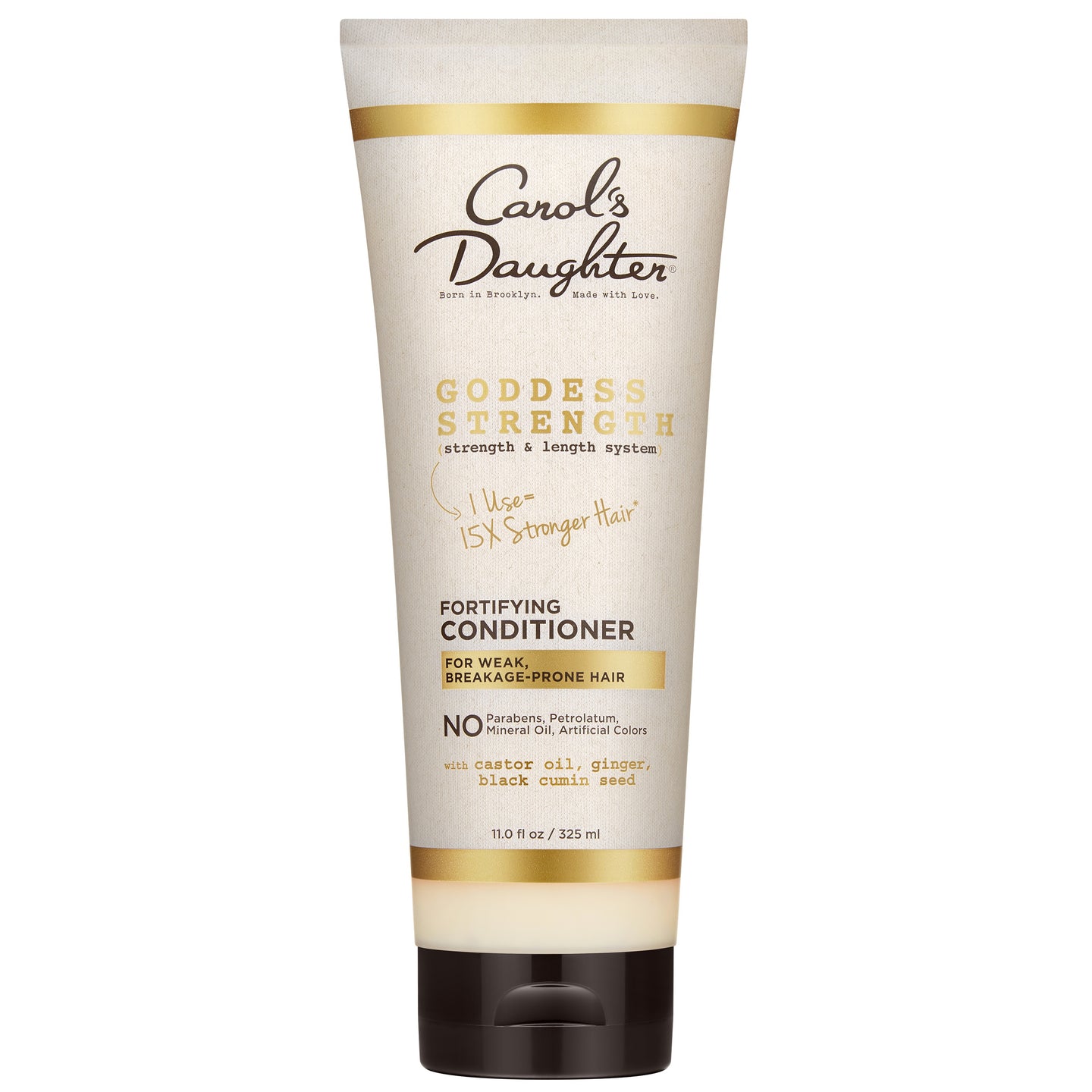
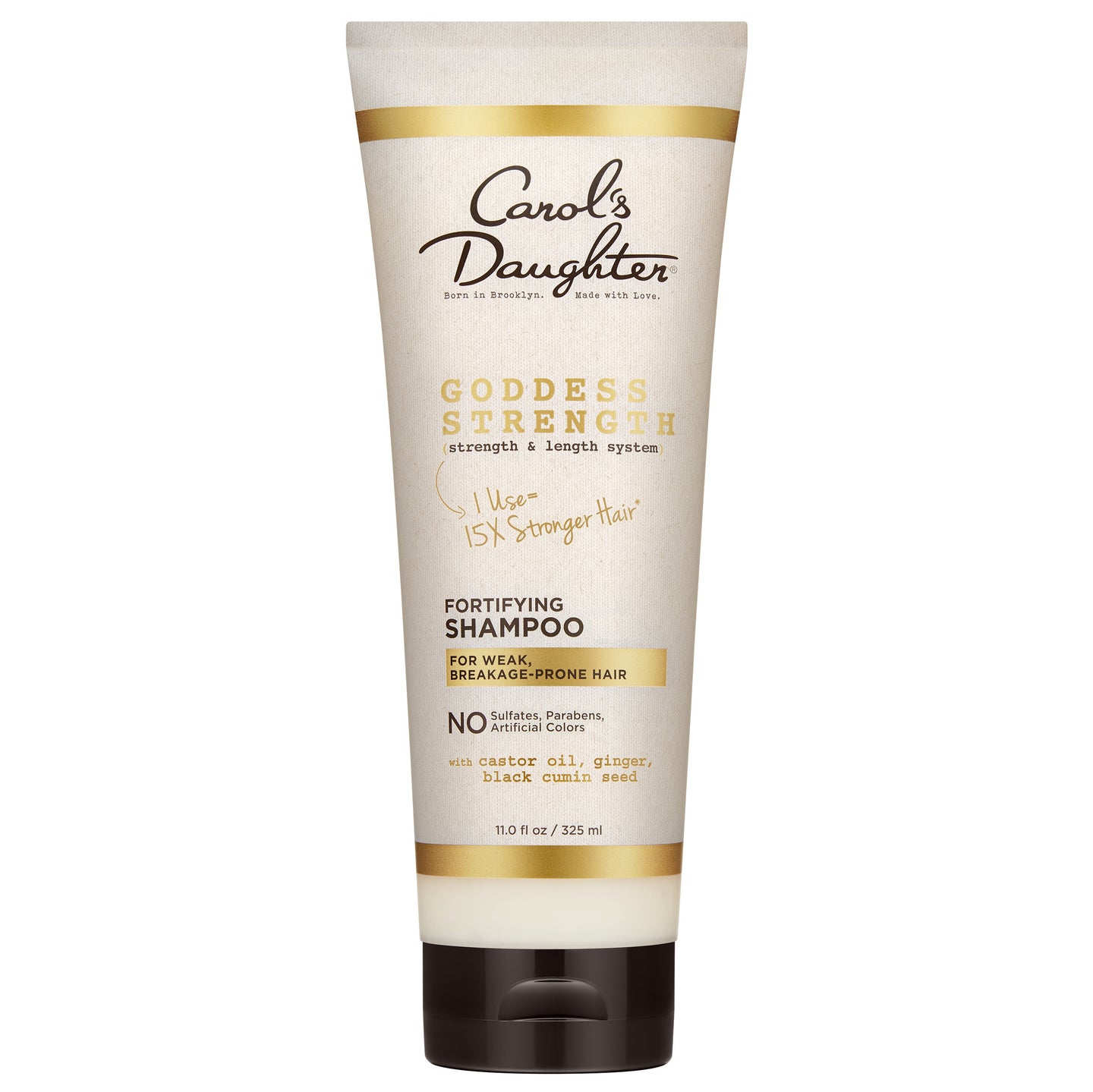
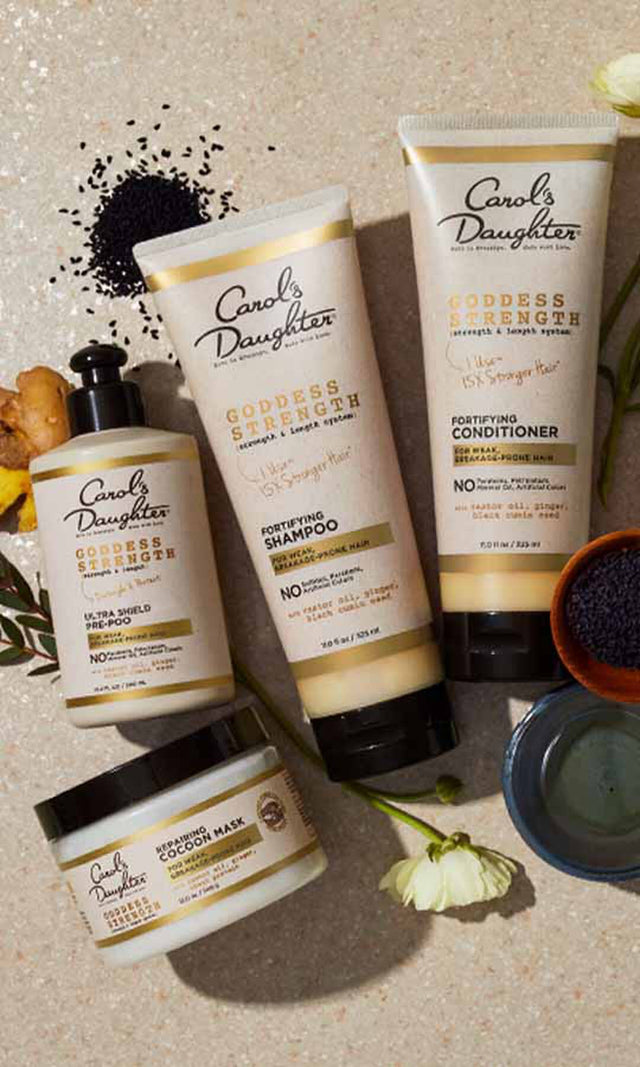
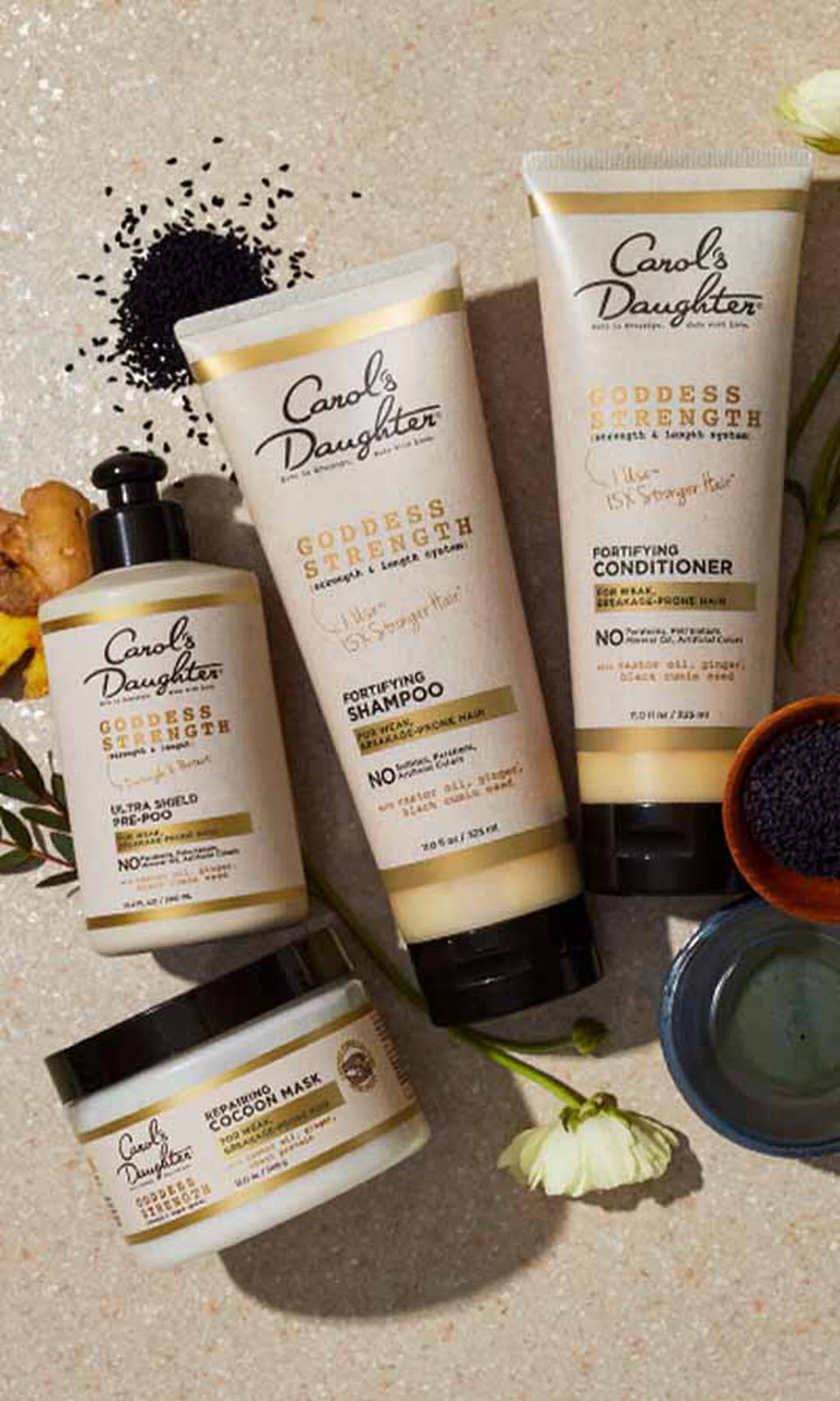
For added strengthening alongside cleansing, the Goddess Strength Fortifying Shampoo with Castor Oil reinforces weak strands as you wash. The Goddess Strength line delivers up to 7x stronger hair and 86% breakage reduction with regular use — meaningful numbers for hair that's actively trying to rebuild.
Step 3: Layer in Deep Moisture
Heat-damaged hair can't hold moisture without help. The recovery routine has to deliver hydration in multiple layers.
Start with a quick treatment. The Born to Repair 60-Second Moisture Treatment with Shea Butter goes on after shampooing and before conditioning, sealing in shea butter, Amazonian nut oil, and babassu oil in just one minute.
Then condition with a repairing formula. The Born to Repair Nourishing Conditioner with Shea Butter layers on more moisture and gives you slip for detangling.
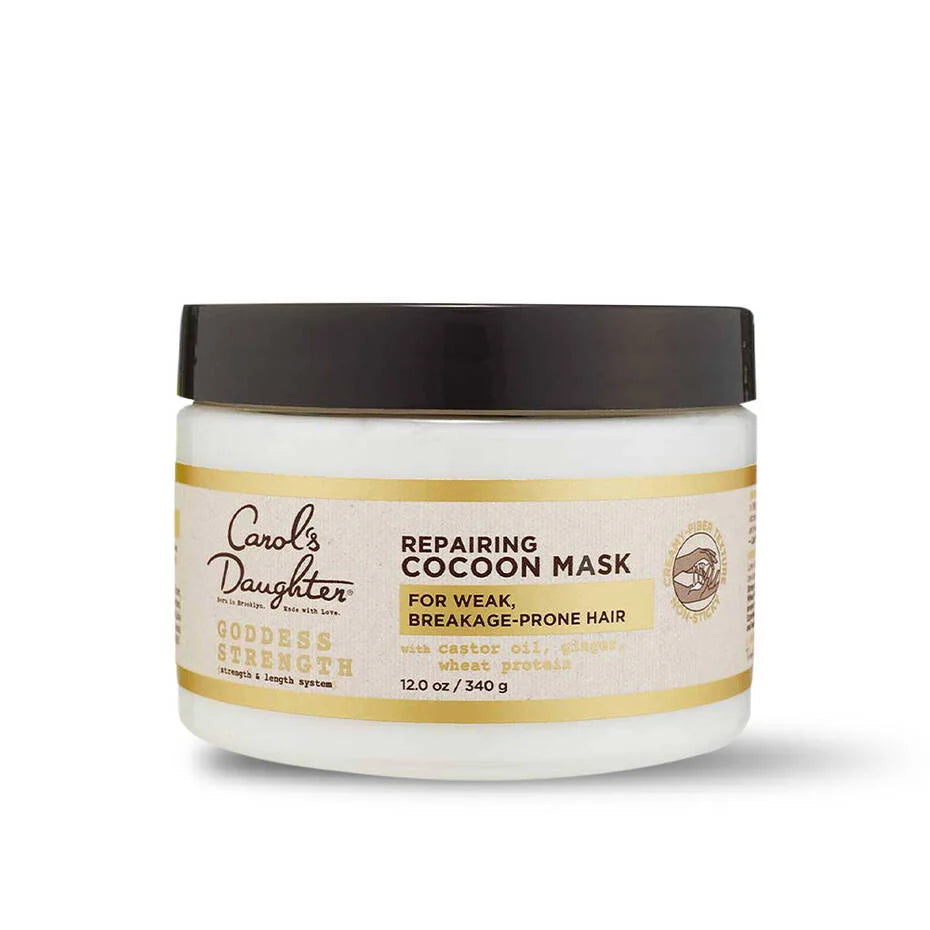
Add a weekly mask. The Goddess Strength Cocoon Hydrating Hair Mask delivers an intense moisture treatment that helps restore, strengthen, and protect damaged strands. Use weekly during active recovery.
Step 4: Add a Strengthening Leave-In
Between washes, your damaged hair needs daily reinforcement. A leave-in adds moisture and helps keep the cuticle smooth.
For damage repair specifically, the Born to Repair Defining Leave-In Cream with Shea Butter restores moisture while defining curls.
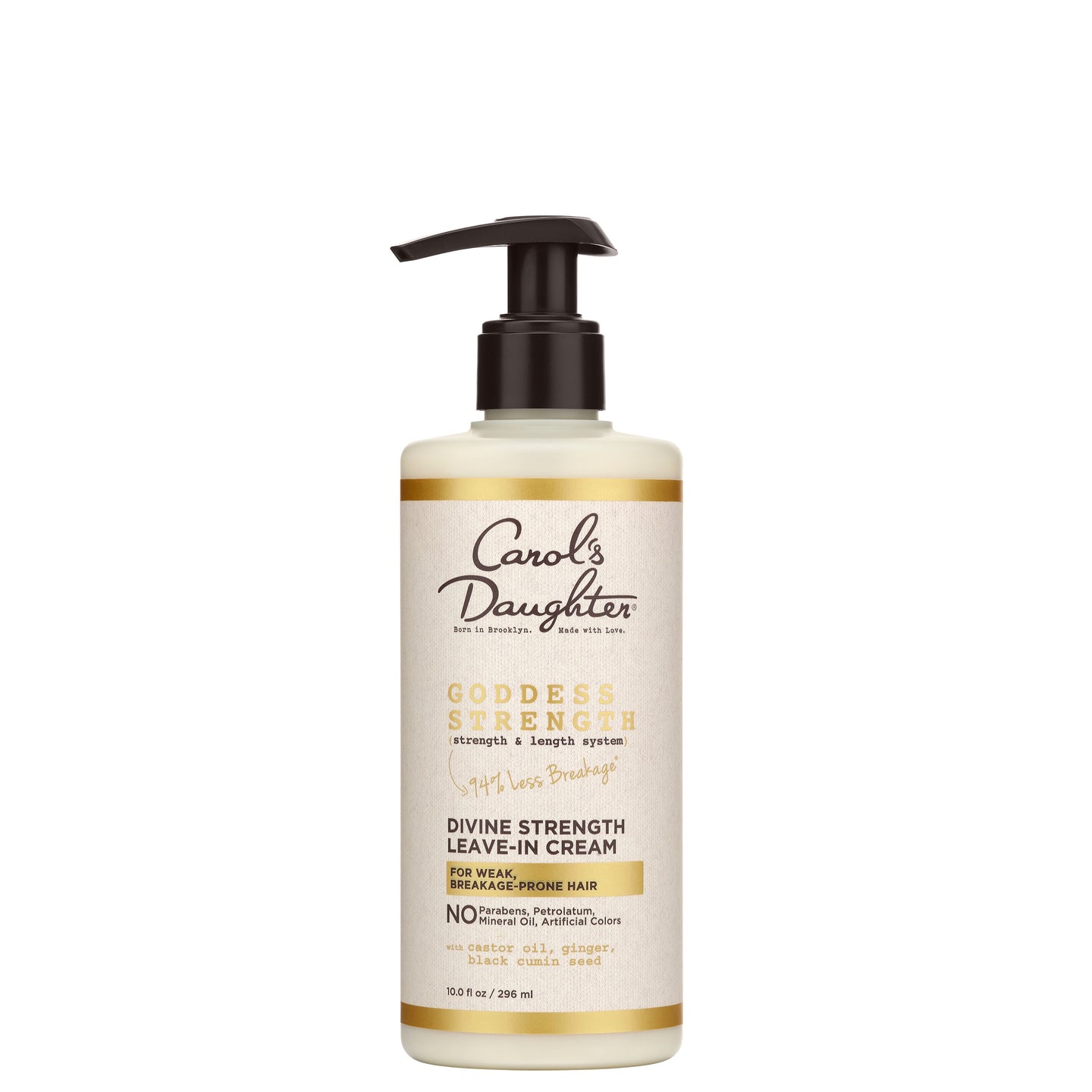
For more strengthening, the Goddess Strength Divine Strength Leave-In Cream with Castor Oil reinforces weak strands while it moisturizes — castor oil, black cumin seed oil, and ginger work together to support more resilient hair.
Apply daily or every other day to damp hair from mid-shaft to ends.
Step 5: Seal With an Oil
The final step locks in everything you applied. Without sealing, moisture escapes through your damaged cuticle within hours.
The Born to Repair Reviving Hair Oil with Shea Butter softens hair and minimizes flyaways while supporting damaged ends — the shea butter, jojoba, coconut, and Amazonian nut oils target dryness and split ends specifically.
For deeper sealing on coily textures, the Goddess Strength 7-Oil Blend Hair & Scalp Oil combines castor and six other oils for heavier-duty moisture lock.
What to Avoid During Heat Damage Recovery
What you stop doing matters as much as what you start doing.
- No new heat styling — give your hair at least 8–12 weeks of zero heat tools
- No chemical processing — no relaxers, dye, or bleach; chemical damage stacks on heat damage and compounds the problem (see our bleach damage recovery guide if you're dealing with both)
- No tight protective styles — tension on damaged hair causes more breakage
- No daily washing — wash 1–2 times per week to avoid stripping moisture
- No terry cloth towels — switch to a microfiber towel or T-shirt
- No brushing dry damaged hair — always detangle on damp, product-saturated hair
When You Do Go Back to Heat (Eventually)
You don't have to swear off heat styling forever. Just use it carefully.
Heat styling rules for recovered hair:
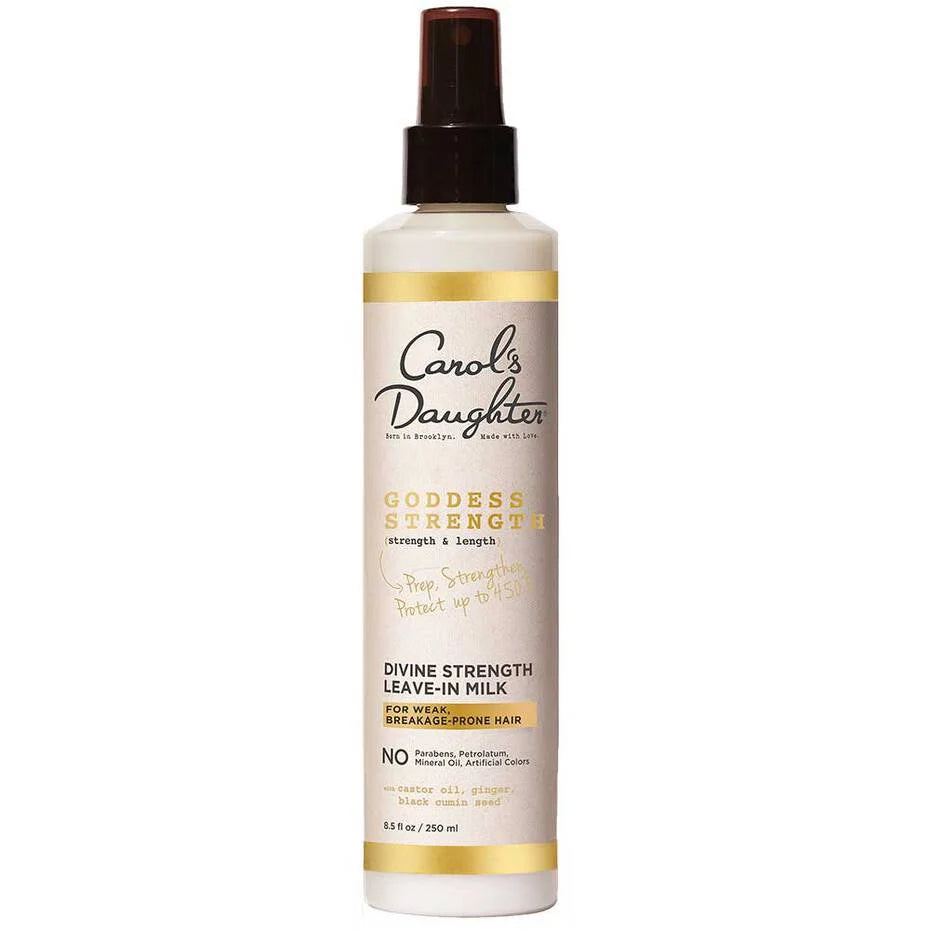
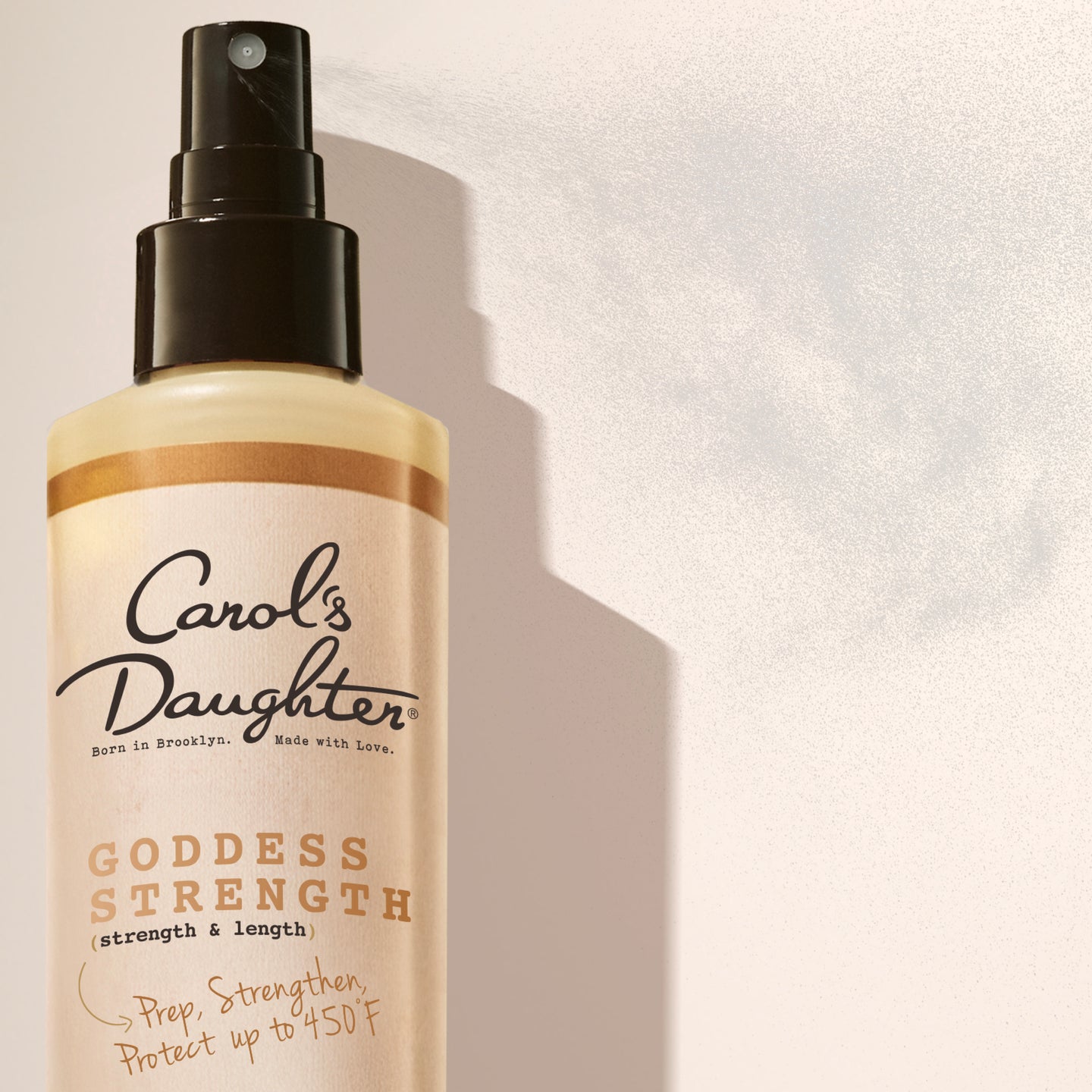
- Always apply a heat protectant first. The Goddess Strength Divine Strength Leave-In Milk protects up to 450°F — non-negotiable before any hot tool
- Keep temperatures low. 350°F max for fine or fragile hair, 400°F max for thicker textures
- One pass per section. Going over the same hair multiple times multiplies the heat exposure
- Limit frequency. Once a month or less for active heat styling
- Always start clean. Product buildup burns into your hair under heat
Find Your Personalized Routine
Knowing your curl type and current damage level helps you build a recovery routine that fits.
Take the Curl Quiz → A 5-step quiz that identifies your hair type, main concerns, and the products built for your texture.
Frequently Asked Questions About Heat-Damaged Curly Hair
Can heat-damaged hair be fully repaired?
It depends on severity. Mild to moderate heat damage usually reverses within 2–3 months of consistent care. Severe damage to your curl pattern may not fully bounce back, and you may need strategic trims to remove the most damaged sections over time. New growth at your roots will always come in your natural texture.
How long does it take to repair heat-damaged hair?
Most people see noticeable improvement within 4–6 weeks of consistent care, with meaningful repair around the 2–3 month mark. Severely damaged hair may take 6 months or longer and may require multiple trims along the way.
Can heat-damaged hair grow?
Yes. Hair grows from the root, not the ends, so heat damage doesn't stop growth. However, breakage from damaged ends can make it seem like your hair isn't growing — you're losing length to breakage at the same rate you're gaining it from the root. Repair routines reduce breakage, which is why your hair appears to "grow faster" once recovery is underway.
Will my curl pattern come back after heat damage?
Sometimes, yes. Mild heat damage to your curl pattern can recover as moisture and protein are restored. If the protein bonds that create your curl shape have been broken (which happens with high or repeated heat exposure), the affected hair won't curl the same way again — but new growth will.
Do I need to do a big chop?
Not necessarily. A big chop is the fastest way to start fresh, but many people repair their hair successfully through consistent treatment plus regular trims to gradually remove damaged ends. The choice depends on how severe the damage is and how much length you're willing to sacrifice for speed.
What's the difference between heat damage and bleach damage?
Heat damage breaks down the protein bonds inside your hair shaft from the inside out. Bleach damage strips your cuticle and removes pigment, weakening the strand from the outside in. Many of the recovery techniques are similar, but bleach damage often requires more aggressive moisture and protein treatments to rebuild. If you have both, focus on moisture first, then add protein treatments every 4–6 weeks.
Ready to start your heat damage recovery?
For damaged hair recovery → Shop the Born to Repair collection
For strength and breakage reduction → Shop the Goddess Strength collection
Browse by hair concern → Shop damaged hair
Not sure where to start? → Take the Curl Quiz