



7 Essential Tips for Caring for 4C Hair


7 Essential Tips for Caring for 4C Hair
By Carol's Daughter — Updated May 2026
Quick Answer: The 7 essential tips for caring for 4C hair: (1) moisturize relentlessly with rich oils, butters, and water-based products; (2) handle gently — always detangle while wet and saturated with conditioner; (3) use protective styles like braids, twists, or bantu knots regularly; (4) prioritize scalp care with regular cleansing and oil massages; (5) give your ends extra attention with daily moisture and protective tucking; (6) trim every 6–8 weeks; (7) stretch your hair using heatless techniques to fight shrinkage. The keys: consistency, gentleness, and lots of moisture.
If you have 4C hair, you've probably been told it's "difficult." It's not. It just needs a specific approach.
The right care routine for 4C hair isn't complicated — it's about understanding what your coils need and doing those things consistently. Once you nail the basics, 4C hair becomes one of the most rewarding textures to care for.
Here are 7 essential tips that will transform how your 4C curls look, feel, and grow.
A Quick Note on 4C Hair
4C hair is the tightest curl pattern on the type chart. Coils are densely packed and zig-zag shaped — so tightly coiled that the curl definition isn't always visible without product. 4C hair is prone to extreme shrinkage (often shrinking 50–75% from its actual length) and naturally drier than other textures.
For the full breakdown of 4C hair characteristics, identification, and science, see our complete guide to 4C hair.
This guide focuses on what to do — the specific care practices that keep 4C hair healthy.
Find Your Personalized Routine
Within 4C hair, individual hair varies — porosity, density, and condition all affect your specific needs.
Take the Curl Quiz → A 5-step quiz that identifies your hair type, main concerns, and the products built for your texture.
The 7 Essential Tips for Healthy 4C Hair
1. Moisturize Relentlessly
4C hair is naturally dry. There's no way around it.
The zig-zag coil structure makes it harder for natural scalp oils to travel down the hair shaft, which means your 4C strands need supplemental moisture every step of the way.
Build moisture in at every step:
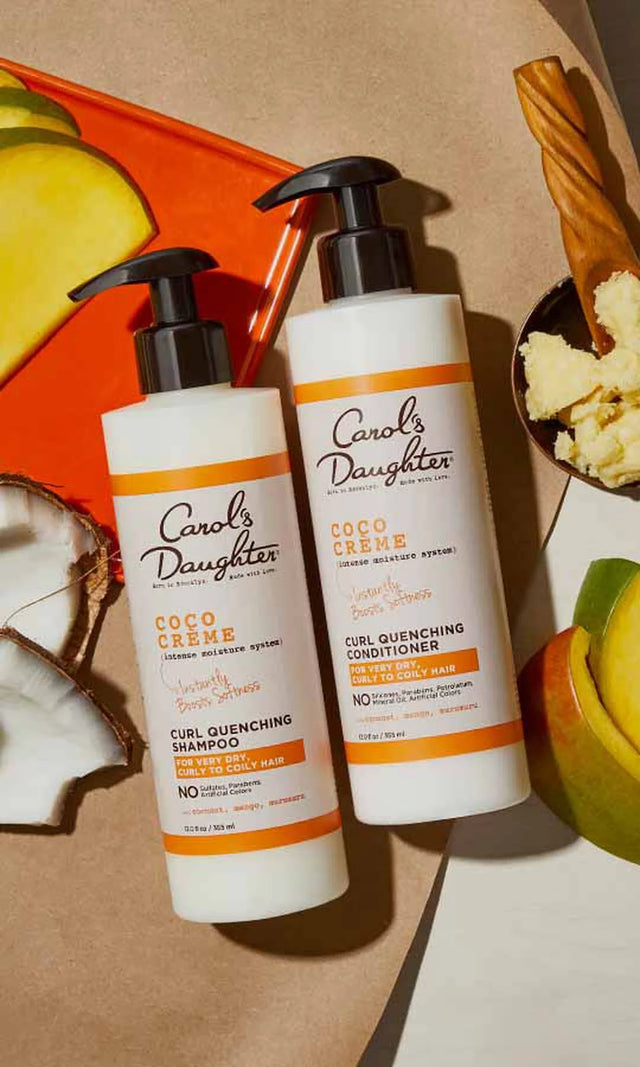
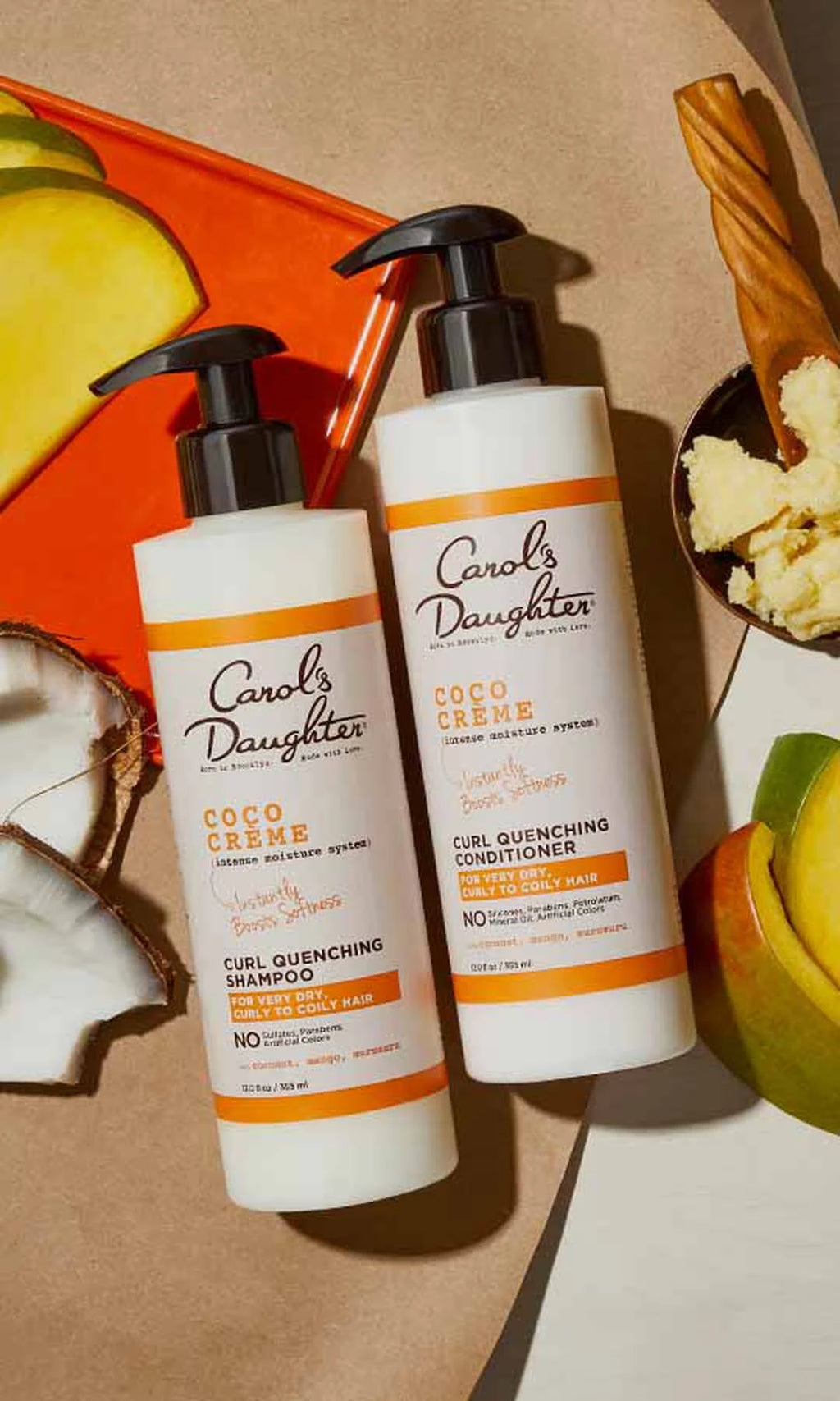
- Cleansing: Use the Coco Crème Sulfate Free Shampoo — coconut oil-rich, cleanses while adding moisture
- Conditioning: Follow with the Coco Crème Creamy Conditioner — softens, detangles, and deeply moisturizes
- Daily moisture: The Hair Milk Original Leave-In Moisturizer adds hydration without weighing curls down
- Deep moisture seal: The Coco Crème Coil Enhancing Moisture Butter provides heavy moisture for dense 4C coils
For more on moisture fundamentals, see our complete guide to moisturizing natural hair.
2. Be Gentle — Always
4C hair is the most fragile hair type. Even one rough detangling session can cause significant breakage.
Gentle handling rules:
- Never detangle dry hair — always wet and saturated with conditioner
- Use fingers first, then a wide-tooth comb
- Work from the ends upward toward the roots
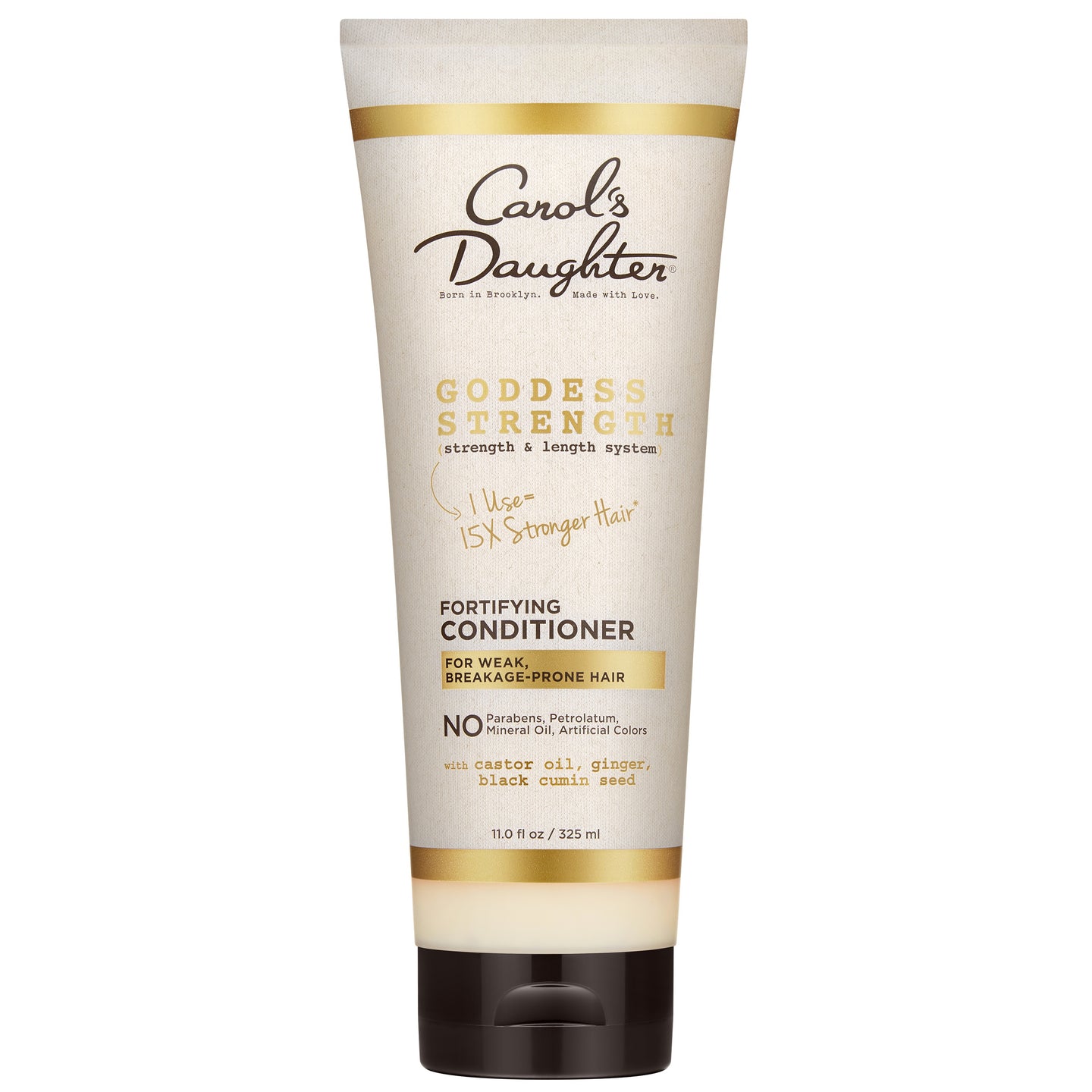
- Use the Goddess Strength Cocoon Hydrating Hair Mask for extra slip during detangling — formulated with castor oil and black cumin seed oil, it's clinically proven to deliver up to 7x stronger hair and 86% breakage reduction
- Avoid pulling and tugging at any point in your routine
For the full detangling technique, see our complete guide to detangling natural hair.
3. Take Advantage of Protective Styling
Protective styles aren't just for vacation. For 4C hair, they're a regular routine essential.
Protective styles protect your hair from:
- Daily manipulation that causes breakage
- Environmental exposure (sun, wind, humidity, pollution)
- Friction from clothing, pillowcases, and hands
- Heat damage during styling
Best protective styles for 4C hair:
- Box braids — classic, durable, low-maintenance
- Bantu knots — protective during installation, stretching when unraveled
- Spring twists — gentle on edges, easy to maintain
- Cornrows — flat, low-tension, great under wigs
Aim for at least one or two protective style cycles per month. For more options, see our complete guide to protective hairstyles for natural hair.
4. Don't Neglect Scalp Care
Healthy hair starts at the scalp. For 4C hair specifically, scalp care is non-negotiable.
Scalp care essentials:
- Cleanse regularly — use the Wash Day Delight Sulfate Free Shampoo for Curly Hair for targeted scalp cleansing (the pointed-tip applicator hits the scalp precisely without flooding your lengths)
- Massage with oil — the Goddess Strength 7-Oil Blend Hair & Scalp Oil combines castor, black cumin seed, jojoba, and four other oils to nourish the scalp and reduce itching
- Pre-poo before washing — protects scalp and strands from any moisture stripping during shampooing
- Exfoliate monthly to remove product buildup
For the full breakdown, see our complete scalp care routine guide.
5. Give Your Ends Extra TLC
Your ends are the oldest part of your hair — the most fragile, the most damaged, the most prone to breakage.
For 4C hair, ends often need 2–3x more attention than the rest of the hair.
Daily end-care practices:
- Apply moisture daily — focus styling products on the ends specifically
- Seal with oil — a few drops of the Goddess Strength 7-Oil Blend on the ends prevents friction damage
- Tuck during protective styling — buns, weaves, and wigs that keep ends hidden are best for length retention
- Use lighter products on the lengths but heavier sealants on the ends
The Hair Milk collection is an excellent everyday moisture system for keeping ends protected and hydrated.
6. Trim Regularly — Every 6–8 Weeks
Yes, even when you're trying to grow your hair longer.
Split ends and damaged ends don't stay at the ends. They travel up the hair shaft, causing more damage over time. A regular trim removes the damage before it spreads — which actually supports length retention.
Trim rule: Every 6–8 weeks. You may lose an inch or two each time, but the long-term result is significantly longer, stronger hair.
For more on split ends, see our complete guide to split ends.
7. Stretch Your Hair to Combat Shrinkage
4C hair shrinks more than any other curl type — sometimes appearing 50–75% shorter than its actual length.
Stretching your hair (heatlessly) gives you length, reduces tangling, and makes styling easier.
Heatless stretching techniques:
- Bantu knots — work as both a protective style and a stretching method
- Flexi rods — set defined, stretched curls overnight
- Twist-outs — versatile, lasts 5–7 days
- Braid-outs — softer waves, similar method
- Banding — maximum stretch when you need full length
For the complete walkthrough, see our complete guide to 6 ways to stretch natural hair without heat.
Frequently Asked Questions About 4C Hair Care
How often should I wash 4C hair?
Every 1–2 weeks for most 4C hair. Daily washing strips moisture and causes breakage. For the full breakdown, see our complete guide to washing 4B hair (the same principles apply to 4C).
Can I use heat on 4C hair?
Sparingly. Once a month maximum, always with a heat protectant, always on low heat. Better yet, use heatless stretching techniques instead. For more, see our complete guide to repairing heat-damaged curly hair.
Why does my 4C hair feel dry no matter what I use?
Three usual causes: (1) your products aren't moisturizing enough, (2) you're not sealing in the moisture with an oil or butter, or (3) you have low porosity hair that struggles to absorb products. The LOC method (Leave-in, Oil, Cream) usually solves this — it layers products in the right order to maximize absorption.
How can I make my 4C hair grow longer?
Length retention is the key — your hair is constantly growing, but breakage prevents you from seeing the length. Focus on moisture, gentle handling, regular trims, and protective styling. For more, see our complete guide to growing natural hair.
Do I need different products for 4C hair than for 3C or 4A hair?
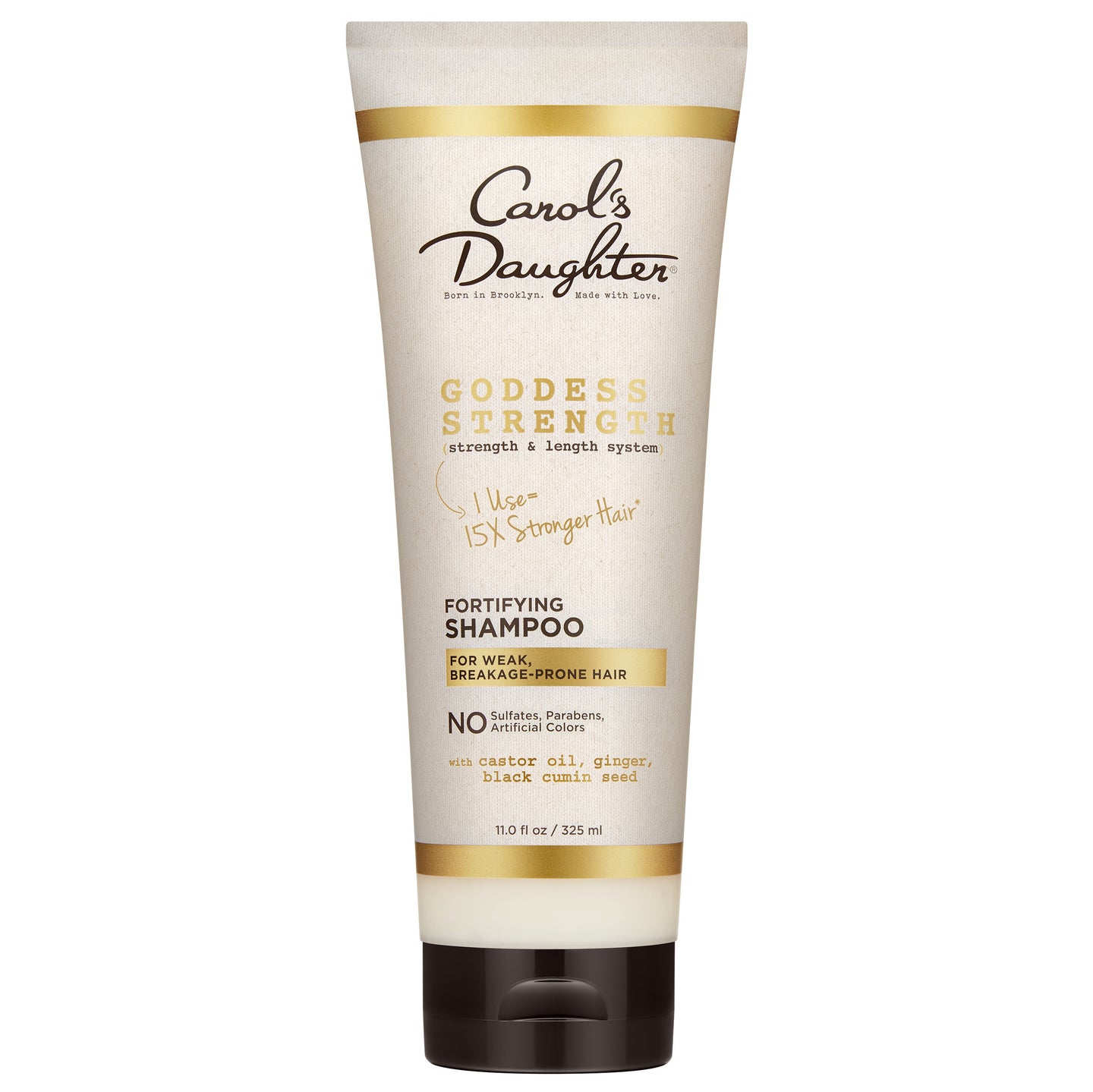
Generally, 4C hair needs heavier, more moisturizing products than looser curl types. The Coco Crème and Goddess Strength collections are formulated for the moisture needs of 4C hair specifically.
Can I detangle 4C hair without product?
Don't. Dry detangling 4C hair almost always causes breakage. Always wet, always with a slip-providing conditioner or moisturizer.
What's the best way to sleep with 4C hair?
Sleep on a satin or silk pillowcase, or wear a satin bonnet. Pineapple your hair at the crown with a satin scrunchie to preserve curls. For more, see our complete guide to hair pineappling.
How do I know if I'm overwashing my 4C hair?
Signs: hair feels brittle right after washing, breaks easily, scalp becomes flaky or irritated, persistent dryness no matter how much moisturizer you add. If you notice these, reduce wash frequency to every 10–14 days.
Ready to upgrade your 4C hair routine?
For wash-day essentials → Shop the Goddess Strength collection
For moisture-focused care → Shop the Coco Crème collection
For more 4C-specific guidance → Read our complete guide to 4C hair
Not sure where to start? → Take the Curl Quiz