

What Are Soft Locs and How Do You Care for Them?


What Are Soft Locs and How Do You Care for Them?
By Carol's Daughter — Updated May 2026
Quick Answer: Soft locs are a type of faux locs (temporary locs) created by wrapping pre-formed crochet loc extensions around your natural hair, then finishing with a softer extension hair like spring twists, passion twists, or kinky wrapping hair. They're lighter, softer, and more flexible than traditional faux locs — which means they're easier to style, gentler on your edges, and more versatile. With proper care, soft locs last 4–6 weeks. The catch: they don't love water, so washing is limited and you'll rely on scalp oils and dry-shampoo-style cleansing for upkeep.
There's plenty to love about faux locs — they give you the look of permanent locs without the commitment. But some faux loc styles are heavy, stiff, and a pain to style.
Enter soft locs.
Soft locs are the more versatile, lighter, easier-to-style cousin of traditional faux locs. They have the same loc aesthetic, but they bend, move, and pose for photos like your natural hair does. Style them up, down, in a turban, in a top knot — they cooperate.
This guide breaks down what soft locs are, how to install them, how to care for them, and how to style them once they're in.
What Are Soft Locs?
Soft locs are a type of faux locs (temporary, removable locs) — but with a key difference in installation and materials.
Traditional faux locs:
- Installed by wrapping extension hair around your natural hair
- Tend to be heavier and stiffer
- Less flexible for styling
Soft locs:
- Installed using pre-formed crochet loc hair that already looks like a finished loc
- Combined with a softer, more flexible extension hair (kinky wrapping hair, spring twists, passion twists, or Afro kinky hair) to add movement
- Lighter, softer, and significantly more versatile
The "softer" part isn't just marketing. The pre-formed loc combined with the softer wrap creates a finished style that bends and moves the way real, mature locs do — which makes styling possibilities enormous.
For more on permanent locs as a comparison, see our complete guide to caring for locs.
Find Your Personalized Routine
Your curl type and scalp condition affect how soft locs install and how long they last. Knowing your hair before any protective style is a smart move.
Take the Curl Quiz → A 5-step quiz that identifies your hair type, main concerns, and the products built for your texture.
How to Install Soft Locs
The installation is more involved than a simple braid-out but more forgiving than traditional faux locs. Here's the full process.
Step 1: Wash and Condition Your Hair
Always start with clean, well-conditioned hair before any long-wear protective style. Buildup before install means buildup that compounds over 4–6 weeks of wear.
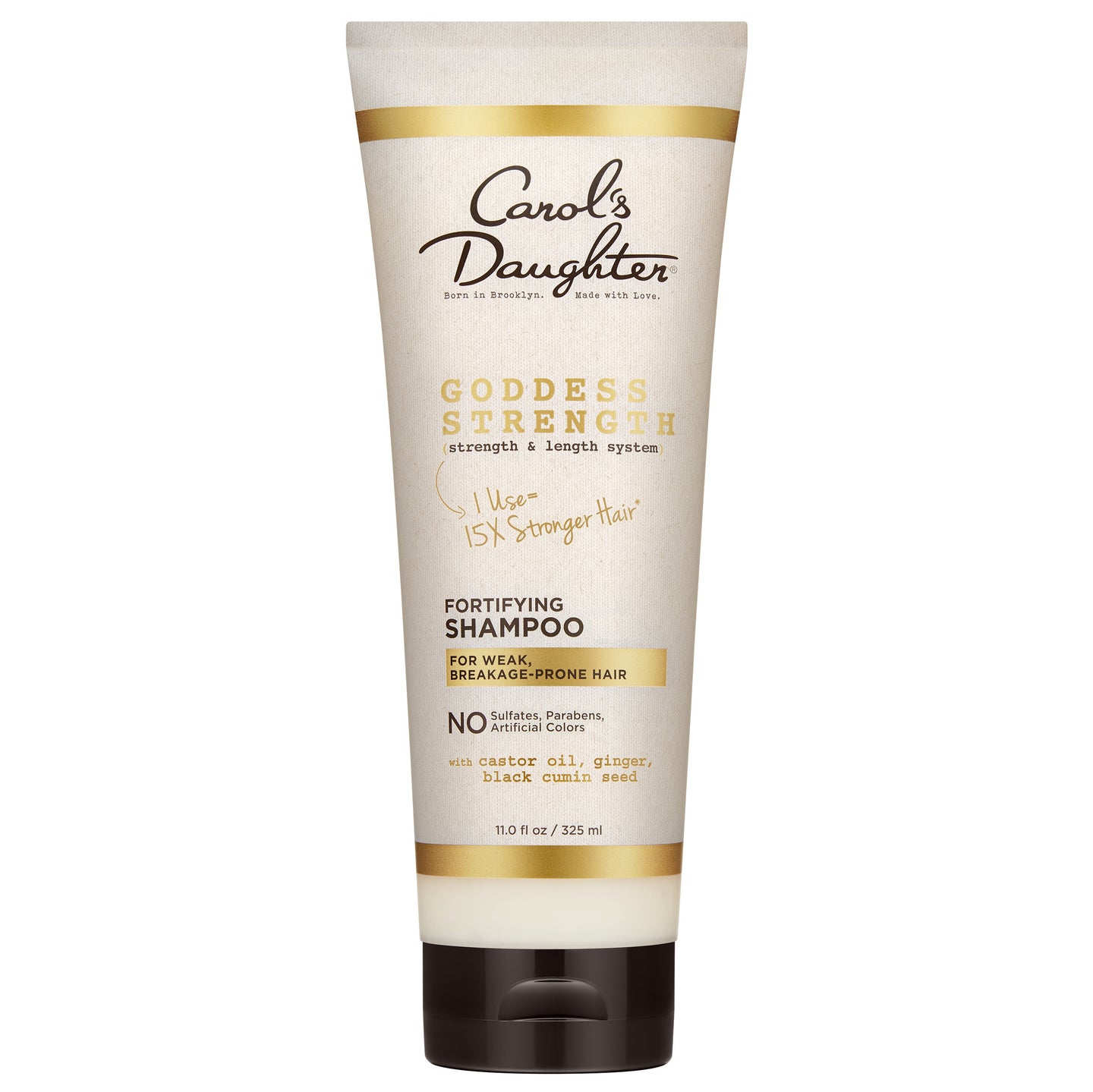
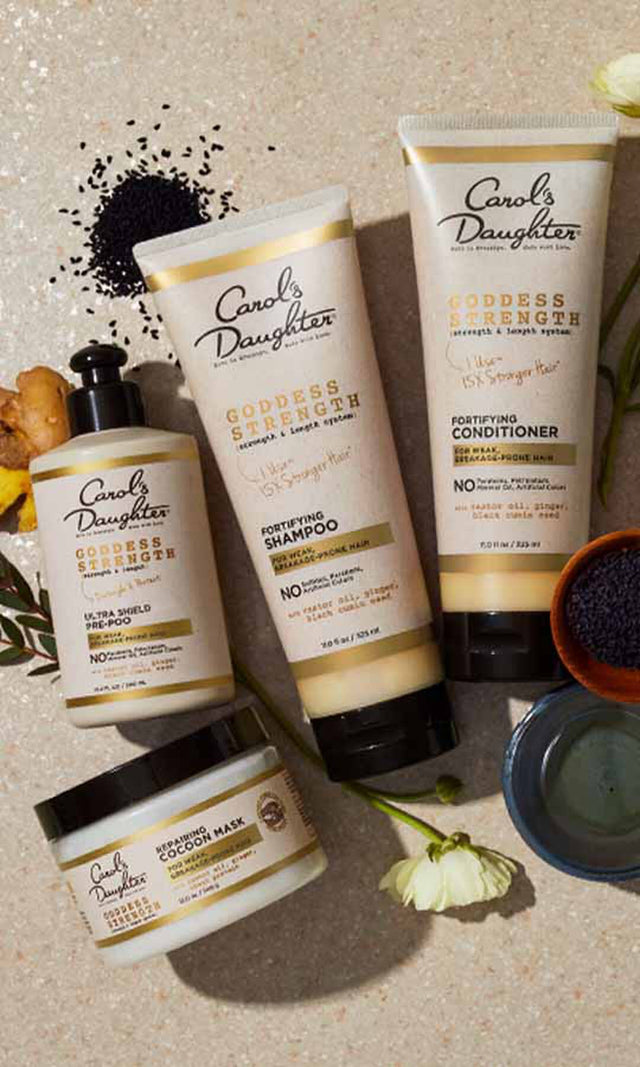
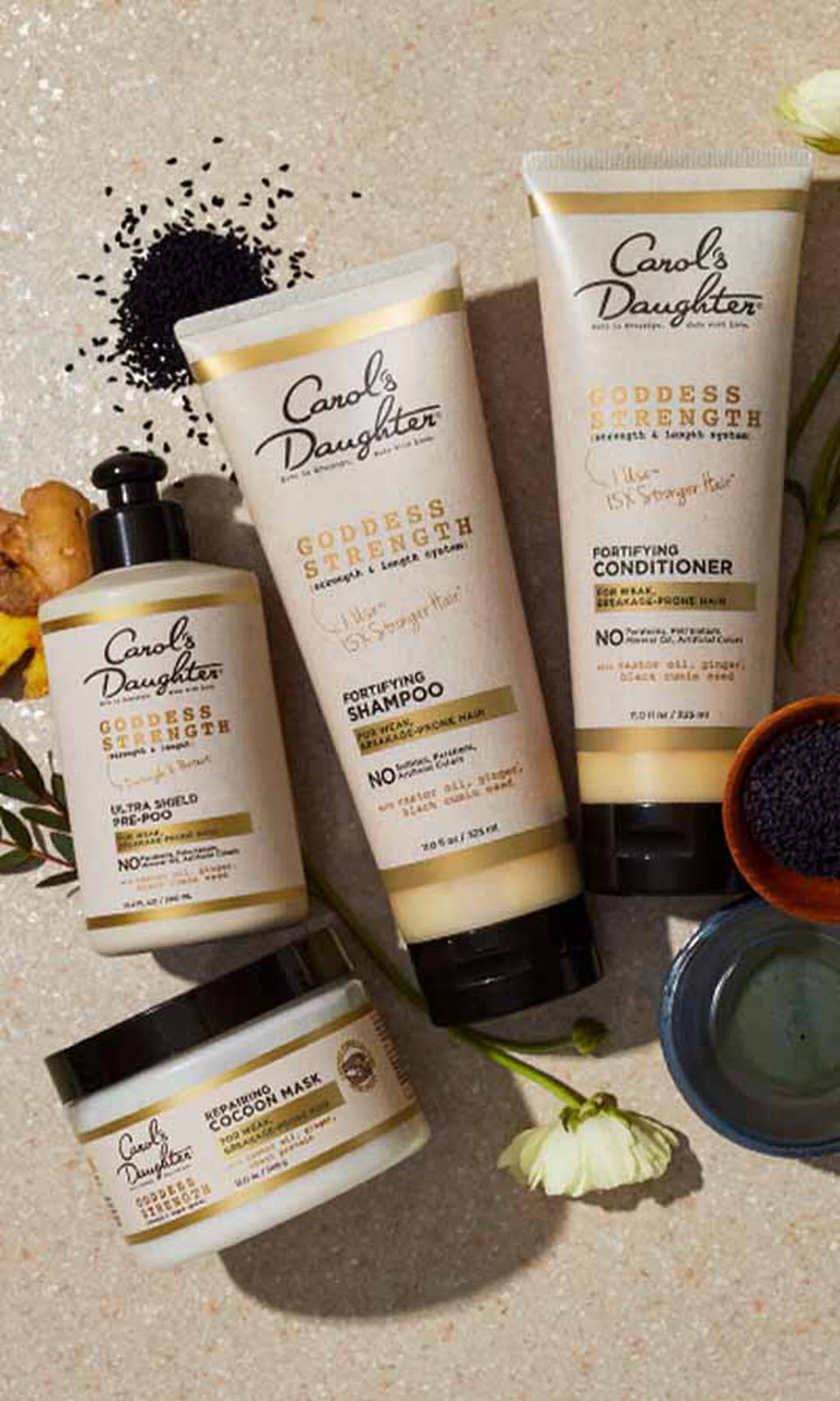
Cleanse: The Goddess Strength Fortifying Shampoo with Castor Oil reduces breakage while it cleanses — a strong choice when your hair is about to be put under styling tension.
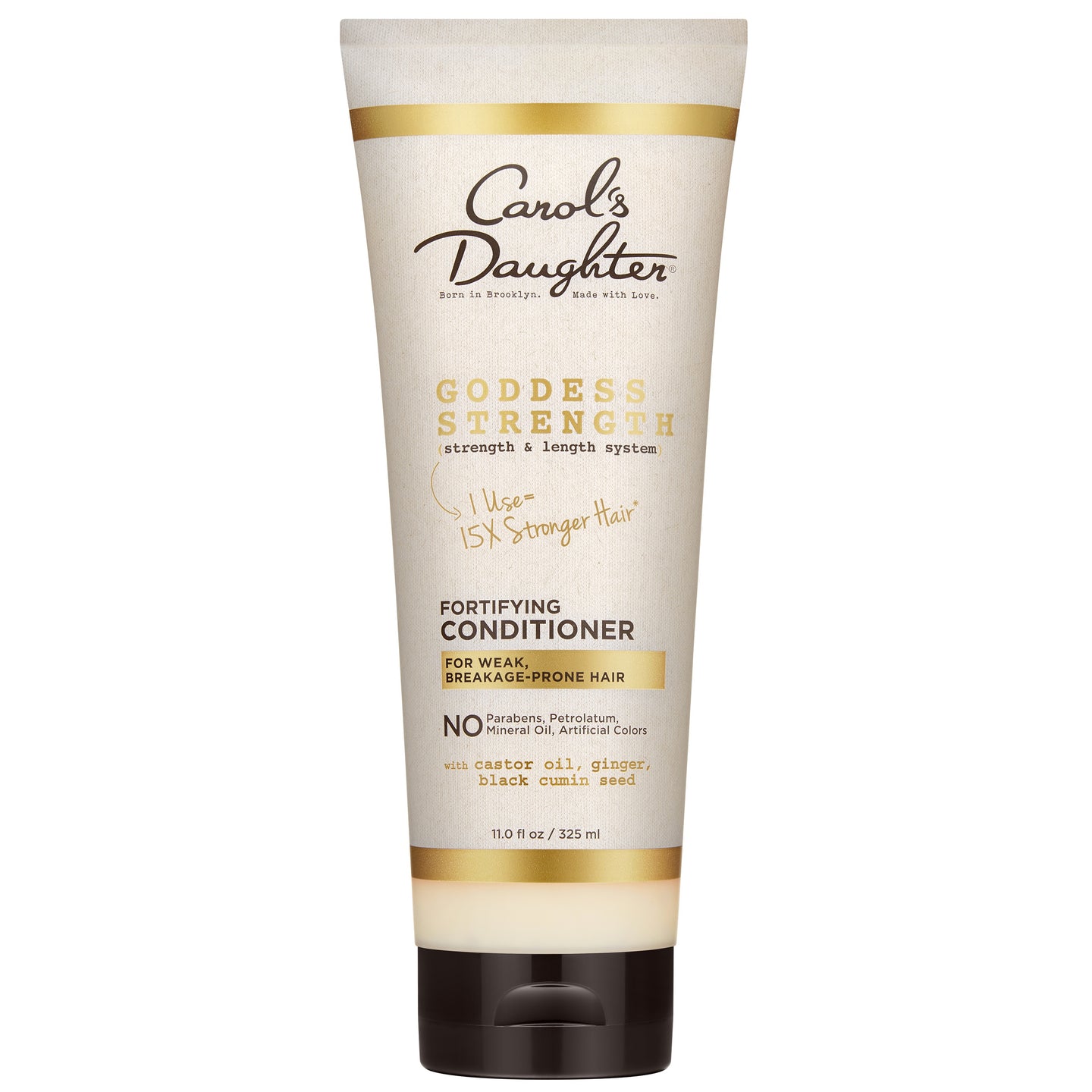
Condition: Follow with the Goddess Strength Fortifying Conditioner with Castor Oil for moisture and slip.
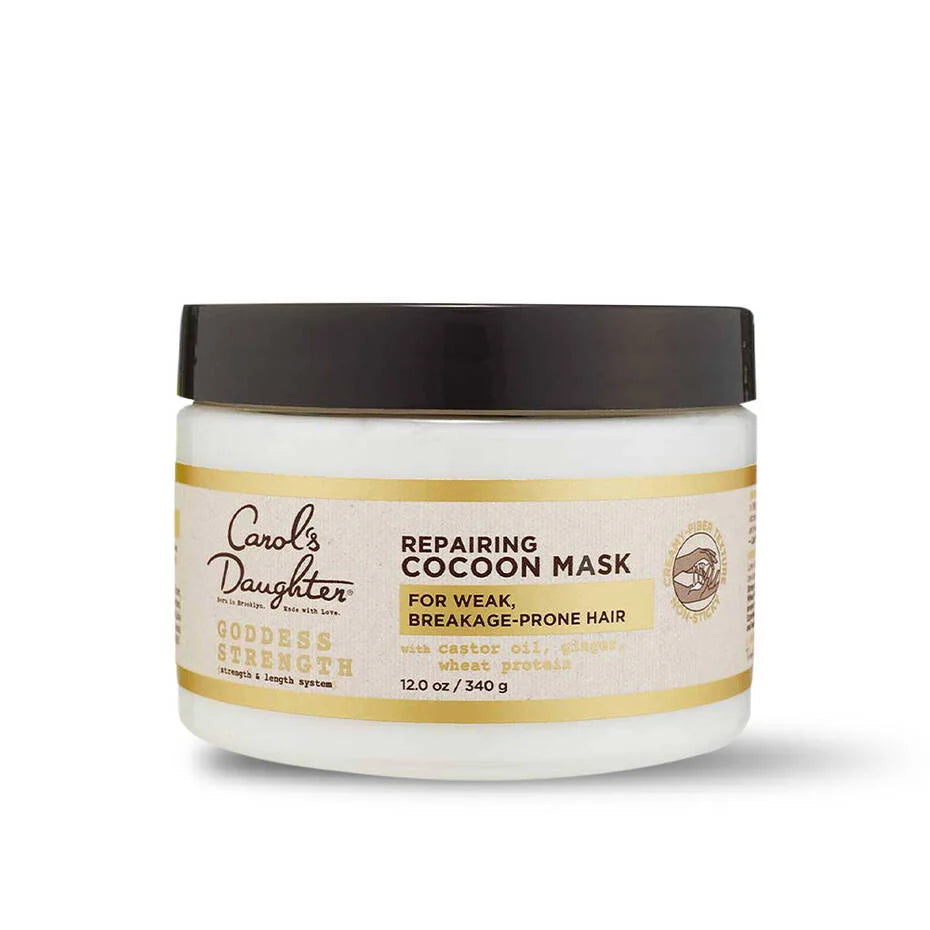
For an extra deep treatment before install: The Goddess Strength Cocoon Hydrating Hair Mask once before install delivers intense moisture and helps strengthen your hair for the 4–6 weeks of wear ahead.
For more on wash-day basics, see our complete guide to moisturizing natural hair.
Step 2: Choose Your Base Style
There are two base options for your natural hair before installing the pre-formed loc extensions.
Option A: Individual Plaits (Box Braids)
- Section your hair into squares (like box braids)
- Braid each section into an individual plait
- Then wrap the crochet loc hair around each plait from root to tip
- More time-consuming but allows for more individual movement of each loc
Option B: Cornrows
- Braid your natural hair into cornrows going straight back (or in your preferred pattern)
- Install the crochet loc hair at the roots using the crochet method
- Faster install but less individual loc movement
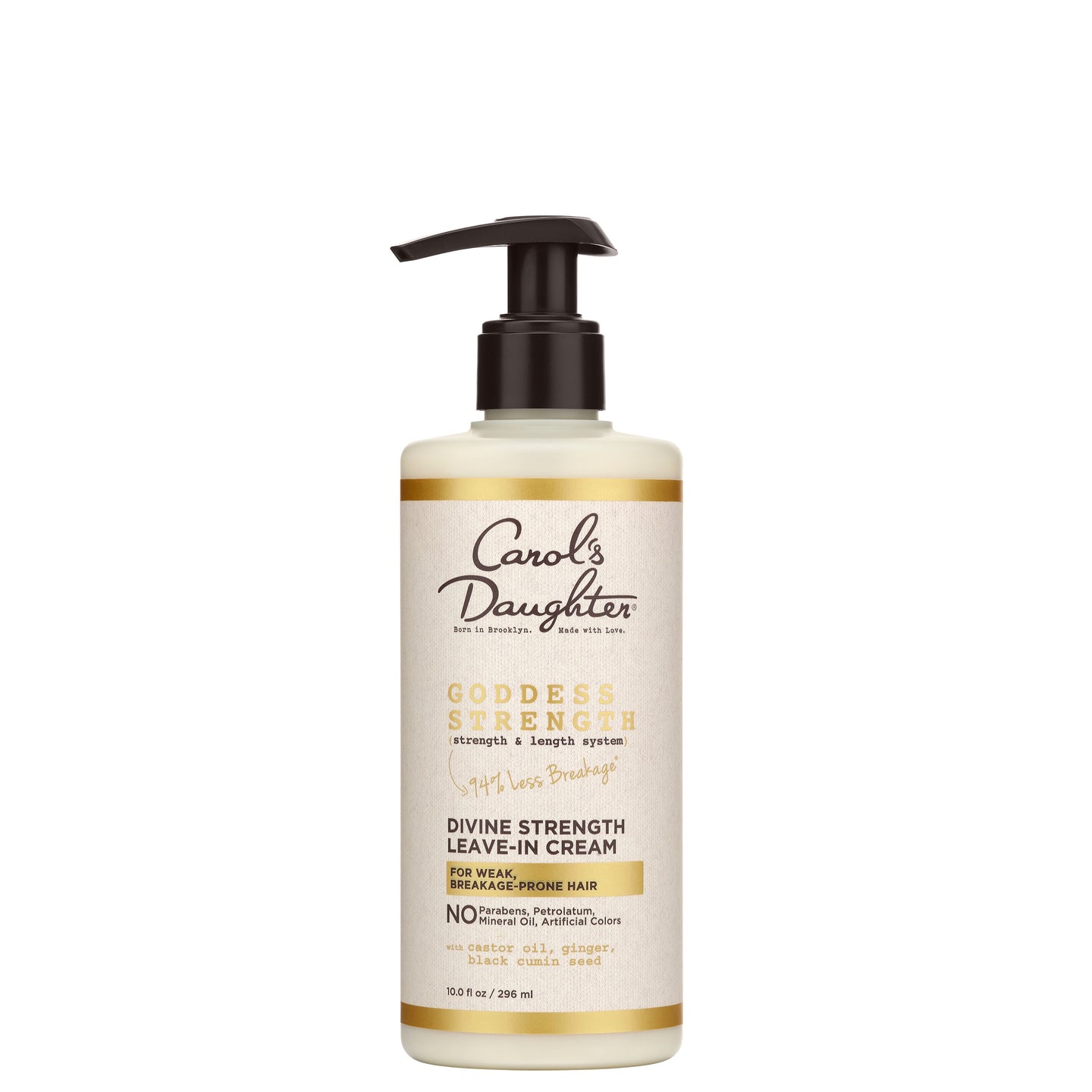
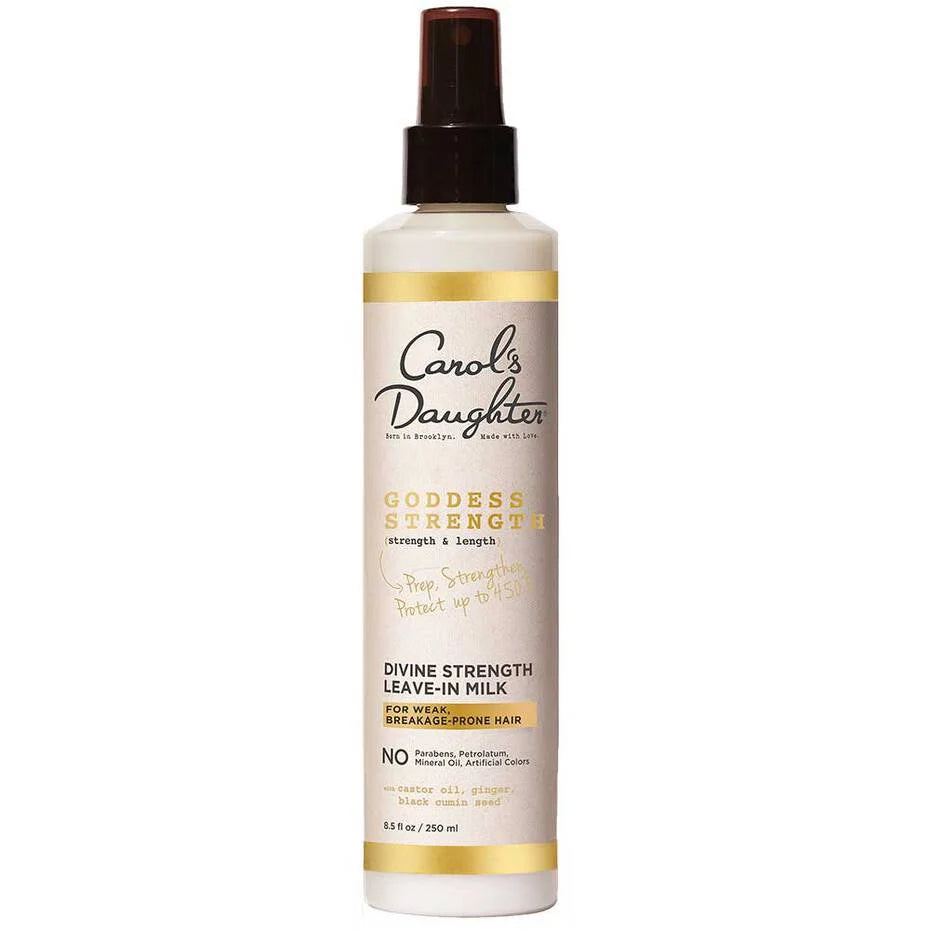
Before braiding (either method), apply a quarter-sized amount of the Goddess Strength Divine Strength Leave-In Cream with Castor Oil. This keeps your hair soft and hydrated as it goes into the protective style.
For more on braiding base styles, see our complete guide to box braids.
Step 3: Install the Pre-Formed Soft Locs
Since the crochet loc hair is already pre-formed, you only need to attach it at the roots.
If using cornrows as the base:
- Use a crochet needle to install each loc into the cornrow at the root
- This is faster — you're essentially crocheting in pre-finished locs
If using individual plaits as the base:
- Attach the pre-formed soft loc at the root of each plait
- The loc extension will hang down with your plait inside it
Step 4: Wrap With the Softer Extension Hair (For Plait Method)
This step is what makes soft locs soft. If you used the plait base method, you'll wrap each combined plait + loc with a softer extension hair.
Options for the wrapping hair:
- Spring twists — coiled, bouncy
- Passion twists — wavy, romantic
- Kinky wrapping hair — Afro-textured, natural look
- Afro kinky hair — full, voluminous
- Water wave twist hair — defined waves throughout
Wrap the extension around the plait + loc combination from root to tip. The softer wrapping hair is what gives soft locs their signature flexibility and finished look.
How to Care for Soft Locs
Once installed, soft locs are relatively low-maintenance. Three habits keep them looking fresh through the full 4–6 weeks.
1. Protect Your Hair While You Sleep
A satin or silk bonnet is essential. For longer soft locs (waist length or below), you may need to wrap them top-to-bottom with one or two satin scarves before adding a bonnet.
Sleeping unprotected creates frizz at the roots and can loosen the install.
For more on protecting your style overnight, see our hair breakage causes and treatments guide.
2. Keep Them Away From Water (Mostly)
This is the #1 rule for soft locs.
Because the pre-formed loc hair isn't actually locked, water can loosen the locs at the roots and cause them to slip out. Avoid:
- Showering without a shower cap
- Swimming
- Sweat-heavy workouts without protective wrapping
- Soaking your hair when washing your scalp
Light rain or accidental misting is fine. But intentional washing of soft locs is generally a no-go.
3. Keep Your Scalp and Hair Moisturized
While you're protecting your soft locs from water, your natural hair underneath still needs moisture. This is where scalp oil becomes essential.
The Goddess Strength 7-Oil Blend Hair & Scalp Oil is perfect for this. Apply a small amount to your fingertips and gently rub it on your exposed scalp 2–3 times per week. It keeps your scalp moisturized, fights itching, and supports your hair underneath.
For deeper moisture between treatments, the Born to Repair Reviving Hair Oil with Shea Butter works as a once-weekly massage oil — apply directly to your scalp and any visible new growth.
For broader edge care during long-wear styles, see our complete guide to growing your edges back.
How to Style Soft Locs
This is where soft locs shine — they're seriously versatile.
Top Knot
The classic. Soft locs look incredible wrapped into a high bun (and a low one). To create:
- Gather all your locs at the crown into a high ponytail
- Loop the ponytail back through itself to form a knot
- Tuck and pin any loose ends with bobby pins
The soft texture means the bun looks intentional and full, not stiff or geometric.
Half-Up Half-Down
Gather the top half of your soft locs into a half-up ponytail or bun, and let the rest cascade. Easy, dramatic, perfect for events.
Accessorized
Soft locs are made for accessories:
- Oversized scrunchies — simple statement
- Bedazzled clips or barrettes — bling without commitment
- Loc rings or cuffs — wrap or thread onto individual locs
- Headbands — work especially well with the soft texture
- Beads at the ends — wooden, metallic, or color-matched
In a Turban
Soft locs and printed turbans are a power pairing. Wrap your soft locs up in a fabric turban for an effortless, polished look — perfect for days when you want a break from styling.
Low Ponytail
The simplest go-to. Gather all your locs at the nape, secure with a satin scrunchie, done. Works for the office, the gym, or anywhere in between.
Side-Swept
Sweep all your soft locs to one side and let them cascade over your shoulder. Romantic, photo-friendly, and pairs well with statement earrings.
For more protective styling inspiration, see our pillar guide to 25 braided hairstyles.
Can You Wash Soft Locs?
Generally, no — at least not the way you'd wash your natural hair.
Water can loosen soft locs at the roots, especially in the first 1–2 weeks while the install is still settling. If your scalp needs cleansing:
Option 1: Dry shampoo Spray on the scalp parts only, work in gently, and let dry.
Option 2: Apple cider vinegar rinse Mix 1 part ACV with 4 parts water in a spray bottle. Apply lightly to the scalp only, blot with a microfiber towel, and let air-dry fully.
Option 3: Diluted clarifying shampoo (carefully) If you absolutely need to cleanse, dilute the Wash Day Delight Sulfate Free Shampoo heavily with water in a spray bottle. Apply only to your scalp parts, work in with the pointed tip applicator, and rinse lightly. Avoid soaking the locs themselves.
In most cases, if you've been applying scalp oil regularly, your scalp shouldn't need intensive cleansing during the 4–6 weeks of wear.
For more on scalp care under protective styles, see our complete scalp care routine guide.
Are Soft Locs Heavy?
Soft locs add some weight because they use extensions, but they're significantly lighter than traditional faux locs.
If you've worn traditional faux locs and found them too heavy on your scalp, soft locs are usually a more comfortable alternative. The lighter weight is also gentler on your edges.
Are Soft Locs Damaging?
Soft locs are a less damaging alternative to traditional faux locs. Because they're lighter and the install creates less tension on the roots, the risk of breakage and edge damage is lower.
That said, soft locs can still cause damage if:
- The install is too tight at the roots
- They're worn longer than 6 weeks
- The natural hair underneath isn't moisturized
- They're not properly removed at takedown
If you've never installed faux locs before, work with a professional. The technique requires some skill, and a poorly-installed set is the #1 cause of damage. For more on protecting your edges through any protective style, see our guide to baby hairs vs. breakage.
How Long Do Soft Locs Last?
With proper care, soft locs typically last 4–6 weeks.
Factors that affect longevity:
- Installation quality — well-installed locs last longer
- Nighttime protection — consistent bonnet wearing extends wear significantly
- Water exposure — repeated water exposure loosens locs and shortens lifespan
- Hair growth rate — significant new growth makes the locs look unkempt and signals removal time
- Daily care — moisturizing the scalp prevents the kind of dryness that causes premature removal
Beyond 6 weeks, the new growth at the roots gets significant enough that the style starts to look unkempt — and the locs themselves may start to slip.
Frequently Asked Questions About Soft Locs
How long does it take to install soft locs?
4–8 hours depending on the size of your locs, the install method (cornrow vs. plaits), and the speed of your stylist. First-timers should plan for the longer end. Going to a professional cuts the time significantly.
How are soft locs different from butterfly locs?
Butterfly locs are similar to soft locs but with a more textured, deliberately frayed look. The wrapping technique creates intentional "bumps" along each loc for a more bohemian, less polished aesthetic. Soft locs are smoother and more uniform.
Can I get soft locs on short hair?
Yes — as long as you have 3–4 inches of natural hair to braid or cornrow as the base. The soft loc extensions provide the length, so your natural hair just needs to anchor them.
What's the difference between soft locs and faux locs?
Soft locs are a specific type of faux locs. All soft locs are faux locs, but not all faux locs are soft. The key differences: soft locs use pre-formed crochet loc hair (faster, lighter, softer), while traditional faux locs are wrapped from scratch with extension hair (heavier, stiffer, more time-consuming to install).
How do I remove soft locs?
Carefully and methodically:
- Cut each loc at the tip (don't worry — you're cutting the extension hair, not your real hair)
- Unravel the wrapping hair from the bottom up
- Once the wrapping is off, remove the pre-formed loc extension from the root
- Carefully unravel the cornrow or plait underneath
- Detangle your natural hair with the Hair Milk Original Leave-In Moisturizer for slip
- Wash and deep condition immediately after removal
Plan 1–2 hours for proper takedown.
Can I sleep on my stomach with soft locs?
Yes, but it's harder. Stomach sleeping pulls on locs in ways that can loosen them at the root. If you're a dedicated stomach sleeper, a satin pillowcase + bonnet combination helps protect them. Side sleeping is easier on the install.
Will soft locs damage my edges?
Done correctly, no — they're gentler on edges than tight braids or traditional faux locs. Damage happens when the install is too tight or the wear period is too long. If you feel tension or pain at your hairline during install, ask your stylist to loosen it.
Can I dye my soft locs?
The extension hair can sometimes be dyed (depending on whether it's synthetic or human hair), but it's risky and most synthetic loc hair doesn't take color well. Better to buy soft loc extensions in your desired color from the start.
Ready to try soft locs?
For pre-install prep → Shop the Goddess Strength collection
For under-style scalp care → Shop Goddess Strength 7-Oil Blend
For more loc inspiration → Read our complete guide to caring for locs
Not sure where to start? → Take the Curl Quiz