

What Is the LOC Method? A Hair Care Routine Guide


What Is the LOC Method? A Hair Care Routine Guide
By Carol's Daughter — Updated May 2026
Quick Answer: The LOC method is a 3-step layering technique for moisturizing natural hair: Leave-in conditioner, then Oil, then Cream. Each layer locks moisture in deeper than the last. The technique works best for high-porosity and tighter curl patterns (3C–4C) that struggle to retain moisture, though anyone can adapt it. Apply each product in order on damp hair after washing. Variations include the LCO method (Leave-in, Cream, Oil) for low-porosity hair and dropping the oil step for hair that gets weighed down easily.
If you have curly hair, the LOC method is one of the most important techniques to know.
It's not complicated — three steps, three product layers — but the order and the layering principle make a real difference in how well your curls hold moisture between washes.
Here's everything you need to know about the LOC method: what it stands for, who it works for, exactly how to do it, and how to adapt it if it's not working for your hair.
What Is the LOC Method?
The LOC method is a layering technique for moisturizing natural hair.
The letters stand for:
- L = Leave-in conditioner (or liquid)
- O = Oil
- C = Cream
Each product builds on the last. You start light (water-based leave-in), add a sealant (oil), and finish with the heaviest product (cream) to lock everything in place.
The principle is the same as layering your skincare — light to heavy, water-based to oil-based, penetrating to sealing. It's not random. Each layer does a specific job.
Note: "LOC" has nothing to do with locs or locking your hair into permanent dreadlocks. Different word, different concept.
Why the LOC Method Works
Natural hair — especially tighter curl patterns — struggles to retain moisture for two reasons:
- Each curl's bends and twists make it hard for natural scalp oils to travel down the hair shaft
- High porosity in many natural hair types means moisture escapes as fast as it's absorbed
The LOC method addresses both:
- The leave-in delivers moisture into the hair shaft
- The oil seals that moisture in by coating the cuticle
- The cream adds a final outer layer that smooths, defines, and prevents moisture loss throughout the day
When done correctly, hair stays hydrated for 3–7 days between washes — significantly longer than products applied independently.
For more on hair moisture fundamentals, see our complete guide to moisturizing natural hair.
Who Should Use the LOC Method?
The LOC method works best for specific hair types.
Ideal for the LOC Method
- High porosity hair (absorbs moisture quickly but loses it just as fast)
- Tighter curl patterns (3C, 4A, 4B, 4C)
- Hair that feels dry consistently despite regular conditioning
- Type 4 hair specifically — almost always benefits from the LOC method
May Need to Modify the LOC Method
- Low porosity hair — has trouble absorbing the leave-in. Try the LCO method (described below) instead.
- Looser curl patterns (2C and 2A) — can get weighed down easily. Use lighter products or skip the oil step.
- Fine curly hair — even tight curls can be fine in density. Lighter products required.
If you're not sure where your hair falls, see our complete guide to fine curly hair or take the Curl Quiz.
Find Your Personalized Routine
Which LOC products work best depends on your specific curl type and porosity.
Take the Curl Quiz → A 5-step quiz that identifies your hair type, main concerns, and the products built for your texture.
How to Do the LOC Method: Step-by-Step
The LOC method starts after your wash day.
Pre-Step: Cleanse and Detangle
Before the LOC layers can do their job, your hair needs to be properly washed and detangled.
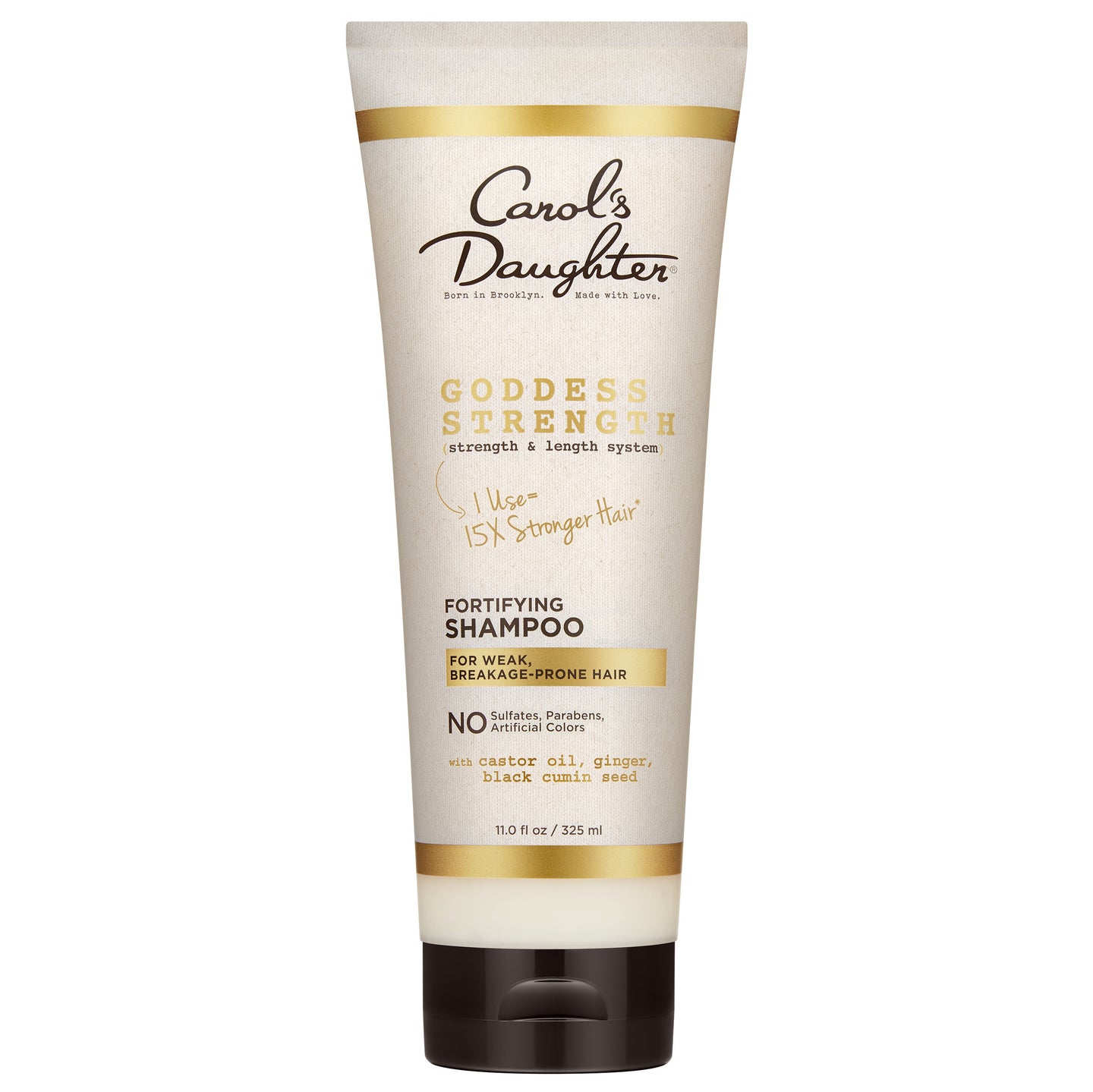
- Wash with a sulfate-free shampoo (the Wash Day Delight Sulfate Free Shampoo for Curly Hair is a strong option)
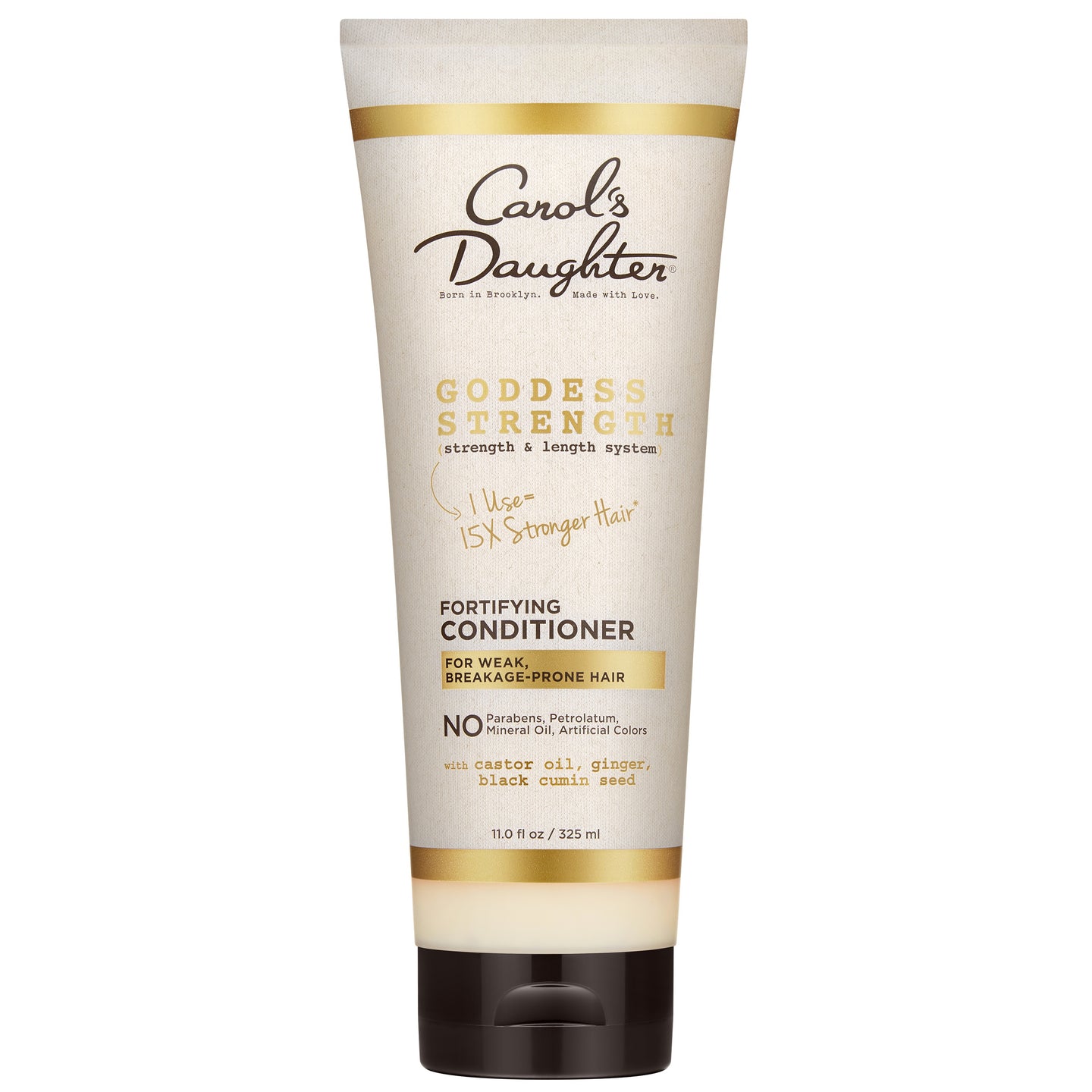
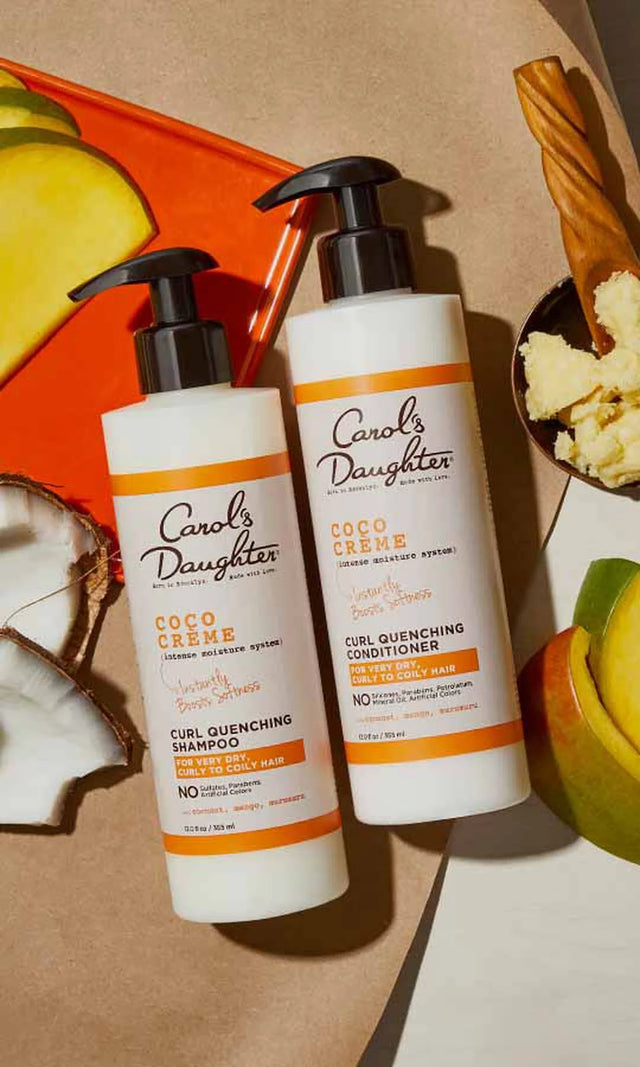
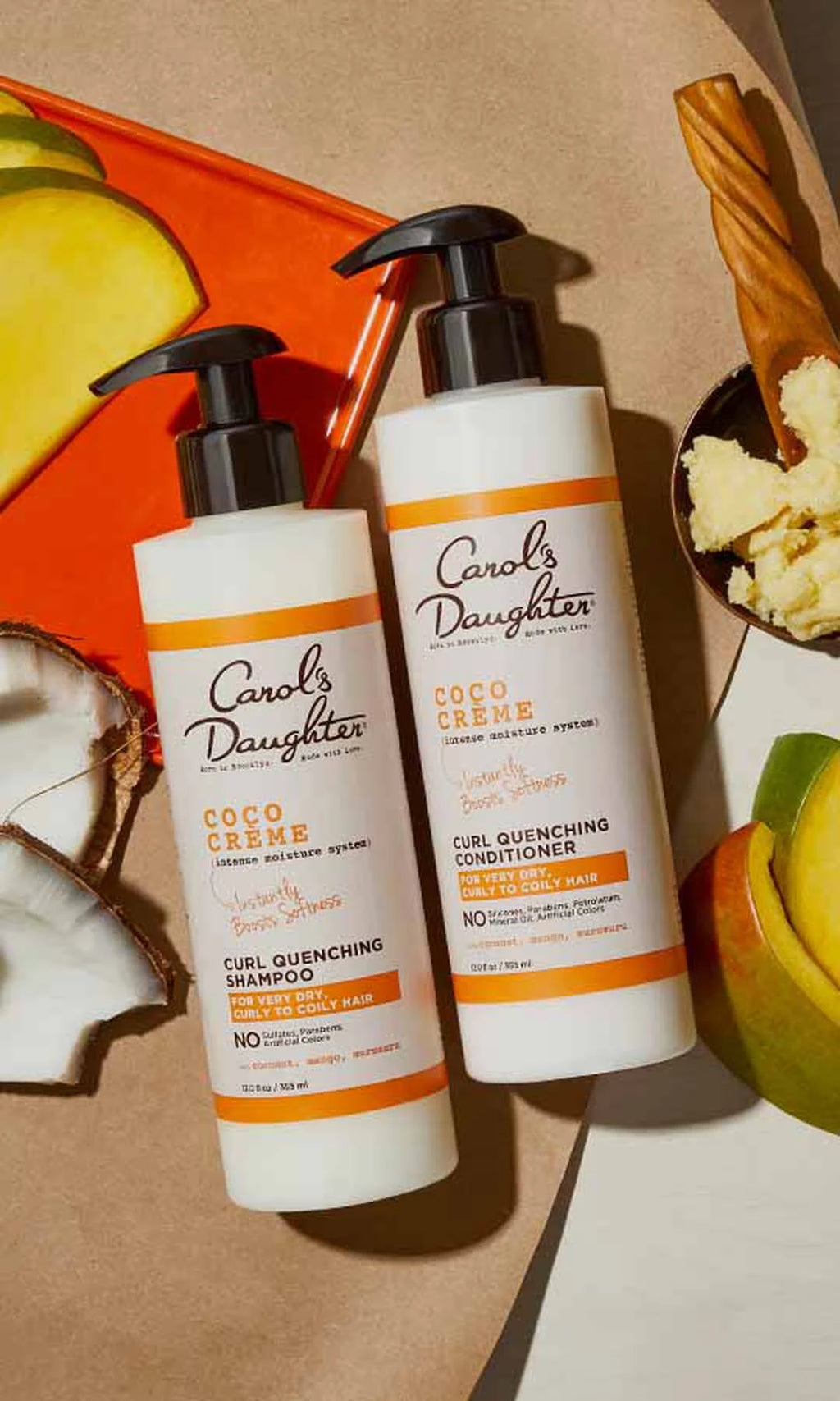
- Detangle with the Coco Crème Creamy Conditioner or Hair Milk Original Leave-In Moisturizer for slip
- Squeeze out excess water — hair should be damp, not dripping
For more on wash technique, see our complete guide to washing curly hair.
Step 1: L — Leave-In Conditioner
Apply your leave-in to damp hair, working through in sections.
Choose based on hair density and curl pattern:
- For curls that weigh down easily (looser textures, fine hair): Hair Milk Original Leave-In Moisturizer — lightweight, won't weigh hair down
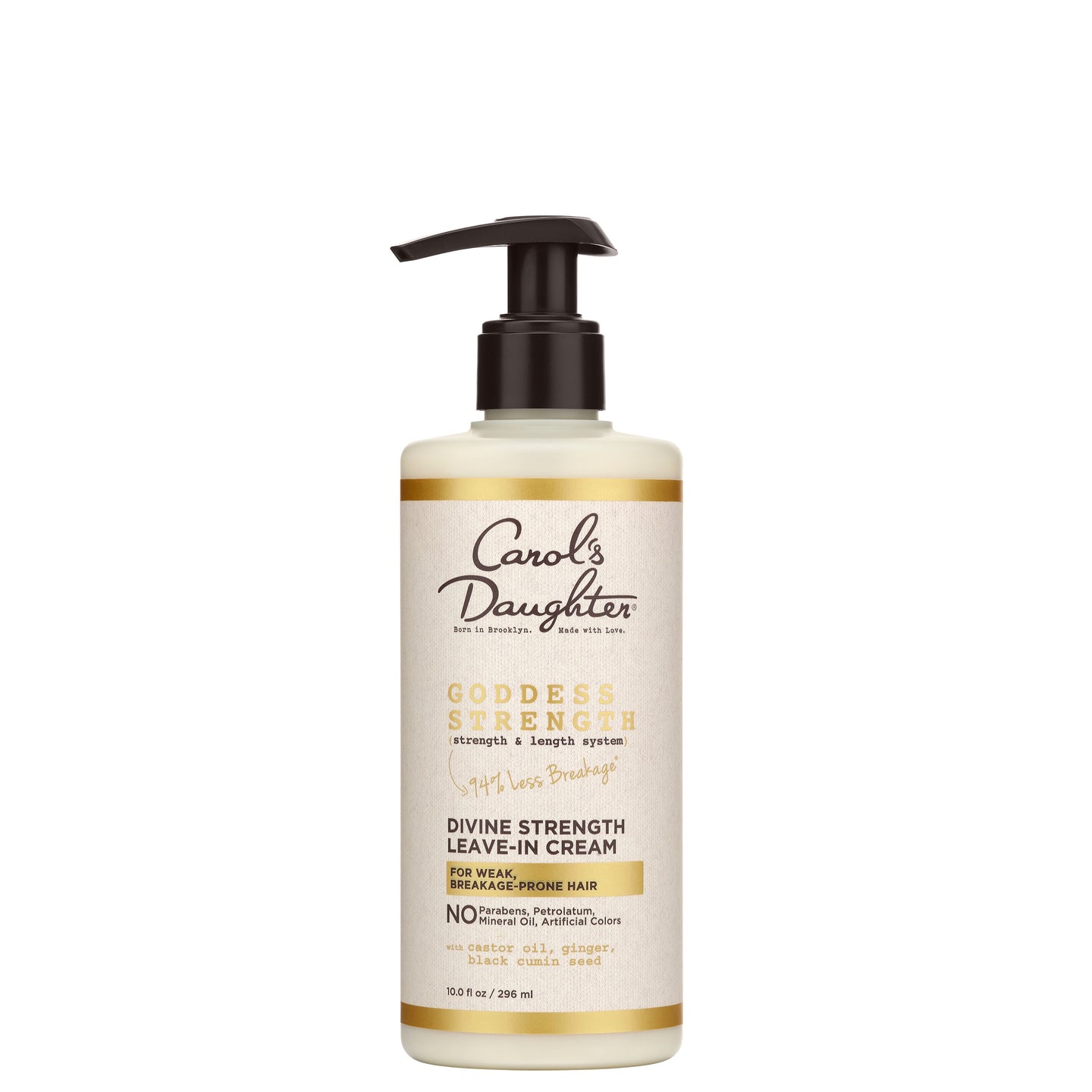
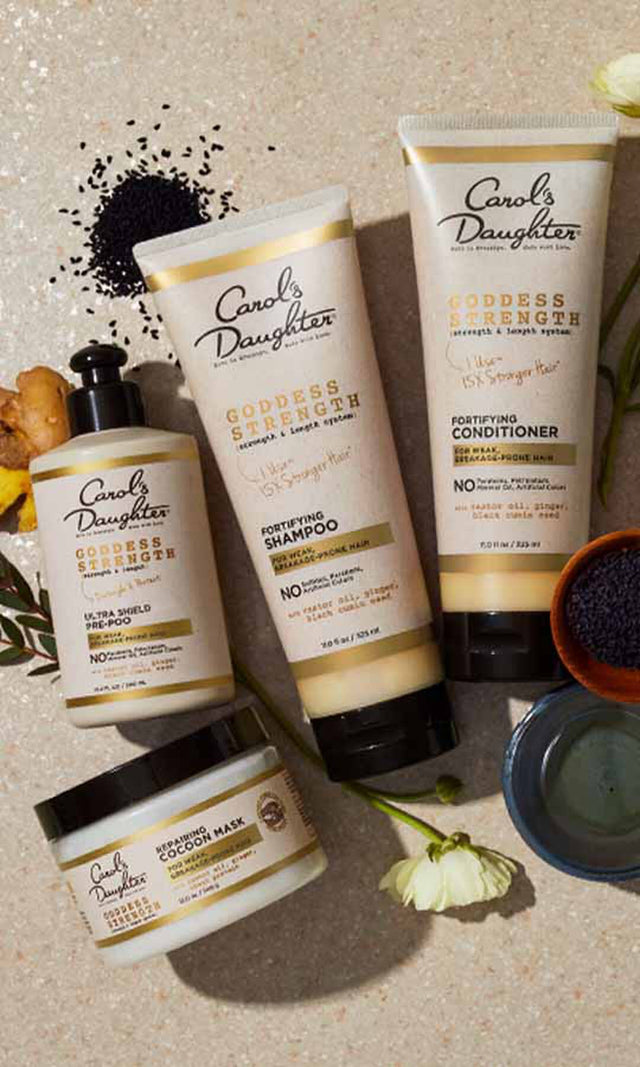
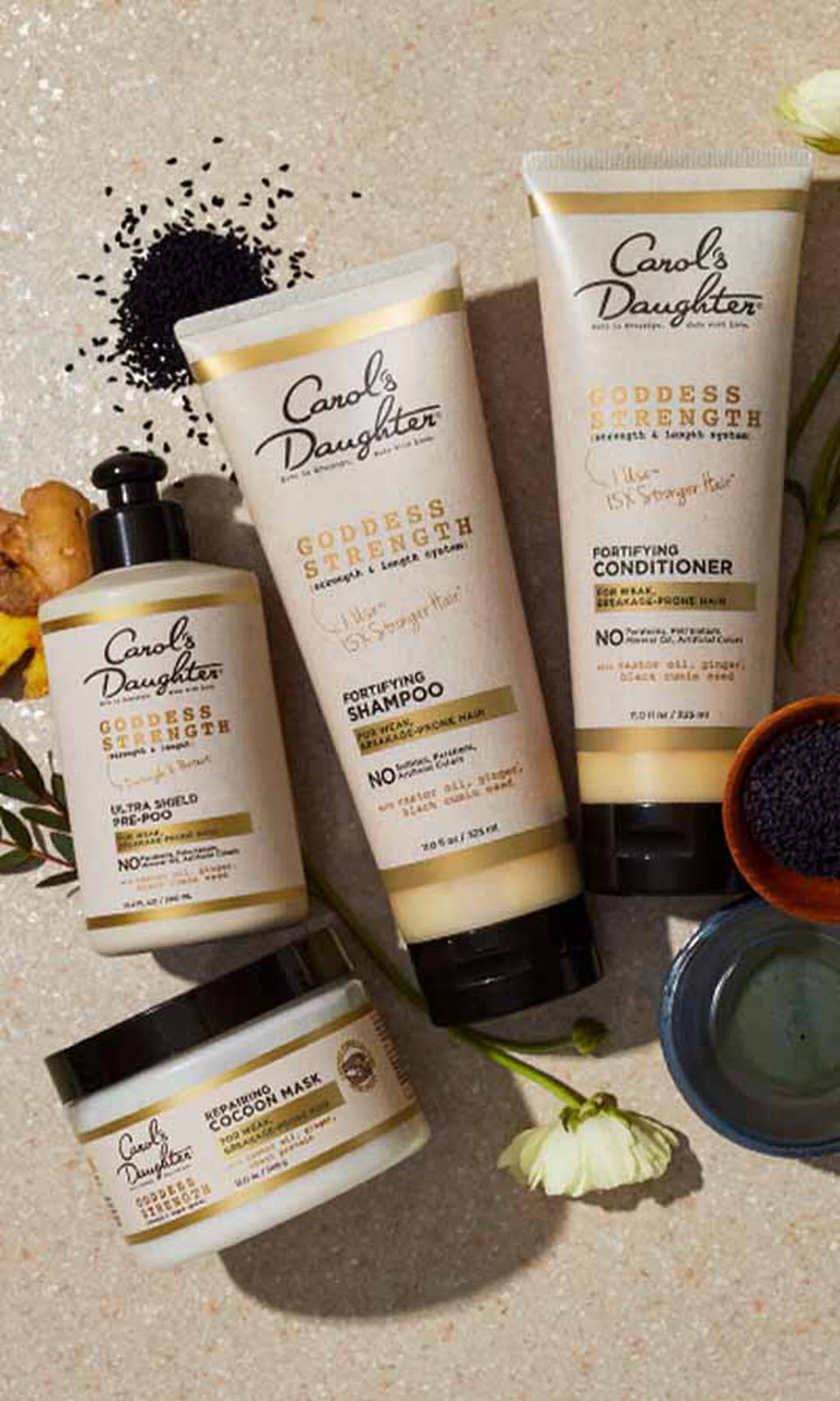
- For dense, dry, tighter coils: Goddess Strength Divine Strength Leave-In Cream with Castor Oil — heavier moisture, deep nourishment
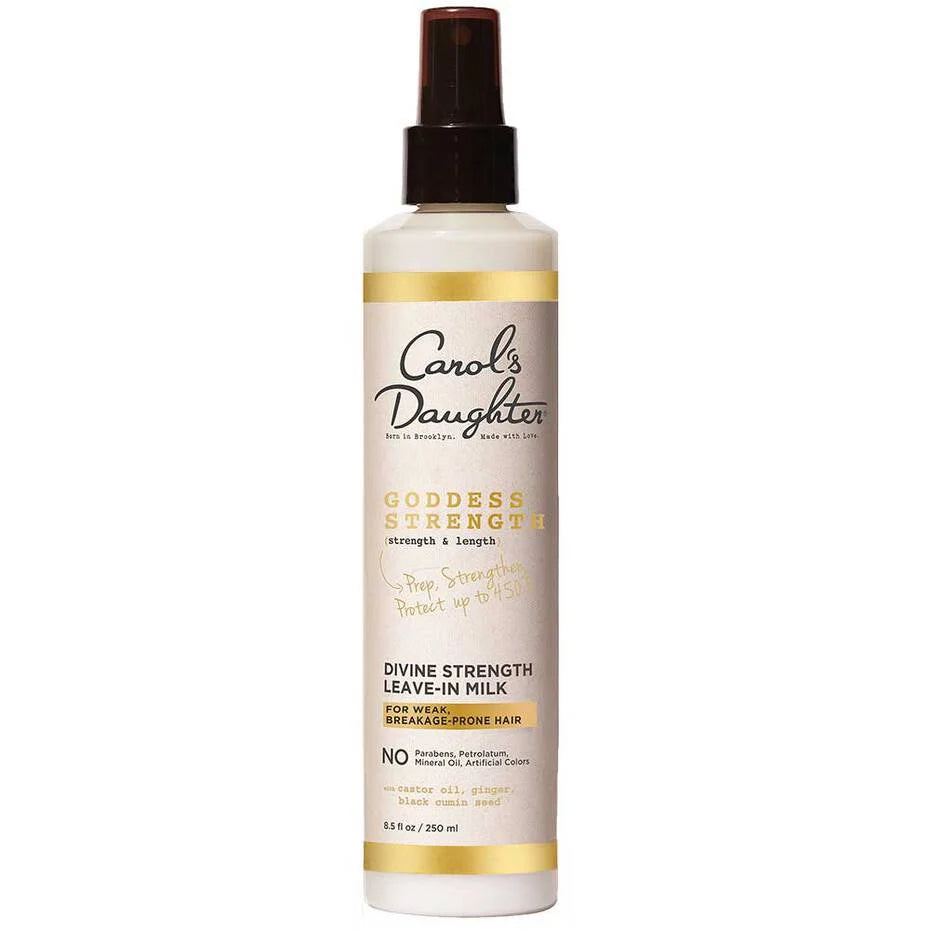
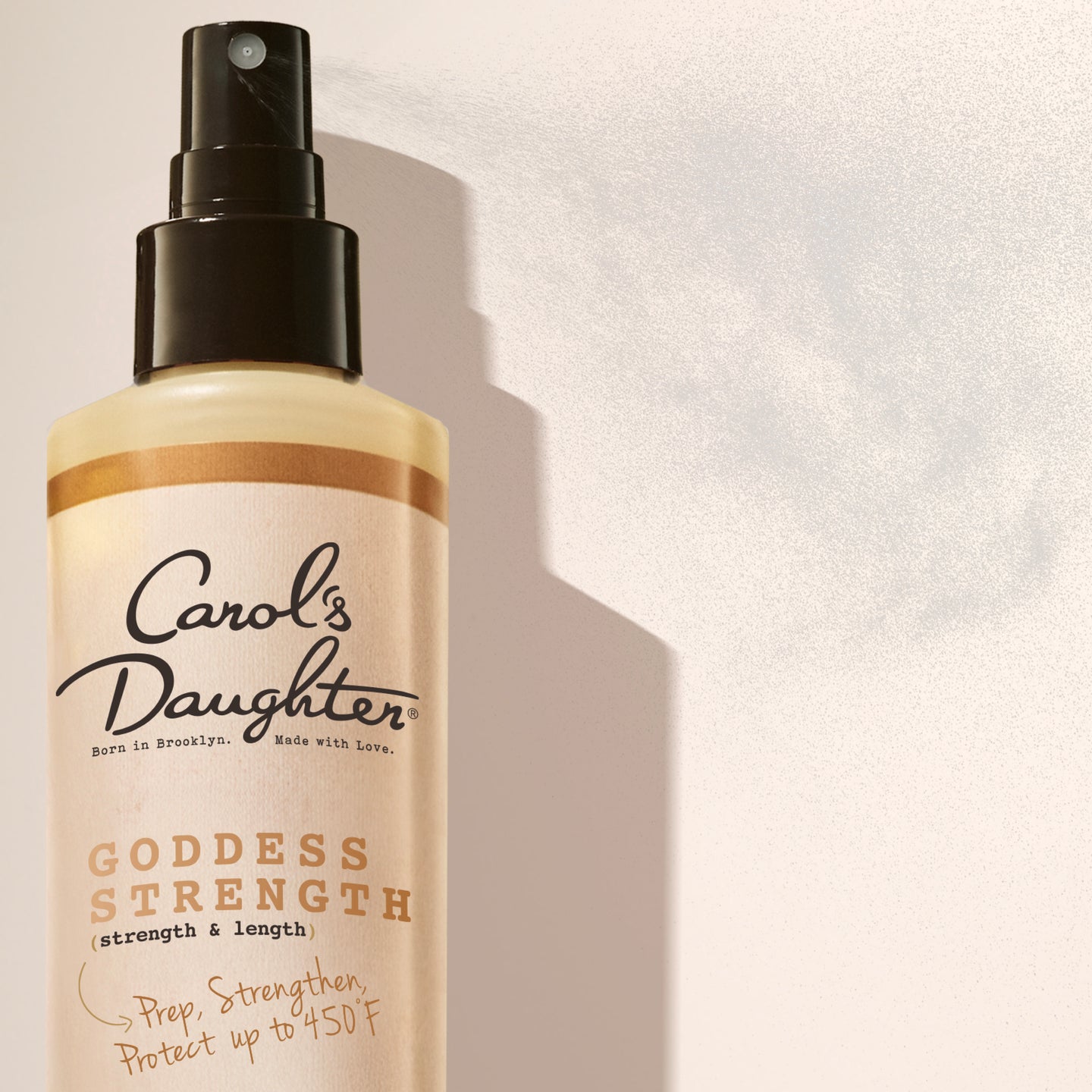
- For protein-strength focus: Goddess Strength Divine Strength Leave-In Milk — adds strength while moisturizing
Application:
- Apply to small sections
- Work through with your fingers, stretching each curl gently
- Make sure every strand is coated
The leave-in should penetrate the hair shaft, so spray-on or thinner formulas are ideal for this step.
Step 2: O — Oil
Pick your oil based on hair porosity.
Penetrating oils (for high porosity hair):
- Coconut oil
- Olive oil
- Avocado oil
Sealing oils (for low porosity hair):
- Castor oil — found in the Goddess Strength 7-Oil Blend Hair & Scalp Oil
- Jojoba oil
For most curl types, the Goddess Strength 7-Oil Blend Hair & Scalp Oil works exceptionally well — it's a blend of seven oils that handles both penetration and sealing.
Pro tip for 4C hair: Layer a lighter penetrating oil first, then a richer sealing oil on top.
Pro tip for fine curly hair: Skip the heavy sealing oils. Stick with a single lighter oil that absorbs.
Step 3: C — Cream
The cream is your sealing top coat. It locks the moisture from steps 1 and 2 inside the hair shaft and provides definition and hold.
Choose based on texture:
- For coarser, dense type 4 hair: Coco Crème Coil Enhancing Moisture Butter — heavy, deeply moisturizing, ideal for 4B/4C
- For type 3 to looser type 4 hair: Goddess Strength Divine Strength Leave-In Cream — moderate weight, defines and holds
- For waves and fine textures: Hair Milk Original Leave-In Moisturizer (used as the cream) — lightweight enough not to weigh curls down
Apply in sections, smoothing each curl as you go to set definition.
Can You Do the LOC Method Every Day?
Technically yes — but you probably shouldn't.
The LOC method is most effective on wash day, when hair is freshly clean and damp. Applying three layers of product every day causes buildup that flattens curls and can clog your scalp.
Better daily approach:
- Full LOC on wash day
- Light refresh on subsequent days — just a spritz of the Hair Milk Refresher Spray and maybe a few drops of oil
If you do want to LOC between washes, use lighter versions of each product to avoid weighing your curls down.
LOC Method Alternatives
Not every curl type loves the standard LOC order. Here are the most common adaptations.
LCO Method (Leave-In, Cream, Oil)
Best for: Low porosity hair, hair that gets weighed down
The order swap (cream before oil) means the cream gets deeper penetration while the oil acts purely as a topical sealant. Often produces better results for hair that struggles to absorb oil-heavy products.
Skip the Oil
Best for: Fine curly hair, hair that gets greasy fast
Drop the O entirely. Use just the leave-in and the cream. The cream alone can provide enough sealing without the additional oil weight.
Lighter Oil Substitute
Best for: When you still want all 3 steps but find heavy oils overwhelming
Use a serum or lightweight oil like the Goddess Strength 7-Oil Blend instead of heavier butters or pure oils. Lighter texture, same sealing benefits.
Cream Substitute
Best for: Adding shine and gloss at the final step
Use a pomade like Mimosa Hair Honey instead of a cream. Lighter finish with more shine.
Frequently Asked Questions About the LOC Method
How long does the LOC method take?
About 15–20 minutes for medium-length hair, longer for thick or long hair. The technique is simple — the time is in working each layer thoroughly through sections.
Does the LOC method work on dry hair?
It works best on damp hair. Dry hair doesn't absorb the leave-in conditioner the same way, which compromises the entire layering effect. If you must do it on dry hair, spritz hair with water first to dampen.
What's the difference between LOC and LCO?
LOC: Leave-in → Oil → Cream. LCO: Leave-in → Cream → Oil. The order changes how the products absorb and seal. LOC is the original method; LCO often works better for low-porosity hair.
Can the LOC method cause buildup?
Yes, if you do it daily without washing in between. Once a week (on wash day) is the standard cadence. Use lighter products if you want to LOC more often.
Why is my hair still dry after using the LOC method?
Three usual causes: (1) hair wasn't damp enough during application, (2) you used the wrong oil for your porosity (low porosity hair needs lighter, penetrating oils), or (3) the cream you chose isn't heavy enough to seal properly. Experiment with different combinations.
Can I do the LOC method on 4C hair?
Yes — 4C hair often benefits most from the LOC method because it has the highest moisture needs. Use the heaviest version of each product (Goddess Strength Divine Strength Leave-In Cream, 7-Oil Blend, Coco Crème Coil Enhancing Moisture Butter) for best results. For more, see our complete guide to 4C hair care.
What if I have fine curly hair?
Use lighter products throughout. Skip the oil step or use the lightest oil available. For more on fine curly hair specifically, see our fine curly hair care guide.
Can I use the LOC method before a protective style?
Yes — applying the LOC method before braids, twists, or other protective styles helps your natural hair hold moisture throughout the wear period. For more, see our complete guide to protective hairstyles for natural hair.
Ready to start the LOC method?
For wash-day essentials → Shop the Goddess Strength collection
For all the LOC steps → Shop conditioners and oils & treatments
For broader wash-day guidance → Read our complete guide to washing curly hair
Not sure where to start? → Take the Curl Quiz