Why Hair Steamers Are a Must for Natural Hair


Why Hair Steamers Are a Must for Natural Hair
By Carol's Daughter — Updated May 2026
Quick Answer: A hair steamer adds moisture and helps your hair absorb conditioners and treatments more effectively. Steam temporarily opens the hair cuticle so moisture can flow into the strand instead of sitting on top. Hair steamers are especially helpful for low porosity hair, damaged hair, and tighter curl patterns (4A–4C). Use 1x per month for maintenance or 1x per week if your hair is severely dry. Limit each session to 15–30 minutes to avoid damage. Most home steamers cost $30–$150 depending on type.
There are many ways to add moisture to natural hair — but here's one you might not have considered: using a hair steamer.
Steam is a natural hair care hack that opens your hair cuticle, letting moisture and treatment ingredients sink in deeper than they would otherwise. For low porosity hair especially, it can be transformative.
Here's everything you need to know about hair steamers, the benefits, the best techniques, and how to choose the right one.
What Does a Hair Steamer Do?
A hair steamer turns water into steam and directs it at your hair.
The steam temporarily opens the hair cuticle, allowing:
- Cleansers and sulfate-free shampoos to remove buildup more effectively
- Conditioners to settle deeper into the hair shaft
- Moisture to penetrate from the inside out
- Treatments to do their job more effectively
Think of it like a face steamer for your hair — opens pores, lets products work.
Note: A "hair steamer straightener" is something different — those use steam to smooth hair without frizz, but don't offer moisturizing benefits.
4 Hair Steamer Benefits
1. Deeper Conditioning
The biggest benefit. Steam pushes conditioner ingredients deeper into your strands than they'd reach on their own.
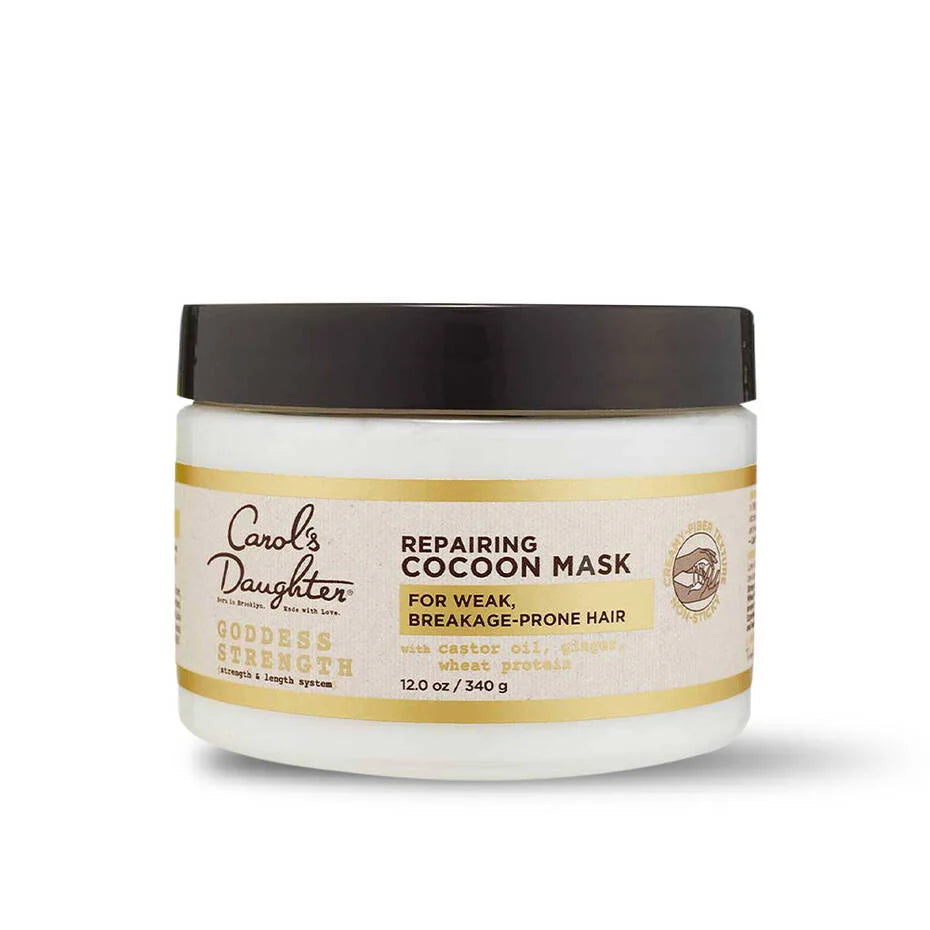
For overworked or damaged hair, apply the Goddess Strength Cocoon Hydrating Hair Mask under steam — the castor oil, wheat protein, and ginger combination penetrates more deeply than the standard 5-minute application allows.
For more, see our complete guide to hair masks for curly hair.
2. Game-Changer for Low Porosity Hair
Low porosity hair struggles to absorb moisture — the cuticle is tightly sealed.
Steam uses safe heat to open the cuticle, letting moisture in. For low porosity hair, this is one of the most effective techniques in the entire hair care playbook.
Best routine: Wash with the Born to Repair Sulfate Free Nourishing Shampoo, apply a conditioner or mask, then steam for 15 minutes.
3. Deeper Cleansing
For medium to high porosity hair (which tends to absorb oils and creams easily), steam can lift the cuticle to release grime your regular shampoo couldn't reach. Then it restores moisture before you seal the cuticle back up.
4. Supports Length Retention
Steam doesn't make hair grow faster (the follicle determines growth speed), but consistent moisture delivery helps your hair stay healthy enough to retain the length it's growing.
For more on length retention, see our complete guide to growing natural hair.
Important: Hair steamers don't dry your hair. Despite the name "hair steamer dryer" sometimes used, they don't function like blow-dryers.
Find Your Personalized Routine
Whether hair steaming is right for you depends on your specific porosity, density, and concerns.
Take the Curl Quiz → A 5-step quiz that identifies your hair type, main concerns, and the products built for your texture.
Can You Steam Your Hair at Home?
Yes — and you don't even necessarily need a dedicated tool.
The DIY options:
- Steam from your shower — close the bathroom door, run a hot shower, let the steam build for 10–15 minutes
- Warm towel wrap — apply your conditioner, wrap your head in a warm damp towel, leave 15–20 minutes
- Dedicated home steamer — for repeat use, a real tool delivers better results
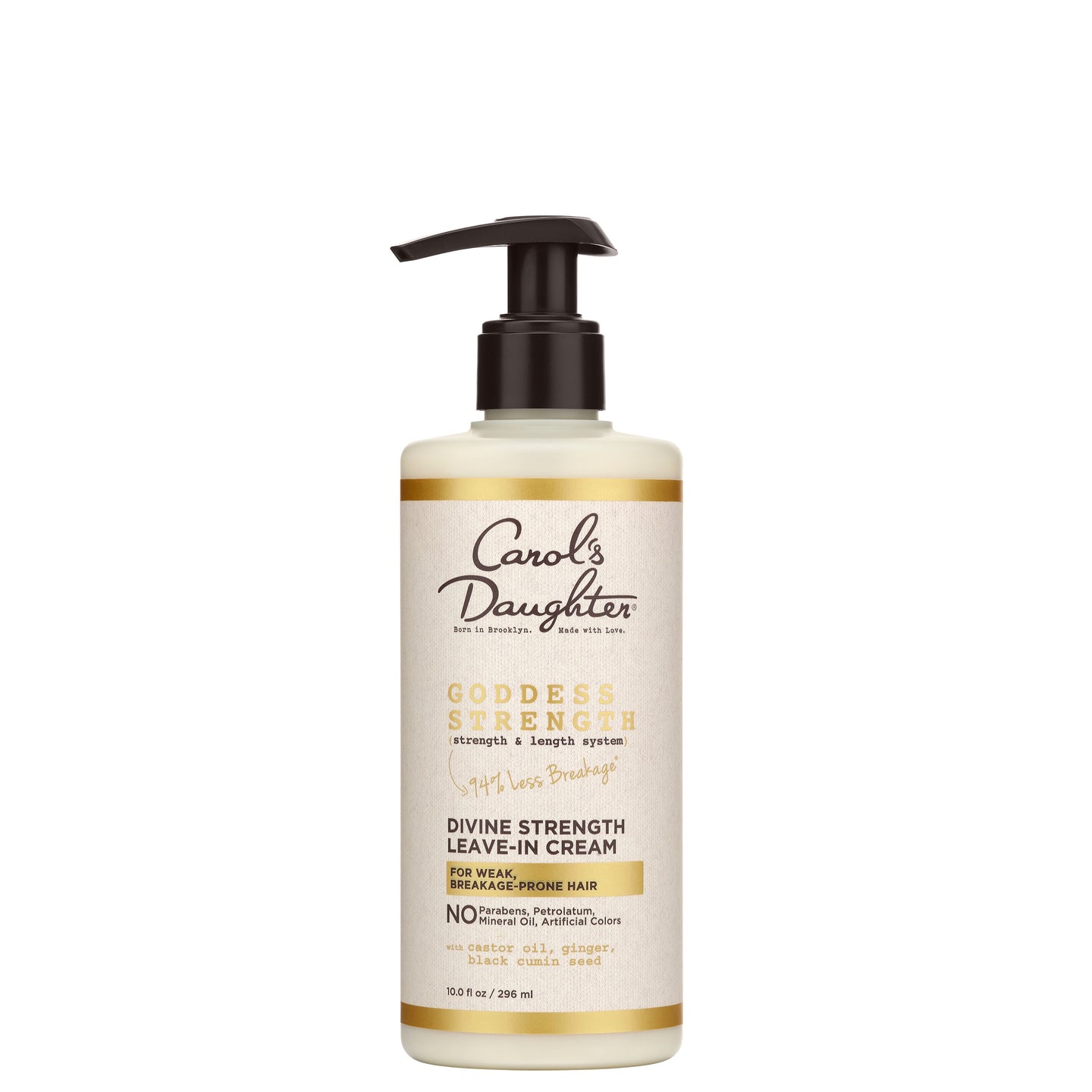
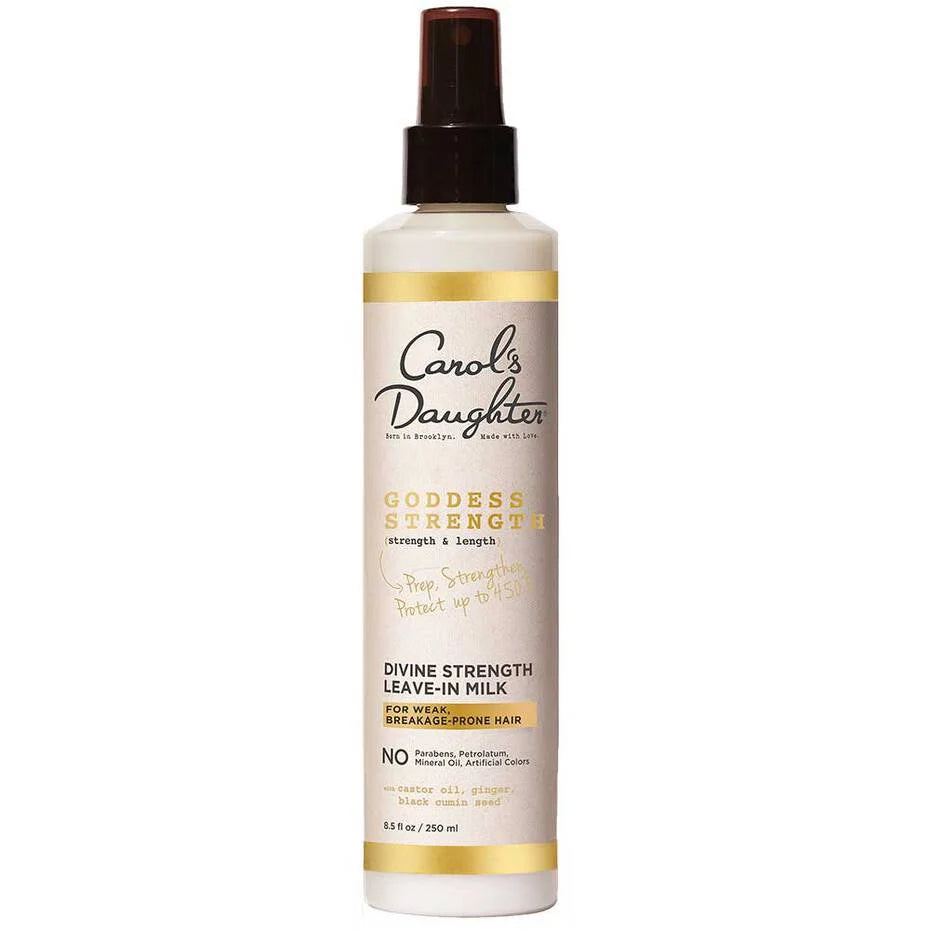
For more concentrated treatment with a handheld steamer, apply a leave-in like the Goddess Strength Divine Strength Leave-In Milk and direct the steam at that area.
Is a Hair Steamer Good for Natural Hair?
Yes — exceptionally so.
Adding moisture to natural hair is almost always a good thing, and steaming is one of the most effective moisture-delivery methods available.
You don't normally want your hair cuticle open for long periods (that's what causes frizz and moisture loss), but controlled, intentional steaming in a treatment session uses that cuticle-opening to your advantage — you push moisture IN, then close the cuticle back down with cool water.
Best Curl Types for Steam Treatments
Tighter curls benefit the most, since they tend to be the most moisture-challenged:
But all curl types can benefit — even looser waves and curls that struggle with dryness.
Types of Hair Steamers
Four main categories to choose from.
| Type | Description | Best For | Approximate Cost |
|---|---|---|---|
| Standing/floor hooded | Full salon-style with hard dome | Serious commitment + full-head treatment | $150+ |
| Tabletop hooded | Compact tabletop version | Regular use without floor space | $60–$100 |
| Handheld | Looks like a blow-dryer | Spot treatment of dry areas | ~$80 |
| Blow-dryer attachment | Inflatable cap that attaches to your blow-dryer | Trying steam for the first time | $20–$30 |
Your needs determine the best option:
- Low porosity hair: Traditional full-head steamer (hard or soft hood)
- Spot treatments: Handheld steamer
- Trying it out: Blow-dryer attachment
How to Use a Hair Steamer
Step 1: Choose Your Treatment
Select products with penetrating ingredients — humectants (glycerin, honey), nourishing oils, and no harmful additives.
Beyond leave-in conditioners and hair masks, you can also steam after applying a hair oil to maximize its benefits.
Step 2: Set Up a Comfortable Space
For 15-minute sessions, you want to be comfortable. Tabletop versions need a chair under the hood. Handhelds can be used anywhere with an outlet.
Step 3: Don't Apply Product Before Steam (Initial)
Start with freshly washed, product-free hair. Pre-application of product before initial steam blocks the cuticle from opening properly.
Step 4: Steam, Apply, Steam Again
The optimal sequence:
- 5 minutes of initial steam — opens the cuticle
- Apply your conditioner or mask
- 15 minutes of steam — drives the product in
Step 5: Rinse With Cool Water
After the second steam, rinse with cool water. This seals the cuticle back down, locking in everything you just delivered.
Step 6: Finish With a Sealing Oil
Apply the Goddess Strength 7-Oil Blend Hair & Scalp Oil from root to tip. The blend of 7 plant oils locks in all the moisture you just infused.
Steaming by Device Type
Standing Steamer
- Fill the reservoir with distilled water
- Choose your steam time (don't over-steam)
- Sit upright under the hood
- Device shuts off automatically
Tabletop Steamer
- Add distilled water
- Connect the power adaptor
- Keep your head upright for even steaming
Handheld Steamer
- Fill the reservoir with distilled water
- Let it heat up
- Move it section by section
- Hold a few inches away from scalp to avoid discomfort
Blow-Dryer Steam Attachment
- Attach the inflatable cap to your blow-dryer
- Secure over your head
- Turn on the dryer
No Tool? Use Your Shower
- Place a towel at the base of the bathroom door
- Run a hot shower for 10–15 minutes to build steam
- Pop on a shower cap to keep hair moisture-locked while you "steam"
Can Steam Treatments Damage Your Hair?
Used correctly, no. But here's what to avoid:
- Don't exceed 30 minutes per session — over-steaming damages the cuticle
- Don't steam too often — once a week maximum
- Don't steam already-damaged hair without product — steam alone won't repair anything
- Don't use scalding water in your steamer — distilled water at the device's recommended setting
Set a timer for every session.
How Often Should You Steam Your Hair?
Steam treatments are special, not daily.
For healthy hair: Once a month for general maintenance.
For severely dry or damaged hair: Up to once a week — but don't exceed this.
Don't steam every wash day — your hair doesn't need that level of intervention regularly, and overdoing it can cause cuticle damage and washing too frequently.
Frequently Asked Questions About Hair Steamers
How long does a hair steamer treatment take?
15–30 minutes per session, plus 5 minutes of initial pre-steam and a few minutes to rinse and seal. Total time: 25–45 minutes.
Can I use tap water in my hair steamer?
Distilled water is better. Tap water can leave mineral deposits in the steamer (shortening its life) and on your hair.
Will steaming make my hair frizzy?
Not if you finish properly. Always rinse with cool water at the end to seal the cuticle and lock in moisture. Skipping this step leaves the cuticle open and creates frizz.
Can I steam color-treated hair?
Yes — and it's actually one of the best treatments for color-treated hair. Color damages the cuticle; steam helps restore moisture lost during the coloring process.
Is a hair steamer worth the money?
For most natural hair people: yes. Even an inexpensive blow-dryer steam attachment delivers significant benefits. For low porosity or chronically dry hair specifically, the investment pays off quickly.
Can I use my facial steamer on my hair?
Most facial steamers aren't powerful enough to penetrate hair cuticles effectively. They can work in a pinch, but a dedicated hair steamer is better.
Should I steam before or after coloring my hair?
Before. Steam your hair the week BEFORE you color to maximize moisture and cuticle health. After coloring, focus on sealing in moisture rather than opening the cuticle further.
Can I steam wigs or weaves?
Use caution with synthetic hair — heat can melt the fibers. Human hair wigs and weaves can be steamed, but treat them gently.
Ready to add steam treatments to your routine?
For deep moisture treatments → Shop the Goddess Strength collection
For repair-focused care → Shop the Born to Repair collection
For more on hair care techniques → Read our complete guide to the LOC method
Not sure where to start? → Take the Curl Quiz