

Your Ultimate Scalp Care Routine: A Complete Guide for Healthy Hair


Your Ultimate Scalp Care Routine: A Complete Guide for Healthy Hair
By Carol's Daughter — Updated May 2026
Quick Answer: A healthy scalp is the foundation of healthy hair. Build a routine around six fundamentals: identify your scalp type, moisturize daily, oil weekly, exfoliate on wash days, deep treat monthly, and adjust seasonally. Use sulfate-free shampoos, lightweight oils for daily use, and richer treatments for monthly resets. The goal is balance — not too dry, not too oily — and consistency over time. Most scalp issues respond to routine adjustments within 2–4 weeks.
Scalp care is the root of healthy hair — pun intended.
Your scalp isn't just where your hair grows from. It's an extension of the skin on your face and body, with all the same needs: cleansing, moisturizing, exfoliating, and protecting. When your scalp is balanced, your hair thrives. When it's not, no amount of styling product can fix the underlying problem.
This guide breaks down why scalp care matters, how to build a complete routine, and the products that actually support a healthy scalp.
Why Scalp Care Matters
Your scalp houses thousands of hair follicles — the tiny pockets where every strand grows. The condition of those follicles directly affects the condition of your hair.
What happens when scalp care is neglected:
- Dryness, flaking, and itchiness
- Excess oil buildup that contributes to dandruff
- Inflammation that can lead to hair breakage
- In severe cases, follicle damage that contributes to hair loss
- Curls that look limp, dull, and undefined no matter what products you use
The reverse is also true: with consistent scalp care, your hair grows healthier, retains moisture better, and holds its style longer.
For specific guidance on dealing with scalp issues, see our 4 natural remedies for dry, itchy, flaky scalp.
How to Identify Your Scalp Type
Just like your face has a skin type, your scalp has a type — and knowing yours is the foundation of every routine choice you'll make.
The three main scalp types:
- Oily scalp — feels greasy within a day or two of washing, products turn hair limp quickly, you may have visible shine at the roots
- Dry scalp — feels tight or itchy, may have small fine flakes, especially in cold weather
- Combination scalp — oily at the roots but dry at the ends, or oily in some areas of the scalp and dry in others
Quick test: Don't wash your hair for 2–3 days, then check your roots. Greasy and weighed down? Oily. Tight and flaky? Dry. Some of both? Combination.
Your scalp type can change with seasons, stress, hormones, and product changes. Recheck periodically and adjust your routine.
The 6-Step Scalp Care Routine
A complete scalp care routine has six pillars. Some happen daily, others weekly or monthly. Follow them consistently and your scalp recovers — and stays balanced.
Step 1: Moisturize (Daily)
Every scalp needs moisture, regardless of type. The key is matching the weight of your moisturizer to your scalp's needs.
For dry to combination scalps:
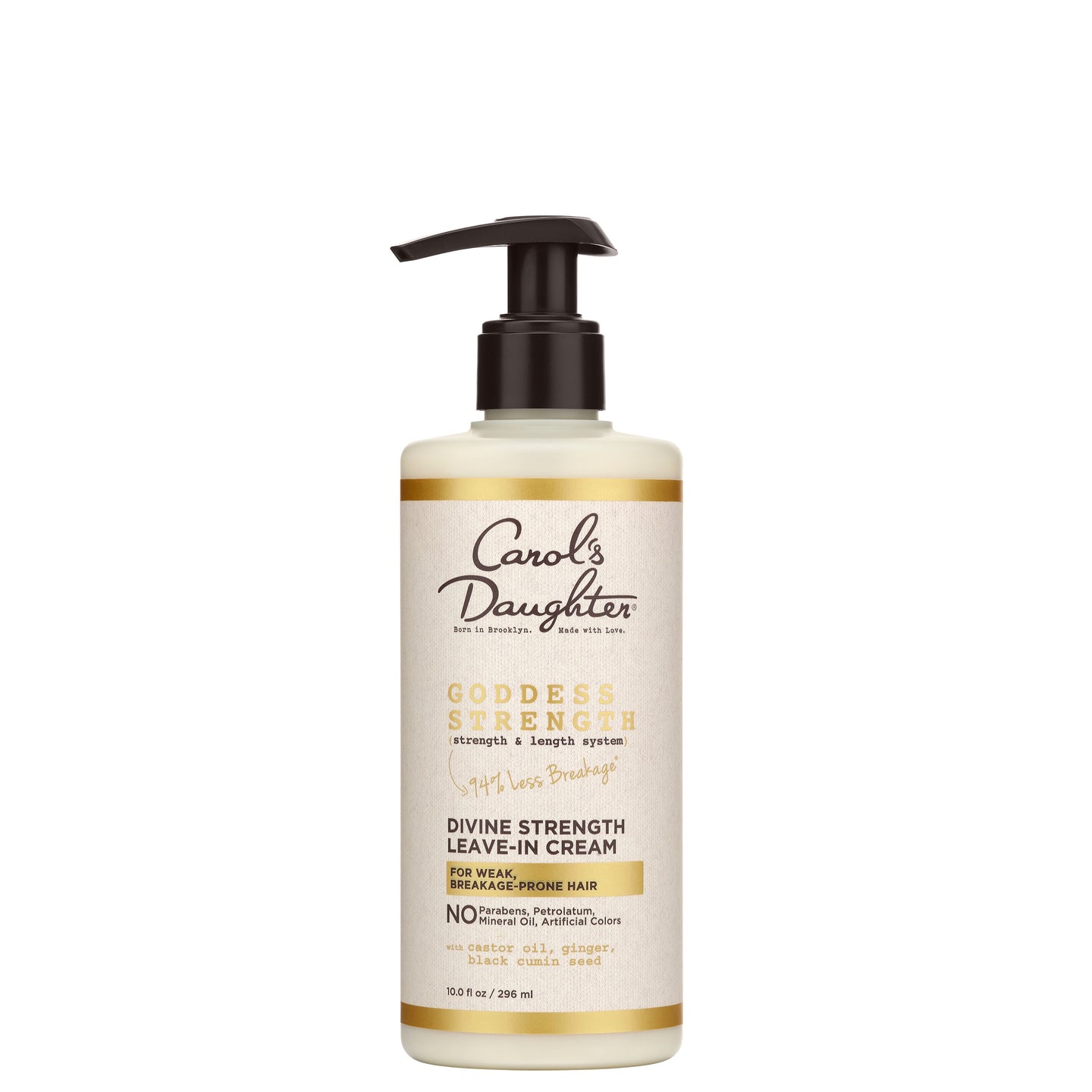
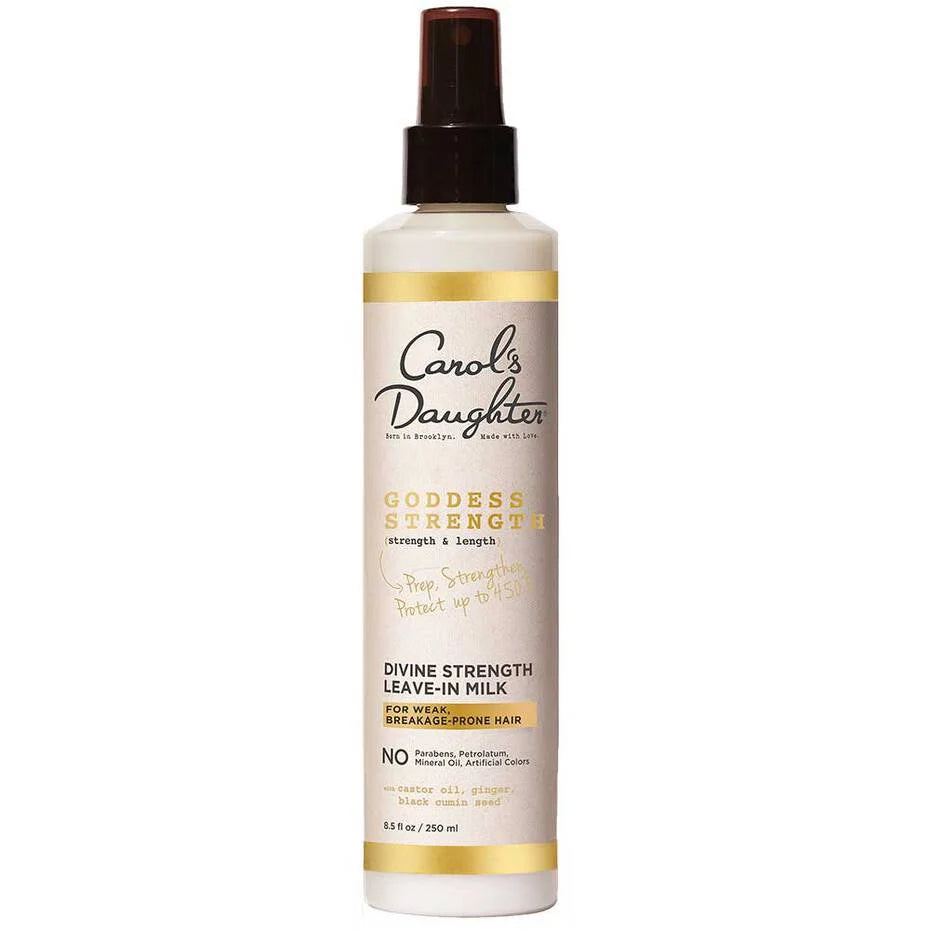
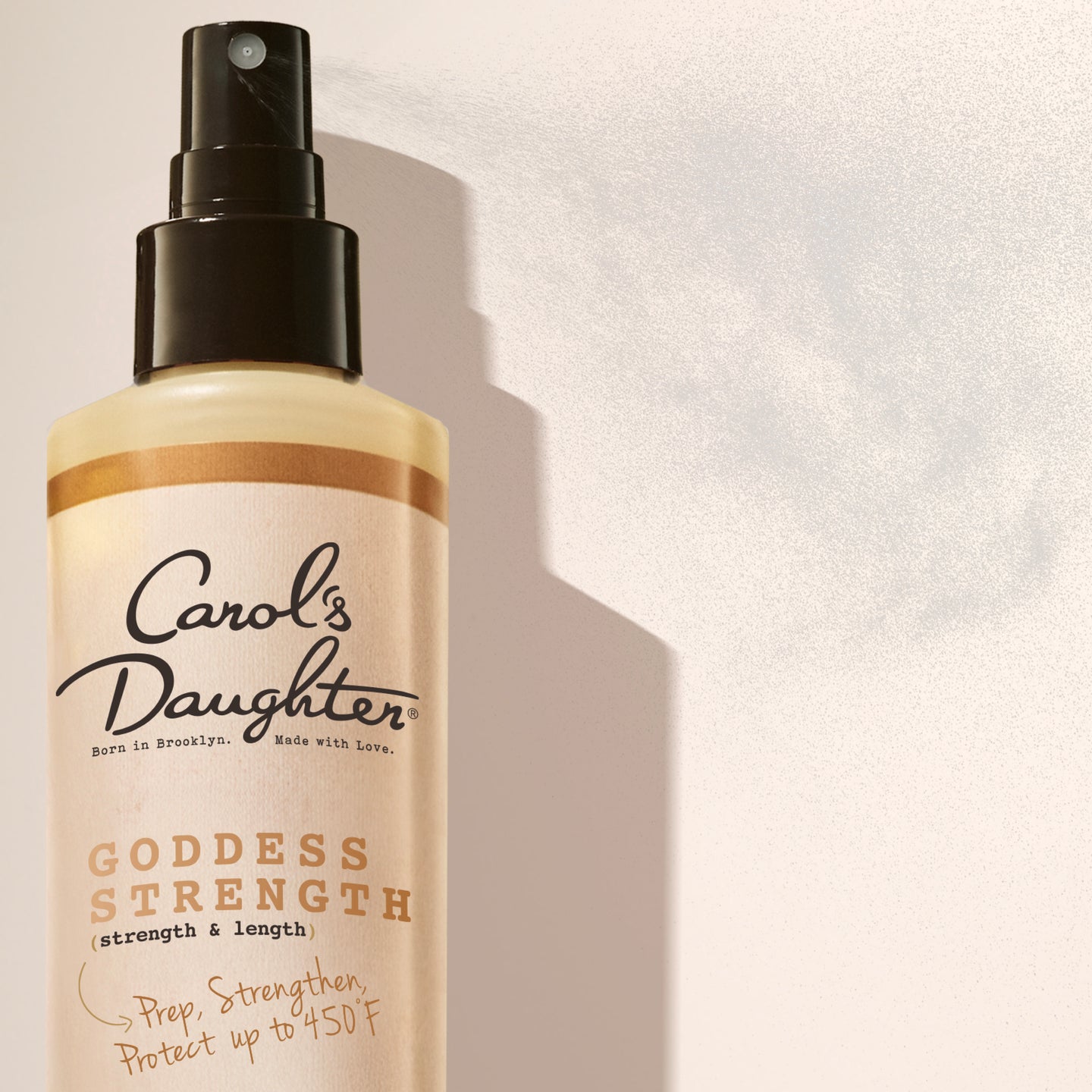
- Daily mist with the Goddess Strength Divine Strength Leave-In Milk — lightweight, moisturizing, and adds heat protection
- For richer moisture, try the Mimosa Hair Honey collection for hairdresses and pomades that nourish both scalp and strands
For oily scalps:
- Use lighter formulas applied only to dry spots
- Don't apply heavy butters or oils directly to your roots
- A leave-in like the Black Vanilla Moisture & Shine Leave-In Conditioner is light enough not to weigh things down
The most important rule: start with less, add more only if needed. Over-moisturizing can throw your scalp's natural oil balance off just as much as under-moisturizing.
Step 2: Cleanse Properly (1–2x Per Week)
A healthy scalp comes from gentle, sulfate-free cleansing.
Strong sulfate-free shampoos that support scalp health:
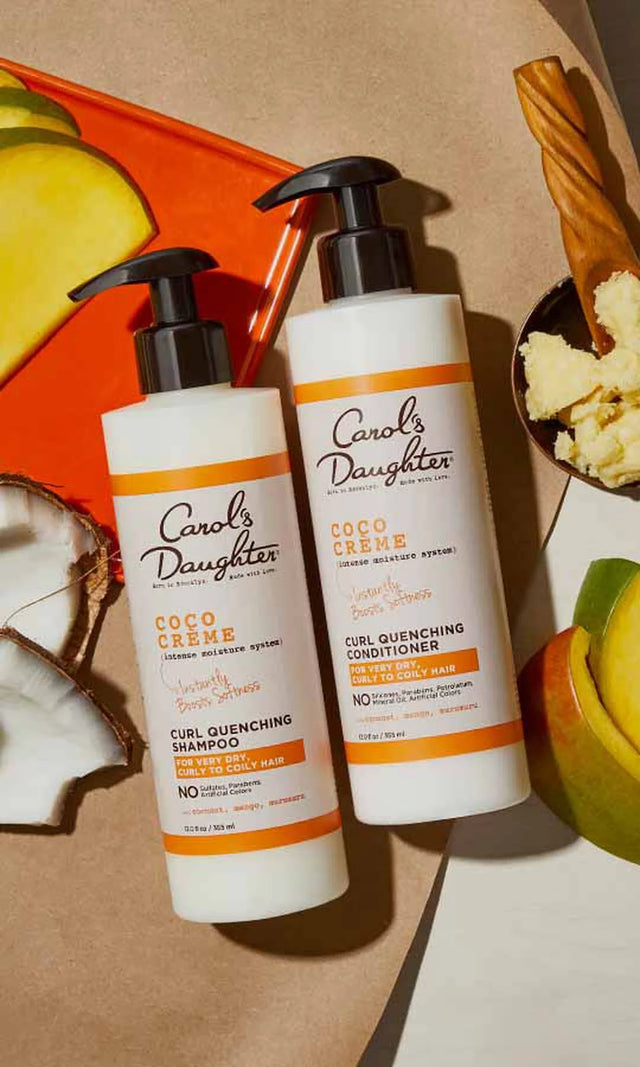
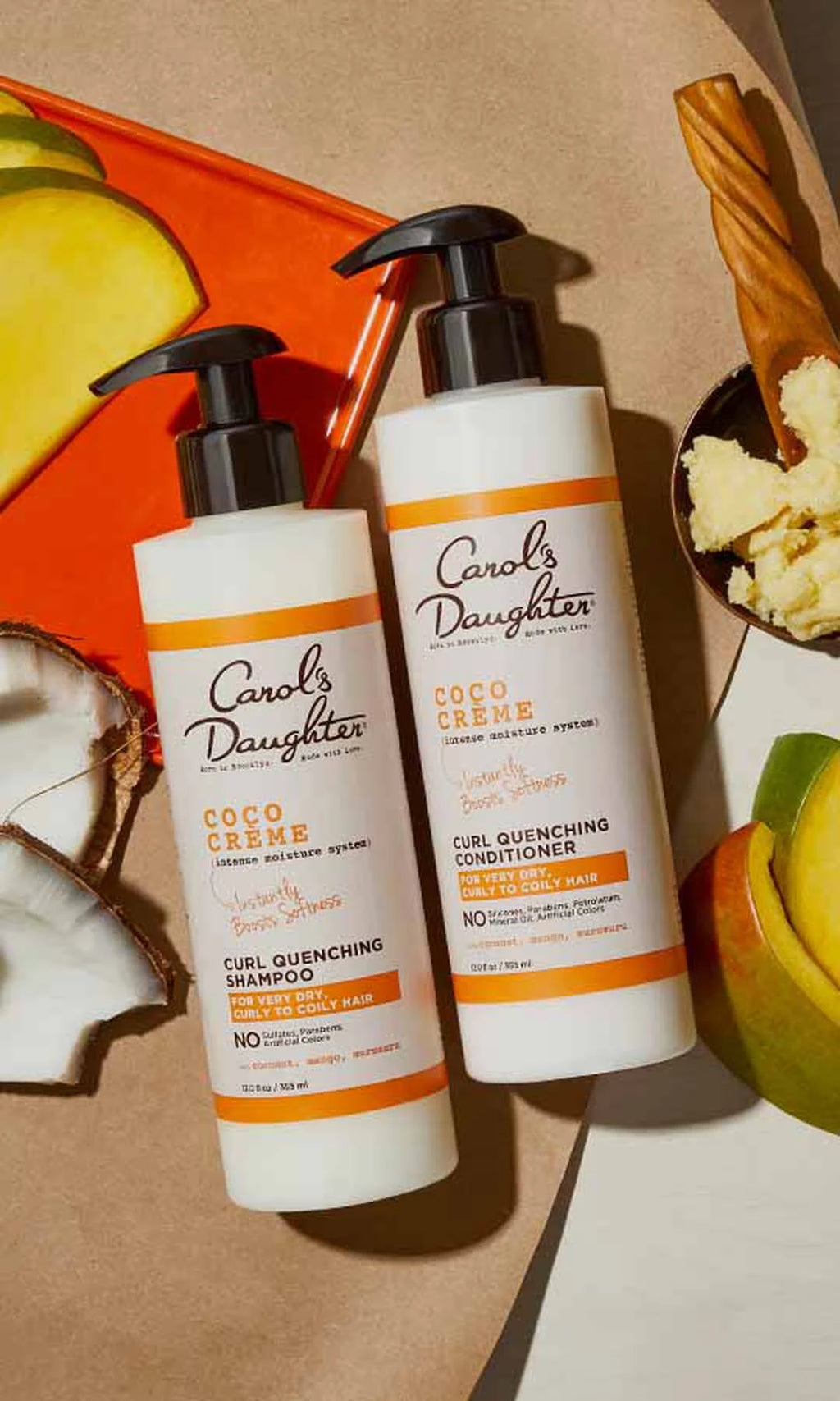
- Coco Crème Sulfate-Free Shampoo — coconut oil and milk for rich, moisturizing cleanse
- Wash Day Delight Sulfate Free Shampoo — water-to-foam micellar formula that lifts buildup gently
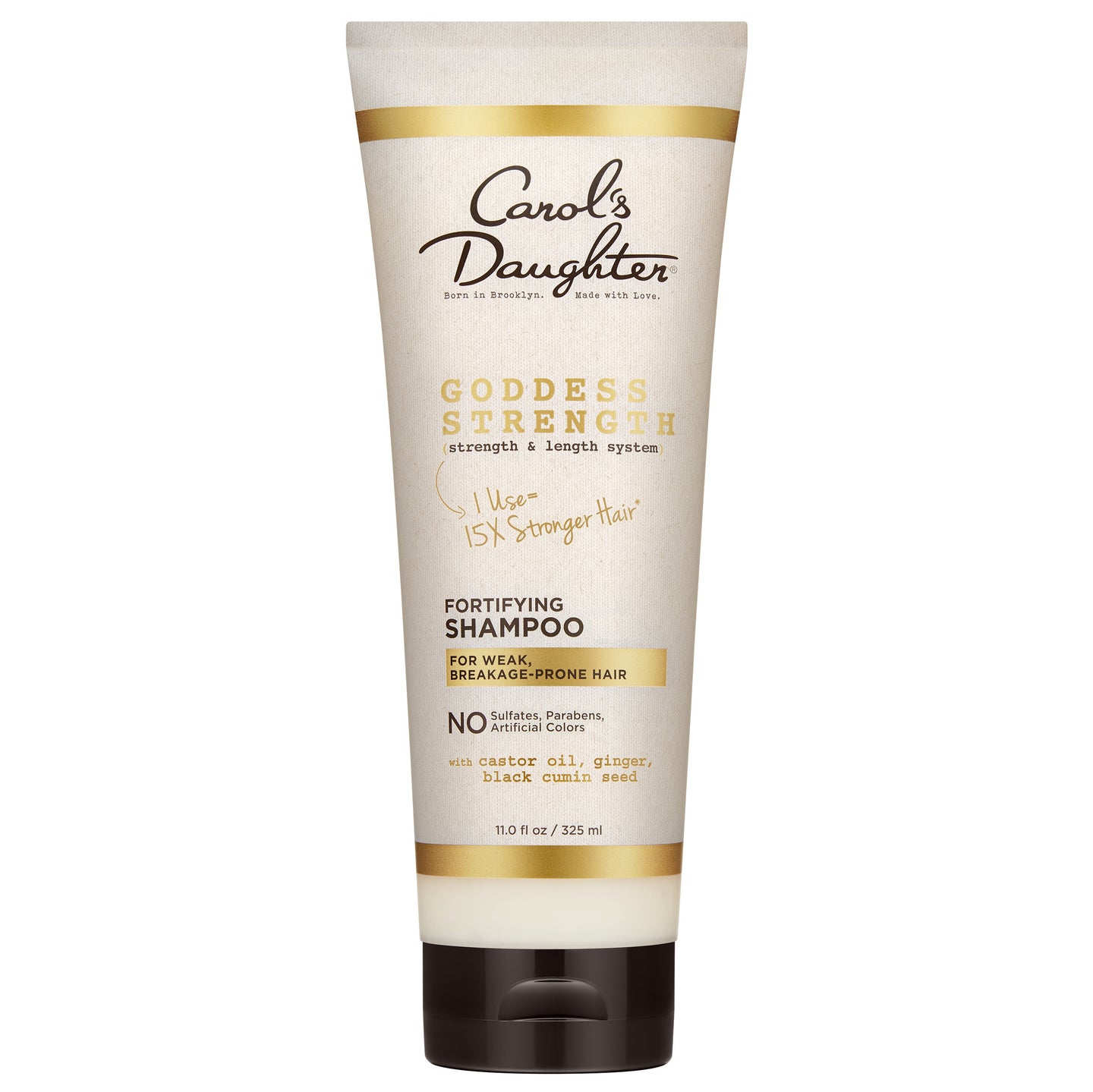
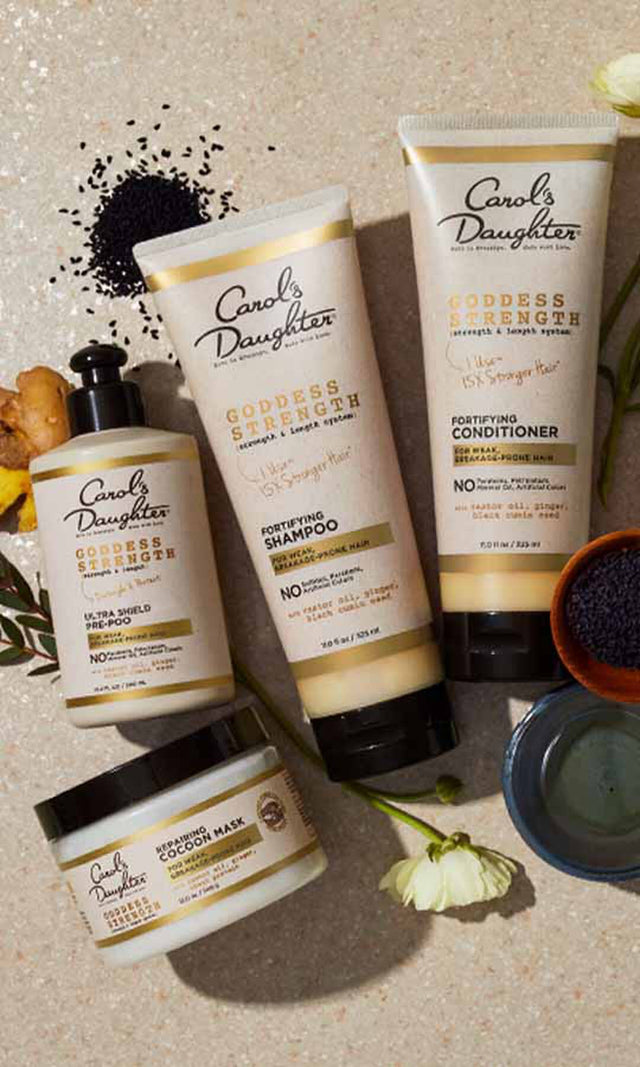
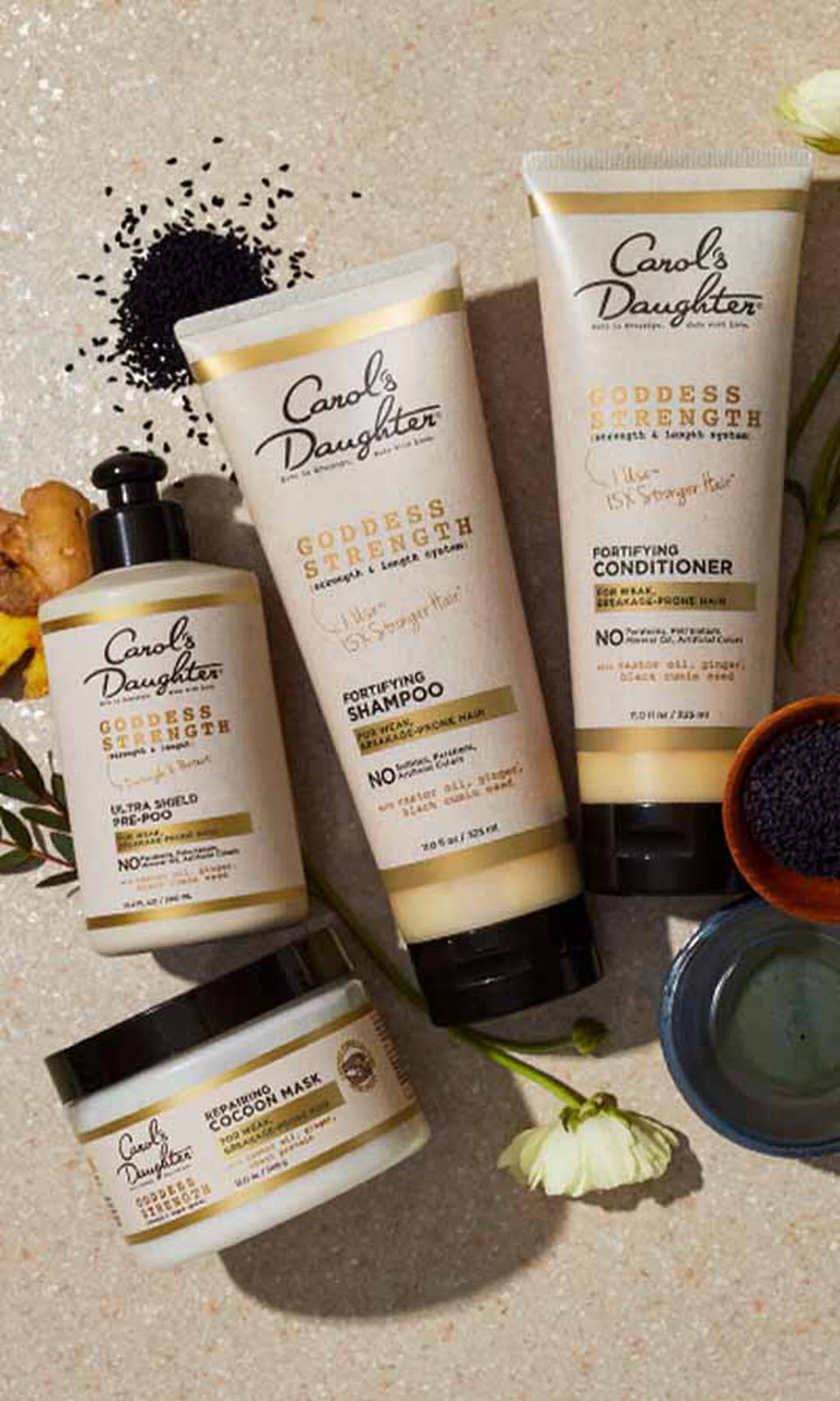
- Goddess Strength Fortifying Shampoo — strengthens while it cleanses
The right way to shampoo your scalp:
- Wet your hair thoroughly with lukewarm water (not hot)
- Apply shampoo to your scalp only, not your length
- Massage with your fingertips — never your nails
- Let the suds rinse through your length as you rinse the scalp
- Rinse thoroughly until no slip remains
For more on washing technique, see our complete wash day guide for curly hair.
Step 3: Oil Strategically (1–2x Per Week)
Hair oils serve two functions for your scalp: they hydrate from within (when they penetrate) and they seal in existing moisture (when they sit on top).
The Goddess Strength 7-Oil Blend Hair & Scalp Oil blends castor, black cumin seed, jojoba, and four other oils. The lightweight formula absorbs without leaving your scalp greasy — castor oil seals while jojoba mimics your scalp's natural sebum.
How to oil your scalp without buildup:
- Section your hair into 4–6 parts
- Apply a few drops of oil directly to your scalp
- Massage with your fingertips for 2–3 minutes per section
- Avoid going overboard — a little goes a long way
- Use 1–2 times per week, or as a pre-shampoo treatment before wash day
A note on frequency: Daily oiling can build up and clog hair follicles, leading to flaking, breakage, and the very issues you're trying to prevent. Less is more.
Step 4: Exfoliate (Weekly to Bi-Weekly)
Like the skin on your face, your scalp accumulates dead skin cells and product buildup. Exfoliation removes both, keeping your follicles clear and your hair healthier.
Gentle exfoliation options:
- A scalp scrub used before shampooing
- Apple cider vinegar rinse (2 tbsp ACV in 1 cup of water)
- A clarifying shampoo once a month (or the Wash Day Delight Sulfate Free Shampoo more often, since its salicylic acid gently exfoliates without harshness)
Don't over-exfoliate — once a week is usually enough for most scalps. Over-exfoliating can disrupt your scalp's natural barrier.
Step 5: Deep Treat (Monthly)
A monthly deep treatment goes beyond your weekly routine to deliver concentrated moisture and recovery to both your scalp and your hair.
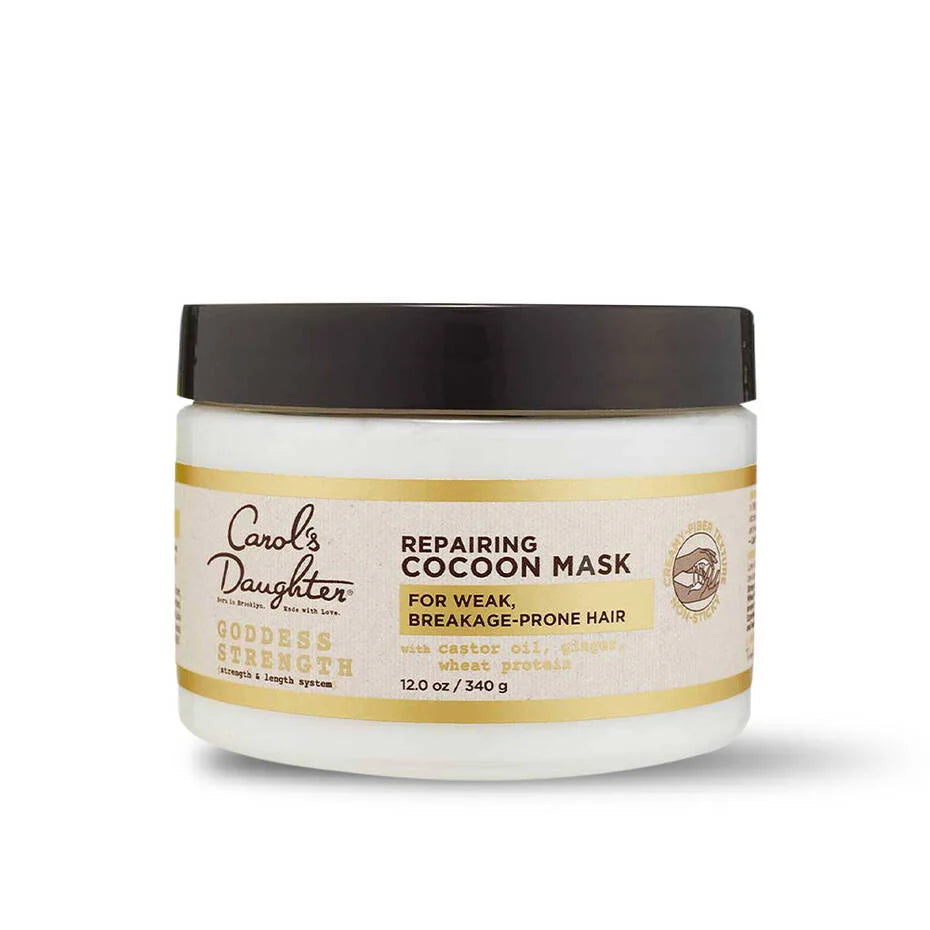
The Goddess Strength Cocoon Hydrating Hair Mask delivers an intense moisture treatment that benefits both scalp and strands. Apply, cover with a shower cap for 10–20 minutes, then rinse. The Goddess Strength line delivers up to 7x stronger hair and 86% breakage reduction with regular use.
For added benefit, pair your deep treatment with steam — sit in a steamy bathroom or use a hair steamer for 10 minutes. The heat helps your cuticle open so the treatment penetrates deeper.
Step 6: Adjust Seasonally
Your scalp needs change with the weather, just like your skin's needs do.
Spring and summer adjustments:
- Lighter products to prevent greasiness in heat
- More frequent washing if you're sweating from workouts or humidity
- UV protection (a hat or scarf) when you'll be in the sun for extended periods
Fall and winter adjustments:
- Richer moisturizers to combat dry air from indoor heating
- More frequent deep treatments
- Less frequent washing to preserve natural oils
- Switch to heavier sealing oils like castor
When the weather changes, check in with your scalp. If something stops working or starts feeling off, adjust before the issue compounds.
Find Your Personalized Routine
Knowing your curl type and scalp condition together makes building a routine much easier.
Take the Curl Quiz → A 5-step quiz that identifies your hair type, main concerns, and the products built for your texture.
Common Scalp Care Mistakes to Avoid
Even a well-built routine can be undone by these common missteps.
- Using only "hair" products — strand-focused moisturizers don't always address scalp needs; use products formulated for the scalp specifically
- Over-washing — can strip the natural oils your scalp needs to stay balanced
- Under-washing — buildup creates flakes, itching, and clogged follicles
- Applying oils to dirty scalp — traps grime against the skin instead of hydrating it
- Scratching when itchy — damages the scalp and creates open wounds
- Skipping exfoliation — buildup accumulates and undermines every other step
- Using hot water — strips moisture and lifts the cuticle; lukewarm is always better
- Ignoring stress, sleep, and diet — internal health shows up on your scalp
How Often Should You Practice Scalp Care?
A healthy scalp is built daily, not weekly.
| Step | Frequency |
|---|---|
| Moisturize | Daily |
| Cleanse | 1–2x per week |
| Oil | 1–2x per week |
| Exfoliate | Weekly to bi-weekly |
| Deep treat | Monthly |
| Seasonal adjustments | Quarterly |
You don't need to do every step every day. The minimum: daily moisture, weekly cleansing, monthly deep treatment. Add the rest as your scalp asks for them.
Frequently Asked Questions About Scalp Care
How often should I oil my scalp?
Most scalps do well with oiling 1–2 times per week. Daily oiling can lead to buildup that clogs follicles and contributes to flaking. If you're testing it out, try once a week first and add a second oiling only if your scalp seems to ask for it.
Can I wash my hair every day?
For most curly hair, no. Daily washing strips the natural oils your scalp needs to stay balanced. Aim for 1–2 times per week, with co-washing (conditioner-only cleansing) between if your scalp feels heavy. If you have a very oily scalp, you may need slightly more frequent washing — but rarely daily.
How do I know if my scalp is healthy?
A healthy scalp feels comfortable — not tight, not greasy, not itchy. It doesn't flake significantly, doesn't smell, and isn't sore or sensitive. Your hair grows in evenly and holds moisture well. If any of those things are off, your routine likely needs adjustment.
Does what I eat affect my scalp?
Yes. Internal hydration and nutrition show up on your scalp the same way they show up on your skin. Drinking enough water, eating omega-rich foods (fatty fish, walnuts, flaxseed), and getting enough vitamins A, C, D, and E all support scalp health.
Should I use scalp scrubs?
Used in moderation, yes. Scalp scrubs help remove dead skin and product buildup. Use once a week or every other week — over-scrubbing can disrupt your scalp's natural barrier and cause more issues than it solves.
What's the best oil for scalp health?
Castor oil, jojoba oil, and black cumin seed oil are three of the most effective. Castor oil seals moisture and supports edge growth, jojoba mimics your scalp's natural sebum, and black cumin seed has properties that may support scalp health. The Goddess Strength 7-Oil Blend combines all three plus four others.
Ready to give your scalp the routine it deserves?
For scalp care and strength → Shop the Goddess Strength collection
For gentle scalp-friendly cleansing → Shop the Wash Day Delight collection
Browse by hair concern → Shop dry hair
Not sure where to start? → Take the Curl Quiz