

25 Stunning Braided Hairstyles for Natural Hair: The Complete Style Index


25 Stunning Braided Hairstyles for Natural Hair
By Carol's Daughter — Updated May 2026
Quick Answer: Braided hairstyles for natural hair range from foundational box braids and cornrows to elaborate styles like Fulani braids, butterfly braids, and stitch braids — plus dozens of variations in between. The best style for you depends on your hair length, how long you want to wear it, your lifestyle, and your skill level. This guide covers 25 popular braided looks with tips on when to choose each and how to prep your hair before installing.
Braided hairstyles work year-round — not just in the summer.
Plaits are practical, protective, and endlessly versatile. From foundational box braids to intricate stitch designs, there are literally hundreds of types of braids to choose from. The trick is matching the style to your hair, your lifestyle, and what you want from your install.
This guide covers 25 of the most popular braided styles for natural hair, organized so you can quickly find the right look for your next session.
How to Choose the Right Braid Style
Before picking a style, consider three things.
Will Your Braids Get Wet?
If you swim or exercise heavily, certain braid styles hold up better than others.
Wet hair shrinks back to its natural curl pattern, which can cause your natural hair to peek through styles that sit close to the scalp (like cornrows). For pool days and beach trips, longer hanging styles like box braids or feed-in braids tend to look fresher through repeated wetting.
For more on protecting hair during water exposure, see our guide to protecting your hair during summer.
How Active Will You Be?
Smaller, denser braids are heavier — and heavier braids can mean more sweating during workouts. If you're highly active, consider chunkier braids like jumbo box braids or a thick cornrow pony, which weigh less overall.
How Long Do You Want to Wear Them?
- 4–6 weeks → most box braids, traditional cornrows, twists
- 6–12 weeks → knotless braids (the gentlest option for long wear)
- 1–3 days → casual styles like bubble braids or basic French braids
- One occasion → updos and braided crown styles
Match your installation effort to how long the style needs to last.
Find Your Personalized Routine
Knowing your curl type helps you build a routine that supports both your natural hair and your protective styles.
Take the Curl Quiz → A 5-step quiz that identifies your hair type, main concerns, and the products built for your texture.
25 Popular Braided Hairstyles for Natural Hair
Foundational Styles
These are the building blocks. Master one or two and you can adapt them into dozens of variations.
1. Box Braids
The intro to plaits for most natural-haired women. Hair is parted into checkerboard squares and each one is braided downward. Versatile enough to wear loose, in updos, or styled with accessories.
For the full tutorial, see our easy guide to creating box braids.
2. Cornrows
A classic with endless interpretations. Hair is braided down onto the head with the strands twisting outward — the braids sit close and raised against the scalp. Cornrows can be straight, wavy, or patterned, depending on skill level.
Smooth your edges after styling with the Mimosa Hair Honey — its lightweight formula keeps baby hairs sleek without flaking.
3. French Braid
Similar to a cornrow but braided with an overhand technique that twists the hair inward — the opposite of cornrows. French braids usually look more inverted and dimensional than flat cornrows.
4. Senegalese Twists
Same prep as box braids, but with a two-strand twist instead of a three-strand braid. The result: braids that look like spiraling ropes. Smoother and shinier than box braids in finish.
5. Knotless / Feed-In Braids
One of the most popular protective styles right now. Instead of starting with extension hair knotted at the root (which creates tension), knotless braids begin with your natural hair only. Extension hair feeds in gradually as you braid down.
The result: less scalp tension, a flatter start, and significantly gentler on your edges. For a full guide, see our complete guide to knotless braids.
Statement Styles
These styles command attention. Best for special occasions, photoshoots, or when you just want to feel like a moment.
6. Crown Braid
A single braid that wraps around the perimeter of your head like a halo. Requires enough length to circle your head — if your hair is shorter, feed in extension hair as you go.
7. Cornrow Pony
A high ponytail made entirely of braids. Hair is sectioned and cornrowed from front to back, then gathered at the crown into a pony. Add extension hair for extra length and drama.
8. Fulani Braids
A hybrid style with small-to-medium cornrows that taper into loose hanging braids at the back or sides. Often accented with beads, cowrie shells, or rings — pick accessories that complement your jewelry for a coordinated look.
For more detail, see our 11 African hair braiding styles guide.
9. Side-Swept Braids
A variation of Fulani braids where all the cornrows fall to one side. The waterfall effect over one shoulder is striking and dramatic — especially with long extensions.
10. Butterfly Braids
A giant cornrow loosely plaited from the center of your forehead, around one side, and draped over one shoulder. Looser and softer than a traditional crown braid.
11. Stitch Braids
A detailed cornrow variation with alternating thick and thin braids that create a "stitched" pattern across the head. Looks like neat seam work. Best installed by a skilled stylist.
12. Reverse French (Underbraid Pony)
A French braid or jumbo cornrow braided from the nape upward into a ponytail at the crown. The "business in front, party in back" effect. Style the front however you like.
13. Braided Mohawk
Slick down the sides of your hair, then braid a single jumbo cornrow down the center. Creates the silhouette of a mohawk without the commitment.
14. Half and Half Braids
Mini braids done first, then woven into larger straight-back braids in perpendicular directions. An intricate visual layering effect — definitely a salon-level install.
Quick & Casual Styles
For everyday wear or when you don't want a multi-hour install.
15. Bubble Braids
A ponytail with multiple elastics down the length to create bubble-shaped sections. Five minutes, easy on any curl type.
For the full tutorial, see our step-by-step guide to bubble braids on natural hair.
16. Braid-on-Braid
Take a braided base (usually skinnier box braids) and twist multiple braids together to form larger, layered braids. Adds dimension without requiring fresh styling.
17. Braided Bun
Build on your braids by gathering them into a bun. Try a chignon at the nape, a topknot at the crown, or twisted halves wrapped together. Works on any braid length over chin.
18. Space Bun Braid Updo
Two French braids back into two buns at the top of your head. Playful and festival-friendly.
For detangling before this style, the Hair Milk Original Leave-In Moisturizer gives you slip to work knot-free.
19. Shoulder-Length Braids
Box braids cropped at shoulder length. Lighter, less weight, more manageable day-to-day. Looks just as polished as waist-length without the install time.
20. Side Braids with Hair Rings
A simple side braid elevated with metal rings threaded through. Coordinate the metal tone with your jewelry for an intentional, polished look. Especially popular for festivals and special events.
Style Variations
Variations on classic styles for added impact.
21. Jumbo Pony Braid
A high ponytail with a single voluminous braid. Wrap extension hair around the base for added drama, then plait everything together. A statement style that takes 10 minutes.
22. Jumbo Box Braids
Box braids in larger sections — typically 10 to 15 braids total instead of 30+. Faster to install, easier to maintain, and more dramatic visually.
23. Braided Bob
Box braids cropped at chin length. A great option if you want the box braid look without the weight or maintenance of long braids. Adorn each braid with a small bead or jewel at the tip for extra polish.
24. Colorful Braids
Add color to any braided style — pink, blue, burgundy, copper, or rainbow. Use colorful extension hair to mix into your braids. A fast way to take any look from classic to bold.
25. Ombré or Rodded End Braids
Two options for varied finishes:
- Ombré braids use extension hair in different shades, woven in to create a color gradient down each braid
- Rodded end braids leave 3–4 inches of hair loose at the bottom, then curl with flexi-rods for a soft, wavy finish
Both add texture and interest to a basic box braid base.
How to Prep Your Hair for Any Braided Style
Regardless of which style you choose, the prep is the same. Five steps that protect your hair during a long install.
1. Cleanse Thoroughly
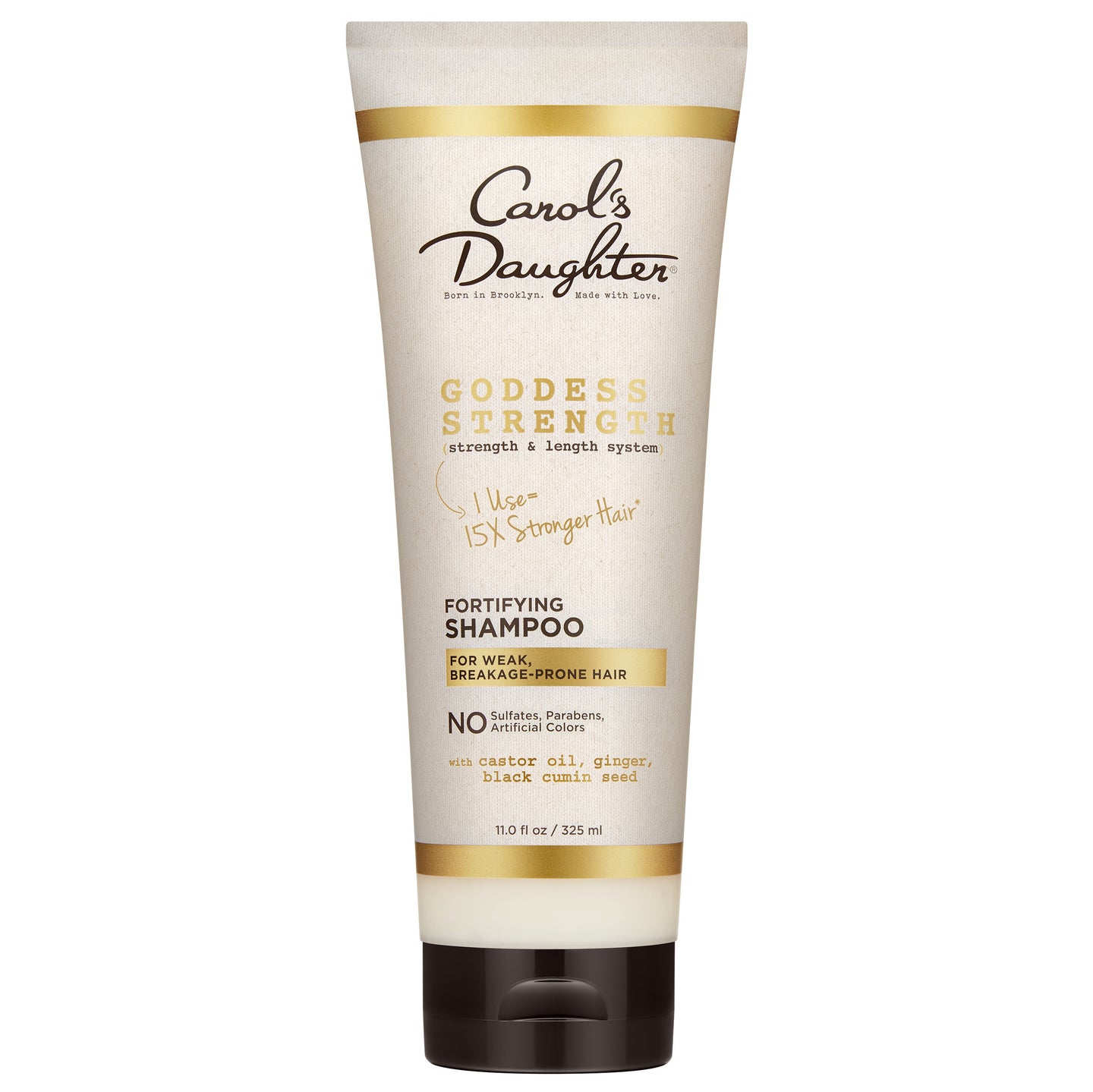
Start with clean, buildup-free hair. The Wash Day Delight Sulfate Free Shampoo is great for pre-install cleansing — its water-to-foam formula clears buildup gently without stripping.
For damaged or breakage-prone hair, the Born to Repair Sulfate Free Nourishing Shampoo is a stronger repair-focused choice.
2. Deep Condition
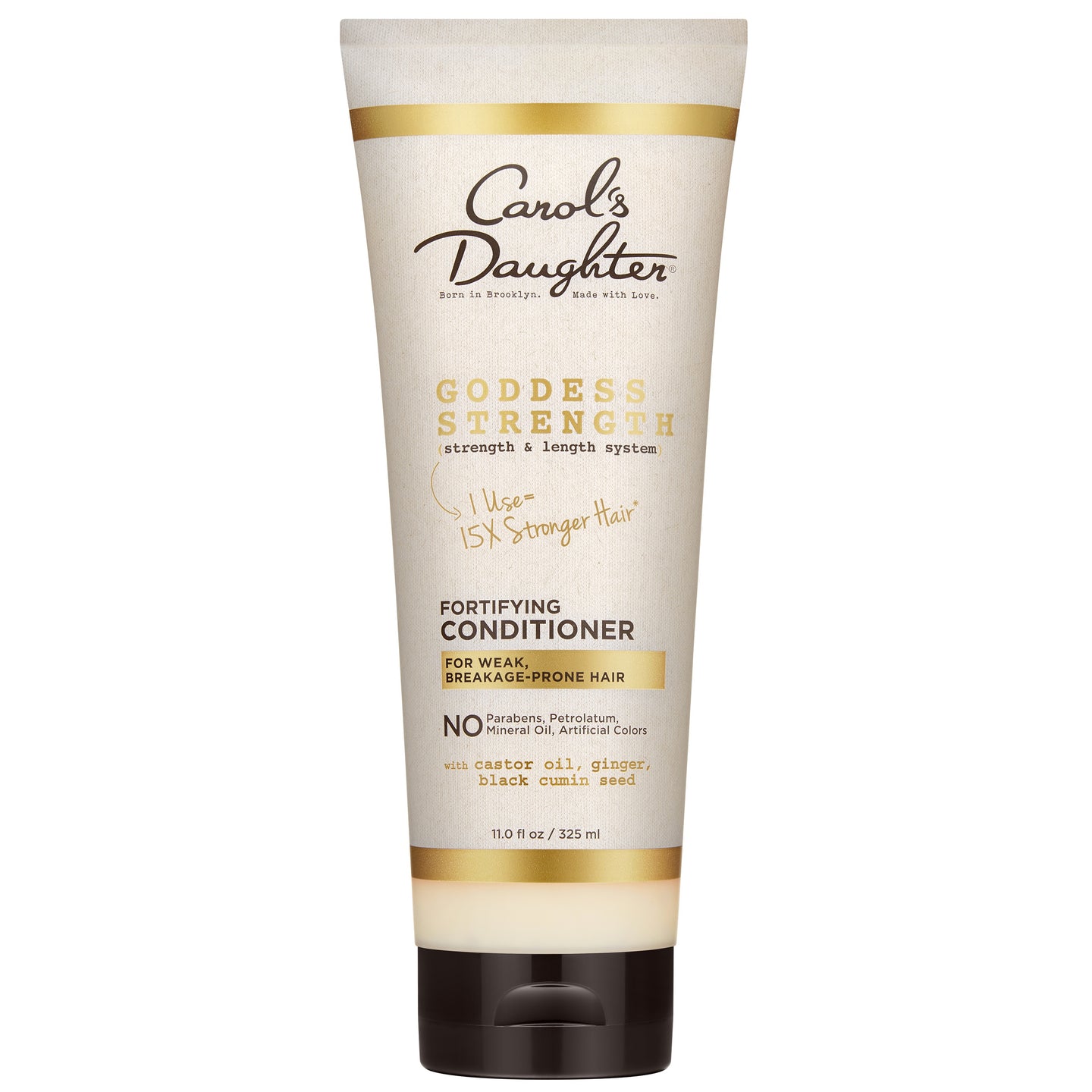
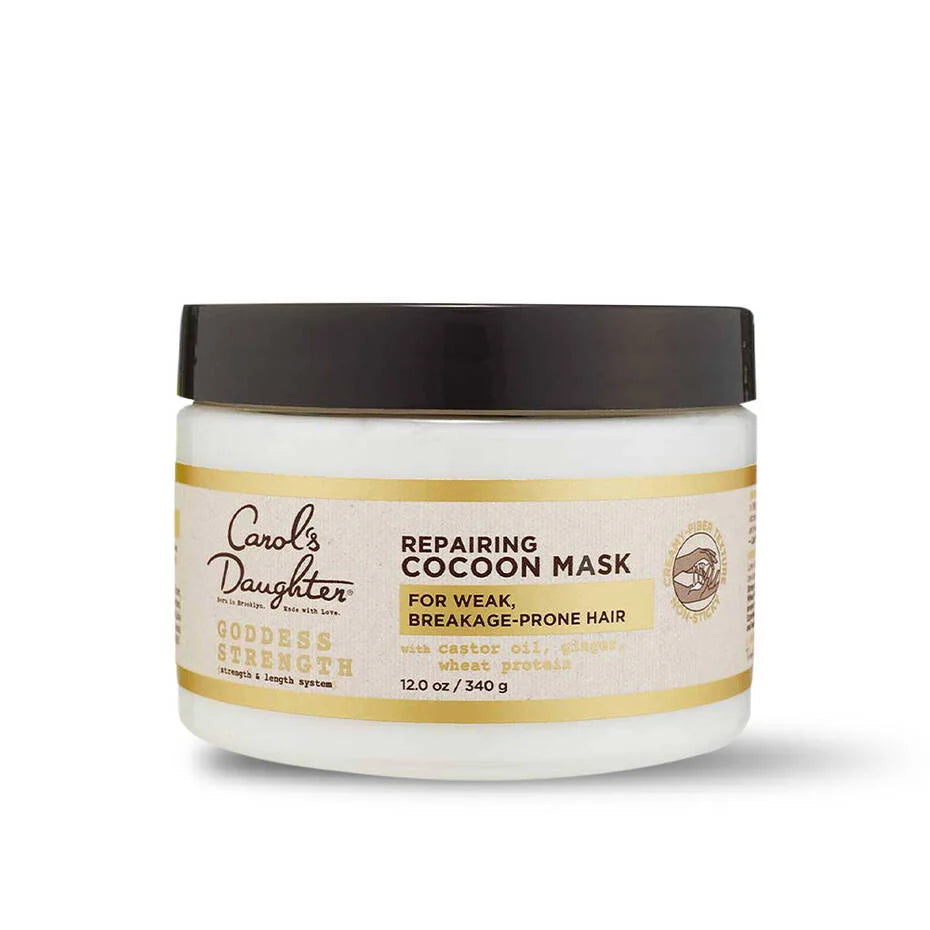
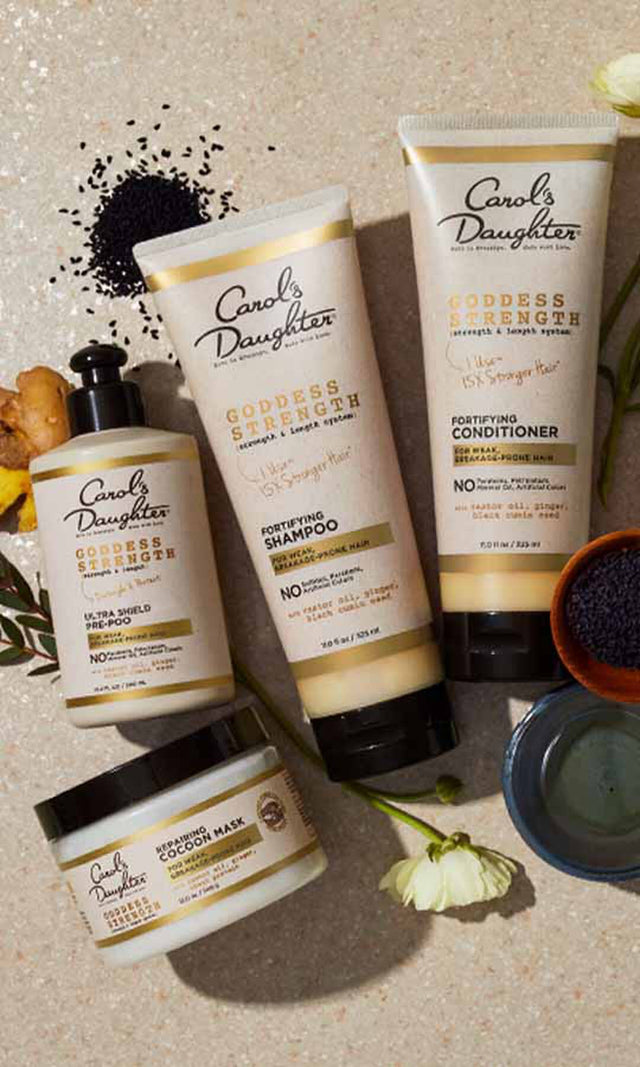
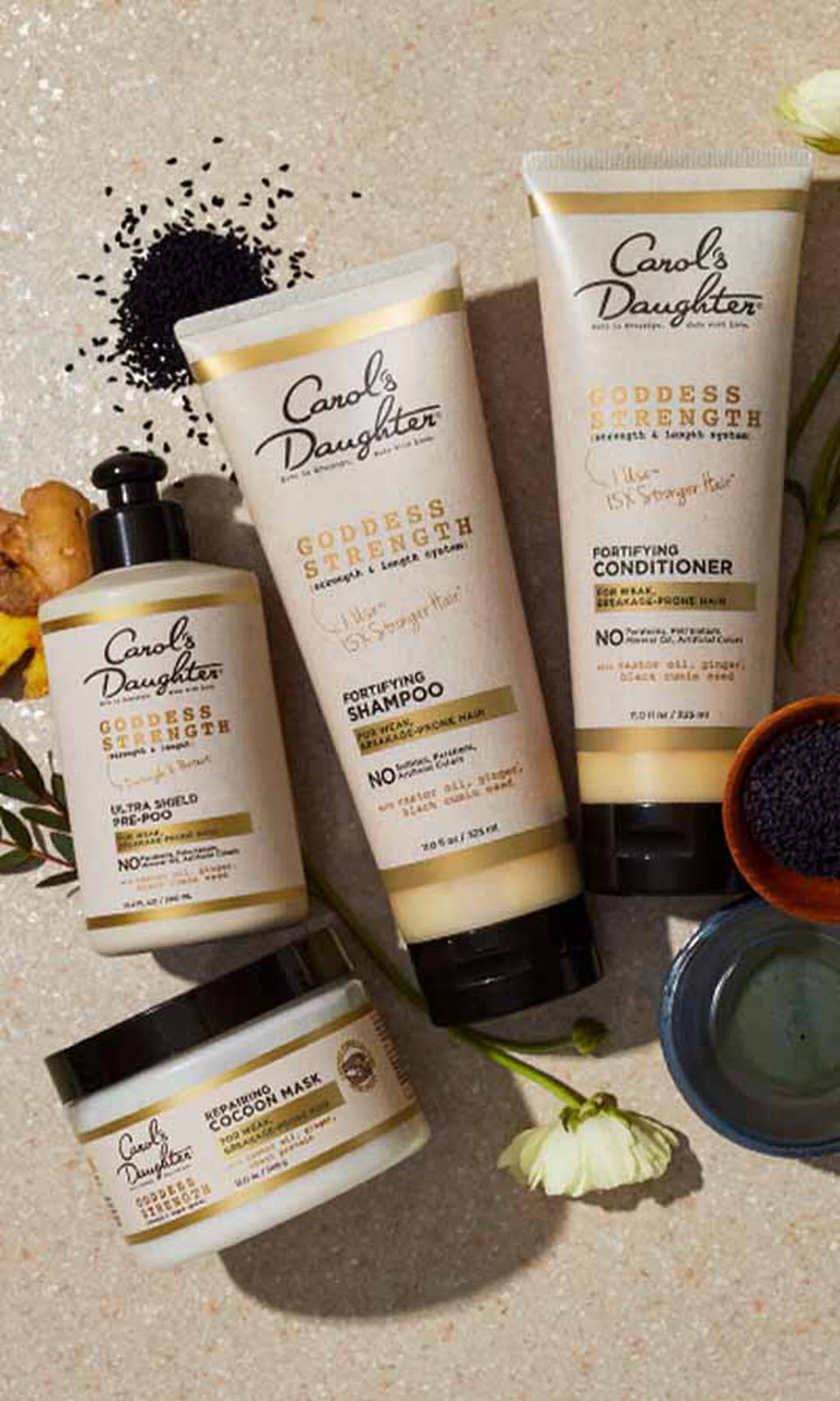
Restore moisture before your hair gets locked into a style for weeks. The Goddess Strength Cocoon Hydrating Hair Mask delivers intense moisture treatment that helps restore, strengthen, and protect your strands.
The Goddess Strength line delivers up to 7x stronger hair and 86% breakage reduction with regular use — meaningful when your hair will be braided for weeks.
3. Detangle Thoroughly
Every tangle you miss now becomes a knot during takedown. Use the Hair Milk Original Leave-In Moisturizer to coat hair and create slip, then work from ends to roots with a wide-tooth comb.
For more, see our complete guide to detangling natural hair.
4. Stretch Your Hair
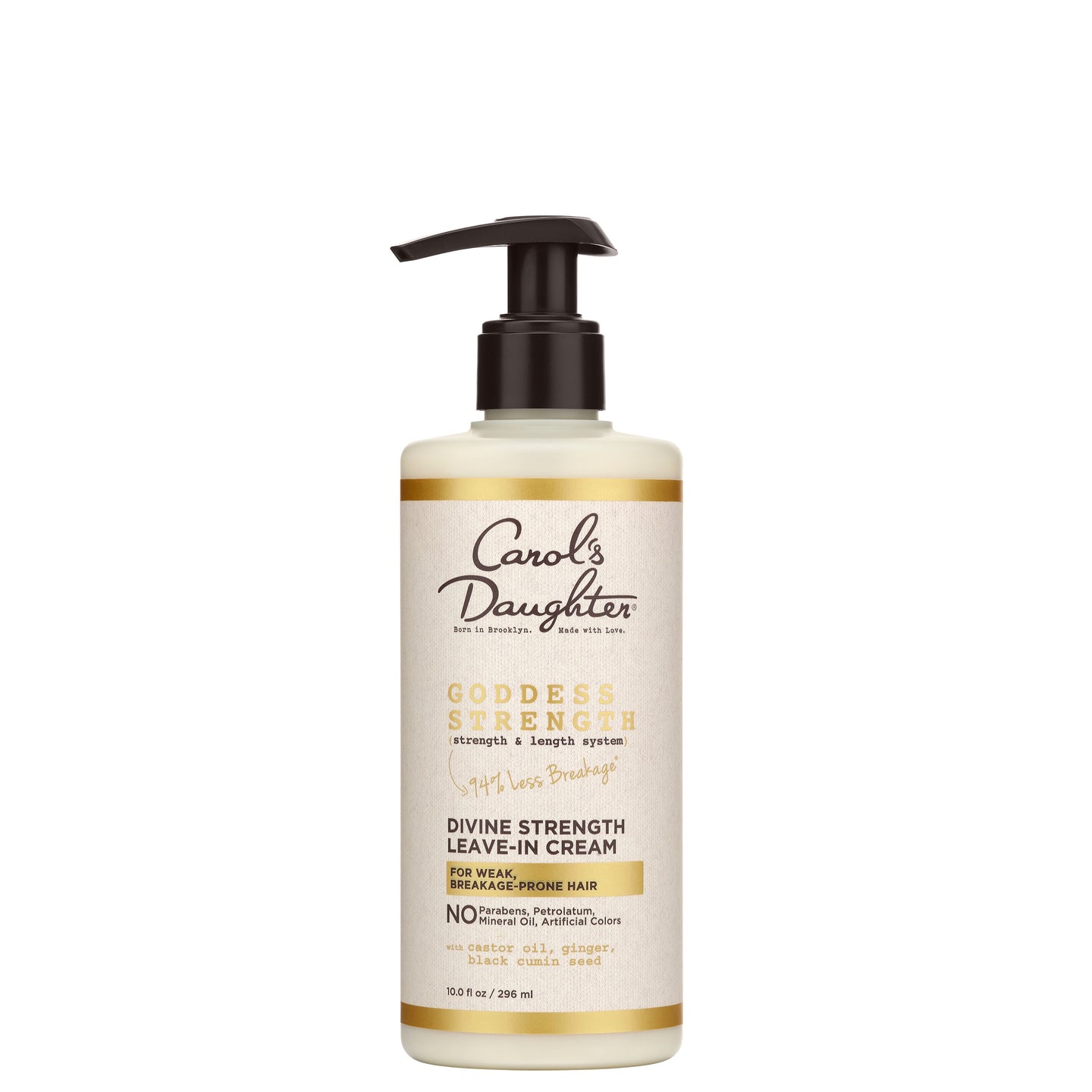
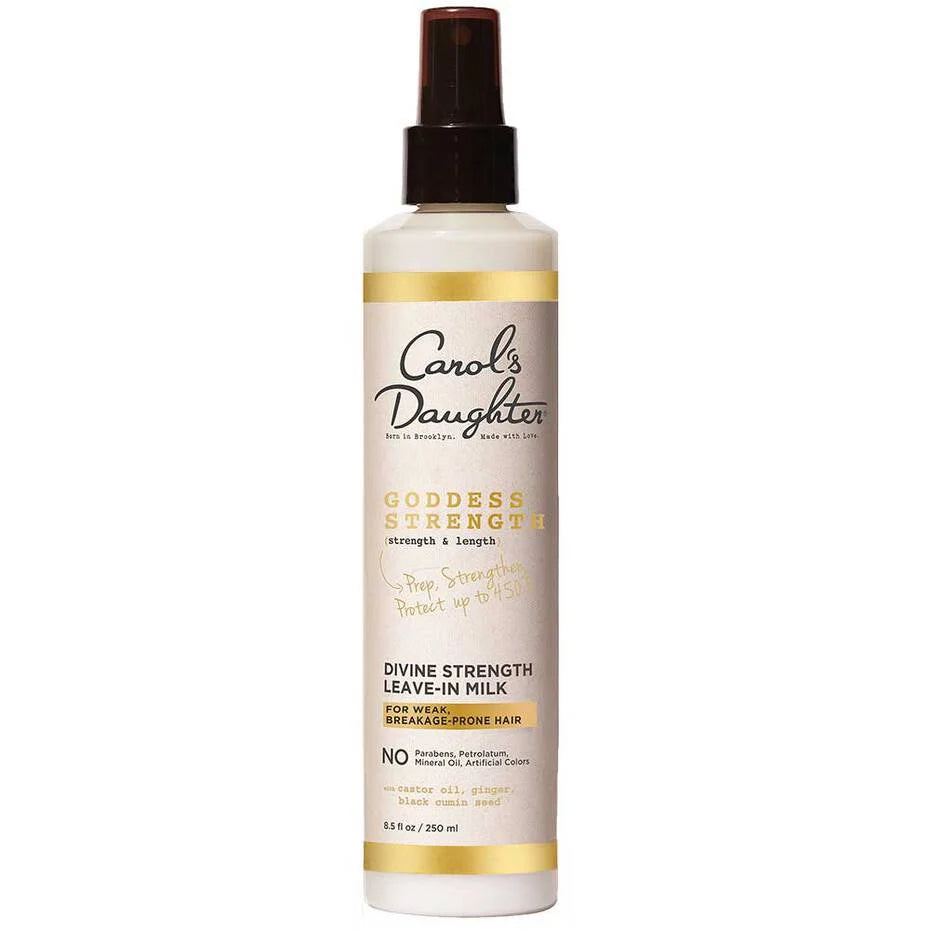
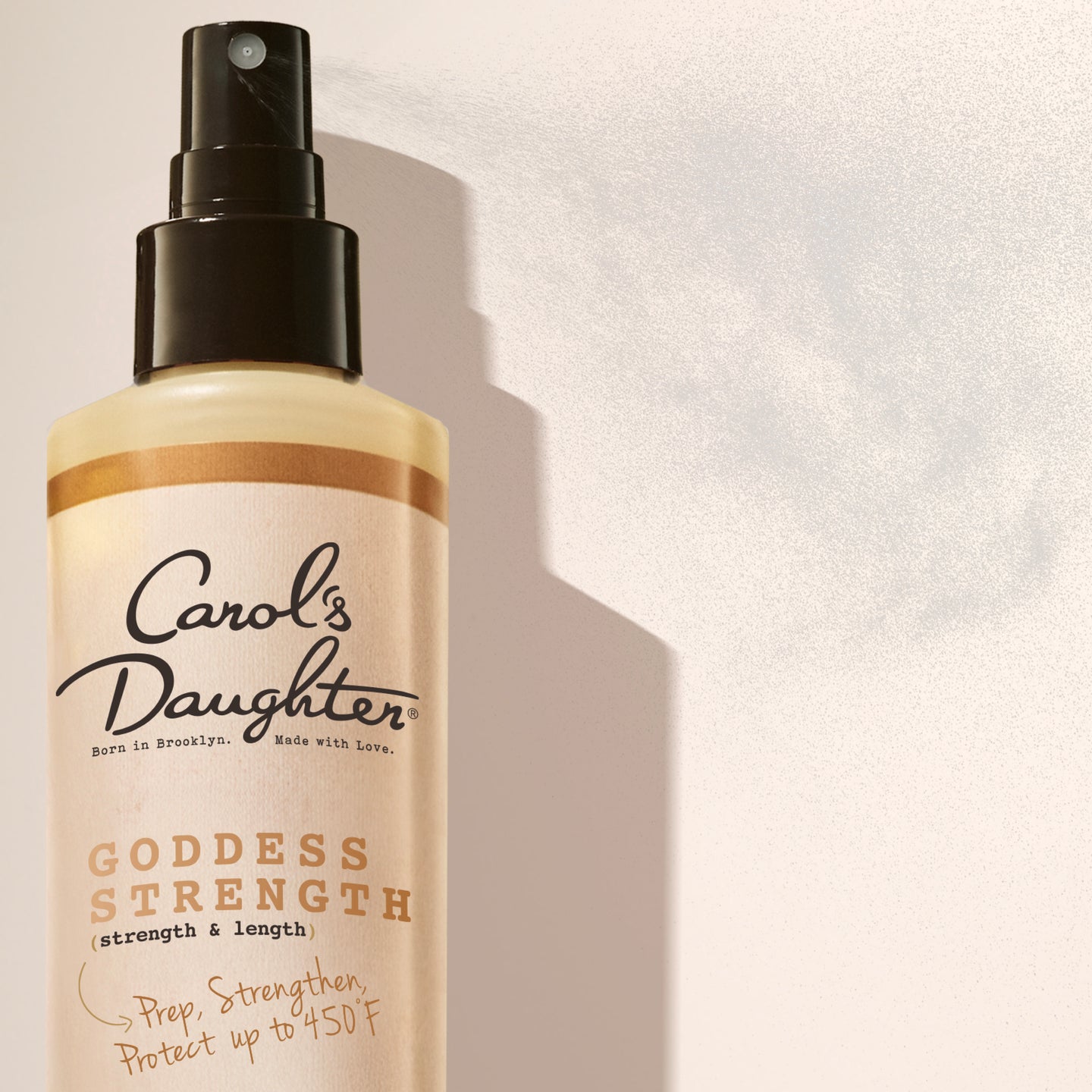
A light blowout makes most braided styles easier to install. Apply the Goddess Strength Divine Strength Leave-In Milk as a heat protectant (up to 450°F) before blow-drying on low heat.
If you skip the blowout, your install still works — it just takes more time to section.
5. Lay Your Edges
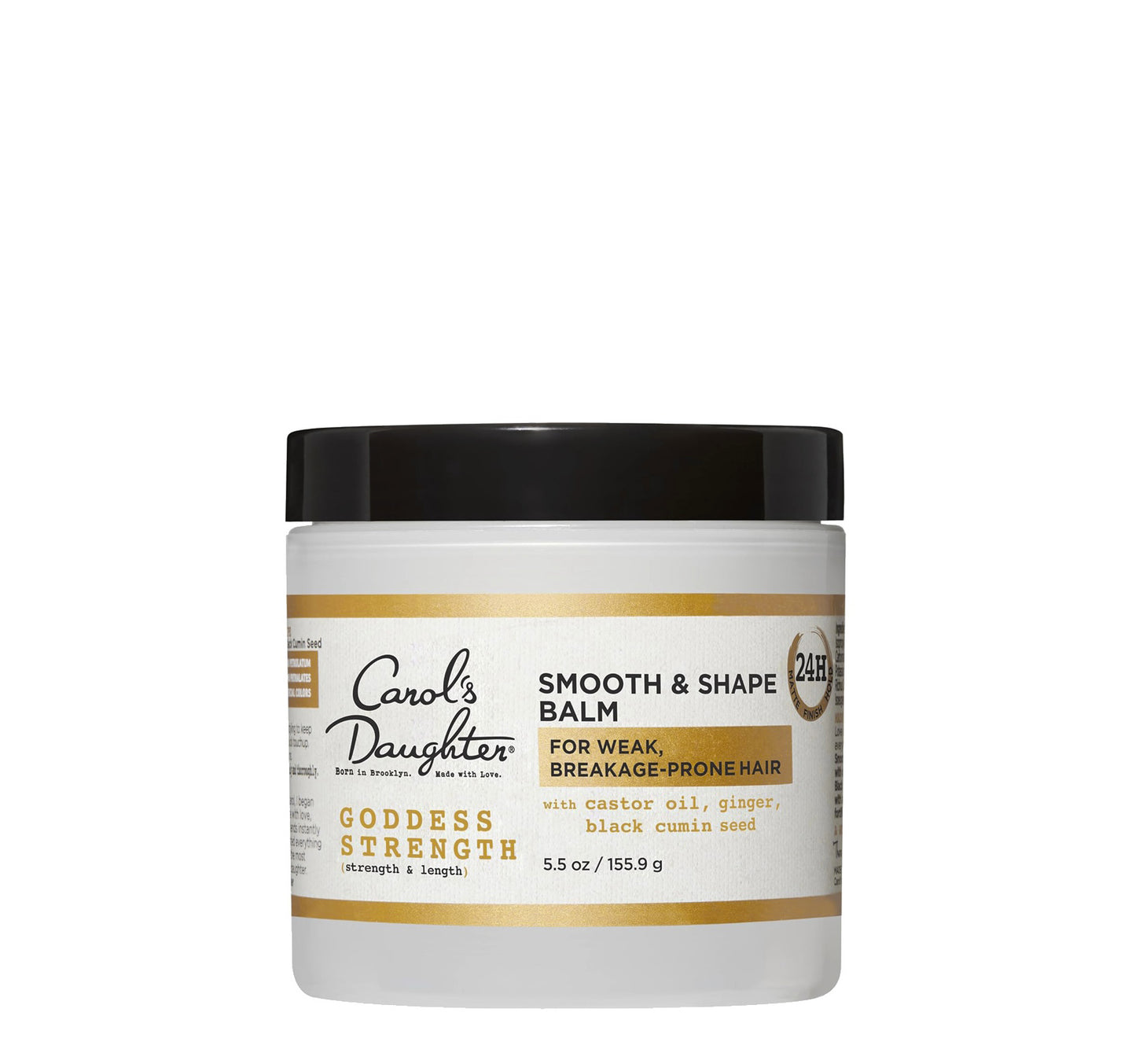
Once your braids are installed, smooth your edges with the Goddess Strength Smooth & Shape Balm using a soft toothbrush. For full edge styling guidance, see our complete guide to laying edges for beginners.
How to Care for Braided Styles
Three habits that extend the life of any braided install.
Moisturize Your Scalp
Apply the Goddess Strength 7-Oil Blend Hair & Scalp Oil directly to your scalp 2–3 times per week. The 7-oil blend supports stronger hair while keeping your scalp hydrated under your braids.
Wash Regularly
Even with braids, weekly or bi-weekly washing keeps your scalp healthy. Dilute sulfate-free shampoo with water, apply directly to your scalp, massage gently, rinse, and dry completely to prevent mildew.
Protect at Night
Sleep on a satin or silk pillowcase, or wear a satin scarf or bonnet over your braids. The friction from cotton breaks down even the best installs within days.
If you're recovering from a damaged install, see our complete damaged hair recovery guide and our hair breakage causes and treatments guide.
Frequently Asked Questions About Braided Hairstyles
What's the easiest braided style for beginners?
Box braids without extensions or a basic side French braid are the most beginner-friendly. Both require only the three-strand braid technique and no specialized tools or feed-in moves. Bubble braids are even easier — just ponytail + elastics.
How long do braided styles last?
It varies dramatically: 1 day for bubble braids and casual styles, 4–6 weeks for traditional box braids, 6–12 weeks for knotless braids with proper care. Always plan to take styles down before the matting starts.
Are braided styles damaging to natural hair?
Done right, no — they protect your hair. Damage happens when braids are too tight (causing traction alopecia), worn too long (causing matting and breakage), or installed on dry, fragile hair. Prep, care, and timing matter more than the style itself.
Do I need extensions for braided styles?
It depends on the style. Many styles work on natural hair alone if it's long enough (typically 4+ inches). Extensions add length, volume, and longevity — but aren't required for box braids, cornrows, French braids, bubble braids, or most updos.
What's the difference between cornrows and French braids?
The technique. Cornrows use an underhand braiding motion that twists the hair outward (creating raised braids that sit against the scalp). French braids use an overhand motion that twists hair inward (creating an inverted look). Cornrows look flatter and sleeker; French braids look more dimensional.
Can I do braided styles on short natural hair?
Yes — you typically need 3–4 inches minimum. Short-hair-friendly options include the braided bob, shorter cornrow styles, feed-in braids with extensions, and quick styles like bubble braids on shoulder-length hair. For very short hair, crochet styles can work too.
How do I keep my edges healthy during braided styles?
Avoid tight installs along your hairline, use the Goddess Strength Smooth & Shape Balm with a soft toothbrush (not aggressive brushing), and apply daily moisture even with the style installed. For severe edge thinning, see our complete guide to growing your edges back.
Ready to braid?
For protective styling products → Shop stylers & protective styling
For scalp care under braids → Shop the Goddess Strength collection
For pre-install repair → Shop the Born to Repair collection
Not sure where to start? → Take the Curl Quiz