

7 Hair Strengthening Tips for Weak Curly Hair


7 Hair Strengthening Tips for Weak Curly Hair
By Carol's Daughter — Updated May 2026
Quick Answer: Weak curly hair comes from a combination of factors — fine strand structure, friction, split ends, over-processing, and porosity issues. To strengthen weak hair: use sulfate-free repairing shampoo, deep condition weekly, apply leave-in daily, seal with oil, sleep on satin, trim every 6–8 weeks, and use protective styles strategically. Strengthening takes consistency — give it 8 weeks before judging results.
Even hair that's well-cared-for can become weak. Deep conditioned, regularly trimmed, protected at night — and still feeling brittle, limp, or breakage-prone.
The truth is, hair strengthening works a lot like fitness. It takes the right combination of products, techniques, and consistency over time. There's no overnight fix, but the routine below — when you stick to it — rebuilds curly hair into stronger, healthier strands.
This guide covers what's making your hair weak, how to diagnose it, and the 7 strengthening habits that actually work.
Why Is My Curly Hair So Weak?
Hair weakness usually comes from a combination of these five causes.
1. Hair Structure
If your strands are naturally fine, they're more vulnerable to breakage than thicker hair. Fine doesn't mean weak — it means the hair has less material per strand to absorb stress. The same handling that doesn't faze coarse hair can break fine hair quickly.
For more on caring for fine textures specifically, see our guide to fine curly hair.
2. Friction
Sleeping on cotton pillowcases, drying with terry cloth towels, and rough detangling all create friction that lifts and damages the cuticle. The damaged cuticle is what makes hair feel weak, brittle, and frizz-prone.
3. Untrimmed Split Ends
Split ends don't stay at the tip. Without trims, they keep traveling up the shaft, weakening the strand at every level. By the time you notice the weakness, the splits may be inches up.
For more, see our guide to managing split ends on curly hair.
4. Over-Processing
Bleach, dye, relaxers, perms, and frequent heat styling all break down the protein bonds inside your hair. Over-processed hair feels weak because its internal structure has been compromised.
If this applies to you, see our recovery guides for bleach damage or heat damage.
5. Porosity Issues
Both ends of the porosity spectrum cause weakness:
- High porosity hair absorbs water quickly but loses it just as fast — over-stretching can lead to breakage when wet
- Low porosity hair struggles to absorb moisture, leaving strands dry and brittle
Either extreme creates weakness over time. Knowing your porosity helps you adjust your routine to compensate.
How to Diagnose Weak Hair
Three simple tests tell you whether your hair is weak.
The Stretch Test
Take a wet strand of hair and gently stretch it.
- Strong hair: stretches a bit, then bounces back to its original shape
- Weak hair: stretches and stays stretched, or takes a long time to recover
- Severely damaged hair: snaps under the slightest tension
The Pull Test
Take a single strand and gently pull it from both ends.
- Strong hair: holds firm under moderate tension
- Weak hair: breaks with very little effort
The Visual Check
Look at your hair under good light. Signs of weakness:
- Limp, flat curls that don't hold their shape
- Visible split ends or feathered tips
- Frizz that won't smooth with product
- Single-strand knots that appear faster than usual
- Increased breakage in your sink, comb, or shoulders
If two or more of these check out, your hair needs a strengthening routine.
Find Your Personalized Routine
Knowing your curl type and porosity helps you build a routine that strengthens your specific texture.
Take the Curl Quiz → A 5-step quiz that identifies your hair type, main concerns, and the products built for your texture.
7 Tips to Strengthen Weak Curly Hair
Strengthening hair isn't about doing more — it's about doing the right things consistently. These seven habits, done weekly, rebuild weak hair into stronger curls over 8–12 weeks.
1. Use a Repairing, Sulfate-Free Shampoo
Sulfates strip the moisture and natural oils your hair needs to rebuild. The first switch in any strengthening routine: ditch sulfate shampoos entirely.
The Born to Repair Sulfate Free Nourishing Shampoo is built specifically for damaged hair — shea butter, Amazonian nut oil, and babassu oil clean while supporting recovery.
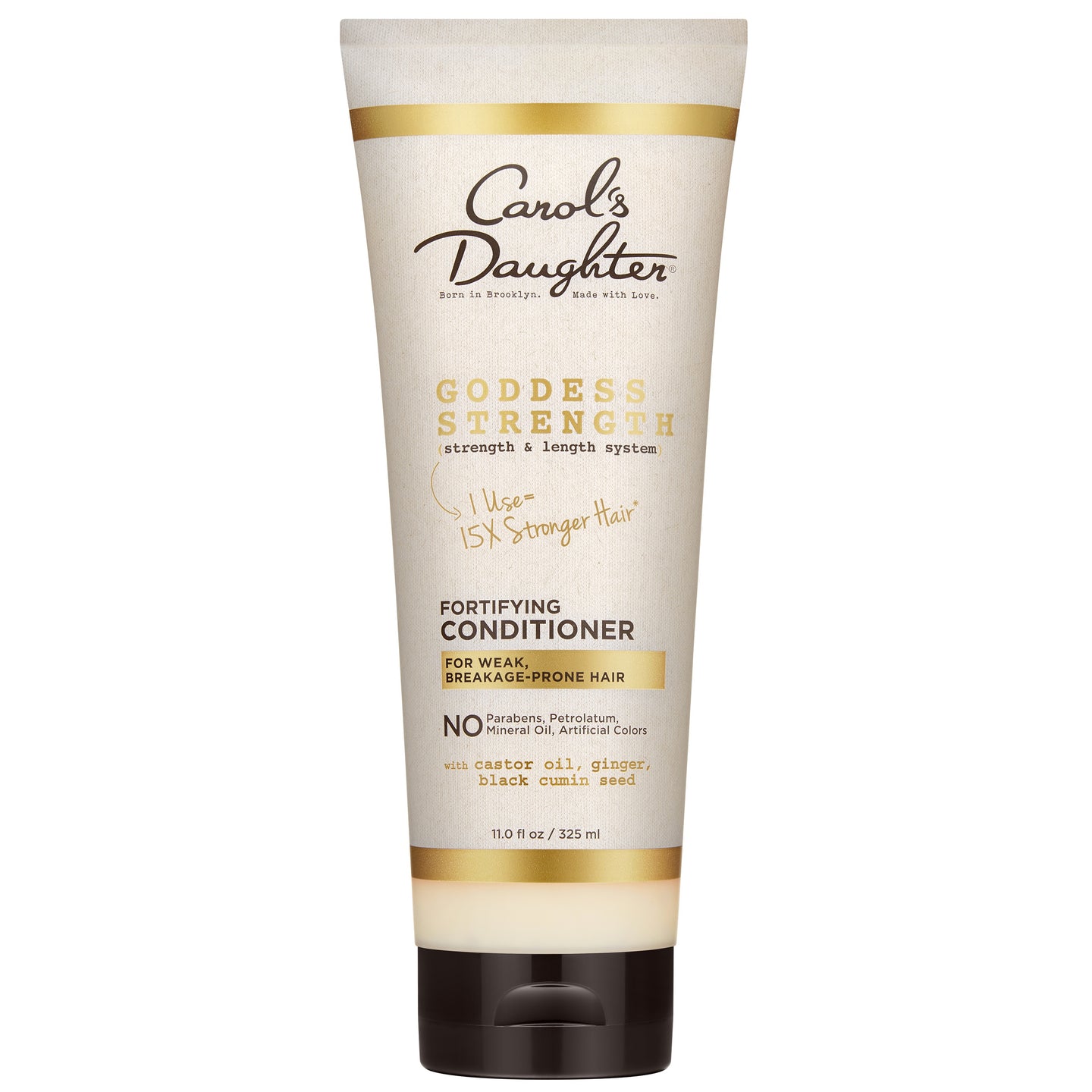
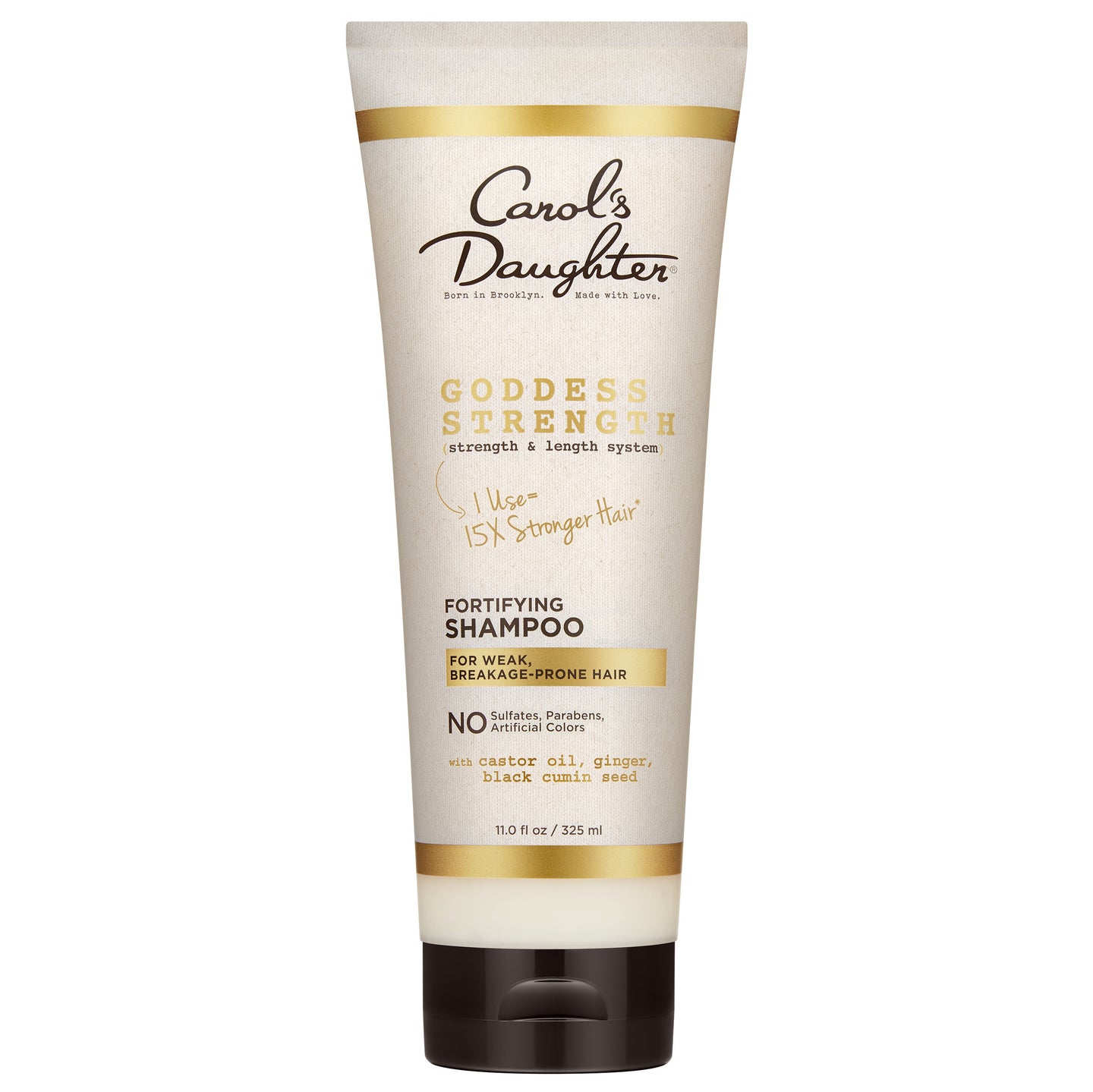
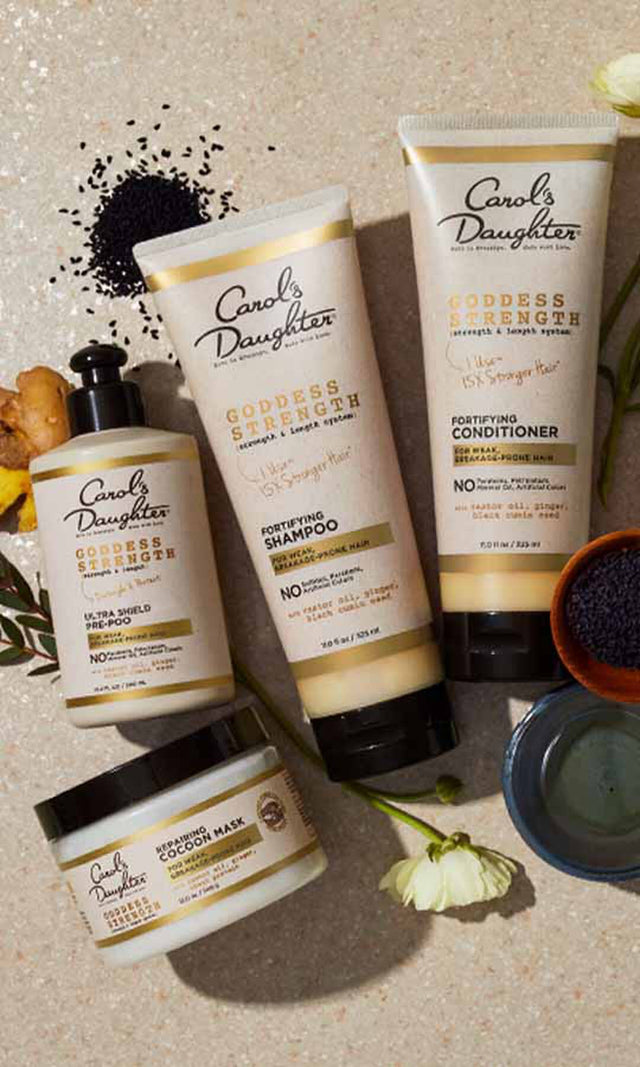
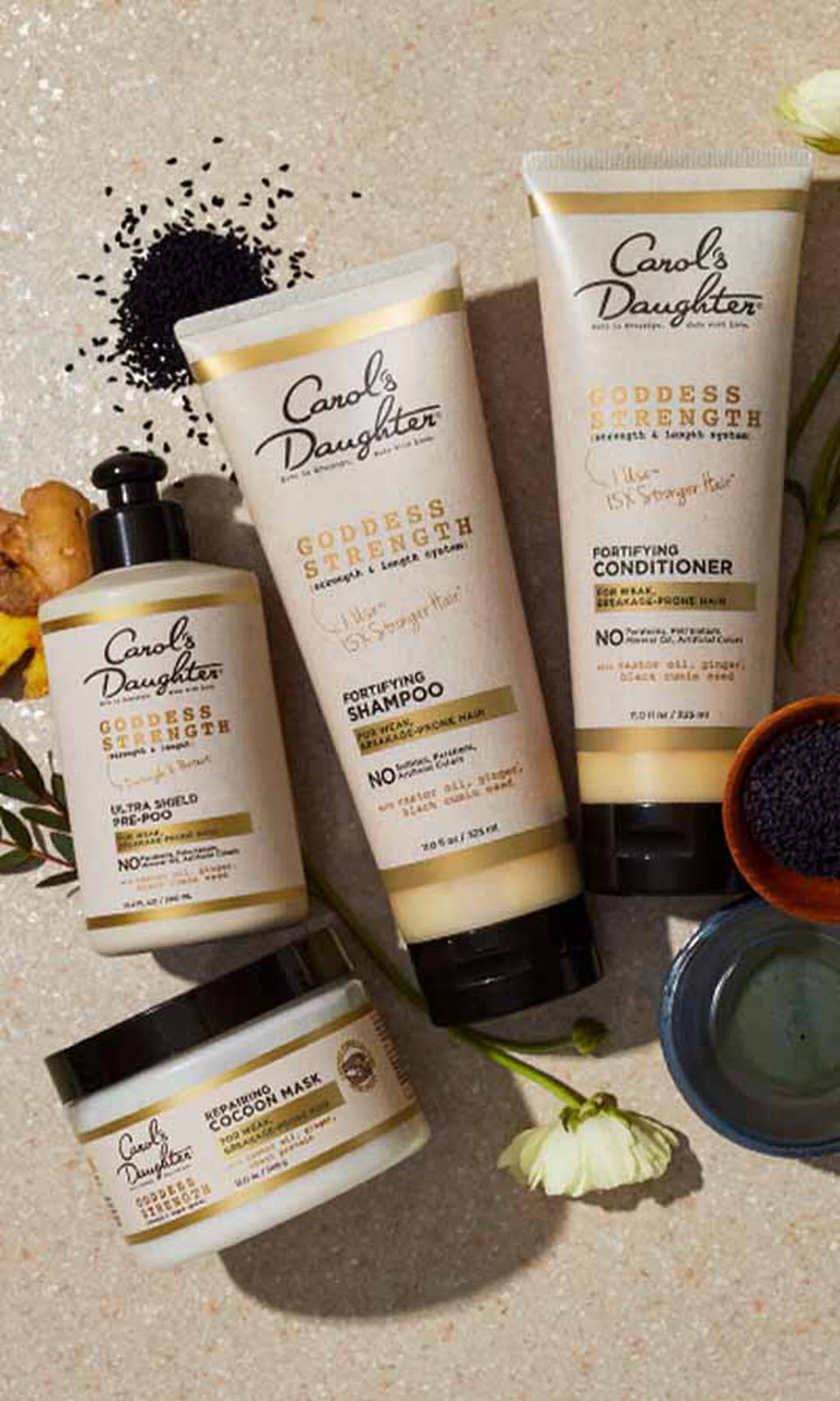
For more strengthening as you cleanse, the Goddess Strength Fortifying Shampoo with Castor Oil reinforces weak strands with castor oil, black cumin seed oil, and ginger. The Goddess Strength line delivers up to 7x stronger hair and 86% breakage reduction with regular use.
2. Wash With Lukewarm Water
Hot water lifts your hair cuticle and strips natural oils — both of which weaken hair over time.
Wash with lukewarm water (slightly above body temperature). It's warm enough to clean effectively without the moisture loss that comes with hot water. Finish with a cool rinse to seal the cuticle.
3. Deep Condition Weekly
Weekly deep conditioning is non-negotiable for strengthening weak hair. It's where real repair happens.
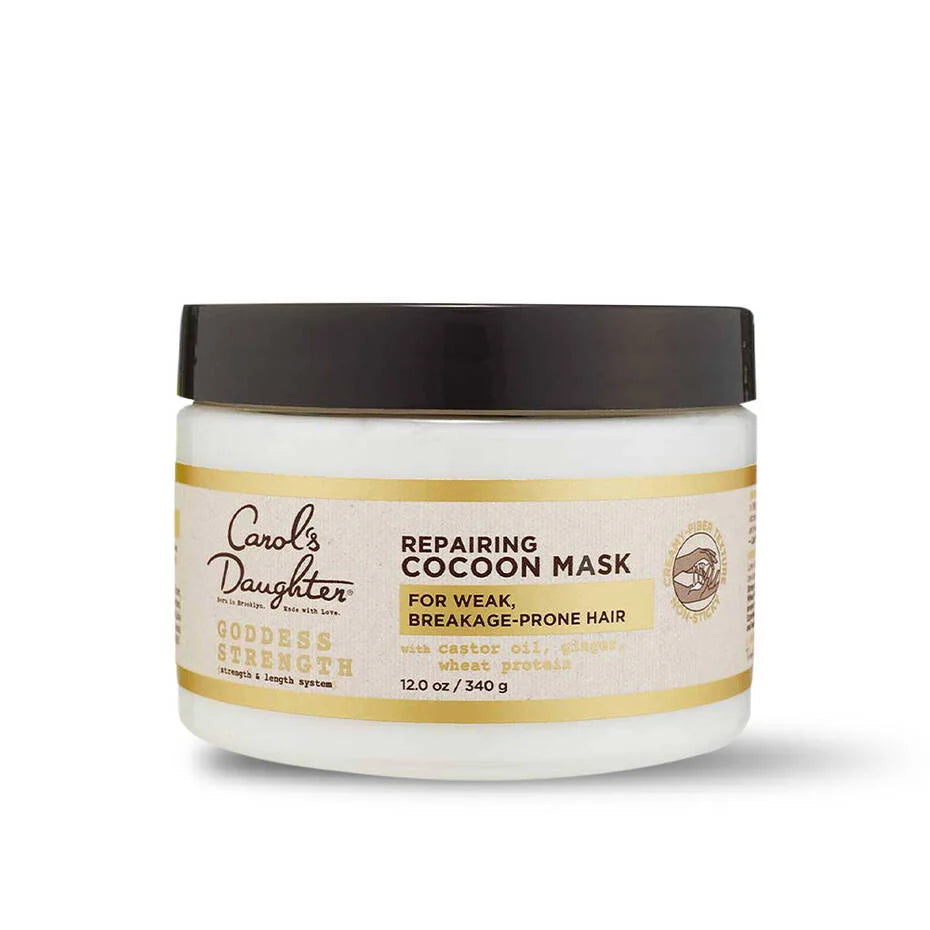
The Goddess Strength Cocoon Hydrating Hair Mask delivers an intense moisture treatment that helps restore, strengthen, and protect weak strands.
For deeper penetration:
- Apply to clean, damp hair from mid-shaft to ends
- Cover with a shower cap
- Use a hair steamer or sit in a steamy bathroom for 10–15 minutes
- Rinse with cool water
For a faster option, the Born to Repair 60-Second Moisture Treatment with Shea Butter delivers concentrated repair in just one minute.
4. Detangle Gently With Slip
Rough detangling is one of the biggest sources of mechanical breakage on weak hair.
The Hair Milk Original Leave-In Moisturizer gives you the slip you need to detangle without breakage. Apply to soaking-wet hair, work in 4–6 sections, and detangle from ends to roots — never the other way.
For full guidance, see our complete detangling guide.
5. Layer in a Strengthening Leave-In
A daily leave-in is what protects your hair between washes. Without one, weak hair stays weak.
The Born to Repair Defining Leave-In Cream with Shea Butter restores moisture while defining curls — shea butter, jojoba, and Amazonian nut oil work together to fortify your strands.
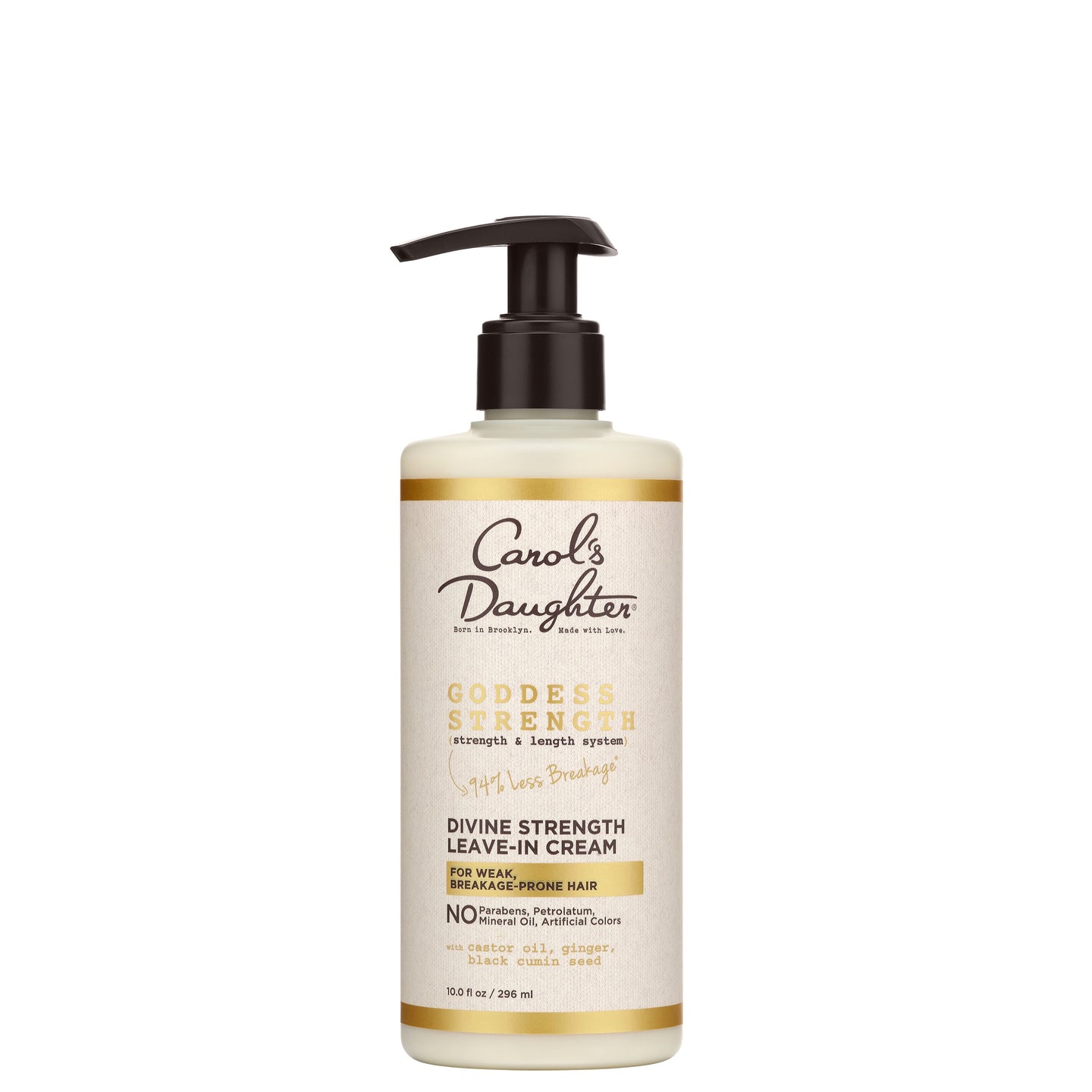
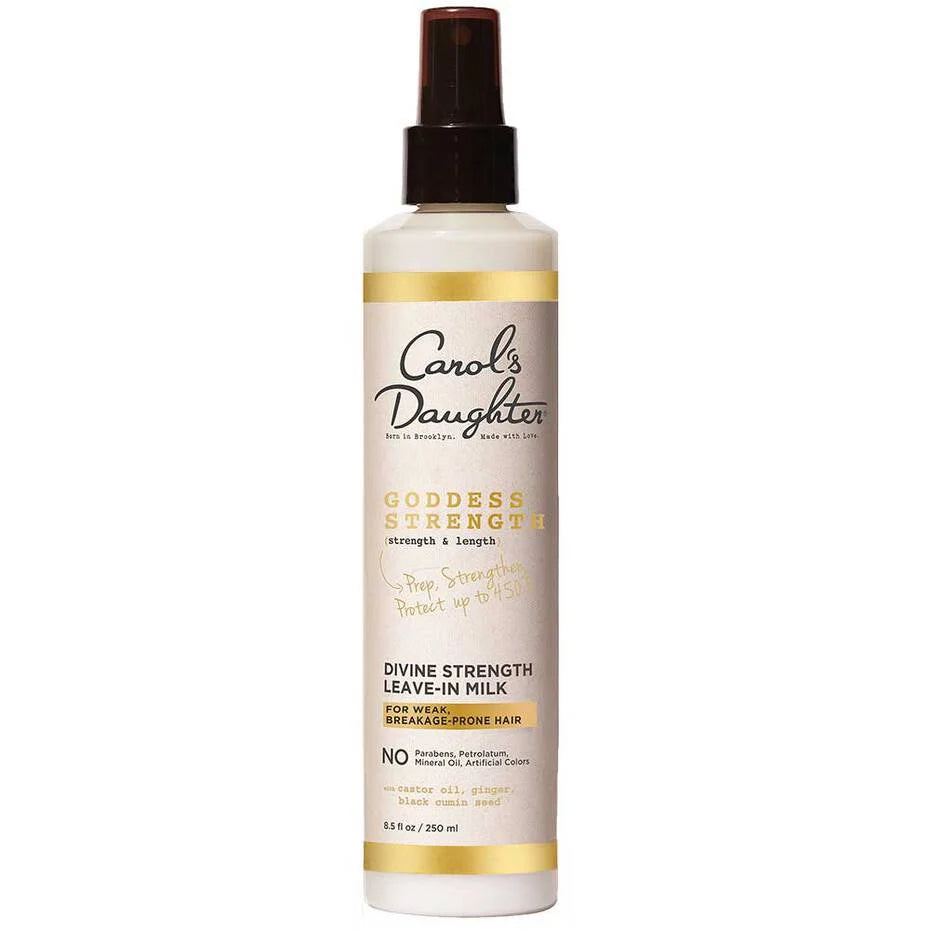
For more strengthening alongside hydration, the Goddess Strength Divine Strength Leave-In Cream reinforces weak strands while it moisturizes — castor oil, black cumin seed oil, and ginger work together.
6. Seal With Oil
The final step in your routine determines how long your moisture lasts.
The Goddess Strength 7-Oil Blend Hair & Scalp Oil seals moisture into the strand and adds a protective layer. The 7-oil blend includes castor and black cumin seed — two of the most effective oils for strengthening weak hair.
A few drops, warmed between your palms, smoothed from mid-shaft to ends.
7. Get Regular Trims
Strengthening hair while keeping damaged ends doesn't work — splits keep traveling up and undoing your progress.
Trim cadence for strengthening:
- Every 4–6 weeks if you're recovering from significant damage
- Every 6–8 weeks for active strengthening
- Every 8–12 weeks for maintenance once your hair feels strong again
Small, consistent trims protect more length than infrequent major chops.
Two More Habits That Strengthen Hair
Beyond the wash-day routine, two daily habits make a real difference.
Sleep on Satin or Silk
Cotton pillowcases create friction that compounds weakness over time. Switch to a satin or silk pillowcase, or wear a satin bonnet or scarf to bed. This single change protects your hair through 8 hours of overnight movement.
Use Protective Styles Strategically
Protective styles tuck your ends away from sun, wind, friction, and your own hands. Braids, twists, buns, and crochet styles all give your hair time to rest while still looking great.
A few rules:
- Don't keep any style in longer than 6–8 weeks
- Make sure styles aren't too tight (tension causes its own breakage)
- Moisturize your scalp regularly even with the style installed
- Take styles down patiently, with detangler and slip
How Long Does It Take to Strengthen Hair?
There's no overnight transformation. Plan for at least 8 weeks of consistent care before evaluating results.
Typical timeline:
- Weeks 1–2: Hair feels softer, easier to detangle. Frizz starts to calm.
- Weeks 3–4: Less breakage in your comb. Curls start holding shape better.
- Weeks 5–8: Visible improvement in strength, definition, and length retention.
- Weeks 8–12: Significant changes. Hair tests as stronger in stretch and pull tests.
- Beyond 12 weeks: Continued improvement as new, stronger growth comes in.
Track your progress by paying attention to how much hair you lose during detangling — that's the clearest signal whether your strengthening efforts are working.
When to Call in Reinforcements
Some weakness signals need more than a routine adjustment.
See a stylist for a major trim if:
- Splits are more than an inch up the strand
- Your ends feel significantly different from the rest of your hair
- Multiple sections of your hair are affected
Address damage directly with our recovery guides if:
- You've recently bleached, dyed, or relaxed your hair
- Heat styling has changed your curl pattern
- You're seeing significant breakage during everyday handling
For broader damage repair, see our complete damaged hair recovery guide or our hair breakage causes and solutions guide.
Frequently Asked Questions About Strengthening Curly Hair
How can I strengthen my hair fast?
There's no fast strengthening — that's an honest answer. The fastest visible results come from immediate routine changes: switching to sulfate-free shampoo, adding weekly deep conditioning, daily leave-in, and a sealing oil. You'll feel a difference within 2 weeks. Real structural strengthening takes 8 weeks or more.
What's the best ingredient for strengthening hair?
Castor oil, shea butter, and black cumin seed oil are three of the most effective. Castor oil seals moisture and supports stronger strands; shea butter delivers deep moisture and protection; black cumin seed soothes and supports scalp health. Carol's Daughter products combine all three across the Goddess Strength and Born to Repair lines.
Should I use protein treatments to strengthen hair?
Sometimes, yes. Protein treatments rebuild the structural bonds that damage breaks down. But protein needs to be balanced with moisture. Too much protein on already-stressed hair makes it stiff and brittle. Aim for a protein treatment every 4–6 weeks during active strengthening, and always follow with a moisturizing treatment.
Can low-porosity hair be strengthened?
Yes — but the approach differs. Low-porosity hair benefits from heat-assisted treatments (use a steamer or shower cap with a deep conditioner), lighter products that don't sit on the surface, and humectants like glycerin that draw moisture in. Avoid heavy oils that won't absorb.
Does diet affect hair strength?
Yes. Hair is made of protein (keratin), so adequate protein intake is foundational. Iron, zinc, biotin, vitamin D, and omega-3 fatty acids all support stronger hair growth. If your hair is consistently weak despite a good routine, it's worth checking your diet — and getting bloodwork to rule out deficiencies.
Is hair strengthening the same as hair growth?
Not exactly. Strengthening focuses on making your existing hair more resilient and reducing breakage. Growth happens at the follicle and is influenced by overall health, scalp condition, and time. Strengthening leads to length retention, which makes your hair appear to grow faster — but the actual growth rate is set by your follicles.
Ready to start strengthening?
For damage repair and strength → Shop the Born to Repair collection
For 7x stronger hair → Shop the Goddess Strength collection
Browse by hair concern → Shop hair breakage
Not sure where to start? → Take the Curl Quiz