

Everything You Need to Know About Low Porosity Hair


Everything You Need to Know About Low Porosity Hair
By Carol's Daughter — Updated May 2026
Quick Answer: Low porosity hair has tightly closed cuticles that resist moisture absorption — products sit on top of strands instead of penetrating, and water beads off rather than soaking in. The biggest signs: hair takes forever to get fully wet, products feel like they're sitting on top, and the hair often feels dry no matter how much moisturizer you apply. Care priorities: use heat or steam to open the cuticle, choose lightweight water-based products, avoid heavy butters and sealing oils (coconut, castor), incorporate humectants, and apply products in small sections to small amounts of hair at a time.
If your hair feels dry no matter how much product you apply, water beads up on your strands like rain on a freshly waxed car, and shampoo sits on top instead of lathering — you likely have low porosity hair.
Low porosity isn't a problem to fix. It's just a different relationship with moisture that requires different products and techniques.
Here's everything you need to know about low porosity hair — what it is, how to identify it, what to avoid, and the routine that actually works.
What Is Low Porosity Hair?
Porosity refers to your hair cuticle's openness — how easily moisture can enter and exit your hair shaft.
Each hair strand has an outer cuticle layer made of overlapping cells (like shingles on a roof). The arrangement of those cells determines your porosity:
- Low porosity: Cuticles are tightly closed and overlapped
- Medium porosity: Cuticles are balanced — moderately open
- High porosity: Cuticles are open or damaged — gaps and lifted edges
In low porosity hair, the cuticle is so tightly sealed that water molecules struggle to penetrate the hair shaft. Moisture (water, conditioner, oils) tends to bead up on the surface and roll off rather than soaking in.
The result: hair that's persistently dry despite your best moisturizing efforts.
For the full porosity breakdown including medium and high porosity, see our complete guide to hair porosity.
How to Test Hair Porosity
The water-glass test is the easiest at-home porosity test.
Step 1: Wash your hair with a clarifying shampoo to remove all product buildup. The Born to Repair Sulfate Free Nourishing Shampoo cleanses gently while preventing damage — a good baseline cleanse for porosity testing.
Step 2: Let your hair fully dry — no products, no manipulation.
Step 3: Fill a glass with room-temperature water.
Step 4: Pull a few clean strands from different parts of your head and drop them in.
Step 5: Watch what happens over 2–4 minutes.
| Where the Strand Lands | Porosity Type |
|---|---|
| Floats on top | Low porosity |
| Floats in the middle | Medium porosity |
| Sinks to the bottom | High porosity |
If multiple strands land at different levels, you may have mixed porosity — common among people with multi-textured hair.
Low porosity is genetic in most cases — it's not something you caused or can fundamentally change. But with the right routine, low porosity hair becomes very manageable.
Find Your Personalized Routine
Your specific curl type combined with your porosity determines what products work best.
Take the Curl Quiz → A 5-step quiz that identifies your hair type, main concerns, and the products built for your texture.
How Do I Know I Have Low Porosity Hair?
Beyond the water test, there are clear behavioral signs of low porosity hair.
Sign 1: Products Don't Absorb
You apply your favorite leave-in or styling cream and it sits on top of your hair, refusing to soak in. Your strands feel coated rather than nourished.
Sign 2: Hair Takes Forever to Get Wet
When you step into the shower, water seems to roll off your hair instead of saturating it. You stand under the water for 30+ seconds and your hair still feels dry to the touch.
Sign 3: Hair Takes Forever to Dry
Once it IS finally wet, low porosity hair takes much longer to dry than other porosities. The same tightly closed cuticle that resists water absorption also traps moisture inside once it's there.
Sign 4: Protein Treatments Make It Worse
Protein treatments help some hair types — not low porosity. If you've tried a protein-rich treatment and your hair felt stiff, straw-like, or worse afterward, you may have low porosity hair. Protein on low porosity strands sits on the surface and creates rigidity rather than reinforcement.
For more on hair concerns generally, see our complete guide to taking care of curly hair.
How to Care for Low Porosity Hair: 7 Essential Tips
1. Don't Skip Cleansing
Low porosity hair doesn't absorb products well — which means product buildup accumulates faster on the surface. Regular cleansing is essential.
The Born to Repair Sulfate Free Nourishing Shampoo is reparative and gentle — leaves hair more moisturized and stronger than traditional shampoos. Color-safe and won't add to buildup issues.
For more on wash technique, see our complete guide to washing curly hair.
2. Use Heat and Steam to Open the Cuticle
This is the single most impactful low-porosity tip.
Heat (warm water, steam) lifts the cuticle temporarily — letting moisture and products actually penetrate the hair shaft. Without heat, products mostly sit on top.
How to apply heat for absorption:
- Use lukewarm-to-warm water (not hot) when washing
- After applying conditioner or deep treatment, sit under a hooded dryer or use a hair steamer
- No steamer? Take a hot shower after applying treatment — the bathroom steam helps lift the cuticle
- Wrap a warm towel around treated hair for 10–15 minutes
3. Apply Products in Sections With Warm Water
Don't slather product on dry, sectionless hair. Take your time:
- Section hair into 4–6 parts
- Apply products to each section while hair is wet
- Use warm water to dampen each section before product application
- This opens the cuticle locally so products absorb section by section
4. Try Steam Treatments
After shampooing, apply a moisturizing conditioner like the Born to Repair Nourishing Conditioner with Shea Butter, then add steam.
Steam methods:
- Hair steamer (purpose-built tool, most effective)
- Hooded dryer with a plastic cap over conditioned hair
- Bathroom steam — sit in the bathroom while running a hot shower
15–30 minutes of steam treatment dramatically improves how well low porosity hair absorbs moisture.
5. Load Up on Humectants
Humectants attract moisture from the air into your hair — they're especially valuable for low porosity hair because they work where conventional moisturizers struggle.
Look for these humectants on product labels:
- Hyaluronic acid
- Honey
- Glycerin
- Aloe vera
- Panthenol (Pro-Vitamin B5)
These ingredients work with low porosity hair's natural barriers rather than fighting them.
6. Steer Clear of Heavy Products and Sealing Oils
Counterintuitive but crucial: low porosity hair doesn't need rich butters or heavy sealing oils.
Avoid:
- Coconut oil — large molecule that sits on top of low porosity strands without penetrating
- Castor oil — too heavy and sealing
- Heavy shea butters used as a final seal — adds weight without absorption
- Thick creams — sit on top, weighing down your hair
- Highly acidic products (apple cider vinegar rinses) — designed to close the cuticle, opposite of what low porosity needs
Reach for instead:
- Lightweight moisturizers like the Born to Repair Defining Leave-In Cream with Shea Butter — shea butter formulated in a lightweight base that absorbs better than heavy butters
- Light oils for shine like the Born to Repair Reviving Hair Oil with Shea Butter — 99% naturally derived, vegan, light enough to penetrate
- Water-based sprays for daily refreshes
7. Use Express Moisture Treatments
When traditional deep conditioners don't penetrate well, fast-acting moisture treatments can help.
The Born to Repair 60-Second Moisture Treatment with Shea Butter delivers concentrated moisture in just one minute — designed for hair that struggles with absorption. Apply to damp hair, wait 60 seconds, then continue your routine.
For more on hair masks generally, see our complete guide to hair masks for curly hair.
8. Don't Skip Regular Trims
Low porosity hair's tendency toward dryness makes split ends more likely. Schedule trims every 6–8 weeks to prevent damaged ends from spreading up the hair shaft.
For more, see our complete guide to split ends.
Best Products for Low Porosity Hair
The Born to Repair collection is exceptionally well-suited for low porosity hair — moisture-rich without being heavy.
| Step | Product | Why It Works for Low Porosity |
|---|---|---|
| Shampoo | Born to Repair Sulfate Free Nourishing Shampoo | Gentle, won't strip; doesn't add buildup |
| Conditioner | Born to Repair Nourishing Conditioner with Shea Butter | Use with steam for maximum absorption |
| Express Treatment | Born to Repair 60-Second Moisture Treatment with Shea Butter | Fast-acting moisture for hair that resists absorption |
| Leave-In | Born to Repair Defining Leave-In Cream with Shea Butter | Lightweight, absorbs well |
| Shine Oil | Born to Repair Reviving Hair Oil with Shea Butter | Light enough to penetrate; not a heavy sealer |
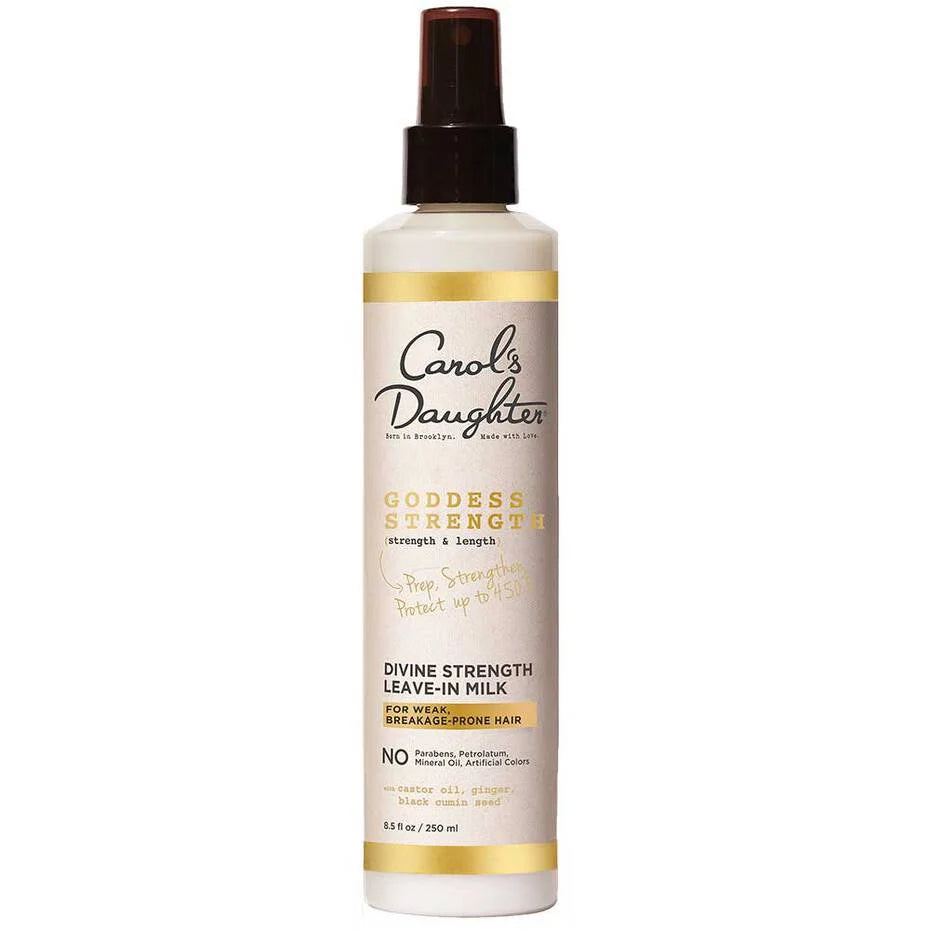
| Daily Refresher | Hair Milk Refresher Spray | Water-based, light spritz between washes |
Browse the full Born to Repair collection for the moisture-and-repair system designed for low porosity hair.
Frequently Asked Questions About Low Porosity Hair
Can low porosity hair be changed to medium or high porosity?
Naturally low porosity is genetic and largely permanent. However, low porosity hair can become more permeable through styling techniques (heat, steam) or — unfortunately — through damage (chemical processing, heat damage opening up the cuticle). The goal isn't to "fix" low porosity but to work with it.
Is low porosity hair healthier or unhealthier than other types?
Neither inherently. Low porosity hair has a strong, intact cuticle (often a sign of healthy structure) — but it also resists moisture, which creates dryness challenges. It's just a different starting point with different needs.
Why does my low porosity hair feel dry even after deep conditioning?
The treatment probably didn't actually penetrate. Try this fix: apply deep conditioner to damp (not soaking wet) hair, cover with a plastic cap, then add heat (hooded dryer or hot bathroom steam) for 15–30 minutes before rinsing.
Should I use protein treatments on low porosity hair?
Generally no. Low porosity hair tends to be protein-sensitive — protein sits on top of strands and creates stiffness without strengthening. Stick to moisture treatments instead. If you suspect you need protein (e.g., hair has lost elasticity), test with a mild protein product before committing to a full treatment.
Can I use coconut oil on low porosity hair?
Not as a regular product, no. Coconut oil's molecular structure makes it too large to penetrate tightly closed low porosity cuticles — it sits on top and creates buildup. If you love coconut oil, use it as an occasional pre-wash treatment with heat (so the cuticle is lifted while you apply it), not as a daily styling oil.
Does low porosity hair grow slower?
No — porosity doesn't affect growth rate. Low porosity hair grows at the same rate as other porosities. What can affect retention is breakage from dryness, which is more common in low porosity. The fix: better moisture techniques.
How do I know which products to avoid?
Read ingredient lists. Skip products with: coconut oil or castor oil in the top 5 ingredients, heavy butters (shea, cocoa) as the primary moisturizer, dimethicone (a heavy silicone), or "rich/thick/creamy" marketing for daily-use products.
Is curly hair always low porosity?
No. Curly hair is often drier, but porosity is independent of curl type. Two people with 4C hair can have completely different porosities. The water test is more reliable than assuming based on curl pattern.
Ready to upgrade your low porosity routine?
For your full low-porosity lineup → Shop the Born to Repair collection
For sulfate-free shampoos → Shop sulfate-free shampoos
For more porosity guidance → Read our complete guide to hair porosity
Not sure where to start? → Take the Curl Quiz