

Fine vs. Coarse Hair: How to Know the Difference


Fine vs. Coarse Hair: How to Know the Difference
By Carol's Daughter — Updated May 2026
Quick Answer: Fine vs. coarse hair refers to the diameter of individual hair strands — not the curl pattern, not the density, not how much hair you have. Fine hair has a small strand diameter (around 50 microns, about half the thickness of a sheet of paper) and only 2 cuticle layers, making it fragile and easily weighed down. Coarse hair has a larger diameter (around 120 microns) and 3 cuticle layers, making it stronger but prone to dryness and frizz. You can have fine curly hair or coarse straight hair — texture and curl pattern are separate from strand thickness.
If you've ever asked yourself what type of hair do I have? — you're not alone. Between curl type, density, porosity, and strand thickness, there's a lot to track.
One of the most-confused distinctions: fine vs. coarse hair.
Old-school thinking said curly and coily hair was automatically "coarse" while straight hair was "fine." That's wrong. Fine vs. coarse is about the diameter of your individual strands — completely separate from curl pattern or texture.
Here's how to tell the difference and care for whichever one you have.
What Is Fine Hair?
Fine hair has a very small strand diameter — roughly 50 microns (a micron is one-millionth of a meter, so 50 microns is about half the thickness of a sheet of printer paper).
Structure
Fine hair is made up of only two cuticle layers:
- Cuticle (outer protective layer)
- Cortex (inner protein structure)
The smaller diameter comes from a smaller amount of protein structure in the hair. This makes fine hair fragile, often silky, and thin in texture.
What Is Coarse Hair?
Coarse hair has a larger strand diameter — roughly 120 microns, nearly double that of fine hair.
Structure
Coarse hair is made up of three cuticle layers:
- Cuticle (outer)
- Cortex (middle)
- Medulla (innermost — the extra layer)
The medulla layer has a higher level of protein structure, making coarse hair appear fuller, thicker, and heavier. This extra structure also gives coarse hair more tolerance to manipulation — daily styling, heat tools, and some chemical treatments.
Find Your Personalized Routine
Your strand thickness combined with your curl type and porosity determines what products work best for you.
Take the Curl Quiz → A 5-step quiz that identifies your hair type, main concerns, and the products built for your texture.
How Do I Know If I Have Fine or Coarse Hair?
Three simple tests to identify your strand thickness.
The Finger Test
Take one strand of hair from your comb (or pluck one carefully). Rub it between your fingers.
- Strand feels rough, textured, or stiff → Likely coarse hair
- Can barely feel the strand or feel almost nothing → Likely fine hair
The Thread Test
Lay a single strand next to a piece of sewing thread.
- Strand is thinner than the thread → Fine hair
- Strand is thicker than the thread → Coarse hair
The Dryness Test
Coarse hair tends to be naturally drier than fine hair because oils have to travel down a wider, more layered strand.
- Hair is generally dry and needs lots of moisture → Likely coarse
- Hair is naturally oily or normal → Likely fine
If you get mixed results, you may have hair that varies across your head — totally normal.
Fine Hair vs. Coarse Hair: Quick Comparison
| Characteristic | Fine Hair | Coarse Hair |
|---|---|---|
| Strand diameter | ~50 microns | ~120 microns |
| Cuticle layers | 2 (cuticle + cortex) | 3 (cuticle + cortex + medulla) |
| Texture | Silky, soft | Thicker, fuller |
| Strength | Fragile, easily damaged | Stronger, more resilient |
| Moisture needs | Lower (naturally less dry) | Higher (often drier) |
| Heat tolerance | Low — damages easily | Higher tolerance |
| Weight tolerance | Low — gets weighed down | High — handles heavy products |
How to Care for Fine Hair
Fine hair is fragile and easily weighed down. The goal: clean, moisturized hair without flatness.
1. Keep Your Wash Routine Simple
Fine hair tends to get over-washed in attempts to fight greasy roots. Overwashing strips natural oils and creates an imbalance.
Aim for 2–4 times per week with a gentle sulfate-free combo. The Born to Repair Sulfate Free Nourishing Shampoo and Born to Repair Nourishing Conditioner with Shea Butter cleanse without stripping.
For more on wash frequency, see our complete guide to washing curly hair.
2. Choose Styling Products Wisely
Fine hair gets weighed down quickly. Stick to lightweight products applied from mid-shaft to ends (never roots).
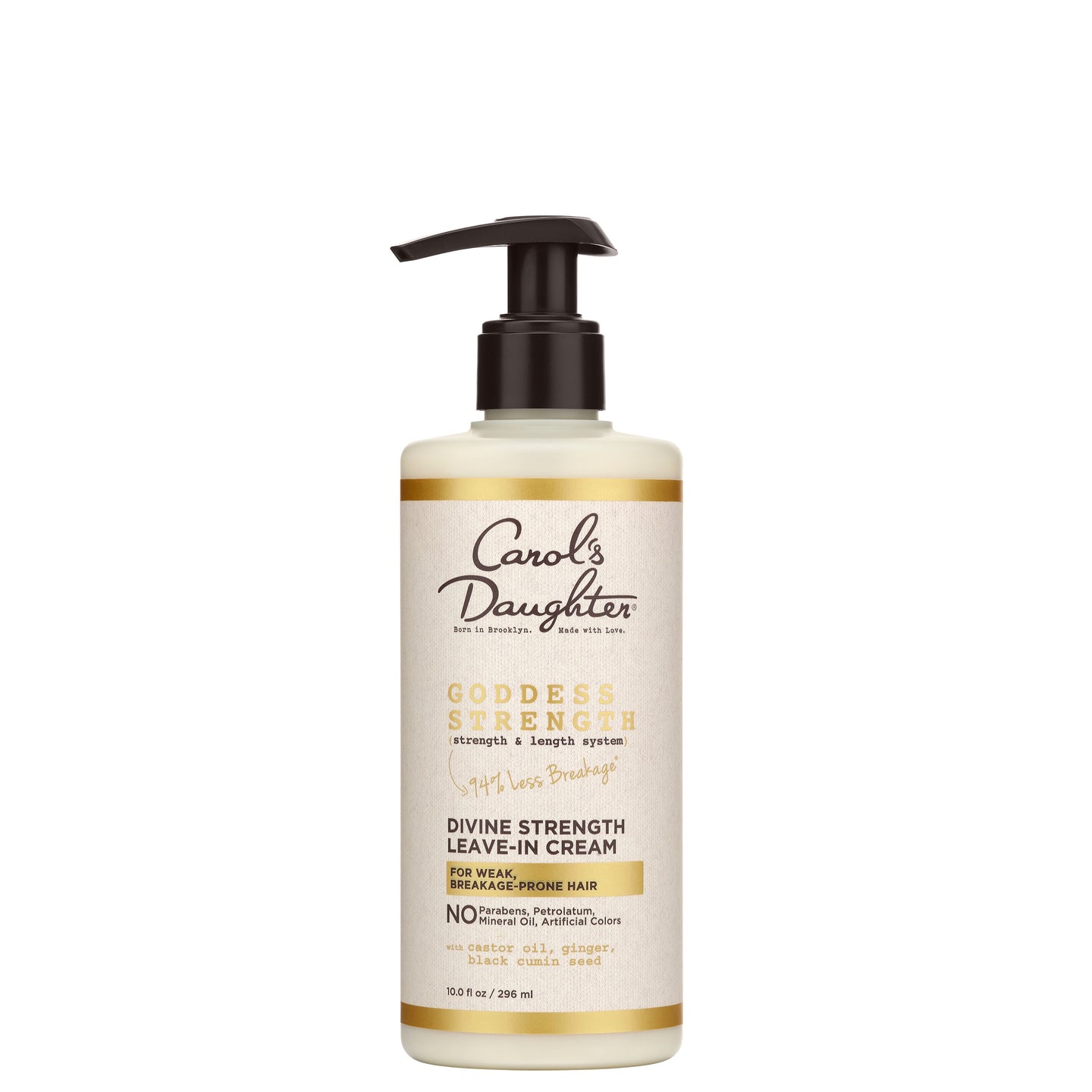
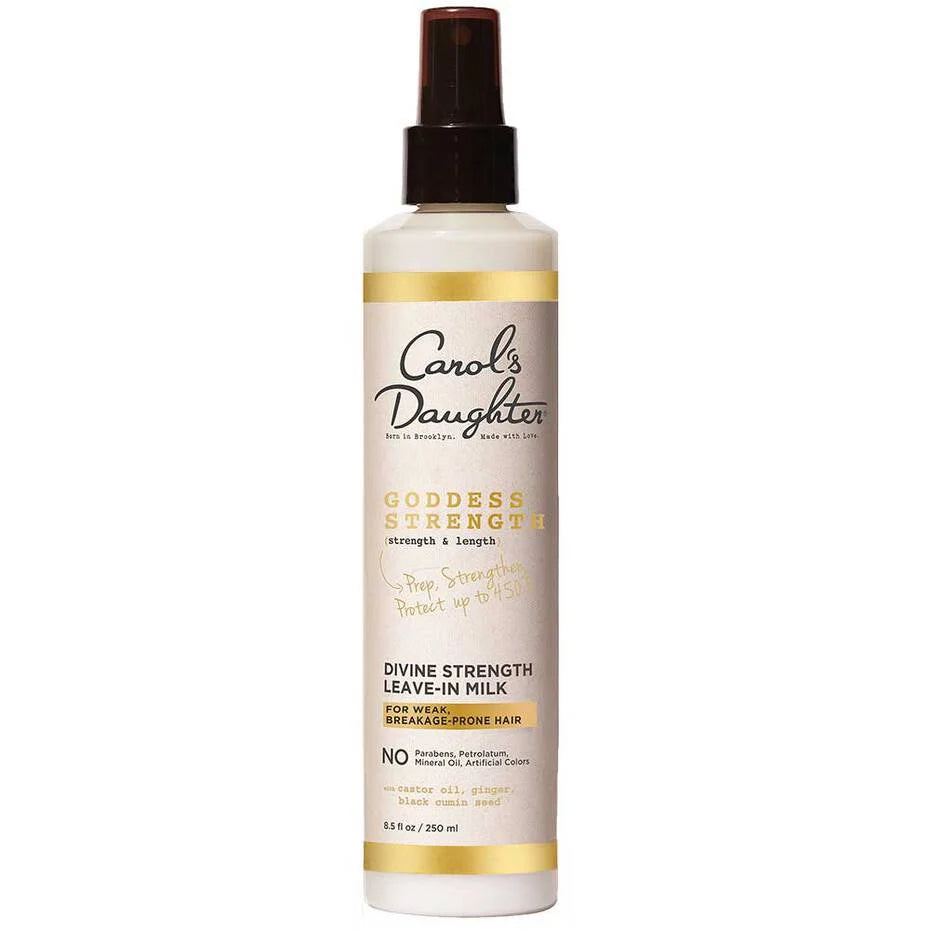
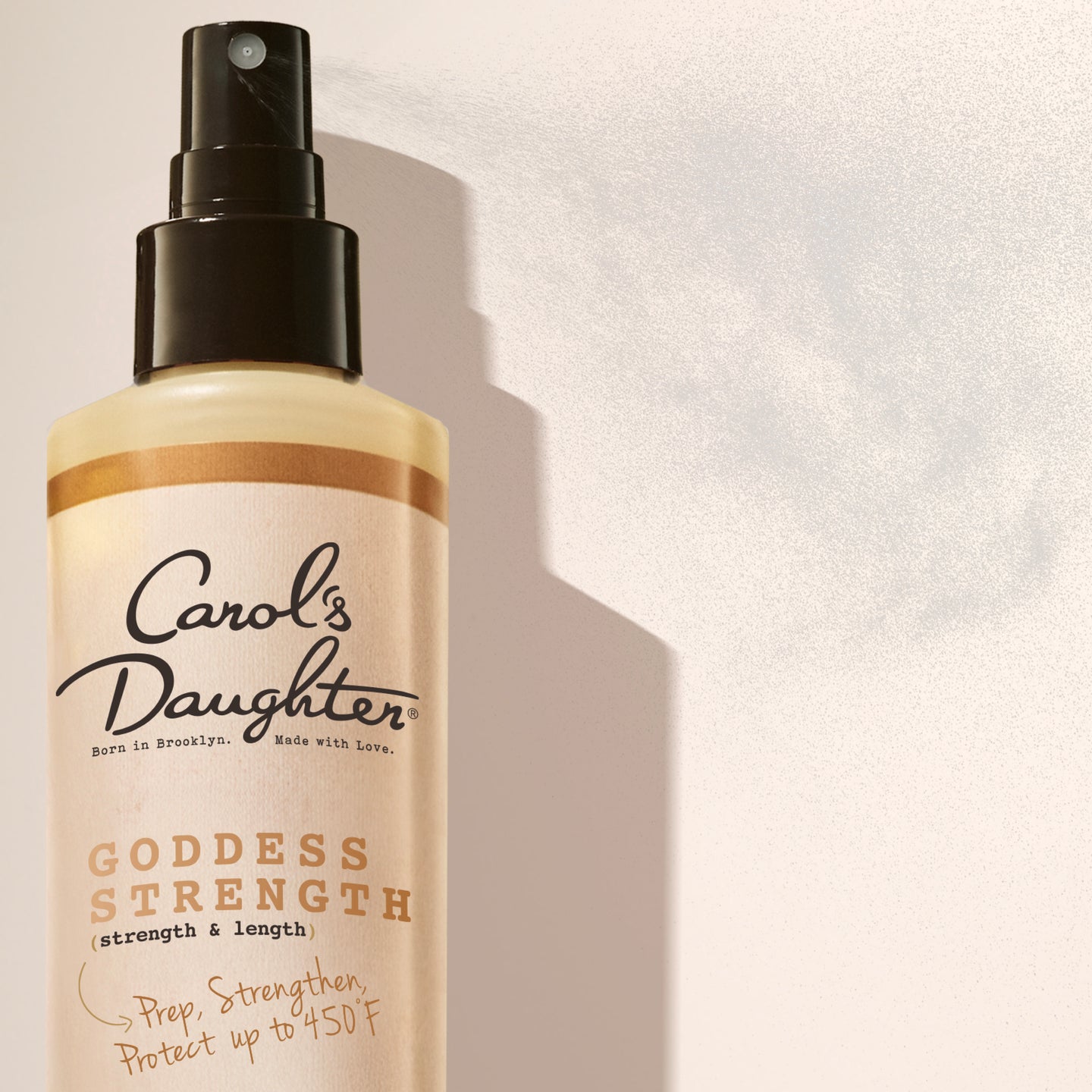
The Goddess Strength Divine Strength Leave-In Milk is ideal — lightweight, moisturizing, multitasks as a heat protectant up to 450°F. Doesn't weigh fine hair down.
Skip:
- Heavy butters
- Thick creams
- Rich oils applied to the lengths
3. Avoid Damaging Tools
Fine hair breaks easily. Skip heavy-duty brushes and fine-tooth combs.
Use:
- Fingers for gentle detangling
- Wide-tooth combs only when needed
- Microfiber towels (never terry cloth)
- Satin pillowcases overnight
For more, see our complete guide to detangling natural hair.
How to Care for Coarse Hair
Coarse hair is durable but drier and frizz-prone. The goal: deep moisture and frizz control.
1. Don't Skip Conditioning
Conditioner, oils, masks, and moisturizing creams are coarse hair's best friends.
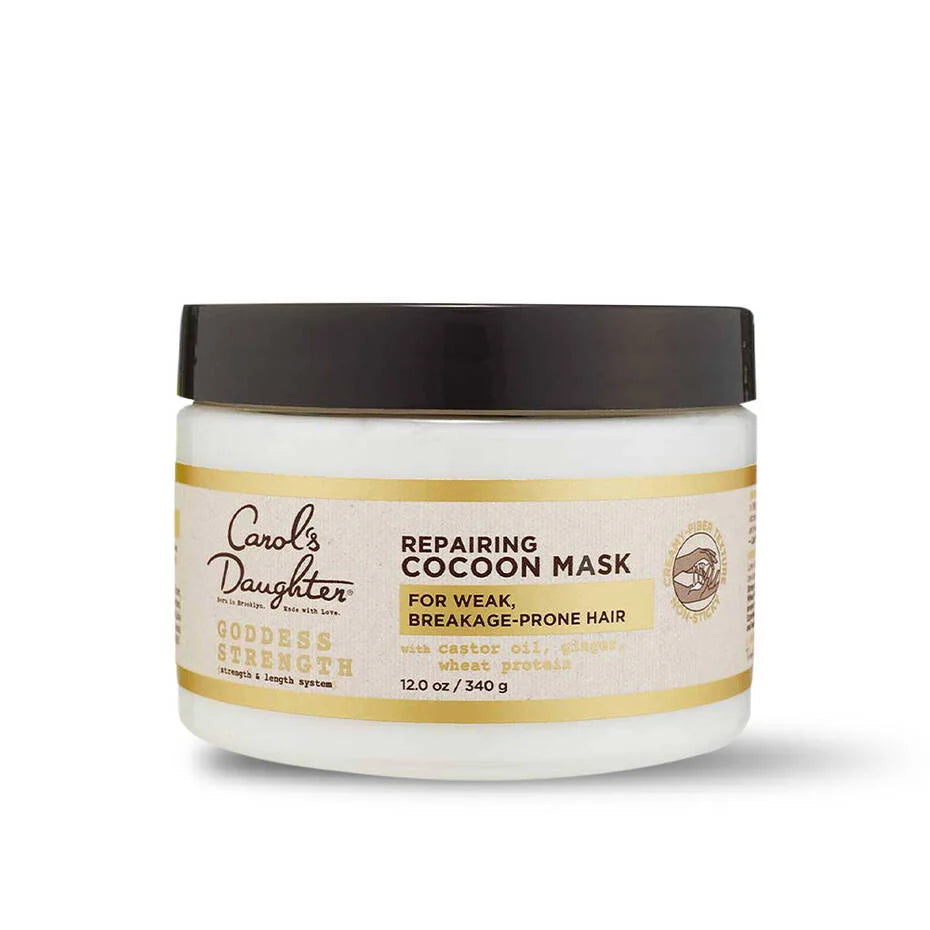
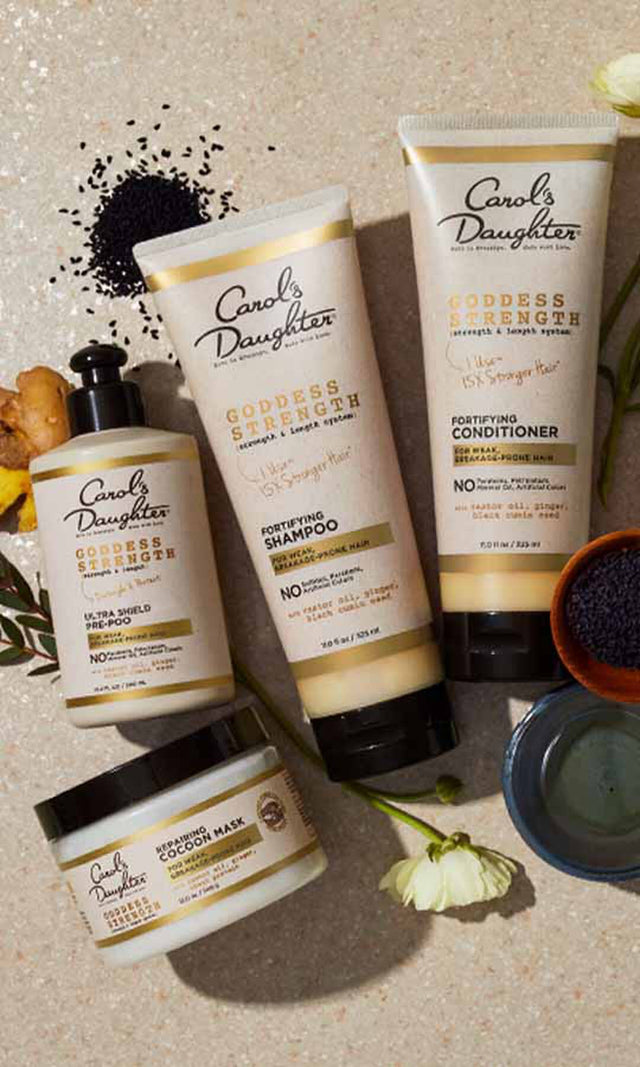
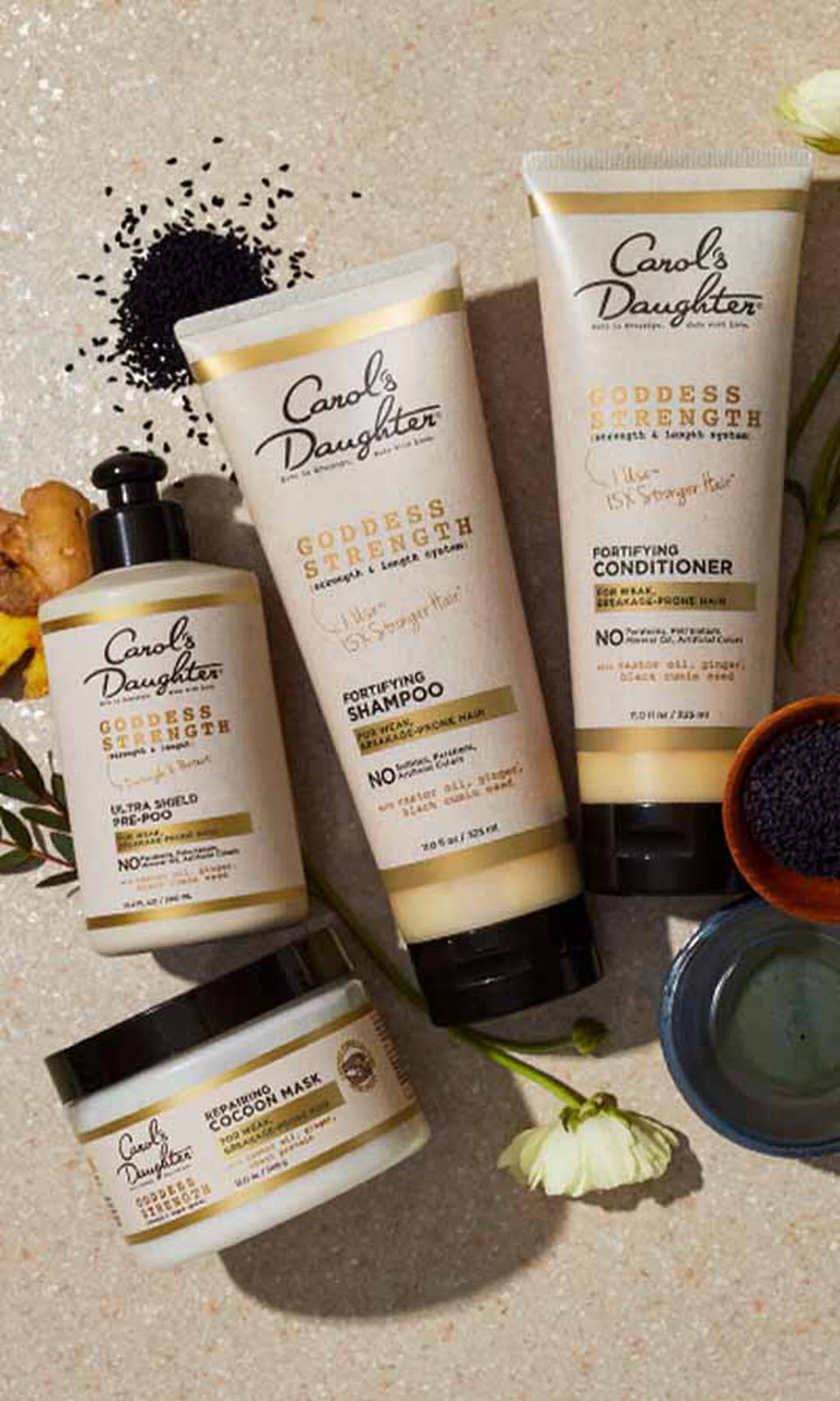
Weekly masking routine: The Goddess Strength Cocoon Hydrating Hair Mask restores, strengthens, and protects against future breakage in just 5 minutes.
For more, see our complete guide to hair masks for curly hair.
2. Be Proactive Against Frizz
Coarse hair is naturally frizz-prone, especially in humid months.
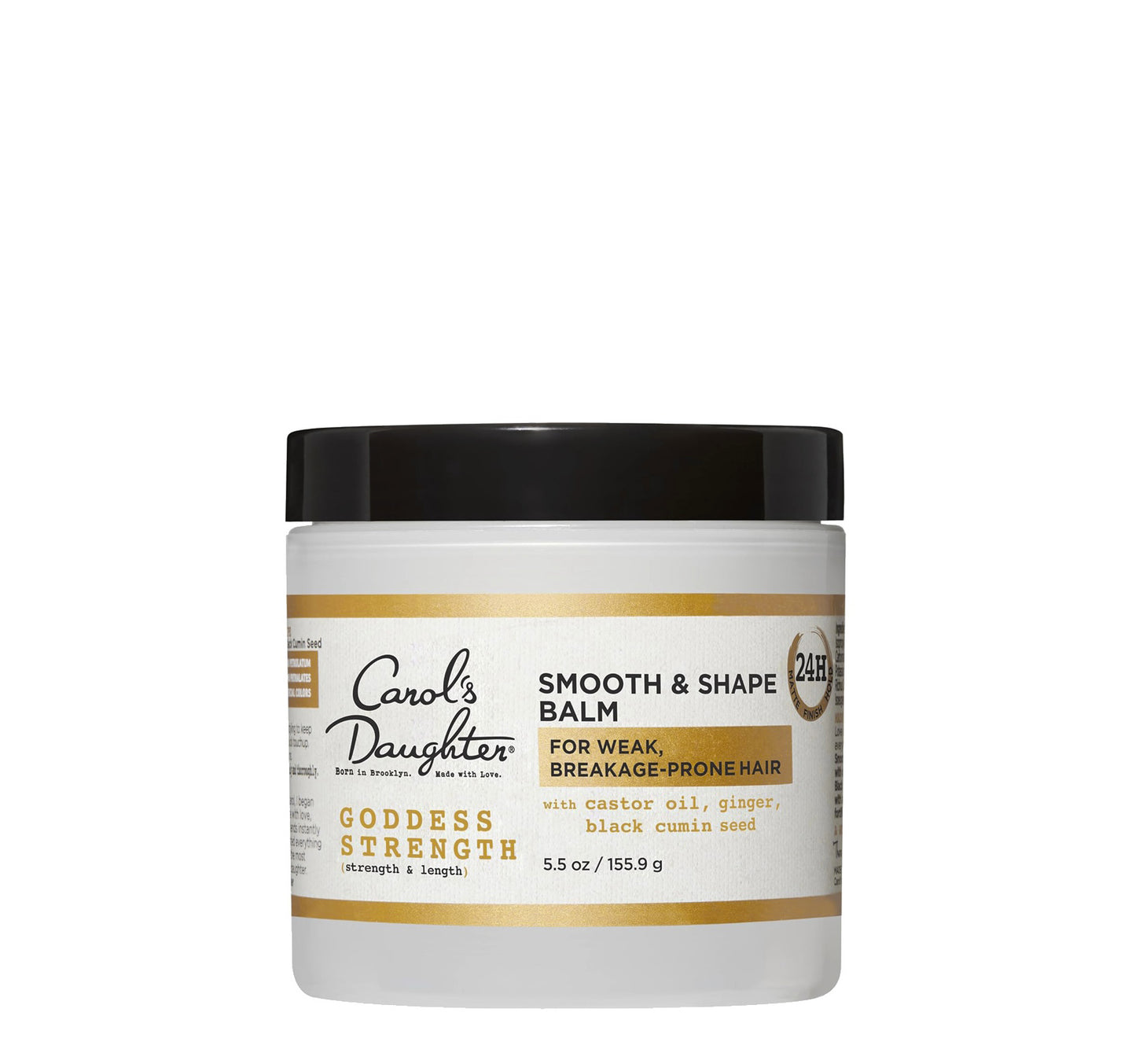
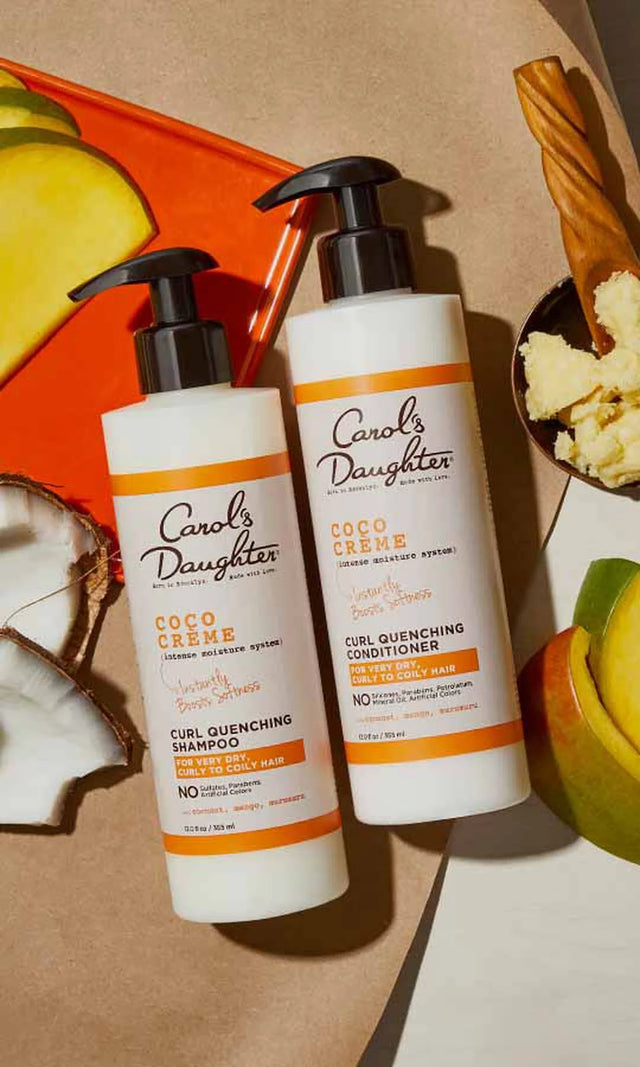
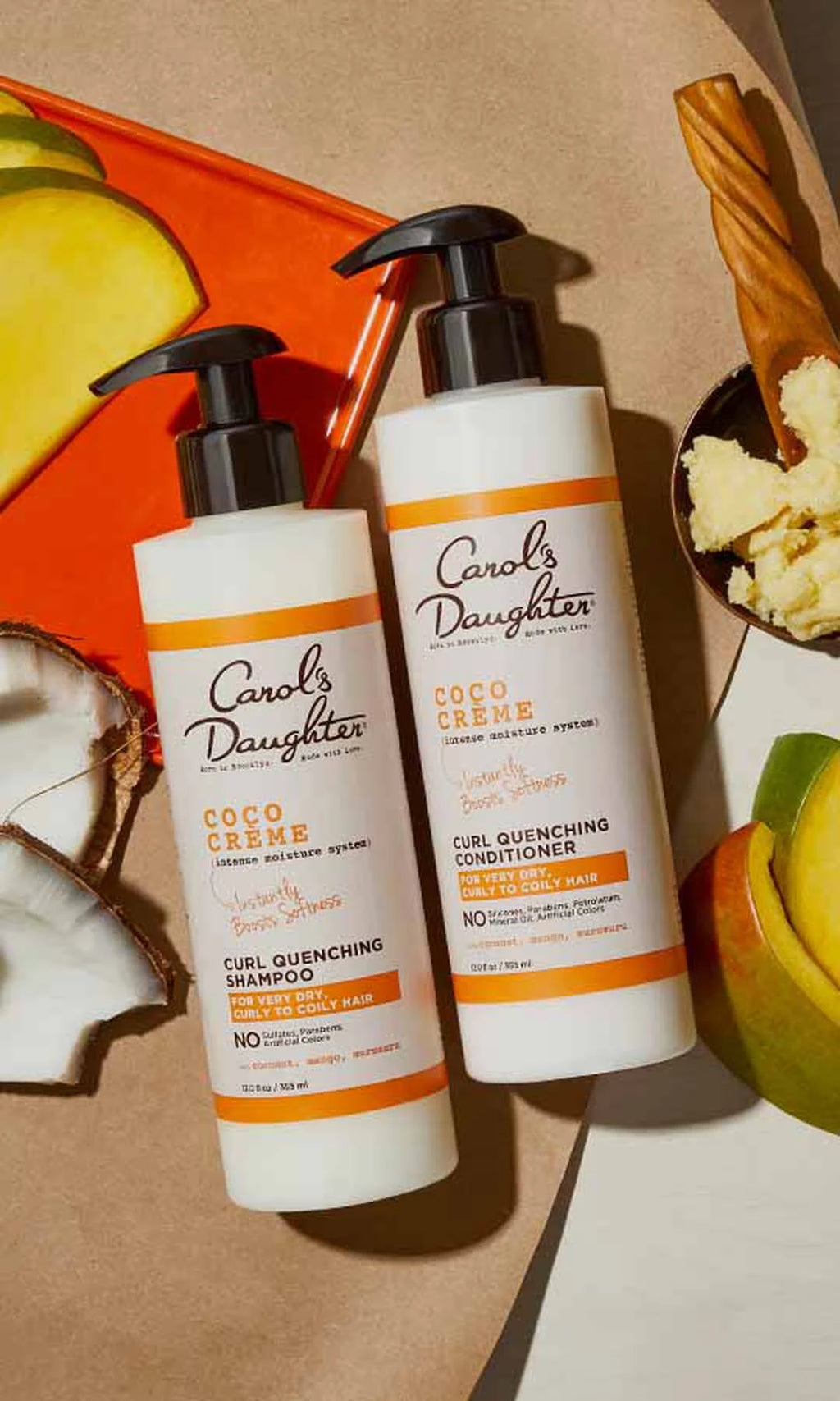
The Coco Crème Curl Shaping Cream Gel with Coconut Oil keeps coarse curly and coily hair bouncy and soft while controlling frizz. For laying edges, use the Goddess Strength Smooth & Shape Balm.
For more, see our complete guide to taming frizzy hair.
3. Opt for Protective Styles
Coarse hair is ideal for protective styles like box braids, soft locs, and cornrows. It gives strands a break from daily manipulation and holds styles better than fine hair.
For more options, see our complete guide to protective hairstyles for natural hair.
Best Hairstyles for Fine Hair
Fine hair needs volume strategy. Short, dramatic cuts work especially well because they don't reveal sparseness.
- Blunt bob — adds visual fullness
- Pixie cut — capitalizes on the lightweight nature of fine hair
- Layered styles that create movement and dimension
For longer fine hair: Updos like ponytails and topknots can slip due to the smooth texture. Use a texture spray for grip before securing styles.
Best Hairstyles for Coarse Hair
Coarse hair has natural volume — most styles work, especially ones that capitalize on body and movement.
- Layered cuts — give texture and fullness
- Ponytails and buns — fuller and more dramatic on coarse hair
- Any protective style (box braids, soft locs, cornrows, twists)
- Wash-and-gos with proper moisture and frizz control
For more inspiration, see our complete guide to trending hairstyles for curly hair.
Best Products by Hair Thickness
Frequently Asked Questions About Fine vs. Coarse Hair
Can I have fine, curly hair?
Yes — absolutely. Curl type (1A–4C) is independent of strand thickness. You can have fine 4C hair or coarse 2A hair. They're separate characteristics that both affect what products work.
Does coarse hair break less than fine hair?
Generally yes — the extra cuticle layer makes coarse hair more resilient. But coarse hair can still break, especially when dry or over-manipulated.
Can fine hair handle protective styles like box braids?
Yes, but with caution. Choose lighter, lower-tension styles like knotless braids over heavy box braids. Tight styles can damage fragile fine hair.
Does fine hair grow slower?
No — strand thickness doesn't affect growth rate. Fine hair grows at the same speed as coarse hair (about ½ inch per month on average). The visual difference comes from how thin strands look on the scalp.
What's the difference between fine and thin hair?
Fine refers to strand diameter (the thickness of each individual hair). Thin refers to density (how many strands you have per square inch). You can have fine hair with high density, or coarse hair with low density. See our complete guide to hair density for more.
Can I use heat on fine hair?
Sparingly and at low temperatures. Fine hair damages more easily because the strand is thinner — less material between the heat and the cortex. Always use a heat protectant like the Goddess Strength Divine Strength Leave-In Milk (protects up to 450°F).
Why does my coarse hair always feel dry?
Three reasons: (1) the wider strand makes it harder for scalp oils to travel down, (2) the extra cuticle layer can trap moisture out as easily as it traps it in, and (3) coarse hair is often also higher porosity, which means moisture escapes easily. Solution: deep conditioning weekly, the LOC method, and avoiding sulfates.
Will products for fine hair work on coarse hair (or vice versa)?
Usually not optimally. Products formulated for fine hair are too lightweight to moisturize coarse hair sufficiently. Products formulated for coarse hair are too heavy and weigh fine hair down. Match your products to your strand thickness for best results.
Ready to upgrade your routine?
For fine hair → Shop the Born to Repair collection
For coarse hair → Shop the Goddess Strength collection
For more education → Read our complete guide to hair porosity
Not sure where to start? → Take the Curl Quiz