

How To Get Curly Blonde Hair At-Home Without the Damage


How to Get Curly Blonde Hair at Home Without the Damage
By Carol's Daughter — Updated May 2026
Quick Answer: Getting curly blonde hair at home is possible — but with major caveats. If your hair is naturally light (sandy brown to blonde), you can DIY a permanent blonde without too much risk. If your hair is dark brown or black, achieving platinum or light blonde requires bleach and serious expertise — leave that to a professional. For at-home, stick to darker blondes within 1–2 shades of your natural color (caramel, honey, or bronde). Prep with deep moisture treatments BEFORE coloring, use sulfate-free care AFTER, and accept that blonde curly hair requires more maintenance than dyed hair.
Considered going blonde? You're not alone.
Blonde hair dye can absolutely work on naturally curly hair — and there are dozens of shade options to choose from. But blonde takes more commitment than other colors: more dryness, more maintenance, more risk during the dye process itself.
Here's everything you need to know before going blonde — including how to DIY safely, when to call a professional, and how to keep your new blonde curls healthy.
How to Choose the Right Blonde Dye for Your Hair
Two main types of at-home hair dye:
Permanent vs. Semi-Permanent
Semi-permanent: Coats the outside of the hair shaft. Washes out gradually (4–6 weeks). Less damaging. Best for temporary color experiments.
Permanent: Penetrates through the hair cortex to deposit color. Stays until grown out. More damaging but longer-lasting.
The reality of going blonde from dark hair: Permanent + bleach is the only way. Semi-permanent dyes don't lift natural color — they only deposit color. If you have dark brown or black hair, getting actual blonde requires bleach to lift the natural pigment first.
The Honest Truth About At-Home Blonde
Stick close to your natural color. Going from black to platinum at home is how hair gets destroyed. Stay within 1–2 shades of your natural color for safe DIY blonde.
| Natural Color | Safe DIY Blonde |
|---|---|
| Black | Caramel blonde |
| Dark brown | Honey blonde / bronde |
| Medium brown | Light honey / dark blonde |
| Light brown | Sandy blonde / wheat blonde |
| Sandy brown | Light blonde |
| Light blonde / blonde | Platinum (still risky DIY) |
For ash blonde, platinum, or very light blonde — see a professional. Multi-step lifting processes require expert handling.
Find Your Personalized Routine
Whether DIY blonde is right for your hair depends on your specific curl type, porosity, and damage history.
Take the Curl Quiz → A 5-step quiz that identifies your hair type, main concerns, and the products built for your texture.
How to Prep Your Hair Before Dyeing
Since blonde dye requires lifting your natural color, prep is everything.
Apply a Deep Conditioner
Don't shampoo before coloring — you want all the natural oils you can keep to protect against damage. Instead, apply a moisturizing treatment.
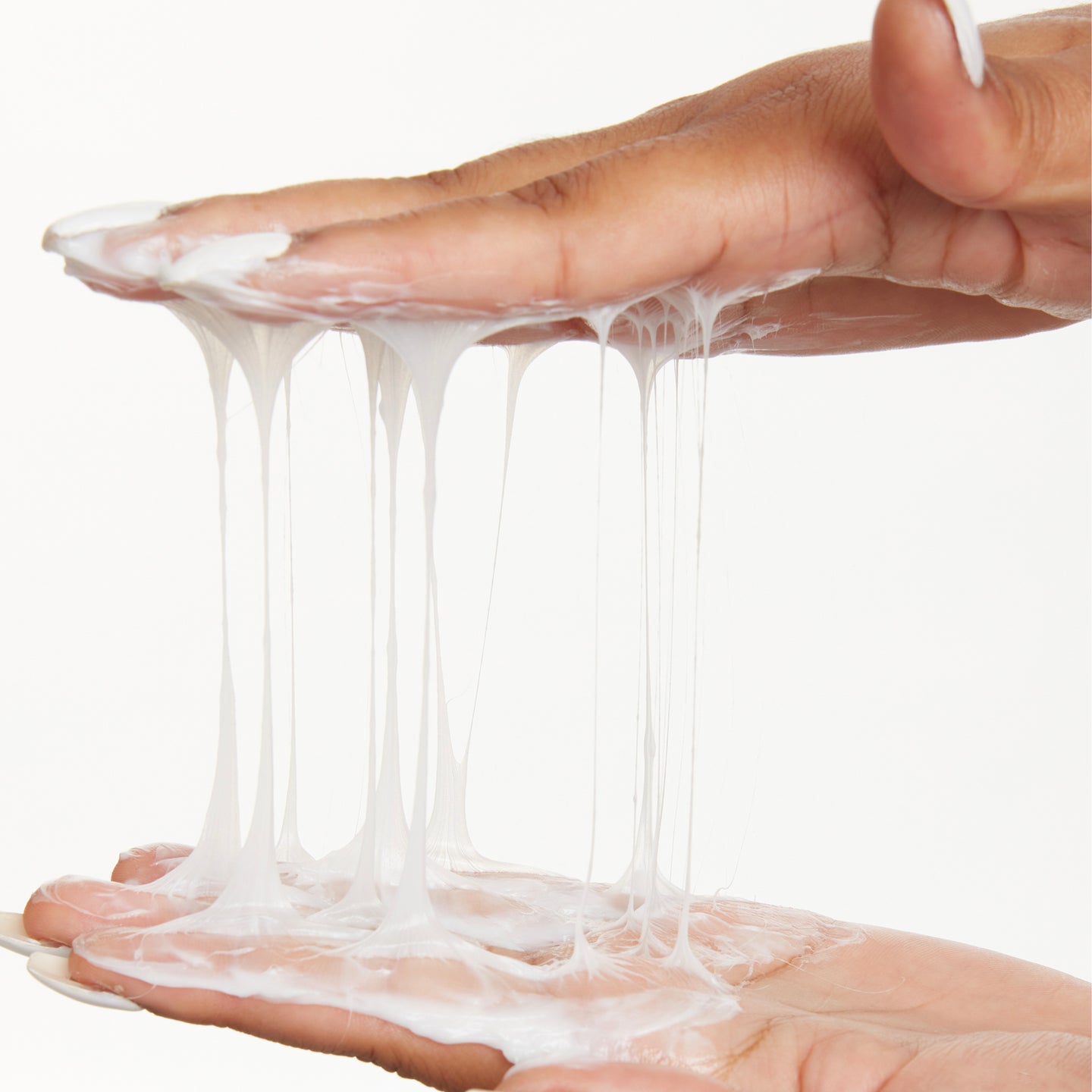
The Born to Repair 60-Second Moisture Treatment with Shea Butter works in just one minute — balances pH levels and floods curls with moisture before the chemical process.
Load Up on Moisture
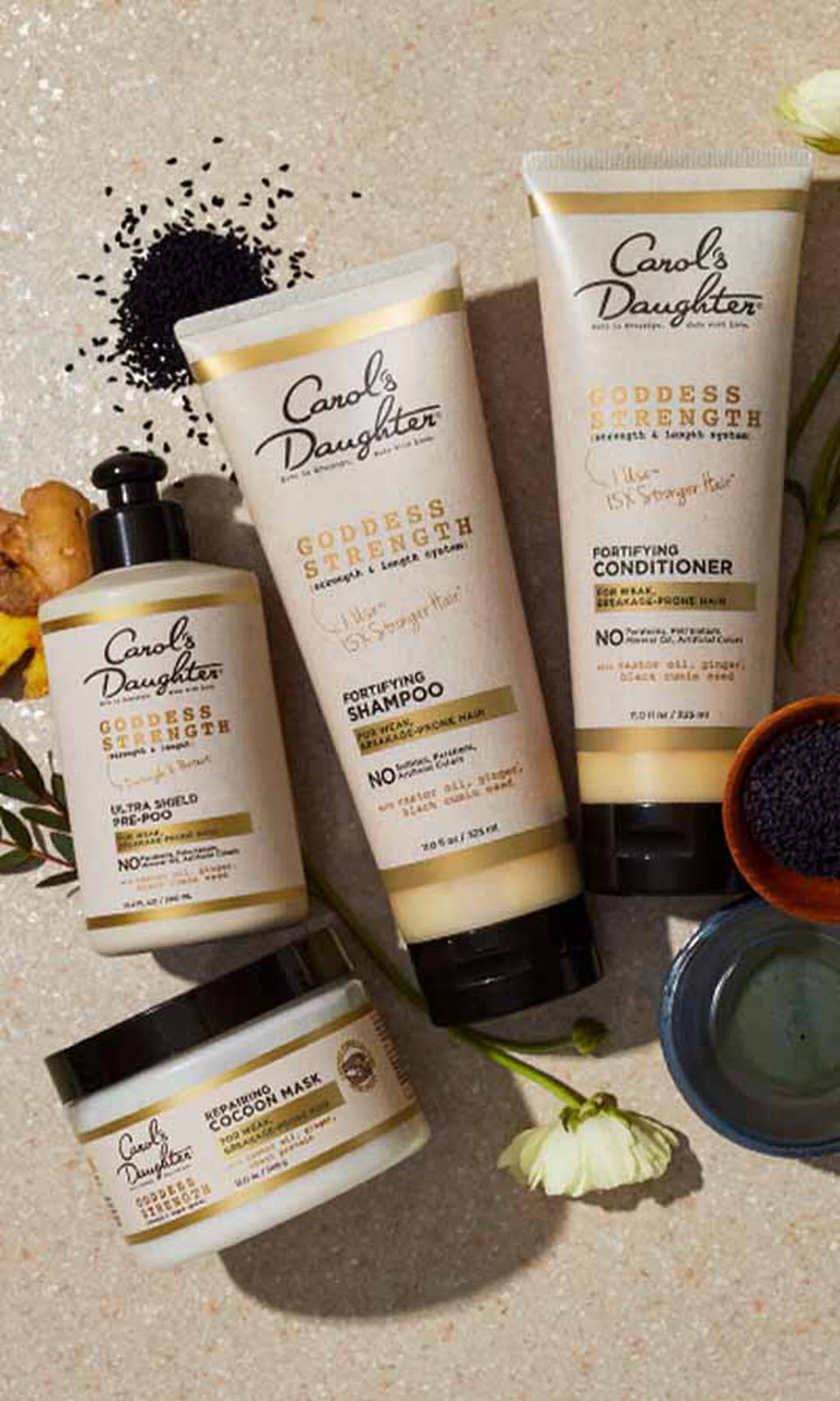
If your hair is at higher risk (already dry, previously damaged, low porosity), prep more aggressively. Add a few drops of the Goddess Strength 7-Oil Blend Scalp and Hair Oil every night for a week leading up to your color appointment.
This moisturizes from the inside out AND strengthens the strand to better withstand the chemical process.
For more on pre-color preparation, see our complete guide to caring for color-treated curls.
How to Dye Curly Hair at Home: Step-by-Step
If you're committed to DIY, here's how to do it as safely as possible.
1. Choose Your Dye
- Stay within 1–2 shades of your natural color
- Choose a permanent formula if lifting natural color
- Look for dyes formulated for curly hair when possible
- Always do a strand test first (24–48 hours before)
2. Start With Dry, Unwashed Hair
Counterintuitive but correct. Washing strips the natural oils that protect against chemical irritation. Last shampoo: 2–3 days before dyeing.
3. Apply Your Color
Follow the dye instructions carefully:
- Read all instructions BEFORE mixing
- Mix per instructions exactly
- Apply from root to tip
- Massage in evenly to ensure no patchy spots
- Set a timer for the recommended development time
- Don't leave on longer than instructed
4. Cleanse, Condition, and Style
Once development time is complete:
- Rinse with cool water until water runs clear
- Wash with a sulfate-free shampoo — the Born to Repair Sulfate Free Nourishing Shampoo repairs weak strands while cleansing
- Condition with the Born to Repair Nourishing Conditioner with Shea Butter to lock in moisture
- Apply the Born to Repair Defining Leave-In Cream with Shea Butter for extra moisture and definition
How to Take Care of Blonde Curly Hair
Blonde curly hair requires significantly more maintenance than undyed hair. Stay on top of it, and your new color will look healthy. Slack off, and damage compounds quickly.
Don't Stop Moisturizing
Curly hair is naturally dry. Blonde curly hair is even drier.
You can't really over-moisturize blonde curls. Layer:
- Hydrating shampoo and conditioner
- Weekly hair masks
- Daily leave-in cream
- Sealing oil
- Refresher spray between washes
The Born to Repair collection is built around shea butter and babassu oil — ideal for the kind of damage blonde dyeing creates.
Keep Shampooing to a Minimum
Blonde hair tends to go brassy or yellow with frequent washing. Wash only when absolutely necessary.
Between washes, refresh with the Hair Milk Refresher Spray — adds moisture without a full wash.
For more on wash frequency, see our complete guide to washing curly hair.
Apply a Weekly Hair Mask
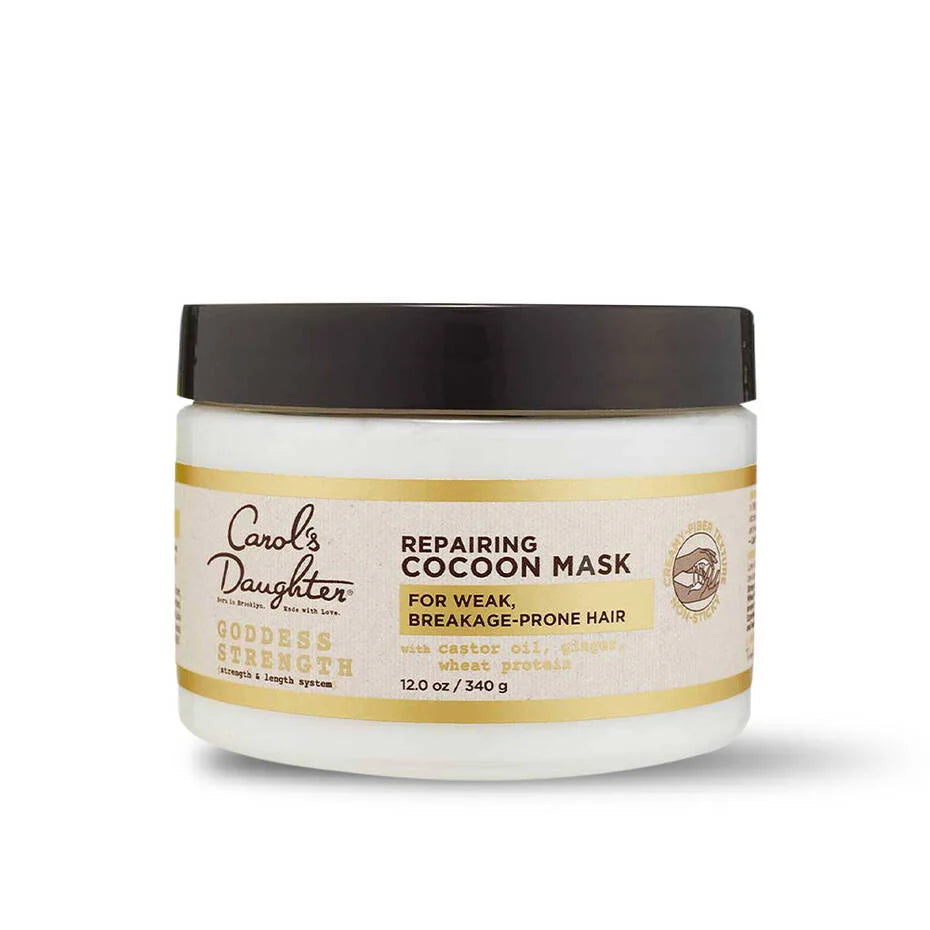
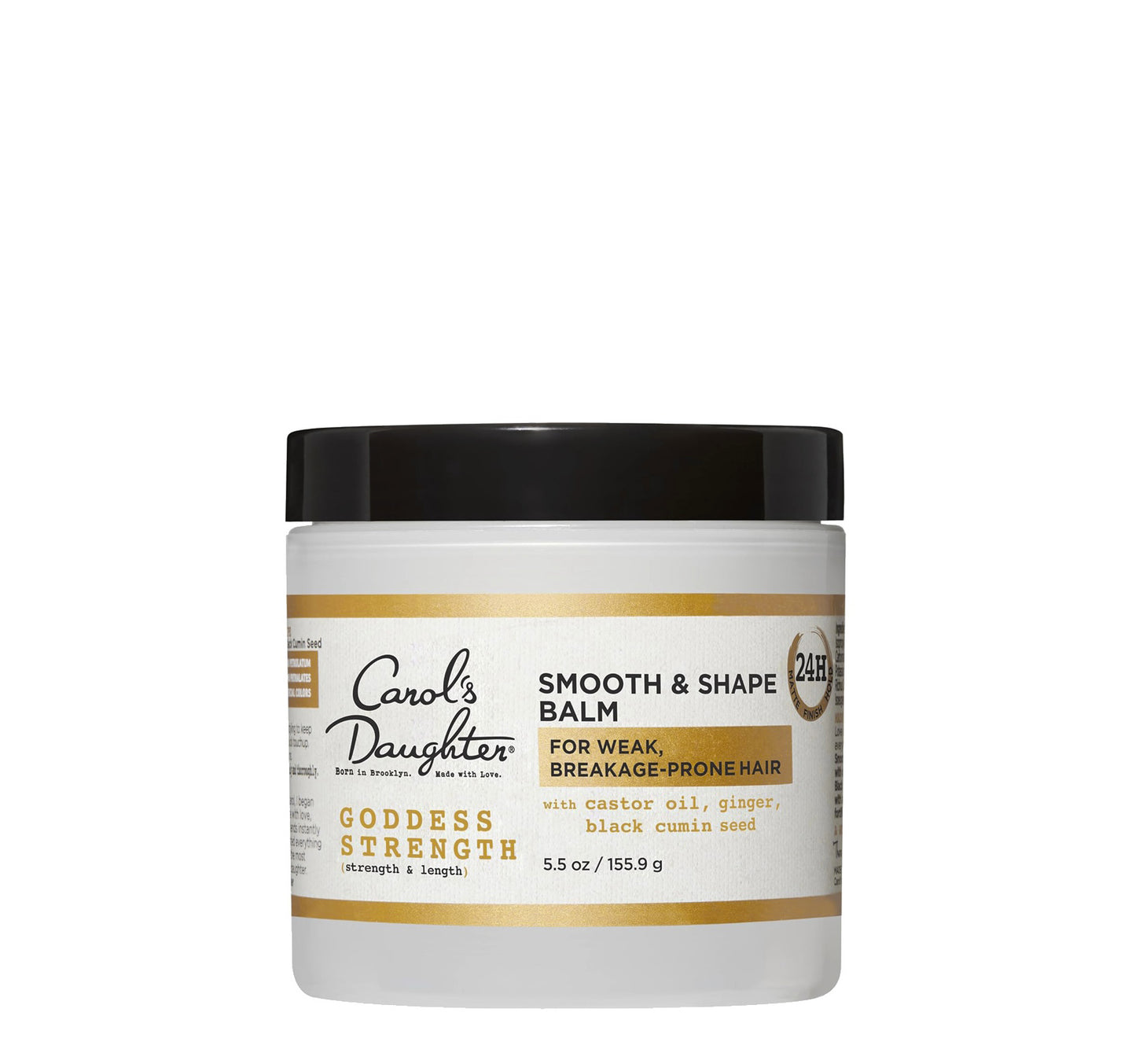
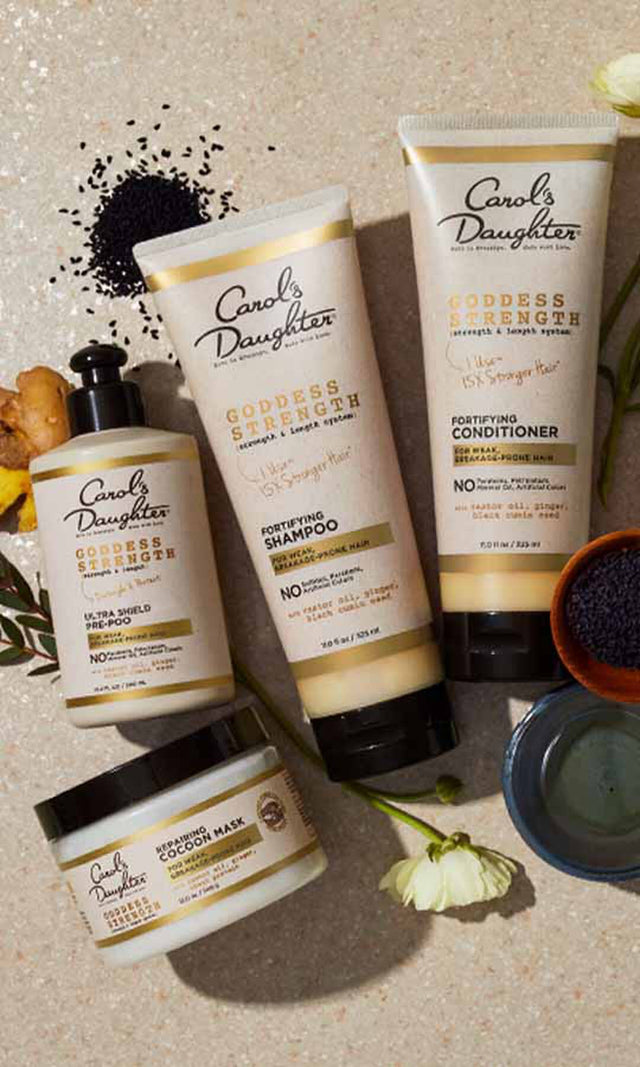
Non-negotiable for blonde curly hair. The Goddess Strength Cocoon Hydrating Hair Mask — castor oil, ginger, and wheat protein — restores the structural integrity coloring damages.
For more, see our complete guide to hair masks for curly hair.
Add Steam Treatments
The cuticle damage from coloring makes hair more porous — steam treatments help drive moisture deep into the strand. For more, see our complete guide to hair steamers.
Avoid Heat Styling
Blonde curly hair is especially vulnerable to heat damage. Skip the blow-dryer and flat iron when possible. When you must use heat:
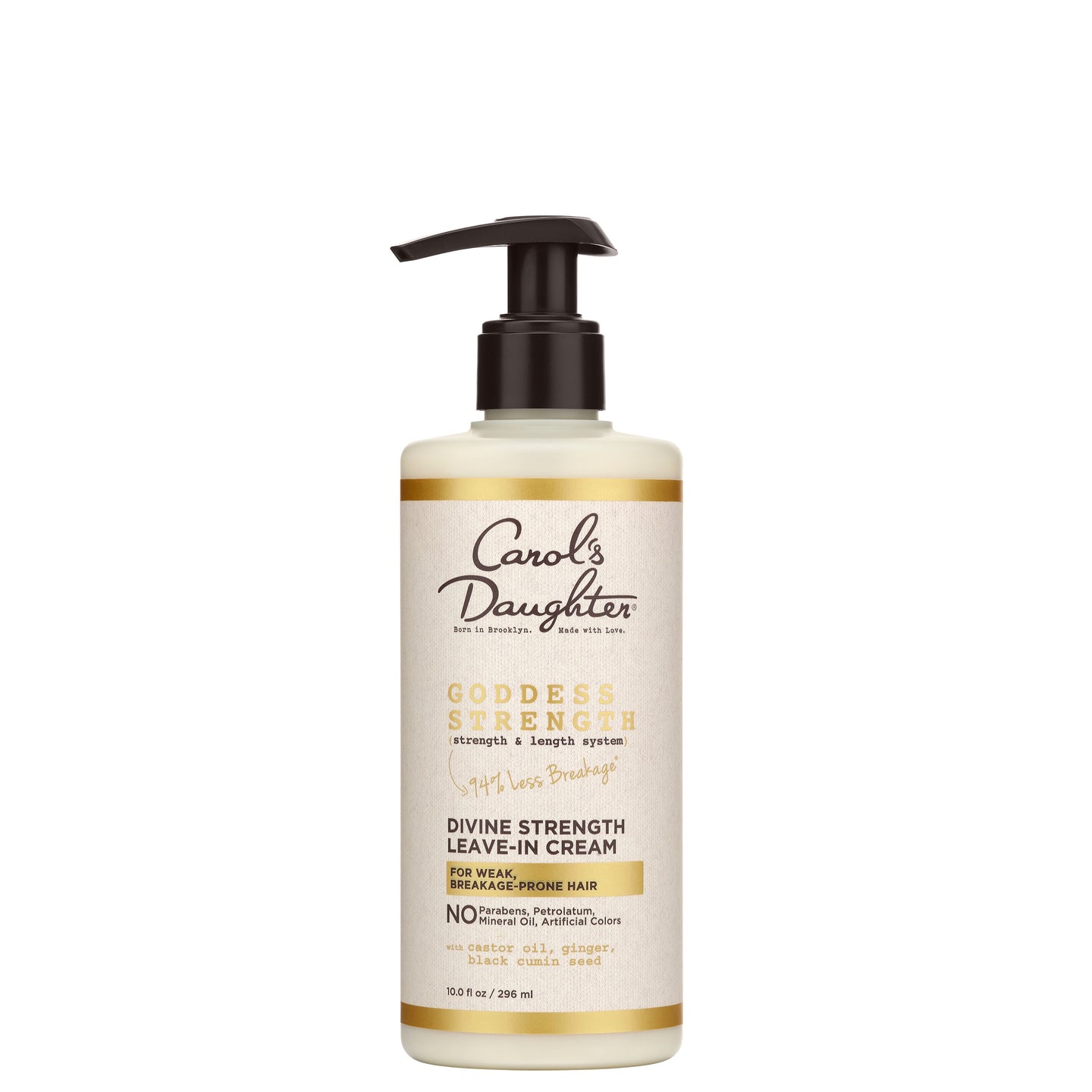
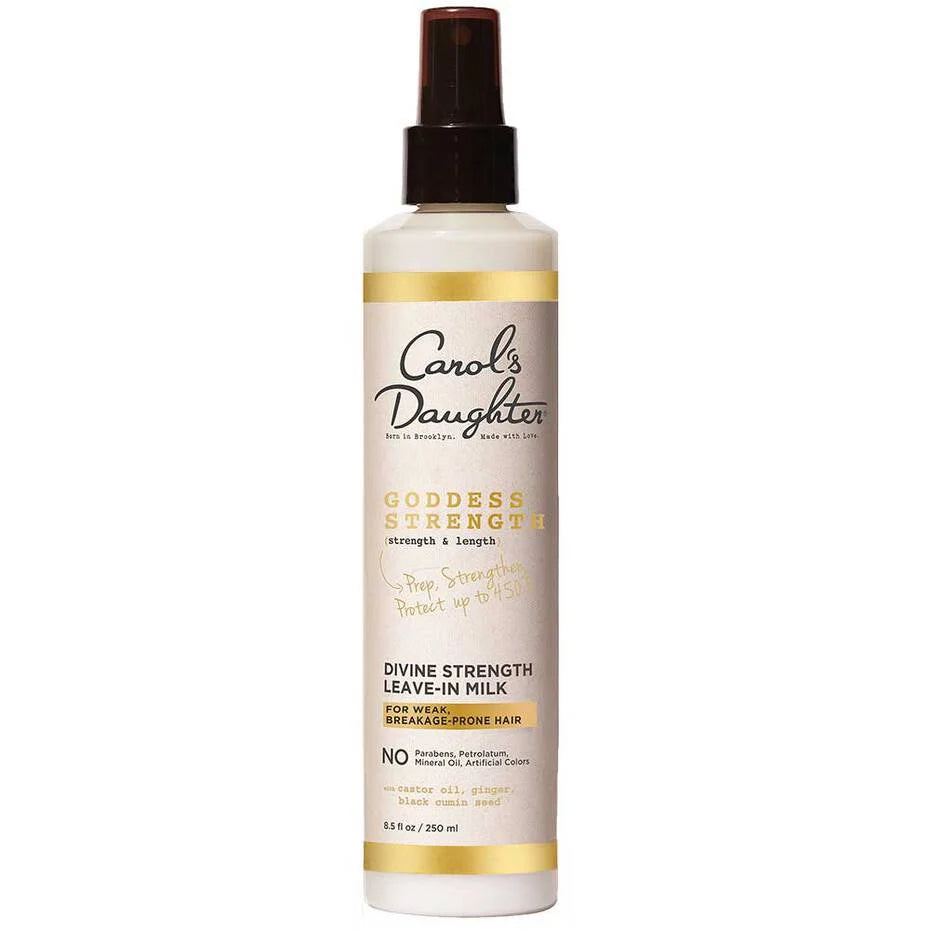
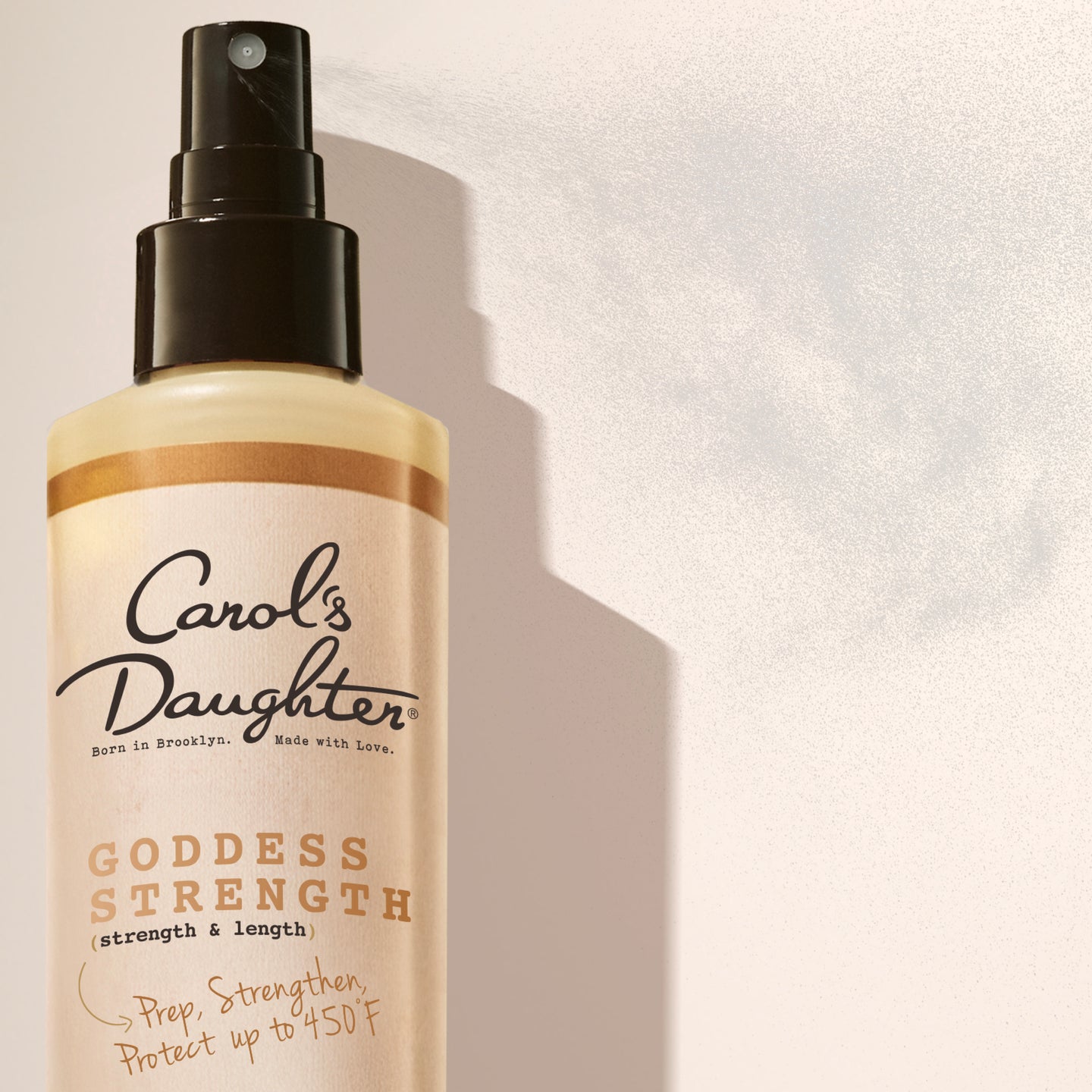
- Always use the Goddess Strength Divine Strength Leave-In Milk for heat protection up to 450°F
- Use the lowest effective temperature
- Limit to once a month maximum
For more, see our complete guide to repairing heat-damaged curly hair.
FAQs About Dyeing Curly Hair Blonde
Will Blonde Hair Dye Damage My Curls?
It depends on:
- The health of your hair beforehand
- The blonde shade you choose (lighter = more damage)
- The dye formula
- Whether bleach is involved
- Your aftercare routine
On healthy hair with conservative blonde shades and proper aftercare, damage can be minimized. But blonde dyeing is inherently more damaging than darker colors — there's no perfectly safe option.
Will Dyeing My Hair Ruin My Natural Curls?
If done properly, no color should ruin your natural curls — but they may act differently afterward. Dyed curls often feel:
- Drier
- Stiffer
- Limper
- Less springy
If this happens, take a break from dye and visit a professional for repair recommendations. For more, see our complete guide to repairing bleach-damaged curls.
Can Dark Curly Hair Go Blonde?
Yes — within reason. At home, stick to caramel, honey, and bronde shades. For ash blonde, platinum, or very light blonde, see a professional. Multi-step bleach processes require expertise to avoid serious damage.
How Often Can I Touch Up My Blonde Curly Hair?
Every 8–12 weeks for most people. Some warning signs to wait longer:
- Hair feels dry or brittle
- Visible breakage
- Limp curl pattern
- Splitting ends
If you see any of these, wait longer between sessions and intensify your moisture routine.
Do I Need a Toner for Blonde Curly Hair?
If your blonde tone goes brassy or yellow, yes. Purple shampoo neutralizes warm tones. Use sparingly (once a week max) — it can dry out hair.
Can Curly Hair Hold Highlights?
Yes — and highlights are often less damaging than all-over blonde because they don't process every strand. Babylights and balayage techniques work particularly well for curls.
How Long Does Blonde Hair Dye Last on Curly Hair?
Roots show in 4–6 weeks. The blonde tones themselves last 2–3 months before significant fading. Brassy tones can appear earlier without proper aftercare.
What's the Best Way to Maintain Blonde Curls Long-Term?
Three rules:
- Moisture, moisture, moisture — every step of your routine
- Minimize heat — coloring + heat = compound damage
- Trim regularly — every 8–10 weeks to keep ends healthy
Ready to care for your blonde curls?
For damage repair → Shop the Born to Repair collection
For strength + moisture → Shop the Goddess Strength collection
For more color-care guidance → Read our complete guide to caring for color-treated curls
Not sure where to start? → Take the Curl Quiz