

Protein for Hair: The Complete Guide


Protein for Hair: The Complete Guide
By Carol's Daughter — Updated May 2026
Quick Answer: Protein — specifically keratin — is the main building block of hair, making up about 90% of every strand. When hair protein is damaged by chemical treatments, heat, or harsh handling, the result is breakage, dullness, brittleness, and that limp/stringy texture that screams "something is wrong." You can't fully restore your hair's original protein, but you can replicate its function using protein-rich products containing keratin, collagen, wheat protein, soy protein, or amino acids. The key is balance: too much protein creates stiffness; too much moisture creates limpness. Healthy hair needs both.
Hair and protein are tightly linked — the same way moisture and protein together create the foundation of healthy curls.
Once your hair's natural protein gets damaged, it doesn't come back (until new hair grows in). The good news: products with hair-friendly proteins can mimic that structure, strengthen weakened strands, and bring stringy or gummy hair back to life.
Here's everything you need to know about protein for hair, including how to tell when your hair needs it and the products that deliver it best.
What Is Protein for Hair?
Protein is the main structural component of your hair — specifically, a fibrous protein called keratin.
The Building Blocks
- Amino acids (organic compounds) link together to form keratin
- Keratin is responsible for hair's strength, structure, shape, and shine
- Lipids work alongside protein to provide additional structural integrity and protection
When amino acids are compromised — whether through chemical treatments, hot tools, sun exposure, or bad hair habits — the protein structure of your hair becomes altered. The result: brittle, fragile, dehydrated, hard-to-manage strands.
Signs of Protein Issues
If you notice your hair has become:
- Stringy (clumping into thin sections)
- Limp (lost its natural bounce)
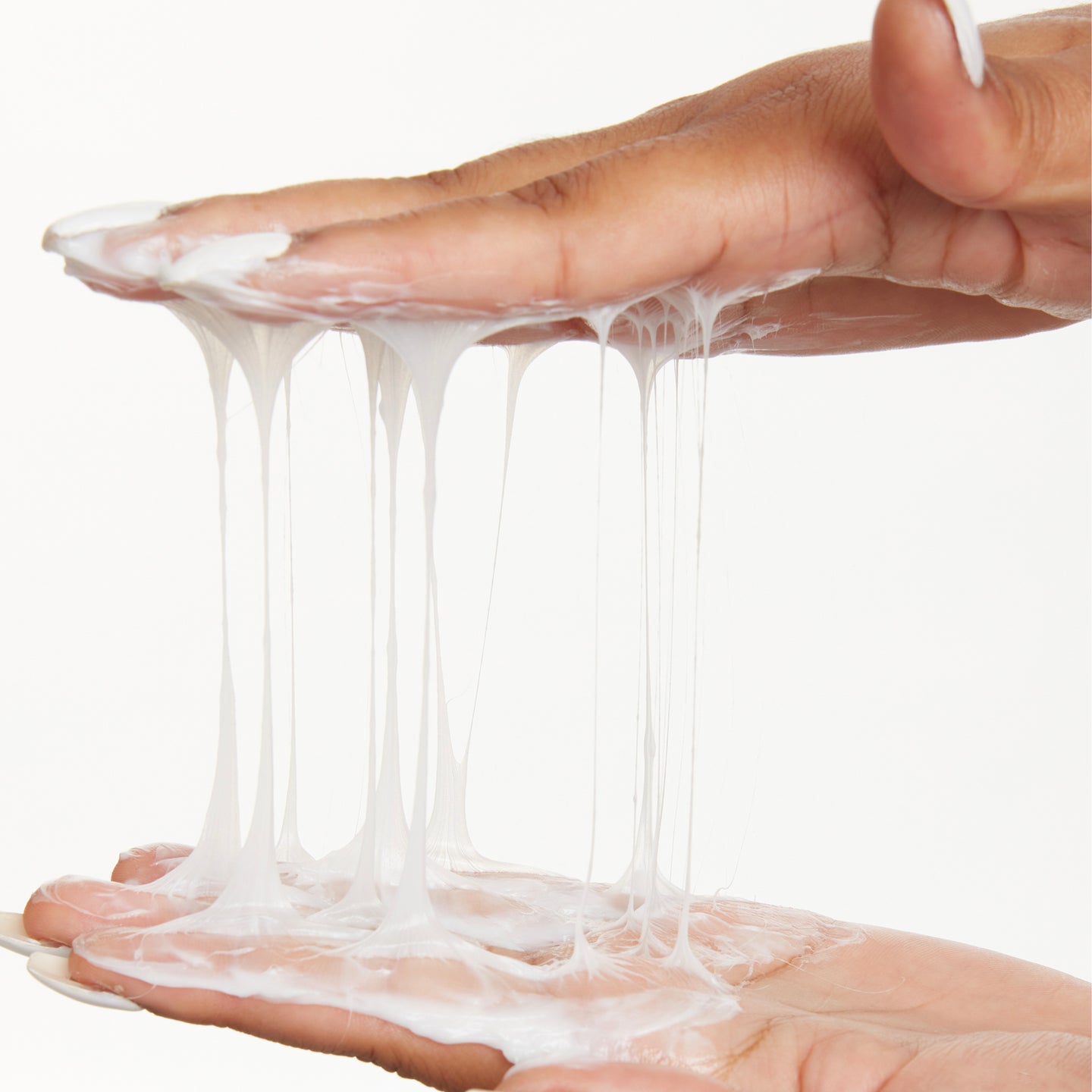
- Gummy (stretches like a rubber band, then snaps)
…you may be lacking protein. Both moisturizing products and protein treatments can restore hair to its stronger, more defined state.
What Types of Protein Does Your Hair Need?
The exact protein in your hair can't be recreated, but certain protein-mimicking ingredients wrap a protective layer around strands and fill in structural gaps.
Common Protein Ingredients on Labels
- Keratin (the closest match to your hair's natural protein)
- Collagen (boosts shine and bounce)
- Wheat protein
- Soy protein
- Vegetable protein
- Amino acids
- Oat flour
- Hydrolyzed silk protein
Hair especially loves keratin and collagen — both work to strengthen and repair damaged hair cuticles.
Keratin
Keratin is the main protein in your hair. During damage, keratin becomes compromised, resulting in weak and fragile locks. Replenishing keratin through products restores some of that lost strength.
Collagen
Collagen ensures strands remain strong and prevents breakage. The added bonus: collagen boosts shine and bounce — restoring the springy quality healthy hair has.
How Often Should You Use a Protein Treatment?
Start slow. Introduce protein gradually to gauge how much your hair actually needs.
Recommended starting point:
- A weekly protein treatment for preventative maintenance
- Or rotate a protein-containing shampoo/conditioner every other wash day for a smaller daily dose
- Use targeted treatments when addressing specific concerns (dullness, stringiness, breakage)
Always follow the directions on your specific product — most will indicate ideal frequency for your hair's needs.
Too little protein = continued breakage. Too much protein = stiffness and dryness (more on this below).
Find Your Personalized Routine
Your specific hair type, porosity, and damage level determine your protein needs.
Take the Curl Quiz → A 5-step quiz that identifies your hair type, main concerns, and the products built for your texture.
How to Tell if Your Hair Needs Protein or Moisture
Healthy hair requires both. Some products provide moisture, some provide protein, some provide both. Knowing what your hair actually needs is the difference between a thriving routine and constant frustration.
The Stretch Test
This is the simplest at-home diagnostic.
- Take a hair strand from your brush (no need to pull from your scalp)
- Gently stretch it between your fingers
- Observe how it behaves
| Result | Diagnosis | Treatment |
|---|---|---|
| Barely stretches, snaps quickly, feels dry | Needs MOISTURE | Hydrating shampoo, conditioner, leave-in |
| Stretches and stretches without resistance, feels gummy | Needs PROTEIN | Protein-rich treatment or mask |
| Stretches moderately, returns to shape | Balanced — keep doing what you're doing | Maintain current routine |
For more on diagnosing hair issues, see our complete guide to taking care of curly hair.
Signs of Protein Deficiency in Hair
Beyond the stretch test, several signs suggest your hair needs more protein.
1. High Porosity Hair
High porosity hair absorbs moisture and protein quickly — but loses these nutrients just as fast. The result is hair that's dry and breakage-prone despite your efforts.
2. Low Elasticity
Hair that isn't springy is more prone to snapping when pulled. It's like a rubber band that's lost its stretch. The cause: weak protein bonds.
3. Increased Shedding
If your brush or shower drain has noticeably more hair than usual, your strands may need protein support. (Some shedding is normal — 50 to 100 strands per day. More than that consistently suggests an issue.)
For more on shedding, see our complete guide to hair breakage.
4. Recent Coloring or Chemical Treatment
Hair color and chemical straightening alter the bonds within your hair. These processes raise the cuticle, exposing the cortex to greater protein and moisture loss. The visible result: breakage, changed texture, dullness.
Recommendation: Get a protein treatment 1–2 weeks after any chemical treatment to repair what may have been damaged during the process.
For more on damaged hair recovery, see our complete guide to repairing heat-damaged curly hair and our complete guide to bleach damaged curls.
How to Add Protein to Hair
If your hair is limp, stringy, or missing its natural bounce, here's how to bring it back.
Audit Your Current Routine First
Look at the products you're already using. Are they protein-focused, moisture-focused, or a mix? You're aiming for balance, not maximum protein. Already over-doing protein is a real possibility.
Add a Weekly Deep Treatment
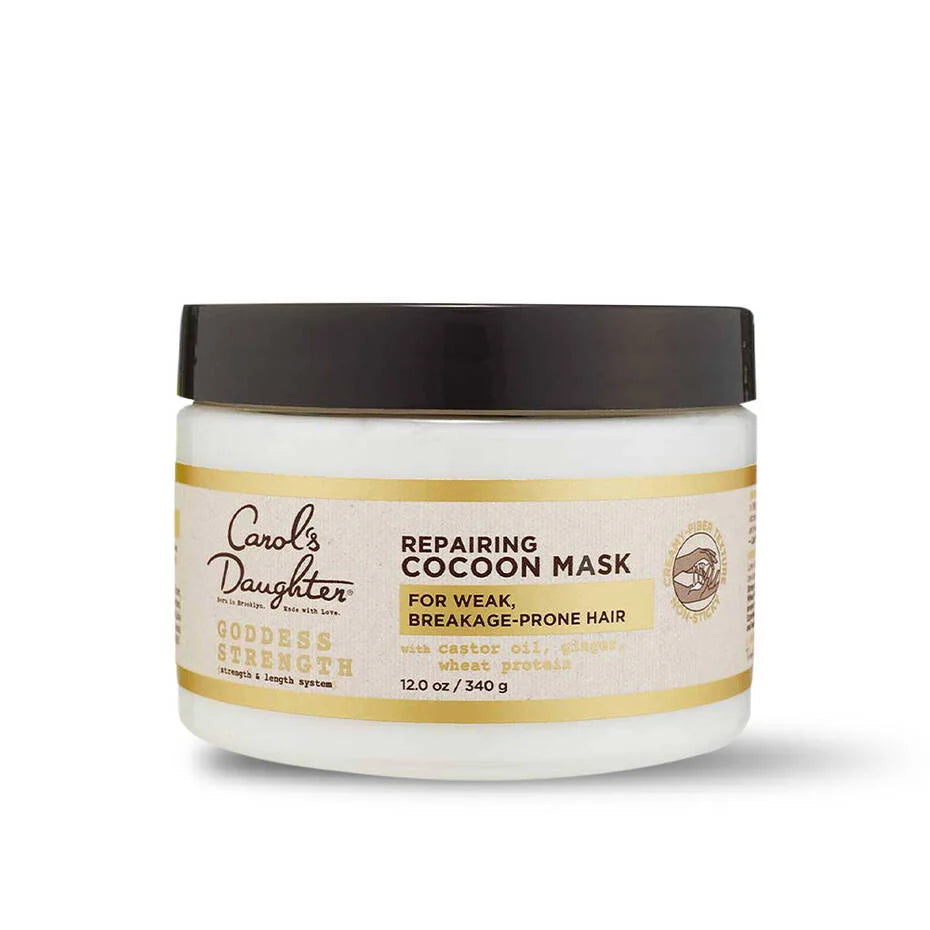
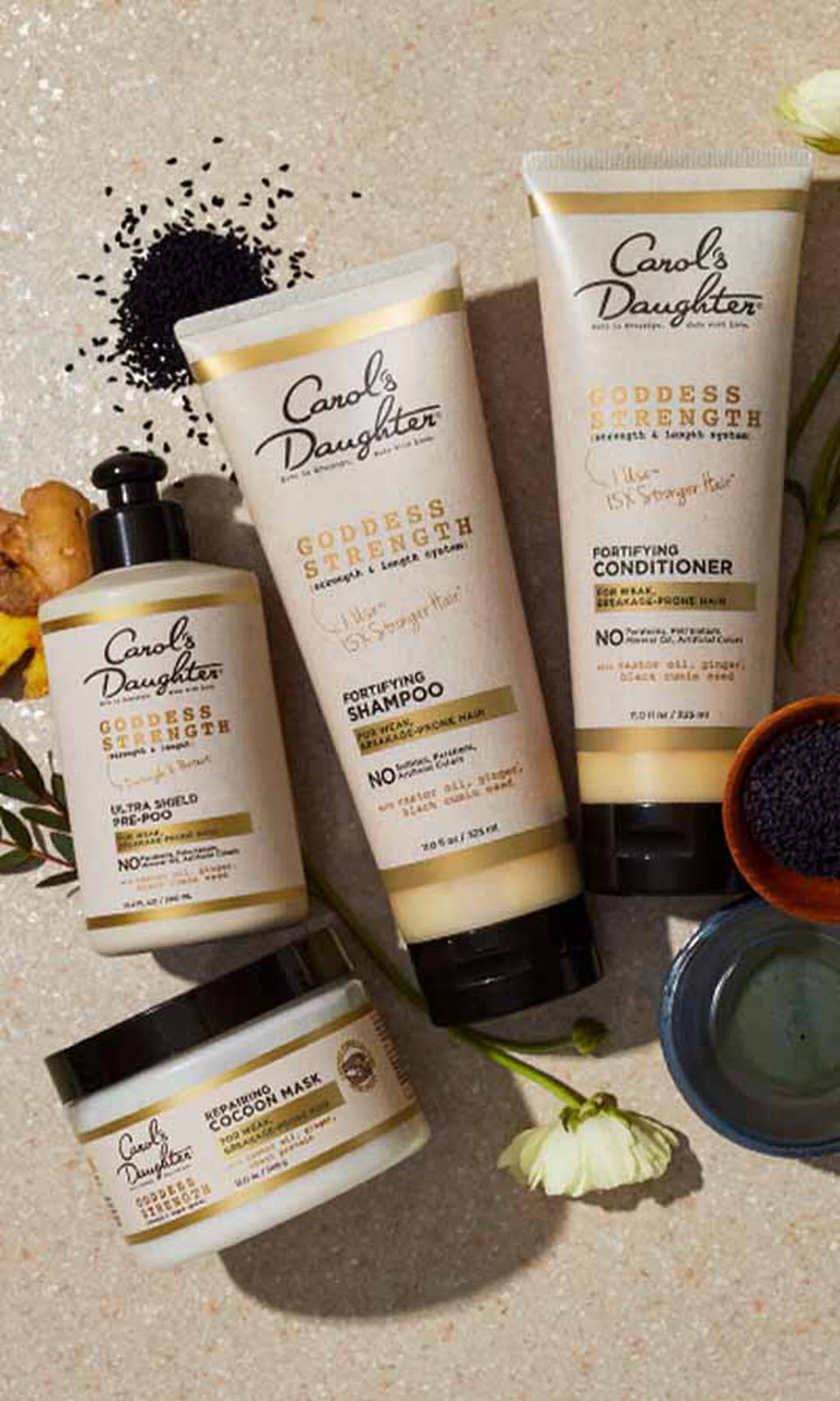
The Goddess Strength Cocoon Hydrating Hair Mask is built around wheat protein combined with castor oil and ginger. Restores extremely damaged and over-processed hair in just 5 minutes. The strongest protein treatment in the lineup.
For more on hair masks, see our complete guide to hair masks for curly hair.
Add a Daily Protein Dose
The Black Vanilla Moisture & Shine Leave-In Conditioner is formulated with soy protein and pro-vitamin B5 — adds shine, softness, and manageability without overloading.
Rotate Your Wash Day Products
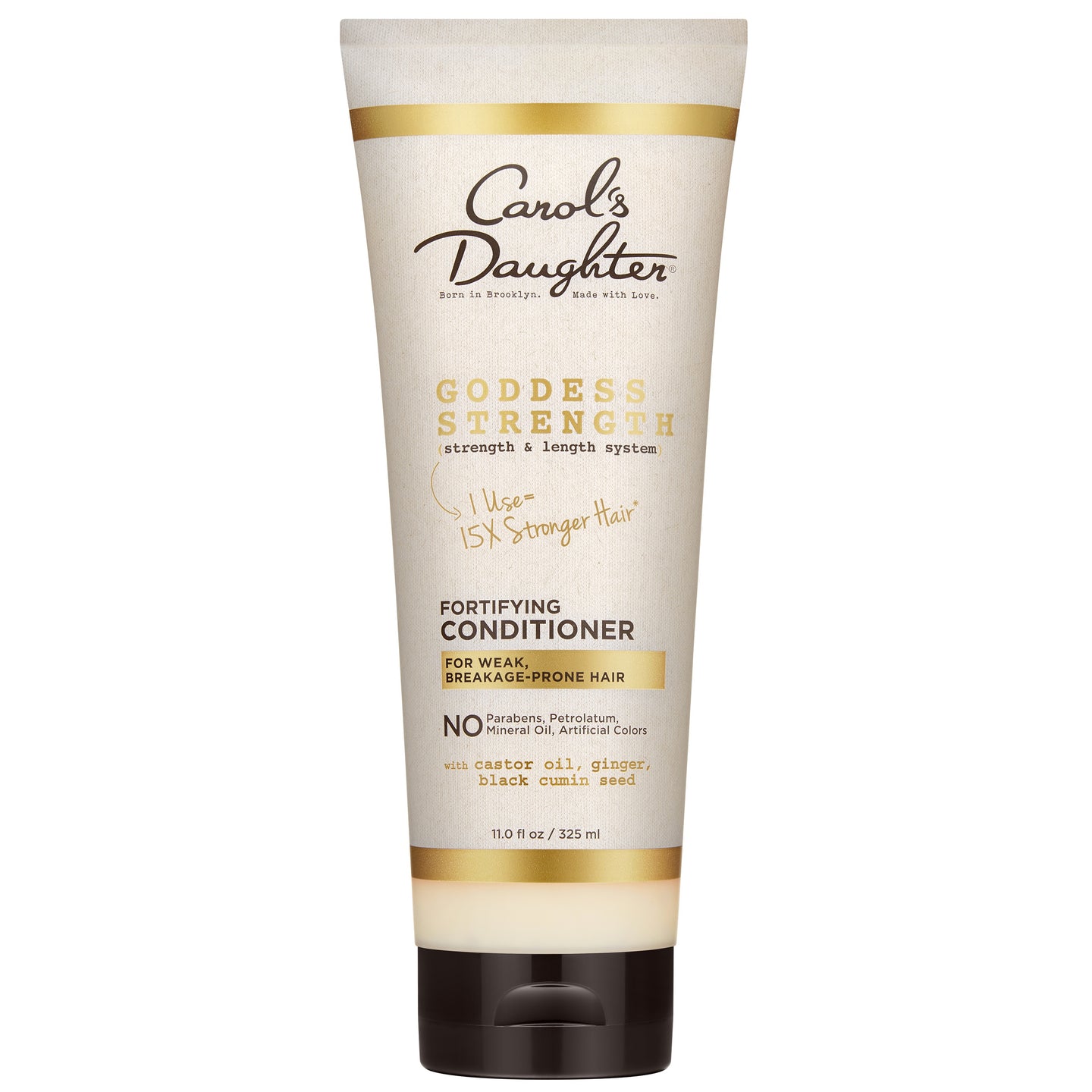
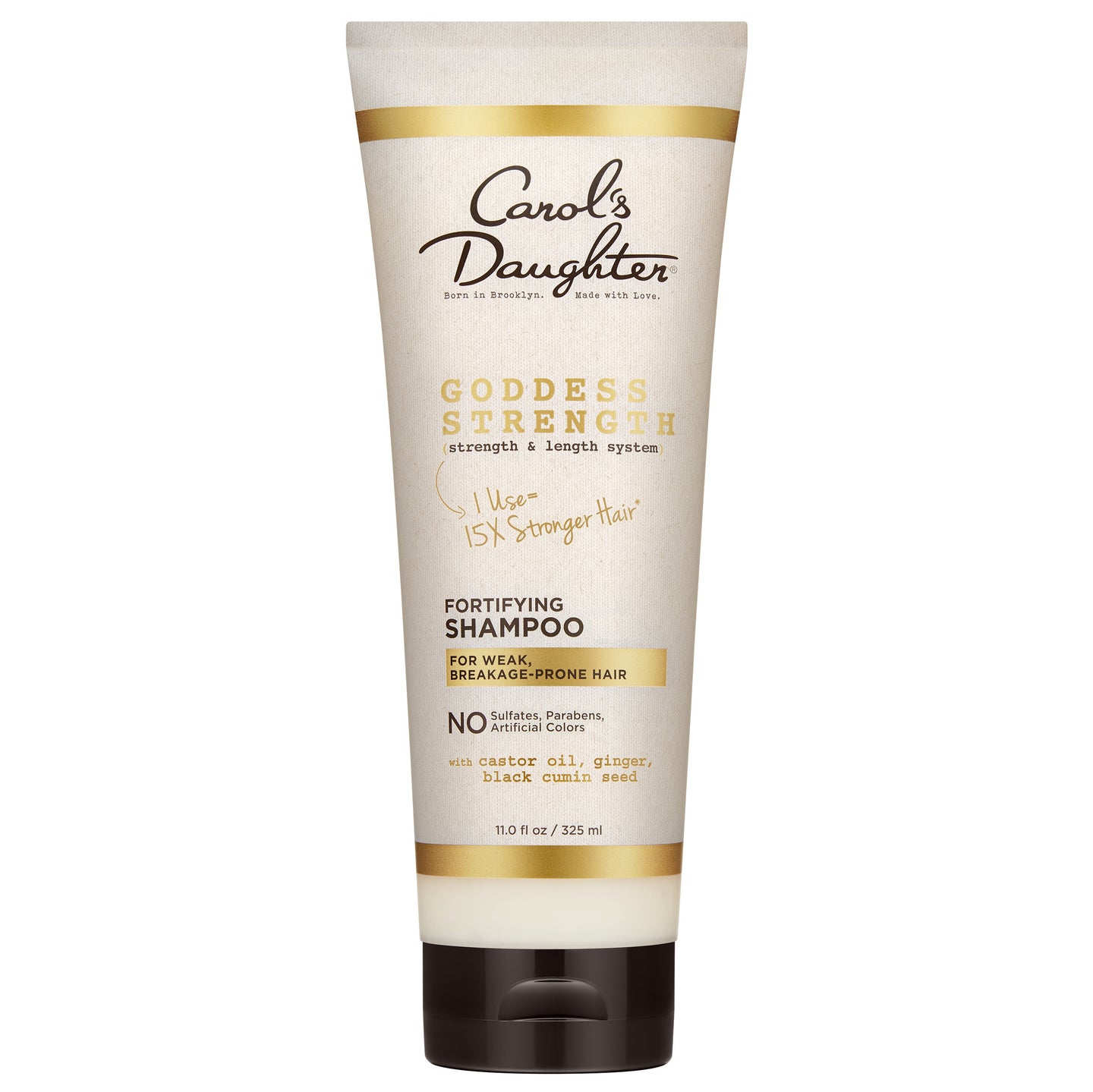
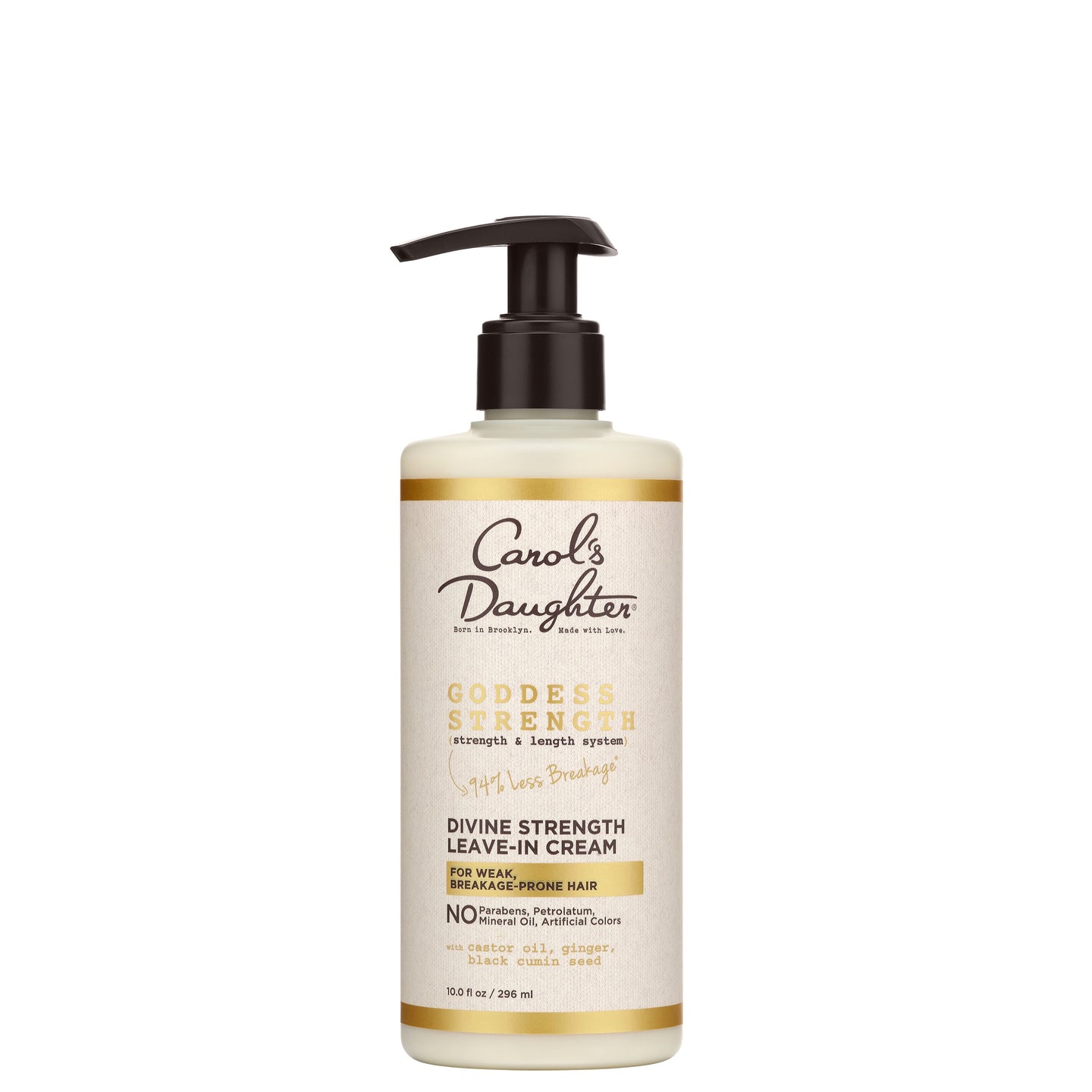
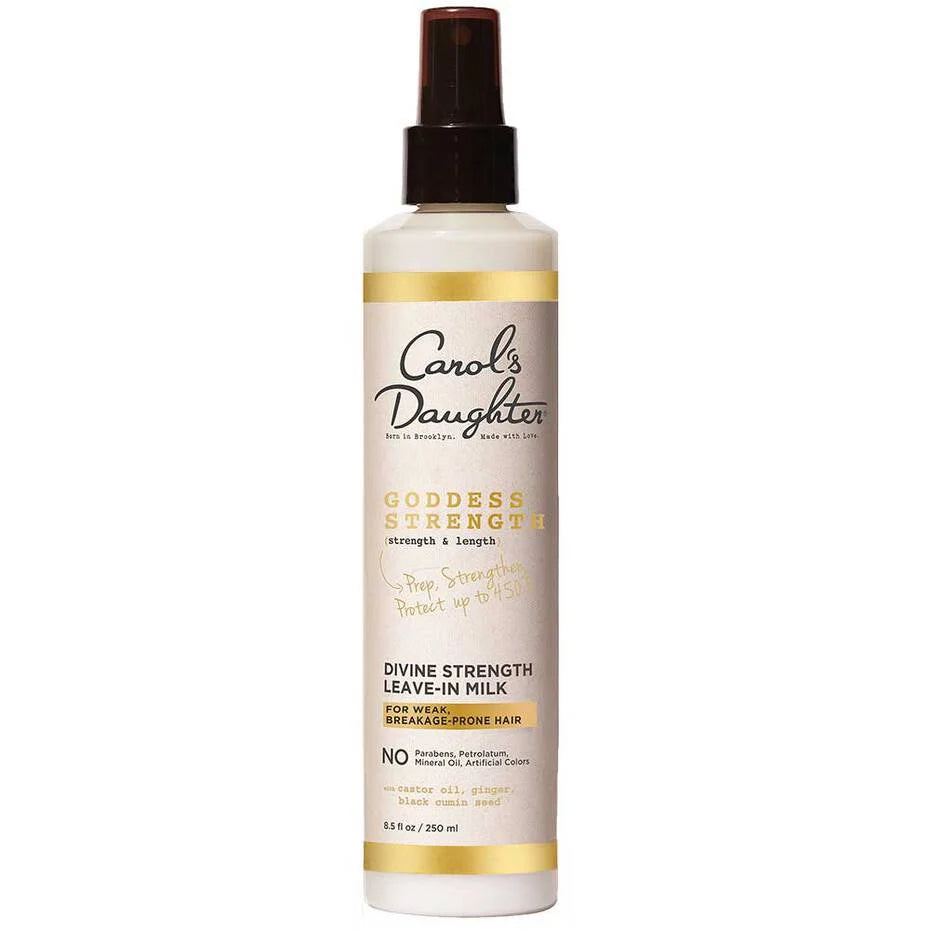
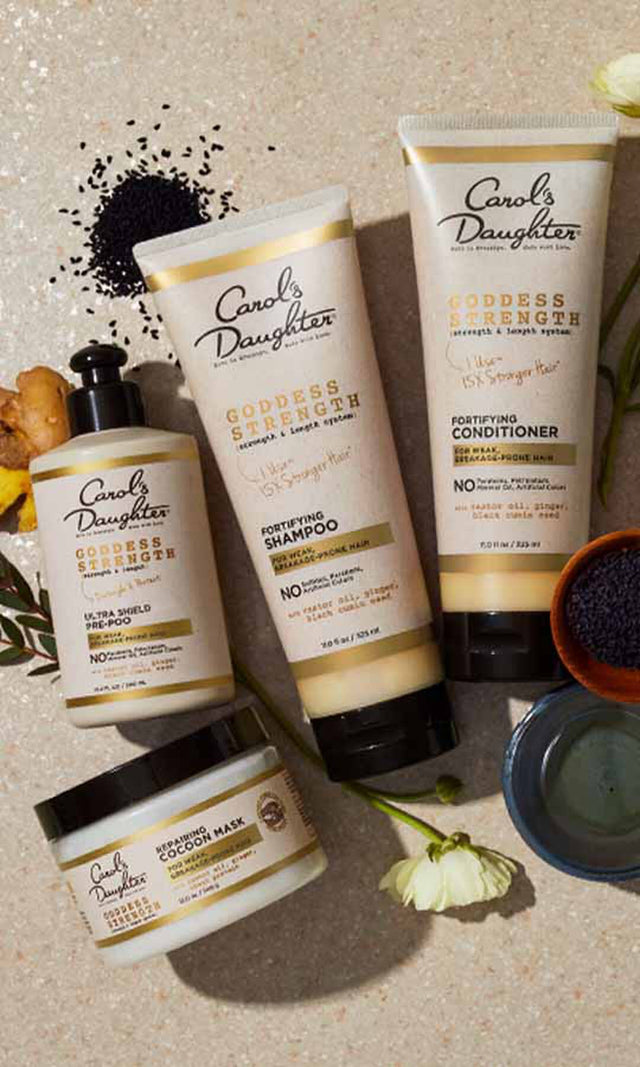
Every other wash day, swap your usual cleanse-and-condition for the Goddess Strength Fortifying Shampoo with Castor Oil and Goddess Strength Fortifying Conditioner with Castor Oil — both built around keratin-supporting castor oil to strengthen weakened hair bonds.
For Easier Detangling
The Hair Milk Original Leave-In Moisturizer helps detangle while delivering hydrolyzed silk protein — supports strength without weight.
For more, see our complete guide to detangling natural hair.
Best Hair Products With Protein
| Step | Product | Key Protein |
|---|---|---|
| Strengthening Shampoo | Goddess Strength Fortifying Shampoo with Castor Oil | Castor oil + keratin support |
| Strengthening Conditioner | Goddess Strength Fortifying Conditioner with Castor Oil | Castor oil + keratin support |
| Deep Mask | Goddess Strength Cocoon Hydrating Hair Mask | Wheat protein |
| Leave-In Spray | Black Vanilla Moisture & Shine Leave-In Conditioner | Soy protein |
| Leave-In Moisturizer | Hair Milk Original Leave-In Moisturizer | Hydrolyzed silk protein |
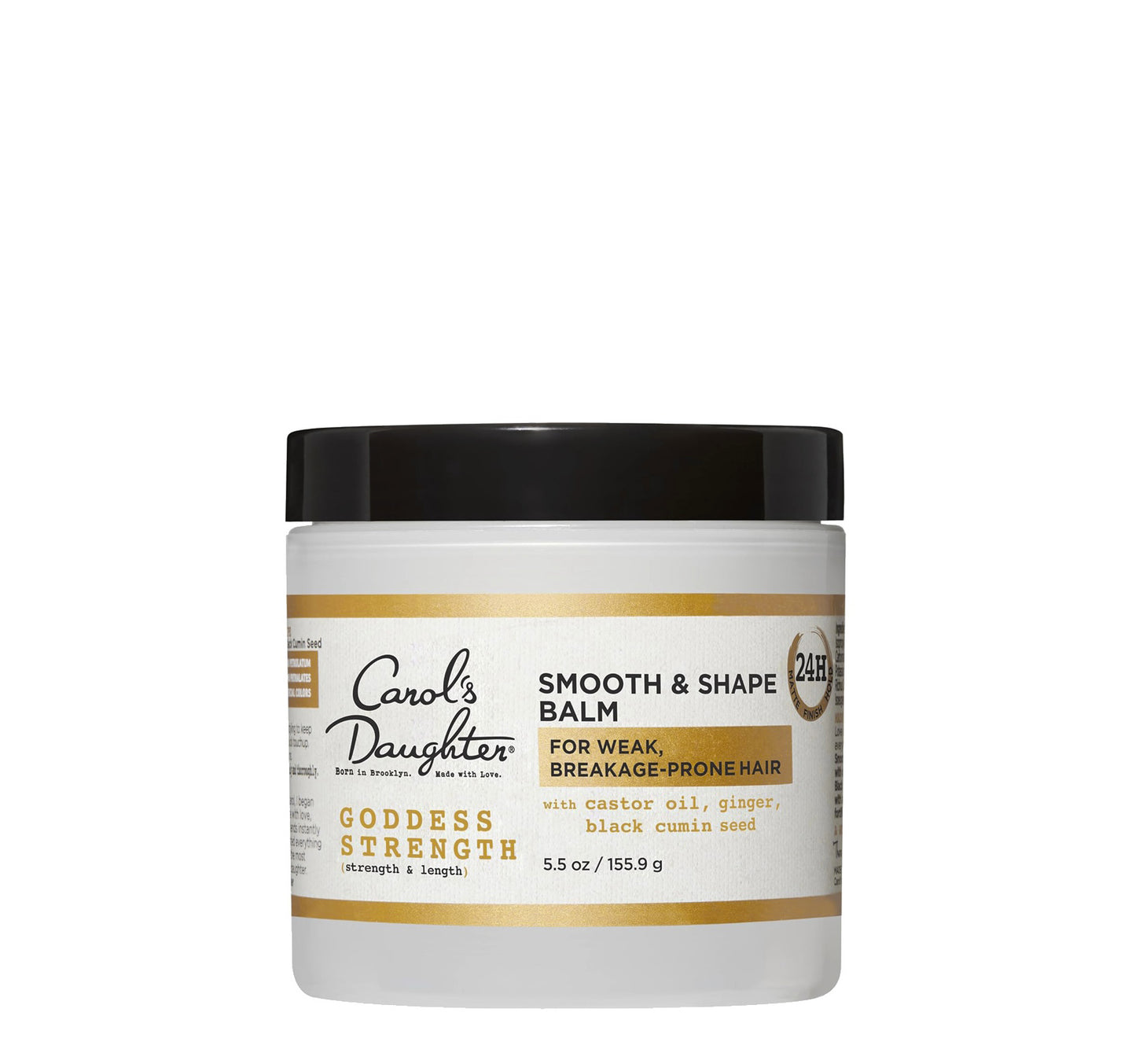
Browse the full Goddess Strength collection for the strength-focused system.
Signs of a Moisture Deficiency in Hair
Hair also craves moisture. The most common signs of dehydration:
Split Ends
When the hair shaft becomes dry and brittle, it splits into two or more smaller strands. Tell-tale sign of moisture deficiency. For more, see our complete guide to split ends.
Dull Hair
When hair lacks moisture, the cuticle becomes rough and raised. Light can't bounce off the surface easily — so hair looks dull and lifeless.
Flaky Scalp
A dry scalp results in flakiness and itchiness. Skin cells shed more quickly. The fix: nourish and hydrate the scalp.
For more on scalp care, see our complete scalp care routine guide and our complete guide to itchy scalp causes.
If these symptoms ring a bell, your hair is asking for moisture. A good moisturizing routine fixes most of them quickly.
How to Add Moisture to Hair
Moisture removes brittleness, increases elasticity, and prevents breakage. Under-moisturized hair feels dry, tangles easily, lacks shine, and feels weak.
Build a Moisture-Focused Routine
Twice weekly: Pre-shampoo conditioning treatment to draw moisture into the hair shaft.
Once weekly: Deep conditioner for intensive moisture.
Every wash: Moisturizing shampoo and conditioner — the Black Vanilla Moisture & Shine Sulfate Free Shampoo and Black Vanilla Moisture & Shine Hydrating Conditioner replenish moisture and add shine. Contains aloe leaf juice and shea butter for hydration.
Daily/as needed: A finishing oil to seal moisture. The Goddess Strength 7-Oil Blend Hair & Scalp Oil locks in hydration and leaves hair soft.
For the full moisturizing routine, see our complete guide to moisturizing natural hair.
Does Hair Benefit From Both Protein and Moisture?
Absolutely yes. Achieving the right balance of protein and moisture is the key to healthy, vibrant hair.
- Too much protein: Hair feels like straw — stiff, dry, prone to breakage
- Too much moisture: Hair feels overly soft, droops, lacks structure
The goal is balance, not maximization of either side.
Most people will need:
- Daily moisture (lightweight)
- Weekly protein (in a treatment or rotation)
- Bi-weekly deep conditioning (combination mask)
Adjust based on your hair's needs and how it responds.
What Is Protein Overload in Hair?
Protein overload happens when your hair has more protein than it can handle.
Confusingly, protein overload mimics the look of damaged hair — making it hard to tell the two apart.
How to Test for Protein Overload
Use a protein treatment on your hair. If your hair feels drier afterward instead of softer and stronger, you have protein overload — your hair doesn't need more protein, it needs moisture.
The Fix
Protein overload clears up as soon as protein-containing products are completely washed out:
- Switch to moisture-focused products only for 1–2 weeks
- Skip all protein treatments during the recovery period
- Use a clarifying shampoo to remove any lingering protein buildup
- Deep condition with a moisture-focused mask
Once your hair feels normal again, gradually reintroduce protein at half the previous frequency.
Frequently Asked Questions About Protein for Hair
How often should I use a protein treatment?
Most hair: every 4–6 weeks for a strong protein treatment. For lighter daily protein (in leave-ins, shampoo), every wash day is fine. Damaged or chemically treated hair may need more frequent treatments.
Can natural hair have protein overload?
Yes — and it's especially common in natural hair because many curl-focused products are protein-rich. If you've been using multiple protein products and your hair feels stiffer rather than stronger, you may be overdoing it.
Is protein bad for low porosity hair?
Often, yes. Low porosity hair is generally protein-sensitive — protein sits on top of the tightly closed cuticle and creates stiffness without strengthening. Use protein sparingly on low porosity hair and prioritize moisture instead.
Is protein good for high porosity hair?
Yes — high porosity hair needs protein to help close the open cuticle and reinforce weakened structure. Regular protein treatments are essential for this porosity.
What's the strongest protein treatment?
A reconstructor (different from a regular protein conditioner). The Goddess Strength Cocoon Hydrating Hair Mask is among the strongest CD options — combines wheat protein with deep moisture.
Can I use protein treatments on color-treated hair?
Yes — and you should. Coloring damages the protein structure of hair. Protein treatments help repair that damage. Wait 1–2 weeks after coloring before doing your first treatment.
Why does my hair feel worse after a protein treatment?
Two possibilities: (1) your hair needed moisture, not protein, and you overdid it, or (2) you used too strong a treatment for your hair's current state. Try the moisture-restoration steps above.
What's the difference between hair protein and dietary protein?
Hair products with protein are topical — they coat or fill the hair shaft from the outside. Dietary protein (from food) supports the body's ability to grow new hair from the follicle. Both matter for overall hair health.
Ready to balance your protein and moisture?
For protein-focused care → Shop the Goddess Strength collection
For moisture-focused care → Shop the Black Vanilla collection
For more on hair health → Read our complete guide to hair breakage
Not sure where to start? → Take the Curl Quiz