12 Healthy Hair Habits for Your Best Natural Hair Yet


12 Healthy Hair Habits for Your Best Natural Hair Yet
By Carol's Daughter — Updated May 2026
Quick Answer: The 12 most important healthy hair habits for natural curly hair: don't skip the basics (cleanse and condition consistently), stick to sulfate-free shampoo, use hair masks regularly, prioritize moisture at every step, take care of your scalp, eat a balanced diet, drink enough water, protect your hair at night, minimize heat styling, trim every 6–8 weeks, detangle gently, and incorporate protective styles. None of these are complicated — they just need to be consistent.
Healthy natural hair isn't built by one miracle product. It's built by consistent habits — small, repeatable practices that add up over weeks and months.
The good news: most of these habits are simple and accessible. The hard part is sticking with them.
Here are 12 healthy hair habits that will make a real difference in how your hair looks, feels, and grows.
Find Your Personalized Routine
Different curl types benefit from different versions of each habit. The Curl Quiz helps you customize.
Take the Curl Quiz → A 5-step quiz that identifies your hair type, main concerns, and the products built for your texture.
1. Don't Underestimate the Basics
Hair care doesn't need to be complicated.
The foundation is simple: cleanse, condition, moisturize, protect, repeat. Most people overcomplicate their routines with too many products and not enough consistency.
Stick with the basics. Show up for them regularly. The results compound.
For the full basics breakdown, see our complete guide to taking care of curly hair.
2. Stick to Sulfate-Free Shampoo
For natural and curly hair, sulfate-free is the gold standard.
Sulfates strip natural oils alongside dirt, leaving curly hair dry, frizzy, and prone to breakage. Sulfate-free shampoos cleanse effectively without the stripping effect.
The Wash Day Delight Sulfate Free Shampoo for Curly Hair is a strong everyday option — micellar water-based formula that lathers gently without disrupting natural oils.
For more, see our complete guide to sulfate-free shampoo.
3. Make Hair Masks Your Friend
When your curls need TLC, deep treatments deliver.
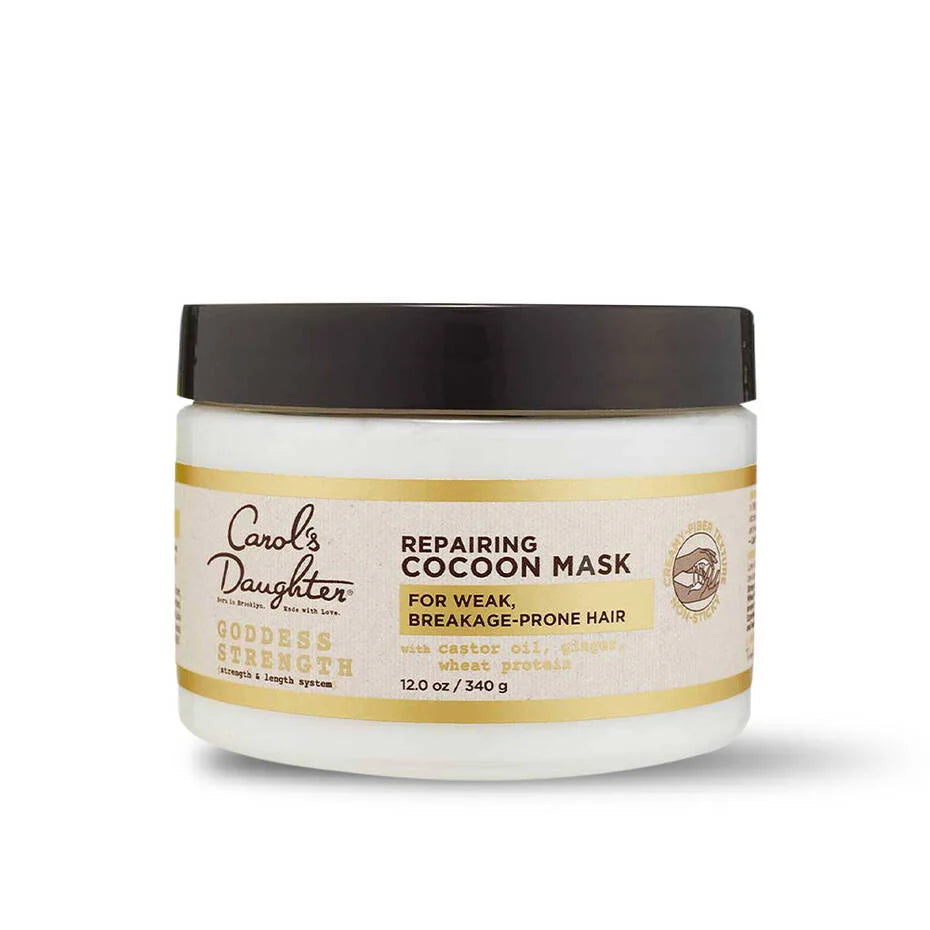
A weekly or bi-weekly hair mask repairs, rejuvenates, and refreshes tired curls. Apply a moisture-rich mask like the Goddess Strength Cocoon Hydrating Hair Mask from root to tip, leave for 15–30 minutes, then rinse.
For maximum penetration, sit under a hooded dryer or use a hair steamer while the mask is on.
4. Moisturize, Moisturize, Moisturize
Curly hair drinks moisture constantly. Building your routine around hydration pays off in length retention, definition, and overall health.
Think in layers:
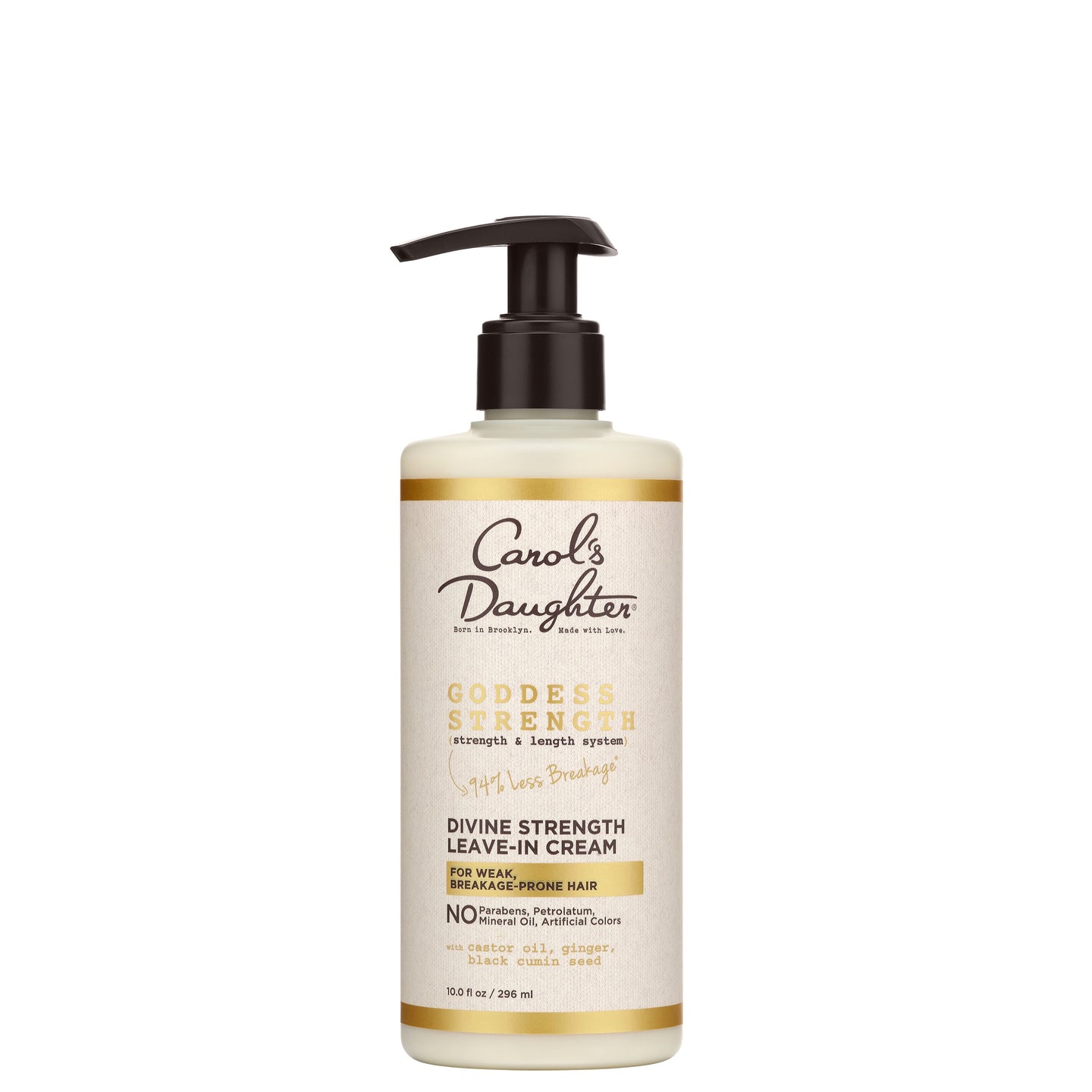
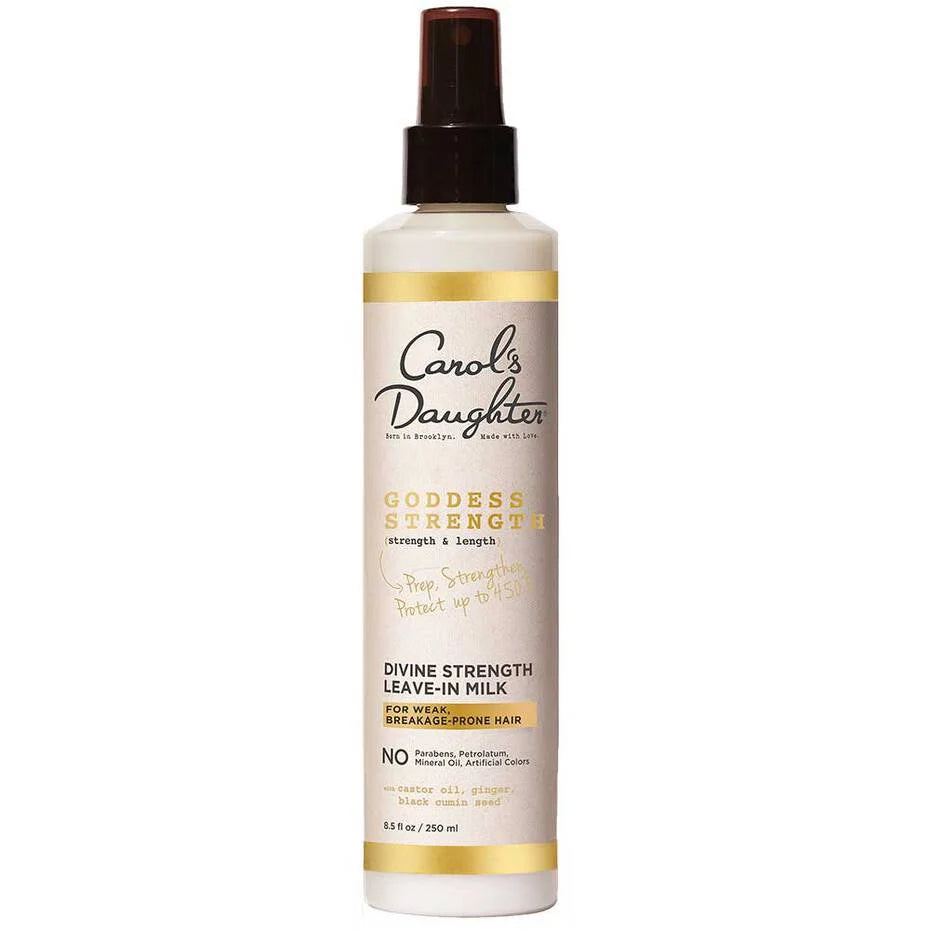
- Start with a moisturizing leave-in: the Goddess Strength Divine Strength Leave-In Cream with Castor Oil — castor oil-infused, packed with moisturizing ingredients
- Add hold (if needed): the Coco Crème Curl Shaping Cream Gel with Coconut Oil — alcohol-free, natural hold without flake or stiffness
- Seal for all-day moisture: the Coco Crème Coil Enhancing Moisture Butter — heavyweight hydration for dense, thirsty coils
For more on moisture-focused routines, see our complete guide to moisturizing natural hair.
5. Don't Forget Scalp Care
Healthy hair starts at the scalp. You wouldn't ignore the skin on your face — your scalp deserves the same attention.
Scalp care basics:
- Massage gently 2–3 times per week to stimulate circulation
- Use a scalp oil like the Goddess Strength 7-Oil Blend Hair & Scalp Oil to nourish and reduce dryness
- Exfoliate monthly to remove buildup
- Don't over-wash (strips natural oils that keep your scalp balanced)
For more, see our complete scalp care routine guide.
6. Eat a Balanced Diet
Healthy hair starts from within.
Your hair is built from what you eat. A diet rich in:
- Protein (eggs, fish, beans, lean meats) for hair structure
- Healthy fats (avocado, salmon, nuts, olive oil) for scalp health
- Iron (leafy greens, lentils, red meat) for hair growth
- Vitamins A, C, E, and B-complex for follicle health
For more on the diet-hair connection, see our complete guide to growing natural hair.
7. Drink Plenty of Water
Hydrated body = hydrated hair.
If you're dehydrated, your body prioritizes water for essential organs — and your scalp and hair follicles fall low on the priority list. Drink enough water daily (8 glasses is a good baseline; more if you're active).
Water-rich foods like cucumbers, watermelon, and oranges help, too.
8. Sleep Wisely
What happens at night either preserves or destroys what you did all day.
Healthy sleep habits for natural hair:
- Sleep on a satin or silk pillowcase — reduces friction and moisture loss
- Wear a satin or silk bonnet — extra protection
- Pineapple your curls or tie hair in a loose top knot/braid — keeps curls in shape
- Avoid sleeping with hair down and loose — almost guaranteed to cause tangles and frizz
In the morning, apply a few drops of the Goddess Strength 7-Oil Blend Hair & Scalp Oil from mid-shaft to ends for instant moisture and shine.
For more on overnight curl preservation, see our complete guide to hair pineappling.
9. Skip (or Minimize) Heat Styling
Heat damage is one of the most common causes of breakage in natural hair — and it's preventable.
Best practices if you do use heat:
- Limit to once a month maximum
- Always use a heat protectant
- Use the lowest effective temperature
- Air-dry whenever possible
For more on heat damage, see our complete guide to repairing heat-damaged curly hair.
10. Make Trims a Priority
Every hair professional agrees: regular trims are essential for healthy hair.
The rule: trim every 6–8 weeks.
Skipping trims (even when trying to grow your hair) leads to split ends that travel up the hair shaft, causing more damage over time. A regular trim removes the damage before it spreads.
For more, see our complete guide to split ends.
11. Detangle Gently
Detangling improperly is one of the fastest ways to cause breakage.
Detangling rules:
- Detangle when hair is damp with conditioner — never dry
- Start from the ends and work upward toward the roots
- Use your fingers first to identify and work through knots
- Follow with a wide-tooth comb if needed
- Use a moisture-rich detangler like the Hair Milk Original Leave-In Moisturizer for slip
Never detangle when you're tired or rushed. Take the time it takes — your hair will thank you.
For more techniques, see our complete guide to detangling natural hair.
12. Incorporate Protective Styles
Protective styles give your hair a break from daily manipulation.
Best protective styles for healthy hair:
- Box braids — classic, durable, low-maintenance
- Knotless braids — gentler on edges, same protection
- Twists — quicker to install, equally protective
- Wigs and weaves — total protection while letting your hair grow
Choose a protective style once or twice a month to give your strands extended time off from manipulation, heat, and styling stress.
For the full breakdown, see our complete guide to protective hairstyles for natural hair.
Frequently Asked Questions About Healthy Hair Habits
How long until I see results from these habits?
Most people notice visible improvements within 4–8 weeks of consistent practice. Bigger changes (length retention, density improvements, color/texture changes) take 3–6 months.
What's the single most important habit?
Moisture. If you only do one thing differently, focus on moisturizing your hair consistently. Everything else builds from that foundation.
Do I really need all 12 of these?
No — but the more you incorporate, the better the results. Start with the basics (sulfate-free shampoo, regular conditioning, satin pillowcase), then add layers over time.
Are vitamins or supplements helpful for hair?
Sometimes — especially if you have deficiencies. Biotin, vitamin D, iron, and zinc are commonly linked to hair health. But supplements work best when paired with a balanced diet, not as replacements for one.
Can I skip trims if I'm trying to grow my hair?
No — and this is the most common mistake. Split ends don't stay at the ends; they travel up the strand, causing more damage. Regular trims actually support length retention by stopping damage in its tracks.
Should I wash my hair every day?
For natural and curly hair, no. Most curl types do best with washing every 7–14 days. For the full breakdown, see our complete guide to washing curly hair.
Is genetics more important than my habits?
Genetics determines your hair's potential — texture, density, growth rate, color. But habits determine how close you get to that potential. You can't change your hair type, but you can dramatically change your hair's health.
What if I have hair loss or thinning despite good habits?
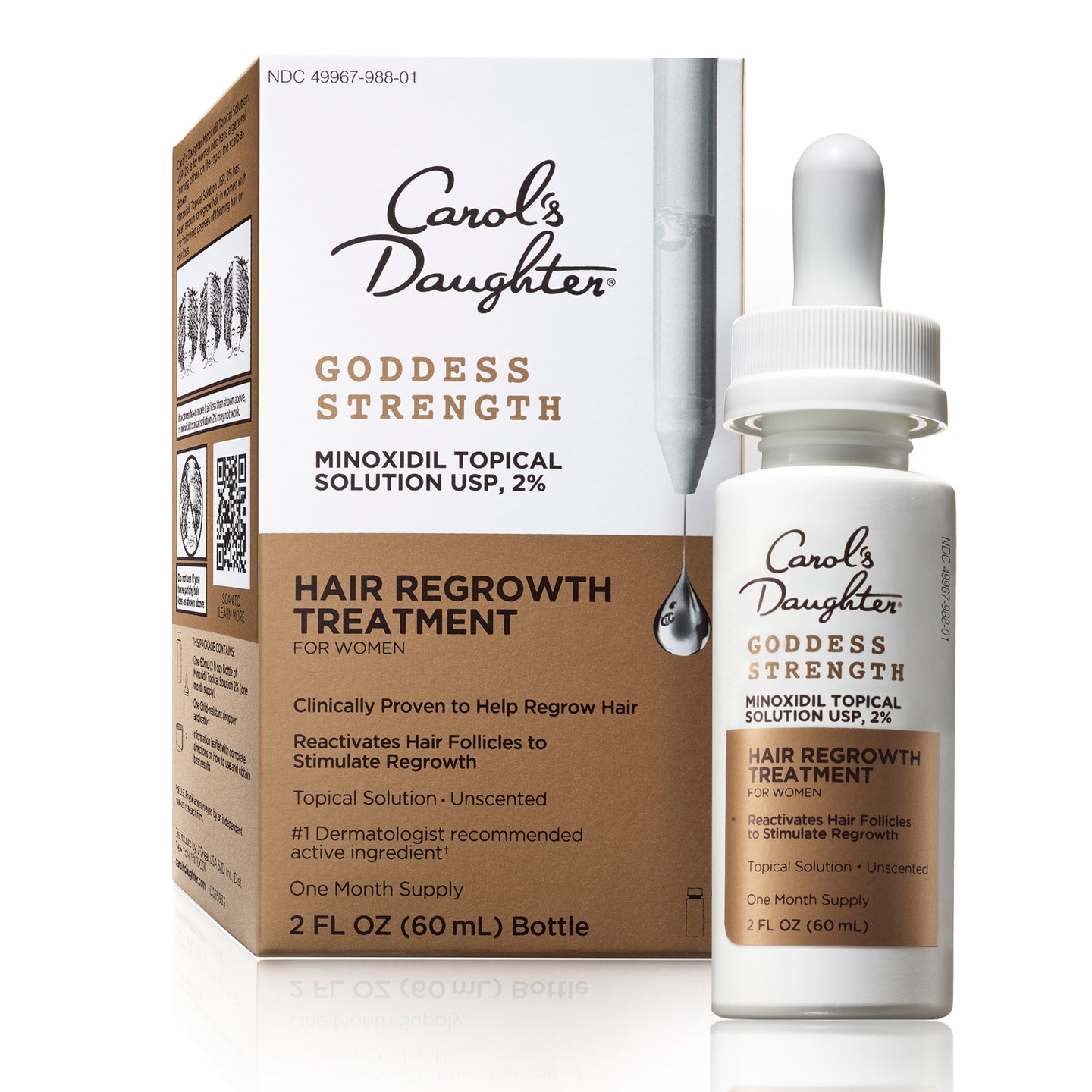
Hair loss has many causes (stress, hormones, nutrition, scalp conditions). If you're experiencing significant loss, consult a dermatologist. For more on hair loss specifically, see our complete guide to minoxidil for women.
Ready to upgrade your hair routine?
For wash-day essentials → Shop the Goddess Strength collection
For styling products → Shop stylers & protective styling
For more guidance → Read our complete scalp care routine guide
Not sure where to start? → Take the Curl Quiz