

Hair Masks to Pamper Curly Hair
The Best Hair Masks to Pamper Curly Hair
By Carol's Daughter — Updated May 2026
Quick Answer: Hair masks are intensive deep treatments that deliver a concentrated dose of moisture and nutrients to curly hair — far more than a regular conditioner can. The best hair masks for curly hair contain penetrating oils (coconut, jojoba, avocado), humectants (glycerin, aloe vera), sealing agents (shea butter, castor oil), and strengthening proteins. Use weekly for very dry hair, monthly for hair that needs less intervention. Apply to clean damp hair, leave on 15–30 minutes (or follow product directions), and rinse with cool water.
If you've ever felt like your regular conditioner just isn't enough, you're not wrong — and a hair mask is the answer.
For natural curls, masking isn't a luxury bonus. It's a hydrating necessity. The right hair mask, used consistently, can transform dry, fragile curls into soft, defined, healthy hair.
Here's everything you need to know about hair masks for curly hair — what they do, how to choose one, and how to use them right.
What Are the Benefits of a Hair Mask?
A hair mask delivers a concentrated dose of moisture and nutrients — significantly more than what a regular conditioner provides in the same amount of time.
What a Hair Mask Does
- Deeply hydrates with high concentrations of moisturizing ingredients
- Repairs damage by filling in weakened spots in the hair shaft
- Strengthens hair with proteins and reparative ingredients
- Softens texture for easier styling and detangling
- Restores elasticity that dry, brittle hair loses
- Adds shine by smoothing the cuticle
For curly hair specifically, regular masking is the difference between hair that survives and hair that thrives.
For more on curly hair moisture fundamentals, see our complete guide to moisturizing natural hair.
Find Your Personalized Routine
How often you need to mask depends on your specific hair type, porosity, and condition.
Take the Curl Quiz → A 5-step quiz that identifies your hair type, main concerns, and the products built for your texture.
The Best Hair Masks for Curly Hair
The best hair mask is one matched to your curl type, porosity, and current hair condition.
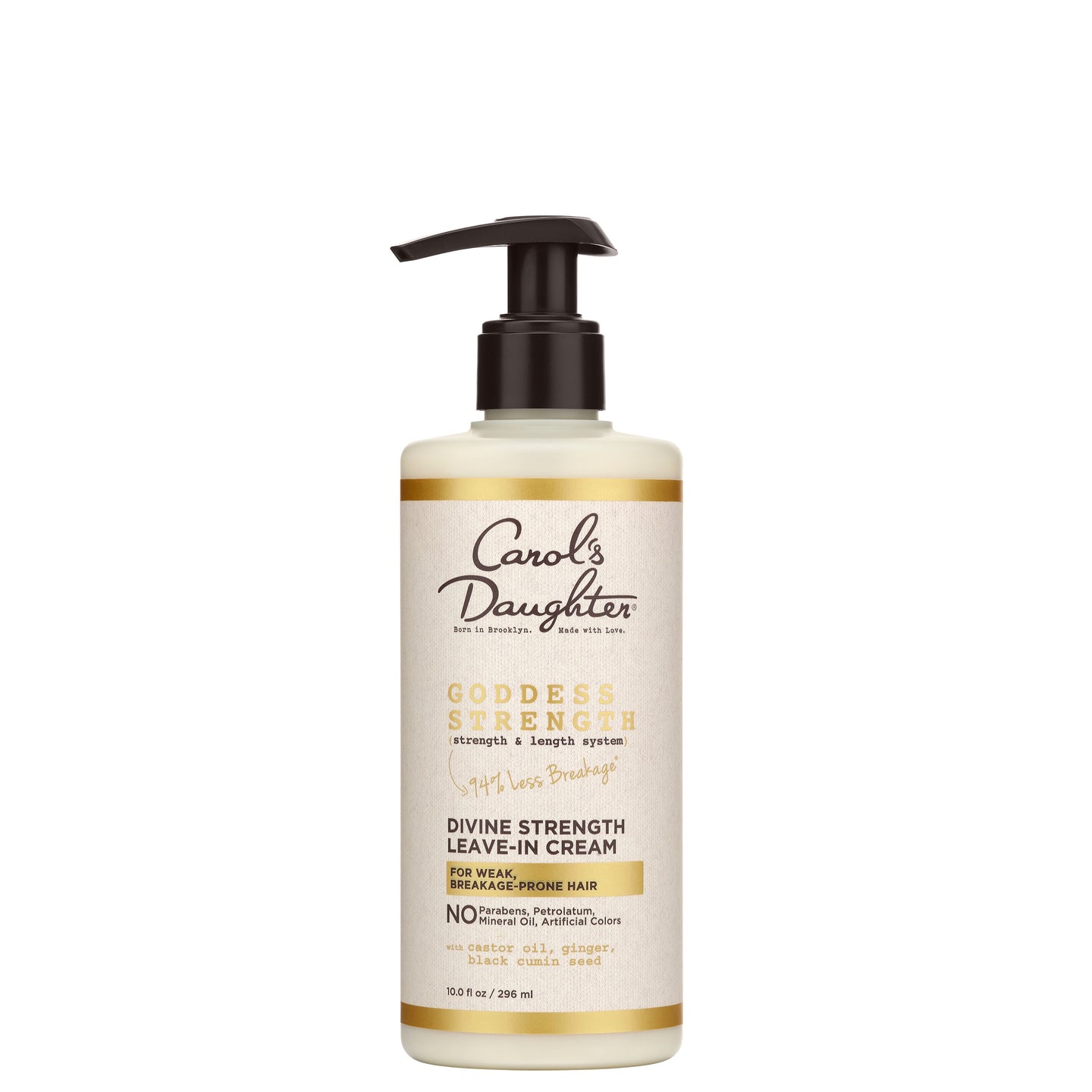
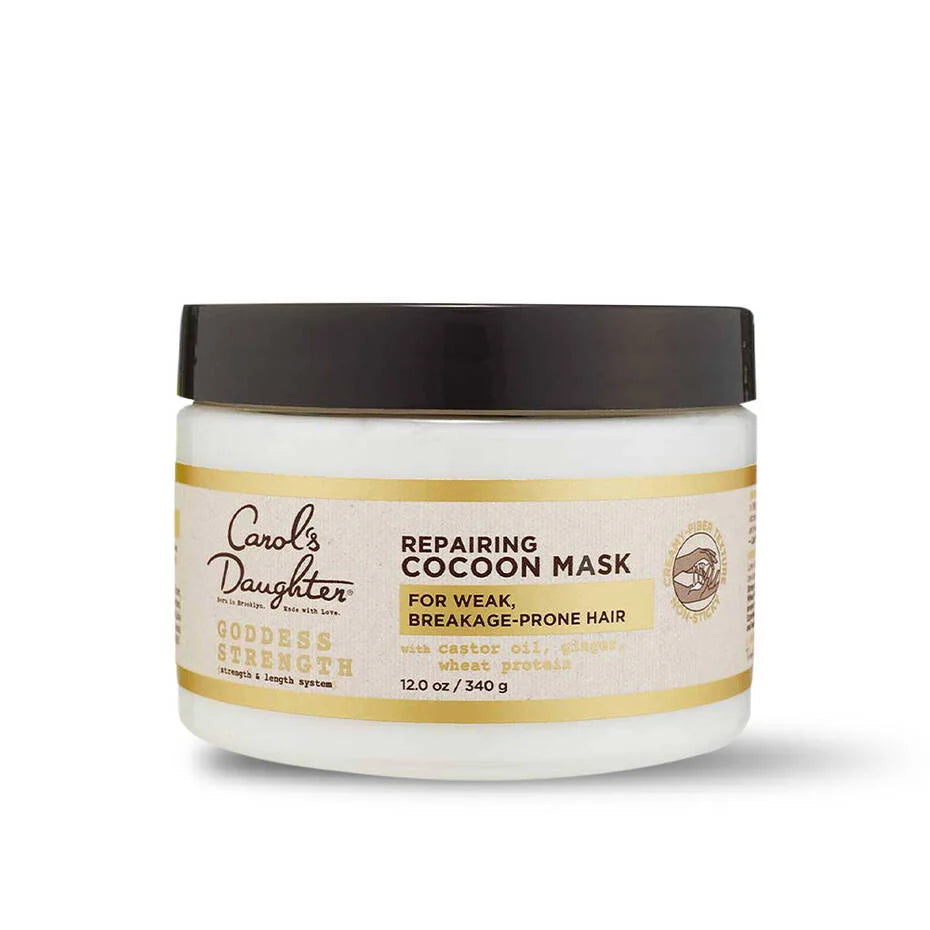
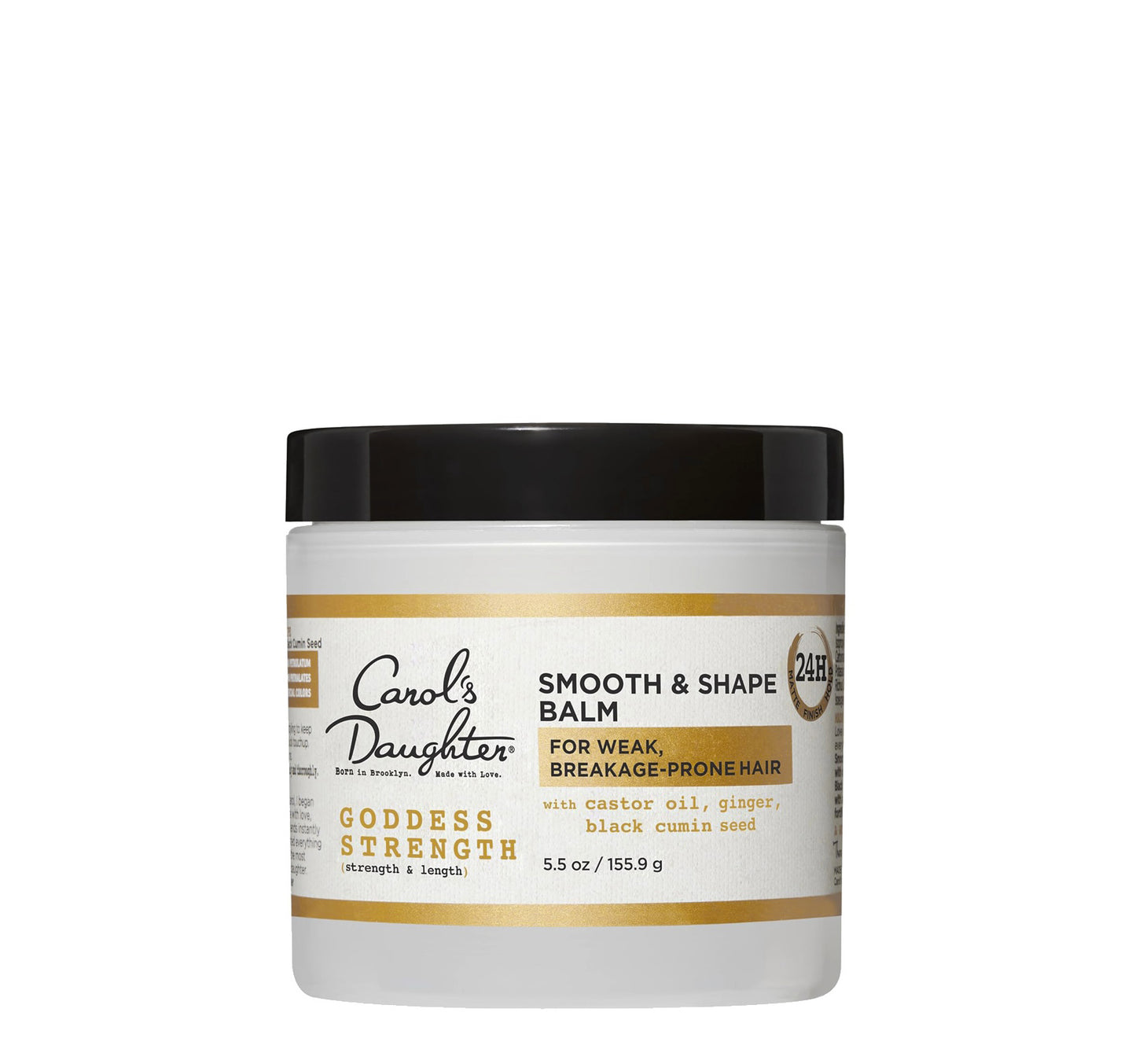
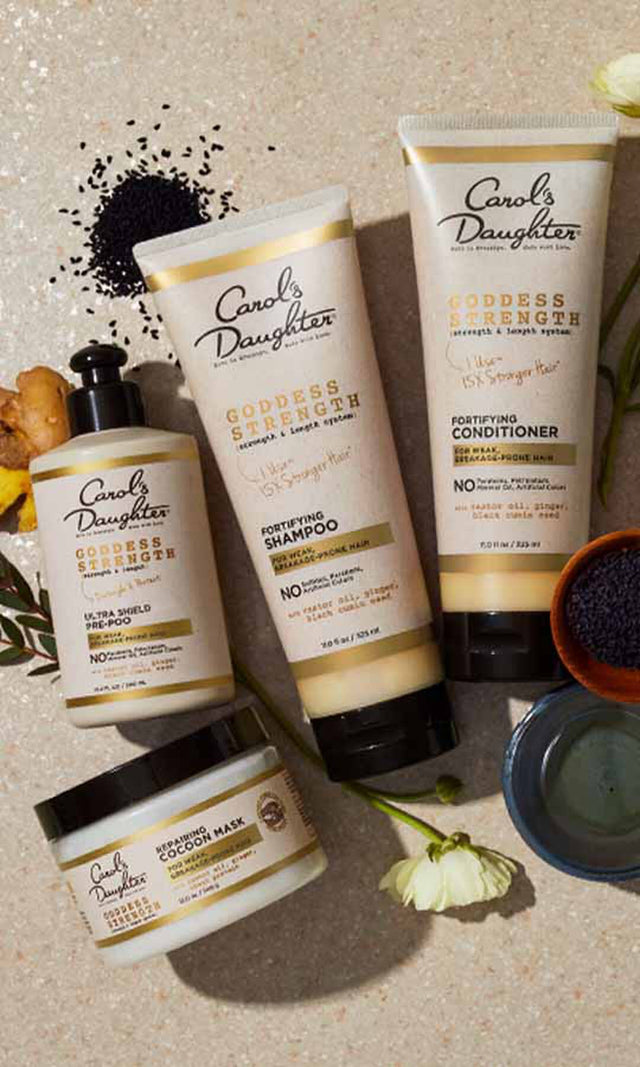
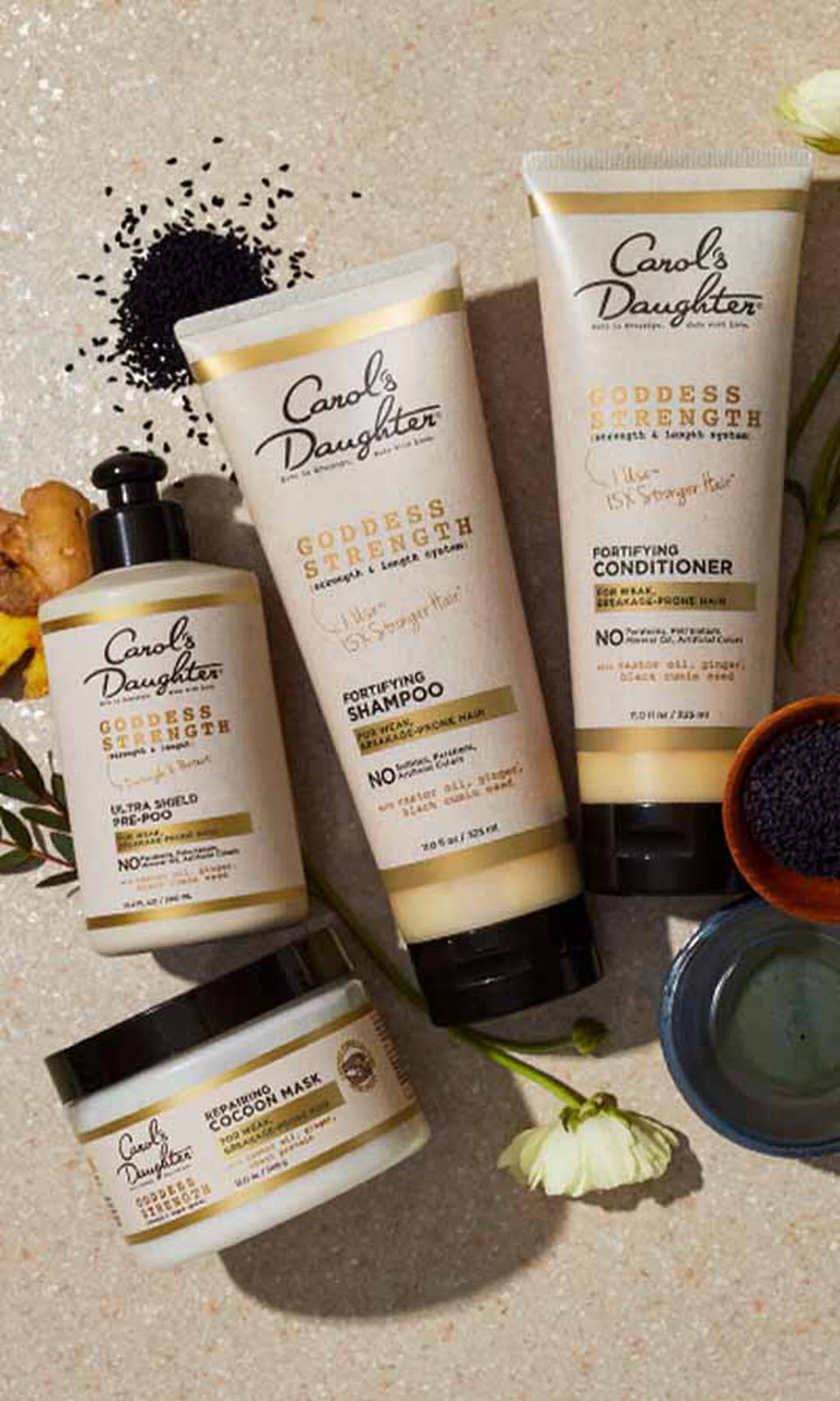
1. Goddess Strength Cocoon Hydrating Hair Mask — Best for Most Curly Hair
Best for: Type 3 to type 4 hair, weekly intensive moisture, hair that needs both strength and hydration
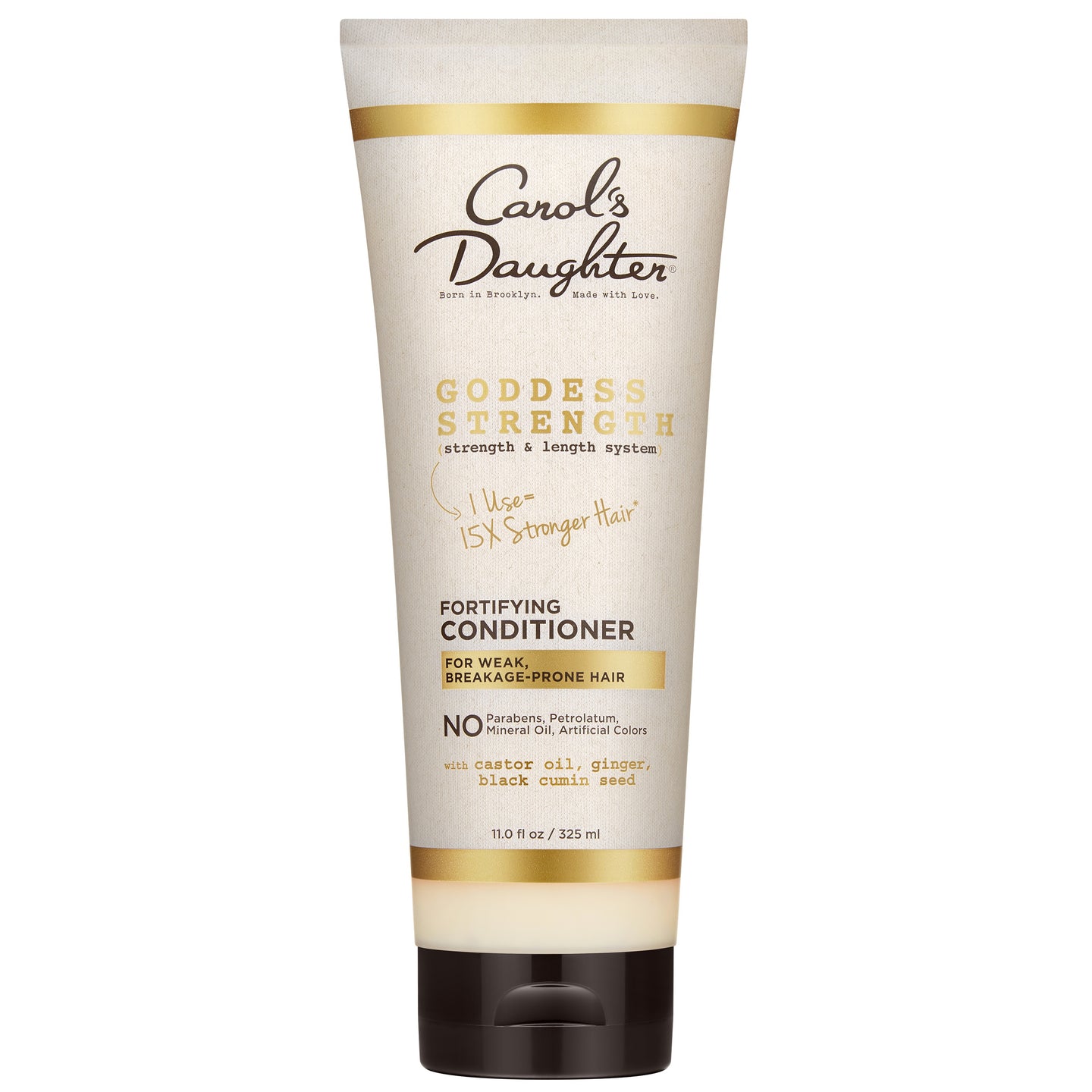
The Goddess Strength Cocoon Hydrating Hair Mask is the go-to intensive treatment for natural curls. Formulated with castor oil, black cumin seed oil, and ginger, it delivers deep moisture while strengthening hair to resist breakage.
Why it works:
- Castor oil-rich formula penetrates the hair shaft for lasting moisture
- Black cumin seed oil and ginger nourish the scalp while treating the hair
- Strengthening ingredients help prevent breakage between washes
- Backed by the Goddess Strength claims: up to 7x stronger hair and 86% breakage reduction
How to use: Apply to clean, damp hair. Massage from roots to ends. Cover with a shower cap. Leave for 5–10 minutes (longer for deeper moisture). Rinse thoroughly with cool water.
2. Born to Repair 60-Second Moisture Treatment — Best for Quick Intensive Moisture
Best for: Time-pressed wash days, hair that needs a quick repair boost
The Born to Repair 60-Second Moisture Treatment with Shea Butter functions as an express hair mask — delivering deep moisture in just one minute.
Why it works:
- Shea butter-rich formula for intensive hydration
- Designed for fast results when you don't have 30 minutes
- Doubles as a pre-poo or post-wash treatment
- Ideal for hair recovering from damage
How to use: Apply to wet hair after shampooing. Leave on for 60 seconds (or longer if you have time). Rinse thoroughly.
3. DIY Hair Masks — Best for Customization
Best for: Experimentation, ingredient-conscious users, between-purchase pinches
You can create a hair mask at home using kitchen ingredients and oils.
Common DIY mask ingredients:
- Avocado — natural fatty acids and vitamins
- Honey — humectant that draws moisture
- Banana — softens and adds shine
- Olive or coconut oil — penetrating moisturizers
- Yogurt — lactic acid for gentle exfoliation
The honest tradeoff: DIY masks can be hit-or-miss. They lack the balanced formulation of commercial products, can spoil quickly, and the ingredient ratios are hard to nail down. For most people, a commercial mask delivers better, more consistent results. But DIY can be a fun occasional experiment.
How to Identify Curly Hair-Friendly Mask Ingredients
Beyond the products themselves, knowing what to look for in any hair mask helps you make better choices.
Ingredients to Look For
| Ingredient Type | What They Do | Examples |
|---|---|---|
| Penetrating oils | Absorb into the hair shaft | Coconut, jojoba, olive, avocado |
| Sealing oils | Lock in moisture, smooth cuticle | Castor, shea butter, cocoa butter |
| Humectants | Attract moisture from the air | Glycerin, honey, aloe vera |
| Proteins | Strengthen and repair | Wheat protein, keratin, silk amino acids |
| Fatty acids | Nourish and soften | Found in many natural oils |
Ingredients to Avoid
- Parabens — preservatives linked to hormone disruption
- Mineral oil — sits on top of hair, blocks moisture absorption
- Phthalates — fragrance enhancers, irritate sensitive scalps
- Heavy silicones — buildup over time
- Sulfates — in some masks (rare, but check labels)
For more on ingredient awareness, see our complete guide to sulfate-free shampoo.
Do You Use a Hair Mask Before or After Shampooing?
It depends on the mask.
Use a Mask BEFORE Shampooing (As a Pre-Poo) When:
- You're doing a steam treatment
- The mask is designed as a pre-shampoo treatment
- You want to protect against shampoo's stripping effect
For more on this approach, see our complete guide to pre-poo treatments.
Use a Mask AFTER Shampooing When:
- The mask is rich in sealing oils (like castor oil)
- You want maximum moisture penetration on clean hair
- The product label specifies post-shampoo use
The rule: follow the mask's directions. If it says use before shampoo, use it before. If it says use after, use it after. Don't override the formulator's intent.
How Long Should You Leave a Hair Mask On?
Moisture is your friend — but overdoing it can backfire.
Standard Timing
- Express treatments: 60 seconds to 5 minutes
- Regular masks: 15–30 minutes
- Overnight masks: 6–8 hours (only if specifically formulated for overnight use)
Signs of Over-Conditioning
If your hair masking routine is going too far, you'll see:
- Limp, lifeless curls
- Greasy roots that don't respond to washing
- Stretched-out curl pattern
- Difficulty holding any style
If this happens, scale back masking frequency and add a protein treatment to rebalance.
Don't sleep with a mask designed for 15 minutes overnight. It won't add more benefit — it'll just over-condition your hair.
How Often Should You Mask Your Hair?
Depends on your hair's needs.
Weekly Masking If You:
- Have type 4 hair (4A, 4B, 4C)
- Live in a dry climate
- Use heat styling regularly
- Have color-treated or chemically processed hair
- Notice your hair feels dry between washes
Bi-Weekly Masking If You:
- Have type 3 hair (3A, 3B, 3C)
- Have moderate moisture needs
- Use protective styles regularly
Monthly Masking If You:
- Have wavy hair (2A, 2B, 2C) that gets weighed down easily
- Have low porosity hair that struggles to absorb deep treatments
- Have hair that already feels healthy and well-moisturized
For hair that's frequently masking but still feels dry, your hair may have absorption issues. Do a porosity test — your hair may be low porosity, in which case heat (a hooded dryer or hair steamer) during masking will dramatically improve absorption.
Frequently Asked Questions About Hair Masks
Can I use a hair mask on dirty hair?
Some masks are designed for unwashed hair (as pre-poos) — others work better on clean hair. Check your product's directions. Generally, for deep moisture treatments, clean hair absorbs better.
What's the difference between a hair mask and a deep conditioner?
In practice, the terms are often used interchangeably. Technically, hair masks tend to be more concentrated and intensive than deep conditioners. Both leave on for 15+ minutes; both deliver extra moisture beyond what a regular conditioner provides.
Do I rinse with hot or cold water?
Cool water. Cool water seals the cuticle, locking in all the moisture the mask just delivered. Hot water reopens the cuticle and lets moisture escape.
Can I use a hair mask on dry hair?
Some are formulated for this purpose (especially overnight masks). Most aren't — they're designed to work on damp hair after shampooing. Check the product directions.
Will hair masks help my hair grow?
Indirectly. Healthy, moisturized hair breaks less, which means more of your natural growth is retained. Masks don't speed up the rate of growth, but they do help with length retention. For more, see our complete guide to growing natural hair.
Can I use a hair mask in place of conditioner every time I wash?
For most people, no. Masks are more concentrated than conditioners. Used too often, they can over-condition hair (limp curls, greasy roots, weakened structure). Use masks as the intensive step in your routine — not the default.
Are hair masks safe for color-treated hair?
Yes — and especially beneficial. Color processing dries hair out significantly, and masks restore the moisture color treatments take away. Just make sure the mask is sulfate-free to avoid fading. For more, see our complete guide to repairing bleach-damaged curls.
What's the best way to apply a hair mask?
Section your hair, apply from mid-length to ends first (where moisture is needed most), then work back toward the roots. Avoid the scalp unless the mask specifies otherwise. Cover with a shower cap for warmth — heat boosts absorption.
Ready to add masking to your routine?
For your hair mask → Shop the Goddess Strength collection
For oils & treatments → Shop oils & treatments
For more wash-day guidance → Read our complete guide to washing curly hair
Not sure where to start? → Take the Curl Quiz